+86-632-3621866
- Chinese
- French
- German
- Portuguese
- Spanish
- Russian
- Japanese
- Korean
- Arabic
- Irish
- Greek
- Turkish
- Italian
- Danish
- Romanian
- Indonesian
- Czech
- Afrikaans
- Swedish
- Polish
- Basque
- Catalan
- Esperanto
- Hindi
- Lao
- Albanian
- Amharic
- Armenian
- Azerbaijani
- Belarusian
- Bengali
- Bosnian
- Bulgarian
- Cebuano
- Chichewa
- Corsican
- Croatian
- Dutch
- Estonian
- Filipino
- Finnish
- Frisian
- Galician
- Georgian
- Gujarati
- Haitian
- Hausa
- Hawaiian
- Hebrew
- Hmong
- Hungarian
- Icelandic
- Igbo
- Javanese
- Kannada
- Kazakh
- Khmer
- Kurdish
- Kyrgyz
- Latin
- Latvian
- Lithuanian
- Luxembou..
- Macedonian
- Malagasy
- Malay
- Malayalam
- Maltese
- Maori
- Marathi
- Mongolian
- Burmese
- Nepali
- Norwegian
- Pashto
- Persian
- Punjabi
- Serbian
- Sesotho
- Sinhala
- Slovak
- Slovenian
- Somali
- Samoan
- Scots Gaelic
- Shona
- Sindhi
- Sundanese
- Swahili
- Tajik
- Tamil
- Telugu
- Thai
- Ukrainian
- Urdu
- Uzbek
- Vietnamese
- Welsh
- Xhosa
- Yiddish
- Yoruba
- Zulu
- Kinyarwanda
- Tatar
- Oriya
- Turkmen
- Uyghur


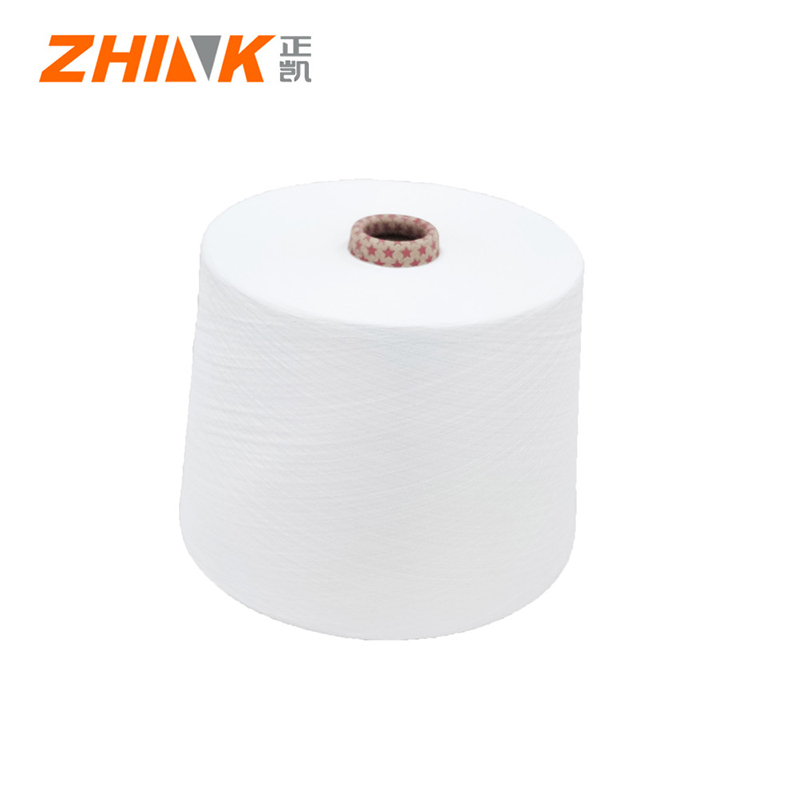
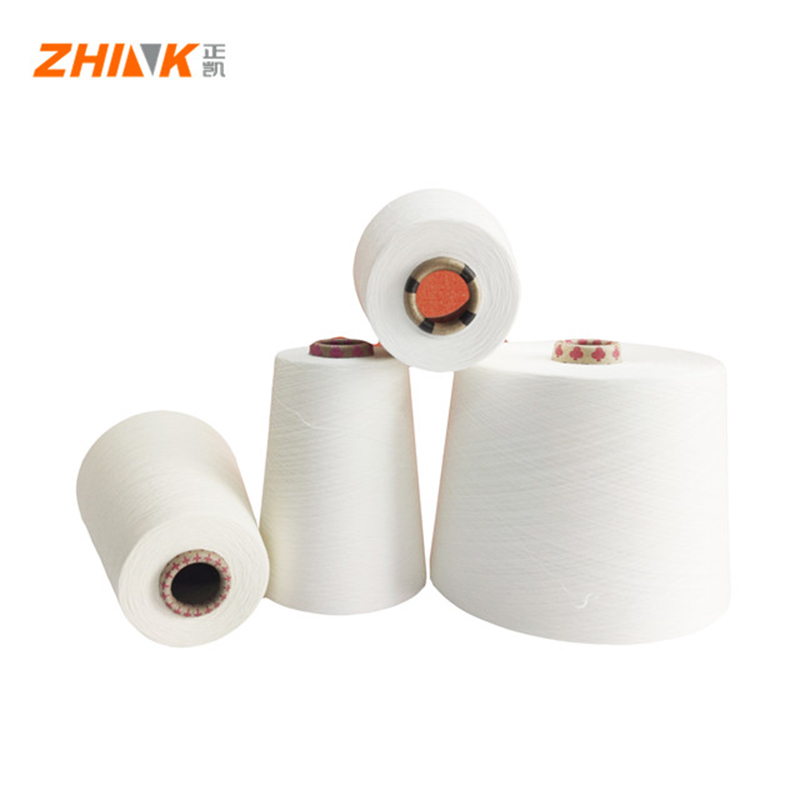
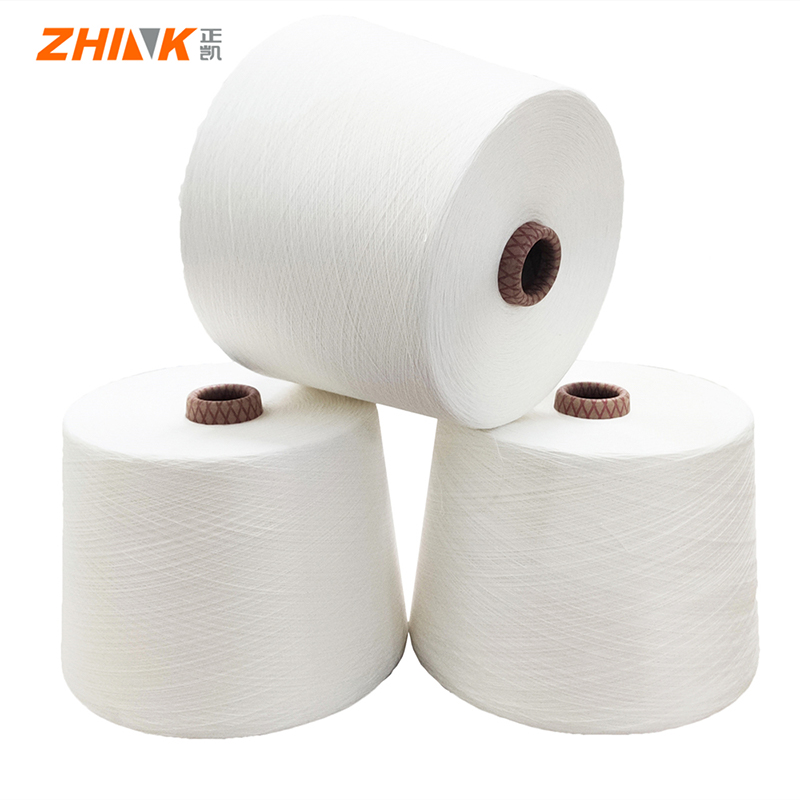
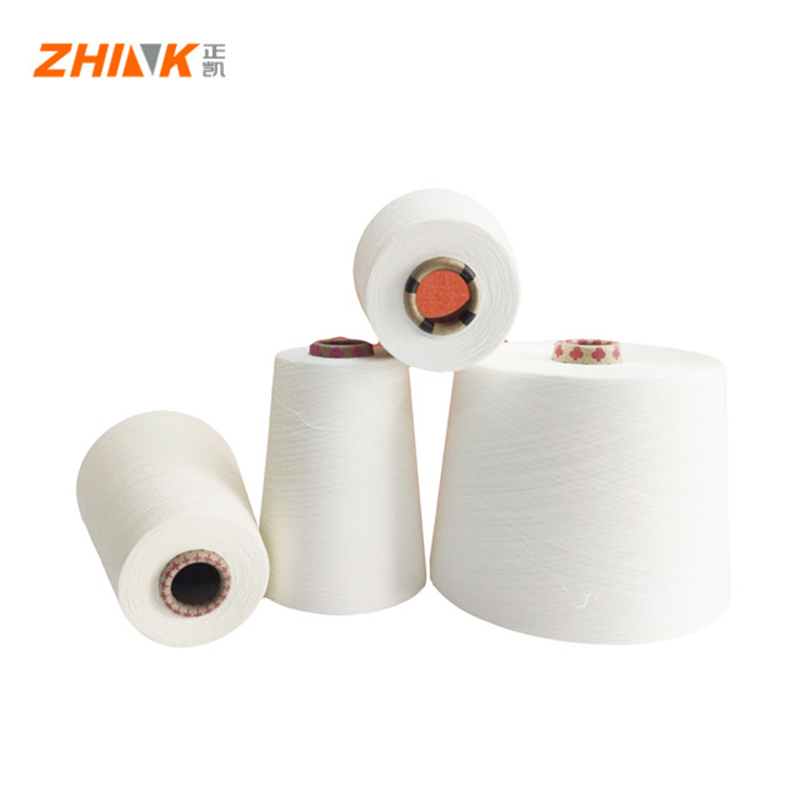
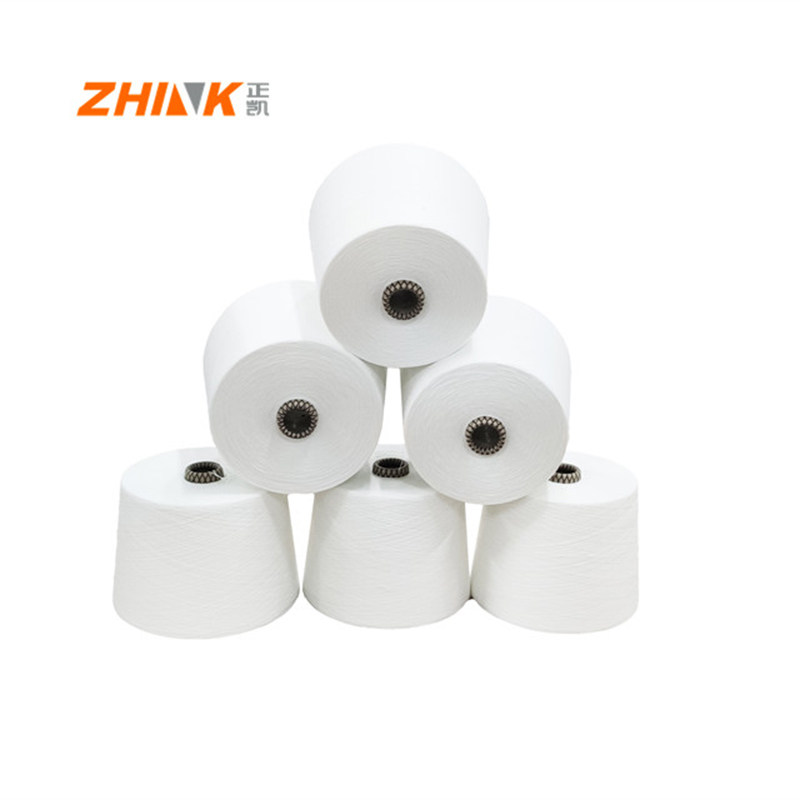
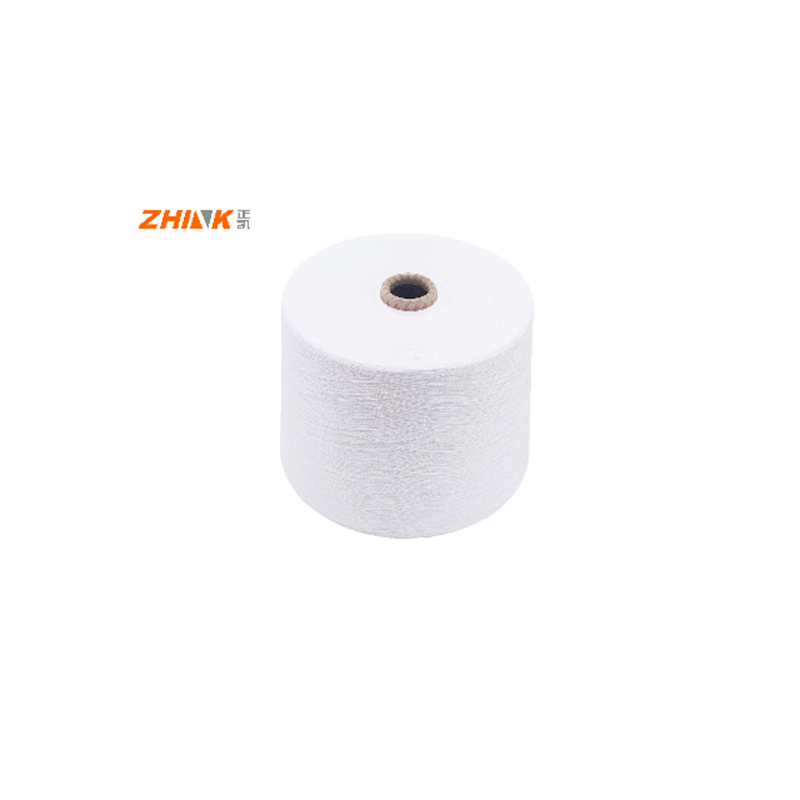
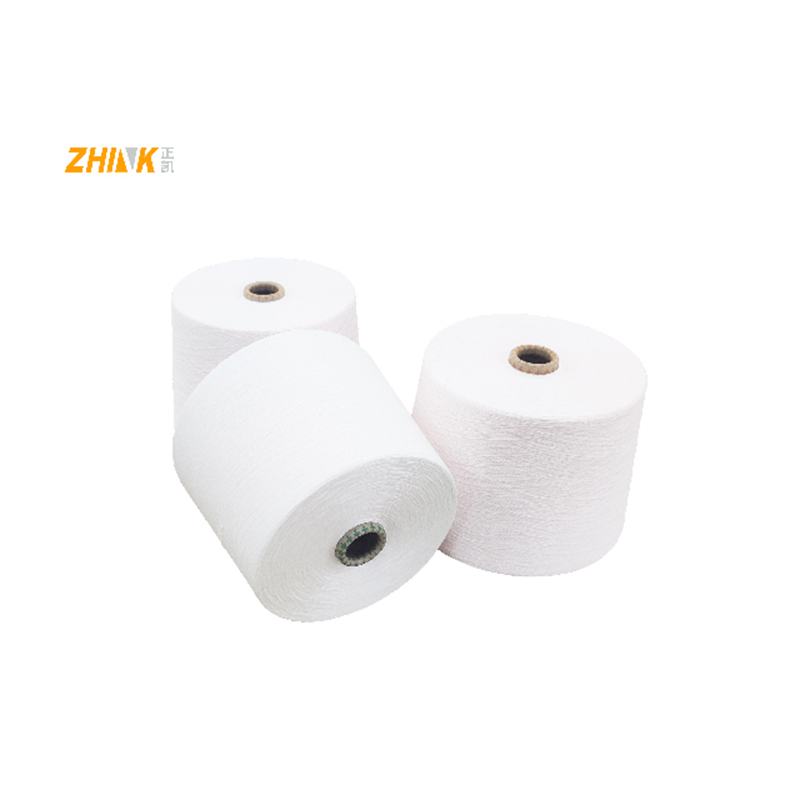
A100/POLYESTER/WOOL 50/28/22 siro compact yarn
The Intricacies of A100/Polyester/Wool Siro Compact Yarn
Exploring the unique composition of A100/Polyester/Wool 50/28/22 siro compact yarn unveils the nuances of yarn innovation. This blend captures a balance of comfort, durability, and aesthetic appeal, making it a noteworthy topic for textile enthusiasts. Let's delve into its world.
Understanding the Composition
In textiles, the blend ratio of materials such as A100, polyester, and wool plays a critical role. At first glance, 50/28/22 might look like just numbers, but they tell a story of performance and function. The polyester's presence ensures durability and resilience. Meanwhile, wool brings warmth and a degree of softness that synthetic materials often lack.
A100 could refer to a proprietary element, maybe a specific polymer or fiber type, often introduced to optimize characteristics like stretch or thermal insulation. It's crucial to understand the role each fiber plays individually before appreciating their collective strengths.
One common misunderstanding is assuming that a yarn with wool will always be itchy. However, with our blend, the specific processing method known as siro compact spinning significantly reduces such issues, giving a smoother finish. If anyone's looking to dive deeper, companies like Zhink New Material are pivotal in pioneering these advancements.
The Role of Siro Compact Spinning
Siro compact spinning is a modern technique intended to produce finer and stronger yarns. When looking at A100/Polyester/Wool blends, this technique minimizes fiber protrusion and maximizes structural integrity. The compacting process excels in reducing hairiness, a concern often voiced by manufacturers aiming for sleek fabric appearances.
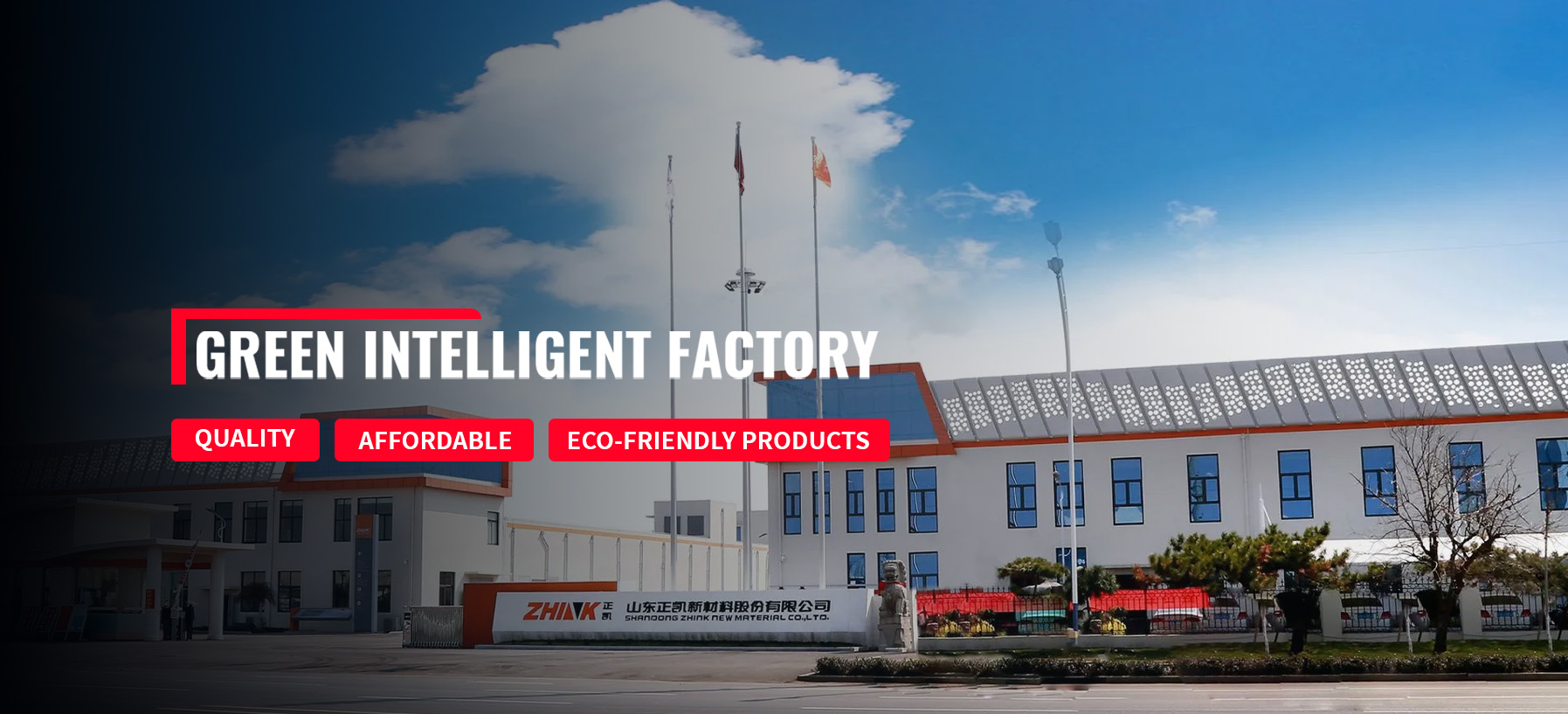
In practice, like at SHANDONG ZHINK NEW MATERIAL CO., LTD, this results in textiles that not only feel better but look crisper. Visit Zhink’s website for more insights into their innovative processes.
The challenge often lies in finding the right balance during production. Too much compaction can lead to rigidity, while too little may negate the intended softness. It's these subtle adjustments that elevate one yarn over another.
Practical Applications and Benefits
When considering where this yarn thrives, think of high-end fashion to functional winter gear. The blend is versatile enough to carry intricate patterns and complex designs while offering practical benefits like warmth and moisture-wicking.
In casual observation, garments made with this blend tend to retain color better, thanks to polyester’s robust dyeing capacity. This attribute, combined with wool’s natural insulation, makes the textile particularly popular in regions with varying climates.
However, one can't overlook the environmental implications. The synthetic component might raise concerns, prompting discussions on sustainability. Textile companies like Zhink New Material balance this by exploring biodegradable alternatives or recycling initiatives.
Issues and Considerations
Despite its advantages, challenges persist. Static buildup is one technical issue that arises with polyester blends, necessitating antistatic treatments. There's also the ongoing quest to reduce pilling, which can mar a perfectly balanced piece.
Trial and error become key when addressing these matters. I've seen production lines halted over issues as trivial seeming as static, where the root problem lay in overlooked processing settings rather than material fault.
Collaboration with material scientists and continual innovation is crucial. The dynamic nature of textile technology means always having an ear to the ground for new treatments or processes.
Reflecting on Yarn Selection
Choosing a yarn like A100/Polyester/Wool 50/28/22 involves more than picking based on immediate needs. It’s about foresight, understanding future demands, and where your final product fits in the market.
Often, the insights are drawn from field tests or consumer feedback. At Zhink, such feedback loops are encouraged, spurring R&D initiatives that echo market needs. The continuous loop of research and production there illustrates the interconnectedness of each phase.
Ultimately, the journey through textile innovation, such as seen with this yarn blend, is marked by learning and adaptation. Each strand, twist, and composition tells a unique story, forever entangling the expertise of companies and the materials they champion.
Related Products
Related Products