+86-632-3621866
- Chinese
- French
- German
- Portuguese
- Spanish
- Russian
- Japanese
- Korean
- Arabic
- Irish
- Greek
- Turkish
- Italian
- Danish
- Romanian
- Indonesian
- Czech
- Afrikaans
- Swedish
- Polish
- Basque
- Catalan
- Esperanto
- Hindi
- Lao
- Albanian
- Amharic
- Armenian
- Azerbaijani
- Belarusian
- Bengali
- Bosnian
- Bulgarian
- Cebuano
- Chichewa
- Corsican
- Croatian
- Dutch
- Estonian
- Filipino
- Finnish
- Frisian
- Galician
- Georgian
- Gujarati
- Haitian
- Hausa
- Hawaiian
- Hebrew
- Hmong
- Hungarian
- Icelandic
- Igbo
- Javanese
- Kannada
- Kazakh
- Khmer
- Kurdish
- Kyrgyz
- Latin
- Latvian
- Lithuanian
- Luxembou..
- Macedonian
- Malagasy
- Malay
- Malayalam
- Maltese
- Maori
- Marathi
- Mongolian
- Burmese
- Nepali
- Norwegian
- Pashto
- Persian
- Punjabi
- Serbian
- Sesotho
- Sinhala
- Slovak
- Slovenian
- Somali
- Samoan
- Scots Gaelic
- Shona
- Sindhi
- Sundanese
- Swahili
- Tajik
- Tamil
- Telugu
- Thai
- Ukrainian
- Urdu
- Uzbek
- Vietnamese
- Welsh
- Xhosa
- Yiddish
- Yoruba
- Zulu
- Kinyarwanda
- Tatar
- Oriya
- Turkmen
- Uyghur


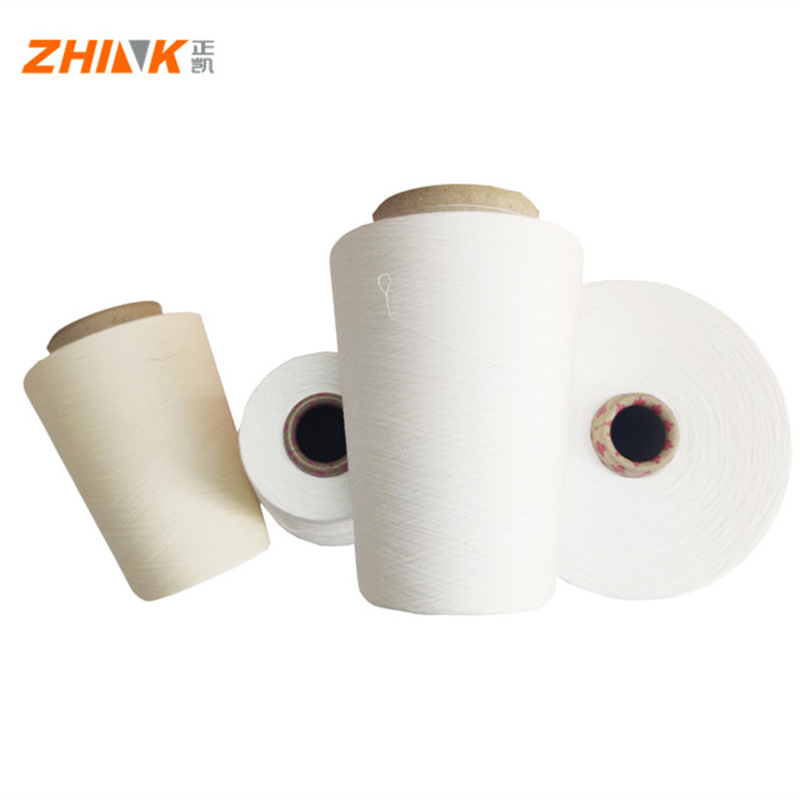
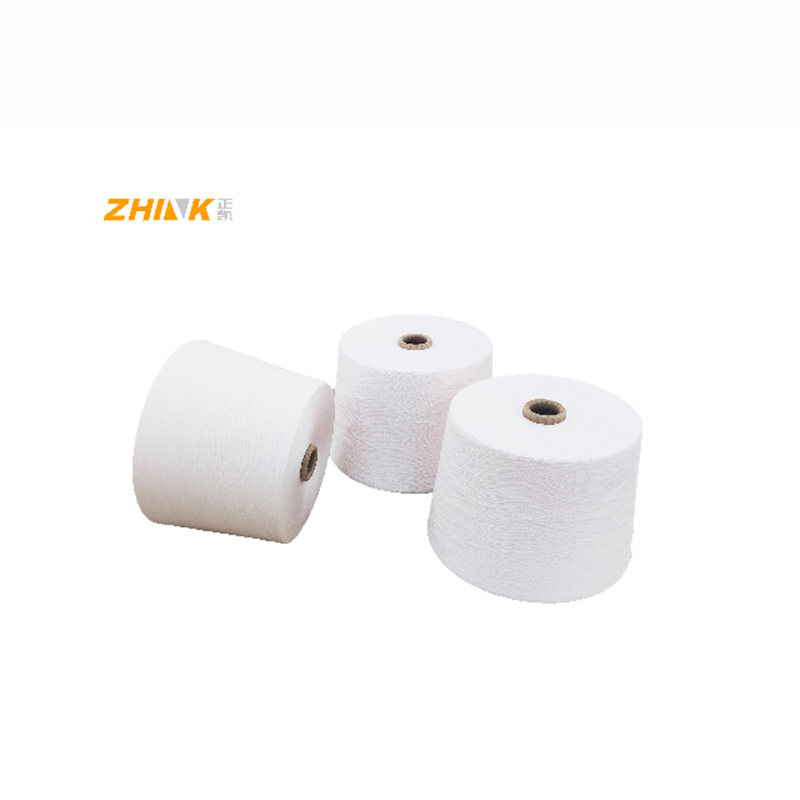
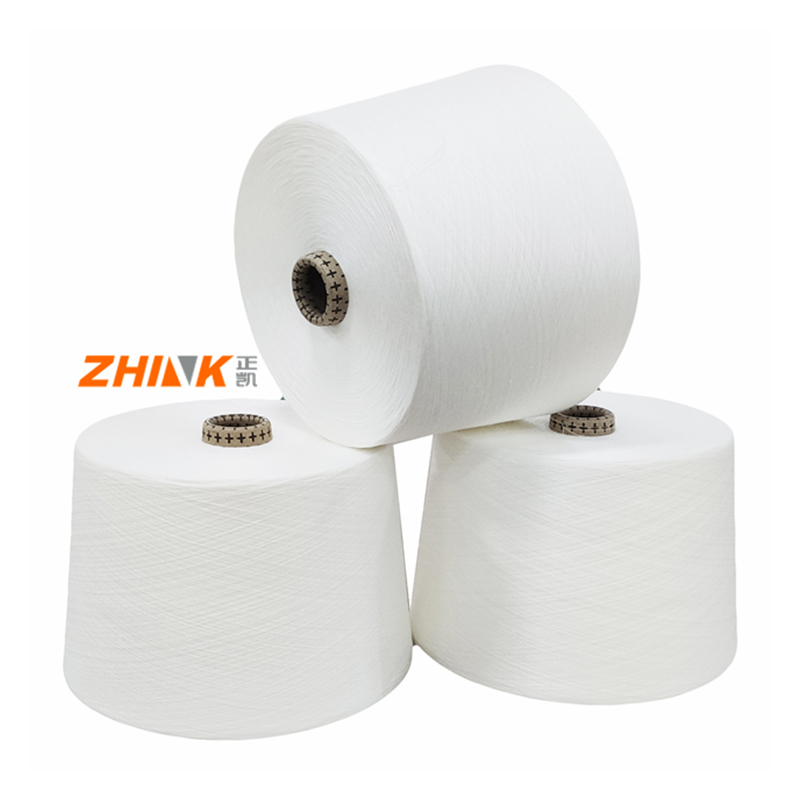
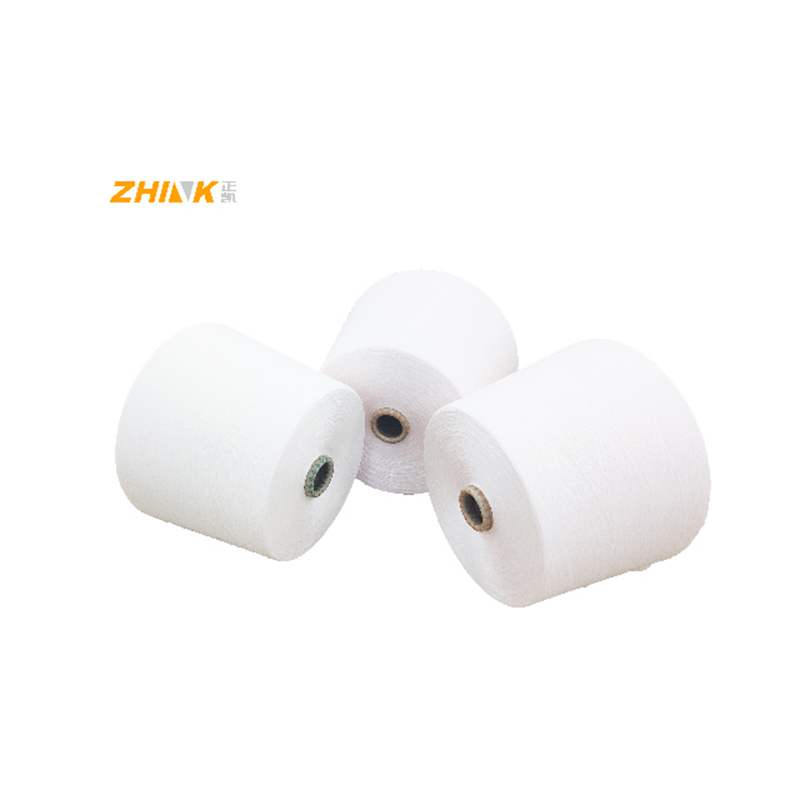
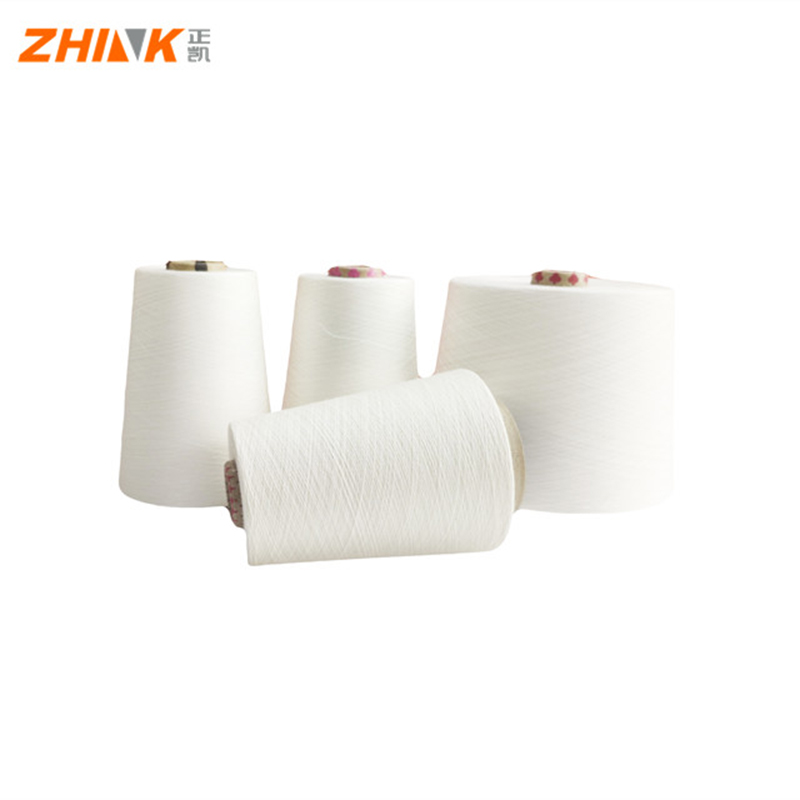
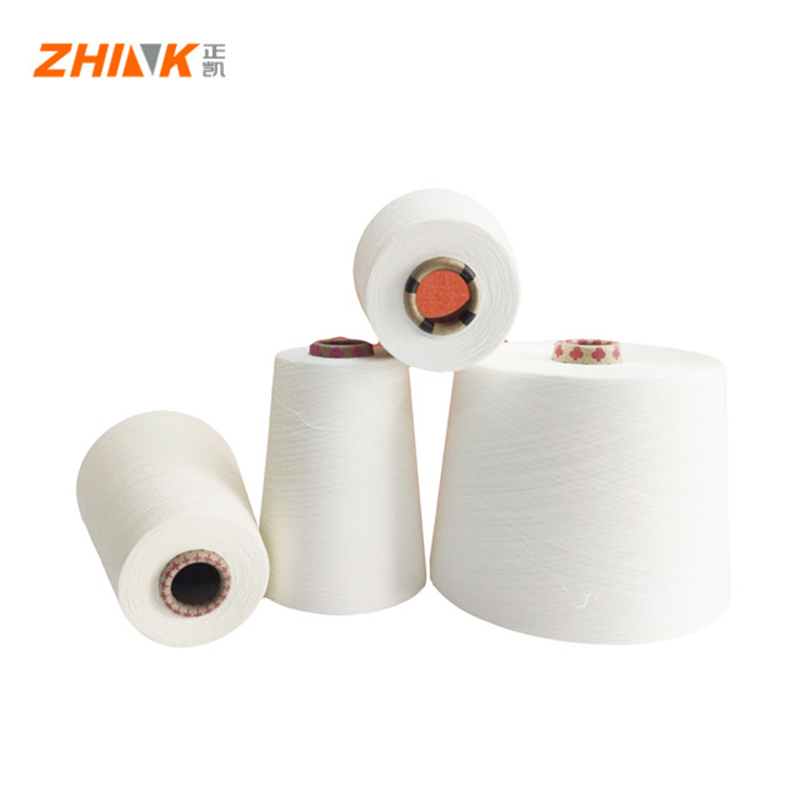
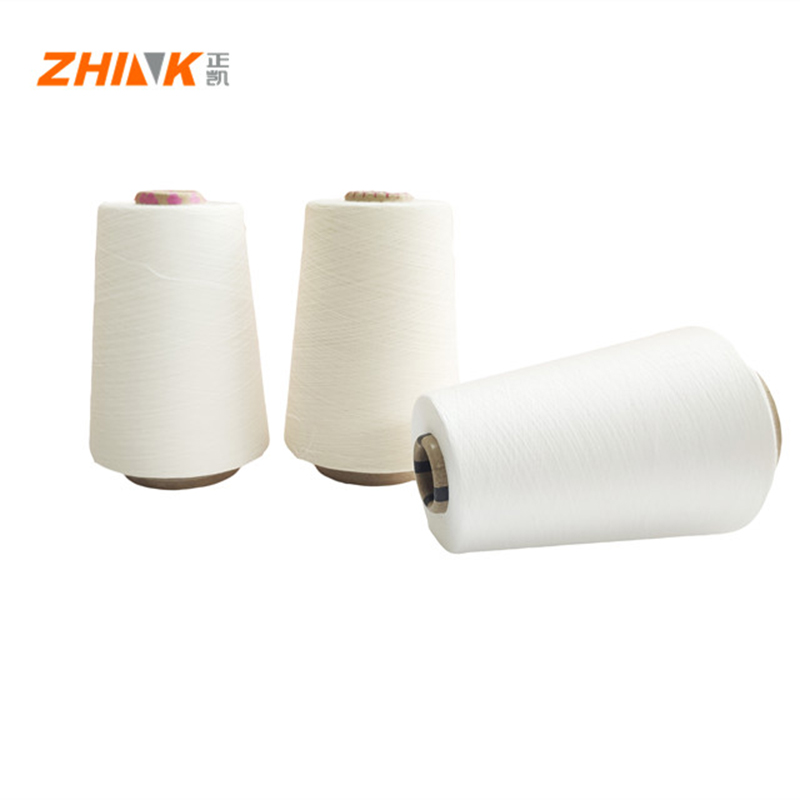
A100/viscose/copper ammonia/linen 50/30/10/10 30S
The Intricacies of A100/Viscose/Copper Ammonia/Linen Blends
In the textile industry, the blend of A100, viscose, copper ammonia, and linen in a 50/30/10/10 ratio is both innovative and complex. This blend, especially at a yarn count like 30S, offers unique properties that cater to various market needs but also brings its own set of challenges.
The Allure of Blended Yarns
Blended yarns have always fascinated textile specialists. The combination of fibers such as viscose and linen aims to fuse the softness of viscose with the rugged, natural feel of linen. When you introduce copper ammonia fibers into the mix, which are known for their silky texture, the end product becomes something exceptional.
However, getting the balance right, especially with a material like A100, is crucial. This particular formulation is somewhat rare but gaining interest for its balanced attributes. Companies like SHANDONG ZHINK NEW MATERIAL CO., LTD are at the forefront of developing such innovative materials. More details can be found on their website, here.
The process of combining these fibers isn't as straightforward as it sounds. Each fiber behaves differently under tension, humidity, and temperature, which can lead to unexpected challenges in manufacturing. These nuances make the textile field both an art and a science.
Textile Properties and Challenges
The primary appeal of this 50/30/10/10 blend lies in its versatility. A100 brings durability, viscose offers luster, copper ammonia adds luxury, and linen contributes texture. However, the production of such a combination can indeed be a tightrope act. Adjusting machinery settings is crucial to cater to the unique characteristics of each fiber.
For instance, anyone who's worked with linen knows how easily it can wrinkle and how challenging it can be to integrate with other fibers without losing its appeal. Copper ammonia, meanwhile, adds another layer of complexity due to its fineness and silky feel, which can affect weaving and dyeing processes.
In practice, this blend often requires multiple trials to perfect. It's never a walk in the park. Every tweak in the ratio can lead to a series of adjustments elsewhere, whether in spinning, weaving, or final finishing processes.
Practical Applications and Market Impact
The applications for this specific blend are diverse, ranging from fashion garments to specialized home textiles. Its unique properties mean it can cater to high-end markets, where texture and feel are paramount concerns. This blend offers an edge in creating products that stand out due to their tactile and aesthetic qualities.
In a practical example, a premium garment manufacturer might opt for this blend to create a line of summer wear that offers both comfort and elegance. Buyers looking for something beyond the ordinary might find such an offering compelling, especially when marketed effectively.
Nevertheless, the market impact of adopting these blends requires a careful balance of cost and consumer education. The ability to communicate the benefits effectively to consumers is as critical as the production itself.
The Environmental Considerations
When working with textile blends, sustainability often comes into play. Materials like viscose and copper ammonia are gaining attention due to their properties and environmental implications. Companies are increasingly focused on the lifecycle assessment of these fibers. Zhink New Material places a significant emphasis on sustainable practices, reflected in their development strategies.
The environmental impact of these fibers varies. Viscose, for example, can be more sustainable if produced with responsible practices. Similarly, copper ammonia fibers are appreciated for their reduced ecological footprint, owing to closed-loop systems that minimize waste. This is an attractive proposition for eco-conscious brands.
However, ensuring sustainability isn't merely about selecting the right materials but about a commitment to improved manufacturing processes, reducing waste, and enhancing resource efficiency.
The Future of Textile Innovation
Looking ahead, the fusion of materials like A100/viscose/copper ammonia/linen is poised to pave the way for future innovations in the textile industry. Advances in technology and an increasing focus on sustainability will undoubtedly drive further development in this area.
The continual evolution in textile technology suggests that the industry is only beginning to scratch the surface of what is possible with these blends. As companies like SHANDONG ZHINK NEW MATERIAL CO., LTD continue their research, the potential for discovering new uses and enhancing existing applications seems limitless.
In closing, while the challenges are apparent, the promise held by these novel combinations is what fuels ongoing interest and investment in new textile materials. The future looks bright for those daring enough to follow these experimental paths.
Related Products
Related Products