+86-632-3621866
- Chinese
- French
- German
- Portuguese
- Spanish
- Russian
- Japanese
- Korean
- Arabic
- Irish
- Greek
- Turkish
- Italian
- Danish
- Romanian
- Indonesian
- Czech
- Afrikaans
- Swedish
- Polish
- Basque
- Catalan
- Esperanto
- Hindi
- Lao
- Albanian
- Amharic
- Armenian
- Azerbaijani
- Belarusian
- Bengali
- Bosnian
- Bulgarian
- Cebuano
- Chichewa
- Corsican
- Croatian
- Dutch
- Estonian
- Filipino
- Finnish
- Frisian
- Galician
- Georgian
- Gujarati
- Haitian
- Hausa
- Hawaiian
- Hebrew
- Hmong
- Hungarian
- Icelandic
- Igbo
- Javanese
- Kannada
- Kazakh
- Khmer
- Kurdish
- Kyrgyz
- Latin
- Latvian
- Lithuanian
- Luxembou..
- Macedonian
- Malagasy
- Malay
- Malayalam
- Maltese
- Maori
- Marathi
- Mongolian
- Burmese
- Nepali
- Norwegian
- Pashto
- Persian
- Punjabi
- Serbian
- Sesotho
- Sinhala
- Slovak
- Slovenian
- Somali
- Samoan
- Scots Gaelic
- Shona
- Sindhi
- Sundanese
- Swahili
- Tajik
- Tamil
- Telugu
- Thai
- Ukrainian
- Urdu
- Uzbek
- Vietnamese
- Welsh
- Xhosa
- Yiddish
- Yoruba
- Zulu
- Kinyarwanda
- Tatar
- Oriya
- Turkmen
- Uyghur



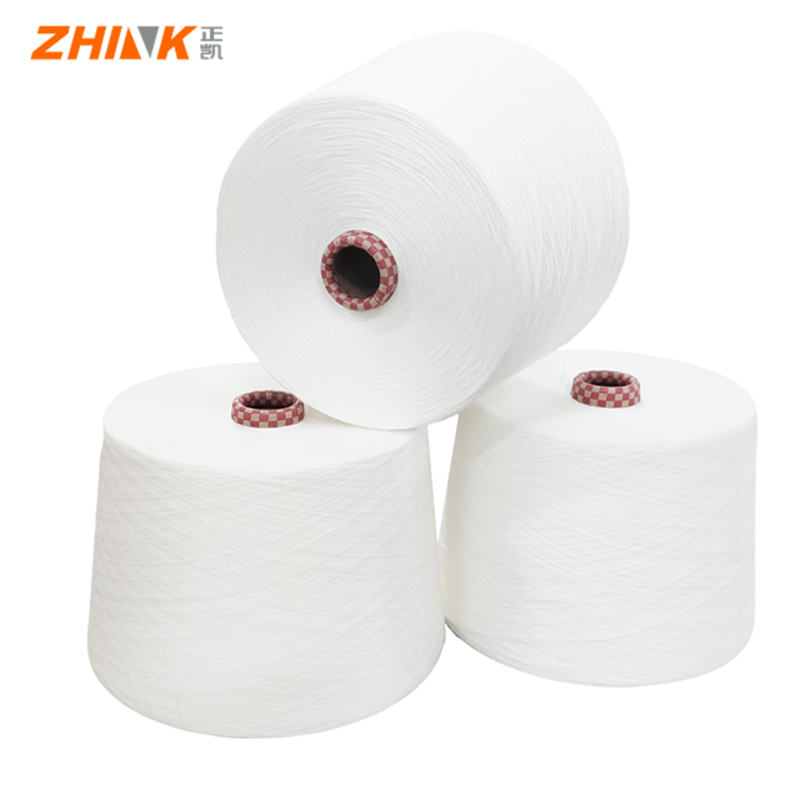
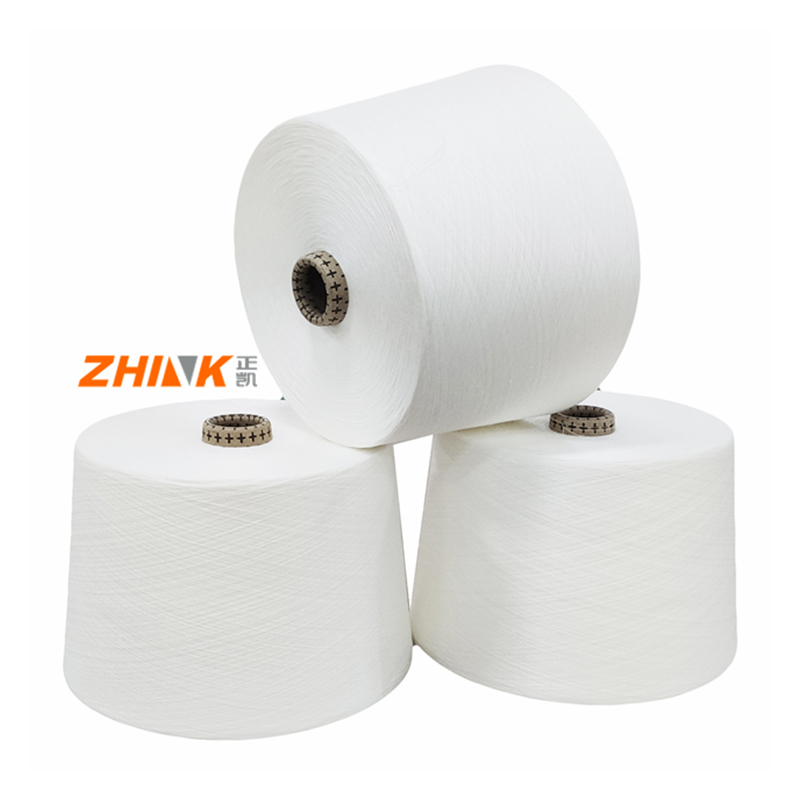
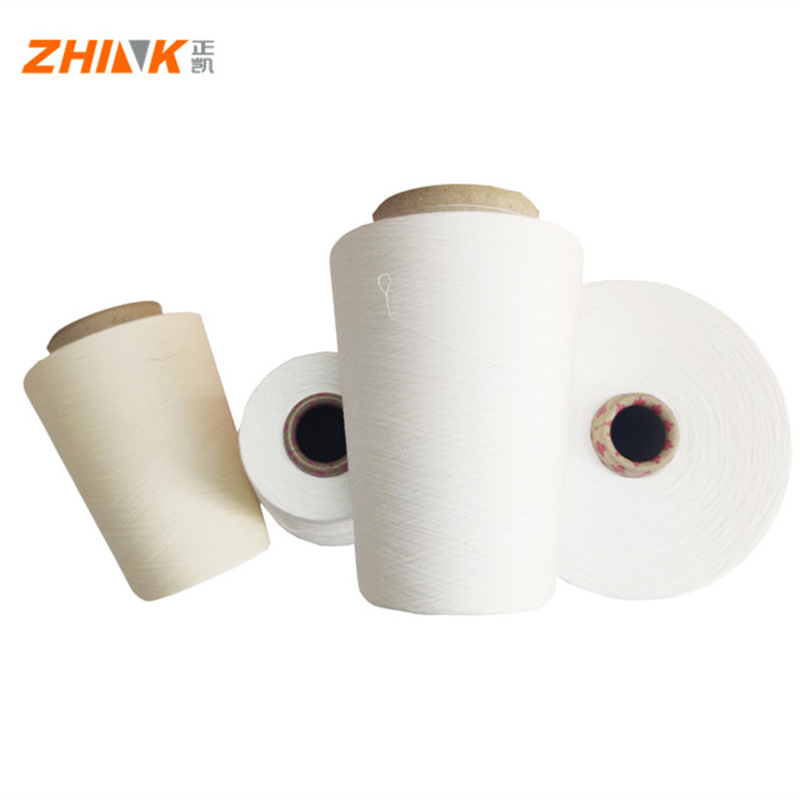
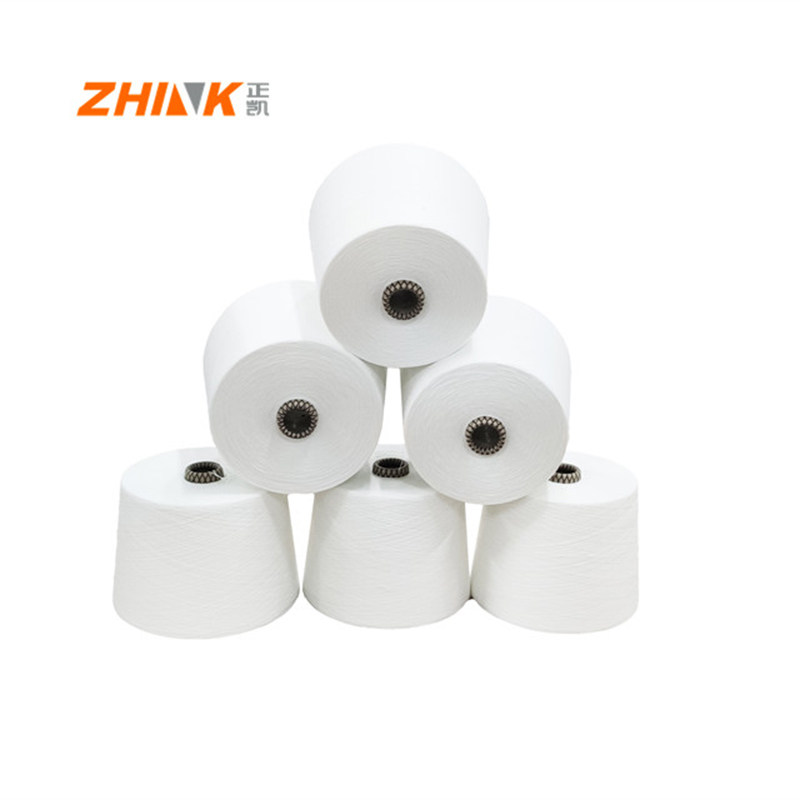
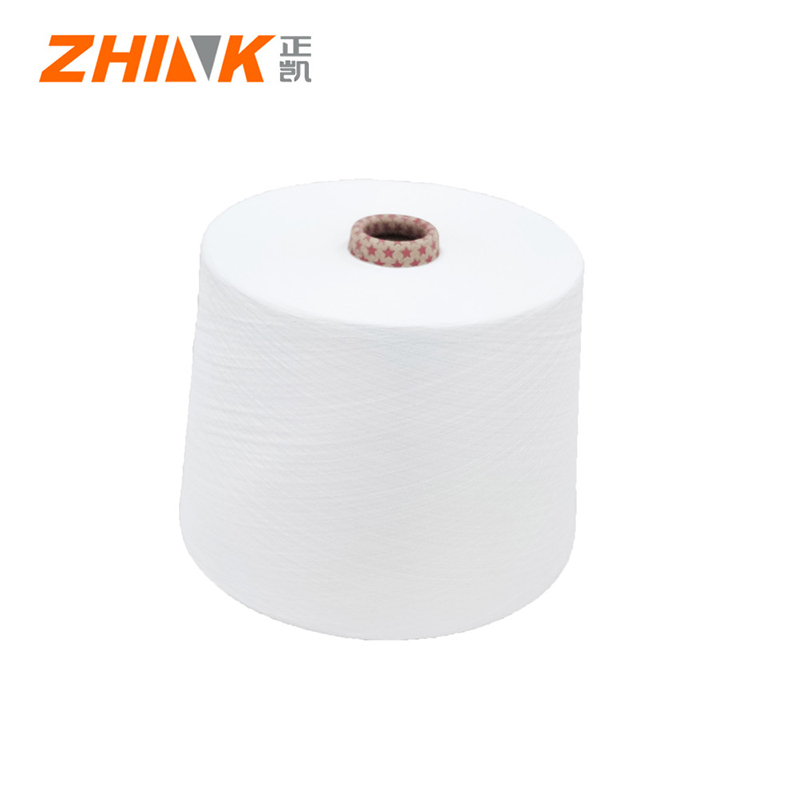
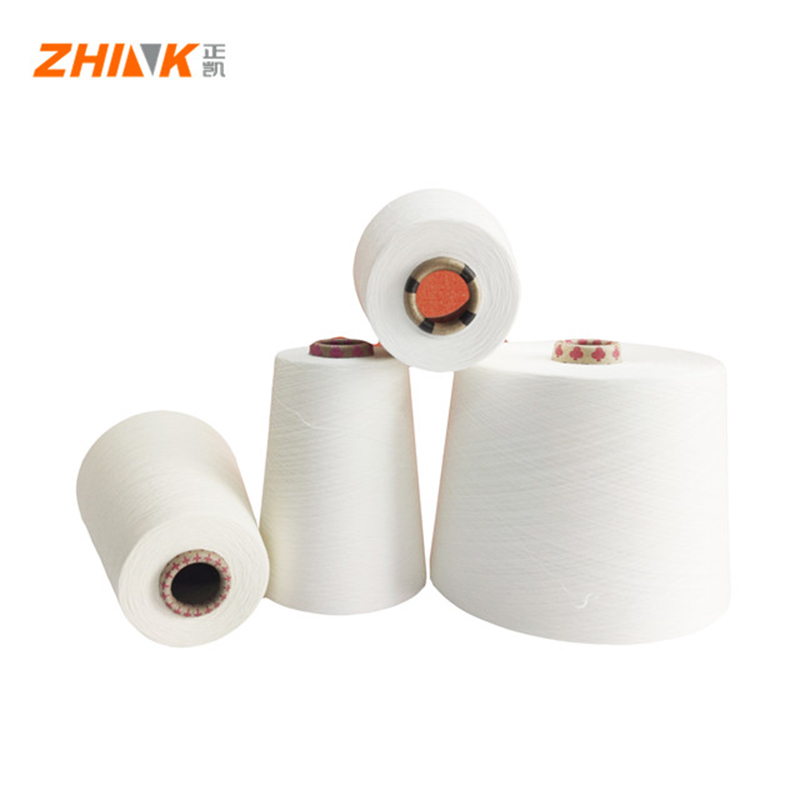
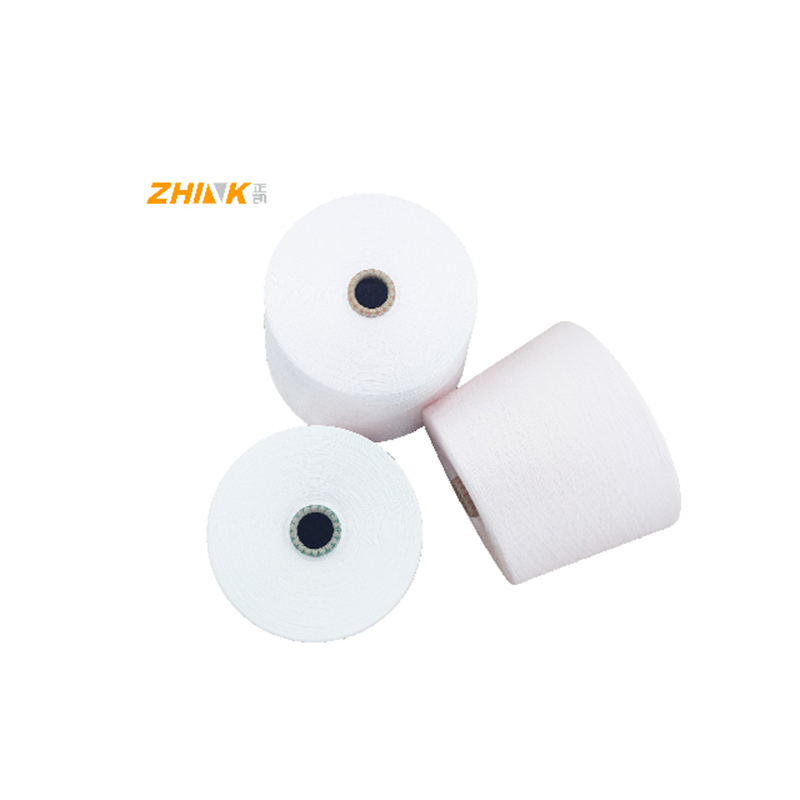
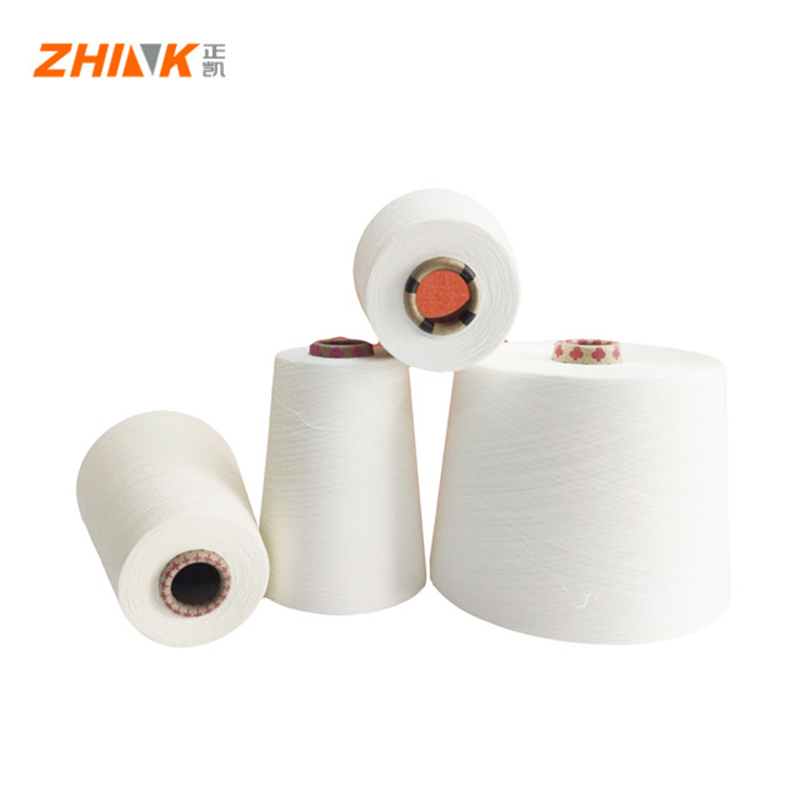
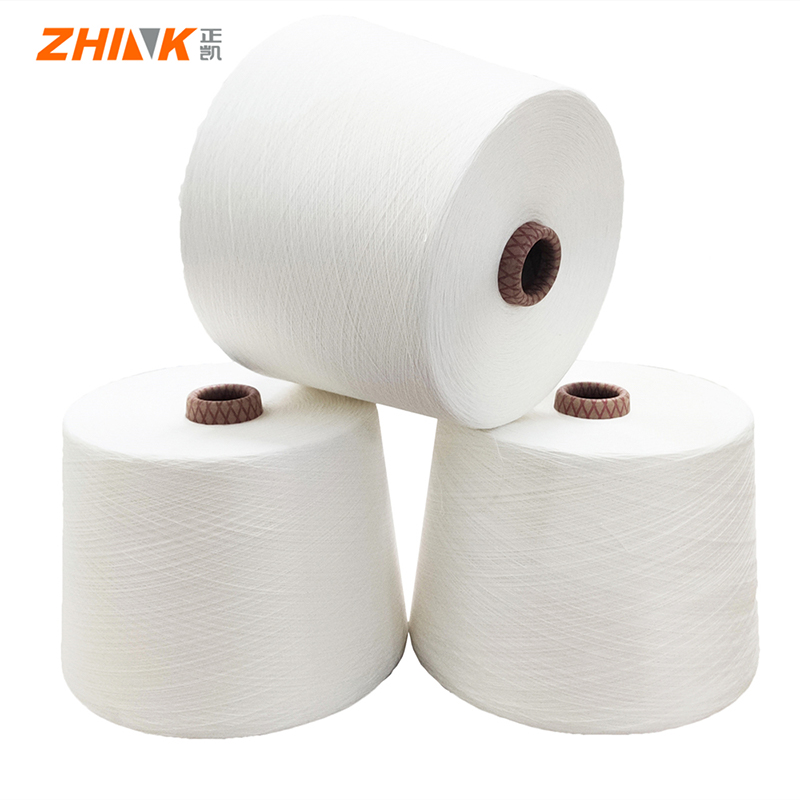
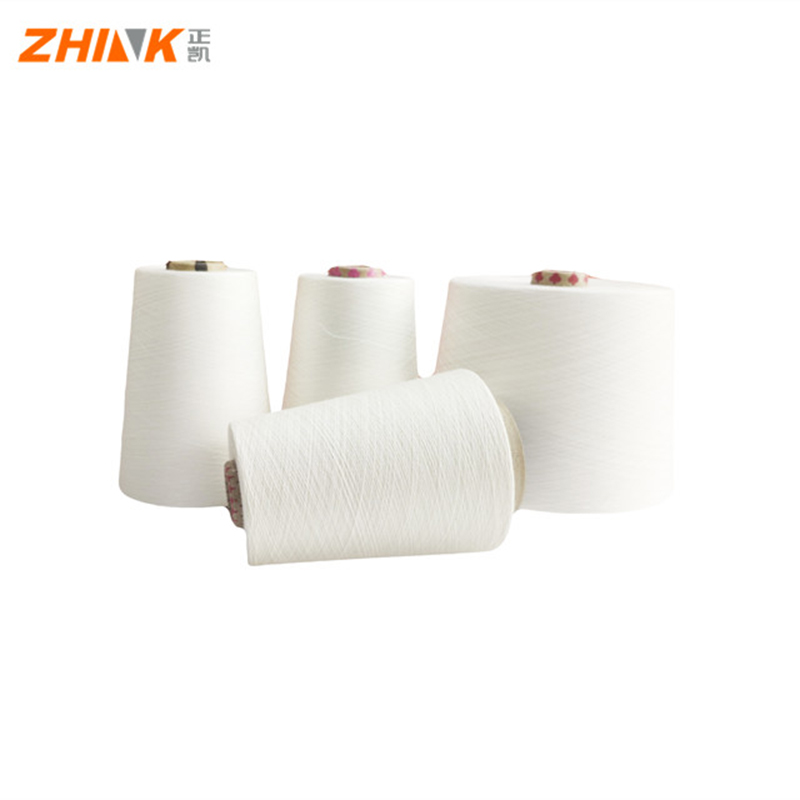
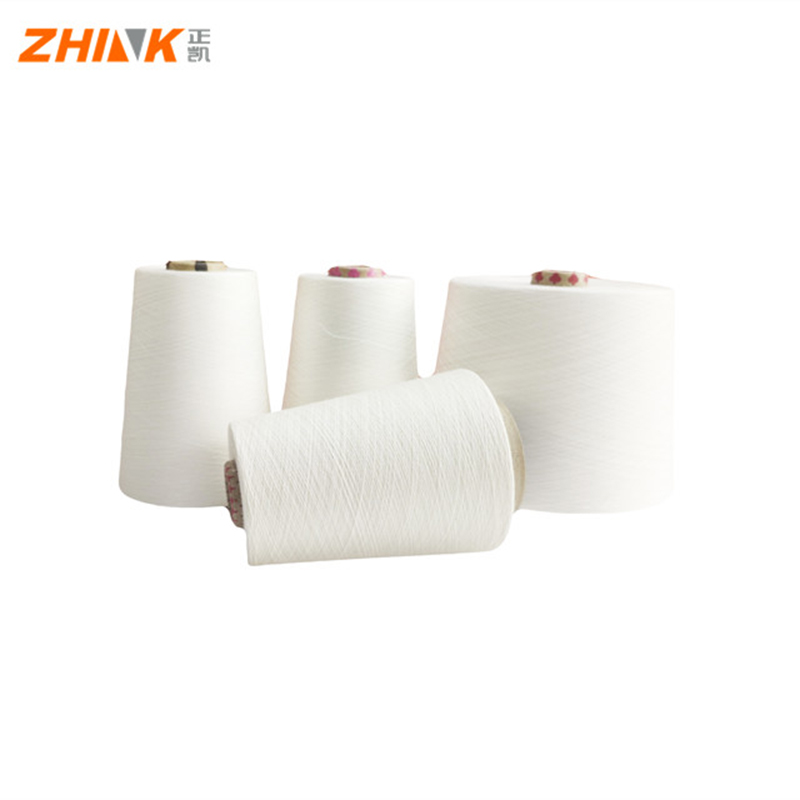
Acrylic blended yarn
The Art and Science of Acrylic Blended Yarn
Acrylic blended yarn is gaining popularity, yet misconceptions abound. This versatile material combines acrylic with other fibers, offering unique benefits. Dive into the nuances and discover insider insights.
Understanding Acrylic Blended Yarn
When we talk about acrylic blended yarn, the first thing to note is how it’s made. Generally, it involves mixing acrylic fibers with natural or synthetic fibers. The aim? To balance the features of acrylic—lightweight, warm, cost-effective—with those of other fibers like cotton or wool. But not every blend achieves the perfect mix; it’s a trial-and-error process.
Take, for instance, the blending with wool. You get warmth but with added softness and durability. However, too much acrylic and the fabric might lose breathability. I've seen mills experimenting for months to get just the right composition. It’s an intricate dance of chemistry and craftsmanship.
One typical challenge? Ensuring the fibers complement each other during spinning. Different fibers behave differently under tension and heat, which can lead to unexpected results if not carefully monitored.
Benefits and Limitations
The beauty of acrylic blended yarn lies in its versatility. From soft winter sweaters to durable outdoor gear, it has wide applications. But like all materials, it isn’t without limitations. Acrylic can pill over time, particularly with continuous friction. This often surprises consumers expecting a 'perfect' yarn blend.
On the plus side, it’s highly dyeable. This opens up a vast color palette for designers. I remember a textile show where acrylic blends were the highlight, purely for their color vibrancy—a game-changer for many fashion lines.
Yet, sustainability remains a question mark. With debates on synthetic fibers and environmental impacts, experts are constantly seeking innovations. Even companies like SHANDONG ZHINK NEW MATERIAL CO., LTD, with a knack for research, are diving into solutions: https://www.zhinkyarn.com.
Practical Applications
In practice, understanding where acrylic blended yarn thrives is key. Knitting enthusiasts frequently celebrate its easy-care properties—most blends are machine washable and retain shape. It’s a beloved choice for everyday wear.
Take household textiles. The blend’s resilience makes it perfect for affordable, high-use items. I once visited a facility where they produced blended curtains—robust, colorful, and budget-friendly.
Yet, while experimenting with technical fabrics, blending with high percentages of acrylic altered moisture management. It’s a detail that mustn't be overlooked in performance wear.
Innovative Blends in the Market
A continual evolution exists within the textile industry. Companies are not resting on their laurels. Innovations in acrylic blended yarn appear regularly. I've seen fascinating blends with Tencel and bamboo—bringing sustainability into the mix without sacrificing quality.
One interesting development by Zhink New Material involves using recycled acrylic, a step towards reducing environmental footprint. These initiatives promise exciting potentials—industry whispers suggest a surge in demand.
Even with such innovations, market acceptance is gradual. Suppliers must balance cost and consumer readiness. It’s a fascinating journey of anticipation and adaptability.
Challenges and Considerations
Working with acrylic blended yarn isn't without hurdles. In dyeing processes, consistency in shade can be problematic. Differences in fiber absorption rates occasionally cause color disparities, a nightmare for designers seeking uniformity.
For manufacturers, consistency is vital. The batch-to-batch variability is a looming concern, often requiring rigorous quality controls. I’ve witnessed teams working overtime to adjust machine settings, ensuring every skein matches specifications.
Nevertheless, companies like those at SHANDONG ZHINK NEW MATERIAL CO., LTD are adept at overcoming such hurdles. Their dedication to continual improvement and material innovation remains an industry benchmark.
Related Products
Related Products