+86-632-3621866
- Chinese
- French
- German
- Portuguese
- Spanish
- Russian
- Japanese
- Korean
- Arabic
- Irish
- Greek
- Turkish
- Italian
- Danish
- Romanian
- Indonesian
- Czech
- Afrikaans
- Swedish
- Polish
- Basque
- Catalan
- Esperanto
- Hindi
- Lao
- Albanian
- Amharic
- Armenian
- Azerbaijani
- Belarusian
- Bengali
- Bosnian
- Bulgarian
- Cebuano
- Chichewa
- Corsican
- Croatian
- Dutch
- Estonian
- Filipino
- Finnish
- Frisian
- Galician
- Georgian
- Gujarati
- Haitian
- Hausa
- Hawaiian
- Hebrew
- Hmong
- Hungarian
- Icelandic
- Igbo
- Javanese
- Kannada
- Kazakh
- Khmer
- Kurdish
- Kyrgyz
- Latin
- Latvian
- Lithuanian
- Luxembou..
- Macedonian
- Malagasy
- Malay
- Malayalam
- Maltese
- Maori
- Marathi
- Mongolian
- Burmese
- Nepali
- Norwegian
- Pashto
- Persian
- Punjabi
- Serbian
- Sesotho
- Sinhala
- Slovak
- Slovenian
- Somali
- Samoan
- Scots Gaelic
- Shona
- Sindhi
- Sundanese
- Swahili
- Tajik
- Tamil
- Telugu
- Thai
- Ukrainian
- Urdu
- Uzbek
- Vietnamese
- Welsh
- Xhosa
- Yiddish
- Yoruba
- Zulu
- Kinyarwanda
- Tatar
- Oriya
- Turkmen
- Uyghur



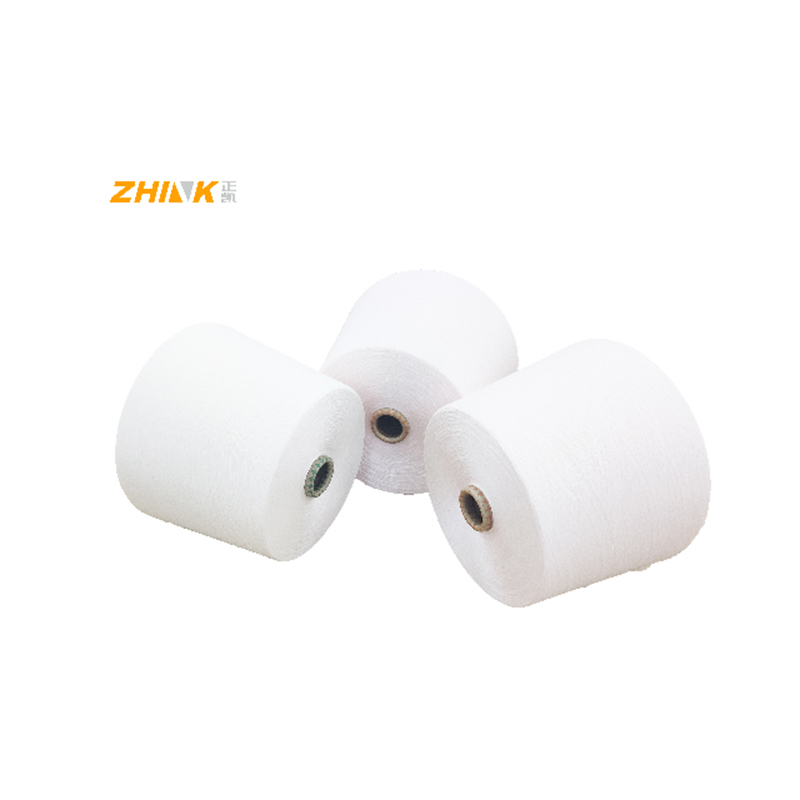
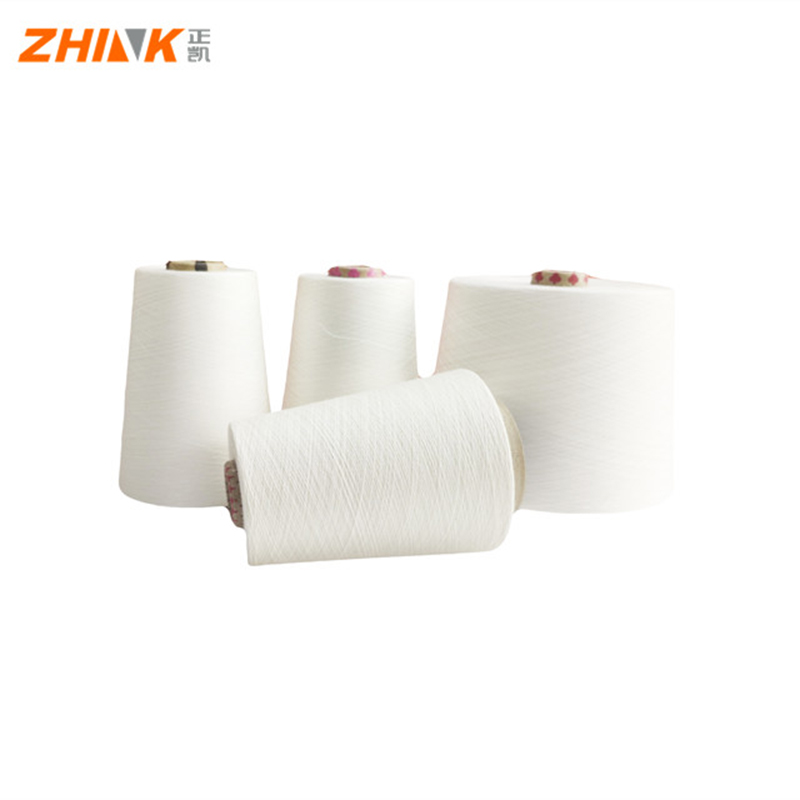
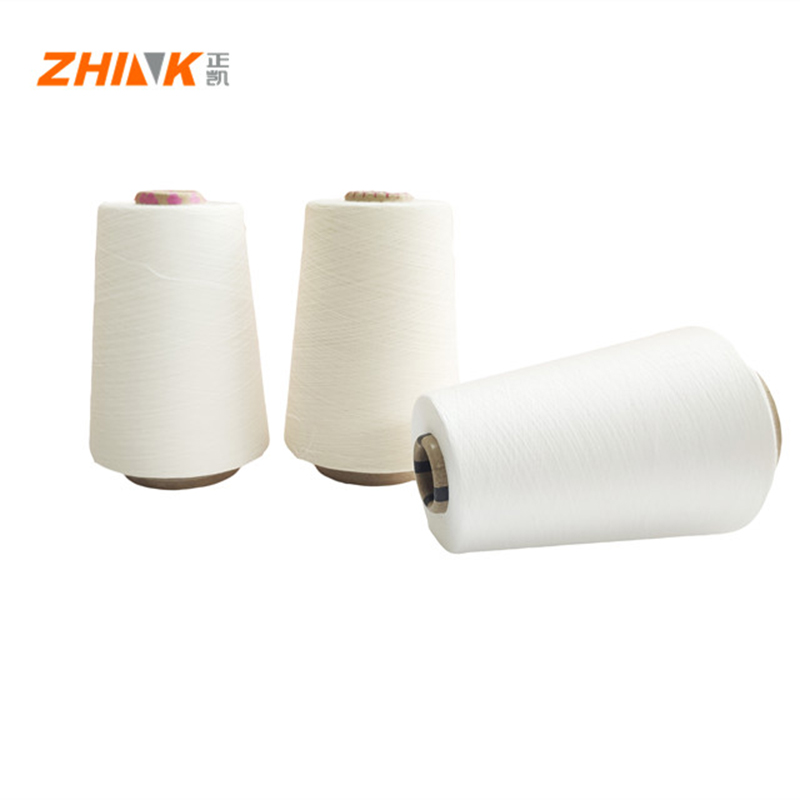
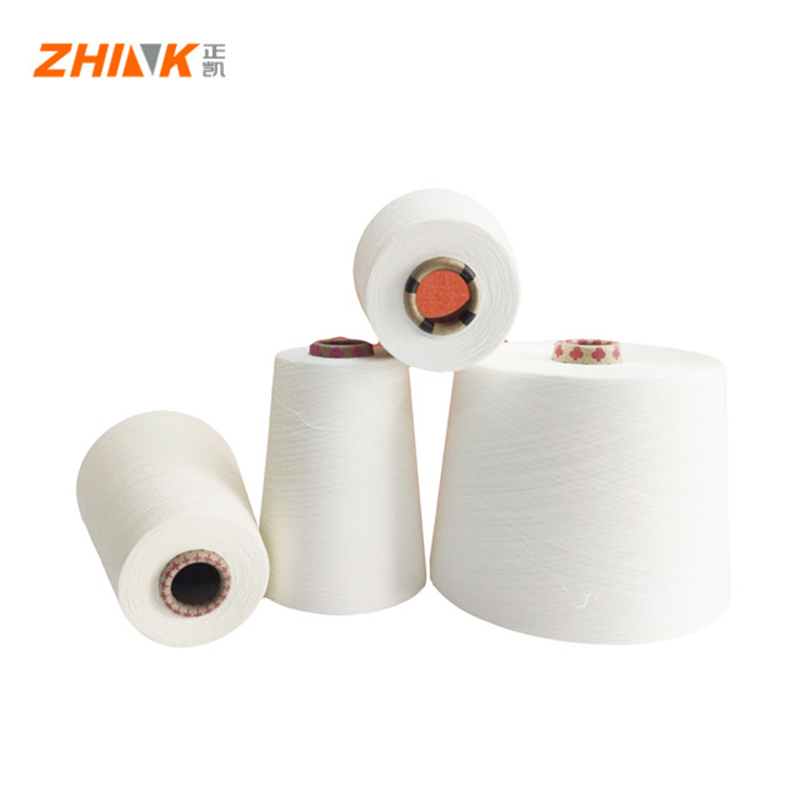
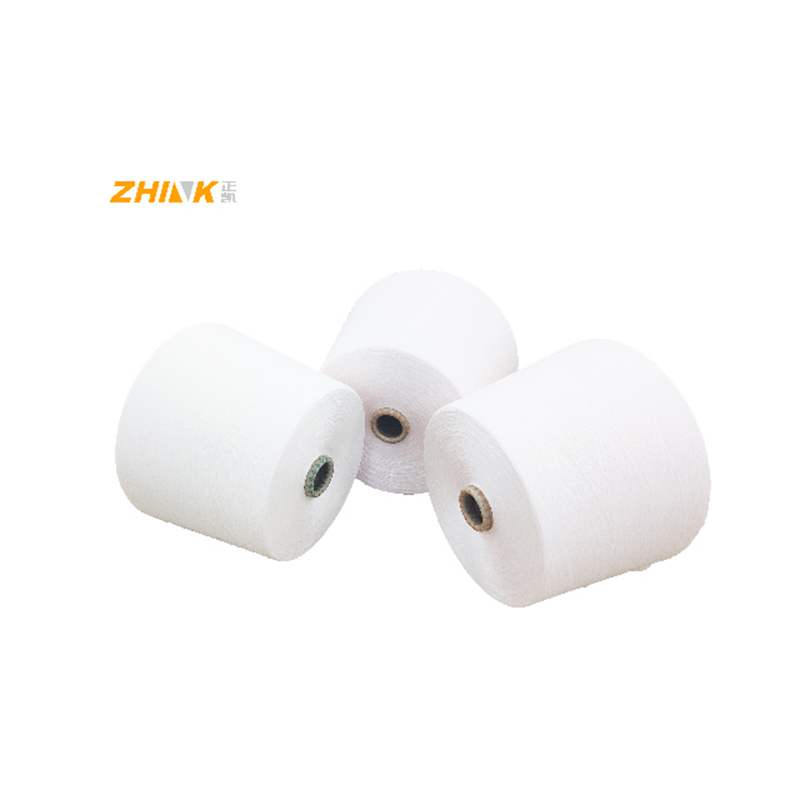
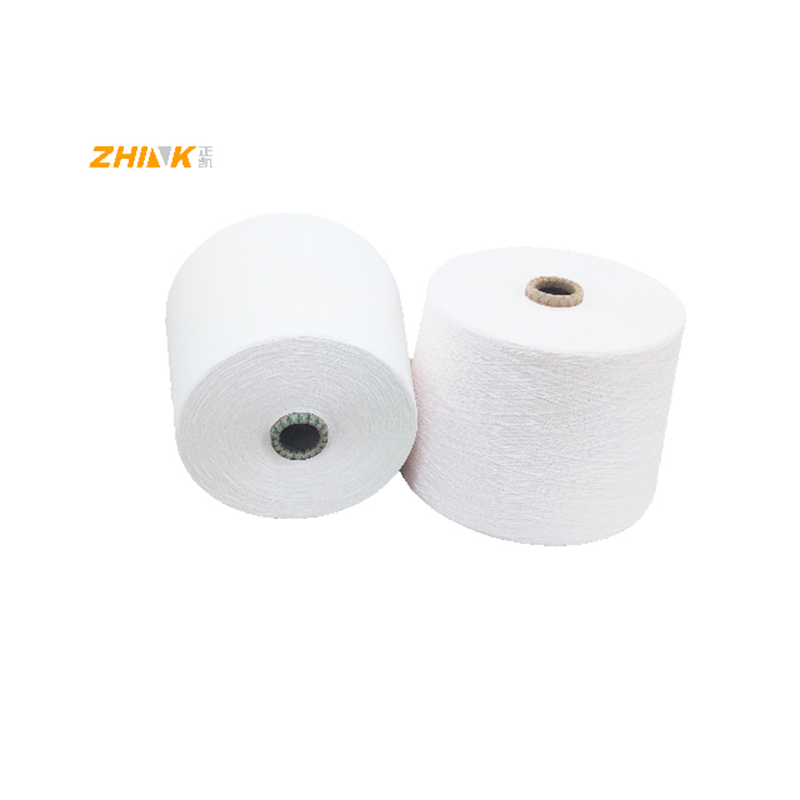
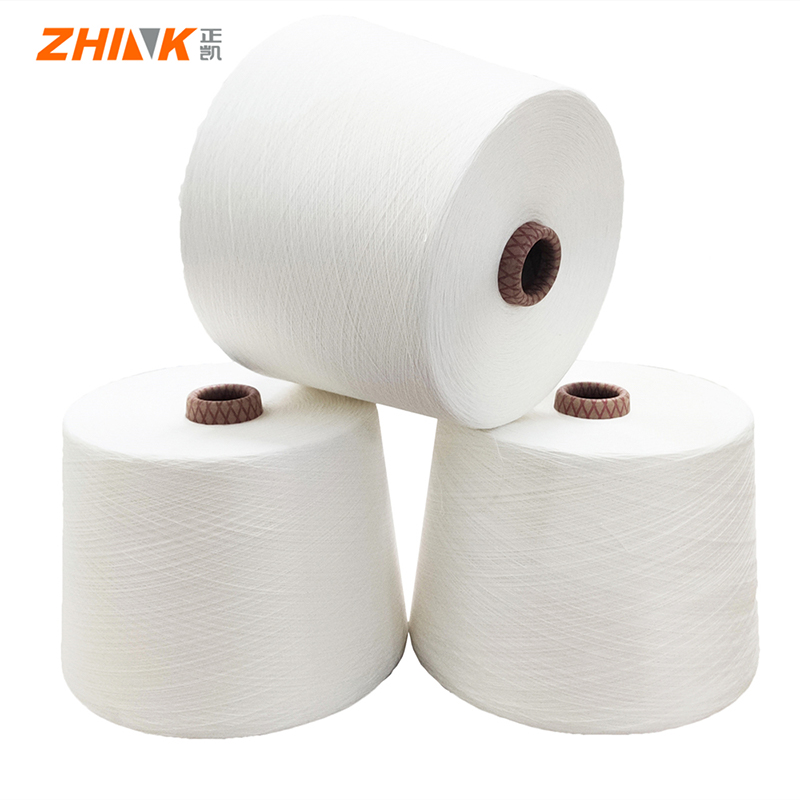
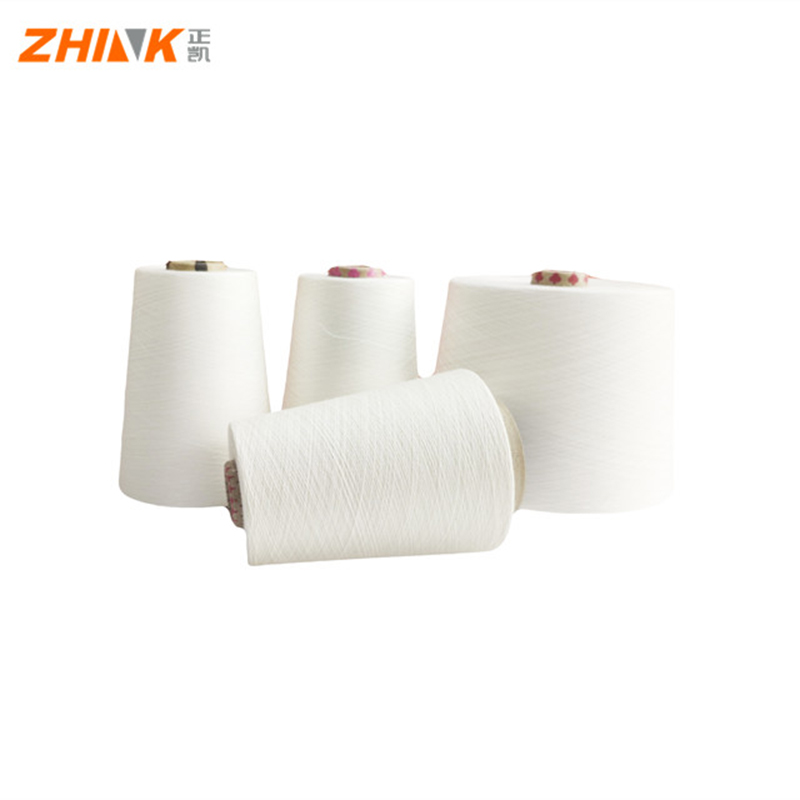
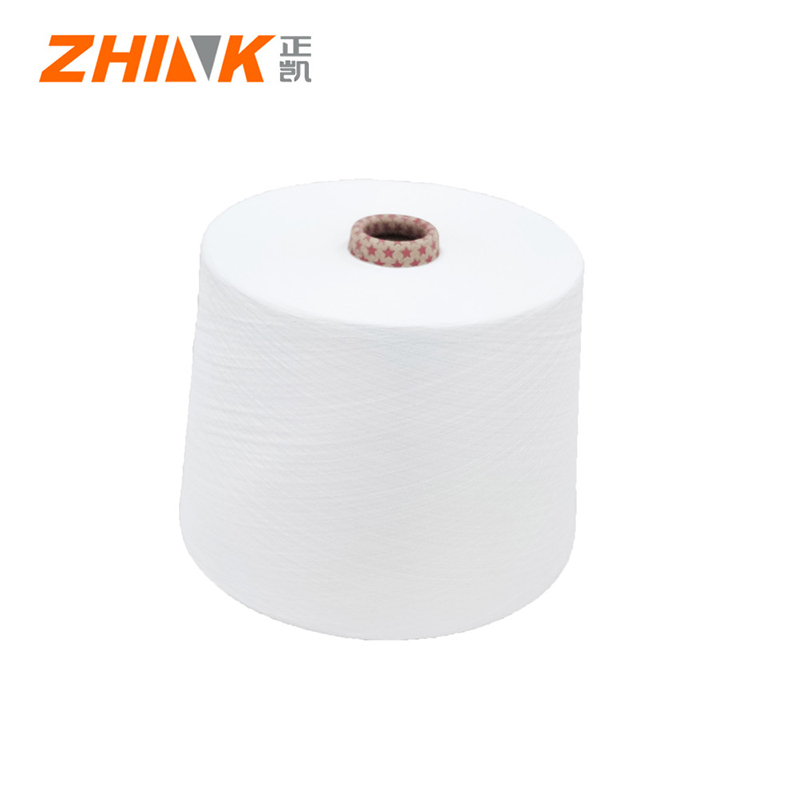
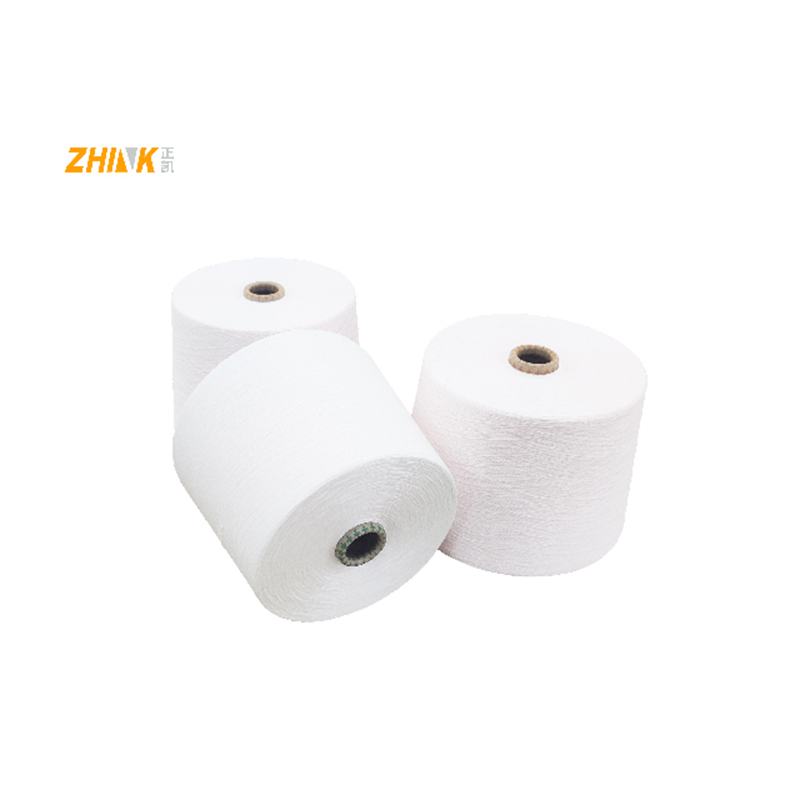
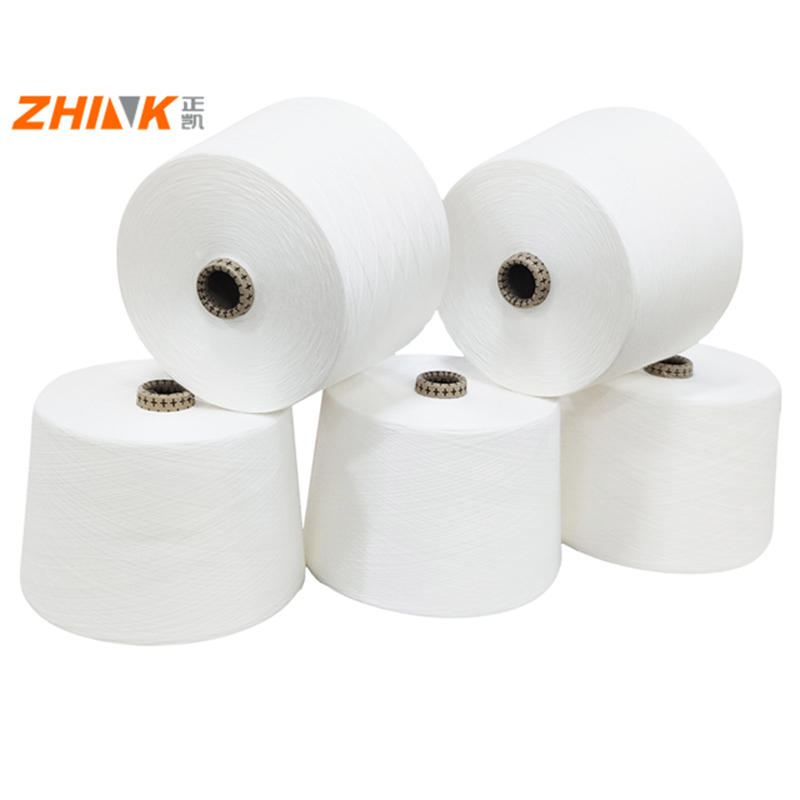
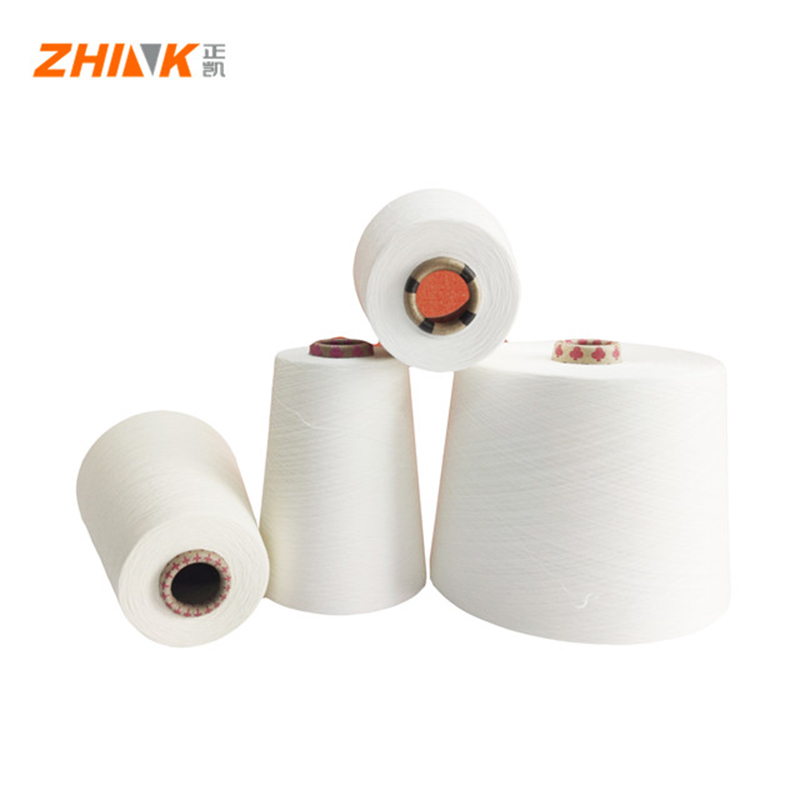
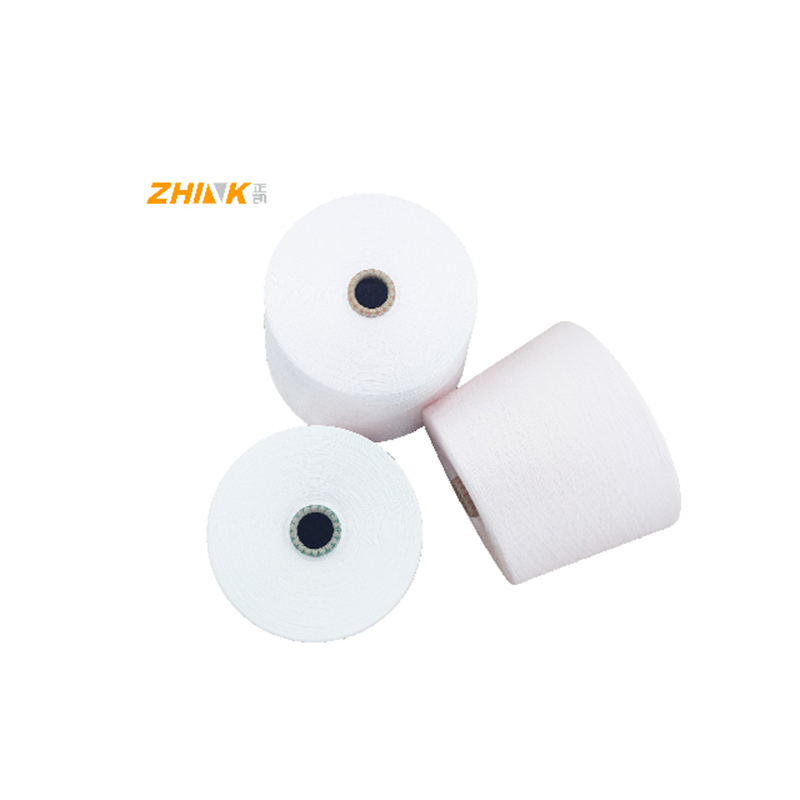
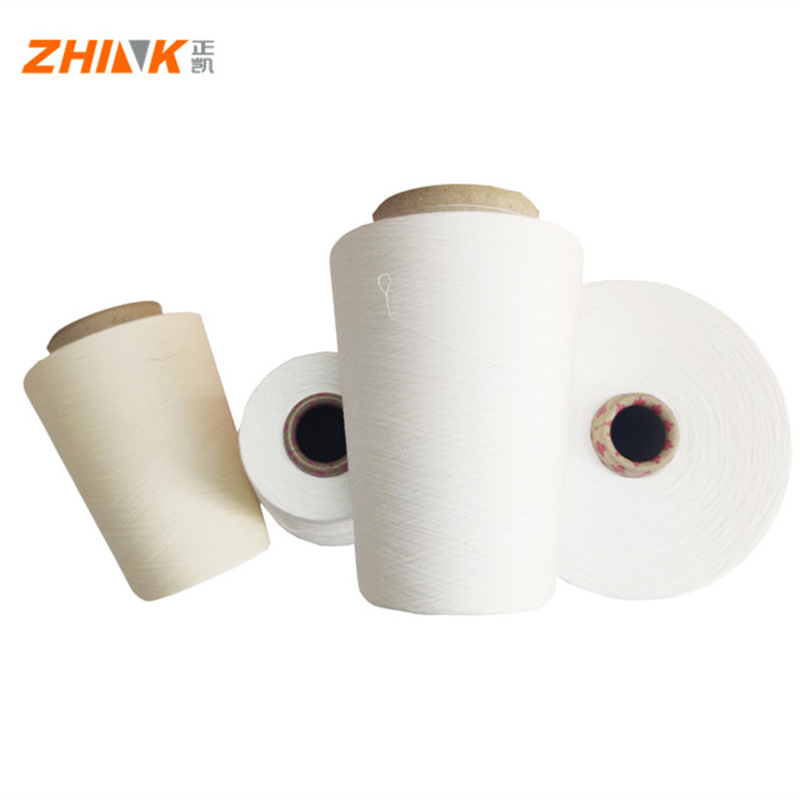
Acrylic blended yarn for knitting
Acrylic Blended Yarn for Knitting: Practical Insights and Industry Nuances
Acrylic blended yarns have carved a niche in the knitting industry, thanks to their balance of versatility and performance. Yet, misconceptions often cloud their reputation—many mistakenly presume they lack the warmth of natural fibers or question their durability. Having tangled with countless skeins and projects myself, there's a lot more to these yarns than meets the eye, even if the true potential surfaces only after hands-on trials.
The Makeup of Acrylic Blended Yarns
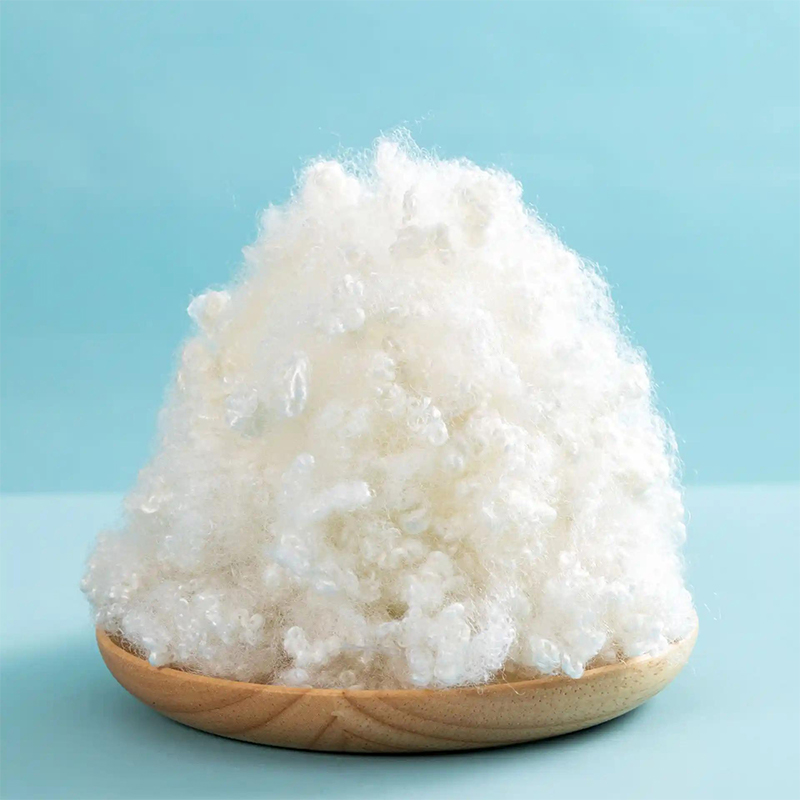
At the core, acrylic blended yarn combines acrylic fibers with other materials like wool or cotton. This blend typically aims to leverage qualities like warmth, softness, and elasticity. It's not just a random mix; the percentages matter significantly. I recall one particular project where a 50/50 blend delivered the perfect drape yet retained warmth around the neck—worth every bit of trial and error.
Many times, the tactile experience of these yarns can surprise newcomers. The sheen and softness often beat expectations, especially when handled for intricate patterns. I’ve noticed that more seasoned knitters start paying attention to the specific fiber combinations as they aim for desired textures for projects ranging from cozy sweaters to intricate accessories.
SHANDONG ZHINK NEW MATERIAL CO., LTD, a key player in this arena, offers a variety of these yarns. Their commitment to innovation can be seen on their website, Zhink Yarn, where they showcase their range that's designed keeping in mind both hobbyists and professionals.
Key Considerations in Knitting with Acrylic Blends
When you dive into knitting with acrylic blends, needle choice becomes crucial. Metal needles versus wooden ones create distinct tactile experiences and can even influence the final appearance. In my own attempts, I sometimes switched needles mid-project, hunting for that elusive 'perfect tension'.
Another noteworthy point is yarn tension and gauge. Acrylic can stretch or contract unusually with different environmental conditions. Dialing into the right gauge is often about intuition, developed through working with these fibers repeatedly.
Washing and care instructions for acrylic blends can be a bit of a minefield too; some pieces emerge unrecognizable if thrown mindlessly in with the regular laundry. Learning this the hard way, I now always swatch and wash test before committing fully to a new acrylic blend.
Colour Dynamics and Dyeing Techniques
The vibrancy possible with acrylic blends is quite remarkable. This is where synthetic dyes shine. Color retention and strength are usually robust. Yet, an experienced eye can tell when a dye lot might not match the desired intensity—the visual inspection is only part of the picture.
There's a certain joy in seeing how these yarns take dye, sometimes creating surprising hues under different lighting conditions. Throughout the process, imperfections in dyeing can occasionally enhance a project, providing natural variation that's uniquely individual.
For companies like SHANDONG ZHINK NEW MATERIAL CO., LTD, mastering these subtle nuances can make a substantial difference. Their production techniques reflect this in the depth of color available, as displayed on their website.
Market Trends and Preferences
The market for acrylic blended yarn is growing, not just among home hobbyists but in professional spheres too. Recent trends show an increasing preference for blends that mimic the properties of luxury fibers without the associated maintenance hassles.
I've observed that these yarns often find favor because they offer the best of both worlds. Everything from vegan knitters seeking wool alternatives to budget-conscious crafters looking for year-round wearables influences this rise.
Interestingly, companies like Zhink New Material continuously innovate, tailoring their products to meet evolving market desires, reinforcing their commitment to quality and versatility.
Conclusion: The Versatility and Power of Blended Yarns
In summary, the value of acrylic blended yarn in knitting goes beyond their initial cost-effectiveness. Their adaptability, vibrant color range, and performance in diverse projects make them a staple for many enthusiasts.
While they might initially seem like a compromise compared to natural fibers, for those who dare to explore, the rewards can be tremendously satisfying. Having wielded the needles myself, I can attest that the materials from SHANDONG ZHINK NEW MATERIAL CO., LTD are worth considering for both nuanced projects and everyday knits.
Ultimately, each skein is a canvas, waiting for the next creative endeavor—whether that’s a simple scarf or a more intricate lacework—offering endless possibilities under skilled hands.
Related Products
Related Products