+86-632-3621866
- Chinese
- French
- German
- Portuguese
- Spanish
- Russian
- Japanese
- Korean
- Arabic
- Irish
- Greek
- Turkish
- Italian
- Danish
- Romanian
- Indonesian
- Czech
- Afrikaans
- Swedish
- Polish
- Basque
- Catalan
- Esperanto
- Hindi
- Lao
- Albanian
- Amharic
- Armenian
- Azerbaijani
- Belarusian
- Bengali
- Bosnian
- Bulgarian
- Cebuano
- Chichewa
- Corsican
- Croatian
- Dutch
- Estonian
- Filipino
- Finnish
- Frisian
- Galician
- Georgian
- Gujarati
- Haitian
- Hausa
- Hawaiian
- Hebrew
- Hmong
- Hungarian
- Icelandic
- Igbo
- Javanese
- Kannada
- Kazakh
- Khmer
- Kurdish
- Kyrgyz
- Latin
- Latvian
- Lithuanian
- Luxembou..
- Macedonian
- Malagasy
- Malay
- Malayalam
- Maltese
- Maori
- Marathi
- Mongolian
- Burmese
- Nepali
- Norwegian
- Pashto
- Persian
- Punjabi
- Serbian
- Sesotho
- Sinhala
- Slovak
- Slovenian
- Somali
- Samoan
- Scots Gaelic
- Shona
- Sindhi
- Sundanese
- Swahili
- Tajik
- Tamil
- Telugu
- Thai
- Ukrainian
- Urdu
- Uzbek
- Vietnamese
- Welsh
- Xhosa
- Yiddish
- Yoruba
- Zulu
- Kinyarwanda
- Tatar
- Oriya
- Turkmen
- Uyghur



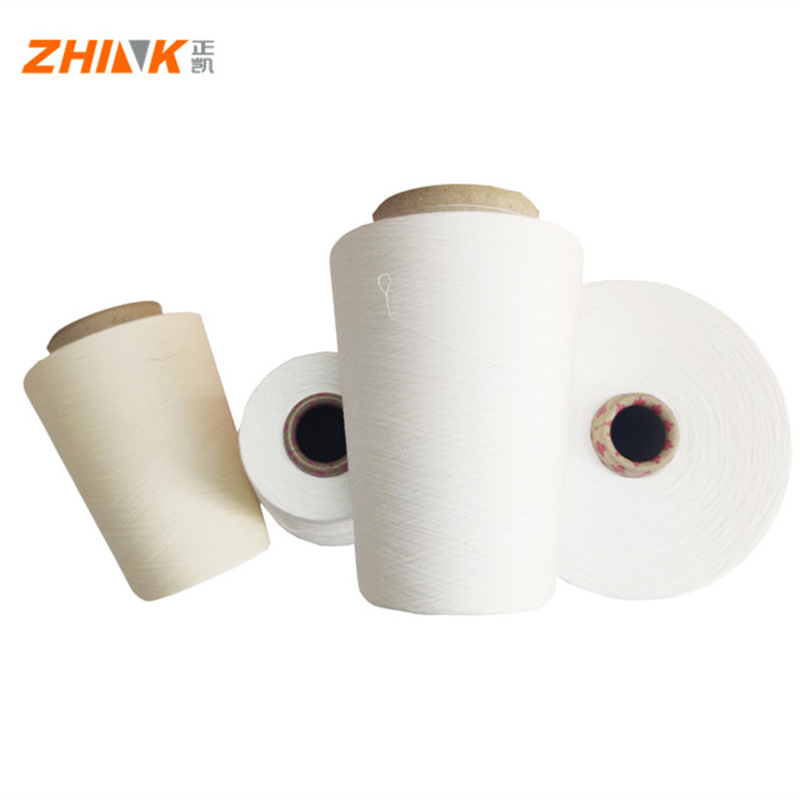
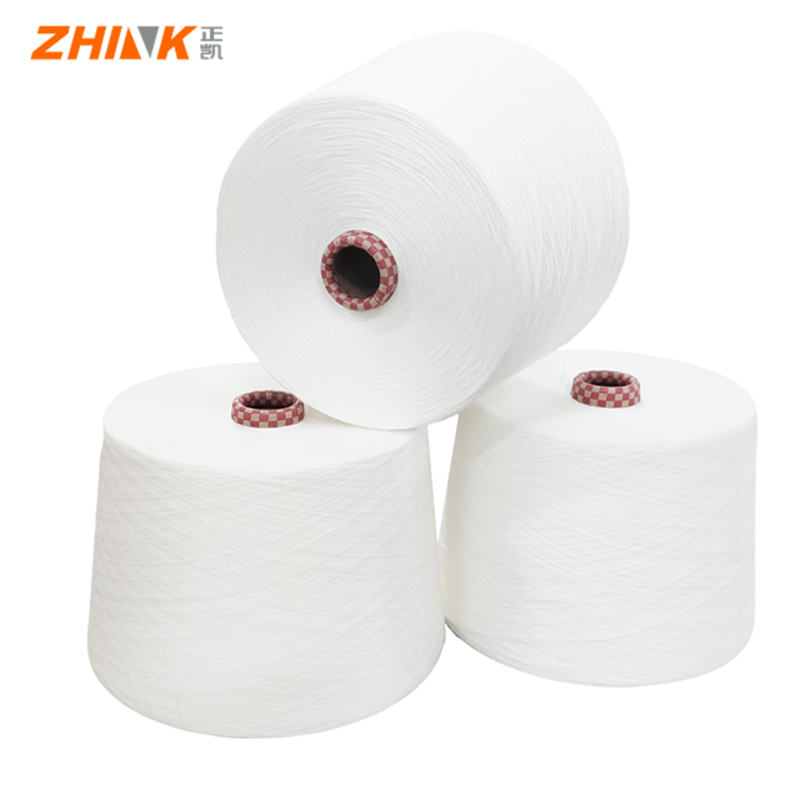
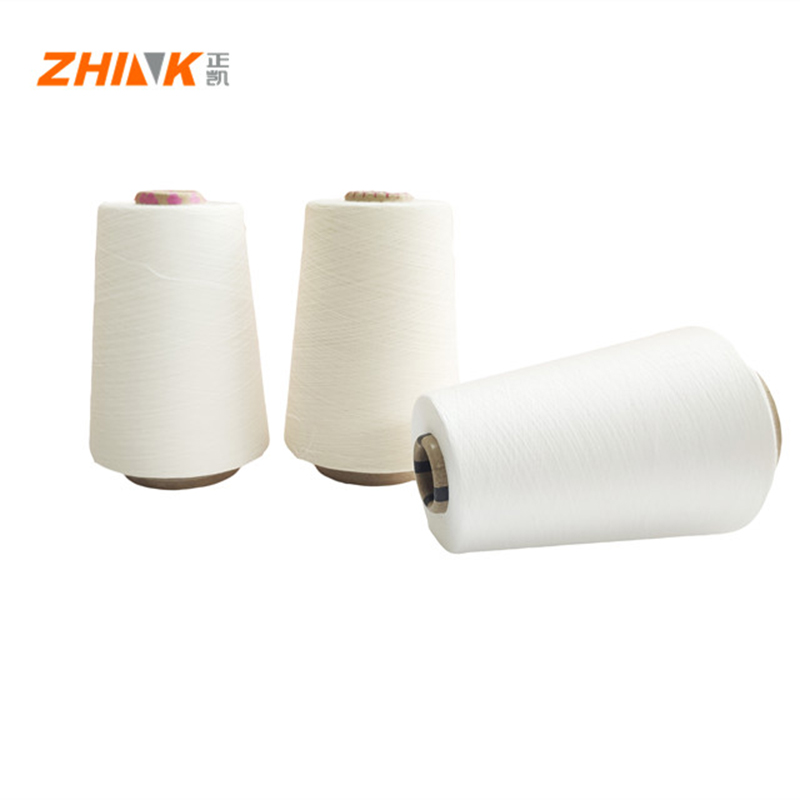
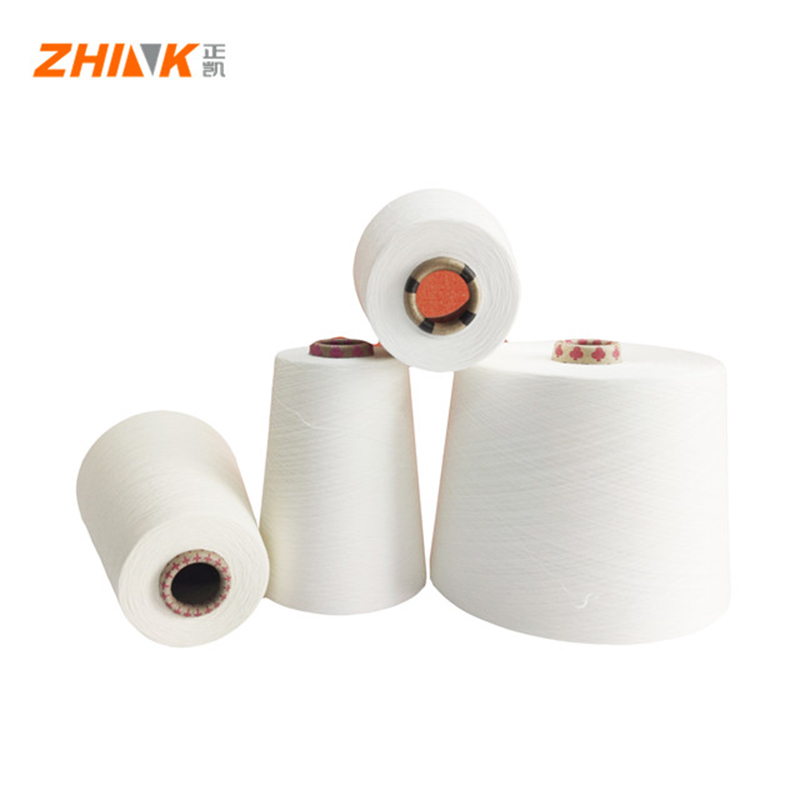
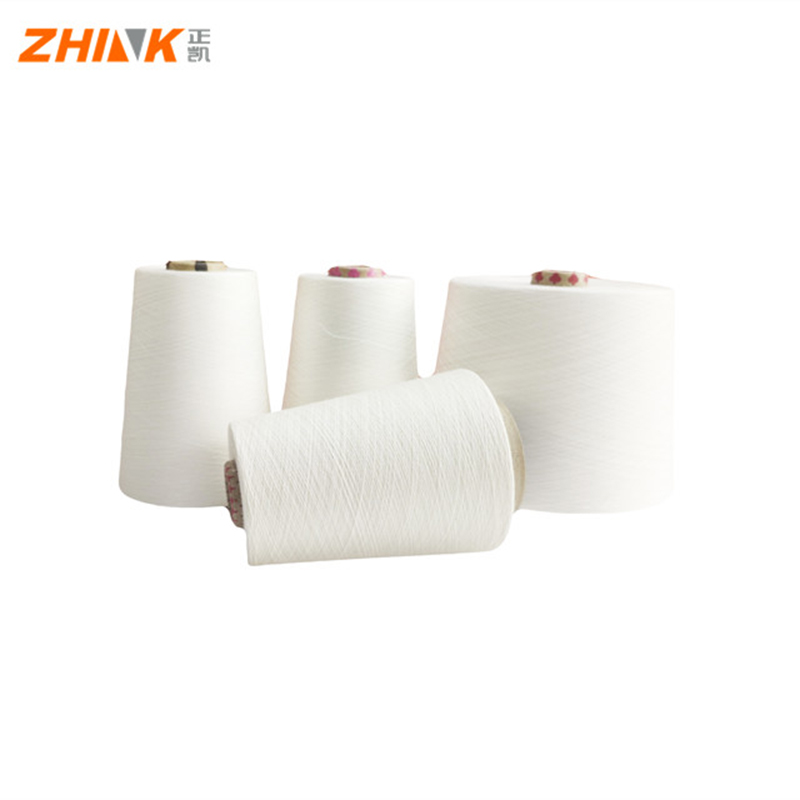
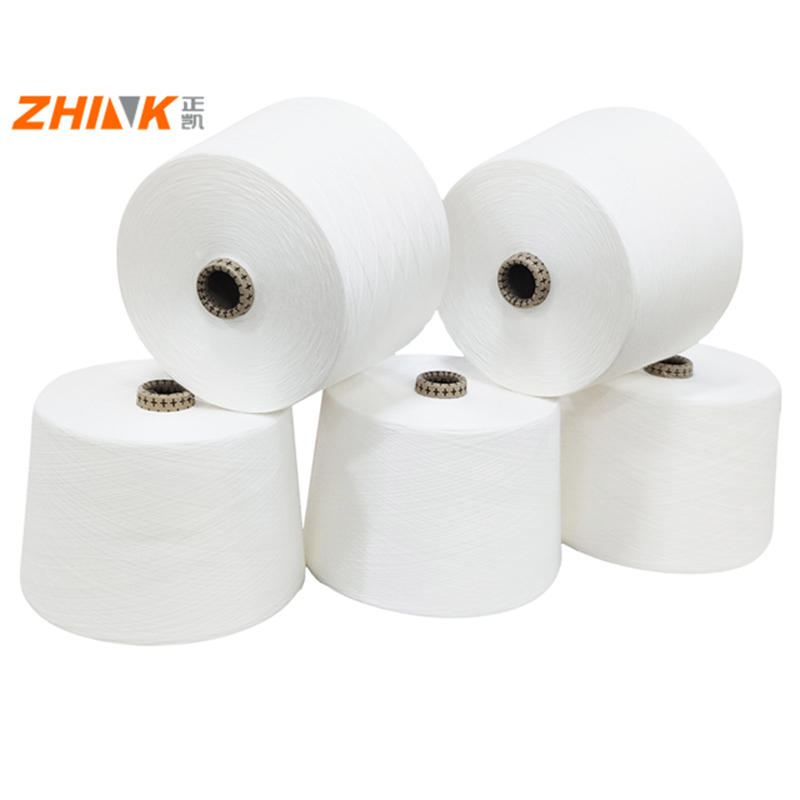
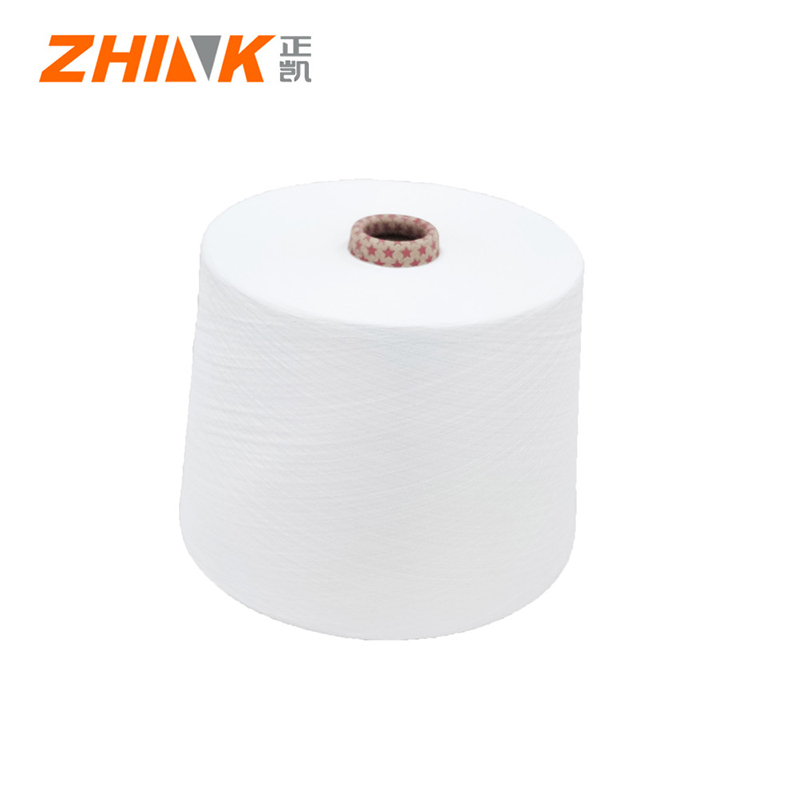
Acrylic blended yarn for weaving
Acrylic Blended Yarn for Weaving: Insights from Experience
Acrylic blended yarn is not just a buzzword in the textile industry. Instead, it represents a confluence of technology and tradition, promising enhanced properties for diverse weaving applications. Let’s dive into what makes it stand out, common pitfalls, and practical industry anecdotes.
Understanding Acrylic Blended Yarn
At first glance, acrylic blended yarn might seem like just another attempt to market synthetic fibers. However, this blend often includes cotton, wool, or other natural fibers, creating a hybrid that offers both durability and comfort. In practice, such blends have opened up possibilities for creating textiles that balance breathability with resilience.
From my own experience, I’ve seen small-scale weavers initially skeptical. There’s a notion that natural fiber purists hold: that synthetic materials lack the authenticity or touch of traditional fibers. Working with SHANDONG ZHINK NEW MATERIAL CO., LTD, whose expertise in new textile materials is unparalleled, has taught many of us to appreciate the depth of this blend.
Furthermore, ZHINK’s approach to R&D, as seen on their site ZHINK Yarn, highlights the innovation behind these yarns. Their laboratory tests reveal how specific blends can enhance strength without compromising softness, which is crucial for applications ranging from fashion to upholstery.
The Weaving Process and Material Behavior
One of the fascinating aspects of working with acrylic blended yarn is noting how it behaves during the weaving process. These yarns tend to possess excellent colorfastness, which means vibrant patterns remain uniform and fade-resistant over time.
Case in point, during a production run for a batch of decorative throws, the blend exhibited exceptional stability under tension. This wasn’t always the case; earlier attempts with improperly cured blends sometimes led to snapping or unwanted stretching.
It's critical to recognize the yarn's pliability, especially when used in looms. From elastics to non-elastics, each has its specific setting requirements. Misjudging these can lead to defects, a lesson many of us learned the hard way, often through expensive trial and error.
Color Blending and Aesthetic Possibilities
Color blending with acrylic yarns is a game changer. The dye uptake of acrylic allows for rich, consistent hues that are rarely matched by natural fibers alone. This has allowed designers a broader palette for artistic expression.
During a workshop, seeing a seasoned designer use these yarns to create ombre effects in tapestry was quite an eye-opener. The precision with which the yarn accepted dyes added a level of depth and boldness to the textiles, illustrating how these blends foster creativity.
Moreover, these aesthetic properties do not come at the expense of functionality. The versatility in design does not compromise the yarn's robustness, making it an ideal candidate for both haute couture and everyday garments.
Sustainability Considerations
Sustainability is another major talking point within the textile industry. Acrylic, being a synthetic fiber, often raises questions. However, companies like ZHINK are spearheading innovations aimed at recycling and reducing the environmental footprint.
Through collaborative efforts, steps are being taken to incorporate more recycled materials into acrylic blended yarn, a practice I’ve seen evolve over the past few years. Collaborating on these projects has been both challenging and rewarding.
While the roadmap isn't without its obstacles—particularly regarding production cost—it’s energizing to see the emphasis shift towards creating eco-friendly, high-performing yarns. It's an ongoing journey that promises innovations in sustainable fabric manufacturing.
Market Trends and Future Prospects
Looking ahead, the market for acrylic blended yarn is poised to grow significantly. Textile manufacturers are continually looking for ways to enhance yarn properties and application potentials. SHANDONG ZHINK NEW MATERIAL CO., LTD, with their cutting-edge developments, is at the forefront of this evolution.
The quest is for strength without compromising on the tactile experience. New composite blends are being tested regularly, hinting at even more diverse applications. These innovations could lead to broader acceptance, even among traditionalists who have resisted synthetic blends.
Whether for hyper-modern apparel or durable industrial fabric, acrylic blended yarn stands as a testament to how far the textile industry has come—and how much further it can go. Each weave tells its own story, woven from the threads of tradition and innovation.
Related Products
Related Products