+86-632-3621866
- Chinese
- French
- German
- Portuguese
- Spanish
- Russian
- Japanese
- Korean
- Arabic
- Irish
- Greek
- Turkish
- Italian
- Danish
- Romanian
- Indonesian
- Czech
- Afrikaans
- Swedish
- Polish
- Basque
- Catalan
- Esperanto
- Hindi
- Lao
- Albanian
- Amharic
- Armenian
- Azerbaijani
- Belarusian
- Bengali
- Bosnian
- Bulgarian
- Cebuano
- Chichewa
- Corsican
- Croatian
- Dutch
- Estonian
- Filipino
- Finnish
- Frisian
- Galician
- Georgian
- Gujarati
- Haitian
- Hausa
- Hawaiian
- Hebrew
- Hmong
- Hungarian
- Icelandic
- Igbo
- Javanese
- Kannada
- Kazakh
- Khmer
- Kurdish
- Kyrgyz
- Latin
- Latvian
- Lithuanian
- Luxembou..
- Macedonian
- Malagasy
- Malay
- Malayalam
- Maltese
- Maori
- Marathi
- Mongolian
- Burmese
- Nepali
- Norwegian
- Pashto
- Persian
- Punjabi
- Serbian
- Sesotho
- Sinhala
- Slovak
- Slovenian
- Somali
- Samoan
- Scots Gaelic
- Shona
- Sindhi
- Sundanese
- Swahili
- Tajik
- Tamil
- Telugu
- Thai
- Ukrainian
- Urdu
- Uzbek
- Vietnamese
- Welsh
- Xhosa
- Yiddish
- Yoruba
- Zulu
- Kinyarwanda
- Tatar
- Oriya
- Turkmen
- Uyghur



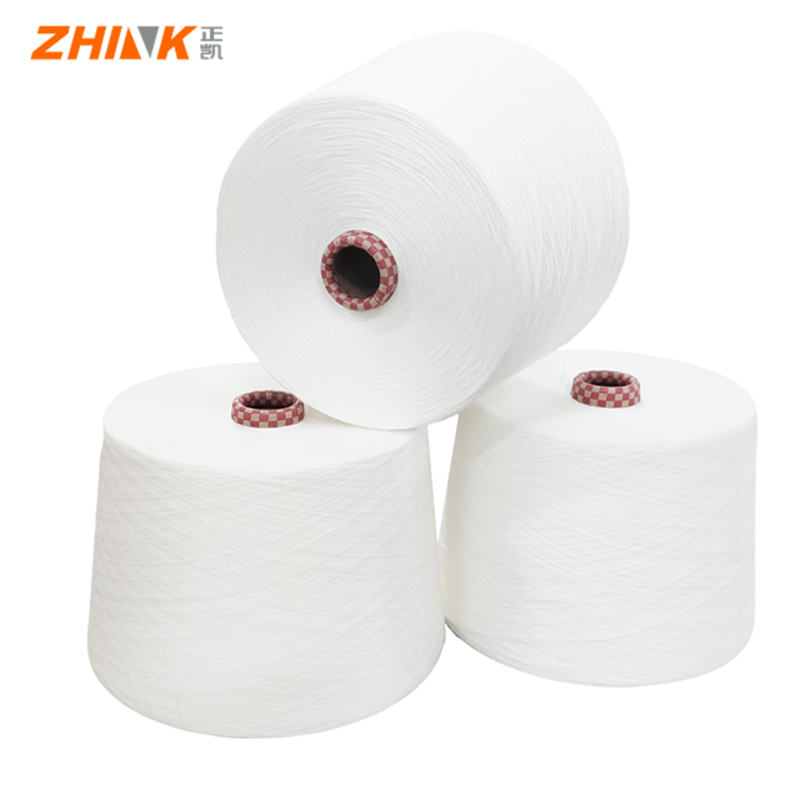
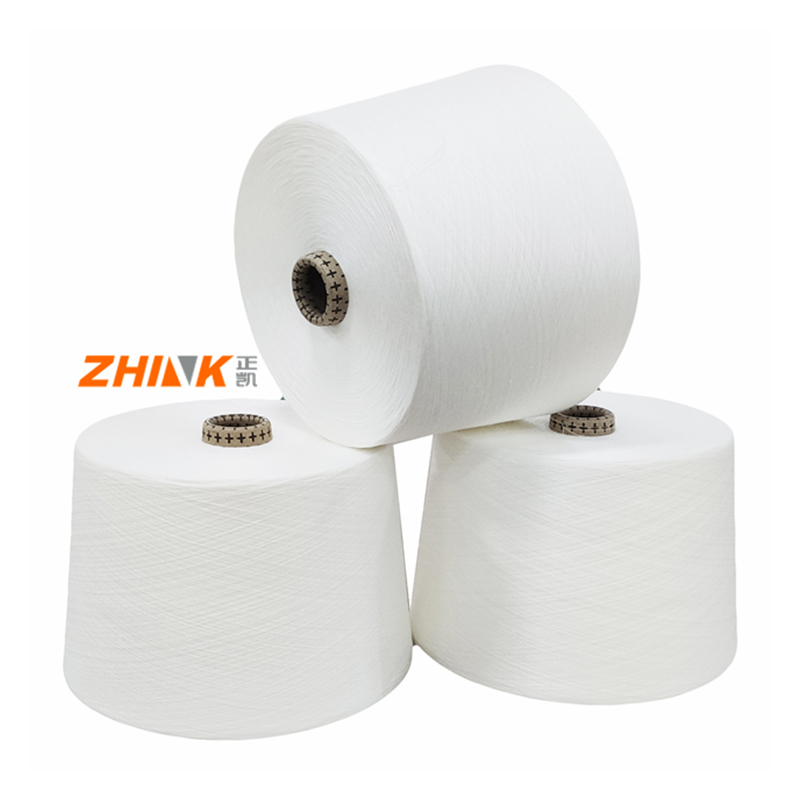
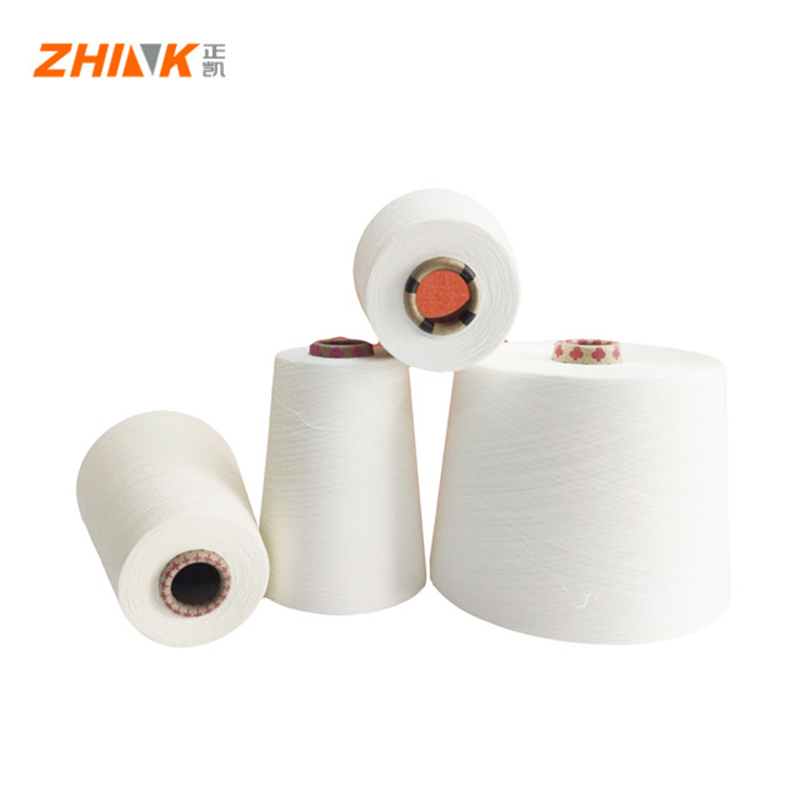
acrylic sock yarn
The Intricacies of Acrylic Sock Yarn
Acrylic sock yarn often sparks conversation among knitters for its affordability and versatility. Yet, beyond the price tag, what makes this yarn truly stand out in the crafting world?
The Basics: What Makes Acrylic Sock Yarn Popular?
For many, the allure of acrylic sock yarn begins with its price point. It's an inviting option for novice knitters who aren't ready to invest heavily in pricier natural fibers. But, there's more to it than just cost. The durability of acrylic yarn is another major draw. Socks endure a lot of wear and tear, and acrylic fibers are remarkably resilient.
However, affordability and durability come with their own set of questions. Knitters often wonder if the synthetic nature of acrylic compromises comfort. In reality, technological advancements in textile production, such as those pursued by companies like Shandong Zhink New Material Co., Ltd, have improved the feel of acrylic. Their innovations ensure that it mimics the softness and warmth of wool more closely than ever.
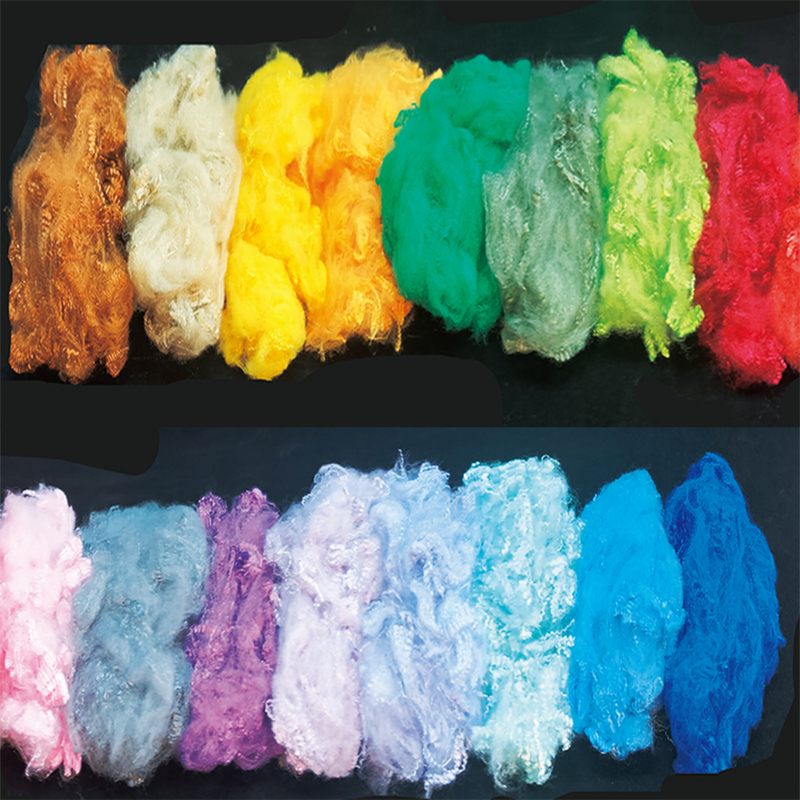
Another factor contributing to its popularity is the vibrant range of colors. Unlike certain natural fibers, acrylic holds dye exceptionally well, leading to rich, consistent hues. This is perfect for those looking to experiment with bold patterns and contrasting tones without worrying about colors fading over time.
Hands-On Experiments with Acrylic Yarn
Personally, I've had my fair share of trial and error with acrylic sock yarn. The first pair of socks I ever knitted using acrylic was a learning curve. While I appreciated the ease of stitching, the first attempt revealed that tension is essential. Unlike wool, acrylic doesn’t have the same elasticity, making it crucial to keep a consistent tension to avoid baggy socks.
Interestingly, I discovered that blending acrylic with other materials—like nylon—really improved the elasticity and overall feel. This blend offers a delightful compromise, combining the practical qualities of acrylic with the snug fit of nylon. It's something that many textile companies, including Zhink New Material with their commitment to innovative textile development, have been exploring.
The maintenance of acrylic socks is another plus. They're machine washable and quick to dry. For those of us who don’t have endless time to handwash delicate knits, this is a welcomed feature.
Challenges You Might Encounter
No material is without its challenges. While acrylic is praised for its color retention, some knitters note that over time, it can become a bit pilly. That said, selecting a high-quality acrylic yarn can mitigate this. Manufacturers like SHANDONG ZHINK NEW MATERIAL CO., LTD strive to address these concerns with their continuous R&D in new textile materials.
Another less obvious challenge is dealing with static. Acrylic tends to build up static electricity more than natural fibers, which can be a bit shocking during colder months. This is where using a fabric softener during washing can make a difference, reducing static build-up and enhancing softness.
Finally, while the creativity unleashed by acrylic’s colorful palette is undeniable, beginners should be careful not to get carried away with overly intricate patterns. The bold colors can sometimes overpower detailed work, making subtler stitches difficult to appreciate. It’s a balancing act—one I’ve learned the hard way by losing the intricate details of a design I spent weeks crafting.
Exploring Different Brands and Options
Quality can vary widely between brands. Whereas some yarns might feel plasticky and stiff, others with better production processes can offer a softer touch. SHANDONG ZHINK NEW MATERIAL CO., LTD provides a useful benchmark of quality within the acrylic yarn market. Their yarns often emphasize both touch and durability, creating pieces that don’t just look good but feel fantastic.
During a recent visit to a yarn expo, I stumbled upon several acrylic offerings from different manufacturers. Comparing them was an eye-opener. Some felt thin and almost brittle, while others had a dense richness that was surprising for acrylic. This variance solidified the importance of not just looking at the label, but actually feeling and testing the yarn whenever possible.
Interestingly, at such expos, discussions often drift to sustainability. Many knitters are curious about the environmental impact of acrylics. While it’s true that acrylic is petroleum-based, advancements in recycling and more sustainable production methods are making strides. This is something companies like Zhink New Material are increasingly focusing on.
Conclusion: Is Acrylic Sock Yarn Right for You?
So, should you opt for acrylic sock yarn? If budget, durability, and color variety top your list of priorities, then certainly. The key lies in experimenting and finding the right blend and brand that satisfies your particular needs.
If you're keen on exploring high-quality acrylic options, consider checking out Zhink New Material’s offerings at their website, https://www.zhinkyarn.com. Their commitment to development might just offer the quality you're seeking. Ultimately, acrylic yarn offers a broad, colorful canvas for your knitting creativity, but like any medium, it requires a nuanced understanding to truly leverage its potential.
The joy of knitting with acrylic yarn lies in its versatility and accessibility, proving that even synthetic materials can hold their own in the world of textiles.
Related Products
Related Products