+86-632-3621866
- Chinese
- French
- German
- Portuguese
- Spanish
- Russian
- Japanese
- Korean
- Arabic
- Irish
- Greek
- Turkish
- Italian
- Danish
- Romanian
- Indonesian
- Czech
- Afrikaans
- Swedish
- Polish
- Basque
- Catalan
- Esperanto
- Hindi
- Lao
- Albanian
- Amharic
- Armenian
- Azerbaijani
- Belarusian
- Bengali
- Bosnian
- Bulgarian
- Cebuano
- Chichewa
- Corsican
- Croatian
- Dutch
- Estonian
- Filipino
- Finnish
- Frisian
- Galician
- Georgian
- Gujarati
- Haitian
- Hausa
- Hawaiian
- Hebrew
- Hmong
- Hungarian
- Icelandic
- Igbo
- Javanese
- Kannada
- Kazakh
- Khmer
- Kurdish
- Kyrgyz
- Latin
- Latvian
- Lithuanian
- Luxembou..
- Macedonian
- Malagasy
- Malay
- Malayalam
- Maltese
- Maori
- Marathi
- Mongolian
- Burmese
- Nepali
- Norwegian
- Pashto
- Persian
- Punjabi
- Serbian
- Sesotho
- Sinhala
- Slovak
- Slovenian
- Somali
- Samoan
- Scots Gaelic
- Shona
- Sindhi
- Sundanese
- Swahili
- Tajik
- Tamil
- Telugu
- Thai
- Ukrainian
- Urdu
- Uzbek
- Vietnamese
- Welsh
- Xhosa
- Yiddish
- Yoruba
- Zulu
- Kinyarwanda
- Tatar
- Oriya
- Turkmen
- Uyghur



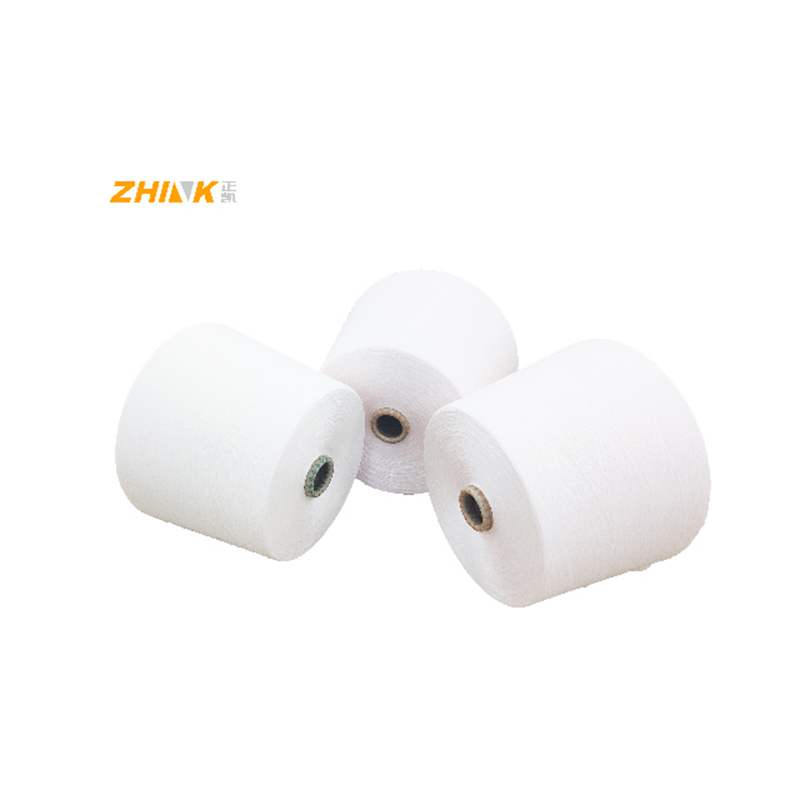
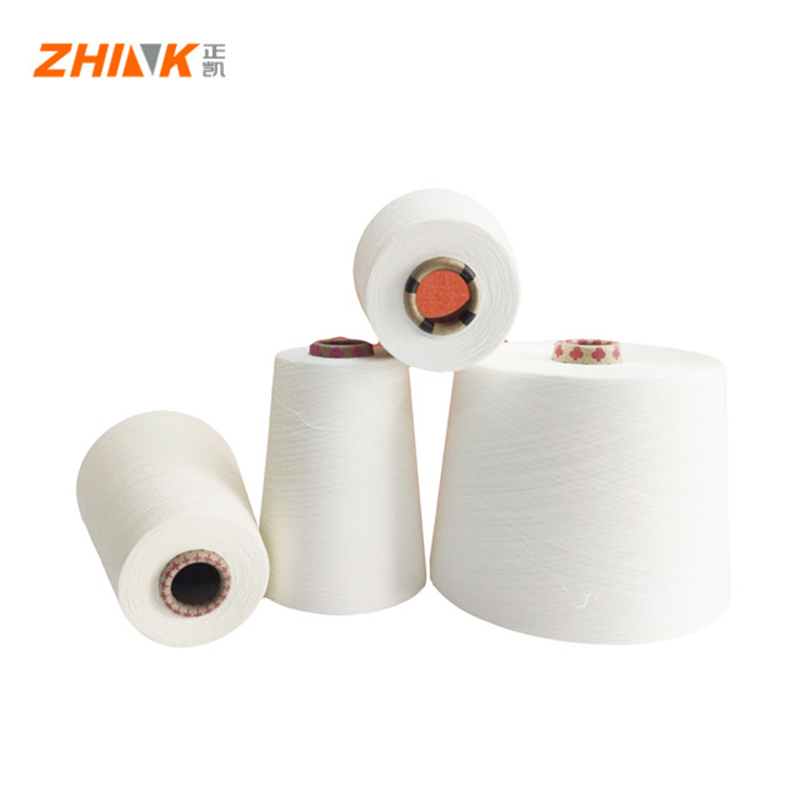
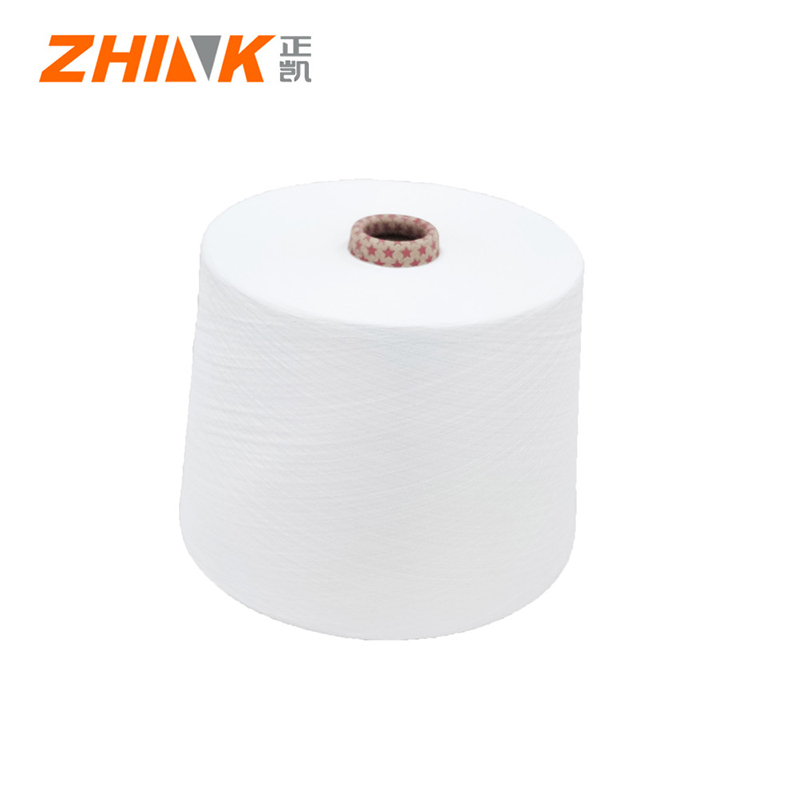
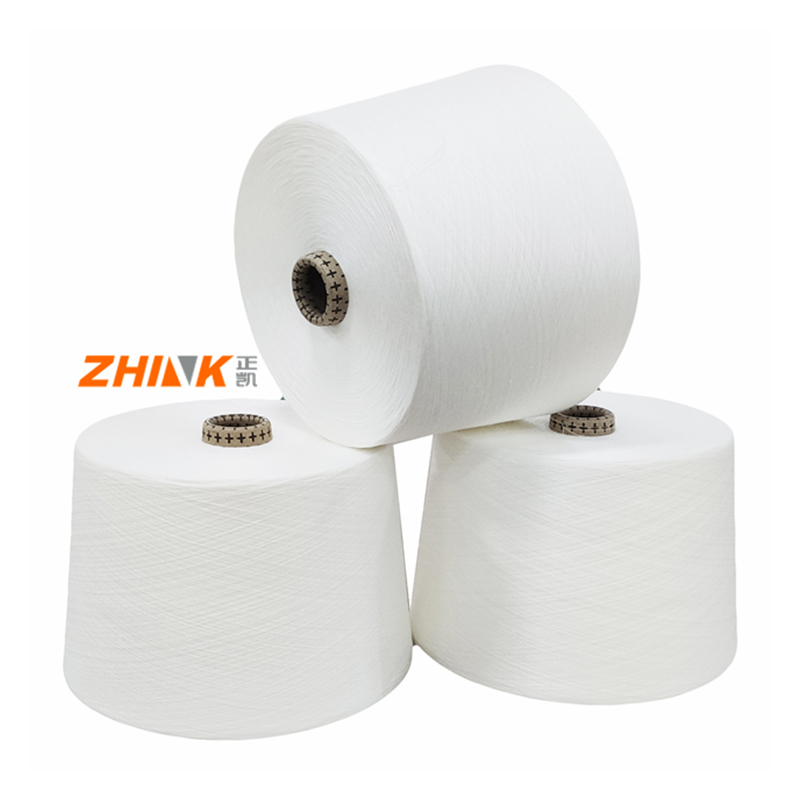
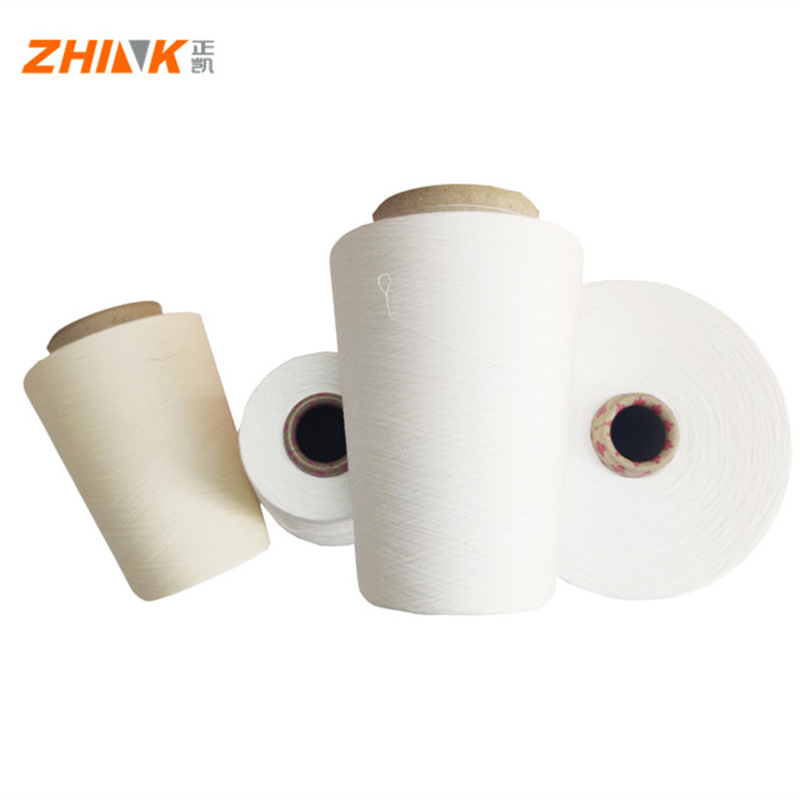
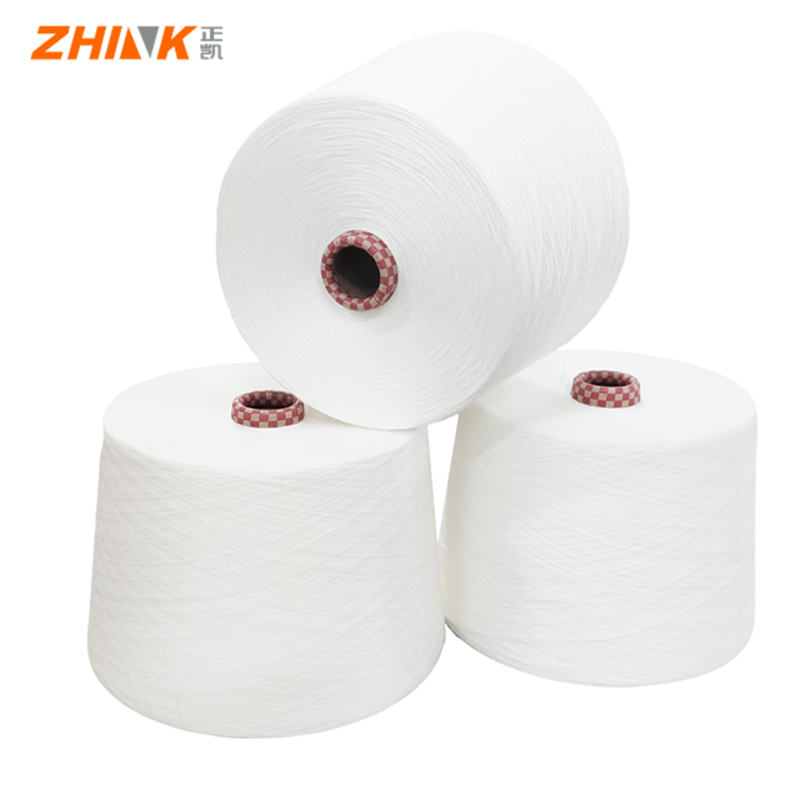
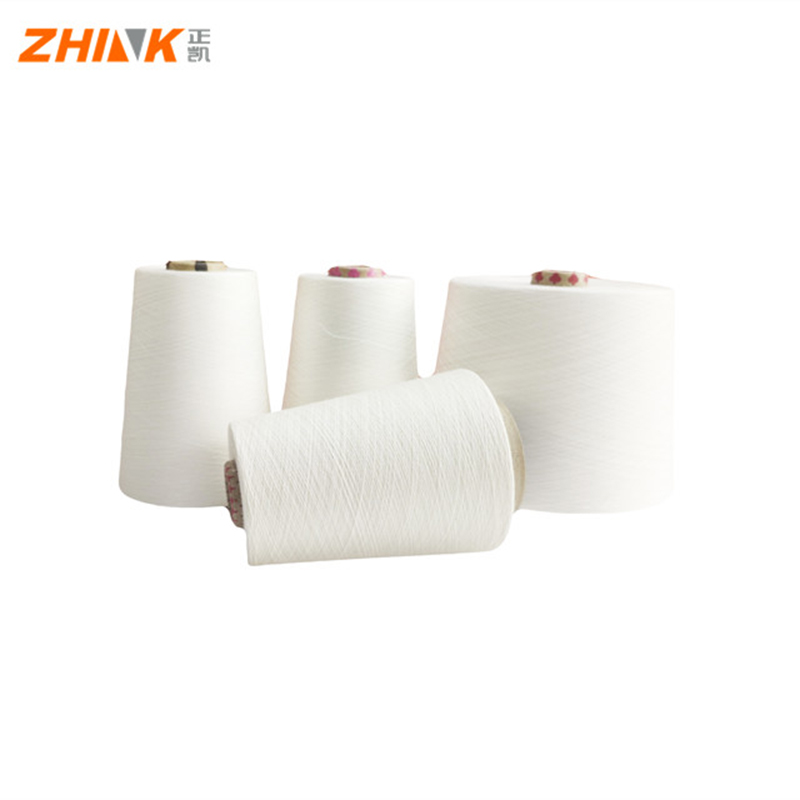
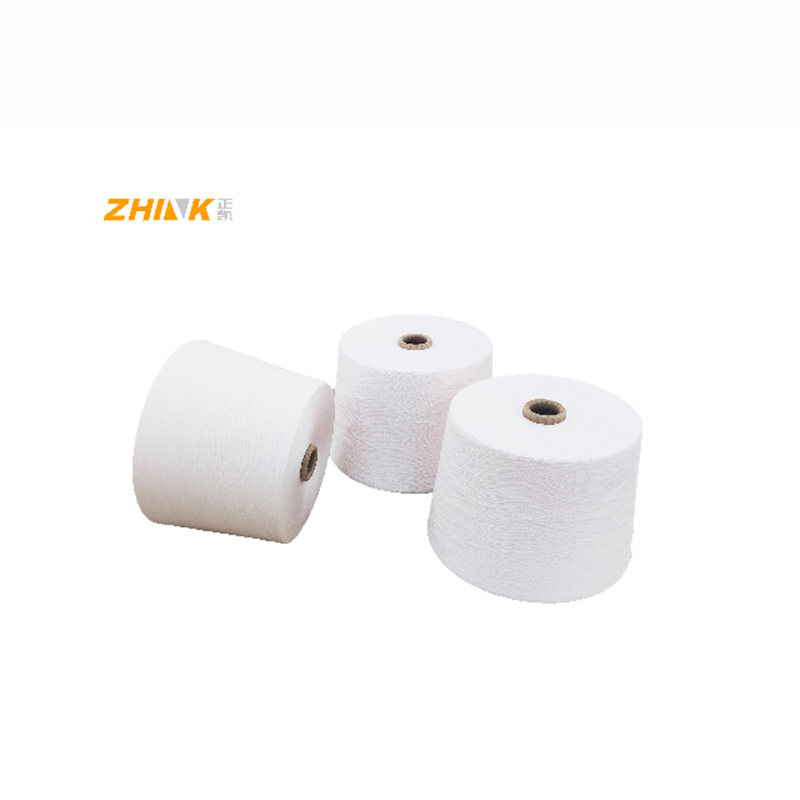
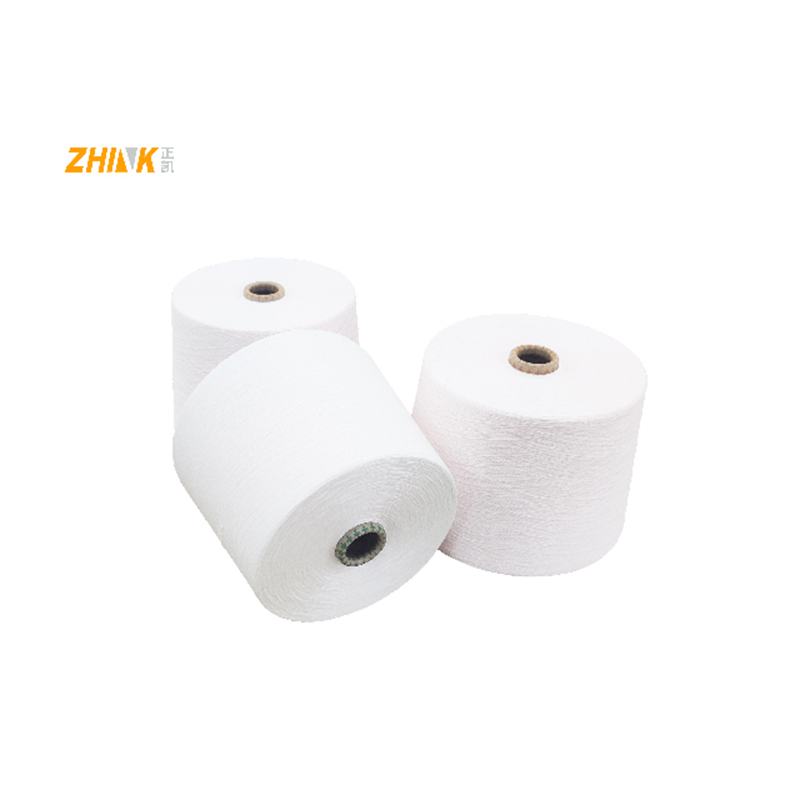
acrylic staple fiber yarn
Acrylic Staple Fiber Yarn: Industry Insights and Real-World Experiences
Understanding acrylic staple fiber yarn can be a bit like unraveling a complex weave—there’s much more beneath the surface than meets the eye. From its creation to its many applications, this yarn offers numerous advantages and a few intriguing challenges. Let's dive into what exactly makes it an essential part of the textile industry.
What Makes Acrylic Staple Fiber Yarn Unique?
When we talk about acrylic staple fiber yarn, we’re not just discussing any ordinary yarn. It's crafted from synthetic fibers primarily designed to mimic wool, providing warmth and softness. The catch? Achieving the right texture and durability isn't always straightforward. I've seen projects where the wrong blend resulted in yarn that's too brittle, shedding fibers too easily. It’s crucial to get the balance just right.
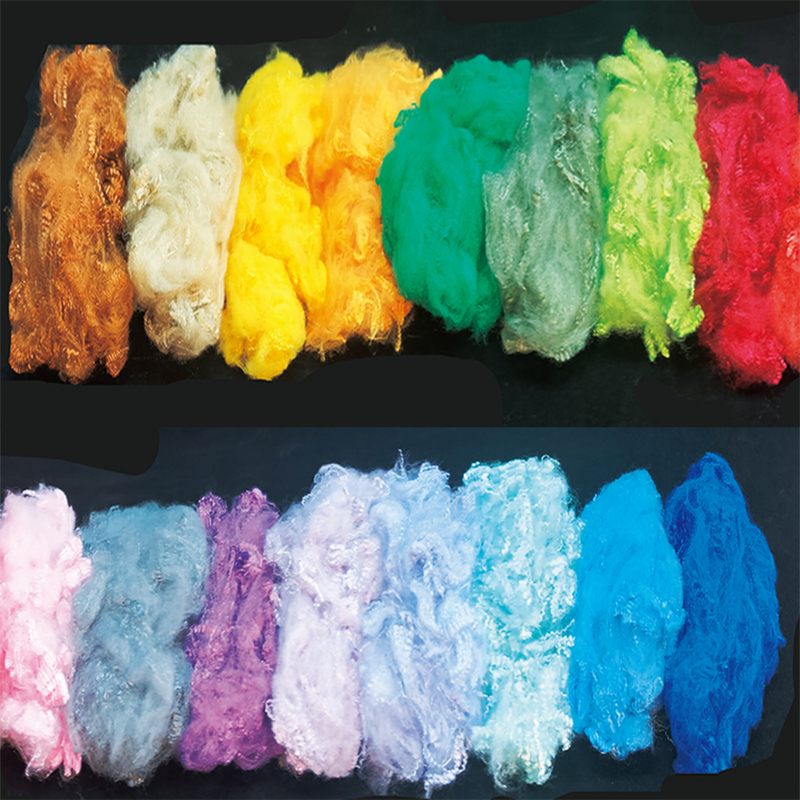
This yarn truly shines in its versatility. I've worked with manufacturers who specifically choose it for its vibrant color retention; because it's synthetic, it can be dyed in a range of striking hues. That said, too much heat during the dyeing process can lead to fiber damage. Keeping an eye on temperature controls is something experienced textile workers are very particular about.
One of the key players in this area is SHANDONG ZHINK NEW MATERIAL CO., LTD. Their focus on innovation in textile materials makes them a go-to for clients looking for reliable quality and performance.
Common Challenges in Production
The production of acrylic staple fiber yarn isn't always smooth sailing. One problem that often arises is static build-up. This can cause processing issues—fibers cling together or repel each other in unexpected ways. Experienced technicians I've known often joke about being electricians in a textile facility because they spend so much time dealing with static.
Another challenge comes during the spinning stage. Achieving uniformity in yarn thickness is pivotal. I've seen firsthand how the output quality suffers without strict quality controls. Once, at a workshop, a batch was rendered unusable because of unexplained variations in yarn diameter. The solution leaned heavily on consistent monitoring and equipment fine-tuning.
Companies like Zhink New Material are deeply invested in R&D, continually optimizing processes to mitigate such issues. Their emphasis on precision ensures that these fibers maintain their integrity through each stage of production.
Applications and Innovations
The uses for acrylic staple fiber yarn are expanding, thanks in part to ongoing innovation. From everyday garments to industrial textiles, this yarn is lightweight, resilient, and adaptable. During a recent project, a client opted for it in a new line of outdoor apparel. The finished products were praised for their warmth and reduced weight—a real hit among users.
Moreover, sustainability is a growing concern in the industry. Some companies are exploring recycled or bio-based acrylic fibers. A colleague shared their optimistic view that these newer materials could soon provide an eco-friendly alternative without sacrificing quality.
Consumer demand also drives innovation. People want textiles that are not only durable but also sustainable and stylish, which pushes companies like Zhink New Material to continually develop superior quality yarns.
Quality Control and Testing
Quality control is where everything comes together. In my experience, ensuring consistent quality means rigorous testing. Yarn strength, color fastness, and resistance to pilling need consistent checks. I remember working with a team that had an entire protocol for stress-testing yarn batches—essentially trying to break them under controlled conditions.
Manufacturers like Zhink New Material implement advanced testing methods to ensure each yarn batch meets industry standards. Their commitment is evident in their state-of-the-art facilities, where every step is scrutinized to catch defects before they hit the market.
Another aspect not to overlook is the post-production environment, such as storage. Proper conditions can mean the difference in longevity and performance of the yarn.
Real-World Stories and Lessons Learned
Through the ups and downs, I've collected a fair share of stories. I once collaborated on a project that underestimated the role of proper storage after production. The yarn was stored in a humid area, leading to unexpected mildew issues—a classic rookie mistake.
Yet, every challenge offers a learning opportunity. For instance, after overcoming initial spin inconsistencies, one team developed a unique blend that improved yarn resilience. They leveraged expertise gained from previous hurdles to innovate further.
The takeaway? The world of acrylic staple fiber yarn is as much about the journey as it is the destination. Continuous improvement, adaptability, and a willingness to embrace change define success in this ever-evolving field. SHANDONG ZHINK NEW MATERIAL CO., LTD exemplifies this ethos, providing high-quality solutions through relentless innovation.
Related Products
Related Products