+86-632-3621866
- Chinese
- French
- German
- Portuguese
- Spanish
- Russian
- Japanese
- Korean
- Arabic
- Irish
- Greek
- Turkish
- Italian
- Danish
- Romanian
- Indonesian
- Czech
- Afrikaans
- Swedish
- Polish
- Basque
- Catalan
- Esperanto
- Hindi
- Lao
- Albanian
- Amharic
- Armenian
- Azerbaijani
- Belarusian
- Bengali
- Bosnian
- Bulgarian
- Cebuano
- Chichewa
- Corsican
- Croatian
- Dutch
- Estonian
- Filipino
- Finnish
- Frisian
- Galician
- Georgian
- Gujarati
- Haitian
- Hausa
- Hawaiian
- Hebrew
- Hmong
- Hungarian
- Icelandic
- Igbo
- Javanese
- Kannada
- Kazakh
- Khmer
- Kurdish
- Kyrgyz
- Latin
- Latvian
- Lithuanian
- Luxembou..
- Macedonian
- Malagasy
- Malay
- Malayalam
- Maltese
- Maori
- Marathi
- Mongolian
- Burmese
- Nepali
- Norwegian
- Pashto
- Persian
- Punjabi
- Serbian
- Sesotho
- Sinhala
- Slovak
- Slovenian
- Somali
- Samoan
- Scots Gaelic
- Shona
- Sindhi
- Sundanese
- Swahili
- Tajik
- Tamil
- Telugu
- Thai
- Ukrainian
- Urdu
- Uzbek
- Vietnamese
- Welsh
- Xhosa
- Yiddish
- Yoruba
- Zulu
- Kinyarwanda
- Tatar
- Oriya
- Turkmen
- Uyghur



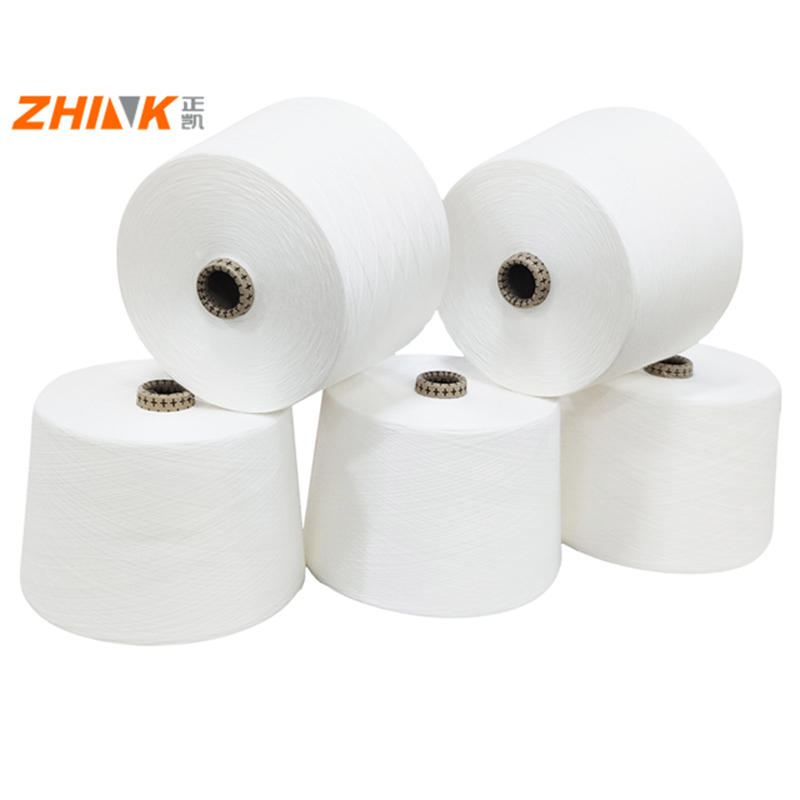
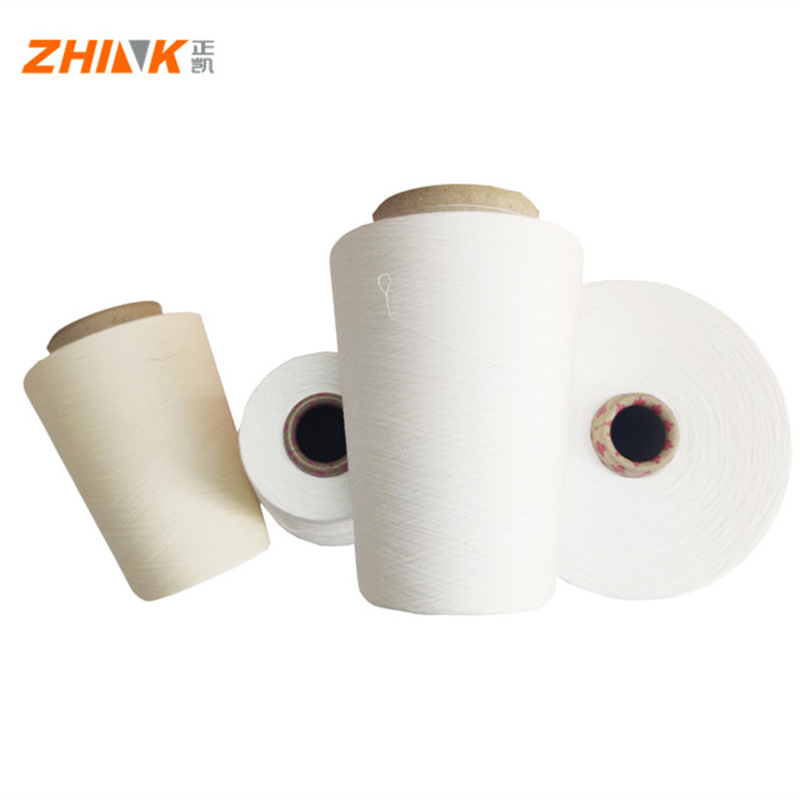
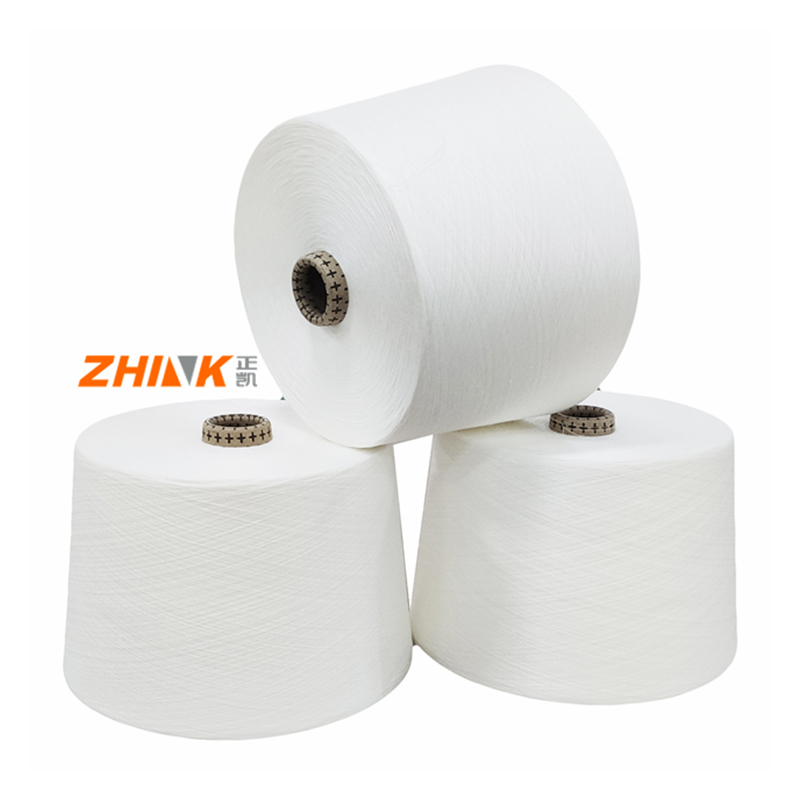
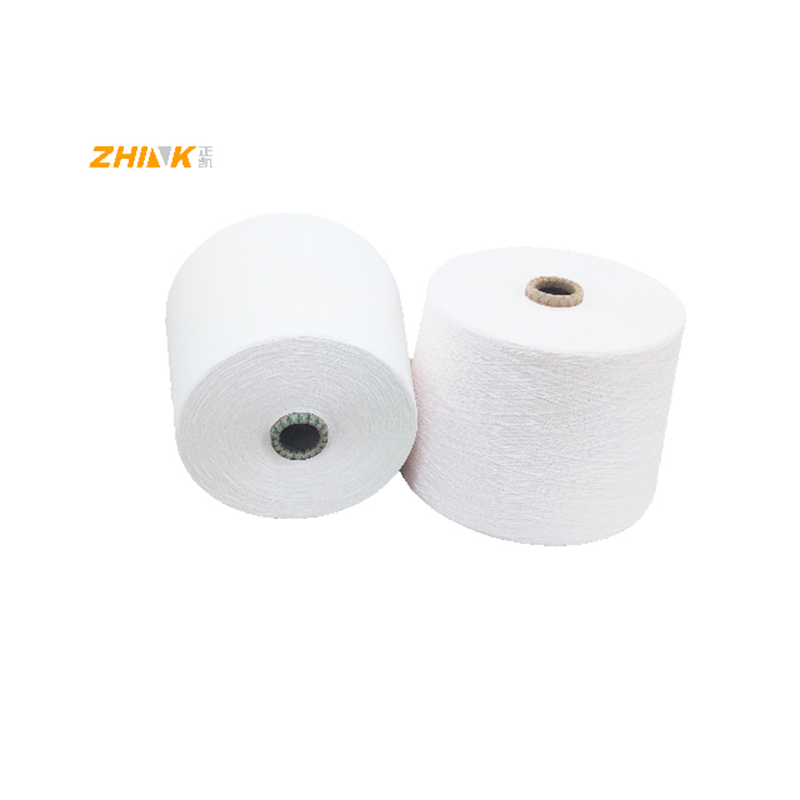
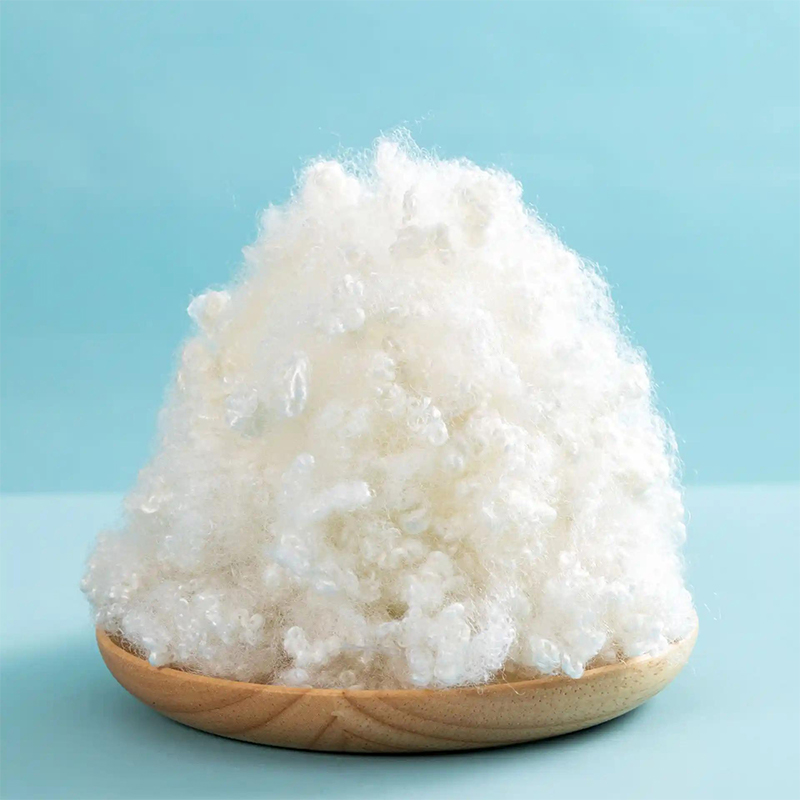
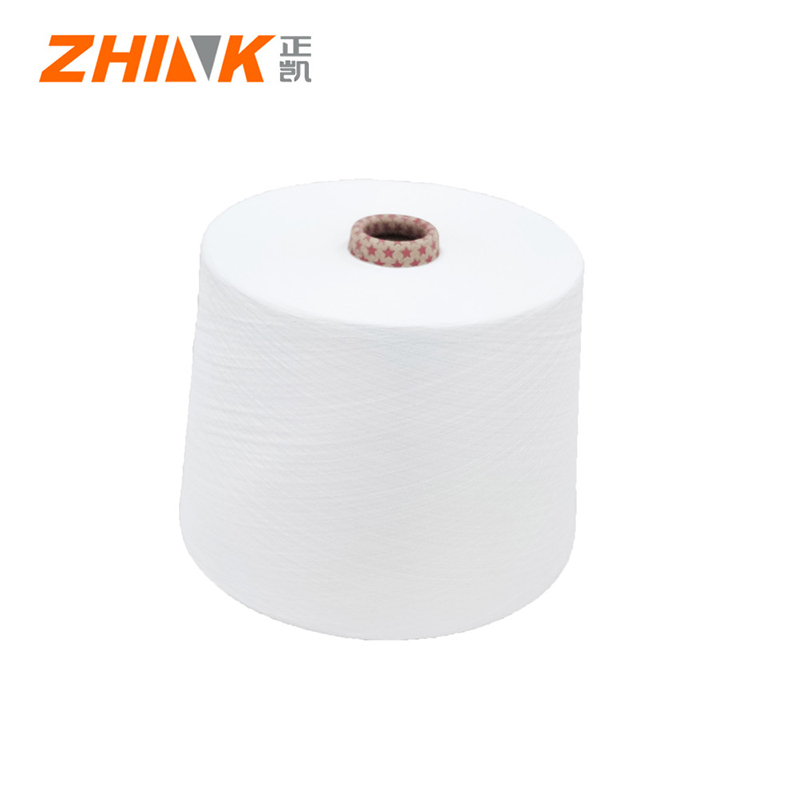
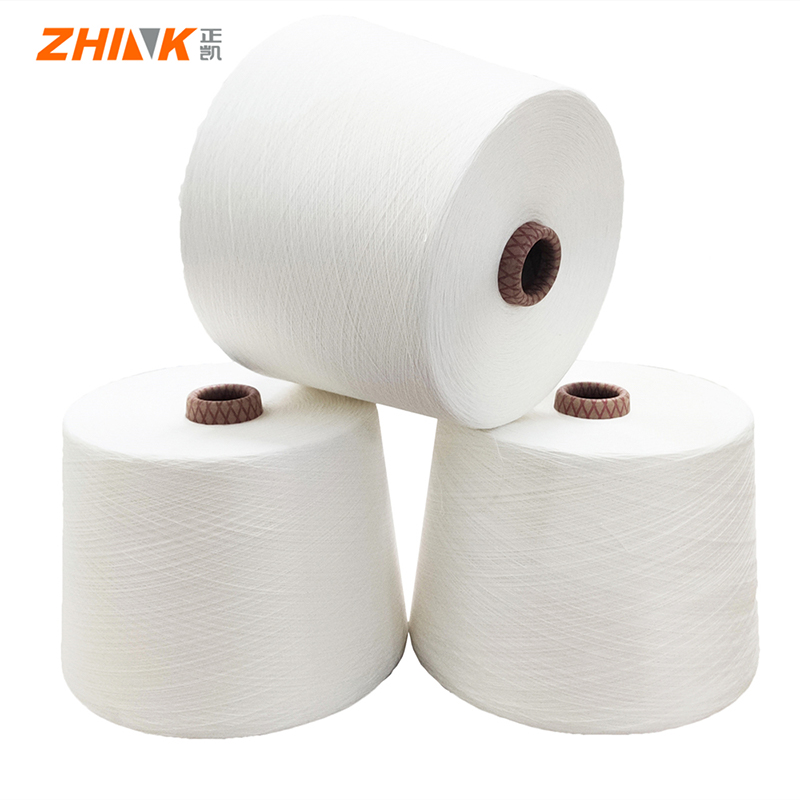
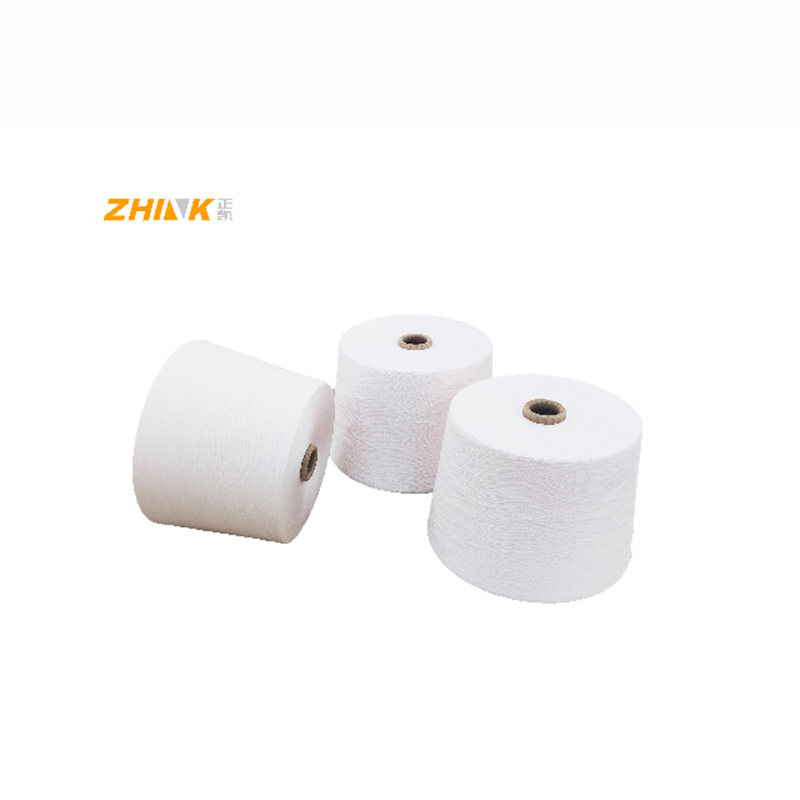
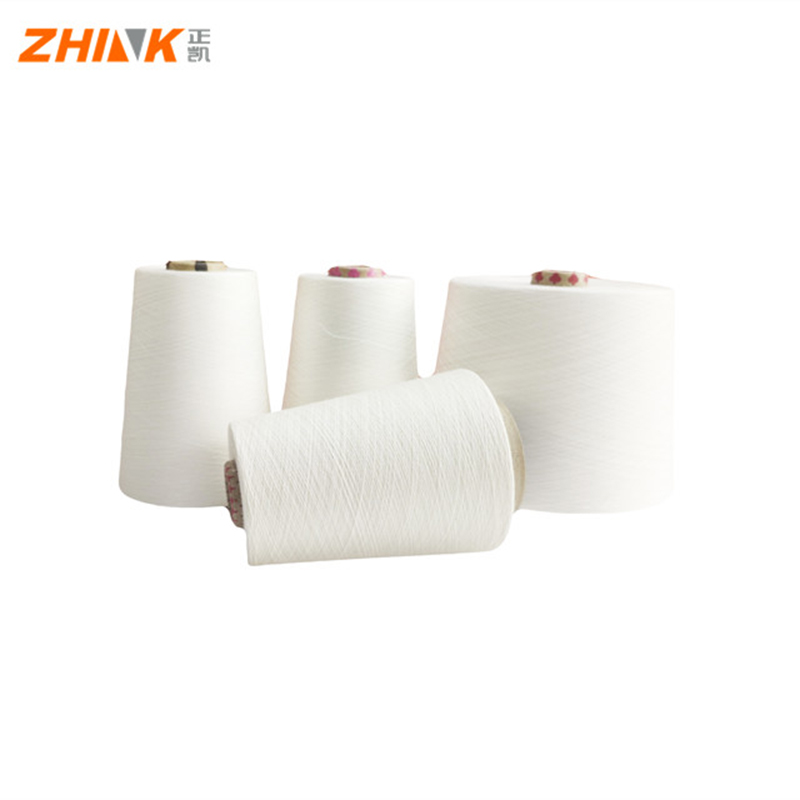
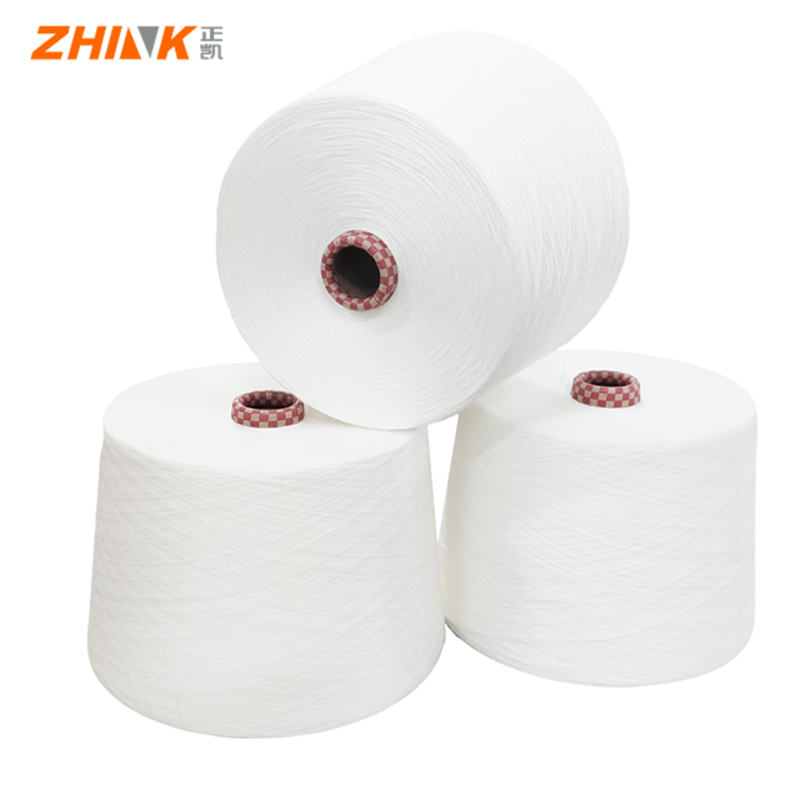
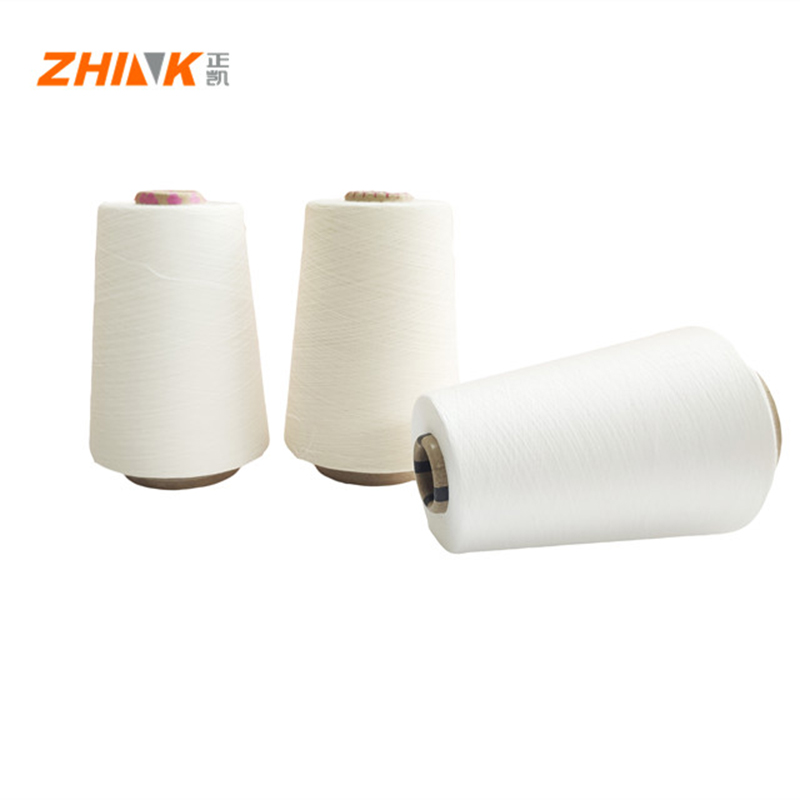
acrylic TFO yarn
The Intricacies of Acrylic TFO Yarn
Acrylic TFO yarn often seems like a standard makings of textile goods—yet, diving into its specifics reveals a world of technical detail, innovation, and some common misconceptions. Let's unravel what really makes this yarn a staple in modern textile manufacturing.
Understanding Acrylic TFO Yarn
At its core, acrylic yarn is a versatile synthetic fiber that mimics the qualities of wool. However, when paired with Two-for-One (TFO) twisting technology, it becomes something quite unique. The TFO process involves twisting two yarn plies simultaneously, which enhances the yarn's strength and uniformity—qualities essential to both fashion and functionality in textiles.
Many people assume TFO yarn to be more about aesthetics, yet it's primarily about performance. Enhanced resilience against abrasion and a smoother surface texture make acrylic TFO yarn highly suitable for a variety of applications—from cozy apparel to robust upholstery fabrics. It's not just about how it looks, but rather how it holds up under stress and wear.
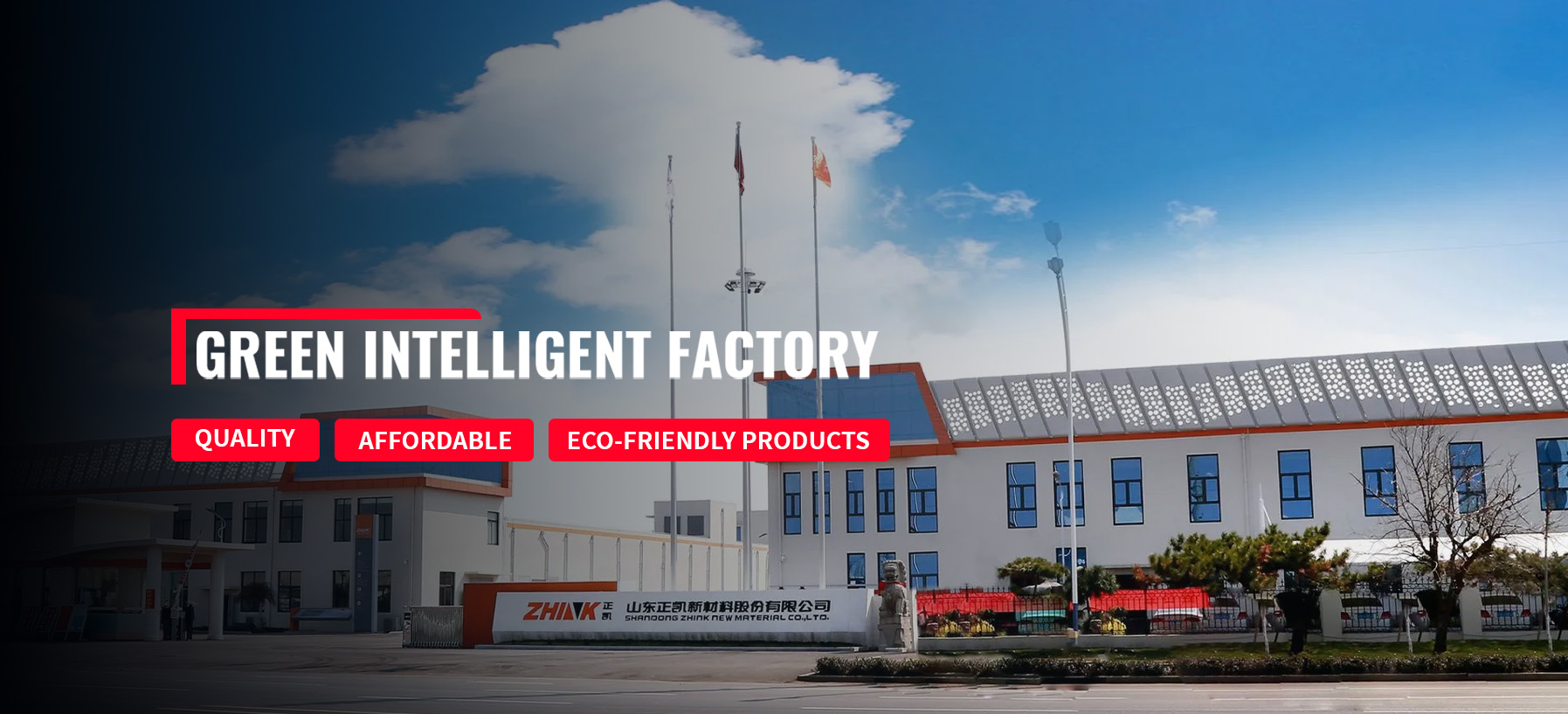
In my experience, manufacturers like SHANDONG ZHINK NEW MATERIAL CO., LTD (you can find more about their offerings at their website) have really pioneered in pushing the envelope of what acrylic TFO yarn can do. Their dedication to research and development in new textile materials keeps them at the forefront of industry standards.
Common Missteps in Usage
While it might seem straightforward to work with acrylic TFO yarn, I've seen some common pitfalls that can impact the final product. For instance, tension issues during the knitting process can lead to unexpected fabric stretch, throwing off garment sizing. It's a small detail, but one that can lead to big headaches in quality control.
Another aspect that's often overlooked is colorfastness. Acrylic fibers are dyeable, but ensuring that they maintain their vibrant hues under repeated washes is critical. A seemingly minor oversight can lead to customer dissatisfaction down the line.
Having worked through these challenges, it's evident that rigorous testing during the production phase saves not just time but brand reputation. Precautions taken here ensure the yarn's resilience translates into the final product, whether that's a sweater or a seating fabric.
The Technological Edge
One of the highlights of acrylic TFO yarns is the technological edge they present, especially in how uniformity is achieved. The TFO twisting method tends to smoothen out irregularities that are typically present in traditional yarn-making processes. This brings along a subtle yet valuable advantage in terms of fabric pilling—a common nuisance in synthetic textiles.
The involvement of companies like Zhink New Material emphasizes a dedication to technological integration. They consistently push the boundaries of what’s possible by incorporating modern innovations in traditional practices, effectively reducing manufacturing defects.
While the technology may sound complex, it ultimately results in simplicity of use for the end consumer—a proverbial stronger, better, faster scenario. That’s the beauty of proper technological application; it makes complexity invisible yet beneficial.
Real-World Applications
From what I’ve observed, the demand for acrylic TFO yarn spans a wide spectrum, from home textiles to industrial uses. This versatility is largely due to its cost-effectiveness combined with performance, offering manufacturers a reliable material without breaking the budget.
Take furniture upholstery, for example. Acrylic TFO yarns are particularly favored for their wear resistance and aesthetic appeal. The TFO process ensures evenness in texture, crucial for the polished look demanded by consumers.
In sportswear, the moisture-wicking capabilities of well-manufactured acrylic yarns can’t be understated. Again, this is where the material’s processing and finishing details like TFO come into sharp focus.
Lesser-Known Benefits
Yet, what often goes unnoticed are the ecological benefits. Many organizations now emphasize sustainable practices, and surprisingly, acrylic TFO yarn fits well into this narrative. Its production typically involves less water consumption compared to natural fibers, offering a smaller ecological footprint.
Moreover, innovations in recycling technologies allow these fibers to be reused, contributing to circular economy efforts. Companies like SHANDONG ZHINK NEW MATERIAL CO., LTD play a role here by integrating such practices into their operations.
So, while acrylic TFO yarns might not entirely solve sustainability issues, their conscientious use certainly nudges the industry toward a more eco-friendly future.
Related Products
Related Products