+86-632-3621866
- Chinese
- French
- German
- Portuguese
- Spanish
- Russian
- Japanese
- Korean
- Arabic
- Irish
- Greek
- Turkish
- Italian
- Danish
- Romanian
- Indonesian
- Czech
- Afrikaans
- Swedish
- Polish
- Basque
- Catalan
- Esperanto
- Hindi
- Lao
- Albanian
- Amharic
- Armenian
- Azerbaijani
- Belarusian
- Bengali
- Bosnian
- Bulgarian
- Cebuano
- Chichewa
- Corsican
- Croatian
- Dutch
- Estonian
- Filipino
- Finnish
- Frisian
- Galician
- Georgian
- Gujarati
- Haitian
- Hausa
- Hawaiian
- Hebrew
- Hmong
- Hungarian
- Icelandic
- Igbo
- Javanese
- Kannada
- Kazakh
- Khmer
- Kurdish
- Kyrgyz
- Latin
- Latvian
- Lithuanian
- Luxembou..
- Macedonian
- Malagasy
- Malay
- Malayalam
- Maltese
- Maori
- Marathi
- Mongolian
- Burmese
- Nepali
- Norwegian
- Pashto
- Persian
- Punjabi
- Serbian
- Sesotho
- Sinhala
- Slovak
- Slovenian
- Somali
- Samoan
- Scots Gaelic
- Shona
- Sindhi
- Sundanese
- Swahili
- Tajik
- Tamil
- Telugu
- Thai
- Ukrainian
- Urdu
- Uzbek
- Vietnamese
- Welsh
- Xhosa
- Yiddish
- Yoruba
- Zulu
- Kinyarwanda
- Tatar
- Oriya
- Turkmen
- Uyghur



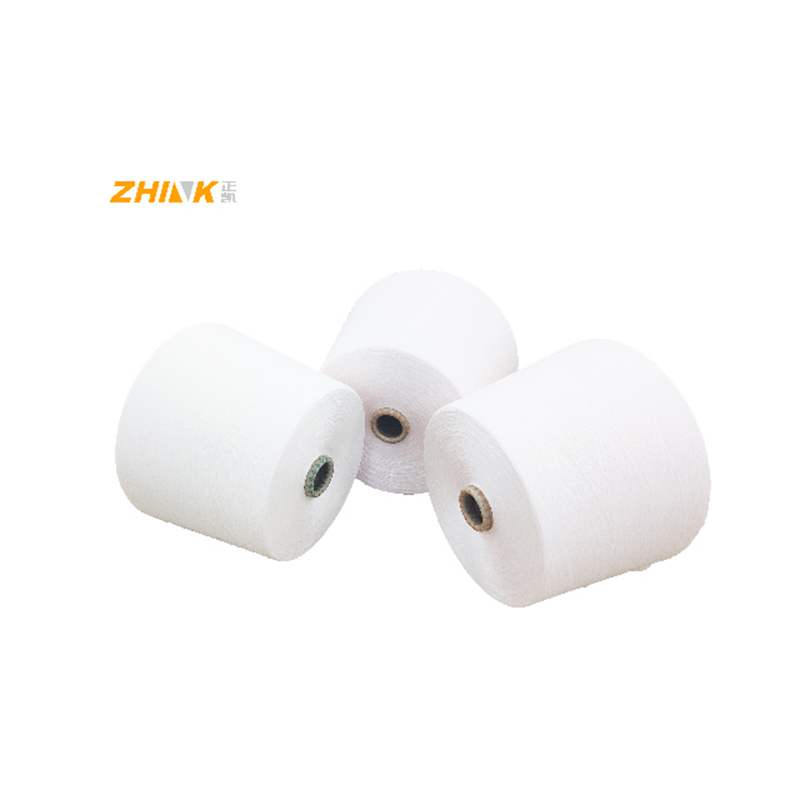
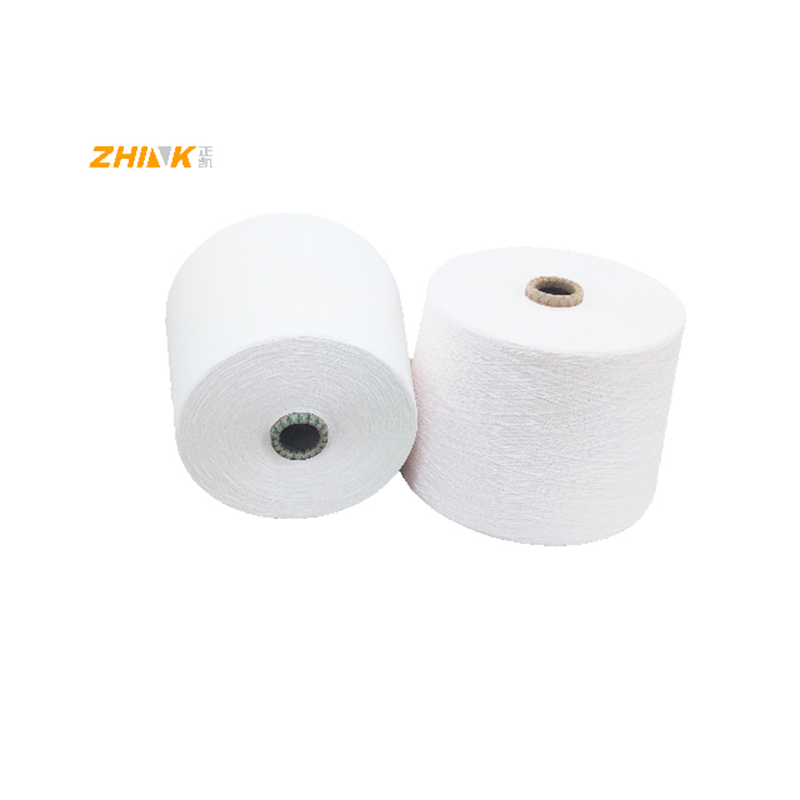
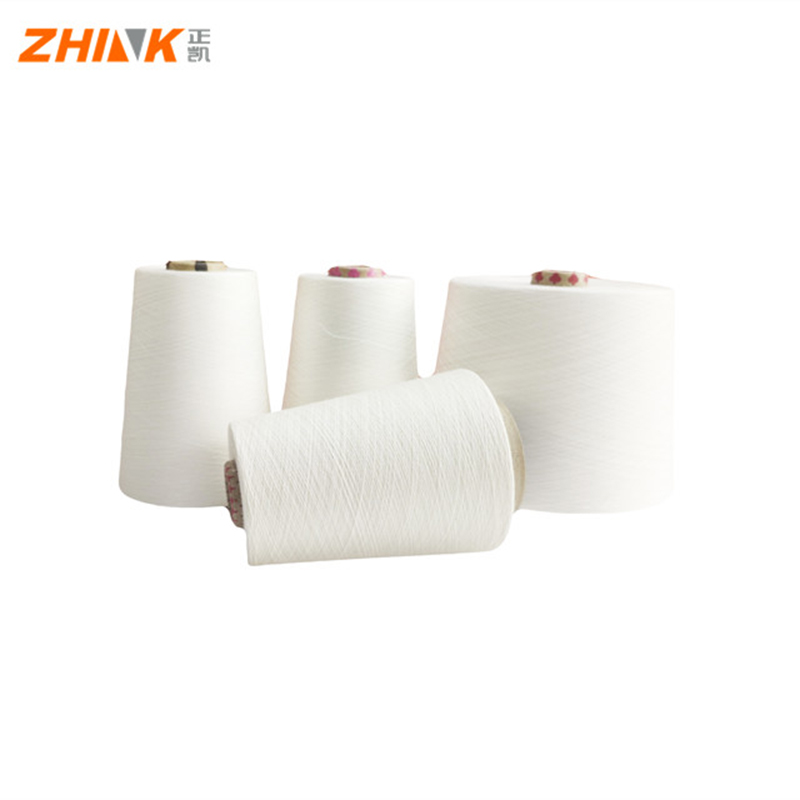
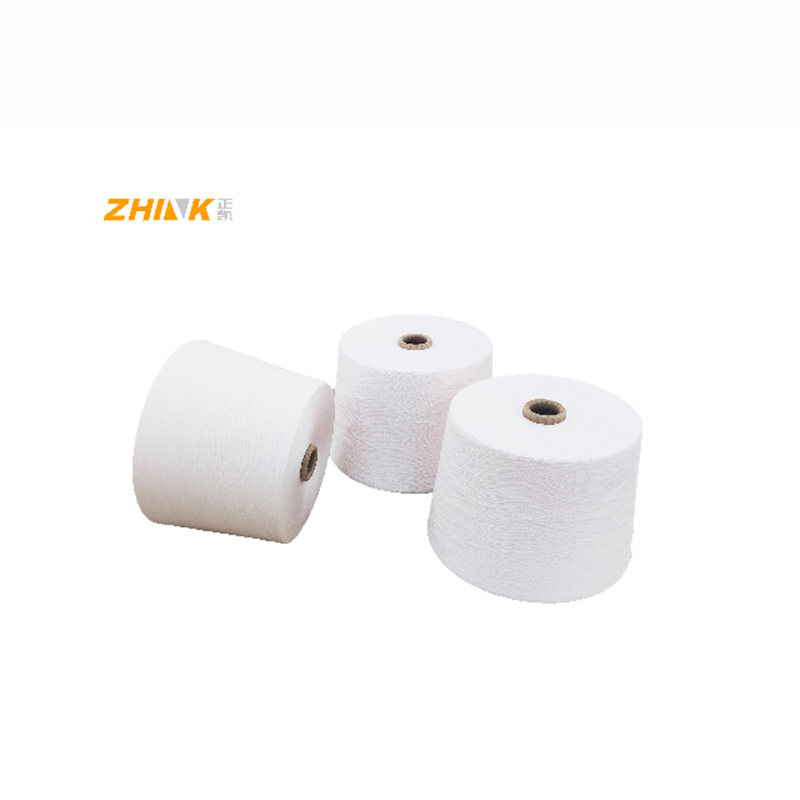
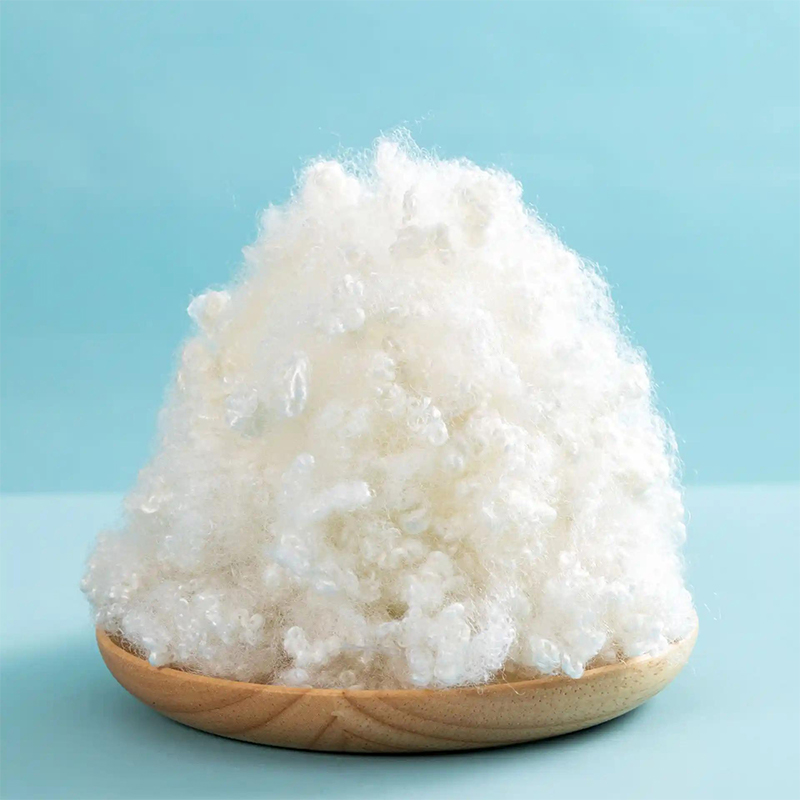
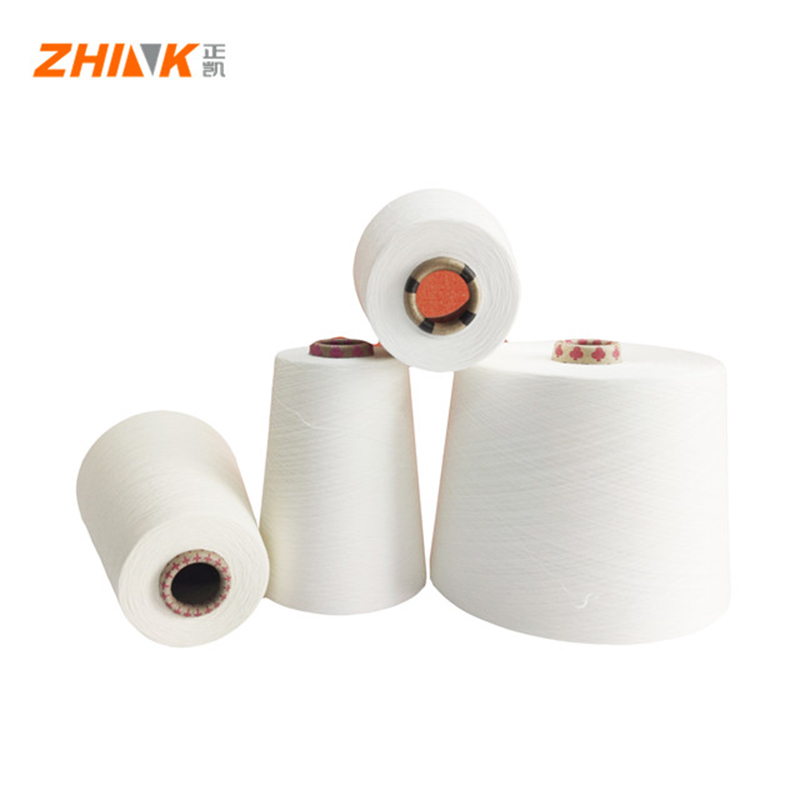
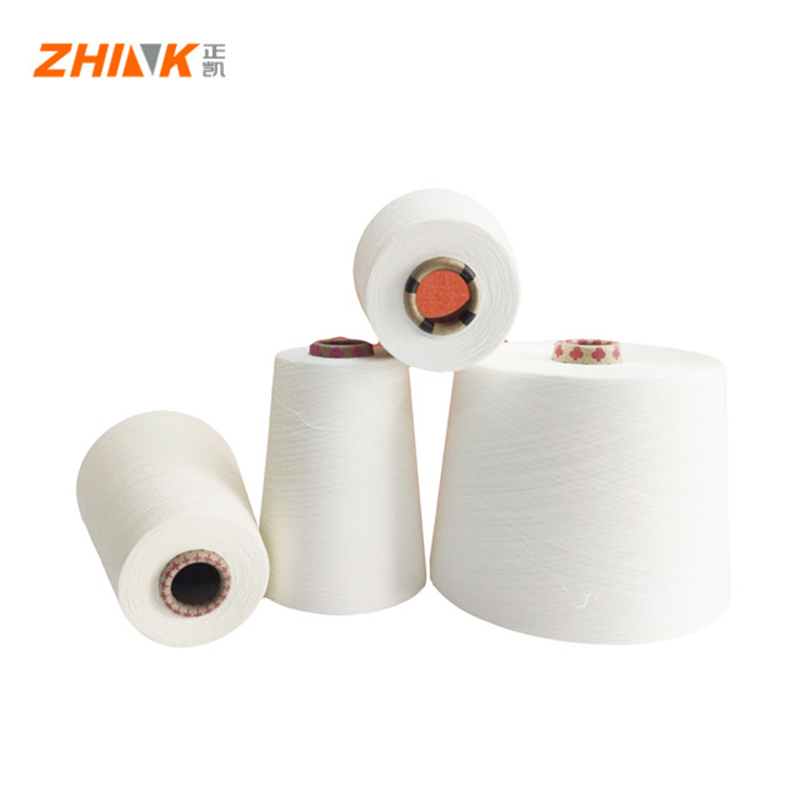
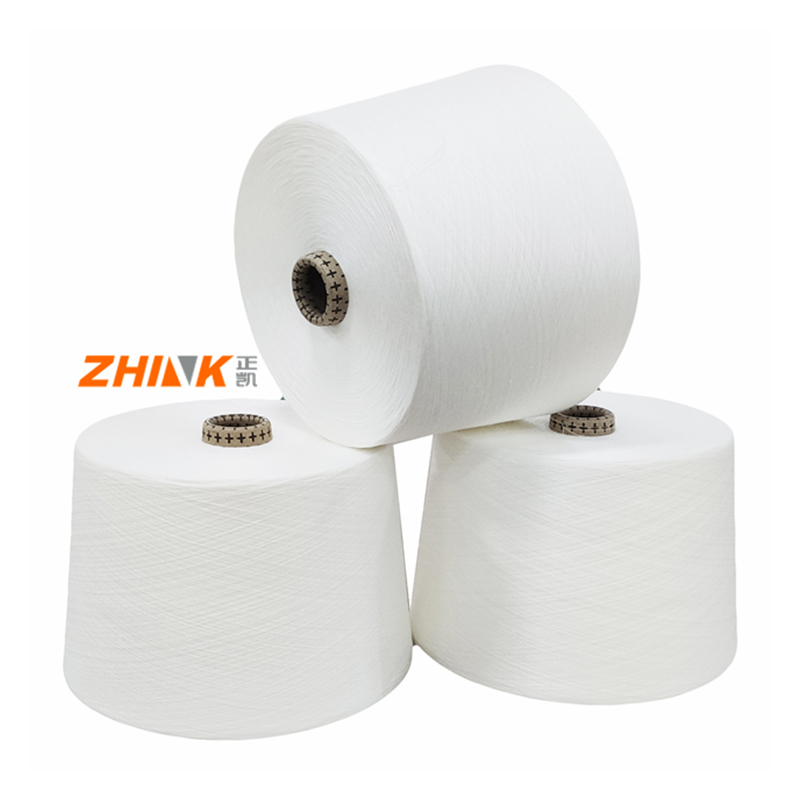
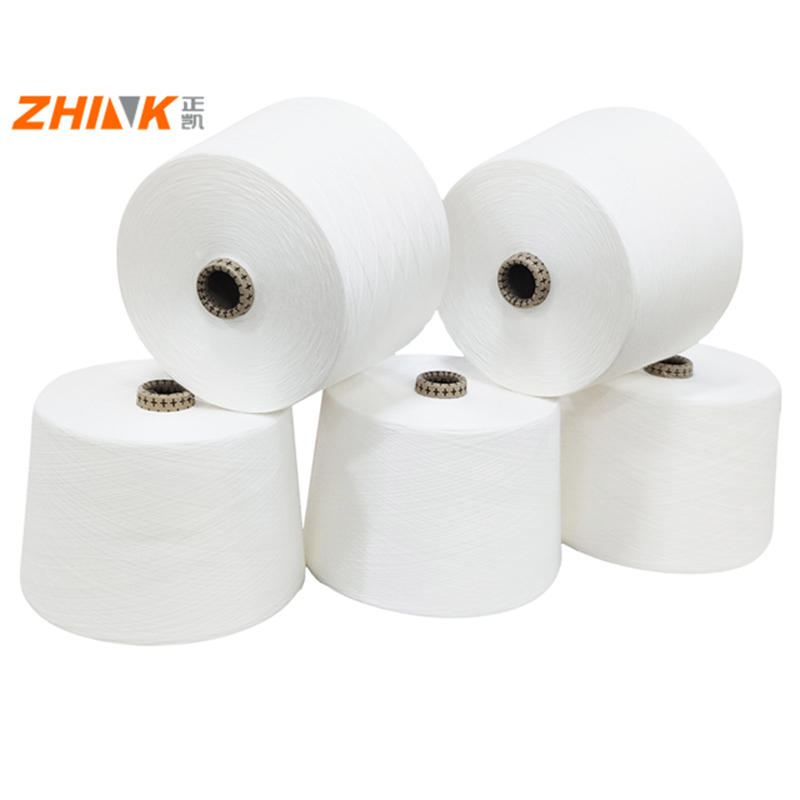
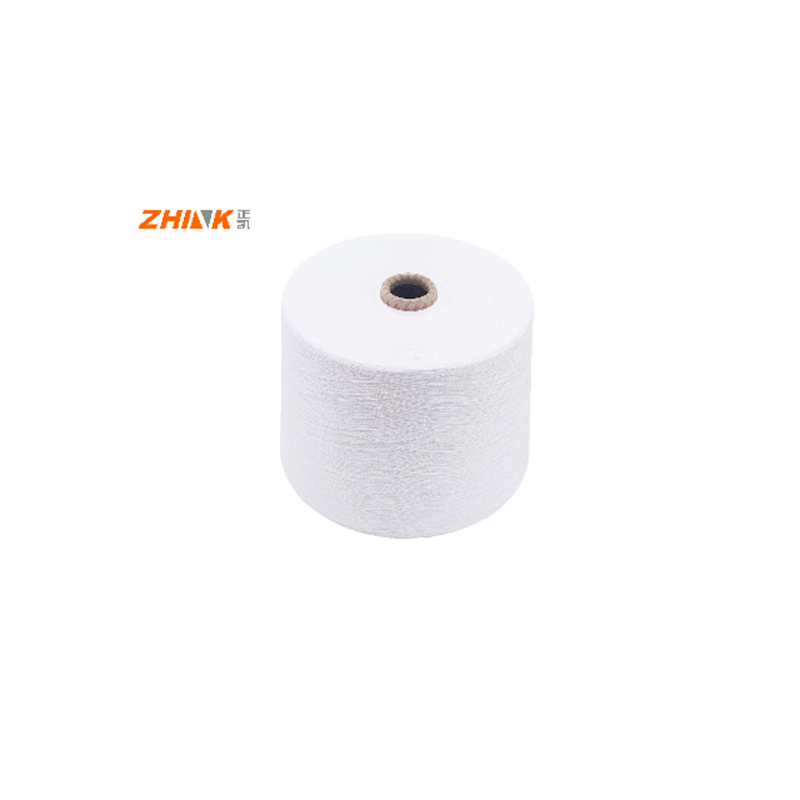
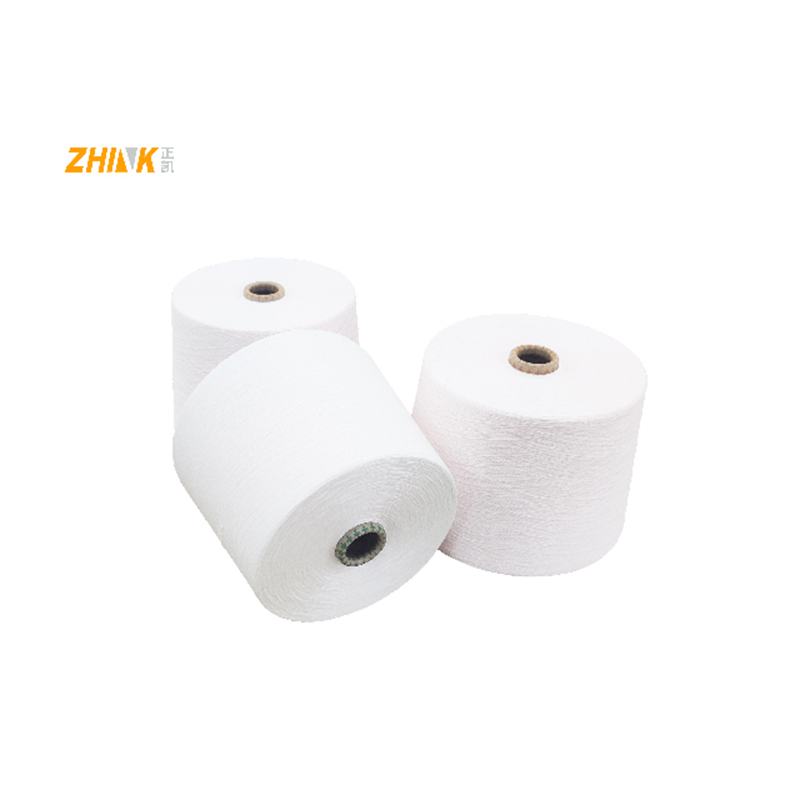
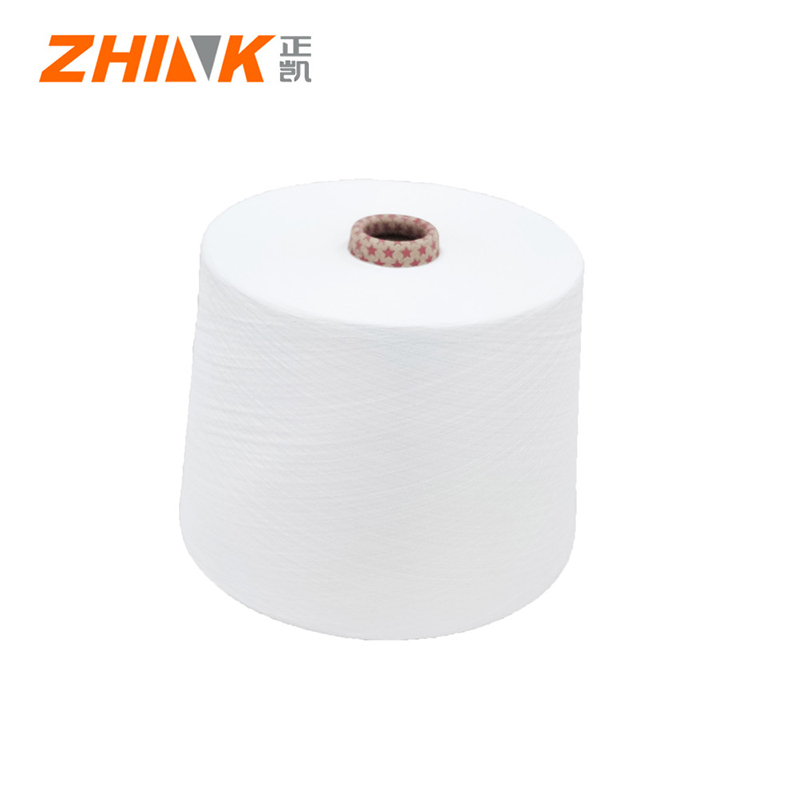
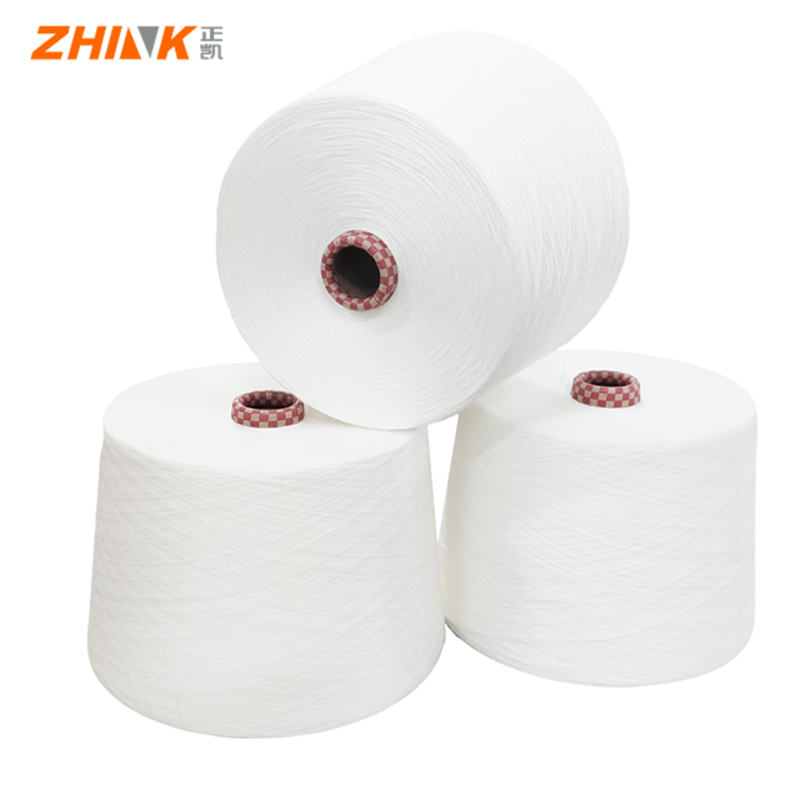
Acrylic/viscose 50/50 yarn
Acrylic/Viscose 50/50 Yarn: A Blend of Versatility and Comfort
The mix of acrylic/viscose 50/50 yarn is an intriguing blend that captures the best of both worlds—acrylic's durability combined with viscose's softness and sheen. Yet, many in the textile industry still hesitate to fully embrace this blend. There's a common misconception that such a mix might compromise on quality or feel. But, having worked with this yarn extensively, I can tell you these concerns are often unfounded with the right techniques. Let's dive into the nuances.
The Art of the Blend
Acrylic and viscose, when combined in equal parts, create a balanced yarn that is both practical and aesthetically pleasing. I've seen projects where this blend outshines traditional materials, most notably in knitwear and home textiles. The trick often lies in understanding the traits of each fiber. Acrylic adds resilience and colorfastness, while viscose contributes a silky touch and breathability—elements you can feel immediately in a finished piece.
When considering this blend, people often worry about care and longevity. During a project with SHANDONG ZHINK NEW MATERIAL CO., LTD, this became evident. Their expertise in innovative textile solutions proved invaluable. They have mastered the fusion of strength and comfort, showcasing how this blend can withstand the test of time without losing its appeal.
In practice, the yarn performs exceptionally well whether you're creating snuggly blankets or statement sweaters. It's particularly favored in regions demanding variety in textiles due to shifting climates.
Challenges in Handling
Every yarn blend comes with its challenges, and the acrylic/viscose 50/50 yarn is no exception. One should always be aware of tension issues during knitting or weaving. It's a common mistake to treat it like 100% acrylic—such assumptions can lead to unexpected results.
In one particular weaving project, I remember how slight tension adjustments made a huge difference. It’s about understanding the flexibility of viscose—it stretches easier than acrylic, so balancing your technique is crucial.
Even in dying, the blend can present unique issues. The team at Zhink New Material has navigated these waters, providing insights that make working with this blend so much more rewarding.
Real-Life Applications
I’ve observed firsthand how this yarn brings an edge to modern fashion lines. Designers utilize it not just for its feel, but for the visual softness it brings to garments. It’s especially suitable for transitional garments that need to work across seasons.
Home textiles are another arena where this blend shines. From throws to cushion covers, the demand for tactile and vibrant pieces is easily met with this yarn. It's fascinating how small changes in the yarn composition can dramatically alter the final feel and look of a product.
Recently, collaborating on a project with luxury homeware brands revealed how underrated this blend often is. Clients were consistently surprised by the functional elegance it brought to their collections.
Technical Insights
Technically, the acrylic/viscose 50/50 yarn requires a meticulous approach in production. At SHANDONG ZHINK NEW MATERIAL CO., LTD, they have honed this process. They use state-of-the-art technology that ensures even blending, a critical factor for achieving consistency in color and texture.
One might be tempted to rely purely on machinery in this stage, but skillful oversight is indispensable. The human touch often catches subtleties that machines might miss, especially when ensuring the right balance between tensile strength and softness.
The company's website, https://www.zhinkyarn.com, provides extensive resources and detailed insights into how they manage this intricate production process. It's worth exploring for anyone serious about textile innovation.
Future Potential
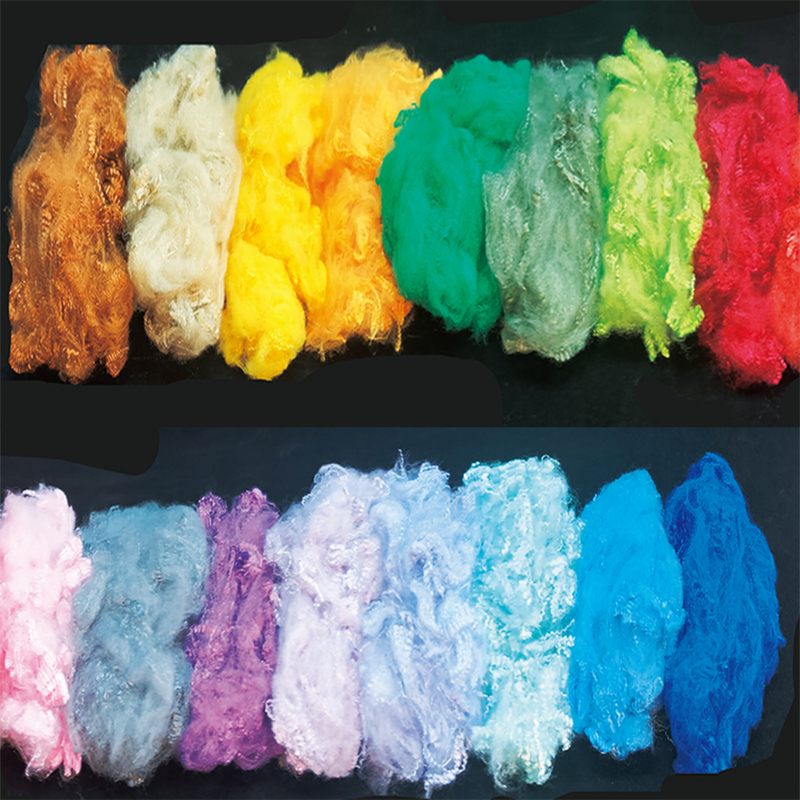
The future of acrylic/viscose 50/50 yarn looks promising as sustainability becomes increasingly pivotal. The trend, especially with manufacturers like Zhink New Material, is steering towards creating eco-friendly iterations of this blend without compromising its intrinsic qualities.
It's a yarn blend that not only speaks to current fashion and textile trends but also aligns with future needs—something every professional should consider. The adaptability in dyeing and texture opens doors to creative opportunities previously thought impractical.
In conclusion, working with this yarn has been a journey of discovery and learning. Whether you're a designer, a manufacturer, or simply a textile enthusiast, understanding its attributes can broaden your horizons and enhance your textile repertoire.
Related Products
Related Products