+86-632-3621866
- Chinese
- French
- German
- Portuguese
- Spanish
- Russian
- Japanese
- Korean
- Arabic
- Irish
- Greek
- Turkish
- Italian
- Danish
- Romanian
- Indonesian
- Czech
- Afrikaans
- Swedish
- Polish
- Basque
- Catalan
- Esperanto
- Hindi
- Lao
- Albanian
- Amharic
- Armenian
- Azerbaijani
- Belarusian
- Bengali
- Bosnian
- Bulgarian
- Cebuano
- Chichewa
- Corsican
- Croatian
- Dutch
- Estonian
- Filipino
- Finnish
- Frisian
- Galician
- Georgian
- Gujarati
- Haitian
- Hausa
- Hawaiian
- Hebrew
- Hmong
- Hungarian
- Icelandic
- Igbo
- Javanese
- Kannada
- Kazakh
- Khmer
- Kurdish
- Kyrgyz
- Latin
- Latvian
- Lithuanian
- Luxembou..
- Macedonian
- Malagasy
- Malay
- Malayalam
- Maltese
- Maori
- Marathi
- Mongolian
- Burmese
- Nepali
- Norwegian
- Pashto
- Persian
- Punjabi
- Serbian
- Sesotho
- Sinhala
- Slovak
- Slovenian
- Somali
- Samoan
- Scots Gaelic
- Shona
- Sindhi
- Sundanese
- Swahili
- Tajik
- Tamil
- Telugu
- Thai
- Ukrainian
- Urdu
- Uzbek
- Vietnamese
- Welsh
- Xhosa
- Yiddish
- Yoruba
- Zulu
- Kinyarwanda
- Tatar
- Oriya
- Turkmen
- Uyghur


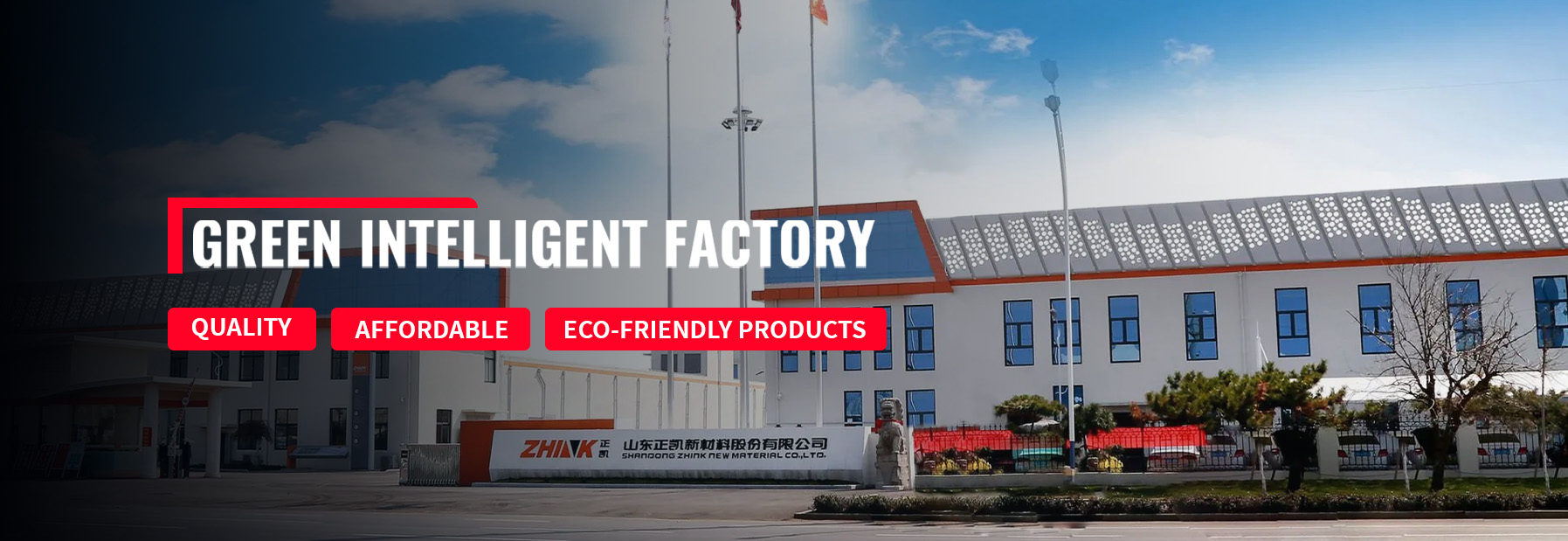
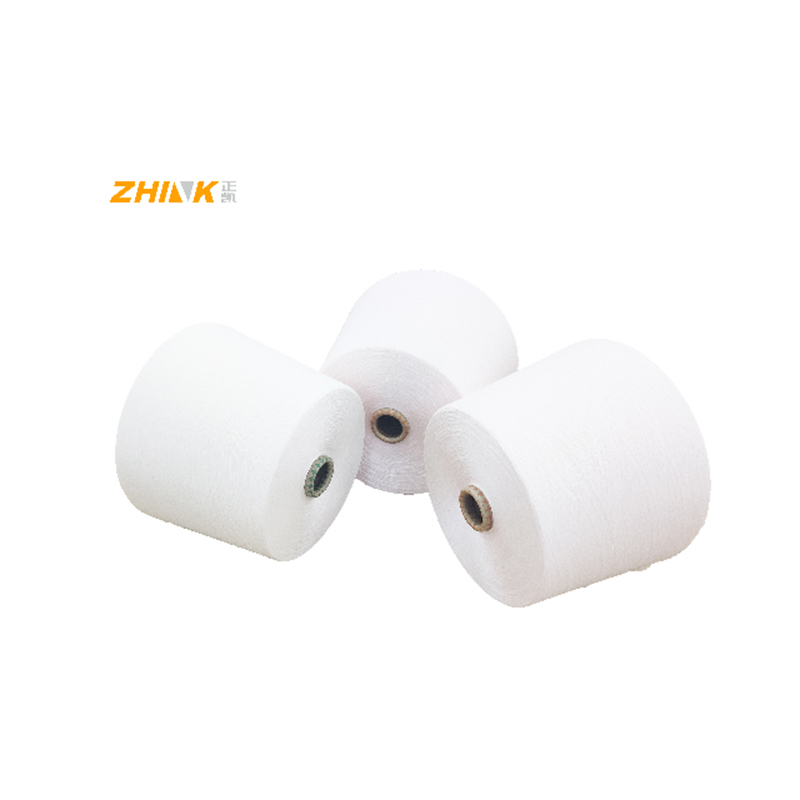
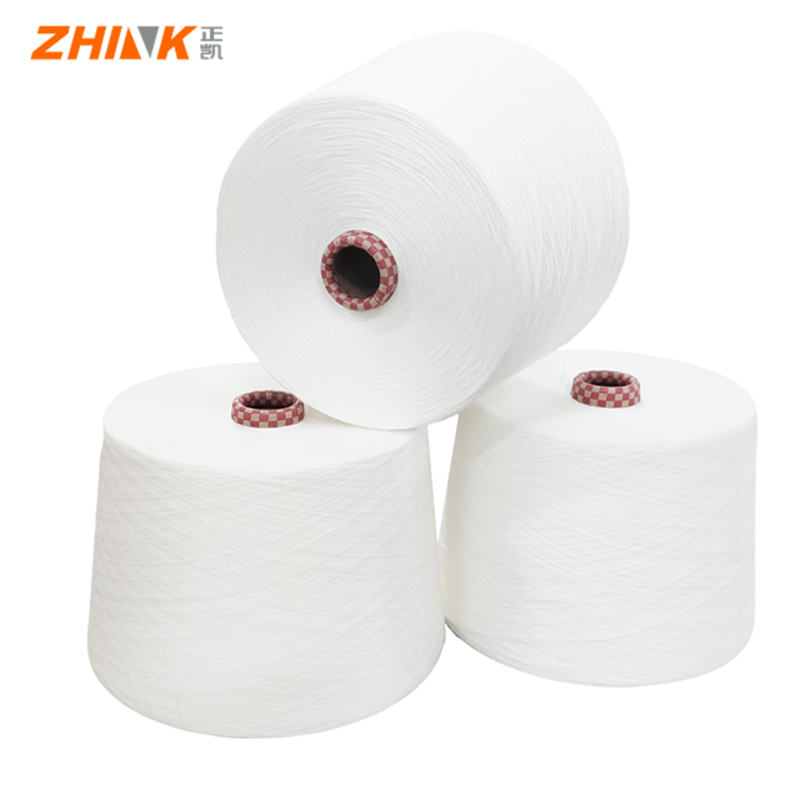
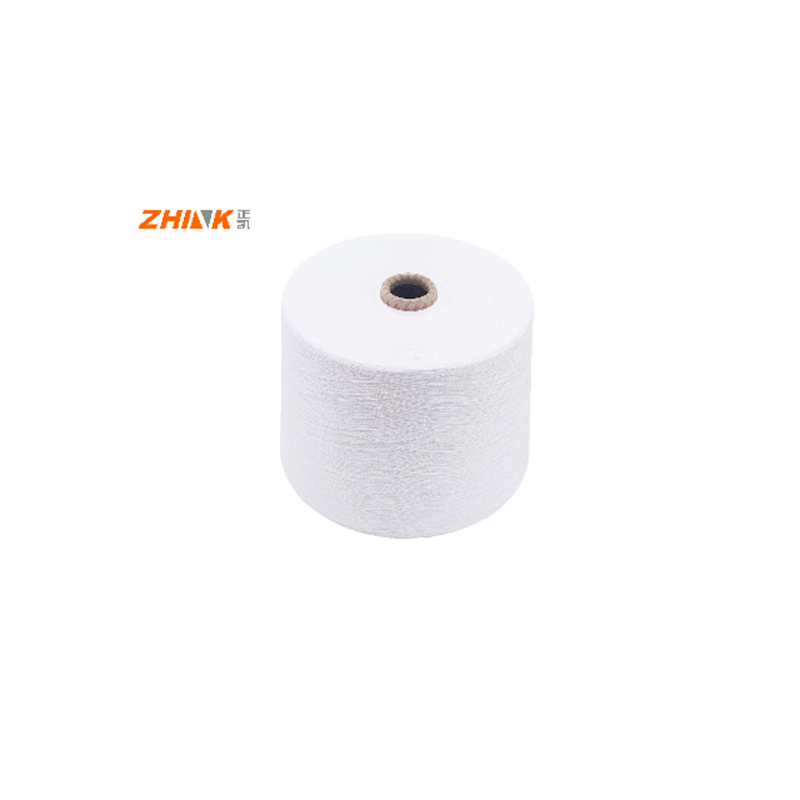
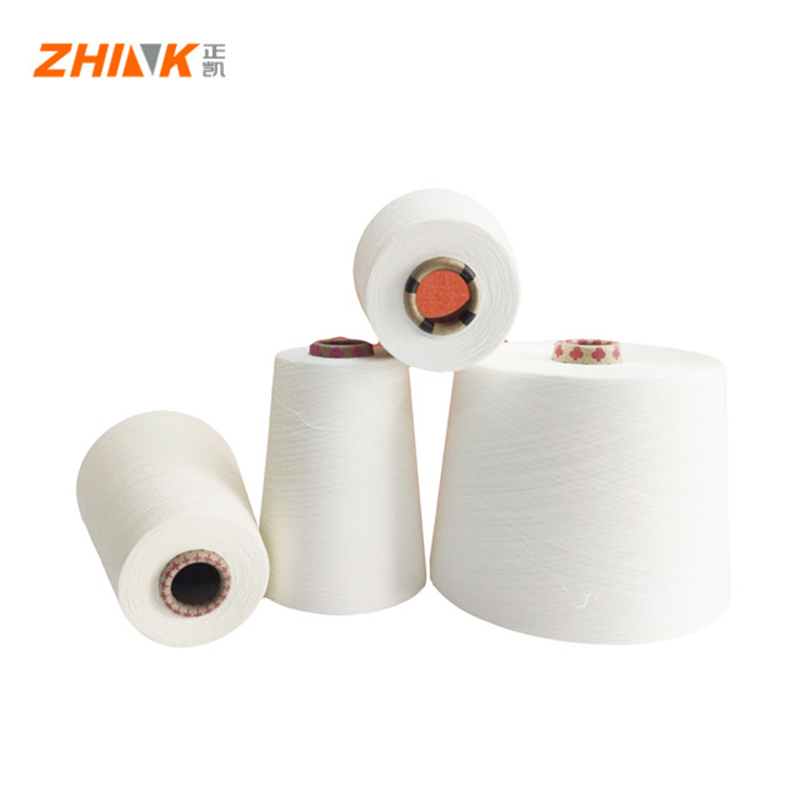
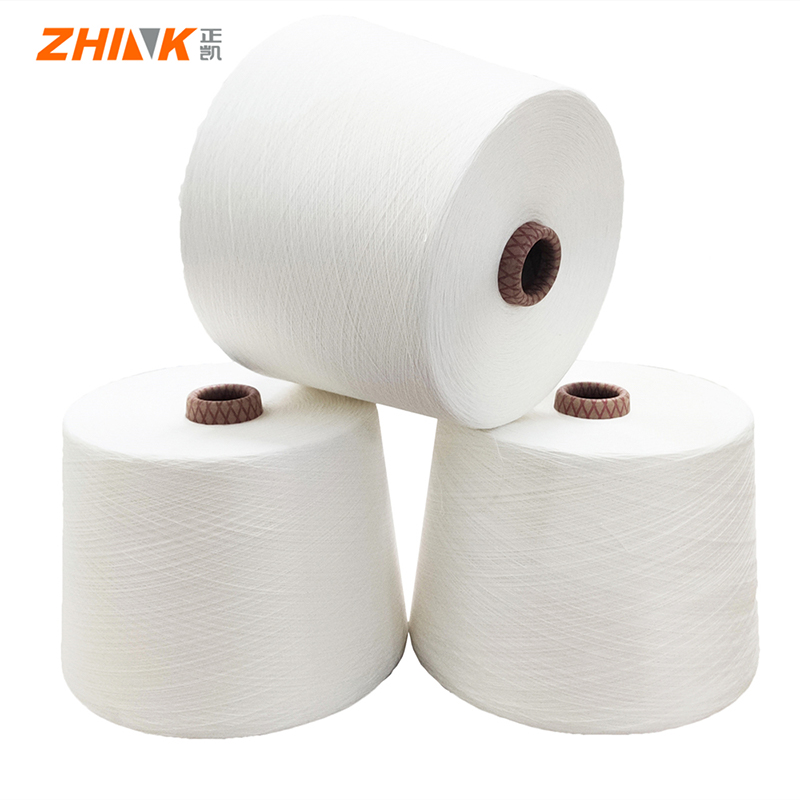
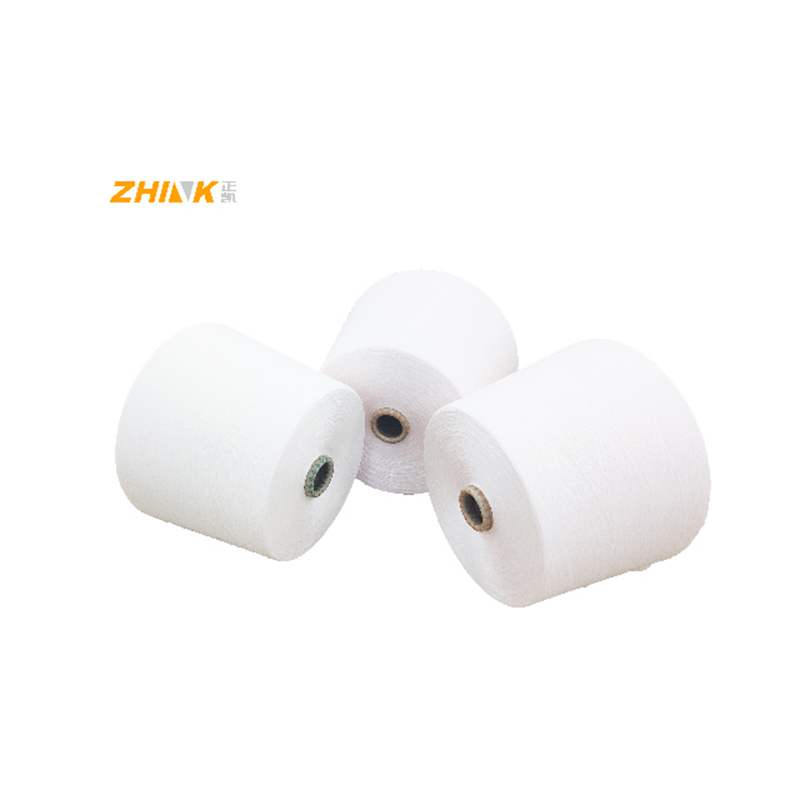
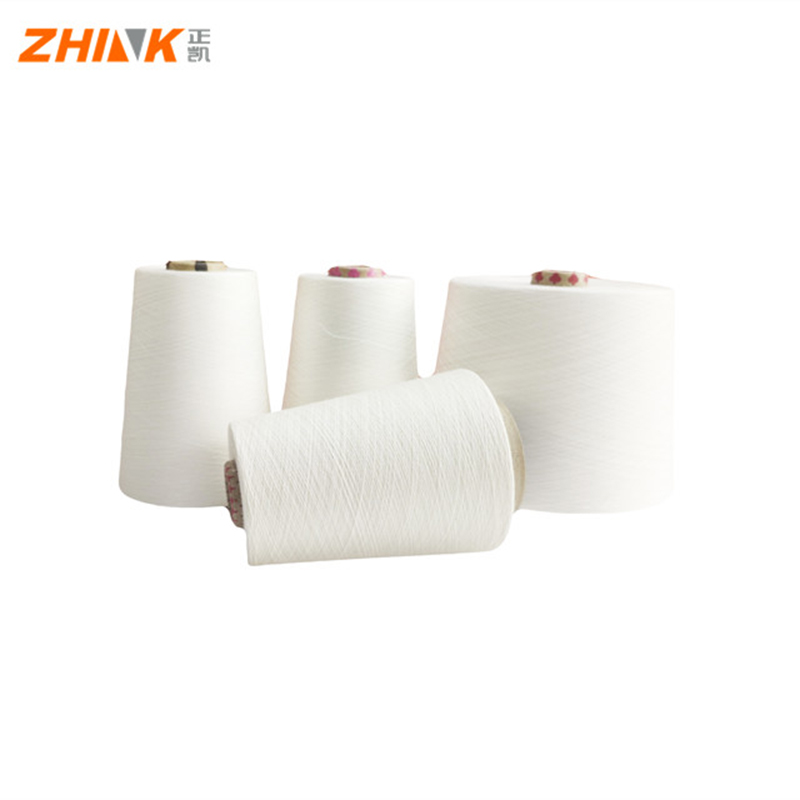
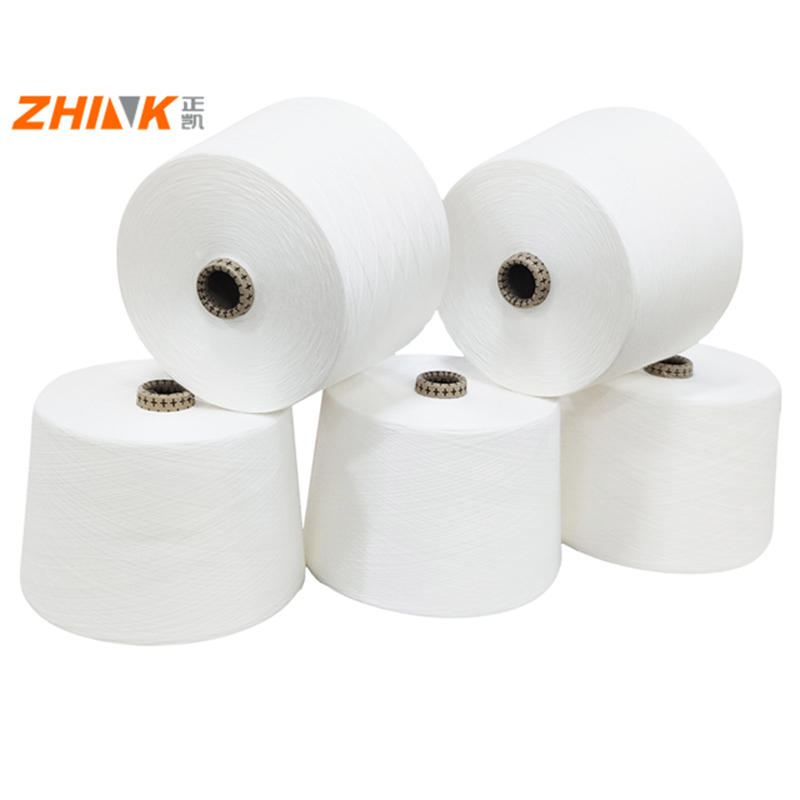
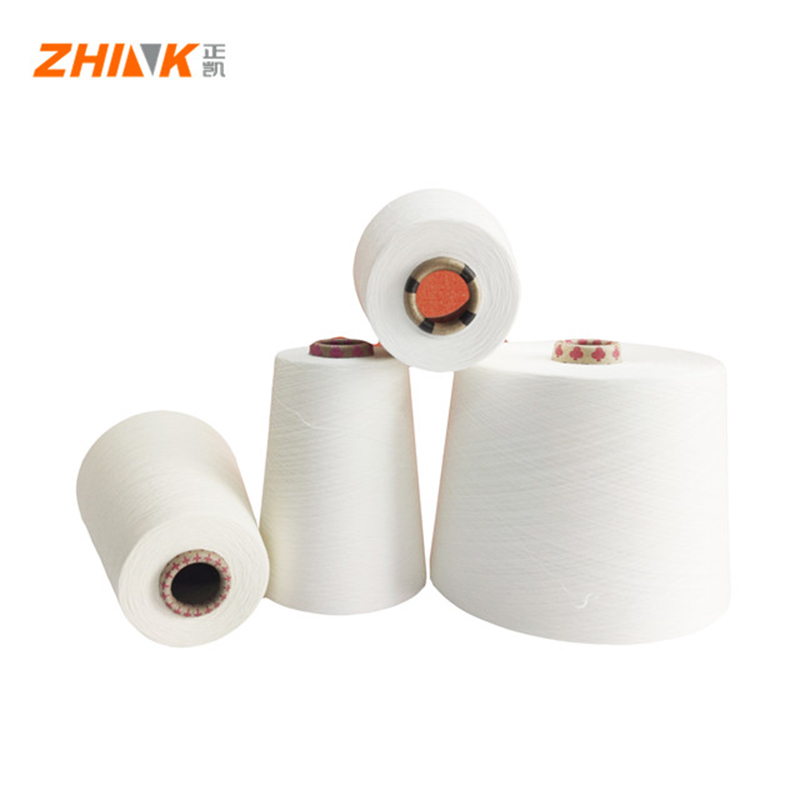
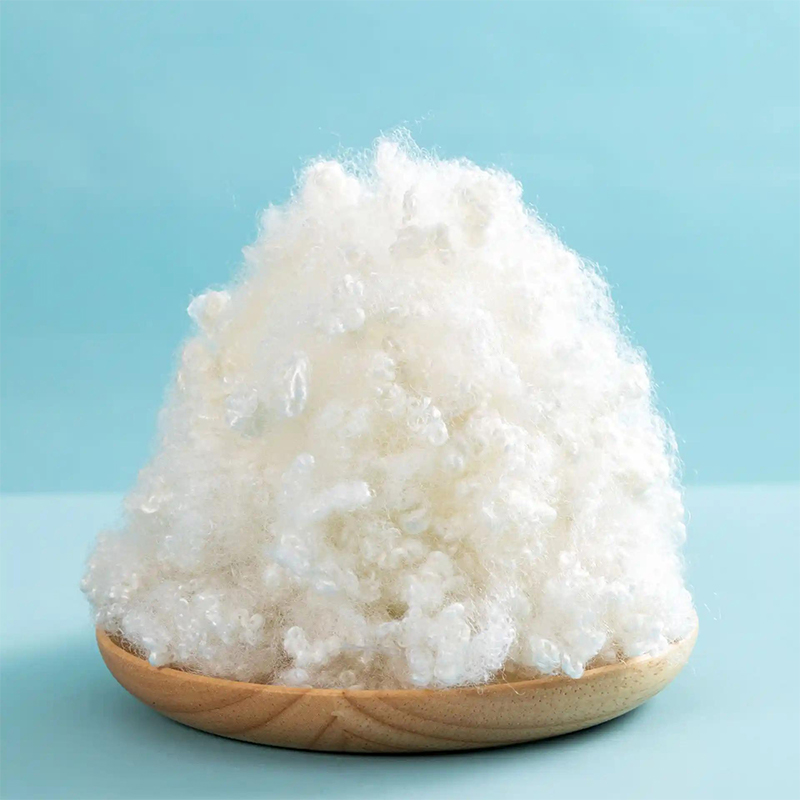
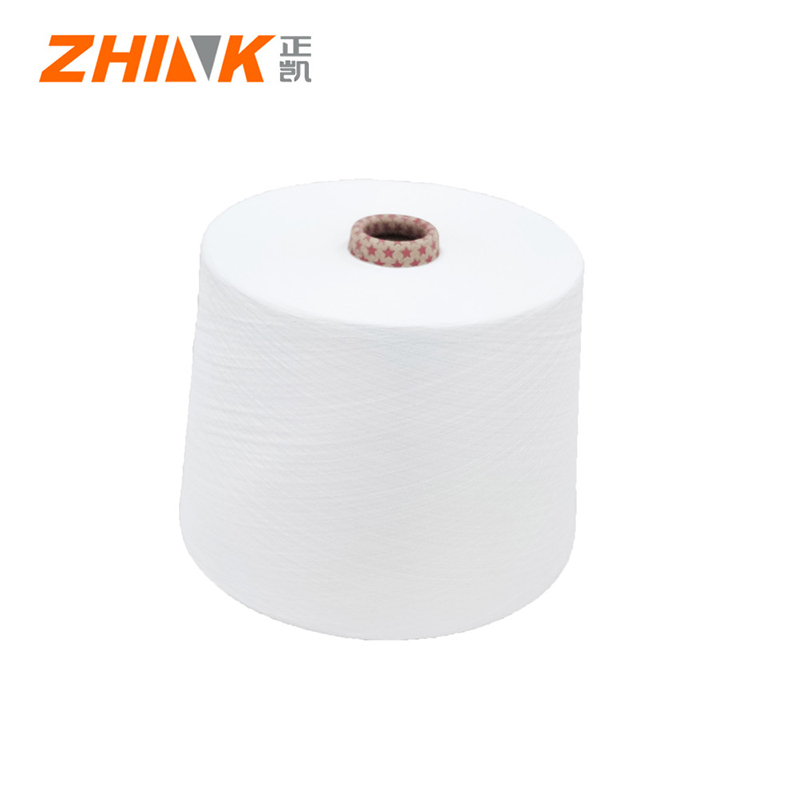
Acrylic/viscose blended yarn
The Intricacies of Acrylic/Viscose Blended Yarn
In the textile realm, blends often capture imagination, and acrylic/viscose blended yarn is no exception. A fascinating mix that brings together the durability of acrylic with the softness of viscose, it’s a yarn that’s often misunderstood but holds immense potential. There are common misinterpretations about its texture, application, and benefits that deserve a closer look.
The Blend: What’s in It?
Many assume an acrylic/viscose blended yarn is simply a cost-effective substitute for more expensive materials. In practice, it's much more than that. Acrylic gives the blend resilience, making it a favorite for items needing washability and wear resistance. On the other side, viscose contributes a silk-like touch, lending a draped, luxurious feel.
One time, while experimenting with this blend at Zhink New Material, we noticed an unexpected play in dye uptake. Acrylic fibers tend to lock in colors intensely, while viscose offers a softer hue variation. This dynamic interaction can be both a challenge and a creative advantage, depending on the intended use.
The variability in texture and color means each batch might subtly shift, which is something artisans, especially in handcrafted textiles, can exploit to produce unique patterns and finishes.
Applications and Advantages
The versatility of this yarn can be seen in areas ranging from fashion to home textiles. A practical aspect is its adaptability in machine processing, which, believe me, is a godsend in large-scale production lines. At SHANDONG ZHINK NEW MATERIAL CO., LTD, we’ve streamlined methods to ensure consistency without sacrificing the inherent qualities of the blend.
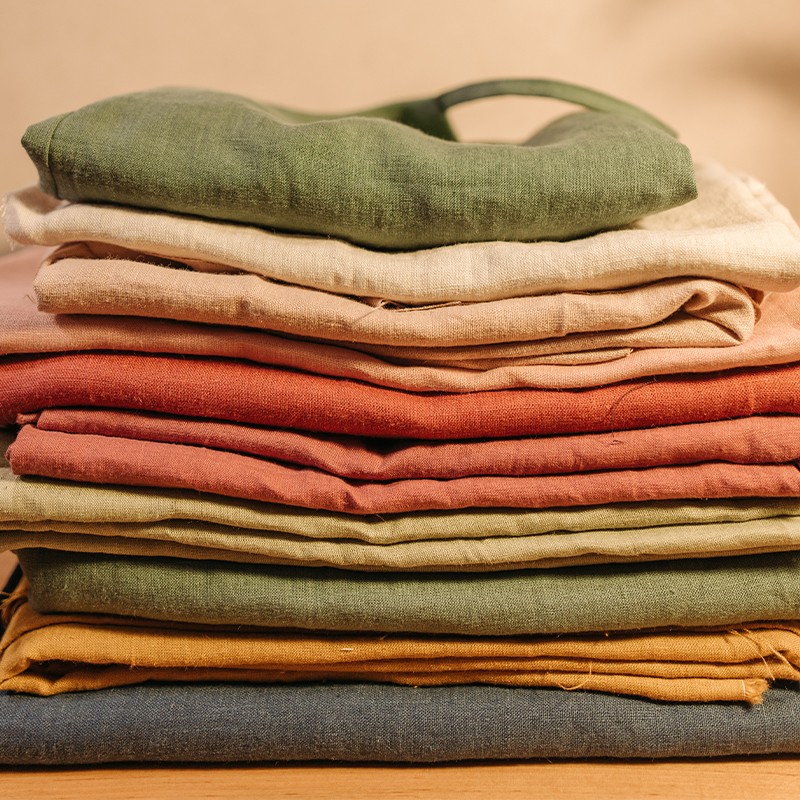
For apparel, it’s popular in lightweight knit sweaters and shawls, given its ability to maintain warmth without bulk. The drape is flattering, making it ideal for garments requiring fluidity.
In home textiles, particularly throws or cushion covers, the combination offers comfort and durability. There was an instance where a client needed a custom order of blend-based upholstery fabric. The result was a firm yet aesthetically pleasing textile that struck a balance between softness and serviceability.
Challenges in Production
Producing acrylic/viscose blended yarn isn’t without its hurdles. Consistency in blend ratio is paramount; slight deviations can lead to significant differences in texture and color distribution. It's a lesson learned early on in our R&D department—when we had a batch where viscose dominated, it altered the expected texture, making it too soft for the intended upholstery use.
Another aspect is environmental considerations. While acrylic is synthetic, viscose is plant-derived, and finding sustainable methods to produce and combine these fibers is an ongoing challenge. It's something Zhink is continuously refining, integrating new technologies to minimize ecological impacts.
Additionally, quality control checks must adapt to account for these variables, ensuring each skein meets both aesthetic and functional standards.
Market Trends and Consumer Needs
We've observed that the demand for this yarn type is steadily increasing, partly due to a growing interest in sustainable fashion where functionality doesn’t forfeit style. At SHANDONG ZHINK NEW MATERIAL CO., LTD, we’re actively researching market trends to tailor our production to align with consumer desires.
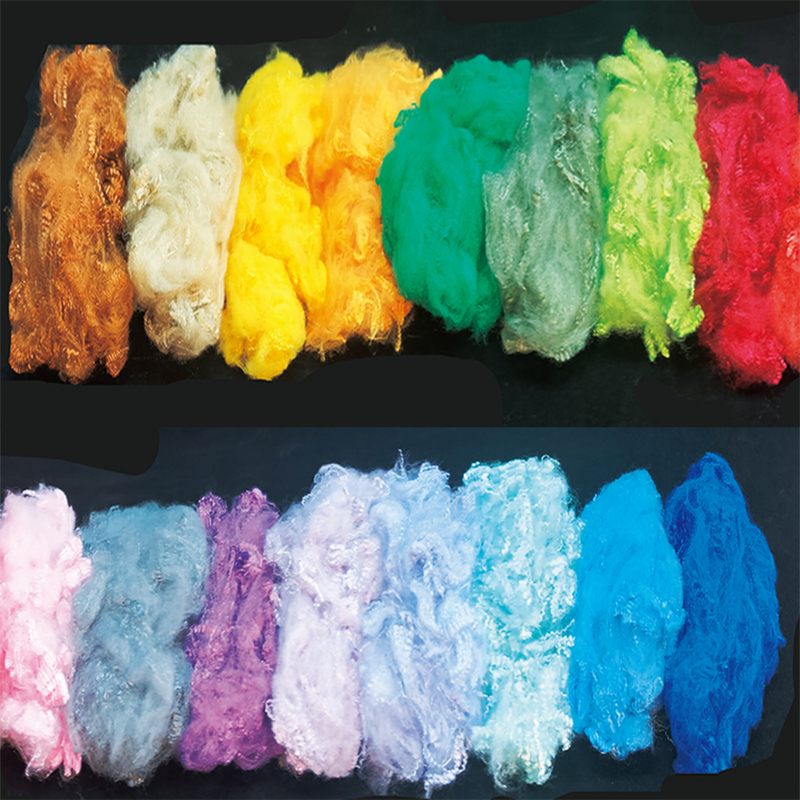
The yarn's dyeability, surprising to some, is a strong selling point. Designers are attracted to its color retention capabilities which, alongside minimal fading, make it perfect for vibrant, long-lasting garments.
Consumers, meanwhile, value comfort and easy maintenance—a dual strength of the blend. Those who encounter this yarn tend to appreciate how it withstands everyday use while retaining a soft touch.
Future Directions
Looking ahead, innovations in this space could involve enhanced properties, such as increased moisture control or even integrating antimicrobial elements. At Zhink, our focus remains on pushing boundaries while maintaining eco-conscious production practices. For more on our current projects and product details, our website at ZhinkYarn.com is regularly updated with the latest advancements.
Ultimately, the world of acrylic/viscose blended yarn is one of balance—melding two distinct fiber properties into cohesive, functional materials. It's a space that, with continued research and development, promises exciting possibilities for textile innovation.
Related Products
Related Products