+86-632-3621866
- Chinese
- French
- German
- Portuguese
- Spanish
- Russian
- Japanese
- Korean
- Arabic
- Irish
- Greek
- Turkish
- Italian
- Danish
- Romanian
- Indonesian
- Czech
- Afrikaans
- Swedish
- Polish
- Basque
- Catalan
- Esperanto
- Hindi
- Lao
- Albanian
- Amharic
- Armenian
- Azerbaijani
- Belarusian
- Bengali
- Bosnian
- Bulgarian
- Cebuano
- Chichewa
- Corsican
- Croatian
- Dutch
- Estonian
- Filipino
- Finnish
- Frisian
- Galician
- Georgian
- Gujarati
- Haitian
- Hausa
- Hawaiian
- Hebrew
- Hmong
- Hungarian
- Icelandic
- Igbo
- Javanese
- Kannada
- Kazakh
- Khmer
- Kurdish
- Kyrgyz
- Latin
- Latvian
- Lithuanian
- Luxembou..
- Macedonian
- Malagasy
- Malay
- Malayalam
- Maltese
- Maori
- Marathi
- Mongolian
- Burmese
- Nepali
- Norwegian
- Pashto
- Persian
- Punjabi
- Serbian
- Sesotho
- Sinhala
- Slovak
- Slovenian
- Somali
- Samoan
- Scots Gaelic
- Shona
- Sindhi
- Sundanese
- Swahili
- Tajik
- Tamil
- Telugu
- Thai
- Ukrainian
- Urdu
- Uzbek
- Vietnamese
- Welsh
- Xhosa
- Yiddish
- Yoruba
- Zulu
- Kinyarwanda
- Tatar
- Oriya
- Turkmen
- Uyghur



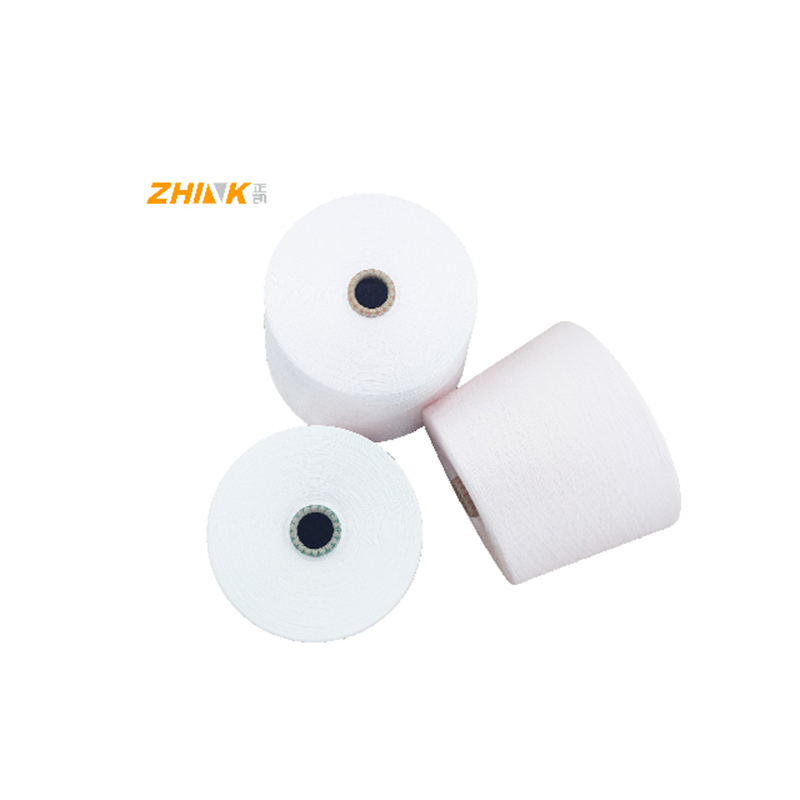
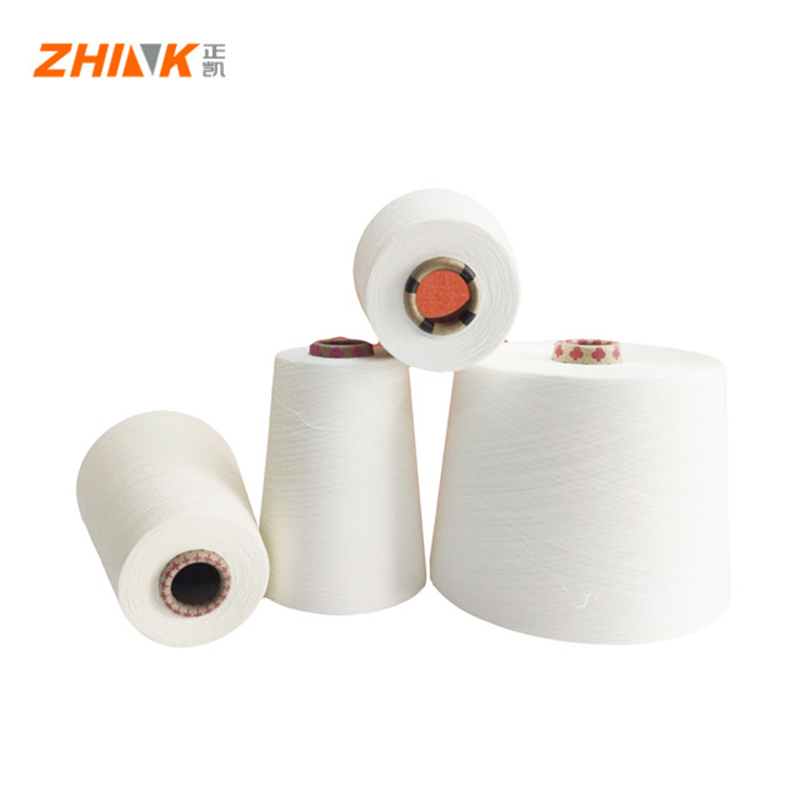
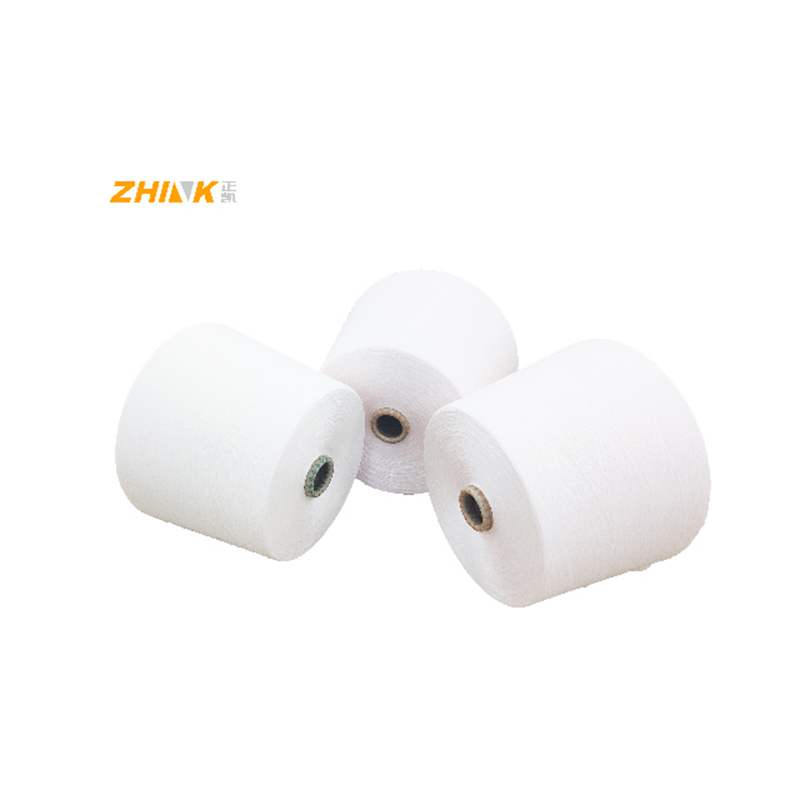
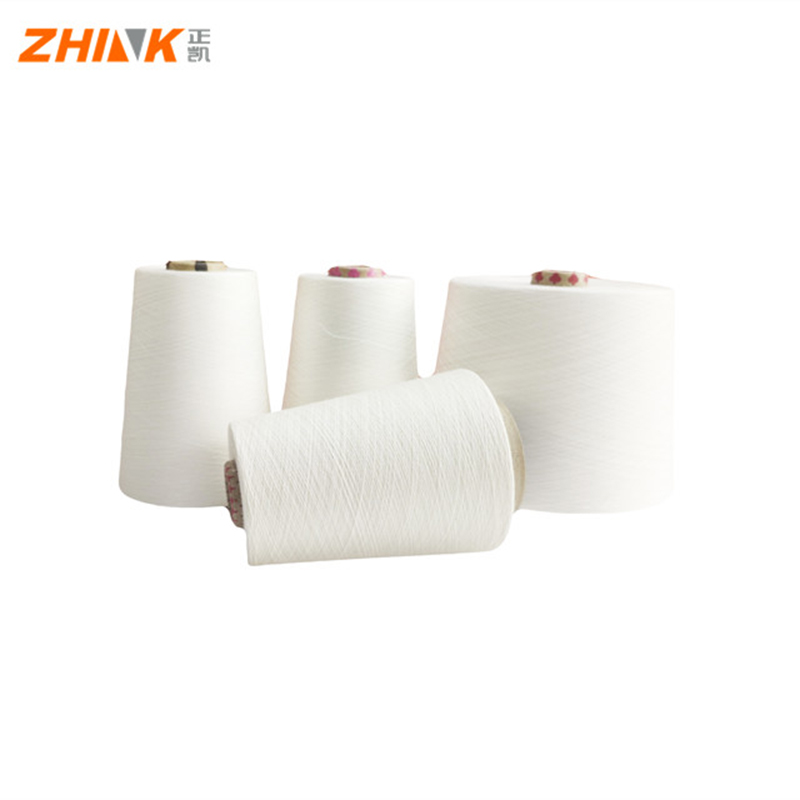
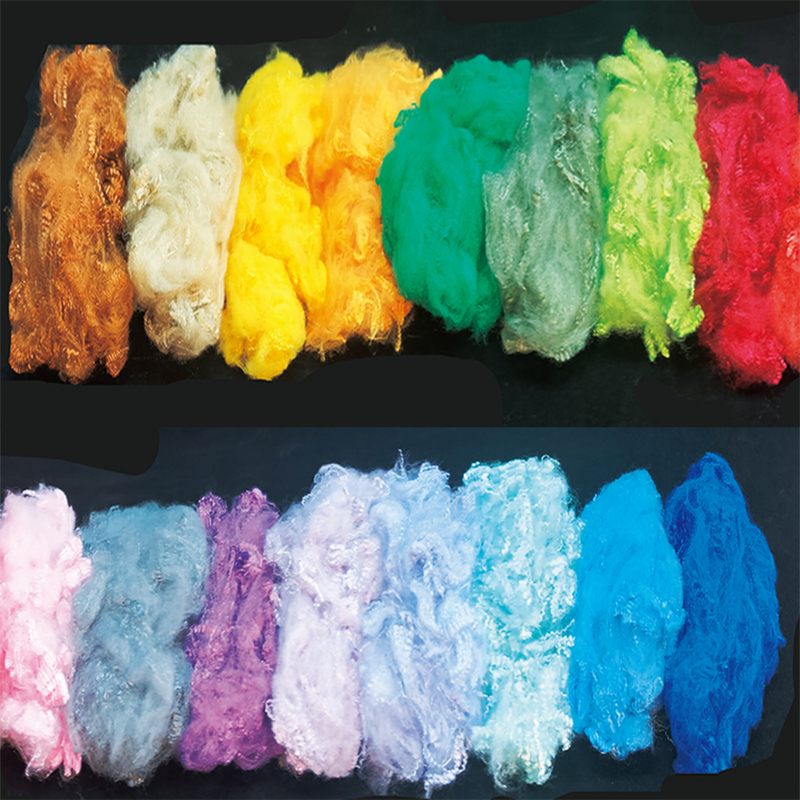
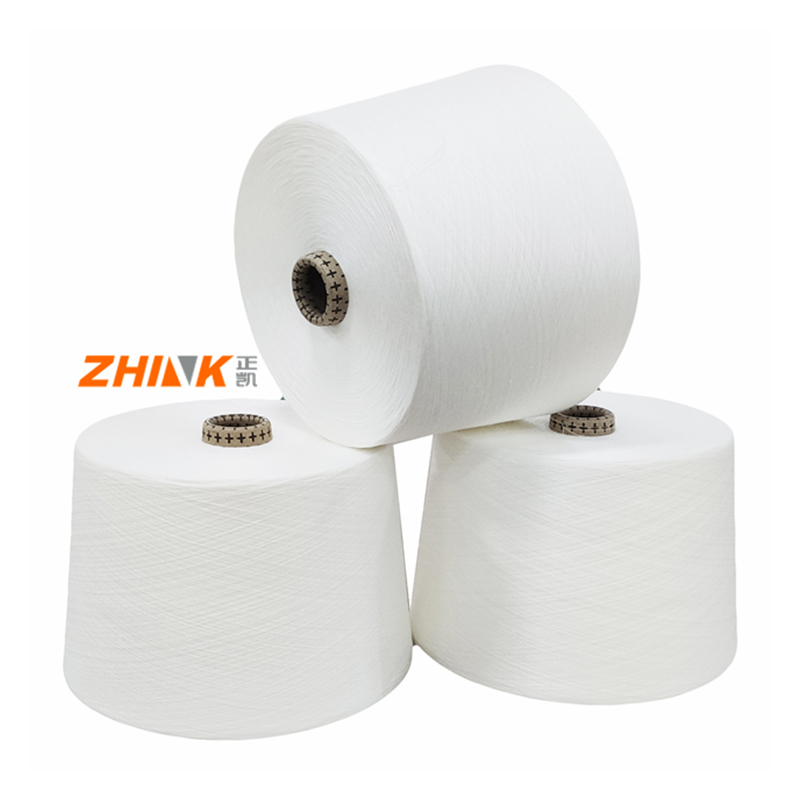
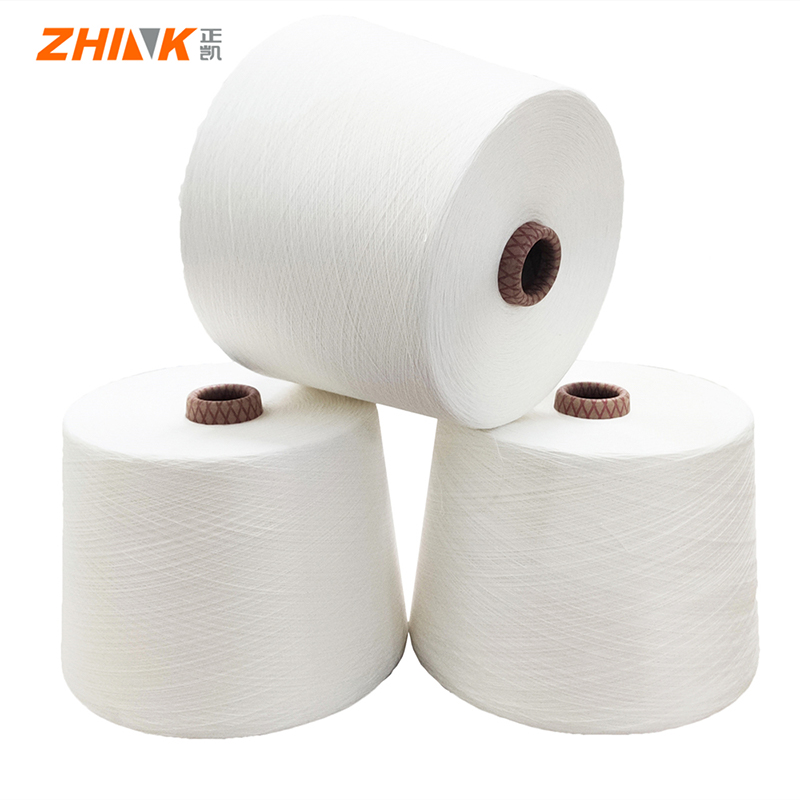
Acrylic/viscose mvs yarn
The Versatility of Acrylic/Viscose MVS Yarn
Exploring the nuances of acrylic/viscose MVS yarn unveils a world of textile innovation where functionality meets creativity. This unique blend offers opportunities and challenges that industry players consistently navigate.
Understanding Acrylic/Viscose MVS Yarn
Acrylic/viscose MVS yarn is a fascinating composite, bringing together the synthetic robustness of acrylic and the natural softness of viscose. As someone who has worked with various yarns, I've observed how this blend can sometimes be misunderstood. There’s a misconception that blending these fibers could compromise quality, but that's not always the case.
The manufacturing process, especially the use of Murata Vortex Spinning (MVS), plays a crucial role. MVS technology gives the yarn a superior texture and minimizes pilling, a common issue with regular spinning methods. This makes it ideal for both apparel and home textiles.
When I first encountered this yarn type, what struck me was the balance it achieved between durability and comfort. It was in a project involving bath towels where this blend truly shone. The towels were soft yet resilient after multiple washes, an essential requirement in hospitality settings.
Production Challenges and Considerations
One of the hurdles with acrylic/viscose MVS yarn is ensuring evenness in the blend. It’s not just about mechanical mixing; understanding the characteristics of each fiber is crucial. Acrylic brings warmth and weather resistance, while viscose contributes breathability and softness.
Decisions during production often revolve around ratio tweaks to achieve desired outcomes. For example, more acrylic tends to be used for products meant for colder climates. This challenge requires a keen understanding of both market needs and material behavior, something Zhink New Material excels at. Their expertise lies in tailoring these combinations to meet specific client demands.
Another consideration is environmental impact. Viscose production historically had sustainability concerns, but advancements are being made. Balancing innovation with environmental responsibility is a priority for many in the industry now.
Market Applications
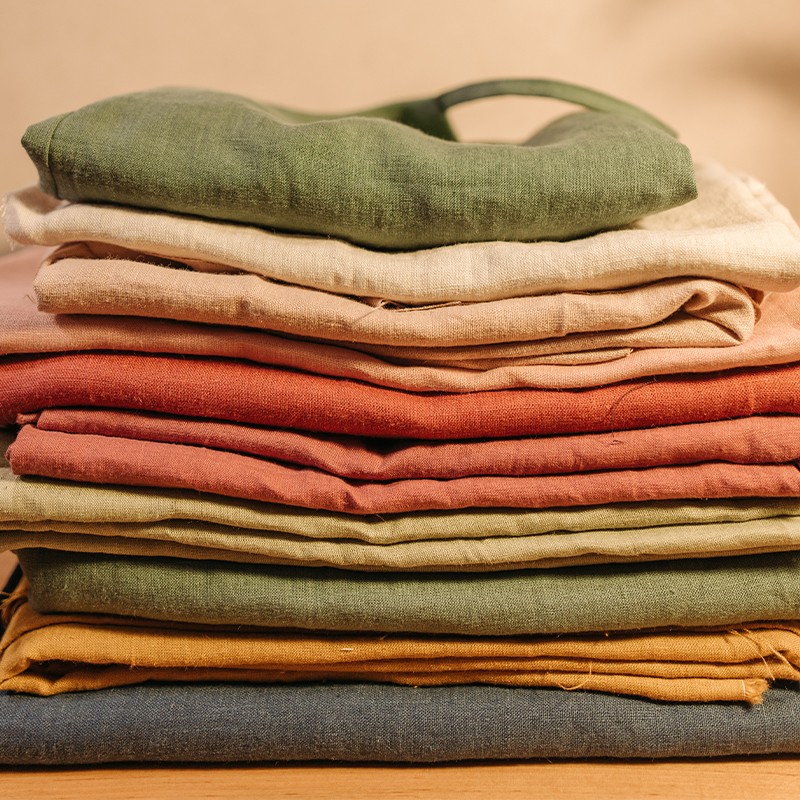
The versatility of acrylic/viscose MVS yarn opens a wide range of applications. Beyond clothing, its use in upholsteries and household items is increasing. I recall a major project involving upholstery fabrics where the blend was chosen for its aesthetic appeal and practical benefits.
In apparel, it’s favored for its lightweight nature and ability to hold vibrant dyes. This was particularly noticeable in a winter wear line I worked on. The blend offered warmth without bulk, an essential feature for consumer satisfaction.
Manufacturers like SHANDONG ZHINK NEW MATERIAL CO., LTD, available at Zhink Yarn, are at the forefront, constantly innovating to expand its applications. Their commitment to R&D ensures continuous improvement in yarn quality.
Quality Control and Testing
With its growing popularity, ensuring quality consistency is paramount. My experience with quality control has shown that frequent testing is essential. Yarn uniformity, tensile strength, and pilling resistance are few of the key parameters evaluated.
The technology behind MVS helps maintain these standards, but human oversight is crucial. Regular audits and adjustments in the production line often make a noticeable difference.
At Zhink, dedicated quality teams focus on meticulous testing to align the final product with early-stage promises. This is not just about maintaining specifications but also about catering to client-specific needs.
Future Prospects and Trends
Looking ahead, the future of acrylic/viscose MVS yarn seems promising. There's a growing trend towards personalization and custom blends to better serve niche markets. The driving force will be both consumer preferences and technological advancements.
Eco-friendly yarns are the other significant trend. Companies are exploring sustainable sourcing and eco-conscious production to meet global demands. It’s an exciting time for firms like Zhink New Material, who are positioned to lead in this evolving landscape.
In conclusion, the journey with acrylic/viscose MVS yarn is ongoing, with its unique challenges and opportunities. For industry veterans and newcomers alike, this yarn offers a rich field for exploration and innovation.
Related Products
Related Products