
+86-632-3621866
- Chinese
- French
- German
- Portuguese
- Spanish
- Russian
- Japanese
- Korean
- Arabic
- Irish
- Greek
- Turkish
- Italian
- Danish
- Romanian
- Indonesian
- Czech
- Afrikaans
- Swedish
- Polish
- Basque
- Catalan
- Esperanto
- Hindi
- Lao
- Albanian
- Amharic
- Armenian
- Azerbaijani
- Belarusian
- Bengali
- Bosnian
- Bulgarian
- Cebuano
- Chichewa
- Corsican
- Croatian
- Dutch
- Estonian
- Filipino
- Finnish
- Frisian
- Galician
- Georgian
- Gujarati
- Haitian
- Hausa
- Hawaiian
- Hebrew
- Hmong
- Hungarian
- Icelandic
- Igbo
- Javanese
- Kannada
- Kazakh
- Khmer
- Kurdish
- Kyrgyz
- Latin
- Latvian
- Lithuanian
- Luxembou..
- Macedonian
- Malagasy
- Malay
- Malayalam
- Maltese
- Maori
- Marathi
- Mongolian
- Burmese
- Nepali
- Norwegian
- Pashto
- Persian
- Punjabi
- Serbian
- Sesotho
- Sinhala
- Slovak
- Slovenian
- Somali
- Samoan
- Scots Gaelic
- Shona
- Sindhi
- Sundanese
- Swahili
- Tajik
- Tamil
- Telugu
- Thai
- Ukrainian
- Urdu
- Uzbek
- Vietnamese
- Welsh
- Xhosa
- Yiddish
- Yoruba
- Zulu
- Kinyarwanda
- Tatar
- Oriya
- Turkmen
- Uyghur



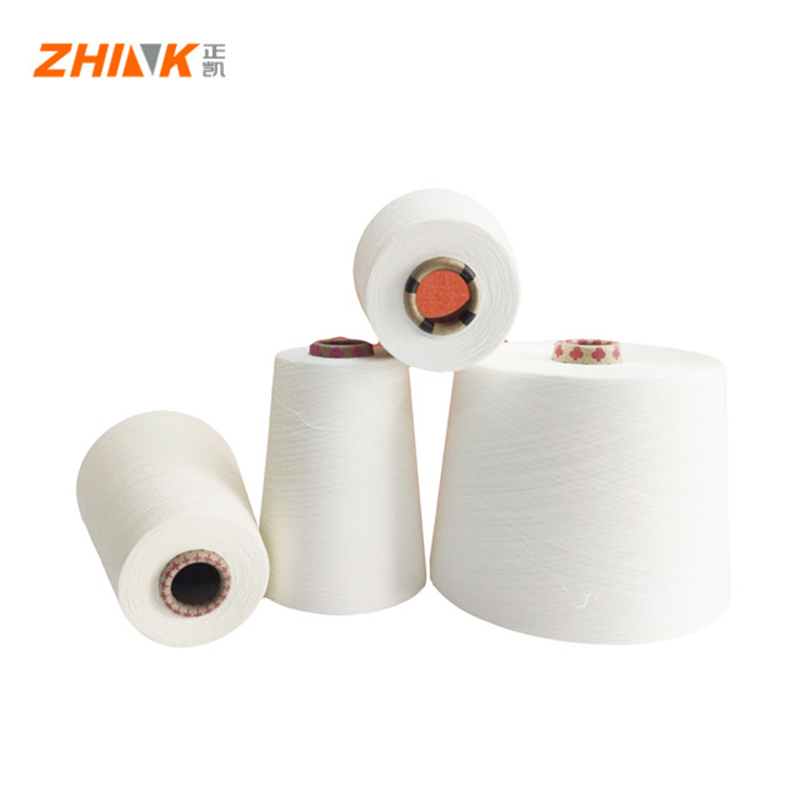
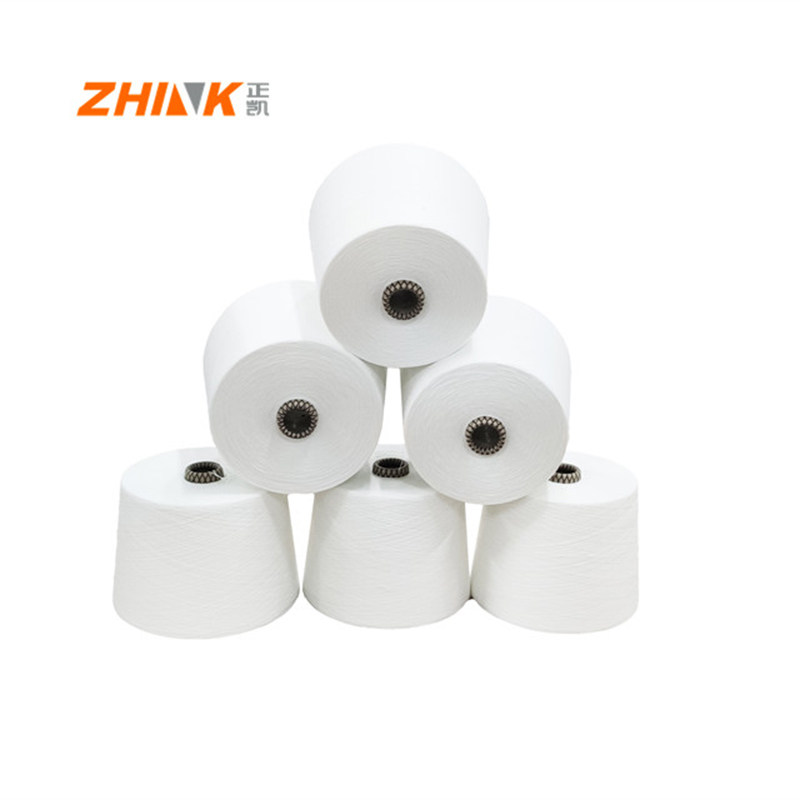
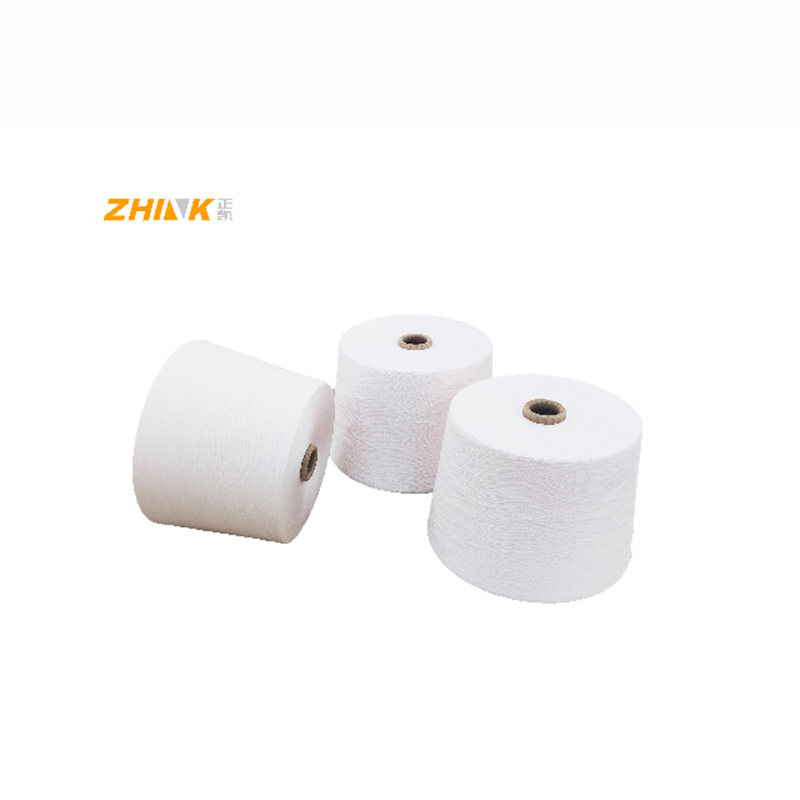
Acrylic/viscose ring spun yarn
Understanding Acrylic/Viscose Ring Spun Yarn
Acrylic and viscose ring spun yarns have carved a niche in the textile industry. Yet, navigating this material blend isn't always straightforward. Let's dive into how this yarn is made, its applications, and some of the challenges one might encounter. It's an exploration through the eyes of someone who's been there, done that.
The Beauty of the Blend
So what's the fuss about acrylic/viscose ring spun yarn? At first glance, this combo offers a balance of strength and softness. Acrylic contributes durability and resilience, while viscose lends a luxurious touch. But there's more beneath the surface. The blend meets a sweet spot for those sensitive to wool but seeking a similar tactile experience. It carries warmth without weighing the fabric down.
SHANDONG ZHINK NEW MATERIAL CO., LTD is one entity underscoring this notion. Their dedication to textile innovation at Zhink New Material exemplifies how blending can push boundaries. They've spearheaded developments that elevate yarn characteristics, something I've seen unfold across various textile applications.
But let's not romanticize too much. Working with these fibers isn't devoid of challenges—from dye absorption differences to setting tensions on spinning machines. If you're not paying attention, things can unravel quickly.
Production Nuances
Ring spinning holds a special place in my professional memory. Unlike open-end spinning, it gives yarn a strength and smoothness that are just hard to beat. The process wraps fibers tightly, sleeks them out, and results in a fine-quality thread. However, introducing acrylic and viscose into this equation demands attention. Each fiber behaves differently through the spinning process.
I remember an instance when our setting parameters were off, and the viscose began with a static cling that was unsettling. We've learned—sometimes the hard way—about humidity control and fiber conditioning. It's all about trial, error, and adaptation.
Then there's the matter of twist and alignment. Too much twist can counter the intended feel, but too little compromises strength. A significant part of mastering acrylic/viscose ring spun yarn is about finding that balance.
Applications and Innovations
Where does this yarn find itself? The consumer space knows it well—in garments like sweaters and cardigans, or hardier fabrics like upholstery. Its mix of affordability and aesthetic appeal makes it a popular choice. One memorable project involved crafting luxury-feel throws, testing the yarn’s limits by incorporating 5% spandex. It was a hit.
Innovation in this area isn't static. At places like Zhink New Material, constant experimentation keeps the offerings fresh. They're tuned into market needs, understanding that sustainability and functionality are driving modern textile demands.
Yet, customer feedback sometimes highlights pilling or wear resilience concerns. It's a reminder that while this blend offers much, it's not without its critical feedback loop. I've sat in on more than a few debriefs where lessons were turned into product enhancements.
Overcoming Challenges
Anyone who works extensively with acrylic/viscose blends knows the quirks. A big headache? Color inconsistencies. While acrylic fibers take dye well, viscose can be a wildcard. Patience—and precision in dye process timing—is key. We learned that investing in proper dye vats was crucial. A costly mistake? Perhaps, but visibly rewarding.
Shrinkage post-washing is another concern. We've embedded wash trials in our testing phases for this exact reason—performing trials until the behavior is predictable.
Partnering with firms like SHANDONG ZHINK NEW MATERIAL CO., LTD offers another layer of expertise to lean on. Their focus on R&D gives them—and their partners—a solid footing in tackling these intrinsic challenges.
Reflecting on Experience
Reflecting on using and producing acrylic/viscose ring spun yarn, there's an appreciation for its dynamic attributes. We aren't just producing yarn; we're crafting experiences and solutions. The journey isn't just marked by the yarn we spin but also by the learning curve we navigate along the way.
If you're willing to engage in some experimental practice, this material opens doors. Knowing its nuances can make a noticeable difference in the end product's quality. It's a reminder that even in something as traditional as textiles, there's always room for innovation and improvement.
This isn't just a commodity but a crafted opportunity to push the envelope. Whether you're a manufacturer, designer, or just a curious mind, the story of acrylic/viscose yarn continues to evolve with each spun thread.
Related Products
Related Products

Best Selling Products
Best Selling Products



Related Search
Related Search- Acrylic/viscose siro compact yarn
- Flame retardant polyester spun yarn for knitting
- Recycled polyester/bamboo siro compact yarn
- linen blend yarn
- recycled polyester/wool 70/30 yarn 40S
- 100% acrylic vortex
- Flame retardant acrylic short fiber yarn
- bamboo staple fiber yarn
- viscose 40D yarn
- 100% Solid acrylic vortex