+86-632-3621866
- Chinese
- French
- German
- Portuguese
- Spanish
- Russian
- Japanese
- Korean
- Arabic
- Irish
- Greek
- Turkish
- Italian
- Danish
- Romanian
- Indonesian
- Czech
- Afrikaans
- Swedish
- Polish
- Basque
- Catalan
- Esperanto
- Hindi
- Lao
- Albanian
- Amharic
- Armenian
- Azerbaijani
- Belarusian
- Bengali
- Bosnian
- Bulgarian
- Cebuano
- Chichewa
- Corsican
- Croatian
- Dutch
- Estonian
- Filipino
- Finnish
- Frisian
- Galician
- Georgian
- Gujarati
- Haitian
- Hausa
- Hawaiian
- Hebrew
- Hmong
- Hungarian
- Icelandic
- Igbo
- Javanese
- Kannada
- Kazakh
- Khmer
- Kurdish
- Kyrgyz
- Latin
- Latvian
- Lithuanian
- Luxembou..
- Macedonian
- Malagasy
- Malay
- Malayalam
- Maltese
- Maori
- Marathi
- Mongolian
- Burmese
- Nepali
- Norwegian
- Pashto
- Persian
- Punjabi
- Serbian
- Sesotho
- Sinhala
- Slovak
- Slovenian
- Somali
- Samoan
- Scots Gaelic
- Shona
- Sindhi
- Sundanese
- Swahili
- Tajik
- Tamil
- Telugu
- Thai
- Ukrainian
- Urdu
- Uzbek
- Vietnamese
- Welsh
- Xhosa
- Yiddish
- Yoruba
- Zulu
- Kinyarwanda
- Tatar
- Oriya
- Turkmen
- Uyghur



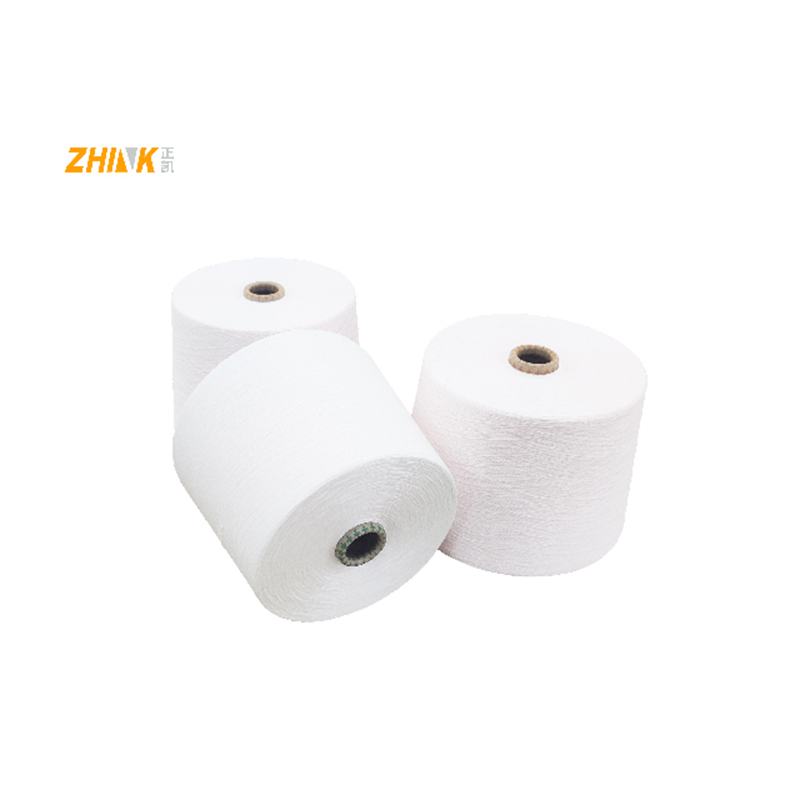
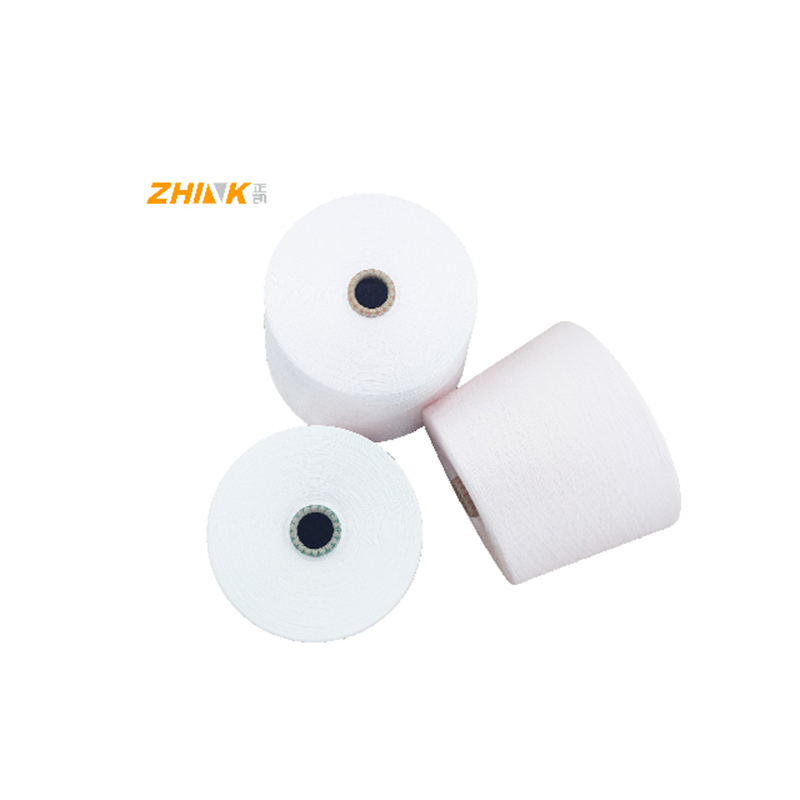
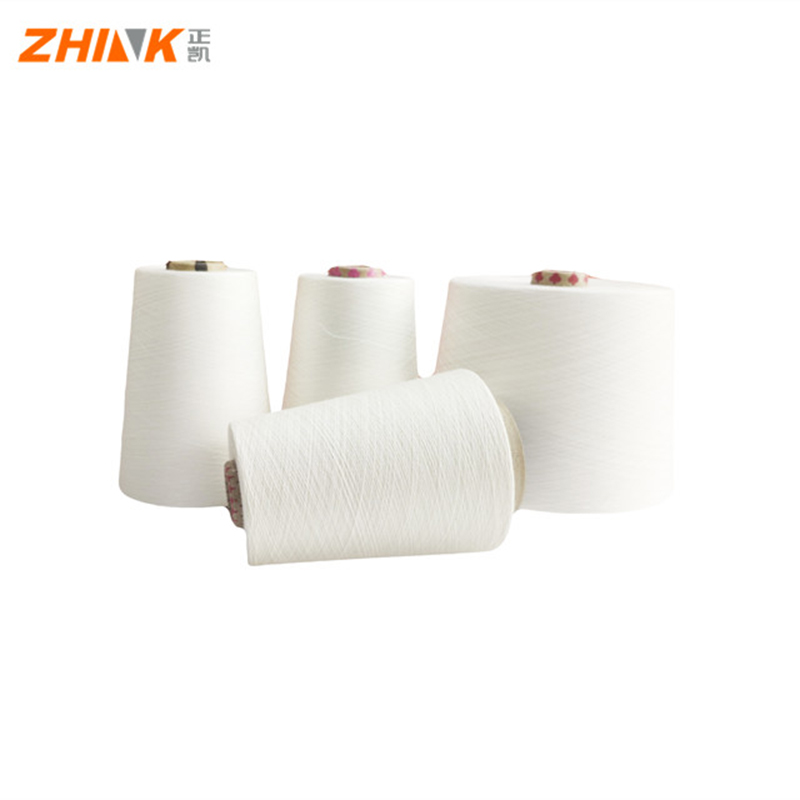
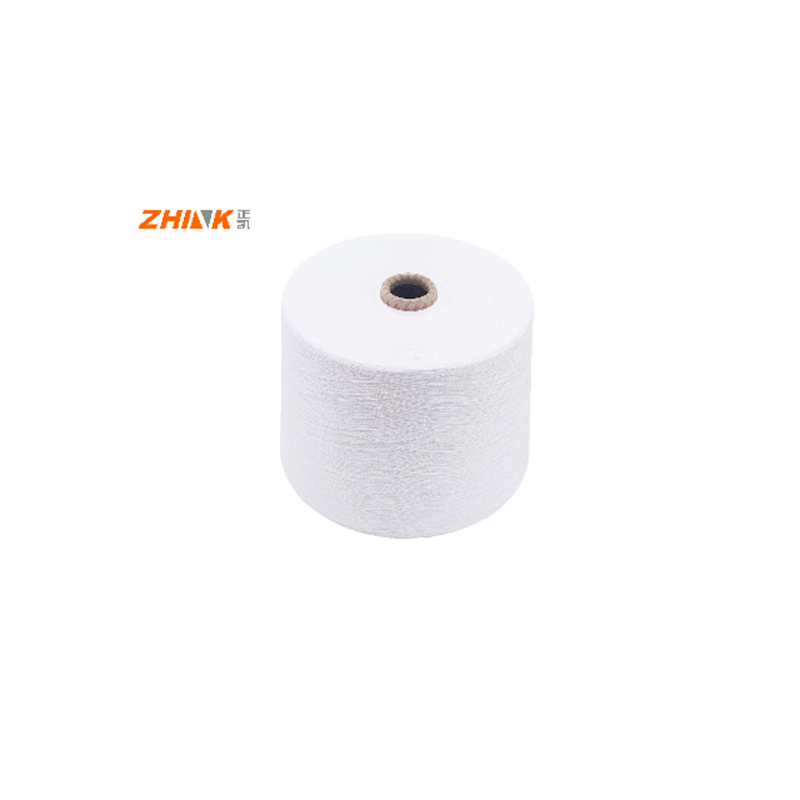
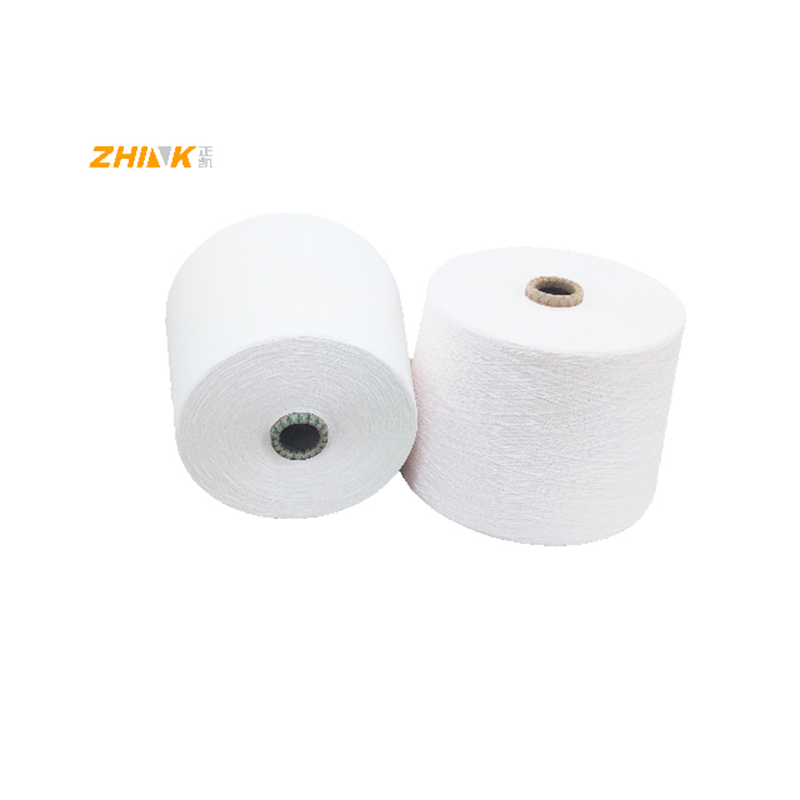
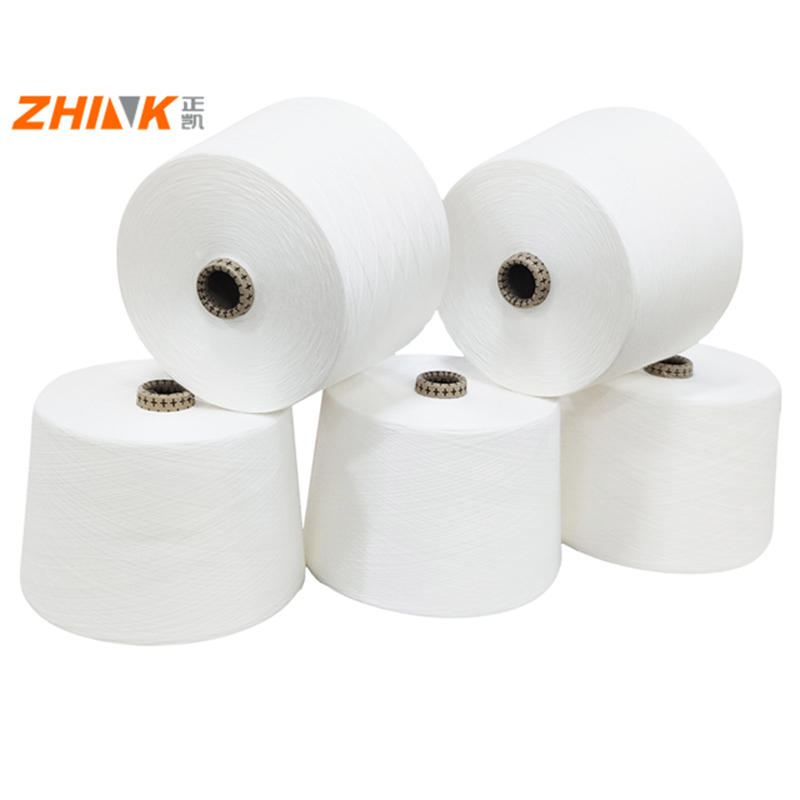
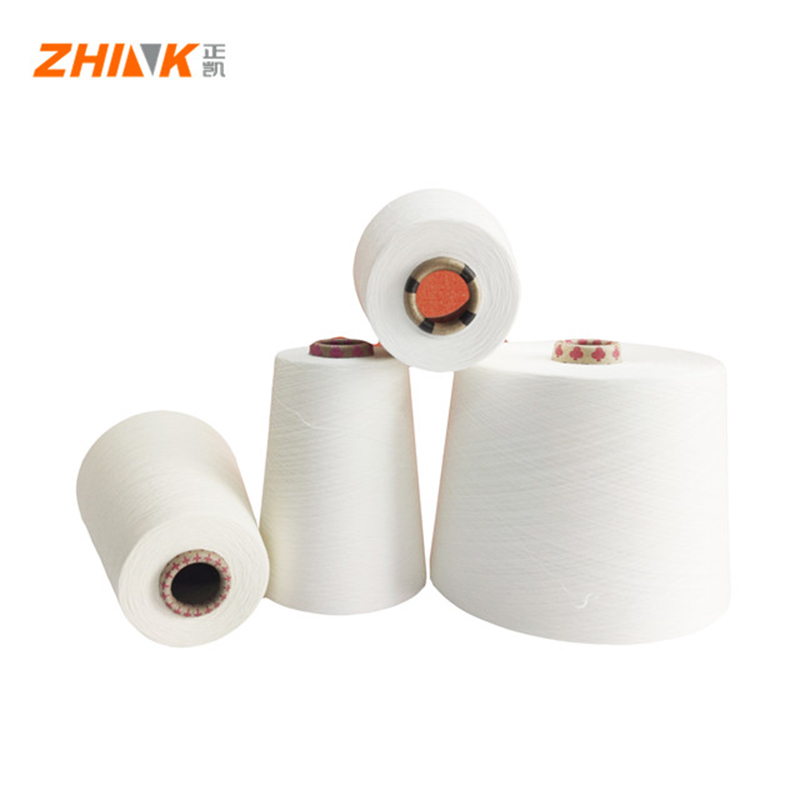
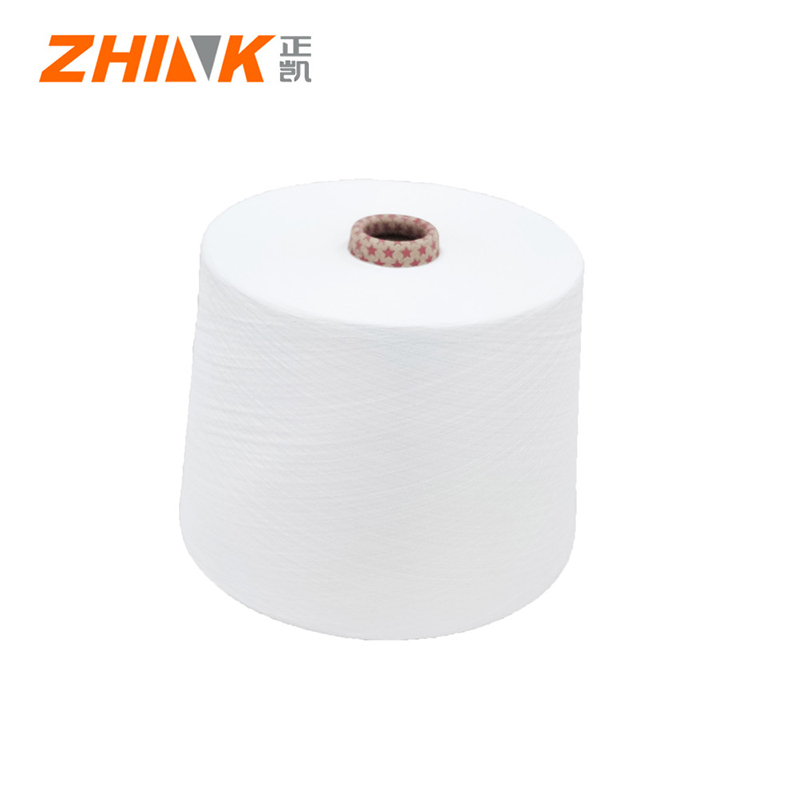
Acrylic/viscose vortex yarn
The Intricacies of Acrylic/Viscose Vortex Yarn
The world of textile materials is vast and sometimes quite misunderstood. One area that often puzzles even seasoned industry professionals is the combination of acrylic and viscose fibers produced using the vortex spinning method. This article dives deep into the subtleties of acrylic/viscose vortex yarn, shedding light on common misconceptions and sharing insights from real-world applications.
Understanding Vortex Yarn Production
When it comes to yarn production, the vortex spinning method stands out due to its unique way of binding fibers. Unlike traditional spinning techniques, vortex spinning uses air jets to twist and stabilize the fibers, resulting in a yarn that’s both strong and smooth. Combining acrylic and viscose in this process offers a fascinating blend of characteristics. Acrylic provides durability and resistance to weathering, while viscose contributes softness and luster.
However, achieving the right balance between these fibers requires careful attention. I’ve seen cases where a slight variance in fiber ratio led to unexpected texture changes. It’s an intricate dance of adjustment, requiring intimate knowledge of the fibers’ properties.
The technical knowledge required for adjusting settings in vortex spinning can seem daunting. Even those with years of experience might occasionally find themselves perplexed by an unexpected outcome. But that’s part of what makes this field endlessly challenging and rewarding.
Common Challenges and Solutions
One of the frequent challenges in producing acrylic/viscose vortex yarn is managing fiber feed consistency. A minor fluctuation can lead to uneven yarn, which is why maintaining strict controls during production is essential. In my previous projects, ensuring a controlled environment drastically improved overall yarn quality.
Another issue we face is static electricity, a notorious problem with acrylic fibers. Finding the right humidity level during production can mitigate this, although it’s often easier said than done. It’s a trial-and-error process but once mastered, it significantly enhances the output quality.
Occasionally, I’ve encountered problems with dye uptake because of the mixed properties of the fibers. Adjustments in the dyeing process are necessary, and sometimes even a complete reevaluation may be required depending on the yarn's end use.
Impacts on Fabric Properties
The most intriguing aspect of acrylic/viscose vortex yarn is its impact on the fabric’s final properties. The resulting textiles often exhibit the best of both worlds: strength with a silky hand feel. This combination is particularly valuable in creating versatile fabrics for fashion and home textiles.
During trials at SHANDONG ZHINK NEW MATERIAL CO., LTD, accessible at https://www.zhinkyarn.com, we noted significant differences in drape and comfort when adjusting the fiber blend levels. These findings are crucial for tailoring fabric choices to specific applications.
Interestingly, when these yarns are woven into fabrics, there was a noticeable enhancement in moisture absorption properties, courtesy of the viscose. This attribute makes it increasingly popular in summer apparel.
Case Studies and Real-life Applications
Having been involved in numerous projects, I can attest to the versatility and challenges of using vortex-spun acrylic/viscose yarn. One successful case involved developing a line of lightweight, breathable summer blankets. The client was thrilled with the softness and durability factors.
But it’s not always a straightforward path. In one instance, a batch destined for high-end upholstery fabrics showed unexpected pilling tendencies. Investigating and resolving this required adjusting the fiber twist ratio and implementing a tighter quality control process on fiber selection.
These experiences underline the importance of ongoing research and development, a commitment that Zhink New Material takes seriously as we continue to push boundaries in textile innovation.
Industry Outlook and Future Trends
Looking ahead, the demand for blended vortex yarns is likely to grow. Consumers are increasingly aware of and seeking out textiles that offer performance and comfort. Acrylic/viscose blends fit this niche perfectly but require fine-tuning to meet ever-evolving fashion and functionality needs.
I believe that collaboration across the supply chain, from fiber suppliers through to finished goods manufacturers, will become ever more vital. This synergy enables breakthroughs in material properties and sustainability efforts, which will be key in addressing both market demands and environmental considerations.
As we continue building on the foundations laid by pioneering companies like Zhink New Material, there’s an open road for innovation and refinement in this fascinating blend of fibers. The journey might seem complex, but it undoubtedly promises exciting advances in textile sciences.
Related Products
Related Products