+86-632-3621866
- Chinese
- French
- German
- Portuguese
- Spanish
- Russian
- Japanese
- Korean
- Arabic
- Irish
- Greek
- Turkish
- Italian
- Danish
- Romanian
- Indonesian
- Czech
- Afrikaans
- Swedish
- Polish
- Basque
- Catalan
- Esperanto
- Hindi
- Lao
- Albanian
- Amharic
- Armenian
- Azerbaijani
- Belarusian
- Bengali
- Bosnian
- Bulgarian
- Cebuano
- Chichewa
- Corsican
- Croatian
- Dutch
- Estonian
- Filipino
- Finnish
- Frisian
- Galician
- Georgian
- Gujarati
- Haitian
- Hausa
- Hawaiian
- Hebrew
- Hmong
- Hungarian
- Icelandic
- Igbo
- Javanese
- Kannada
- Kazakh
- Khmer
- Kurdish
- Kyrgyz
- Latin
- Latvian
- Lithuanian
- Luxembou..
- Macedonian
- Malagasy
- Malay
- Malayalam
- Maltese
- Maori
- Marathi
- Mongolian
- Burmese
- Nepali
- Norwegian
- Pashto
- Persian
- Punjabi
- Serbian
- Sesotho
- Sinhala
- Slovak
- Slovenian
- Somali
- Samoan
- Scots Gaelic
- Shona
- Sindhi
- Sundanese
- Swahili
- Tajik
- Tamil
- Telugu
- Thai
- Ukrainian
- Urdu
- Uzbek
- Vietnamese
- Welsh
- Xhosa
- Yiddish
- Yoruba
- Zulu
- Kinyarwanda
- Tatar
- Oriya
- Turkmen
- Uyghur



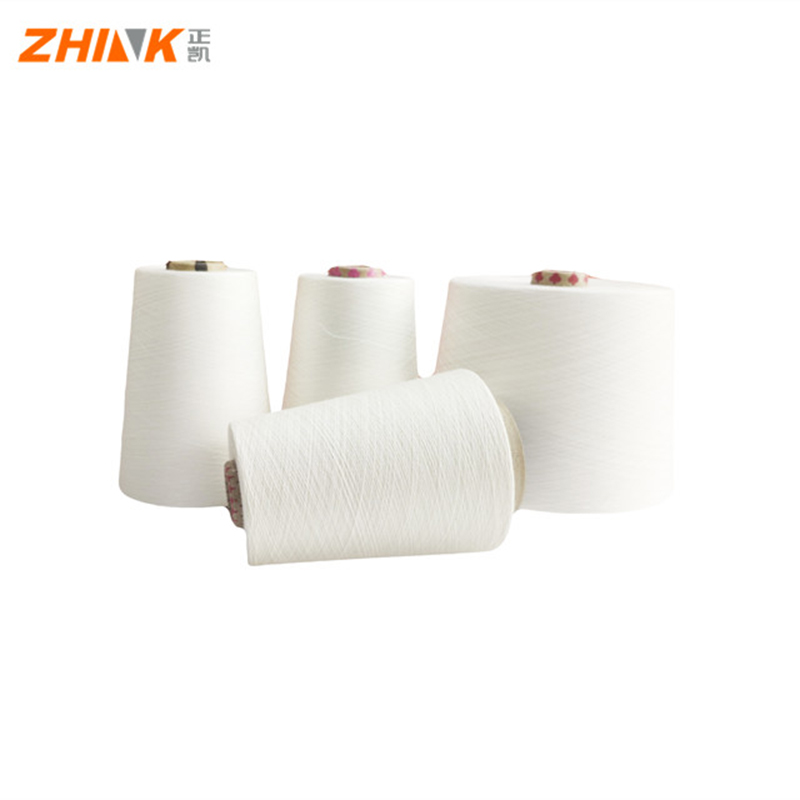
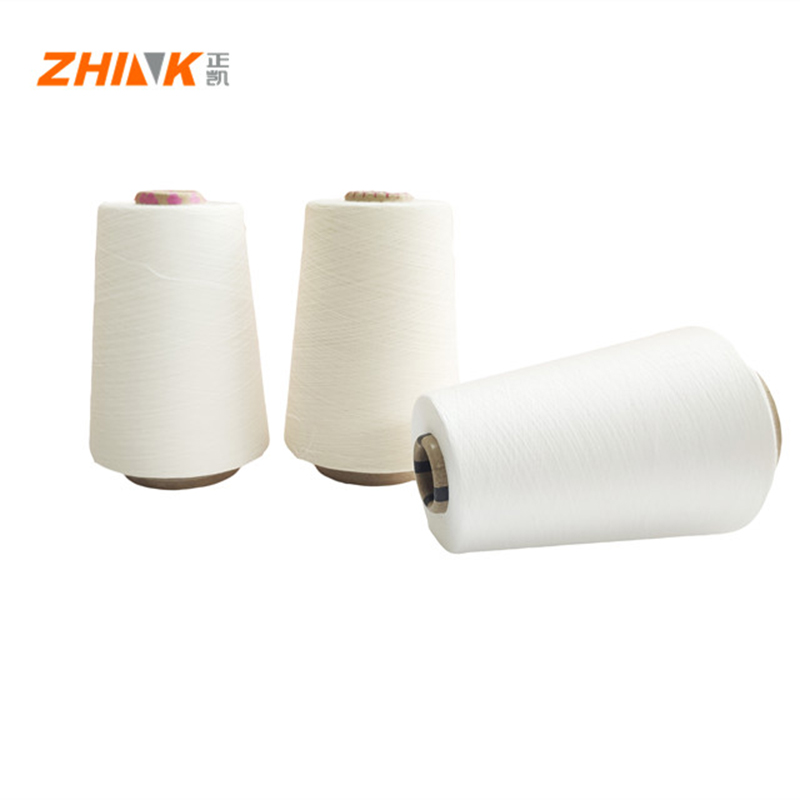
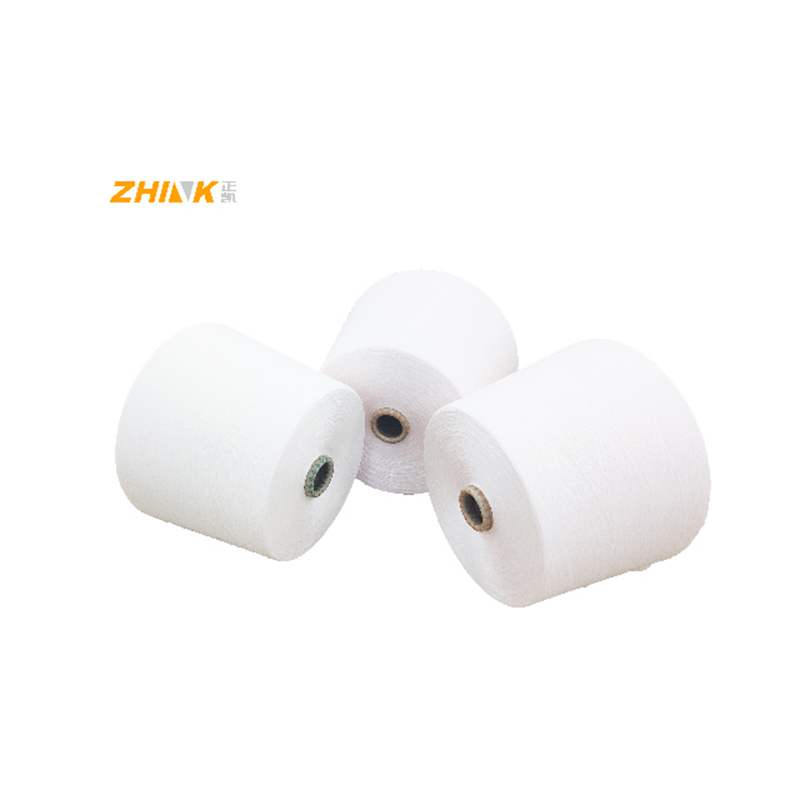
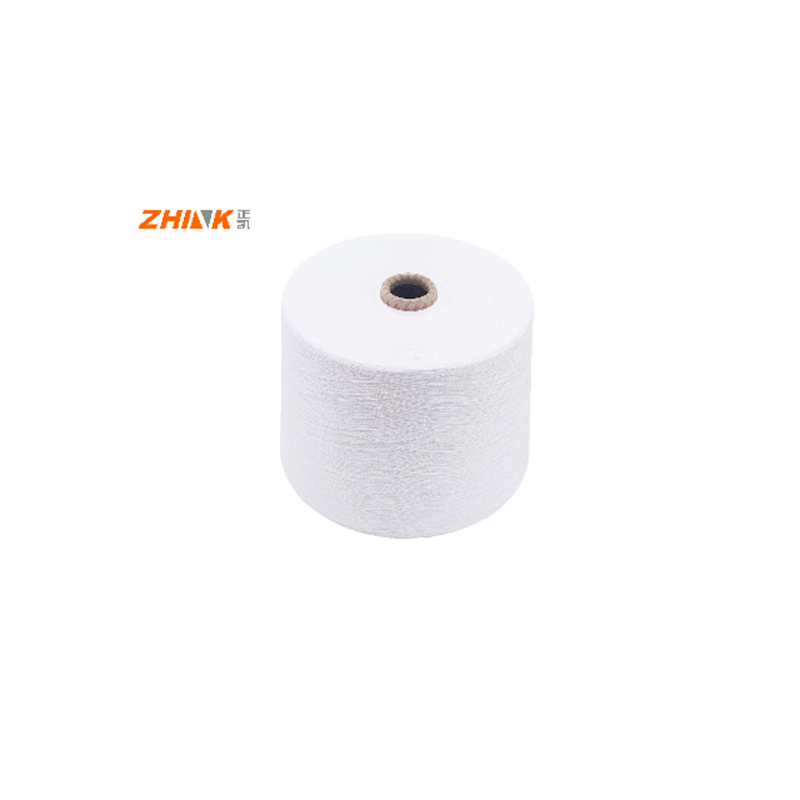
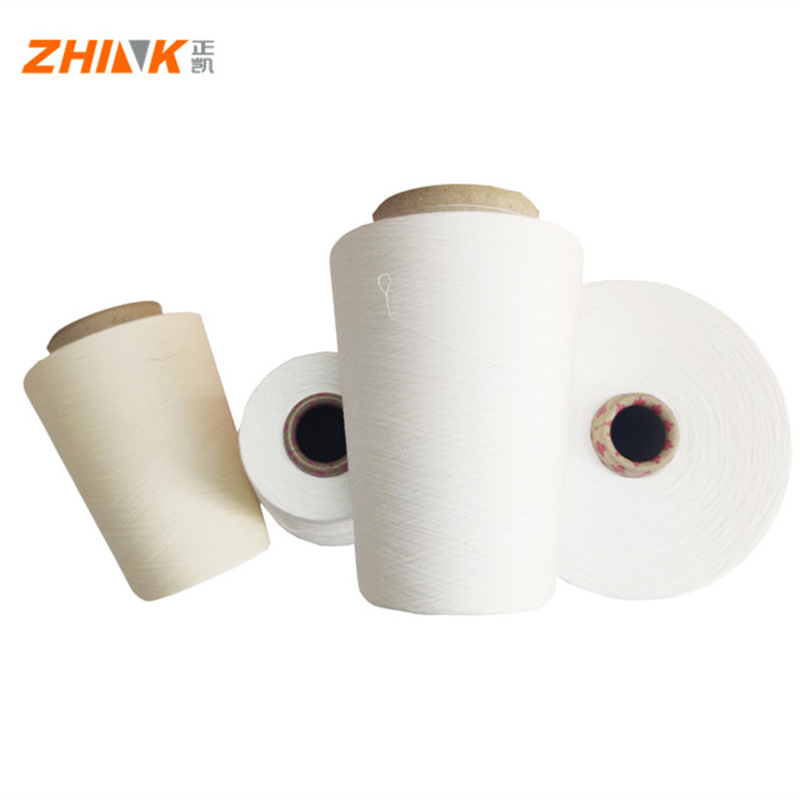
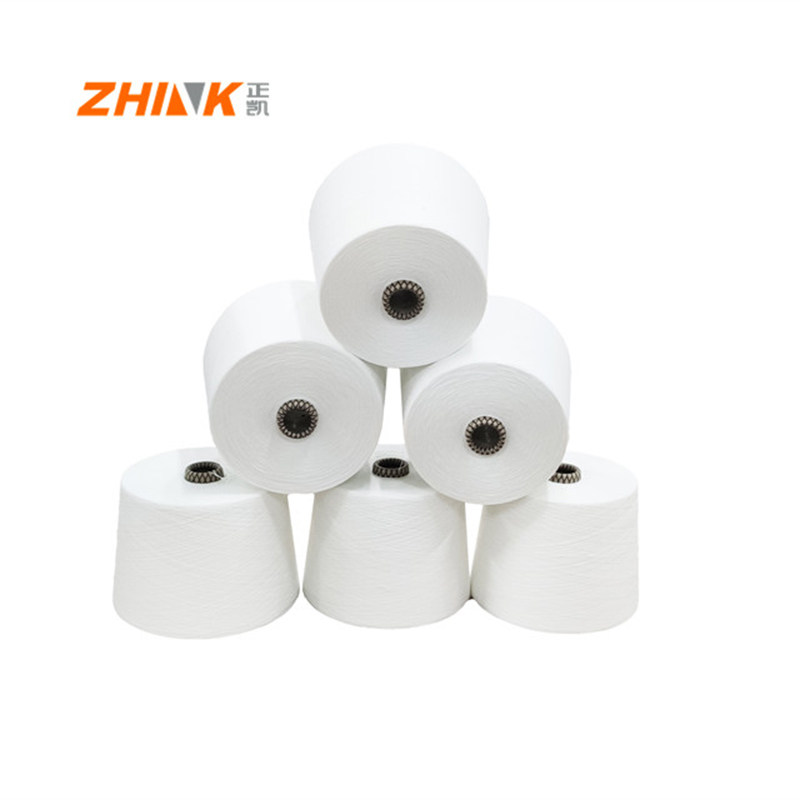
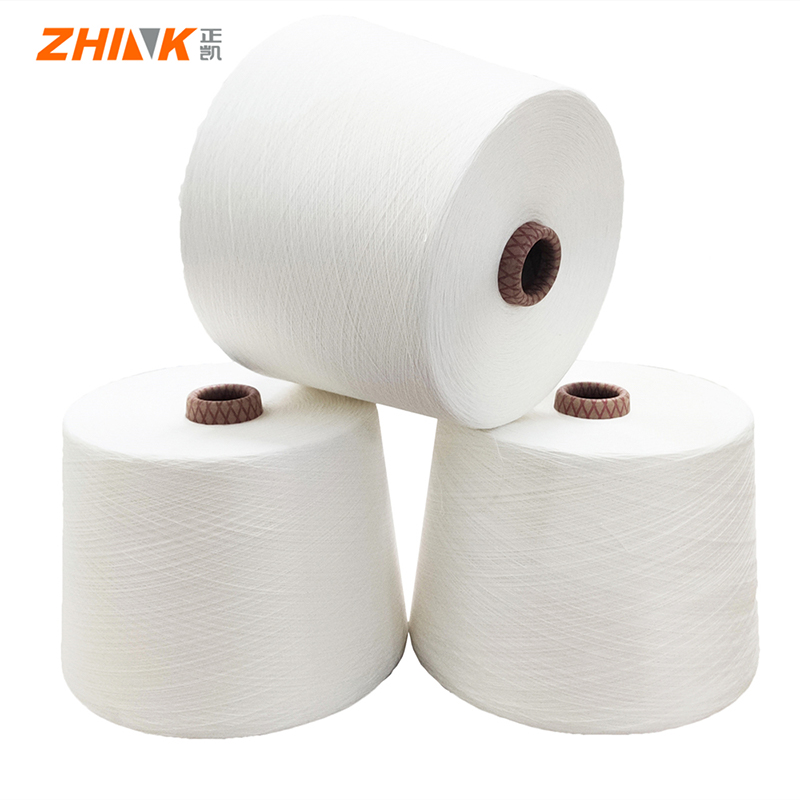
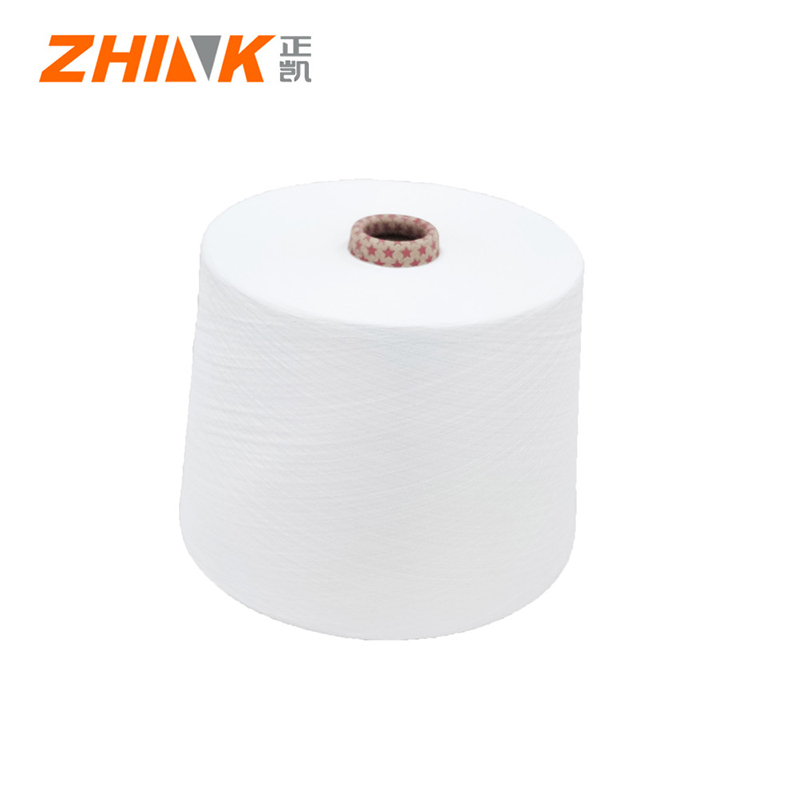
acrylic wool yarn
The Versatility and Practicality of Acrylic Wool Yarn
Acrylic wool yarn has long been a staple in the textile industry, offering a synthetic alternative that mimics the properties of natural wool. Despite its man-made origin, it’s favored for its durability, cost-effectiveness, and ease of care. Let’s delve into what makes this material a go-to choice for many crafters and manufacturers.
Understanding Acrylic Wool Yarn
When it comes to yarn choices, many assume that natural fibers are superior. However, acrylic wool yarn often challenges this notion by offering similar qualities—softness, warmth, and elasticity—at a fraction of the cost. It's particularly popular in large-scale production where maintaining consistency and reducing material costs are crucial.
Over the years, advancements in textile technology have improved the texture and feel of acrylic yarn. Gone are the days of rough, scratchy acrylic; now, with brands like SHANDONG ZHINK NEW MATERIAL CO., LTD leading the way in innovation, these yarns are increasingly comparable to their natural counterparts. Zhink New Material, for example, has focused on creating yarns that are not only cost-effective but also environmentally considerate and high-performing.
In my own experience, I initially hesitated to use acrylic due to preconceptions about its quality. However, the first time I knitted a sweater with high-grade acrylic yarn, I was pleasantly surprised by its quality and wearability. It wasn't inferior; it was different—yet equally satisfying.
Applications and Advantages
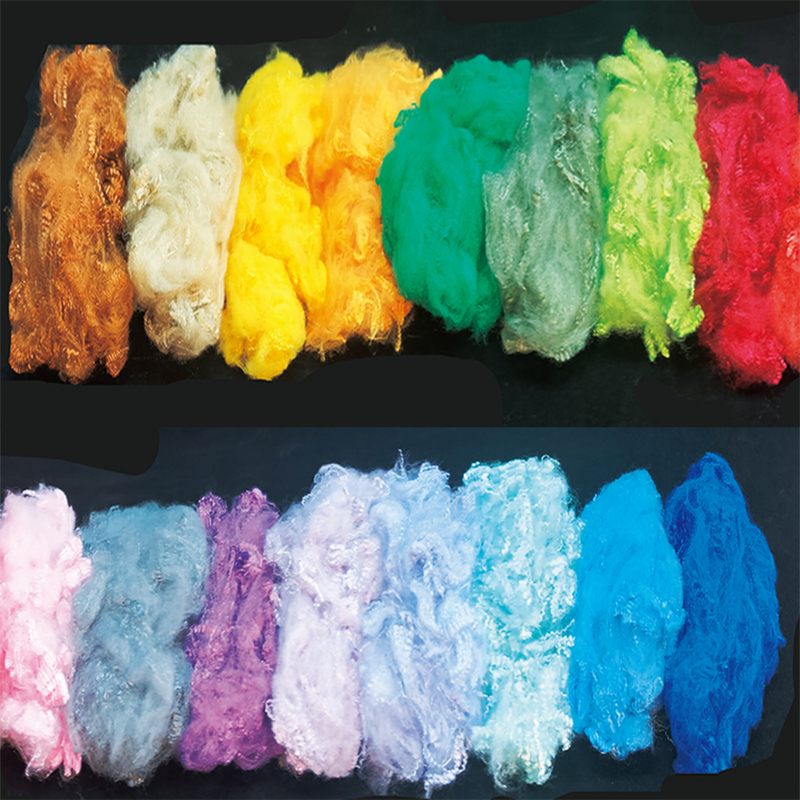
Acrylic wool yarn is versatile. It's used in everything from clothing to home textiles. Due to its ability to hold vibrant colors without fading, it's incredibly appealing for designs that require consistent color over time. This attribute simplifies maintenance, as garments made from acrylic can often be machine-washed without concern for shrinkage or damage.
Moreover, acrylic has excellent resistance to moths, oil, and chemicals. These traits make it a reliable choice for garments that demand longevity in challenging environments. At SHANDONG ZHINK NEW MATERIAL CO., LTD, the focus remains on extending these advantages through ongoing research, aligning with modern sustainability standards. Their efforts can be explored further on their website, Zhink Yarn.
A potential downside? Acrylic yarn can pill over time. But, selecting high-quality options and using gentle washing items can mitigate this. Like any material, understanding its quirks leads to better satisfaction and usability in projects.
Challenges Faced By Manufacturers
Ensuring the quality and consistency of acrylic wool yarn can be tricky. Variability in fiber length and diameter can affect product consistency but reputable manufacturers, like Zhink New Material, are adept at managing these challenges through cutting-edge production techniques and stringent quality control measures.
Another challenge is addressing the environmental impact. While acrylics are synthetic, their production footprint is being reduced with innovations in recycling and sustainable chemistry. This is a key focus for the R&D departments of forward-thinking companies like SHANDONG ZHINK NEW MATERIAL CO., LTD.
I have encountered differences in how acrylic responds to different dyeing techniques; it doesn't absorb dyes quite the same as wool does. This requires thoughtful planning when creating color-rich projects, as well as strategic selection of dye types that complement acrylic properties.
Market Trends and Innovations
The marketplace for textile materials is dynamic, and acrylic wool yarn has its own evolving niche. New blends, like those combining acrylic with other fibers, are emerging to capitalize on the strengths of multiple materials. Combining acrylic with wool, for example, results in a hybrid yarn that offers the warmth of wool with the durability and affordability of acrylic.
Innovations don’t stop at fiber blends. Dyeing techniques and finishing processes are constantly improving, driven by consumer demand for softer, more colorful, and versatile yarns. Companies like Zhink New Material are at the forefront, pushing the boundaries of what acrylic yarns can do.
Ultimately, the future looks bright. As technologies advance, the gap between natural and synthetic fibers continues to narrow, with materials like acrylic wool yarn leading a new generation of textiles that are as functional as they are accessible.
Conclusion: The Future of Acrylic Wool Yarn
In conclusion, while natural fibers certainly have their allure, the practicality and adaptability of acrylic wool yarn make it an indispensable resource in modern textile manufacturing. As more companies like SHANDONG ZHINK NEW MATERIAL CO., LTD continue to innovate, offering higher quality and more sustainable options, acrylic yarn's market presence is only set to grow.
The value of finding the right acrylic yarn cannot be overstated. From my personal crafting to a broader industrial scale, it's clear that this material holds a promising place in the fabric of our daily lives, offering both the charm of wool and the ingenuity of modern science.
Looking forward, the key lies in continuous improvement and openness to newer blends and technologies, ensuring that acrylic yarn remains as beloved in the future as it has become today.
Related Products
Related Products