+86-632-3621866
- Chinese
- French
- German
- Portuguese
- Spanish
- Russian
- Japanese
- Korean
- Arabic
- Irish
- Greek
- Turkish
- Italian
- Danish
- Romanian
- Indonesian
- Czech
- Afrikaans
- Swedish
- Polish
- Basque
- Catalan
- Esperanto
- Hindi
- Lao
- Albanian
- Amharic
- Armenian
- Azerbaijani
- Belarusian
- Bengali
- Bosnian
- Bulgarian
- Cebuano
- Chichewa
- Corsican
- Croatian
- Dutch
- Estonian
- Filipino
- Finnish
- Frisian
- Galician
- Georgian
- Gujarati
- Haitian
- Hausa
- Hawaiian
- Hebrew
- Hmong
- Hungarian
- Icelandic
- Igbo
- Javanese
- Kannada
- Kazakh
- Khmer
- Kurdish
- Kyrgyz
- Latin
- Latvian
- Lithuanian
- Luxembou..
- Macedonian
- Malagasy
- Malay
- Malayalam
- Maltese
- Maori
- Marathi
- Mongolian
- Burmese
- Nepali
- Norwegian
- Pashto
- Persian
- Punjabi
- Serbian
- Sesotho
- Sinhala
- Slovak
- Slovenian
- Somali
- Samoan
- Scots Gaelic
- Shona
- Sindhi
- Sundanese
- Swahili
- Tajik
- Tamil
- Telugu
- Thai
- Ukrainian
- Urdu
- Uzbek
- Vietnamese
- Welsh
- Xhosa
- Yiddish
- Yoruba
- Zulu
- Kinyarwanda
- Tatar
- Oriya
- Turkmen
- Uyghur



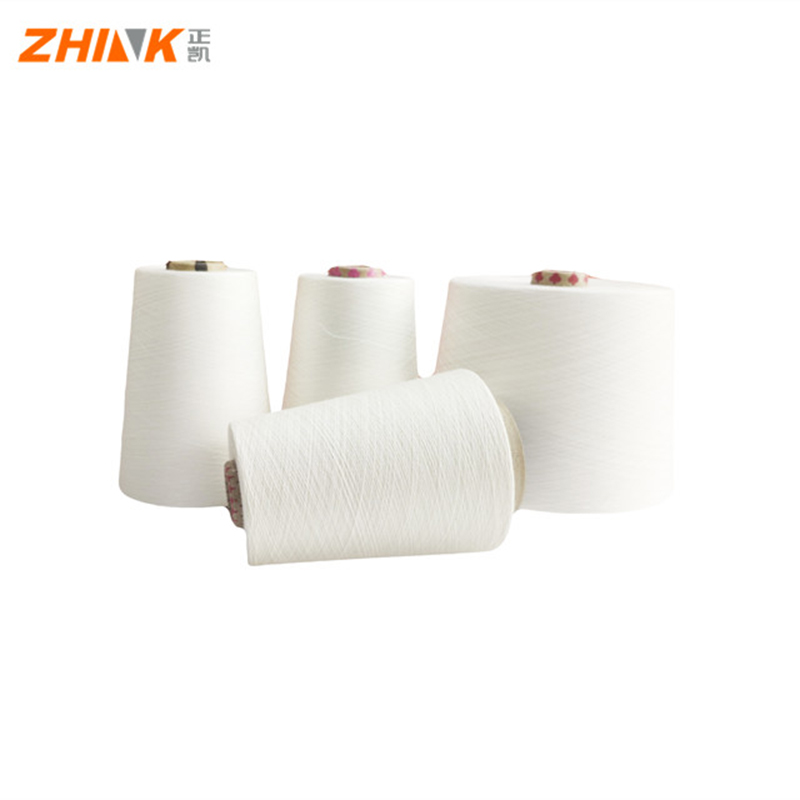
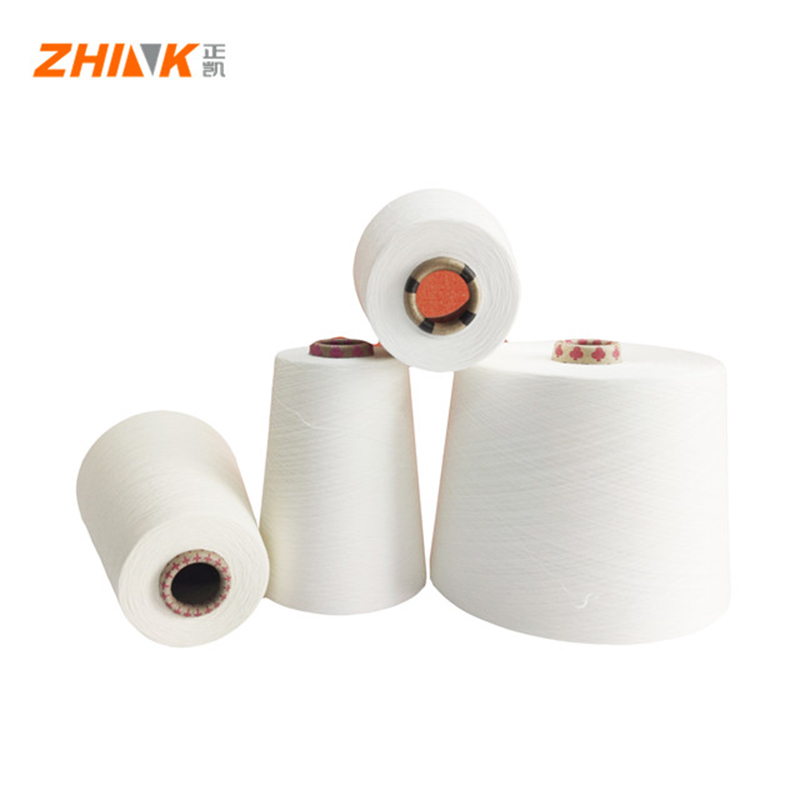
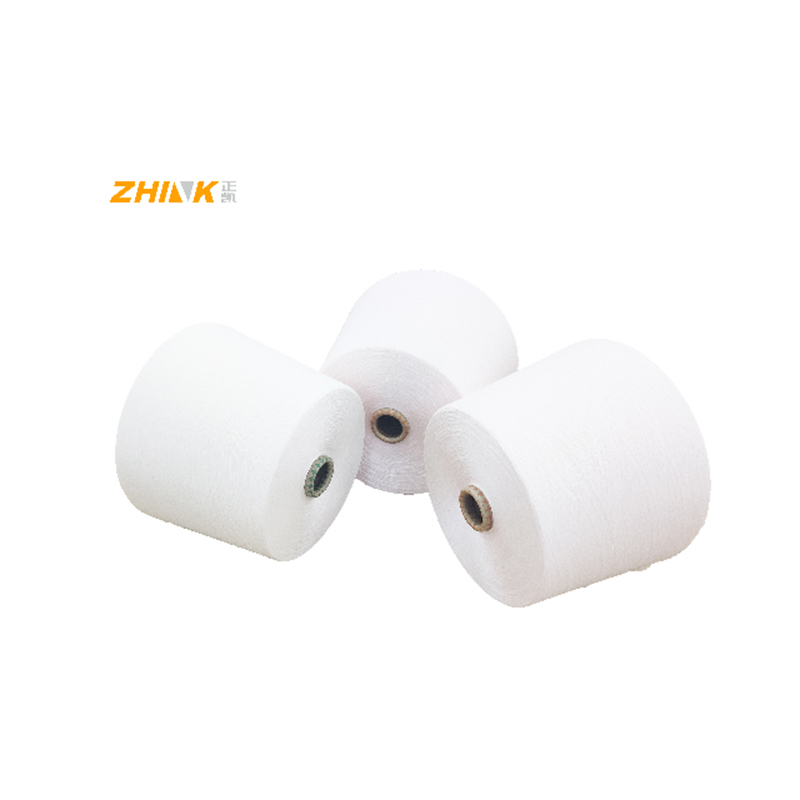
aditya birla viscose yarn
Exploring the Versatility of Aditya Birla Viscose Yarn
Aditya Birla's viscose yarn is a fascinating material often celebrated for its versatility and sustainability in the textile industry. Its application spans a range of products, from fashion to home textiles. However, while it's widely acclaimed, several practical nuances come into play when using this fiber, some of which might not always be apparent at first glance.
The Appeal of Viscose Yarn
One frequent misunderstanding is that all viscose yarns are created equally. This isn't the case. In my experience, the quality and properties can vary significantly with manufacturers. Aditya Birla's offerings, for instance, are known for their consistency and advanced manufacturing techniques, which make them stand out.
I've spent time testing different batches of viscose yarn, and I noticed that Aditya Birla's products often excel in moisture absorption and softness, making them particularly suitable for high-end fashion applications. These properties arise from their meticulous production processes, aligning with their commitment to sustainable practices.
This yarn not only serves as a luxurious alternative to cotton or silk but also aligns with eco-friendly initiatives, something increasingly important in today's market. The demand for environmentally responsible fibers is growing, and viscose fits well within this niche.
Challenges in Working with Viscose
Despite its advantages, working with viscose is not without hurdles. The material can be tricky during production phases, particularly in dyeing and finishing processes. The yarn's high absorbency means it can swell, complicating tension control in weaving and knitting.
There's a need to adapt techniques for processing to improve the end product. For instance, I encountered issues with color uniformity initially, which was resolved by adjusting the dyeing methods and carefully controlling the environment during production. Such tweaks are crucial for maintaining high standards of textile production.
Collaboration with skilled technicians and leveraging advanced technologies can mitigate these challenges, ensuring the viscose yarn retains its appeal without compromising quality.
Comparative Insight: Viscose vs. Other Fibers
Obsessing over viscose's comparison with other fibers like cotton or polyester is common. It's crucial, though, to appreciate this yarn on its own merits—its touch, drapability, and aesthetic appeal carry a unique proposition that isn't just about natural vs. synthetic debates.
Viscose offers that coveted silky luster and breathability, yet with an accessibility that silk lacks. In terms of cost-effectiveness, it's often more affordable while still maintaining superior qualities. This balance has led many designers and manufacturers to frequent its use.
It's valuable to remember that viscose doesn’t compete directly with these materials. Instead, it brings its unique value to the fore, filling niches that other textiles might not cater to as effectively.
Case Studies: Successful Applications
Let me share, for example, a case from SHANDONG ZHINK NEW MATERIAL CO., LTD. Recently, they tapped into viscose yarn for their new line of home textiles. They focused on bedding and found that due to the yarn's softness and moisture-wicking properties, it provided exceptional comfort and durability for end consumers.
The results were astonishing. Customer feedback highlighted the luxurious feel of the fabric, and the success of this line led to further exploration into additional product lines. This marks a strategic move not just as a product diversification attempt but as a reinforcement of sustainable practices and quality assurance.
SHANDONG ZHINK NEW MATERIAL CO., LTD's website, zhinkyarn.com, offers more insights into their innovative approaches, which mirror industry shifts towards newer, more sustainable textile practices.
Future Prospects and Industry Impact
Looking ahead, the future of viscose yarn, particularly from a producer like Aditya Birla, appears promising. There's a growing industry momentum towards not just embracing these materials but innovating around them. Companies like SHANDONG ZHINK NEW MATERIAL CO., LTD are leading the charge by integrating such fibers into forward-thinking textile solutions.
As the demands for sustainable fashion and eco-conscious textile solutions increase, viscose yarn positions itself firmly as a desirable alternative. Its blend of ecological responsibility and consumer satisfaction cannot be overstated.
In conclusion, while complexities exist, the potential and utility of viscose yarn in modern textiles are undeniable. Whether utilized in fashion or home decor, it offers a sweet spot of luxury and practicality that few others manage to achieve.
Related Products
Related Products