
+86-632-3621866
- Chinese
- French
- German
- Portuguese
- Spanish
- Russian
- Japanese
- Korean
- Arabic
- Irish
- Greek
- Turkish
- Italian
- Danish
- Romanian
- Indonesian
- Czech
- Afrikaans
- Swedish
- Polish
- Basque
- Catalan
- Esperanto
- Hindi
- Lao
- Albanian
- Amharic
- Armenian
- Azerbaijani
- Belarusian
- Bengali
- Bosnian
- Bulgarian
- Cebuano
- Chichewa
- Corsican
- Croatian
- Dutch
- Estonian
- Filipino
- Finnish
- Frisian
- Galician
- Georgian
- Gujarati
- Haitian
- Hausa
- Hawaiian
- Hebrew
- Hmong
- Hungarian
- Icelandic
- Igbo
- Javanese
- Kannada
- Kazakh
- Khmer
- Kurdish
- Kyrgyz
- Latin
- Latvian
- Lithuanian
- Luxembou..
- Macedonian
- Malagasy
- Malay
- Malayalam
- Maltese
- Maori
- Marathi
- Mongolian
- Burmese
- Nepali
- Norwegian
- Pashto
- Persian
- Punjabi
- Serbian
- Sesotho
- Sinhala
- Slovak
- Slovenian
- Somali
- Samoan
- Scots Gaelic
- Shona
- Sindhi
- Sundanese
- Swahili
- Tajik
- Tamil
- Telugu
- Thai
- Ukrainian
- Urdu
- Uzbek
- Vietnamese
- Welsh
- Xhosa
- Yiddish
- Yoruba
- Zulu
- Kinyarwanda
- Tatar
- Oriya
- Turkmen
- Uyghur


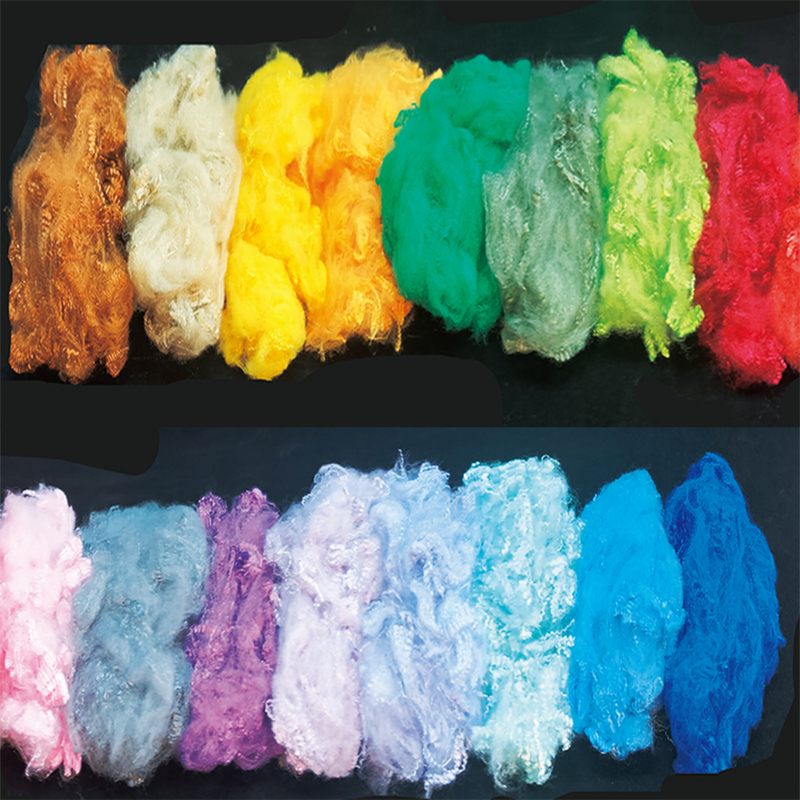
Alpaca color polyester fiber
Exploring the Versatility of Alpaca Color Polyester Fiber
It's easy to underestimate the potential of Alpaca color polyester fiber at first glance. Yet, delve deeper, and you'll uncover a world rich with texture, colour, and innovation. Whether you're a seasoned textile veteran or just dipping your toes into the world of fibers, the journey with these vibrant threads is nothing short of intriguing.
Understanding the Basics
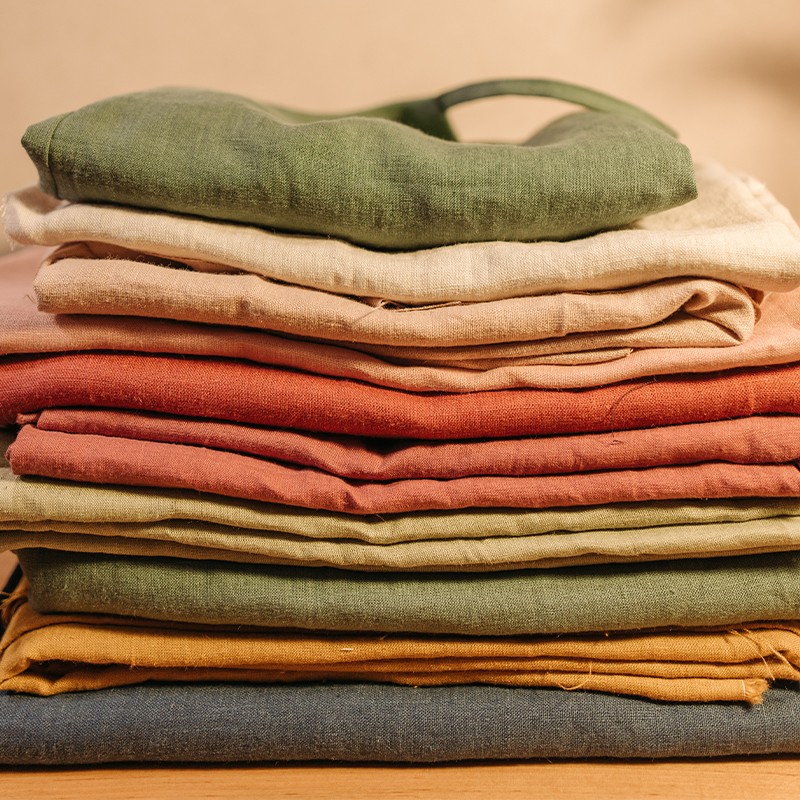
When one mentions Alpaca color polyester fiber, there's often a bit of confusion. It's not uncommon to think it's just another generic fiber dyed to mimic alpaca colors. However, the reality is far more intricate. The fiber often combines the durability of polyester with the warmth and aesthetic softness of alpaca, providing a unique balance ideal for diverse applications. This combination results in a versatile fabric that is both practical and visually appealing.
In the textiles industry, the ability to recreate the natural hues of alpaca in polyester fibers has been a game-changer. This isn't just about aesthetics but involves understanding the detailed dyeing processes that give polyester its distinctive alpaca-inspired shades. It's not merely about copying nature but enhancing it, providing a fabric that's functional and gorgeous.
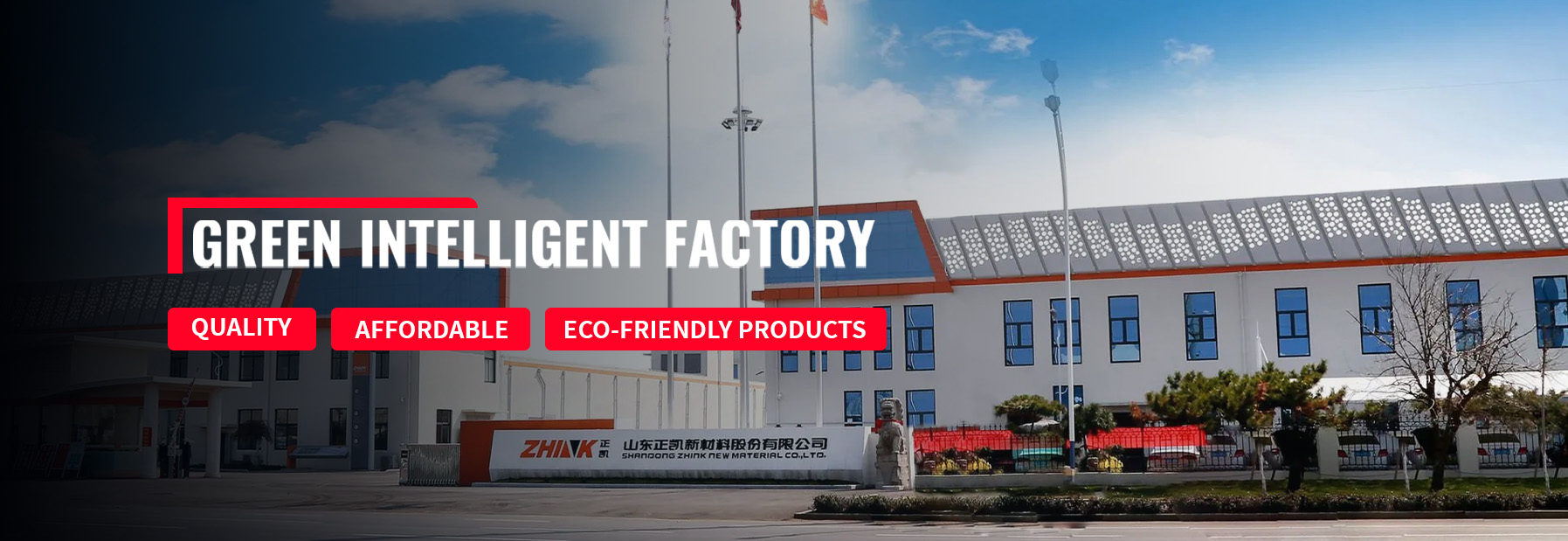
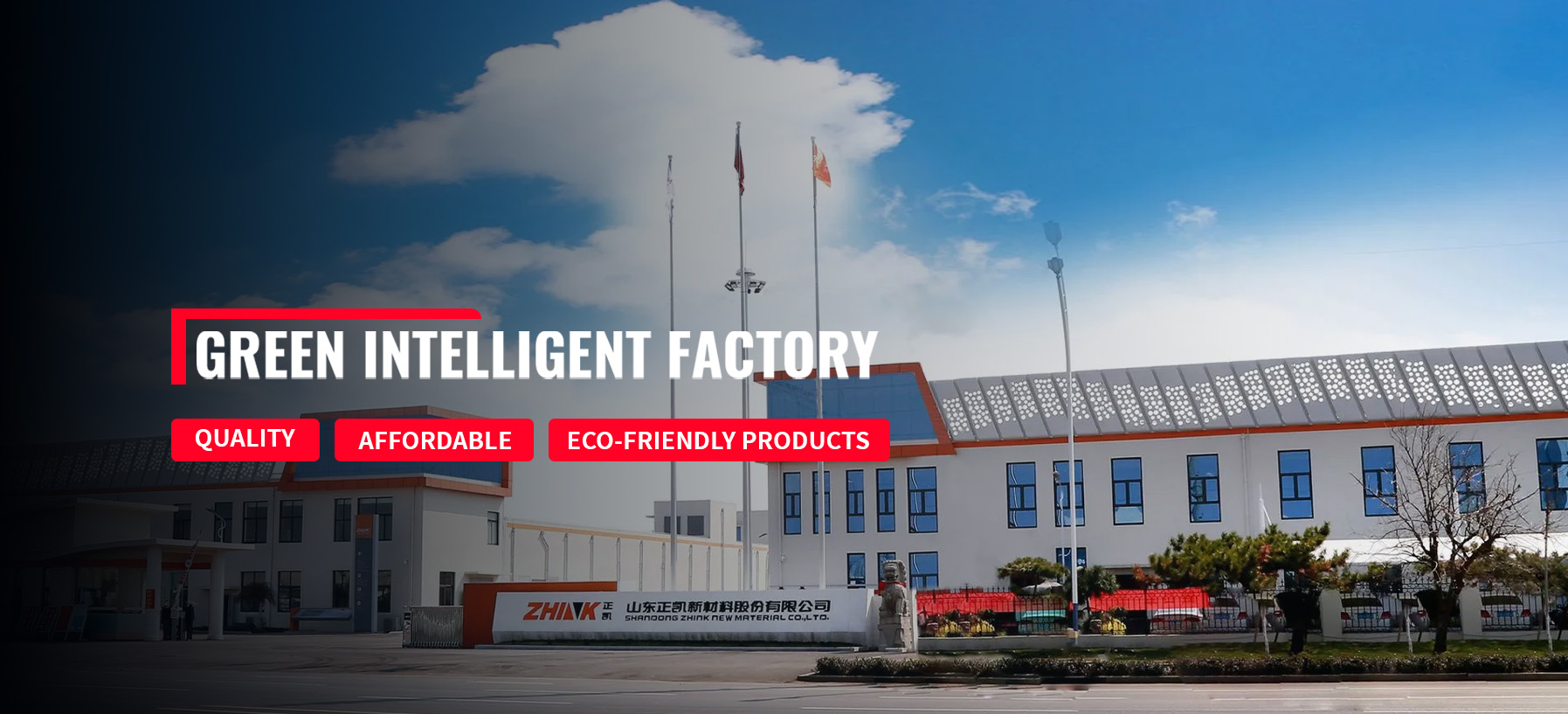
At SHANDONG ZHINK NEW MATERIAL CO., LTD, there's a push towards embracing these innovative materials. Their focus is not just on production but on the underlying research that allows these fibers to excel in both form and function. You can explore more of their work at Zhink Yarn.
Manufacturing Insights
The production of Alpaca color polyester fiber involves several nuanced steps, from selecting the right raw materials to perfecting the dyeing process. Each phase requires meticulous attention to detail. For example, ensuring the dye adheres evenly and consistently to the polyester base can be challenging but vital for achieving those rich, alpaca-like hues.
A practical challenge often noted by industry professionals is maintaining colorfastness. Polyester's intrinsic properties can sometimes lead to uneven dye uptake, a hurdle that innovative companies like Zhink New Material continually work to overcome. They invest in hi-tech machinery and cutting-edge techniques to ensure consistency across batches.
An interesting anecdote: In one of the production runs, a minor alteration in the dyeing temperature resulted in an unexpected, albeit beautiful, shade not originally intended. This is a testament to the critical role of precision in textile manufacturing, where even minor changes can have significant impacts.
Applications in Fashion and Beyond
The market has steadily grown with the increasing demand for versatile, aesthetically pleasing textiles. Alpaca color polyester fiber finds applications in fashion, home décor, and even in crafting lightweight, durable outerwear. The flexibility of the fiber allows designers to experiment, bringing new textures and styles to life.
Consider a designer pondering over a seasonal collection. These fibers offer not just a color palette but an invitation to innovate with textures—a crucial component in the visually driven world of fashion. The warmth, coupled with the durability of polyester, allows garments to maintain shape and vibrancy over time.
Moreover, in home décor, these fibers can transform ordinary interiors into warm, inviting spaces. The ability to mimic the luxurious appearance of alpaca without the associated cost makes it particularly enticing for consumers looking for affordable elegance.
Comparisons with Traditional Fibers
There's an ongoing dialogue about how Alpaca color polyester fiber measures up against natural alpaca fibers. Naturally, each has its merits. Polyester reigns supreme in terms of cost-effectiveness and durability, while natural alpaca offers unmatched warmth and softness. However, the synthetic counterpart provides a convincing balance, largely due to advancements in fiber technology.
For a company like Zhink New Material, leveraging the best of both worlds means broadening the horizons of textile applications. By blending the qualities, they can offer products that cater to a wider range of needs, from robust outdoor clothing to plush home textiles.
It's this fusion of tradition and innovation that positions polyester fibers as a strong contender in the textile industry, providing consumers with more choices than ever before.
Future Trends in the Textile Industry
Looking forward, the exploration of sustainable practices within the production of Alpaca color polyester fiber is increasingly crucial. As environmental concerns rise, companies are challenged to find eco-friendly solutions in synthetic fiber production. Recycled polyester and water-saving dyeing technologies are leading the charge.
For SHANDONG ZHINK NEW MATERIAL CO., LTD, sustainability is not just a buzzword but a core component of their development goals. Adopting these greener techniques aligns with global sustainability objectives and meets growing consumer demand for responsible production.
In conclusion, the future of these fibers seems robust, promising innovations that blend ecological mindfulness with the ever-evolving demands of the textile market. With continuous advancements, the role of polyester in fashion and beyond is set to expand, presenting exciting opportunities for manufacturers, designers, and consumers alike.
Related Products
Related Products


Best Selling Products
Best Selling Products

Related Search
Related Search- Solid acrylic yarn for weaving
- Polyester blended yarn for weaving
- cotton viscose yarn suppliers
- NE30 Cationic polyester yarn
- polyester staple fiber price
- Cationic polyester/ viscose 65/35 yarn
- polyester/bamboo siro compact yarn
- Tiger yellow polyester fiber
- i love this cotton yarn
- Flame retardant polyester TFO yarn