+86-632-3621866
- Chinese
- French
- German
- Portuguese
- Spanish
- Russian
- Japanese
- Korean
- Arabic
- Irish
- Greek
- Turkish
- Italian
- Danish
- Romanian
- Indonesian
- Czech
- Afrikaans
- Swedish
- Polish
- Basque
- Catalan
- Esperanto
- Hindi
- Lao
- Albanian
- Amharic
- Armenian
- Azerbaijani
- Belarusian
- Bengali
- Bosnian
- Bulgarian
- Cebuano
- Chichewa
- Corsican
- Croatian
- Dutch
- Estonian
- Filipino
- Finnish
- Frisian
- Galician
- Georgian
- Gujarati
- Haitian
- Hausa
- Hawaiian
- Hebrew
- Hmong
- Hungarian
- Icelandic
- Igbo
- Javanese
- Kannada
- Kazakh
- Khmer
- Kurdish
- Kyrgyz
- Latin
- Latvian
- Lithuanian
- Luxembou..
- Macedonian
- Malagasy
- Malay
- Malayalam
- Maltese
- Maori
- Marathi
- Mongolian
- Burmese
- Nepali
- Norwegian
- Pashto
- Persian
- Punjabi
- Serbian
- Sesotho
- Sinhala
- Slovak
- Slovenian
- Somali
- Samoan
- Scots Gaelic
- Shona
- Sindhi
- Sundanese
- Swahili
- Tajik
- Tamil
- Telugu
- Thai
- Ukrainian
- Urdu
- Uzbek
- Vietnamese
- Welsh
- Xhosa
- Yiddish
- Yoruba
- Zulu
- Kinyarwanda
- Tatar
- Oriya
- Turkmen
- Uyghur



Anti-UV
Unraveling the Mystery of Anti-UV Textiles
Anti-UV clothing is often touted as the ultimate guard against harmful sun rays. But is it as effective as promised, or just another marketing buzzword? Let’s delve deep into the world of sun protection, exploring the realities and nuances you may not have considered.
Understanding the Basics of Anti-UV Technology
When we talk about Anti-UV technology in textiles, we are essentially referring to a fabric’s ability to block ultraviolet (UV) rays. There’s a lot more to it than simply picking a black shirt off the rack and assuming it’ll do the trick. Colors, materials, and even weave density play crucial roles.
I've encountered clients who believe that only certain colors can block UV rays effectively. It's not entirely wrong—darker colors indeed tend to absorb more UV radiation—but it's not quite that simple. Consider a tightly woven, lighter fabric with specialized treatments; it might perform just as well.
So, what really makes a fabric Anti-UV? It’s all about the combination of materials and treatment. Polyester, for instance, naturally offers more UV protection compared to cotton due to its inherent properties.
Common Misunderstandings in Anti-UV Textiles
One major misconception is that any added layer increases UV protection. In the field, I’ve tested garments that, despite boasting multiple layers, failed to provide significant UV blocking. This underscores the importance of understanding fabric science rather than marketing hype.
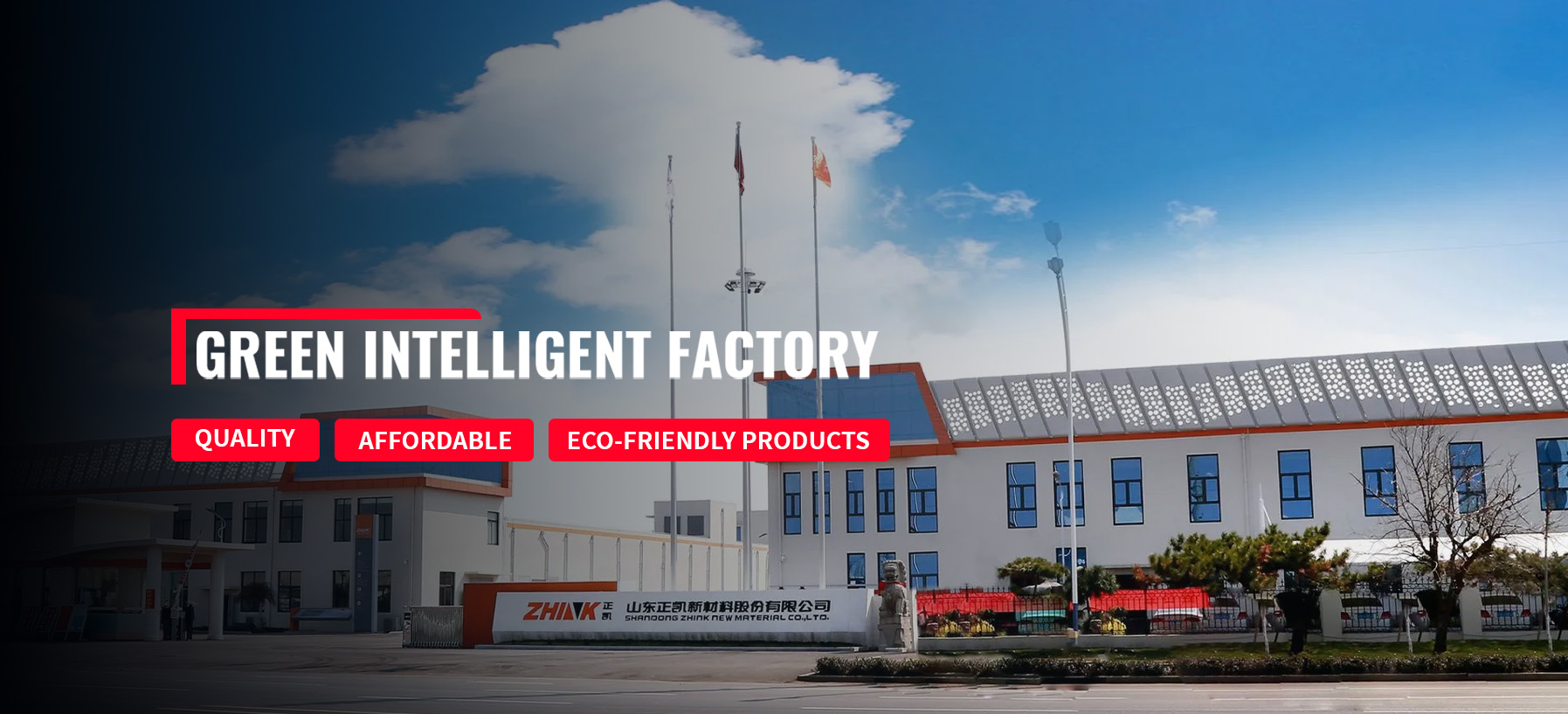
There’s the notion that Anti-UV garments are uncomfortable or non-breathable. However, advancements by companies like SHANDONG ZHINK NEW MATERIAL CO., LTD have been game-changers. Their innovations focus on balancing protection and comfort, where specialized fibers are developed for this very balance. More details are available on their website: Zhink New Material.
And then there's the idea that Anti-UV textiles don’t require any maintenance. While they are indeed more robust against sun damage, care instructions should be followed to maintain their properties.
The Role of Fabric Composition
Real-world tests taught me the value of blend compositions. Fabrics that combine synthetic and natural fibers often yield the best results in terms of breathability and protection. Polyamide or polyester with a touch of elastane, for instance, enhances comfort without compromising on UV defense.
I recall an instance where a client was puzzled by the variance in UV protection despite purchasing two garments labeled similarly. It came down to fabric density and composition—a finer weave often means better protection.
Fabrics from Zhink New Material exemplify this well. By integrating innovative fibers with precise weaving techniques, they achieve a textile that's not just effective but wearable in diverse conditions.
Practical Application and Testing
A critical step in understanding how well a garment performs is through UV testing. This can be as simple as using a UV light and observing penetration rates, but for comprehensive results, specialized labs conduct in-depth analysis.
In my work, I've often partnered with labs to provide concrete data. We've frequently been surprised by results. For instance, several seemingly light materials, once treated, outperformed thicker conventional fabrics.
Zhink New Material has invested heavily in R&D to refine their products' testing processes, ensuring that consumers get verified, high-quality protection—not just promises.
Designing for Different Needs
Anti-UV textiles are expanding beyond just regular apparel. I’ve seen emerging interests in outdoor sports gear and even home textiles like curtains and tents that utilize these protective properties.
It's fascinating how designs have evolved to cater to various outdoor activities. For instance, cyclists demand streamlined, breathable attire that’s not just protective but also enhances performance under the sun.
Companies like SHANDONG ZHINK NEW MATERIAL CO., LTD are key players in innovating these designs, ensuring safety does not compromise activity.
Future Directions in Anti-UV Fabrics
Looking ahead, the focus is on sustainability alongside high performance. As our understanding grows, so does the desire for eco-friendly solutions without sacrificing UV protection.
This is an area where SHANDONG ZHINK NEW MATERIAL CO., LTD excels, aiming to provide greener alternatives while maintaining their fabric’s integrity. Their commitment can be explored further on their website.
It's an exciting era for textiles, where the marriage of science and fashion is set to redefine how we experience sun protection in everyday life.
Related Products
Related Products