+86-632-3621866
- Chinese
- French
- German
- Portuguese
- Spanish
- Russian
- Japanese
- Korean
- Arabic
- Irish
- Greek
- Turkish
- Italian
- Danish
- Romanian
- Indonesian
- Czech
- Afrikaans
- Swedish
- Polish
- Basque
- Catalan
- Esperanto
- Hindi
- Lao
- Albanian
- Amharic
- Armenian
- Azerbaijani
- Belarusian
- Bengali
- Bosnian
- Bulgarian
- Cebuano
- Chichewa
- Corsican
- Croatian
- Dutch
- Estonian
- Filipino
- Finnish
- Frisian
- Galician
- Georgian
- Gujarati
- Haitian
- Hausa
- Hawaiian
- Hebrew
- Hmong
- Hungarian
- Icelandic
- Igbo
- Javanese
- Kannada
- Kazakh
- Khmer
- Kurdish
- Kyrgyz
- Latin
- Latvian
- Lithuanian
- Luxembou..
- Macedonian
- Malagasy
- Malay
- Malayalam
- Maltese
- Maori
- Marathi
- Mongolian
- Burmese
- Nepali
- Norwegian
- Pashto
- Persian
- Punjabi
- Serbian
- Sesotho
- Sinhala
- Slovak
- Slovenian
- Somali
- Samoan
- Scots Gaelic
- Shona
- Sindhi
- Sundanese
- Swahili
- Tajik
- Tamil
- Telugu
- Thai
- Ukrainian
- Urdu
- Uzbek
- Vietnamese
- Welsh
- Xhosa
- Yiddish
- Yoruba
- Zulu
- Kinyarwanda
- Tatar
- Oriya
- Turkmen
- Uyghur


Australian wool
Understanding the Quality and Challenges of Australian Wool
Discover the world of Australian wool with its unmatched quality and unique challenges in the global textile industry. From the farms to fashion houses, understand why it remains coveted yet complex.
The Allure of Australian Wool
When people talk about Australian wool, they often mention its softness, strength, and natural sheen. It’s not just hype; these attributes set Australian wool apart. But what often gets overshadowed is the rigorous journey from sheep to store. I’ve seen firsthand the meticulous care and expertise that goes into producing this wool. Farmers out in the vast landscapes have honed their craft through generations, ensuring each fleece meets stringent quality standards.
One common misconception is that all wool is alike. Not quite. The conditions in Australia, such as climate and terrain, play a large role in producing high-quality wool. This fine Merino wool is particularly sought after in premium markets. Consumers might not realize it, but behind every cozy sweater, there is a tale of precise breeding and optimal grazing.
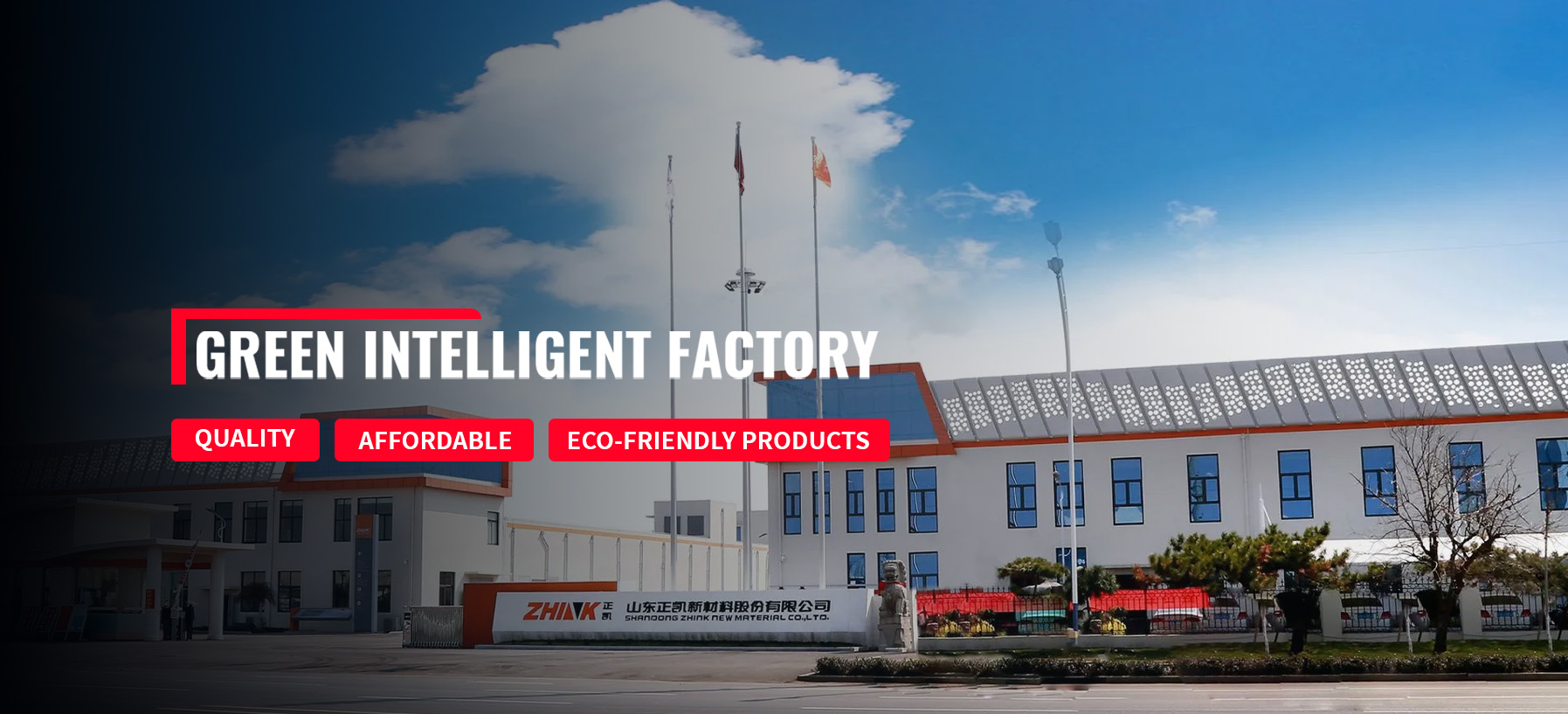
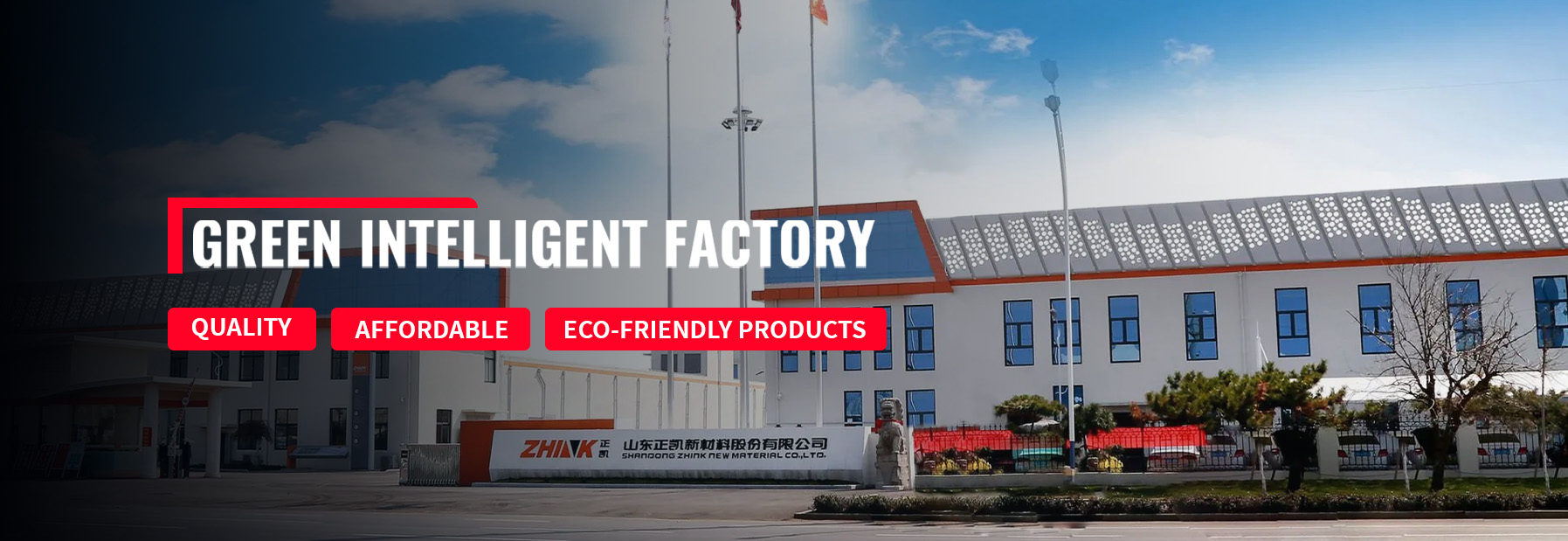
Even big brands and industries like those represented by SHANDONG ZHINK NEW MATERIAL CO., LTD are keenly aware of this. They heavily invest in sourcing top-tier materials for their research and development initiatives. You can find more about their efforts at ZHINK Yarn.
Challenges on the Ground
However, producing and marketing Australian wool is not without hurdles. At the farm level, droughts have posed a recurrent threat. I recall visiting a farm where they had to make tough decisions due to water scarcity, impacting not just quantity but quality too. This is why sustainability is becoming an integral part of the conversation in the industry.
Sustainability isn't just a buzzword here. Farmers and companies are genuinely trying to adapt to these environmental challenges. There’s a push towards using less water and enhancing pastureland through more sustainable practices. The involvement of organizations keen on innovation, like SHANDONG ZHINK NEW MATERIAL CO., LTD, shows that these efforts are gaining traction.
There’s also the global market competition. With numerous countries entering the premium wool segment, Australia must justify the premium on their wool. The cost, coupled with logistics, can sometimes hinder their comparative advantage.
Technological Innovations
Yet, technology offers promising solutions for some of these issues. I had a chance to visit a processing plant integrating cutting-edge technology to improve efficiency and reduce waste. Such advancements aim to ensure that the wool industry remains viable and competitive on the global stage.
What's fascinating is how these technological shifts are embraced. You see, it’s not just about producing new textile materials but ensuring they meet evolving market demands. This is where companies like SHANDONG ZHINK NEW MATERIAL CO., LTD come into play, driving forwarding-thinking solutions.
The introduction of digital platforms and tools has also improved transparency and traceability in the wool supply chain. From farm data to consumer insights, technology helps bridge the gap, offering consumers more information about where their products originate.
Navigating Market Demands
The global demand for eco-friendly products is proving advantageous for Australian wool. Its natural, renewable, and biodegradable nature aligns well with current consumer trends. But the industry needs to continue adapting and marketing these attributes better.
While attending a textile conference, I learned that retailers are leaning towards partnerships that promise not just quality but ethical sourcing. It’s here that ZHINK Yarn ensures adherence to ethical standards, responding to these market shifts effectively.
It’s imperative for Australian growers to consistently communicate the benefits and stories behind their wool to maintain relevance and command premium pricing in such a competitive environment.
The Future Ahead
So, where does Australian wool stand in the coming years? If there's anything my experience has taught me, it's that resilience and adaptation will be key. The industry is poised at a crucial juncture with sustainability and innovation driving the wheel.
On a visit to SHANDONG ZHINK NEW MATERIAL CO., LTD, discussions often leaned towards bridging traditional practices with groundbreaking research. This blend can pave the way for exciting developments in the textile industry.
In sum, as the world leans into more sustainable and ethically produced materials, Australian wool is well-placed, albeit with challenges that require continuous efforts and collaboration across the supply chain. The journey is ongoing, and every stakeholder plays a part in scripting its future.
Related Products
Related Products