+86-632-3621866
- Chinese
- French
- German
- Portuguese
- Spanish
- Russian
- Japanese
- Korean
- Arabic
- Irish
- Greek
- Turkish
- Italian
- Danish
- Romanian
- Indonesian
- Czech
- Afrikaans
- Swedish
- Polish
- Basque
- Catalan
- Esperanto
- Hindi
- Lao
- Albanian
- Amharic
- Armenian
- Azerbaijani
- Belarusian
- Bengali
- Bosnian
- Bulgarian
- Cebuano
- Chichewa
- Corsican
- Croatian
- Dutch
- Estonian
- Filipino
- Finnish
- Frisian
- Galician
- Georgian
- Gujarati
- Haitian
- Hausa
- Hawaiian
- Hebrew
- Hmong
- Hungarian
- Icelandic
- Igbo
- Javanese
- Kannada
- Kazakh
- Khmer
- Kurdish
- Kyrgyz
- Latin
- Latvian
- Lithuanian
- Luxembou..
- Macedonian
- Malagasy
- Malay
- Malayalam
- Maltese
- Maori
- Marathi
- Mongolian
- Burmese
- Nepali
- Norwegian
- Pashto
- Persian
- Punjabi
- Serbian
- Sesotho
- Sinhala
- Slovak
- Slovenian
- Somali
- Samoan
- Scots Gaelic
- Shona
- Sindhi
- Sundanese
- Swahili
- Tajik
- Tamil
- Telugu
- Thai
- Ukrainian
- Urdu
- Uzbek
- Vietnamese
- Welsh
- Xhosa
- Yiddish
- Yoruba
- Zulu
- Kinyarwanda
- Tatar
- Oriya
- Turkmen
- Uyghur


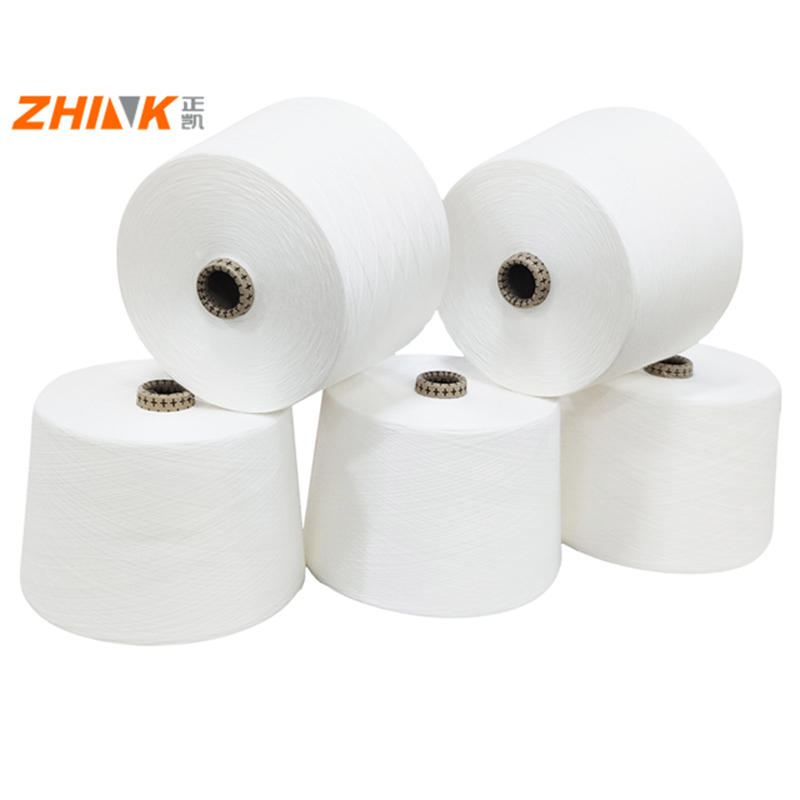
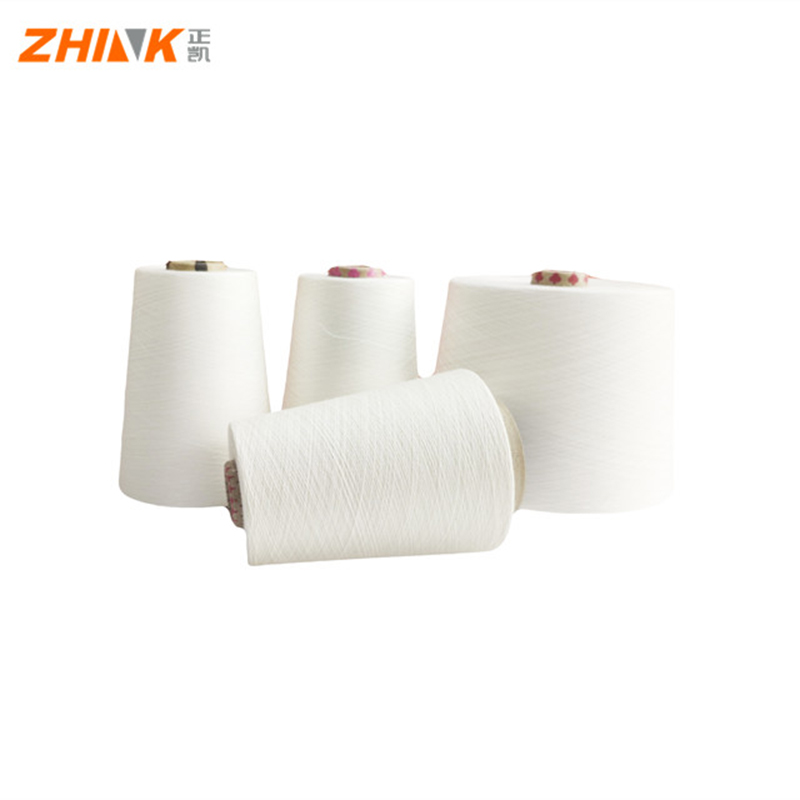
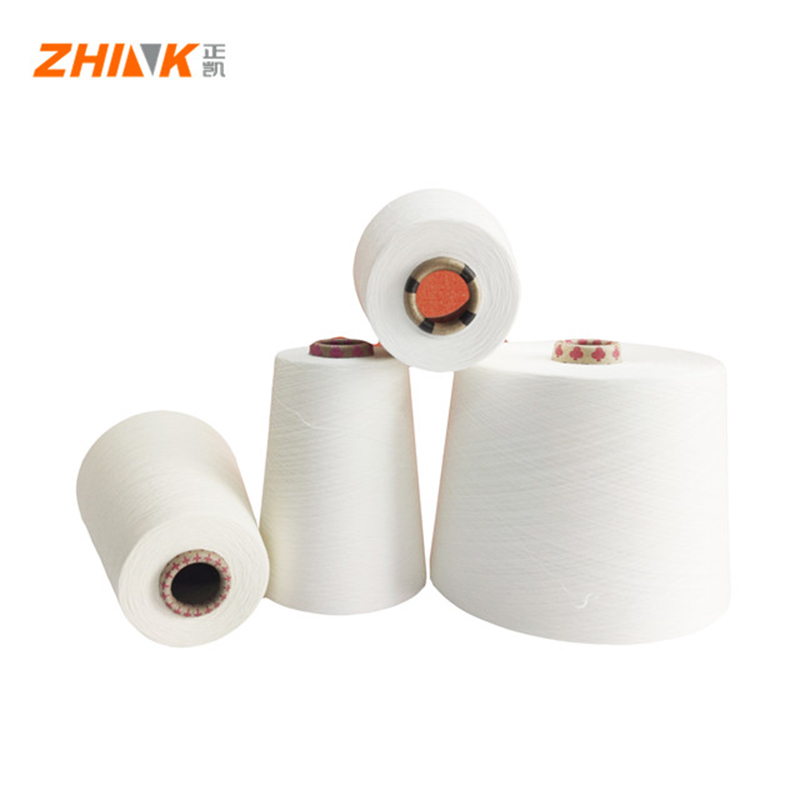
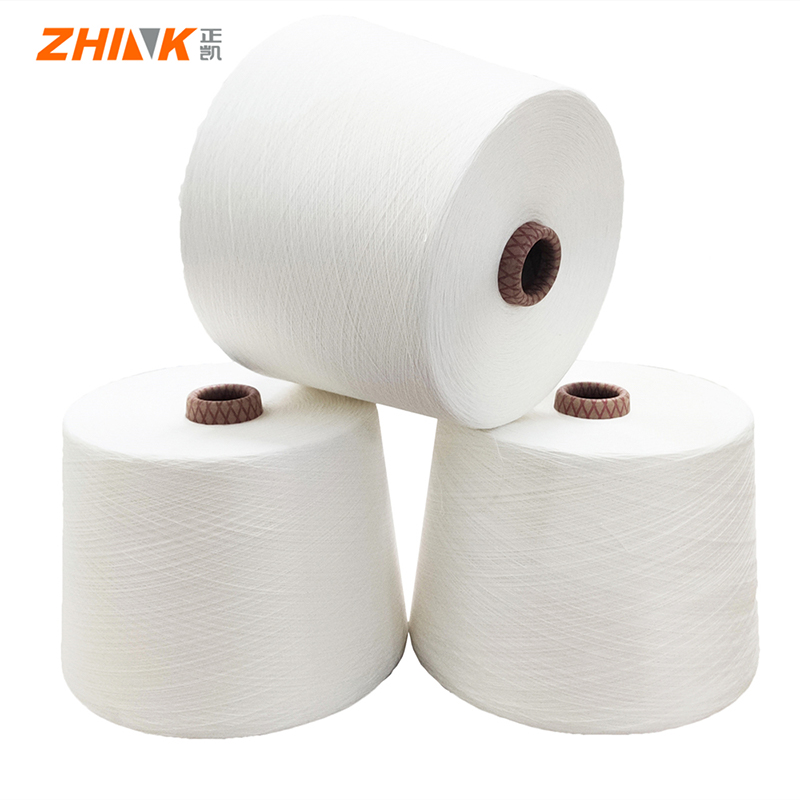
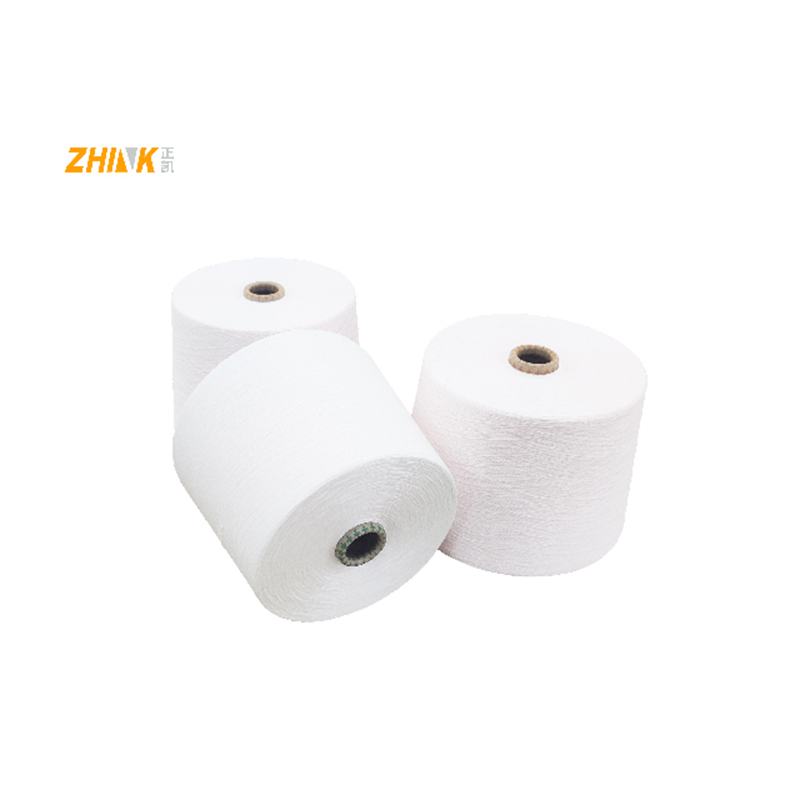
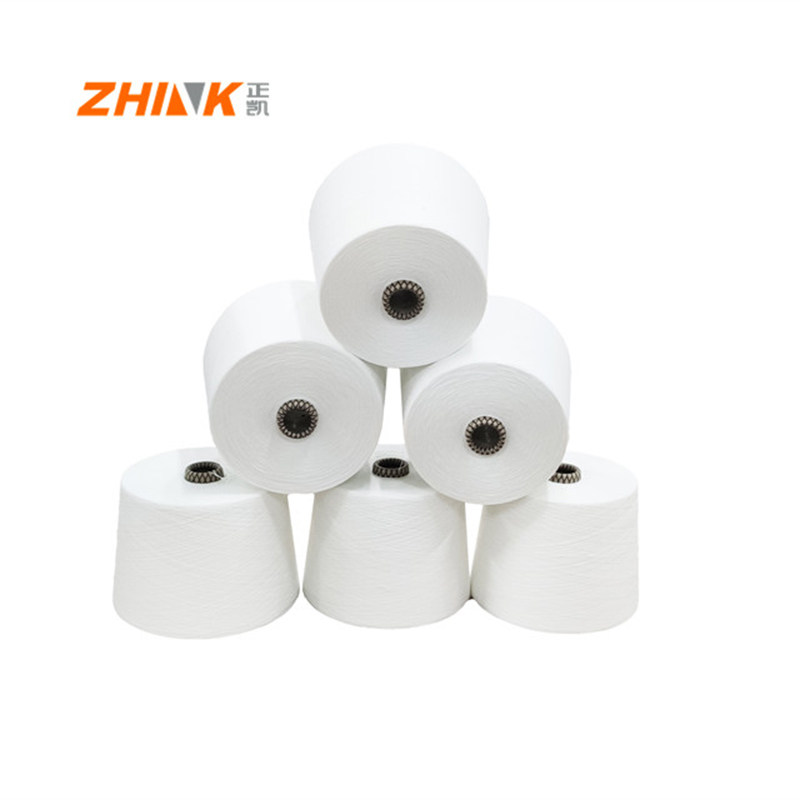
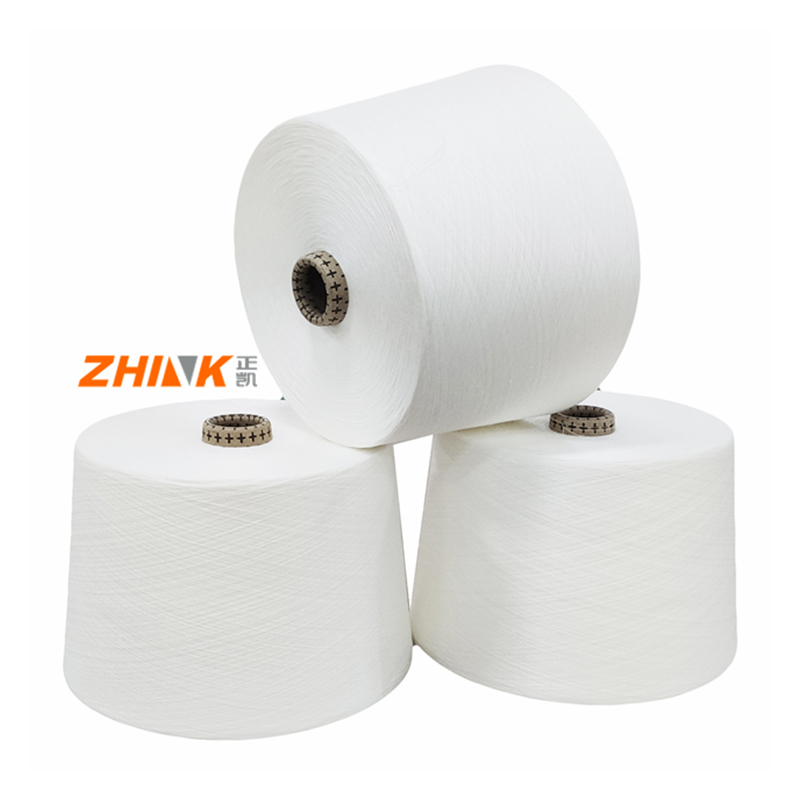
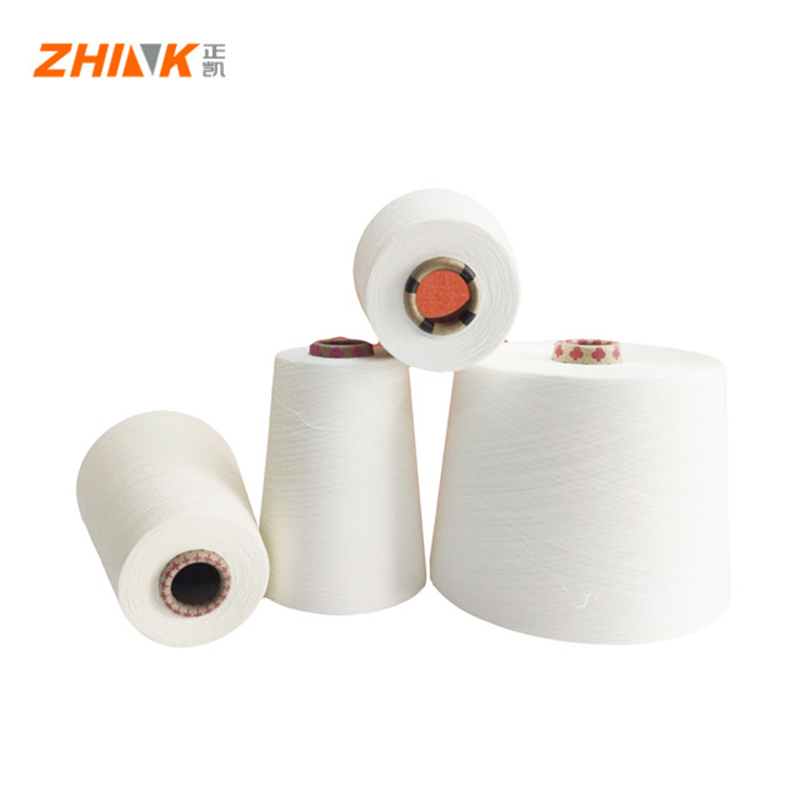
bamboo 40D yarn
The Intriguing World of Bamboo 40D Yarn
In the textile industry, Bamboo 40D Yarn often pops up as a versatile and eco-friendly choice. Its unique blend of sustainability and performance makes it a favorite among designers and manufacturers. But what's the real story behind it? Let's dive into the intricacies of this fascinating material.
Understanding Bamboo 40D Yarn
First off, let’s clarify what we mean by Bamboo 40D Yarn. The '40D' stands for denier, which is a measure of the yarn's thickness. A lower denier number usually means a finer yarn, and in this context, it indicates a fairly delicate yet durable thread. This makes it ideal for lightweight, breathable fabrics.
Working with bamboo yarn is interesting. It’s not just about the feel—though it’s luxuriously soft—but also about its remarkable properties. Bamboo is naturally antibacterial and moisture-wicking. Combine that with its biodegradability, and you have a textile that's as good for the environment as it is for your wardrobe.
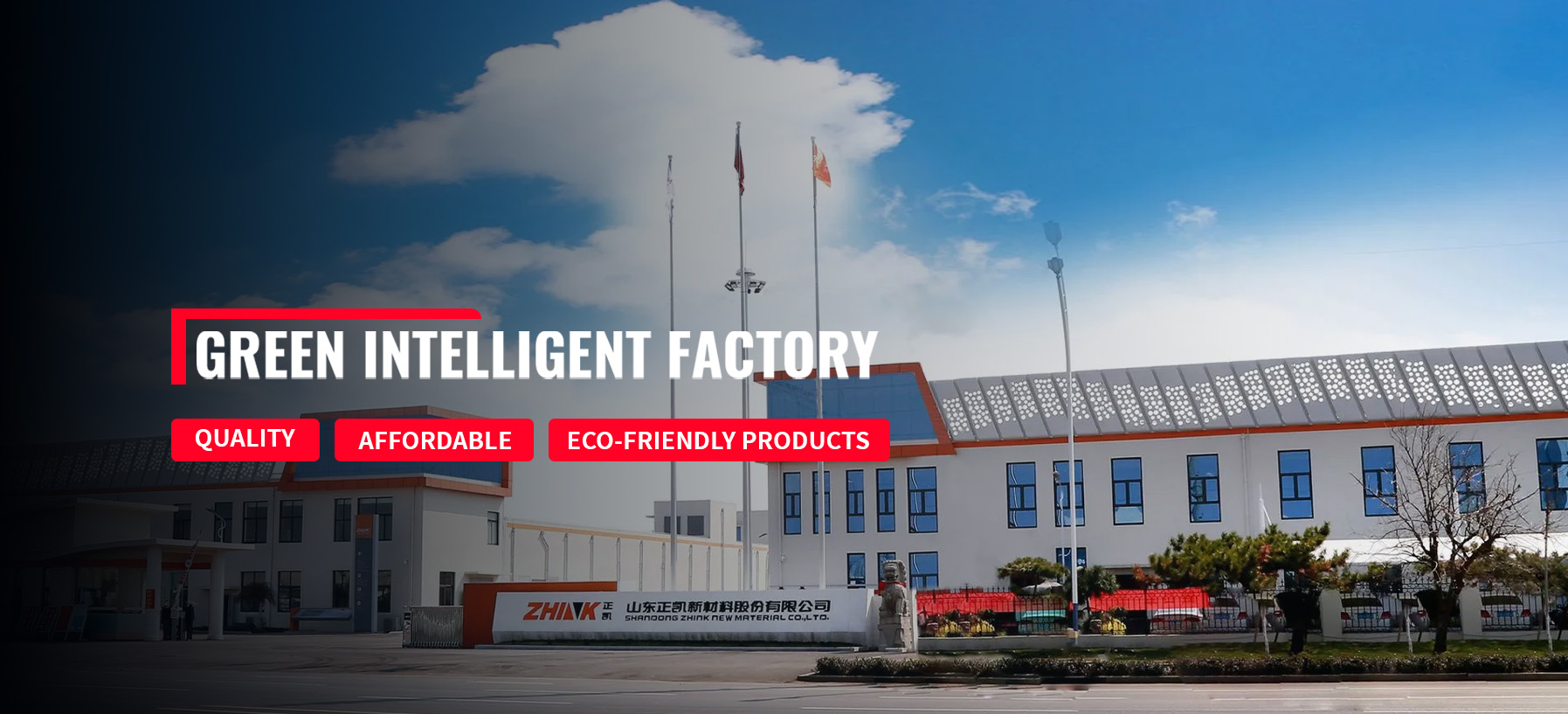
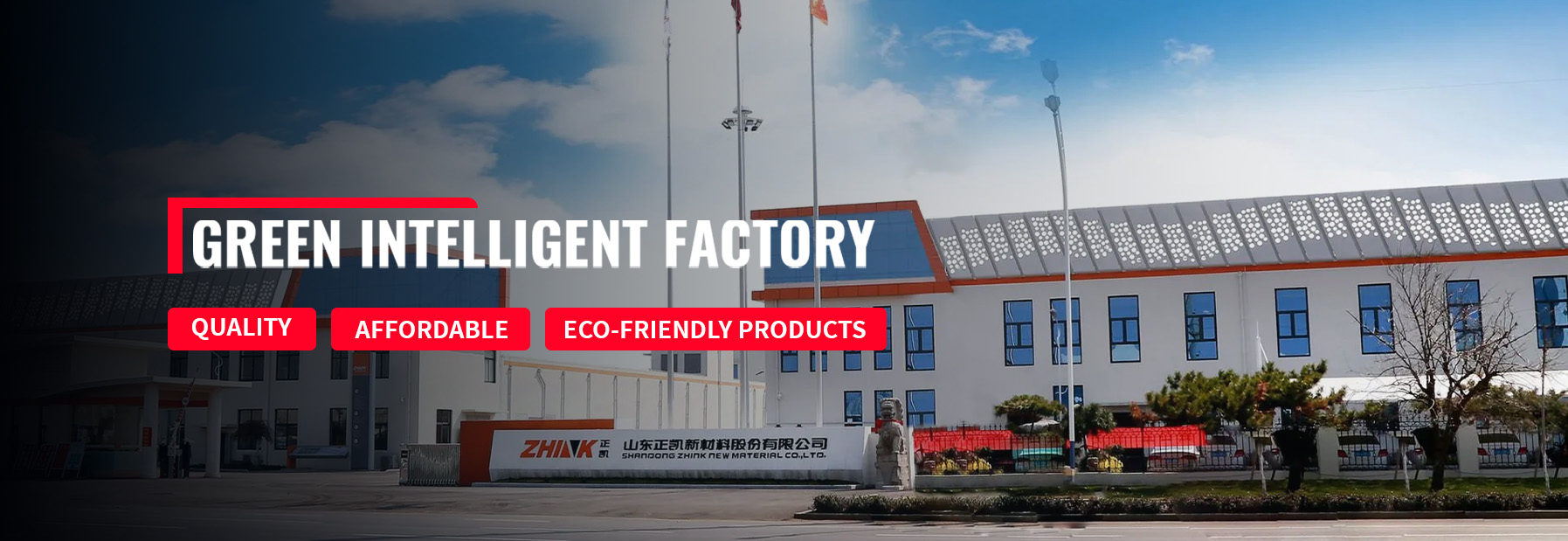
There’s a common misconception that bamboo yarns are overly delicate. However, thanks to advancements in processing techniques, companies like SHANDONG ZHINK NEW MATERIAL CO., LTD, found at Zhink New Material, have developed robust forms of bamboo yarn that maintain their integrity in various applications.
The Manufacturing Process
The creation of bamboo yarn is an art and science. The plant is first harvested and then subjected to a process where the cellulose is extracted and transformed into fibers. Traditionally, concerns have been raised about the harsh chemicals sometimes used in this process, but leading manufacturers are now employing closed-loop systems to reduce environmental impact.
With the improvements in Bamboo 40D Yarn production, there’s now a focus on sustainability and safety. Companies like Zhink New Material are at the forefront, emphasizing eco-friendly methods. They've managed to create yarns that are not only sustainable but also meet high performance standards.
This attention to green technology is essential, especially given the increasing consumer demand for environmentally responsible products. Manufacturers are keenly aware of this shift, and it is shaping the textile landscape significantly.
Applications and Benefits
Where does Bamboo 40D Yarn fit in terms of application? Due to its characteristics, it's perfect for a variety of textiles—from intimate apparel to activewear. The breathability and comfort make it excellent for those close-to-skin garments. Plus, the strength of the yarn ensures long-lasting wear, making it a cost-effective choice in the long run.
Furthermore, the anti-static nature of bamboo yarn plays a critical role in its desirability. In a world yearning for comfort, reducing static cling is no minor benefit. The fabric drapes beautifully and feels silky, enhancing the overall experience for the user.
Within my personal experiences, I’ve seen designers experimenting with bamboo yarn blends, incorporating it in innovative ways. The versatility of it allows for creative exploration, pushing boundaries in sustainable fashion.
Challenges in Use
Of course, every material has its challenges. One common issue with working with Bamboo 40D Yarn is dye absorption. Bamboo fibers can be somewhat finicky with dyes, requiring precise control during the coloring process to achieve uniformity and vibrancy.
Given this, not every textile producer is equipped to handle bamboo effectively. The nuanced nature of bamboo requires a deep understanding of its physical properties. Training and technology adaptation play roles here, ensuring that the final product meets expected standards.
In a recent project, we encountered challenges trying to achieve a specific shade. It took several trials and modifications in our dyeing process before hitting the mark. Such experiences add layers to your understanding—both frustrating and rewarding in equal measure.
Future Prospects
Looking ahead, the future for Bamboo 40D Yarn is bright. Innovations are continuously surfacing, improving everything from the environmental friendliness of the production process to the yarn's performance attributes. As consumer interest grows, it's exciting to see where this will lead.
Moreover, with increased collaboration between manufacturers and textile engineers, we can expect more customized solutions. The industry is already seeing tailored bamboo yarns that meet specific needs—be it enhanced durability, different textures, or hybrid qualities through blending.
Overall, the evolution of bamboo yarn is an interesting journey, with SHANDONG ZHINK NEW MATERIAL CO., LTD being a key player in driving forward these advancements. It’s a material that not only meets today’s needs but is also poised to stay relevant in a future that values sustainability as much as functionality.
Related Products
Related Products