+86-632-3621866
- Chinese
- French
- German
- Portuguese
- Spanish
- Russian
- Japanese
- Korean
- Arabic
- Irish
- Greek
- Turkish
- Italian
- Danish
- Romanian
- Indonesian
- Czech
- Afrikaans
- Swedish
- Polish
- Basque
- Catalan
- Esperanto
- Hindi
- Lao
- Albanian
- Amharic
- Armenian
- Azerbaijani
- Belarusian
- Bengali
- Bosnian
- Bulgarian
- Cebuano
- Chichewa
- Corsican
- Croatian
- Dutch
- Estonian
- Filipino
- Finnish
- Frisian
- Galician
- Georgian
- Gujarati
- Haitian
- Hausa
- Hawaiian
- Hebrew
- Hmong
- Hungarian
- Icelandic
- Igbo
- Javanese
- Kannada
- Kazakh
- Khmer
- Kurdish
- Kyrgyz
- Latin
- Latvian
- Lithuanian
- Luxembou..
- Macedonian
- Malagasy
- Malay
- Malayalam
- Maltese
- Maori
- Marathi
- Mongolian
- Burmese
- Nepali
- Norwegian
- Pashto
- Persian
- Punjabi
- Serbian
- Sesotho
- Sinhala
- Slovak
- Slovenian
- Somali
- Samoan
- Scots Gaelic
- Shona
- Sindhi
- Sundanese
- Swahili
- Tajik
- Tamil
- Telugu
- Thai
- Ukrainian
- Urdu
- Uzbek
- Vietnamese
- Welsh
- Xhosa
- Yiddish
- Yoruba
- Zulu
- Kinyarwanda
- Tatar
- Oriya
- Turkmen
- Uyghur


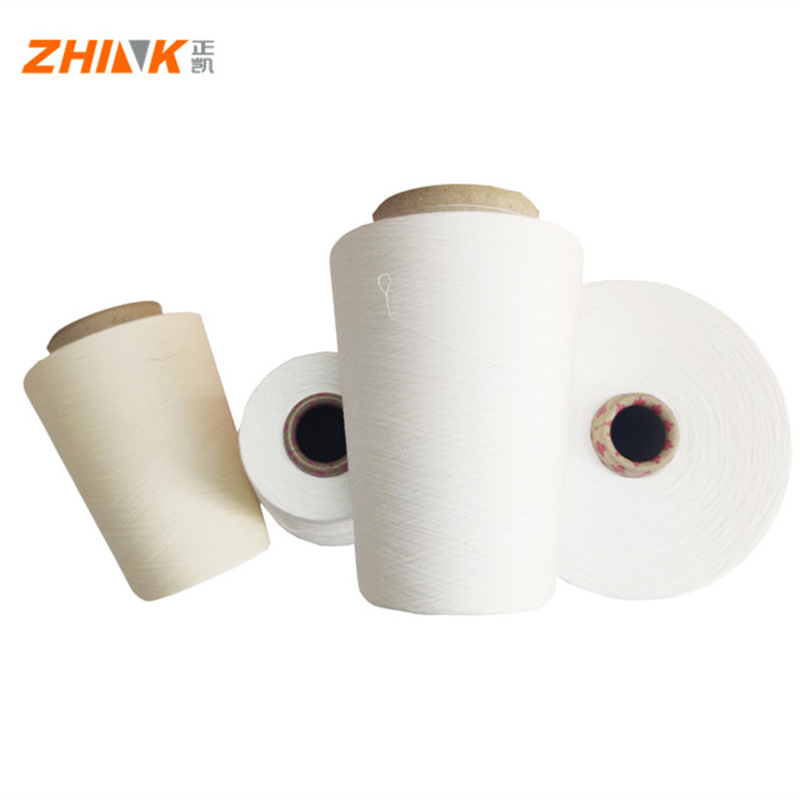
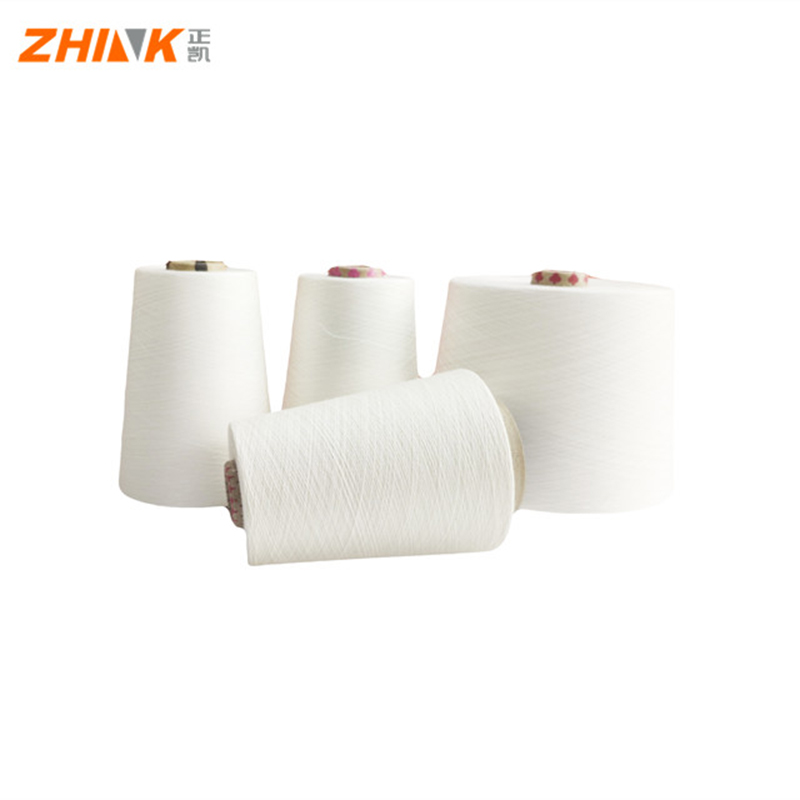
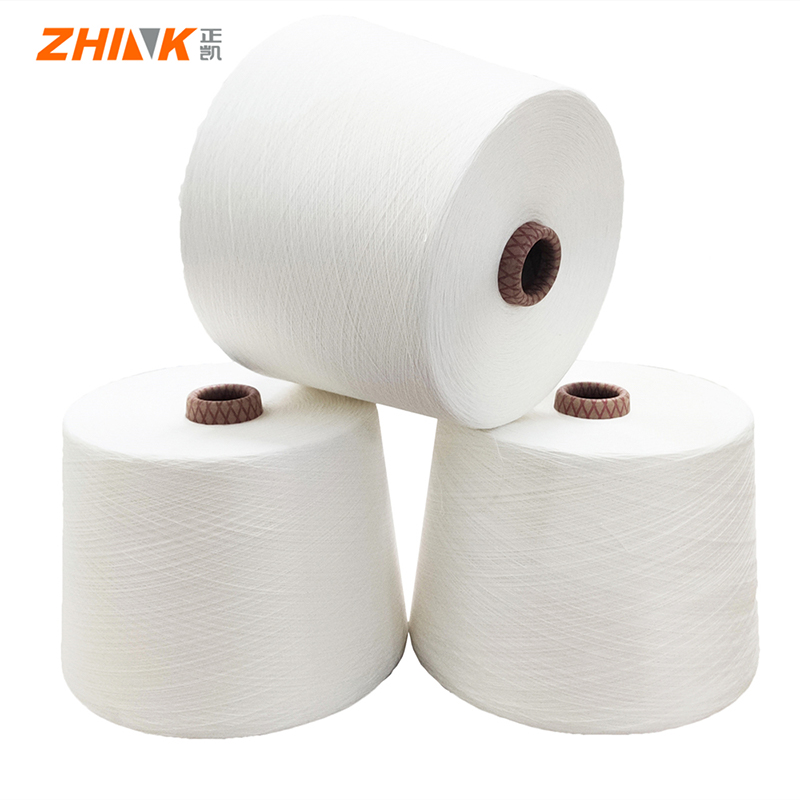
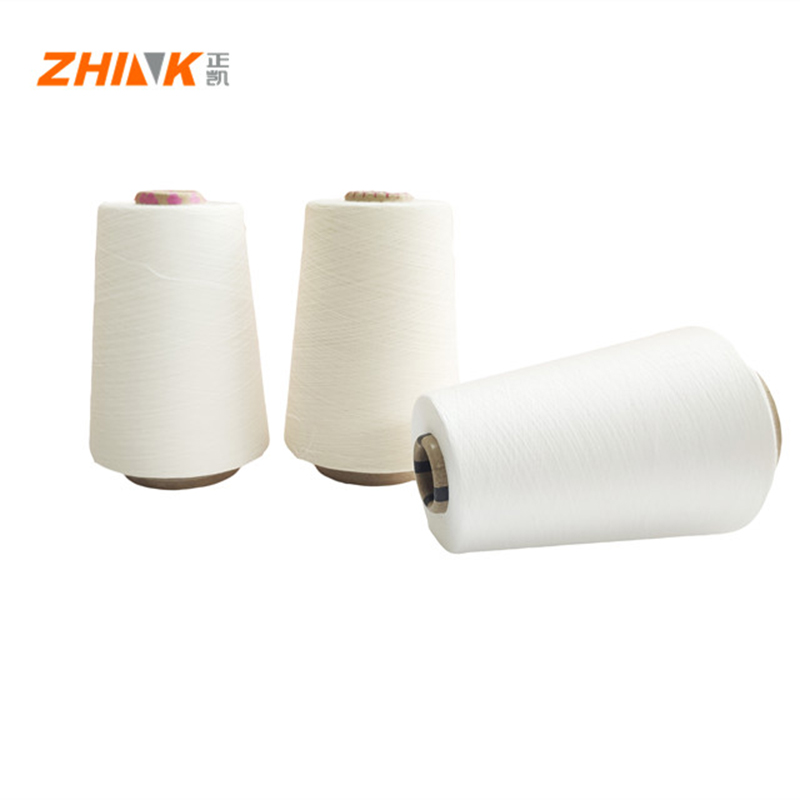
Bamboo blended yarn
html
The Versatility of Bamboo Blended Yarn
Bamboo blended yarn, a growing star in the textile industry, merges sustainability with innovation. But why is it gaining such traction? Delve into its benefits and challenges through the eyes of industry insiders.
Understanding Bamboo Blended Yarn
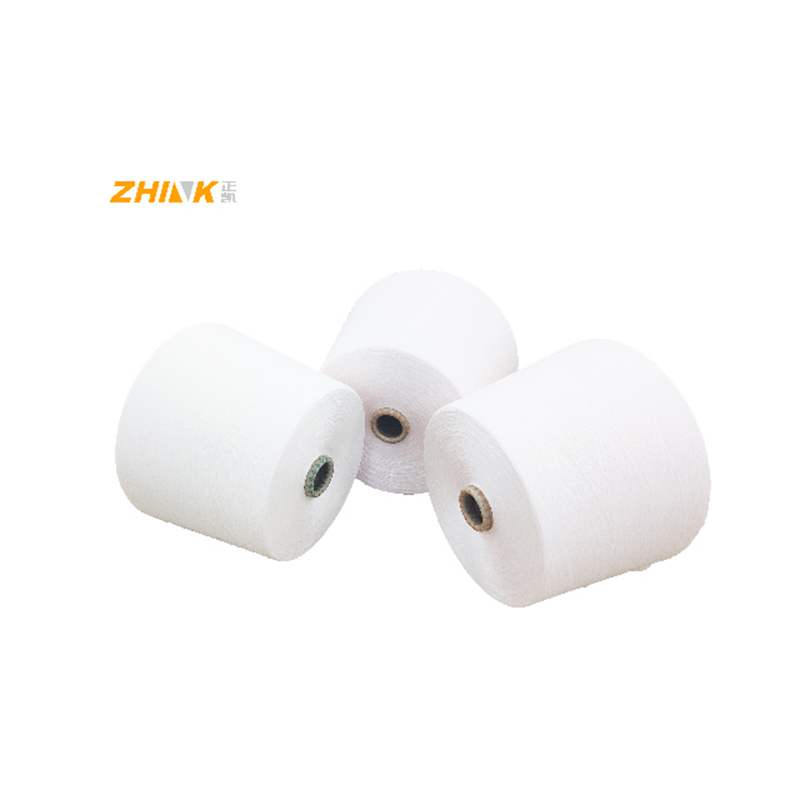
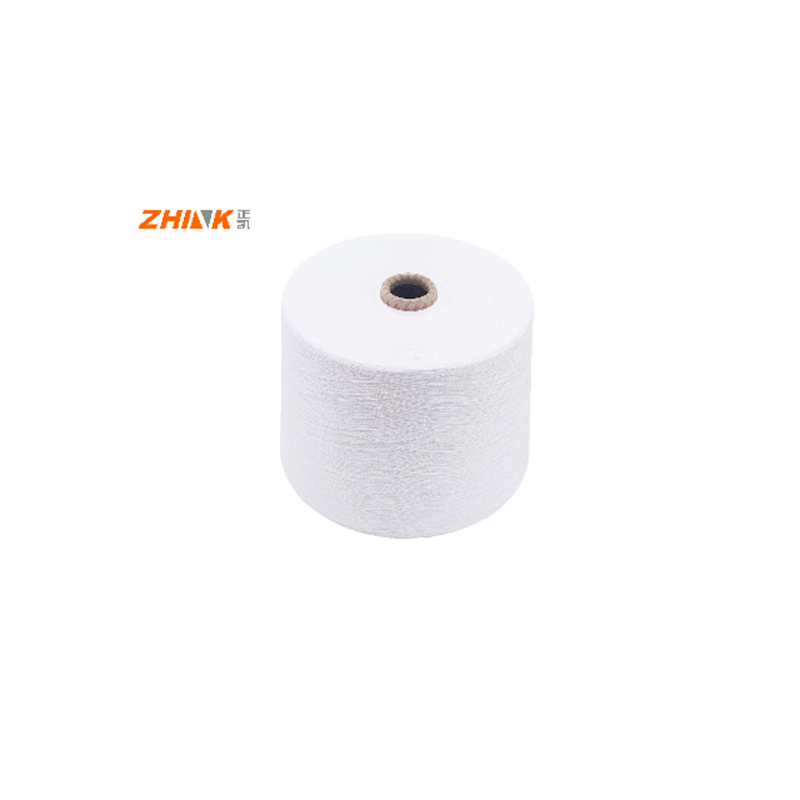
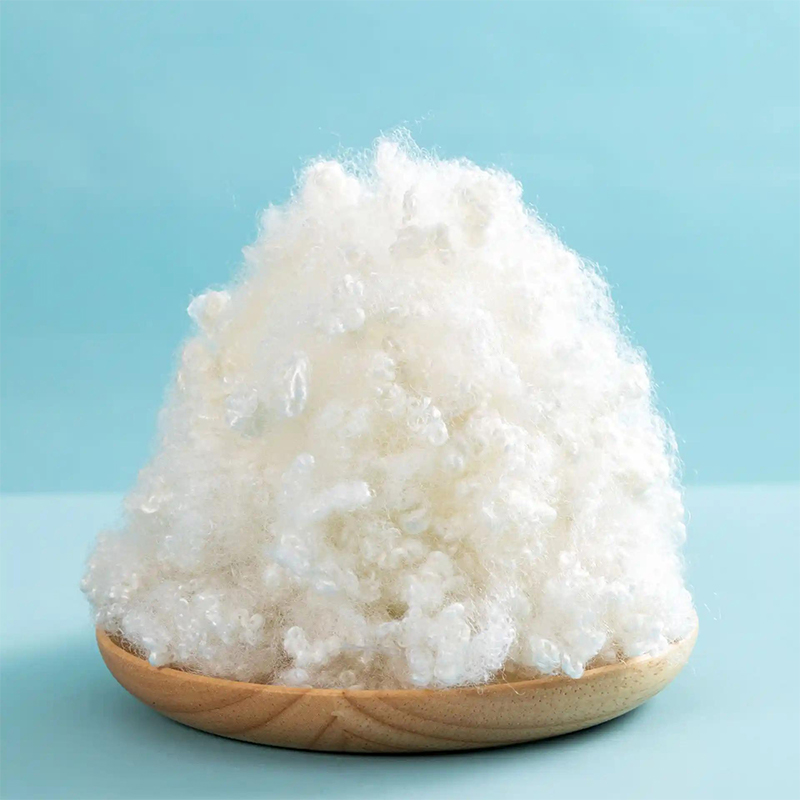
Let's start by breaking down what bamboo blended yarn really is. At its essence, it combines bamboo fibers with other textile materials like cotton or wool. The result? A yarn that boasts bamboo's natural qualities—softness, breathability, and antibacterial properties.
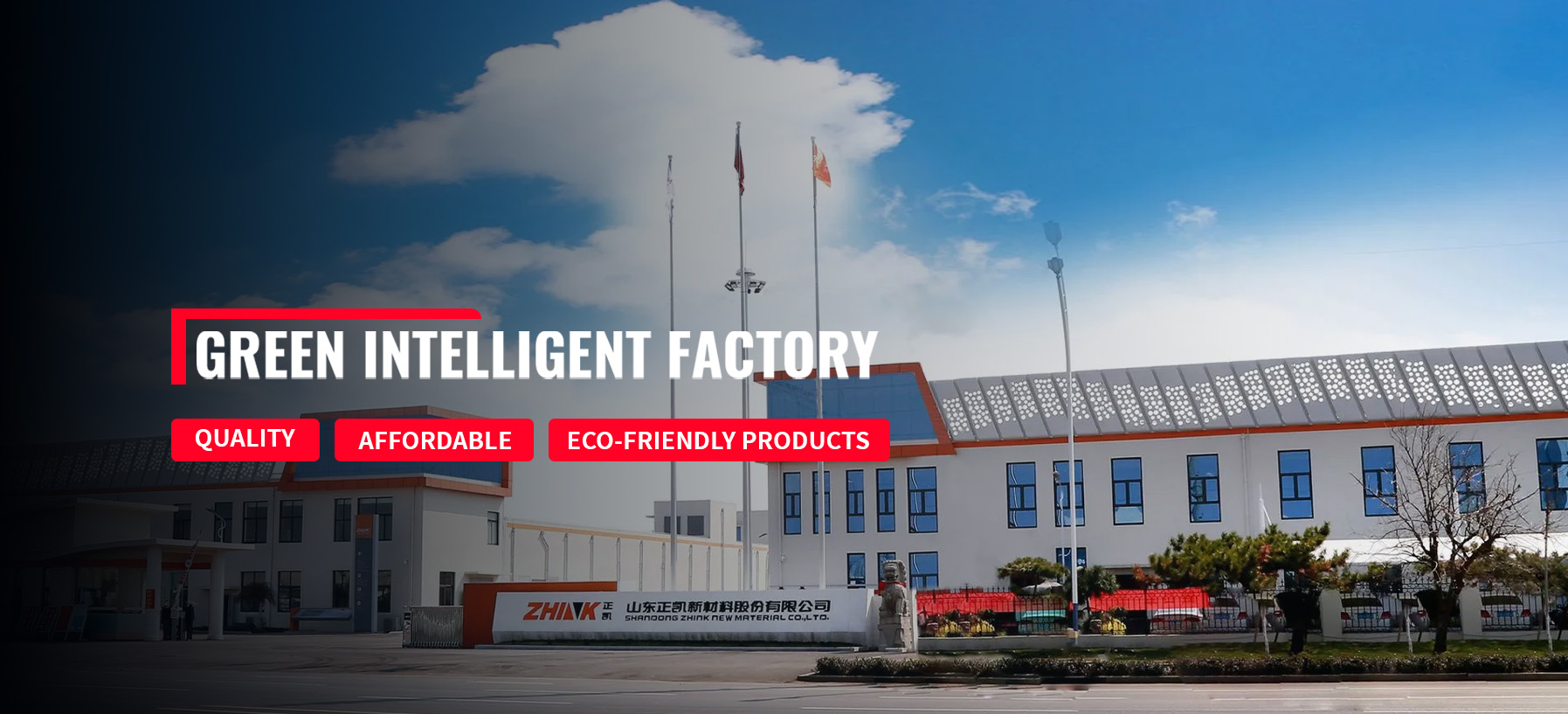
When I first came across bamboo blended yarn at SHANDONG ZHINK NEW MATERIAL CO., LTD, I was intrigued. Their R&D efforts uncover a wide array of possibilities. One key aspect that stood out was how effectively bamboo can enhance the properties of traditional fibers.
Yet, it’s not all smooth sailing. Balancing the blend to maintain maximum benefits without compromising fiber integrity is crucial. I've witnessed this complex process firsthand—finding that sweet spot takes expert tuning and, sometimes, a bit of trial and error.
The Production Journey
The production of bamboo fibers involves a fascinating process often discussed less than it should be. At Zhink New Material, the focus on sustainable practices during production sets a benchmark. They ensure the mechanical extraction of bamboo pulp is efficient yet gentle, preserving the environment.
But here's where it gets tricky: once you've got the pure bamboo fiber, blending it with other fibers must be done with precision. Variances in temperature and humidity can disrupt the entire production line, a challenge that even seasoned manufacturers face.
Not surprisingly, some blends don't make it past the R&D phase. I recall a particular instance where a promising bamboo blend ended up too fragile for commercial use, teaching us that innovation is as much about learning from setbacks as it is about breakthroughs.
Versatility Meets Sustainability
Bamboo blended yarn isn’t just about eco-friendly halo; it’s the versatility that's attracting brands and designers. From high fashion to everyday wear, this yarn adapts remarkably well.
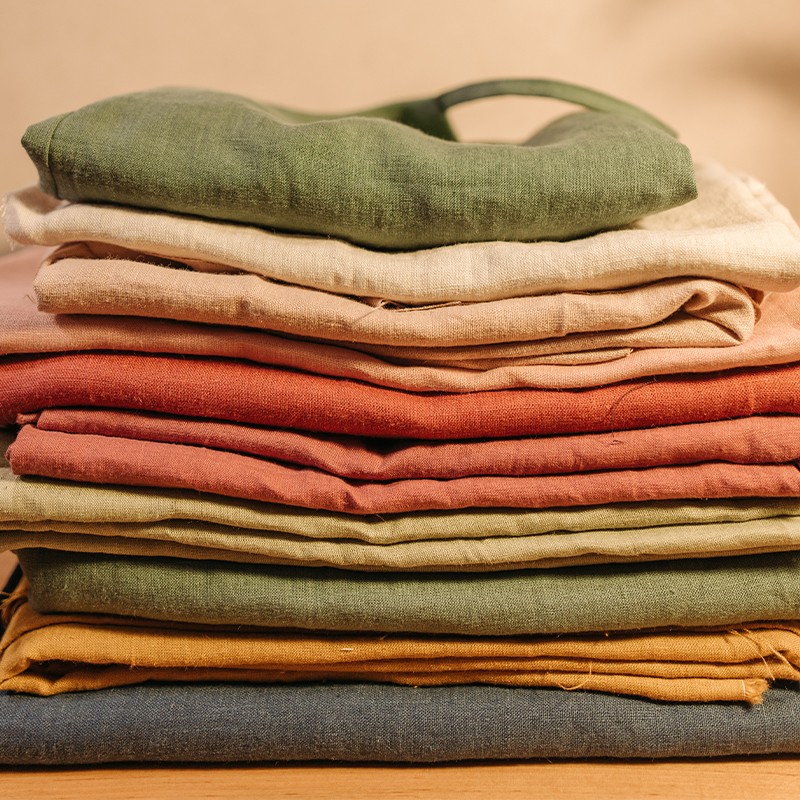
Take for example a partnership between Zhink New Material and a local fashion brand. They sought a fabric that embodied sustainability without compromising style. Bamboo's natural sheen and smooth texture made it a fit for their eco-conscious collection. The finished garments were notably lightweight yet warm, a duality hard to achieve with single-fiber yarns.
This versatility does come with its challenges. Market demands can push for ever-more diverse blend types—each necessitating distinct production tweaks and testing. It’s a dynamic field requiring perpetual adjustment and adaptability.
Market Trends and Consumer Perspectives
Market dynamics often dictate innovation direction. Currently, the trend leans heavily towards sustainable materials, and bamboo blends meet this demand head-on. Consumers are not just looking for a product but a story—how is it made, and what impact does it have?
When visiting the Zhink website, potential buyers often focus on the transparency of material sourcing and ethical production processes. Building trust with consumers revolves around these narratives as much as product quality.
Despite its rising popularity, convincing consumers of bamboo’s durability over traditional textiles continues to be a challenge. It’s a misconception—perhaps driven by past setbacks—that companies like Zhink New Material must work hard to dispel.
Challenges and Opportunities for the Future
As we move towards a more sustainable future, the potential of bamboo blended yarn remains vast. However, scaling production while maintaining quality and ethical standards is a critical hurdle.
For companies such as SHANDONG ZHINK NEW MATERIAL CO., LTD, the focus on innovative R&D must continue—always aiming to reduce environmental impact and enhance material performance. This commitment paves the way for future advances and establishes new benchmarks in the textile sector.
The real opportunity lies in education—both for industry professionals and consumers. As they become more aware of bamboo’s benefits, its adoption will surely increase, driving a cycle of continual improvement and innovation. It's an exciting time to witness and be a part of a revolution in textile materials.
Related Products
Related Products