+86-632-3621866
- Chinese
- French
- German
- Portuguese
- Spanish
- Russian
- Japanese
- Korean
- Arabic
- Irish
- Greek
- Turkish
- Italian
- Danish
- Romanian
- Indonesian
- Czech
- Afrikaans
- Swedish
- Polish
- Basque
- Catalan
- Esperanto
- Hindi
- Lao
- Albanian
- Amharic
- Armenian
- Azerbaijani
- Belarusian
- Bengali
- Bosnian
- Bulgarian
- Cebuano
- Chichewa
- Corsican
- Croatian
- Dutch
- Estonian
- Filipino
- Finnish
- Frisian
- Galician
- Georgian
- Gujarati
- Haitian
- Hausa
- Hawaiian
- Hebrew
- Hmong
- Hungarian
- Icelandic
- Igbo
- Javanese
- Kannada
- Kazakh
- Khmer
- Kurdish
- Kyrgyz
- Latin
- Latvian
- Lithuanian
- Luxembou..
- Macedonian
- Malagasy
- Malay
- Malayalam
- Maltese
- Maori
- Marathi
- Mongolian
- Burmese
- Nepali
- Norwegian
- Pashto
- Persian
- Punjabi
- Serbian
- Sesotho
- Sinhala
- Slovak
- Slovenian
- Somali
- Samoan
- Scots Gaelic
- Shona
- Sindhi
- Sundanese
- Swahili
- Tajik
- Tamil
- Telugu
- Thai
- Ukrainian
- Urdu
- Uzbek
- Vietnamese
- Welsh
- Xhosa
- Yiddish
- Yoruba
- Zulu
- Kinyarwanda
- Tatar
- Oriya
- Turkmen
- Uyghur



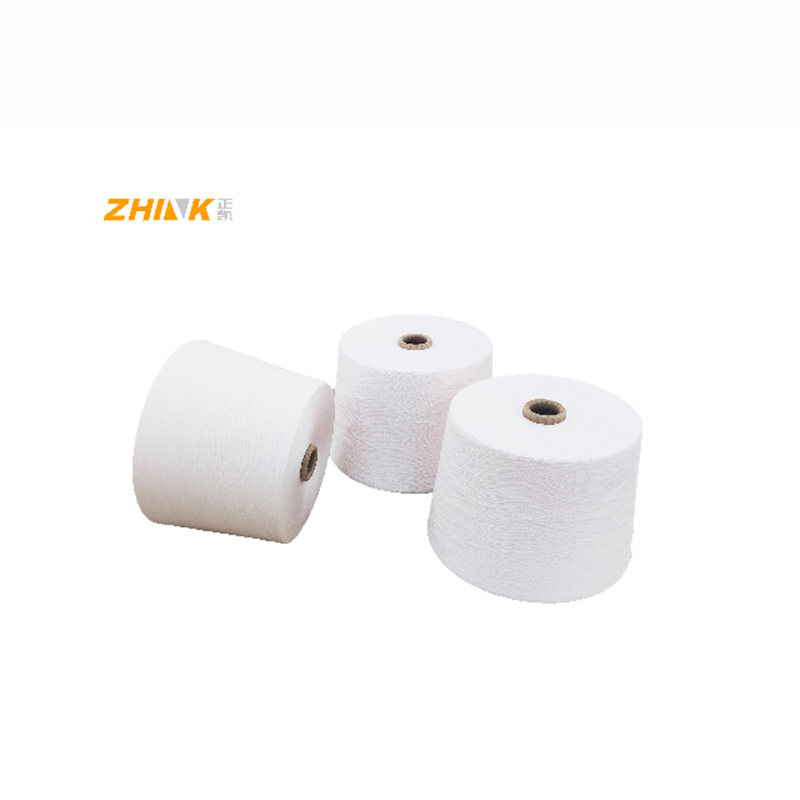
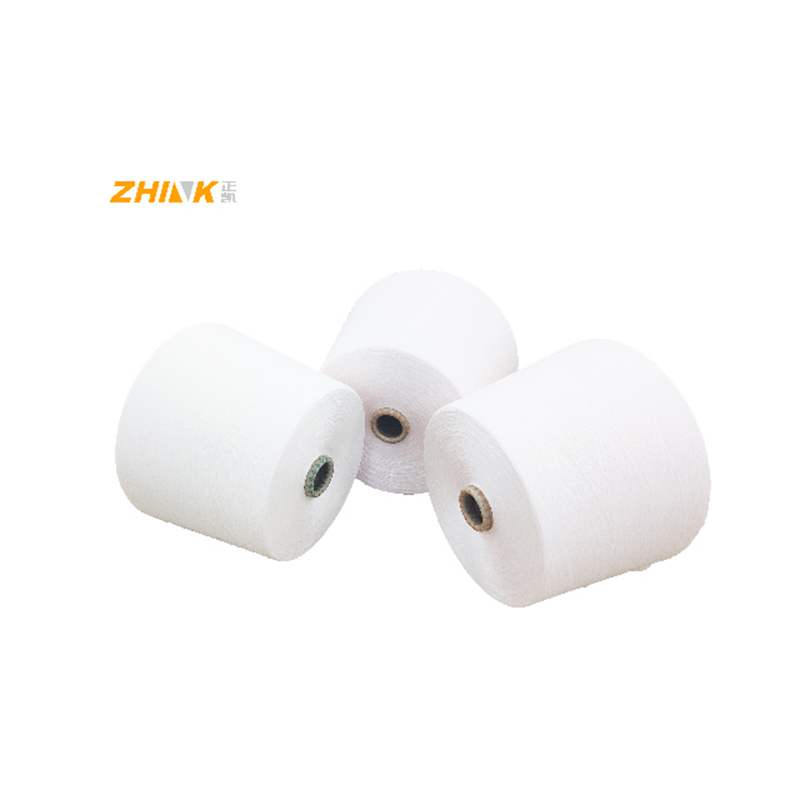
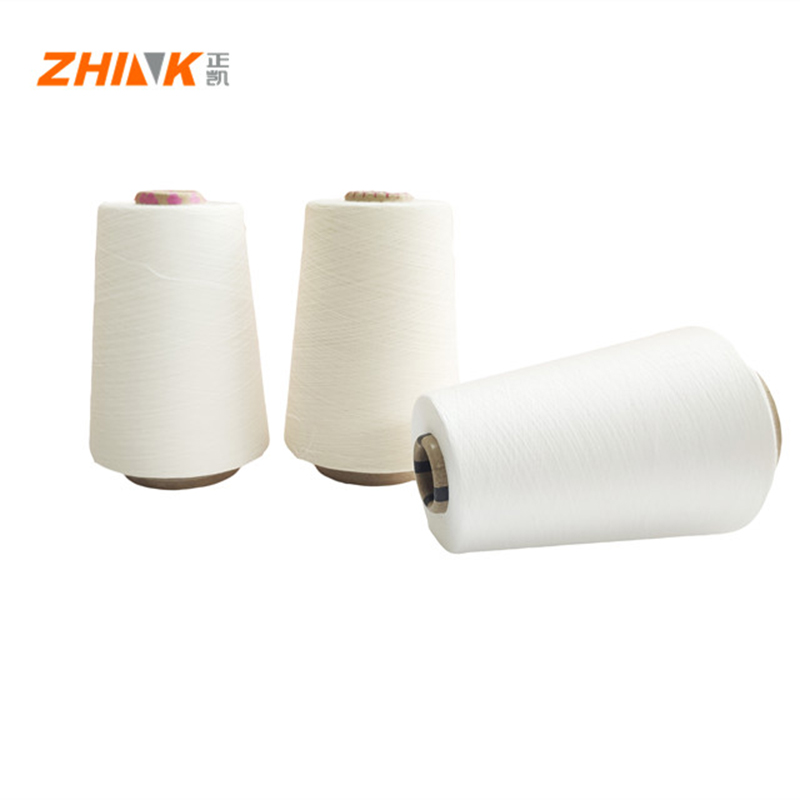
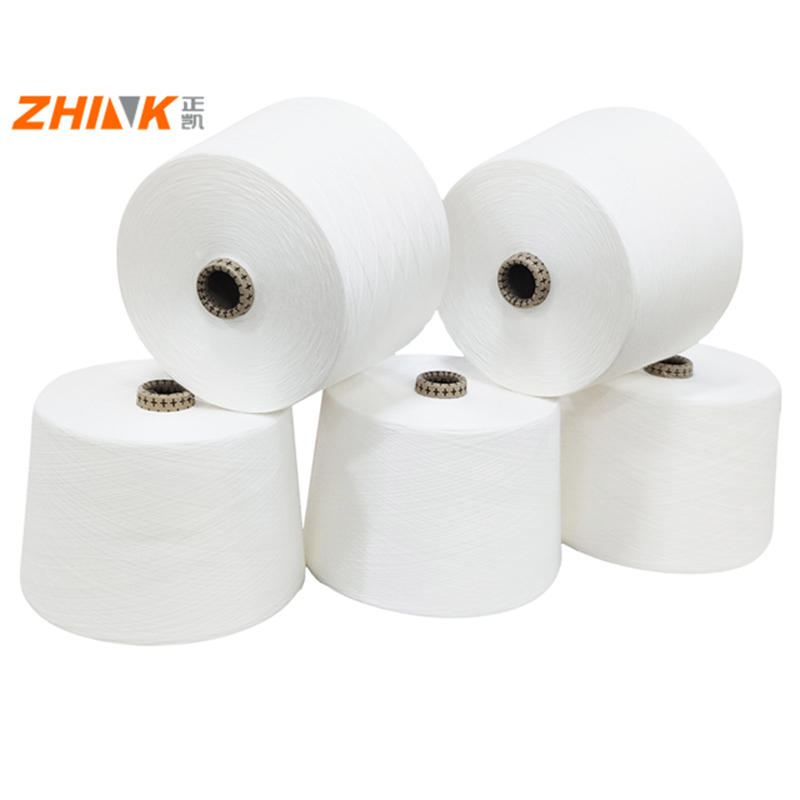
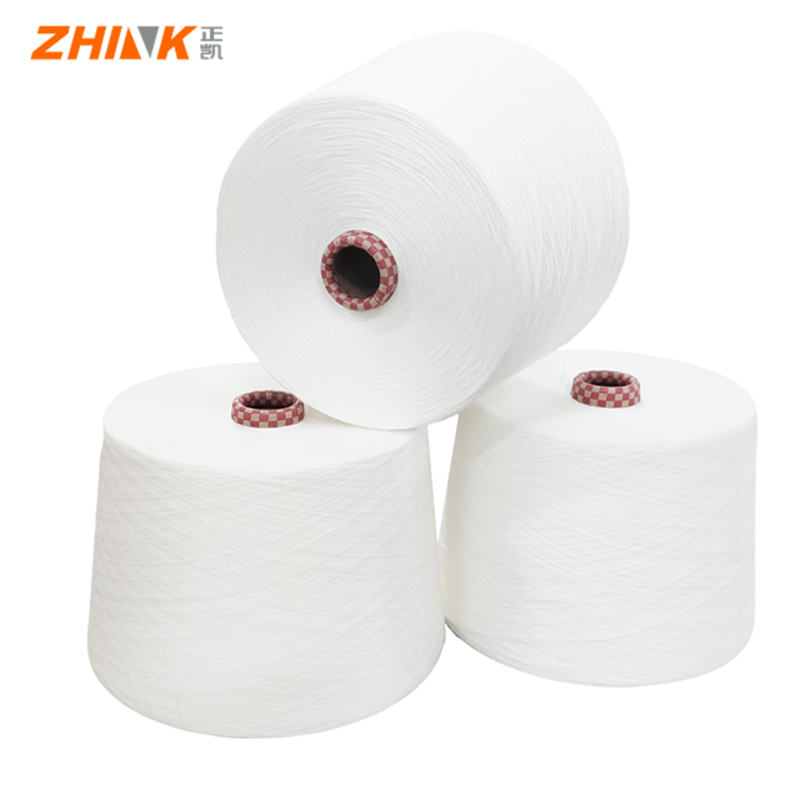
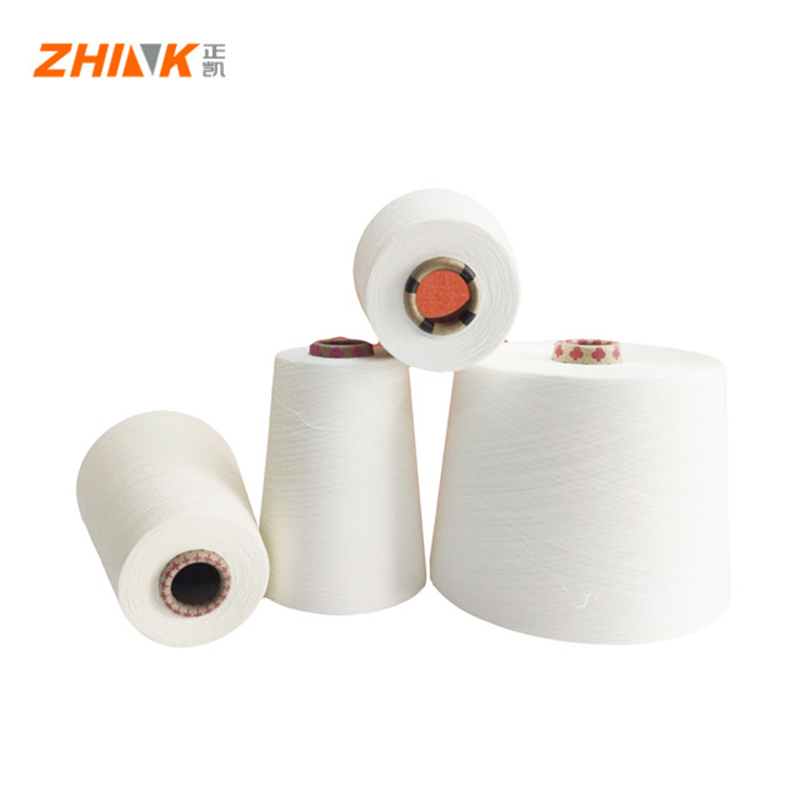
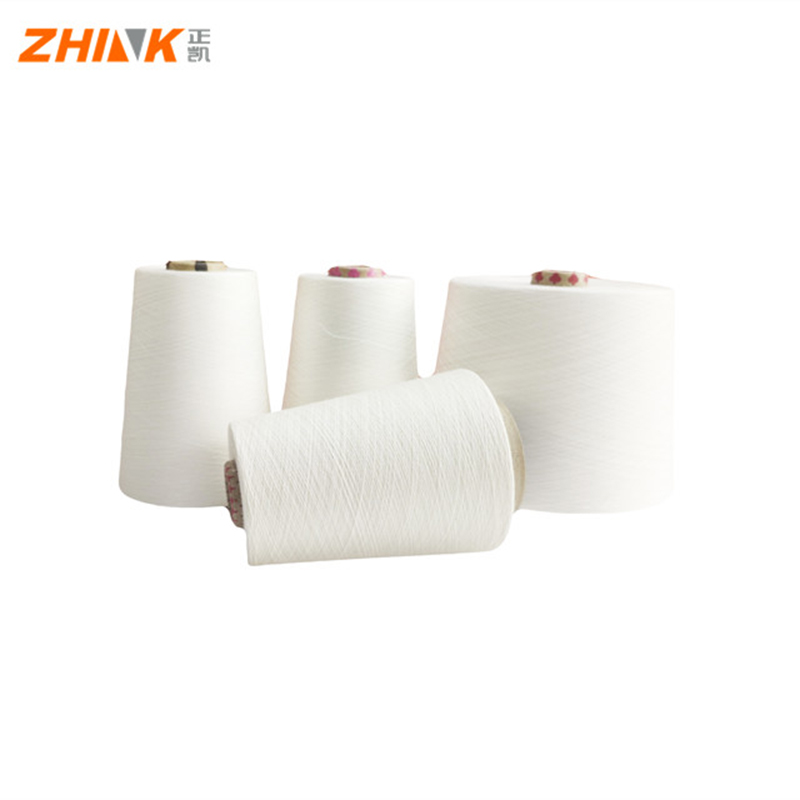
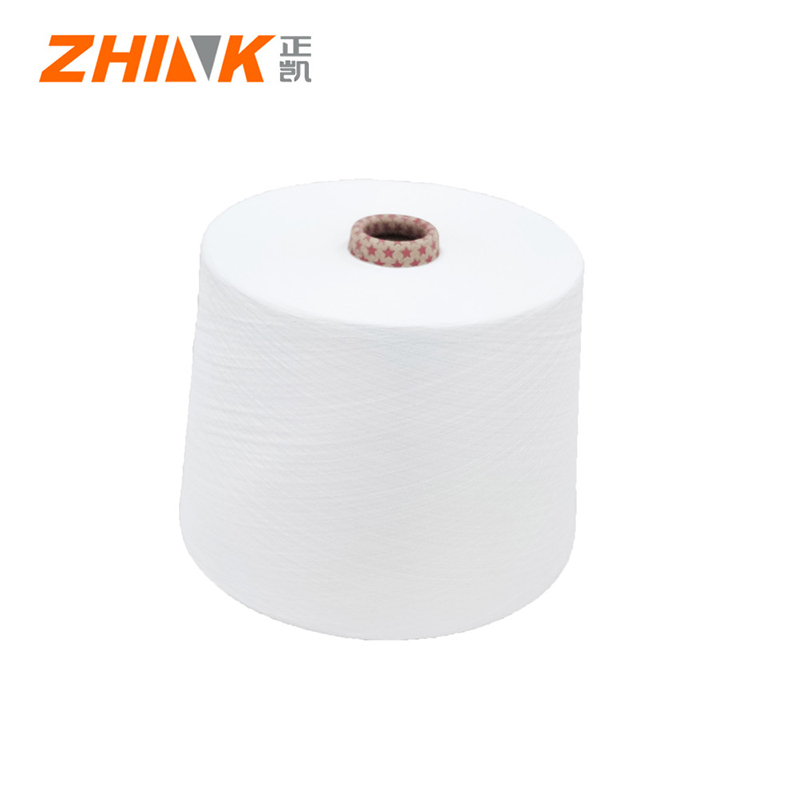
Bamboo blended yarn for knitting
The Versatility of Bamboo Blended Yarn for Knitting
In the world of knitting, innovation often lies in the blend. Bamboo blended yarn for knitting isn't just a buzzword; it's a dynamic material reshaping how crafters approach design and functionality. This yarn's unique properties make it a subject of endless exploration, debate, and sometimes even a bit of confusion. Let's unravel some of that mystery.
Understanding Bamboo Blended Yarn
Bamboo yarn has been around for a while, but when you blend it with other fibers, something magical happens. The resulting yarn isn't just softer; it's versatile, offering durability and breathability that single fibers might lack. As a seasoned knitter, you start noticing these differences—not just by touch, but in the way your final product behaves.
One of the first things you realize with bamboo blended yarn is its sheen. The subtle luster is unmistakable, and when you work with it, the yarn glides through your fingers. But it’s not just about aesthetics; this yarn is surprisingly robust, standing up well to wear and tear. A good example of this blend is sometimes found in the collections at SHANDONG ZHINK NEW MATERIAL CO., LTD, noted for their innovative approaches to new textile materials.
However, sometimes misconceptions arise. Some think it's only for lightweight projects or summer garments. True, it's excellent for those, but with the right blend, these yarns can transition into cooler climates effortlessly. It’s this flexibility that makes it a staple for both beginners and experienced knitters alike.
The Practical Side of Knitting with Bamboo Blends
Practically speaking, working with bamboo blended yarn for knitting means paying attention to needle choices and tension. Bamboo fibers can sometimes be slippery, which means the process requires a bit of getting used to. Metal needles might not be the best choice if you're just starting out with this material.
Speaking from experience, patience is key. When I first switched to this blend, I encountered slight tension issues. But, the effort is worth it. The even texture and natural drape of the fabric are rewarding aspects that make any initial struggle seem minor. As with anything in knitting, practice leads to improvement, and soon the knitting process becomes seamless.
Another practical consideration is care. Bamboo blends can be more sensitive to washing than synthetic counterparts. A gentle hand wash often preserves the longevity and quality of your hard work. This bit of care can significantly extend the life of a garment, keeping colors vibrant and the texture intact.
Exploring Different Blends
The mix matters. Bamboo-cotton blends are incredibly popular, providing a marriage of comfort and durability. Meanwhile, bamboo-wool blends bring an extra warmth, ideal for transitioning from summer to fall. Each combination has its own quirks.
For instance, with bamboo-wool, you benefit from the elasticity of wool while retaining bamboo's smoothness. Sourcing these materials can lead to discoveries of new suppliers. I stumbled upon SHANDONG ZHINK NEW MATERIAL CO., LTD through https://www.zhinkyarn.com, which offers a great variety of these blends.
As you experiment with different blends, you might hit upon unexpected favorites. That bamboo-acrylic yarn you thought was just a fairweather option might surprise you with its vibrant hues and resilience, providing options for creative colorwork.
Common Challenges and Solutions
Every material presents its own set of challenges, and bamboo blends are no different. Initially, the pilling might be a concern; this is somewhat common because of the fiber length. But selecting a higher quality blend can mitigate this issue significantly.
Storage is another consideration. Bamboo blends absorb moisture, so proper storage away from humidity is crucial. I learned this the hard way, finding a slightly warped scarf after a humid summer. Now, I always store my projects in breathable cotton bags.
Finally, one must consider environmental factors. Although bamboo is often marketed as eco-friendly, not all production processes are equal. Researching the manufacturer, like SHANDONG ZHINK NEW MATERIAL CO., LTD, which focuses on sustainable practices, helps ensure you’re making a genuinely eco-conscious choice.
The Future of Bamboo Blended Yarns
Innovation in yarn manufacturing is continually advancing. The potential for bamboo blended yarn for knitting continues to grow as new techniques and technologies emerge. The tactile and functional benefits make this material worth watching—and working with—for any dedicated knitter.
As the industry evolves, I'll be keeping an eye on offerings from forward-thinking companies such as SHANDONG ZHINK NEW MATERIAL CO., LTD. Their research and development efforts could lead to the next big thing in knitting.
Ultimately, the journey with bamboo blends is one of curiosity and creativity, filled with unexpected challenges and discoveries. But that's what makes knitting, with all its textures and tangles, such an endlessly fascinating craft.
Related Products
Related Products