+86-632-3621866
- Chinese
- French
- German
- Portuguese
- Spanish
- Russian
- Japanese
- Korean
- Arabic
- Irish
- Greek
- Turkish
- Italian
- Danish
- Romanian
- Indonesian
- Czech
- Afrikaans
- Swedish
- Polish
- Basque
- Catalan
- Esperanto
- Hindi
- Lao
- Albanian
- Amharic
- Armenian
- Azerbaijani
- Belarusian
- Bengali
- Bosnian
- Bulgarian
- Cebuano
- Chichewa
- Corsican
- Croatian
- Dutch
- Estonian
- Filipino
- Finnish
- Frisian
- Galician
- Georgian
- Gujarati
- Haitian
- Hausa
- Hawaiian
- Hebrew
- Hmong
- Hungarian
- Icelandic
- Igbo
- Javanese
- Kannada
- Kazakh
- Khmer
- Kurdish
- Kyrgyz
- Latin
- Latvian
- Lithuanian
- Luxembou..
- Macedonian
- Malagasy
- Malay
- Malayalam
- Maltese
- Maori
- Marathi
- Mongolian
- Burmese
- Nepali
- Norwegian
- Pashto
- Persian
- Punjabi
- Serbian
- Sesotho
- Sinhala
- Slovak
- Slovenian
- Somali
- Samoan
- Scots Gaelic
- Shona
- Sindhi
- Sundanese
- Swahili
- Tajik
- Tamil
- Telugu
- Thai
- Ukrainian
- Urdu
- Uzbek
- Vietnamese
- Welsh
- Xhosa
- Yiddish
- Yoruba
- Zulu
- Kinyarwanda
- Tatar
- Oriya
- Turkmen
- Uyghur



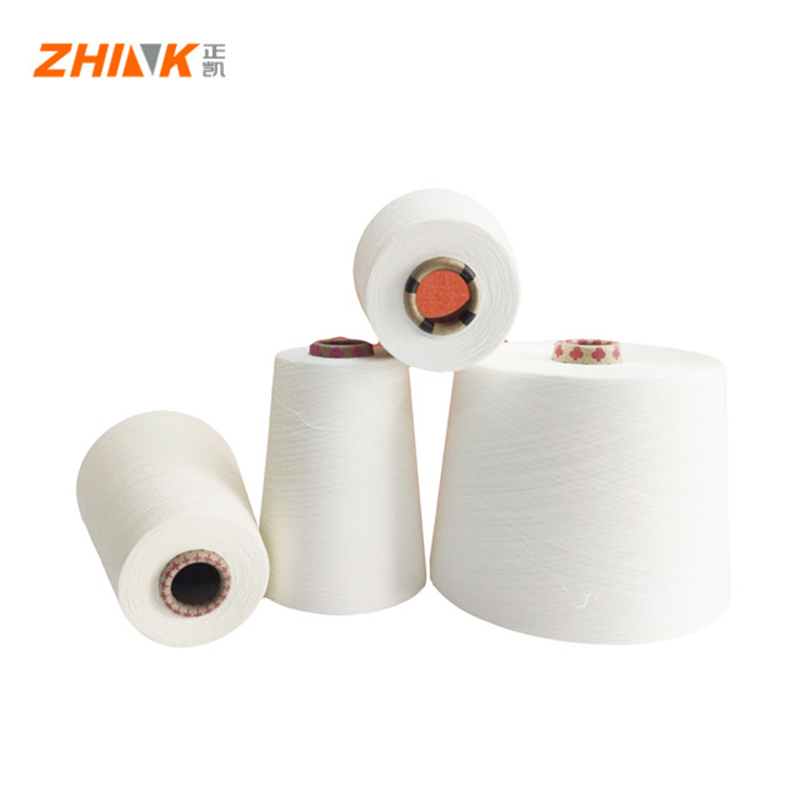
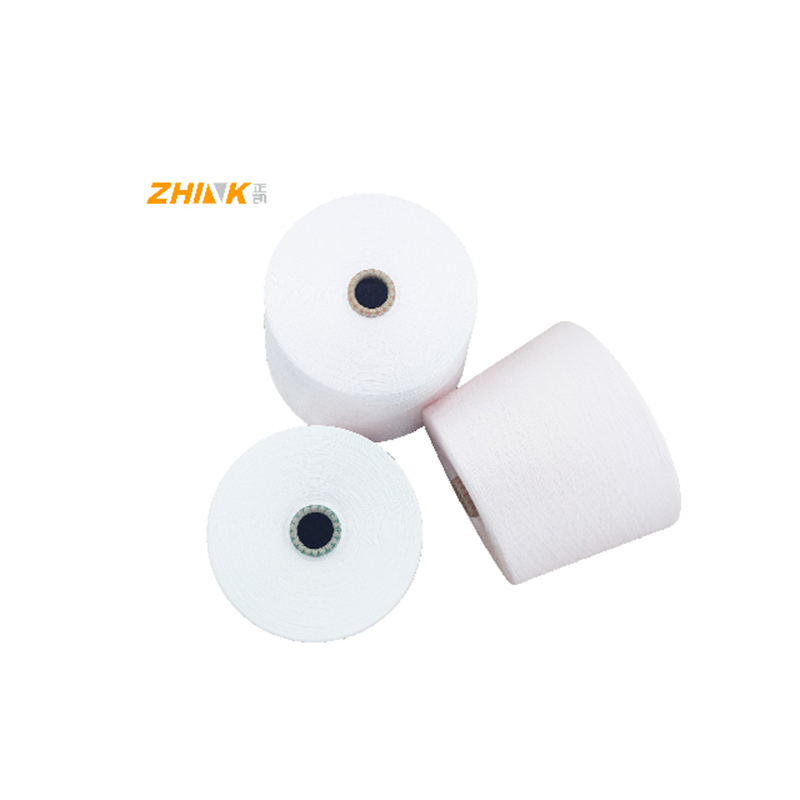
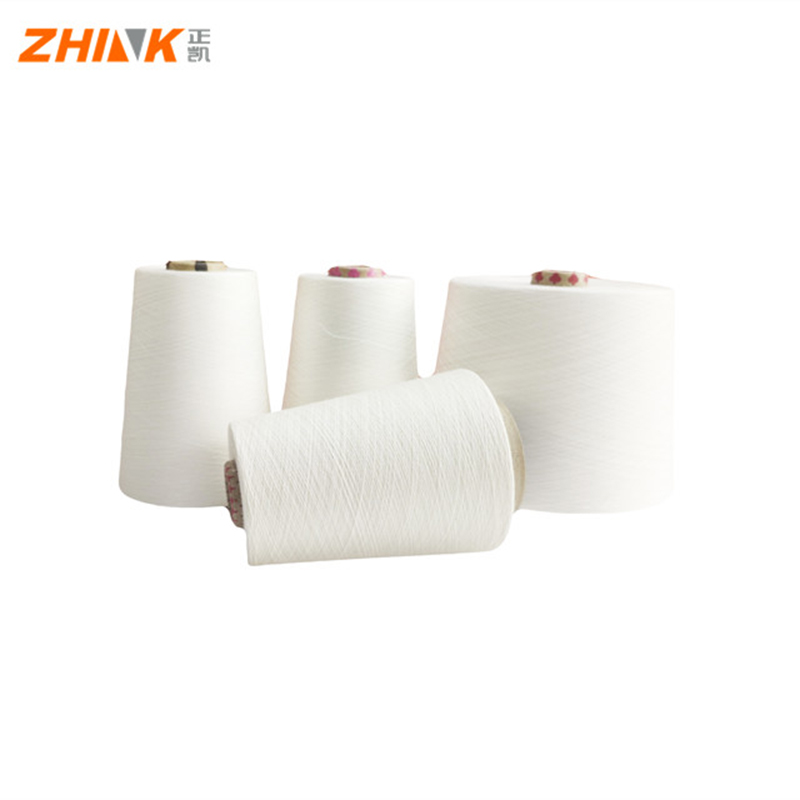
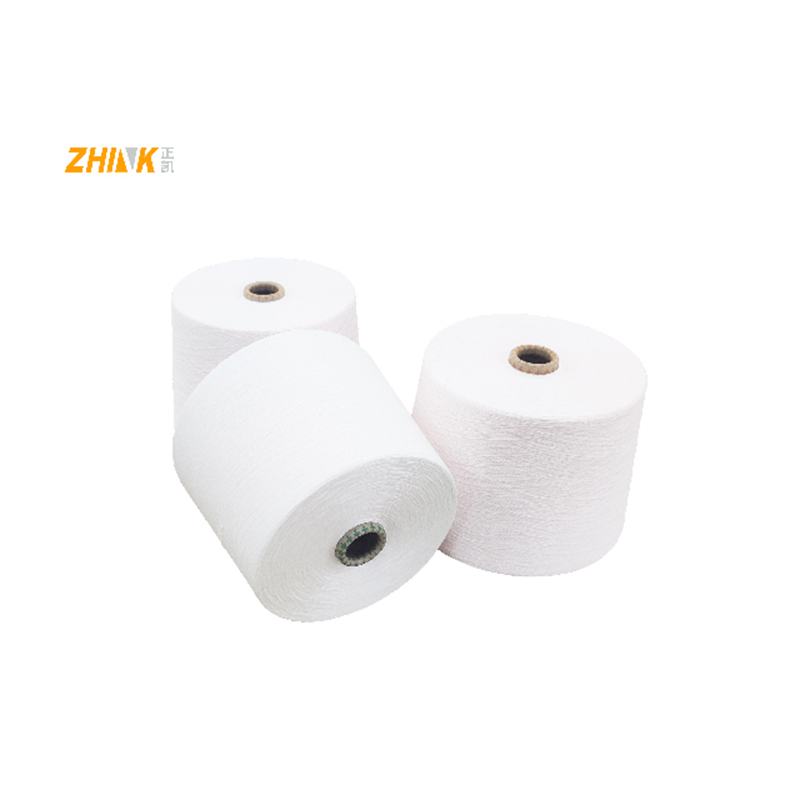
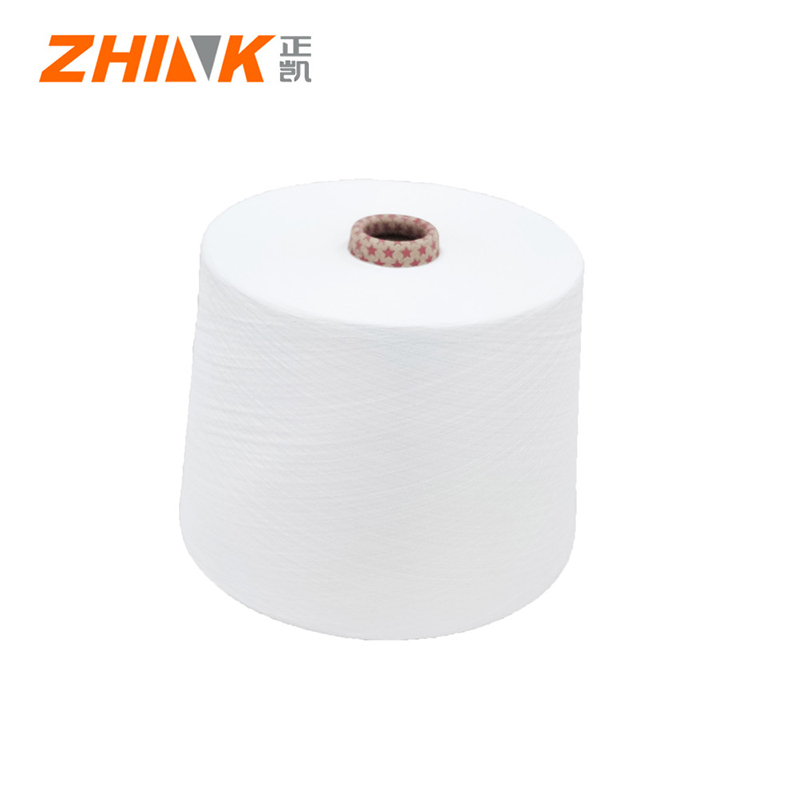
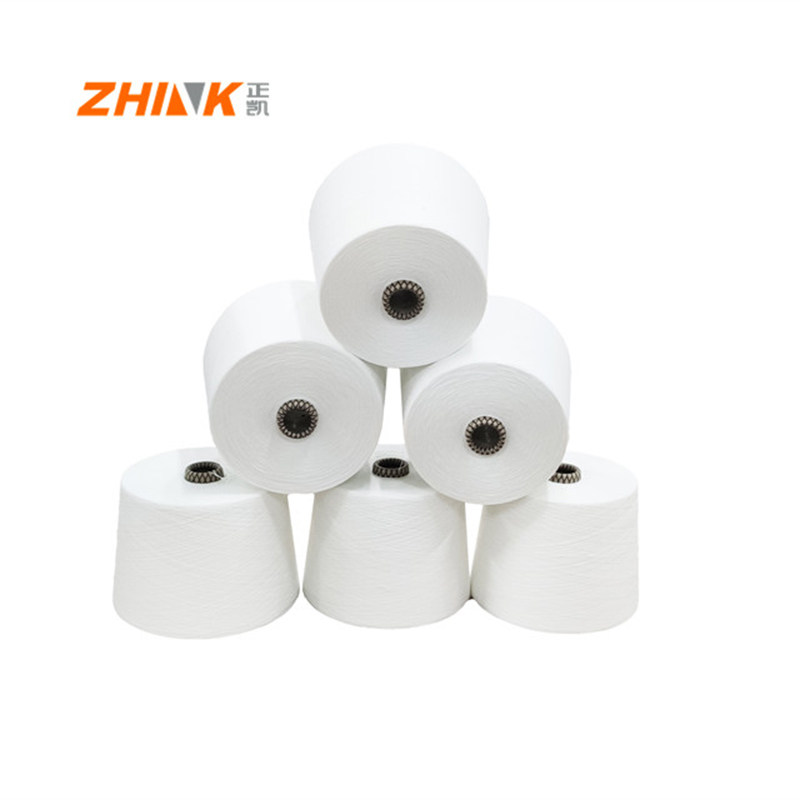
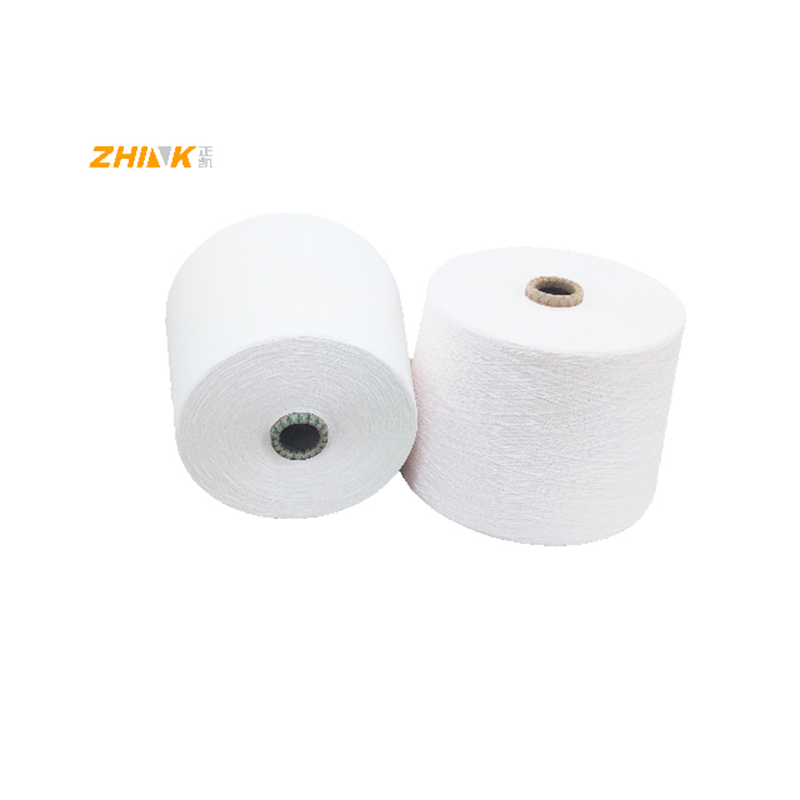
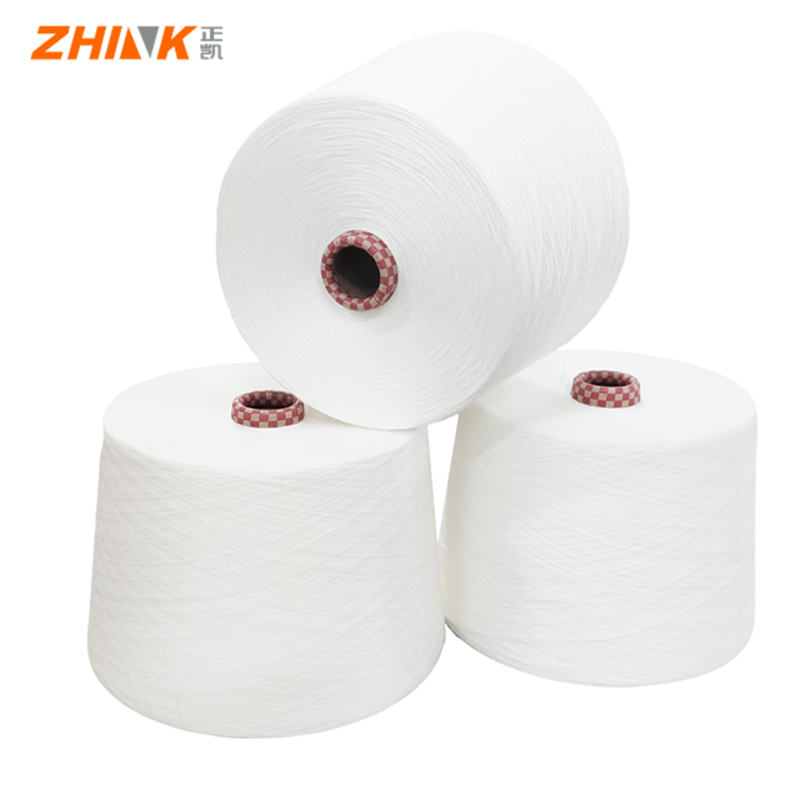
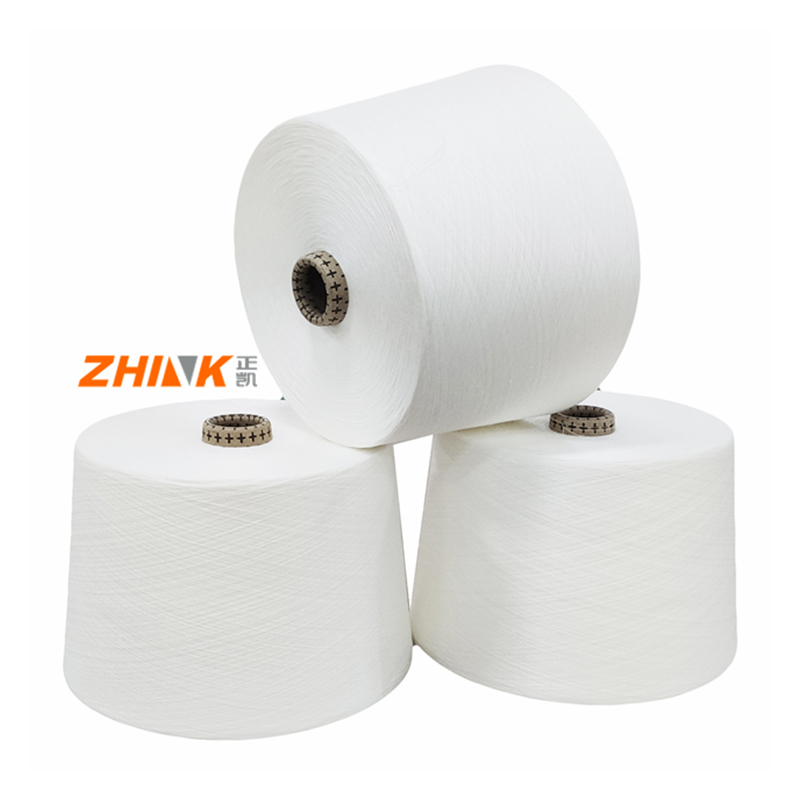
bamboo/Combed cotton 50/50 yarn
Bamboo/Combed Cotton 50/50 Yarn: A Practical Insight
The blending of bamboo and combed cotton in a 50/50 yarn offers a unique balance of softness, strength, and sustainability. Yet, the real-world application of this blend is far more nuanced than it might initially seem. As someone who's navigated the complex textile landscape, my perspective is shaped by both successes and hiccups along the way.
Understanding the Material Mix
Bamboo fibers are renowned for their eco-friendly nature and inherent softness. Combed cotton, on the other hand, is prized for its durability and smoother feel due to the meticulous combing process that removes impurities. When combined, these fibers provide a yarn that is both luxuriously soft and robust.
What's fascinating is the processing involved. Bamboo requires careful handling to maintain its qualities, and combed cotton brings in a layer of complexity due to its own processing demands. This balance is what makes the blend so special, yet challenging in execution.
In practice, I found that achieving the right tension during spinning is critical. The fibers behave differently when wet and dry, affecting how they interact with each other. This is something you can't quite grasp until you see a few batches go sideways—a testament to the blend's challenging yet rewarding nature.
Industry Misconceptions
One common misconception in the industry is that bamboo/cotton blends are universally sustainable. While bamboo is indeed a renewable resource, the chemicals used in its processing can offset environmental benefits if not managed properly. Combed cotton also carries its own environmental footprint due to intensive agriculture.
Another point often overlooked is the blend ratio. The 50/50 ratio strikes a balance, but altering this balance even slightly can dramatically change the yarn's properties. A slight deviation could lead to a product that doesn't quite perform as expected in garment form.
This precision requires thorough testing and tweaking, often necessitating additional investment of time and resources. Realistically, compromises sometimes have to be made based on client needs and manufacturing constraints.
Practical Applications and Challenges
From my experience, one of the most rewarding applications of bamboo/combed cotton yarn is in premium apparel. The blend's breathability and moisture-wicking properties make it ideal for high-quality t-shirts and baby clothing. I’ve noticed there's a tangible difference in consumer satisfaction when these garments retain their form and softness after washes.
However, challenges arise with colorfastness. Bamboo fibers can be unpredictable when it comes to dye uptake, which can lead to variations even within the same batch. At SHANDONG ZHINK NEW MATERIAL CO., LTD, we've tackled this by implementing rigorous quality controls and working closely with dye specialists.
Another challenge is educating end consumers. They need to understand why these items might carry a premium price tag. Our website, Zhink Yarn, dedicates a section to explaining these intricate balance and care requirements, aiming to bridge the gap between technical expertise and consumer knowledge.
Lessons from Experience
In retrospect, every misstep has been a learning opportunity. Early trials taught us the importance of technician expertise during the blending process. Without this, inconsistencies in yarn quality are almost guaranteed.
Moreover, partnerships with suppliers have proven invaluable. We work closely with eco-conscious producers to ensure that both bamboo and combed cotton meet our quality standards—not just for product consistency, but to maintain sustainable practices throughout the supply chain.
In truth, working with such a versatile fiber blend requires not just technical understanding but a level of adaptability and problem-solving that only comes with hands-on experience. This ongoing process of learning and refining keeps us—and the industry—moving forward.
Looking Forward
The future of bamboo/combed cotton blends lies in innovation. As companies like SHANDONG ZHINK NEW MATERIAL CO., LTD continue to push boundaries, there's potential for even more refined products that meet consumer demands for sustainability and comfort.
We're focusing on advancing our research and development efforts, striving to achieve higher standards in both ecological impact and product excellence. Through continued exploration, we aim to expand our yarn offerings and further contribute to the textile industry's evolution.
Ultimately, the journey with bamboo/combed cotton 50/50 yarn is as much about the people and practices behind the product as it is about the end result. The lessons learned are ongoing, and as our understanding grows, so too does the potential for these remarkable fibers.
Related Products
Related Products