+86-632-3621866
- Chinese
- French
- German
- Portuguese
- Spanish
- Russian
- Japanese
- Korean
- Arabic
- Irish
- Greek
- Turkish
- Italian
- Danish
- Romanian
- Indonesian
- Czech
- Afrikaans
- Swedish
- Polish
- Basque
- Catalan
- Esperanto
- Hindi
- Lao
- Albanian
- Amharic
- Armenian
- Azerbaijani
- Belarusian
- Bengali
- Bosnian
- Bulgarian
- Cebuano
- Chichewa
- Corsican
- Croatian
- Dutch
- Estonian
- Filipino
- Finnish
- Frisian
- Galician
- Georgian
- Gujarati
- Haitian
- Hausa
- Hawaiian
- Hebrew
- Hmong
- Hungarian
- Icelandic
- Igbo
- Javanese
- Kannada
- Kazakh
- Khmer
- Kurdish
- Kyrgyz
- Latin
- Latvian
- Lithuanian
- Luxembou..
- Macedonian
- Malagasy
- Malay
- Malayalam
- Maltese
- Maori
- Marathi
- Mongolian
- Burmese
- Nepali
- Norwegian
- Pashto
- Persian
- Punjabi
- Serbian
- Sesotho
- Sinhala
- Slovak
- Slovenian
- Somali
- Samoan
- Scots Gaelic
- Shona
- Sindhi
- Sundanese
- Swahili
- Tajik
- Tamil
- Telugu
- Thai
- Ukrainian
- Urdu
- Uzbek
- Vietnamese
- Welsh
- Xhosa
- Yiddish
- Yoruba
- Zulu
- Kinyarwanda
- Tatar
- Oriya
- Turkmen
- Uyghur



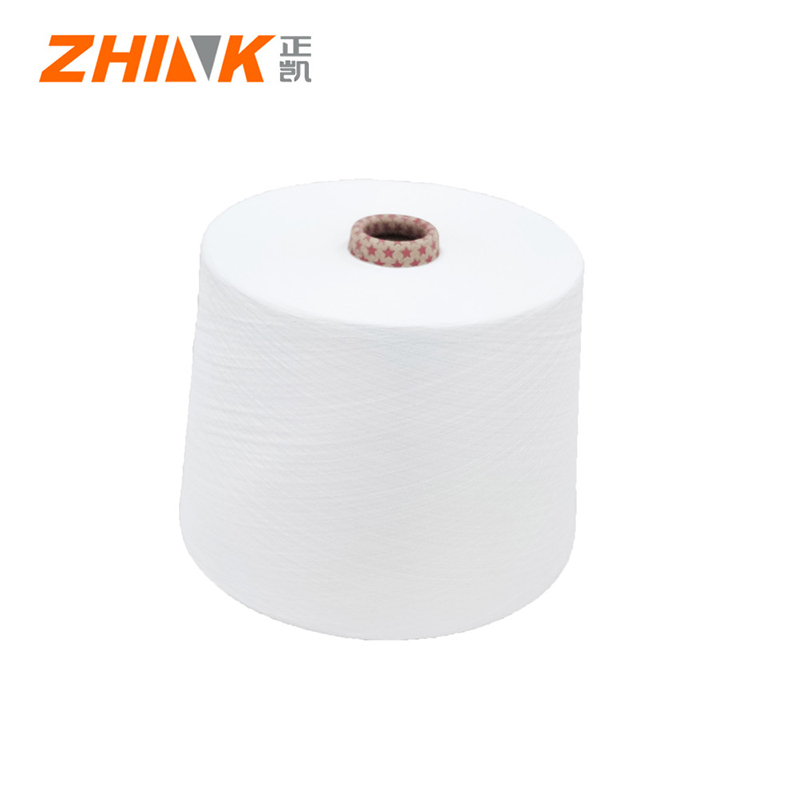
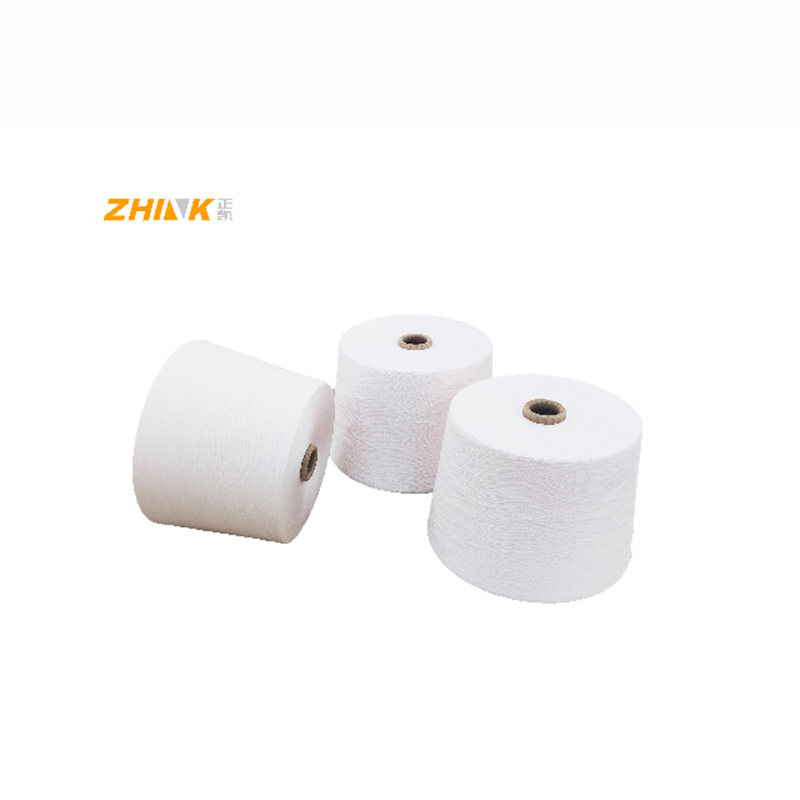
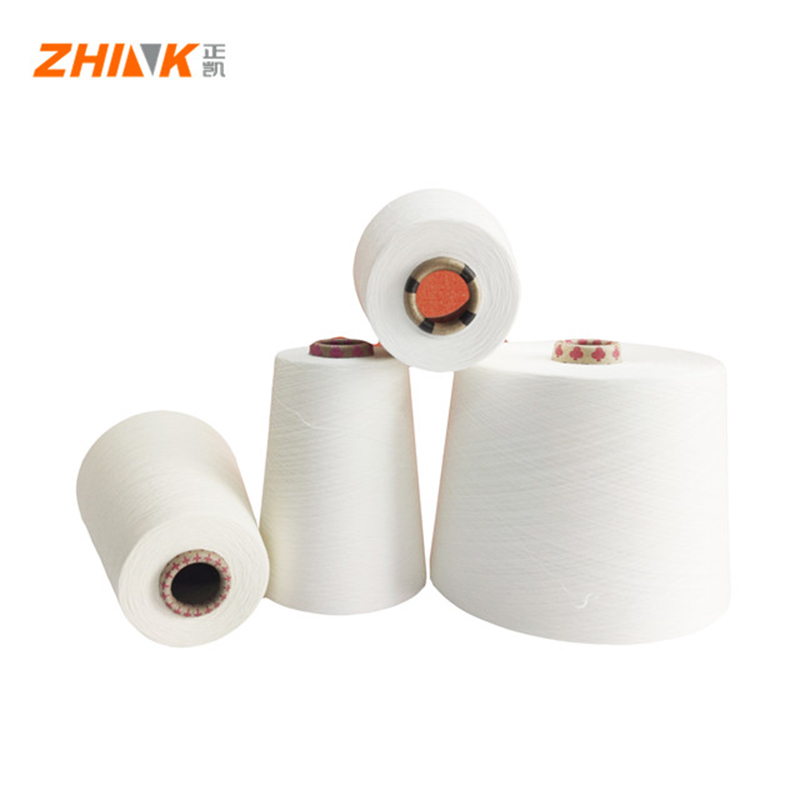
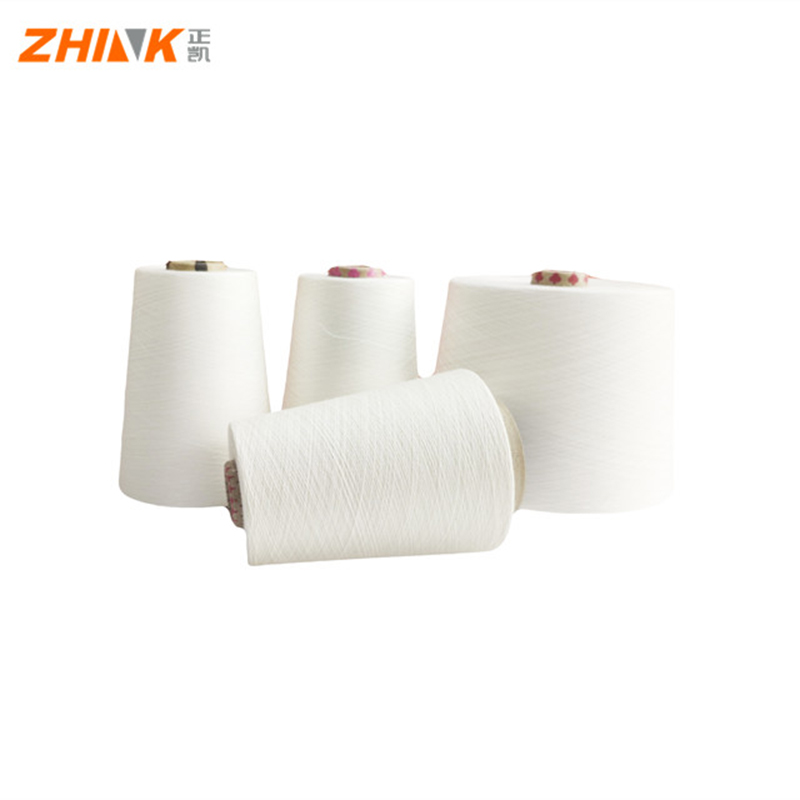
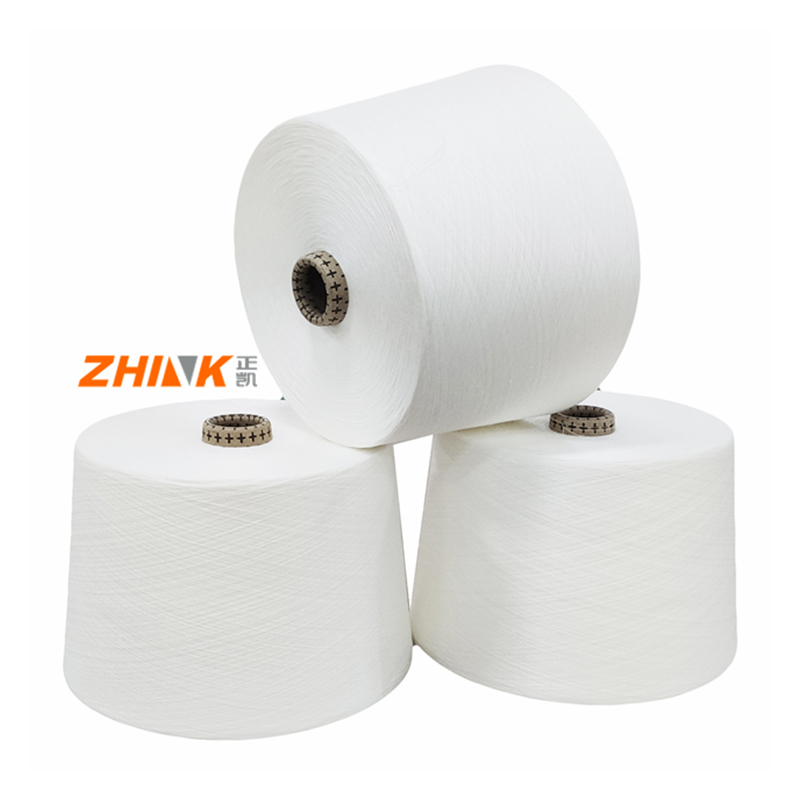
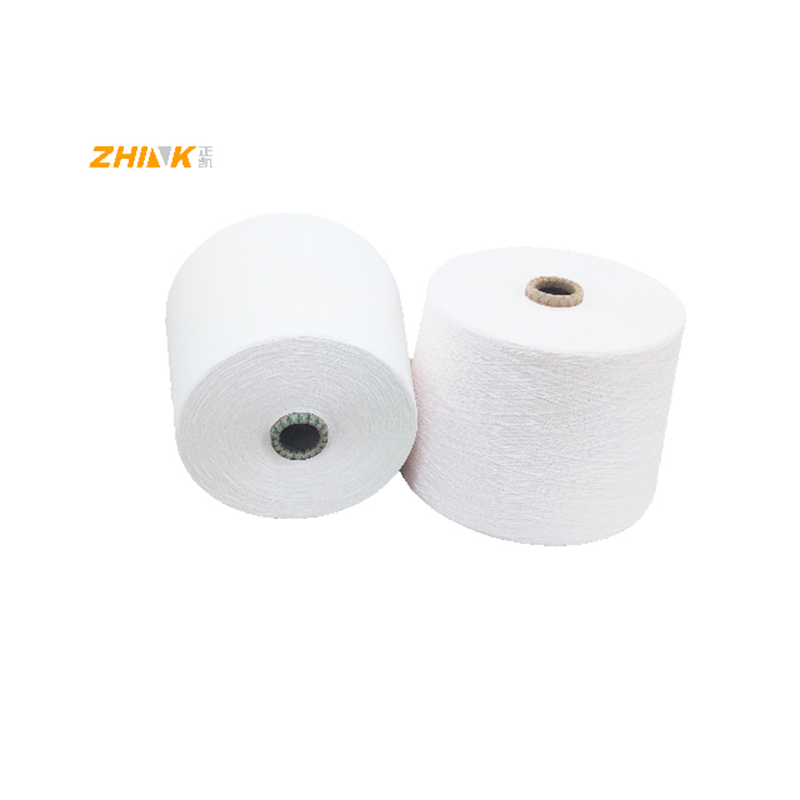
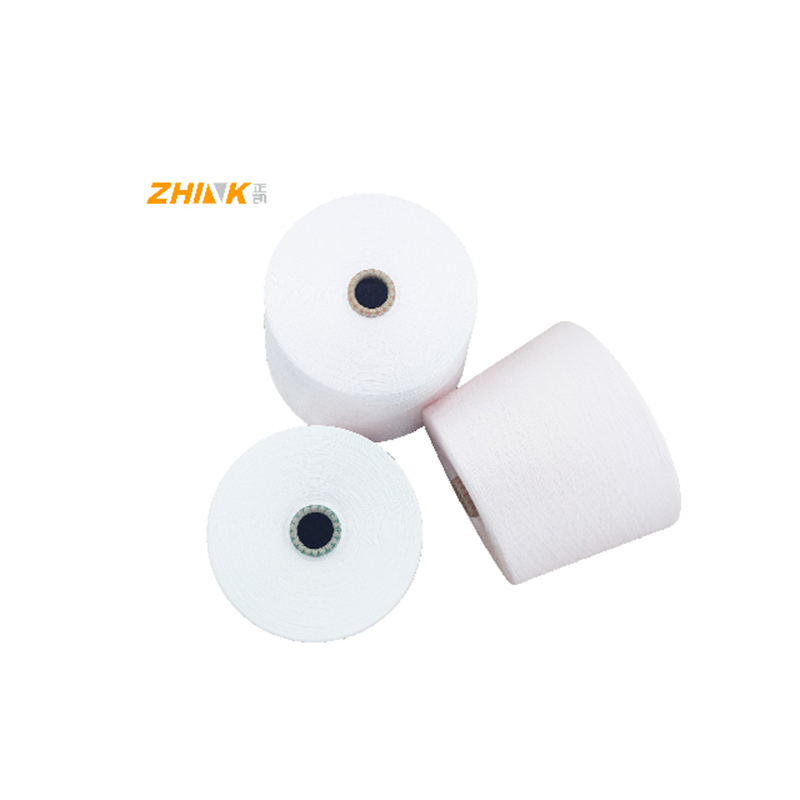
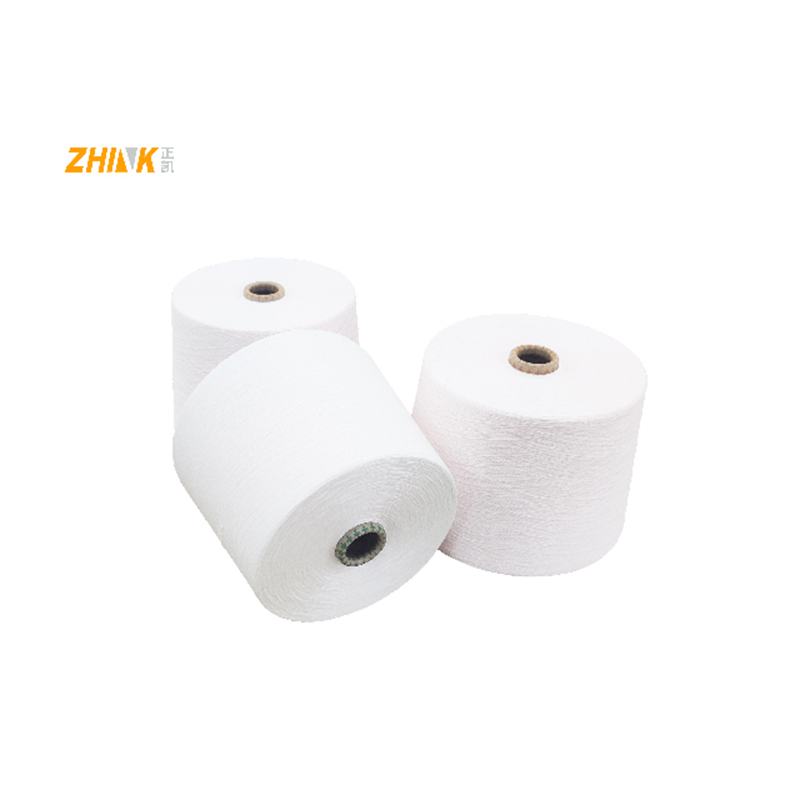
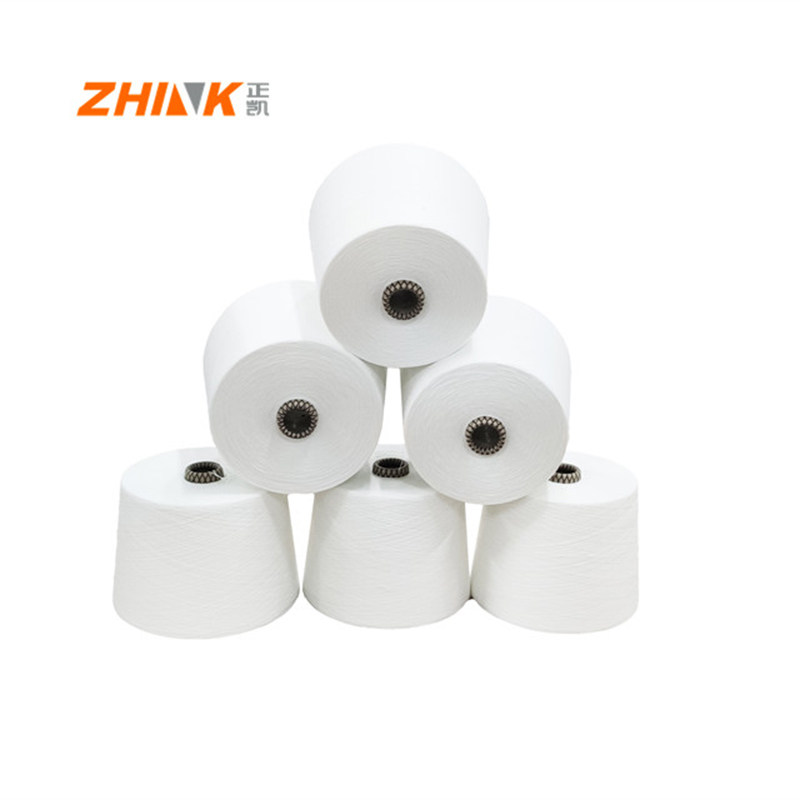
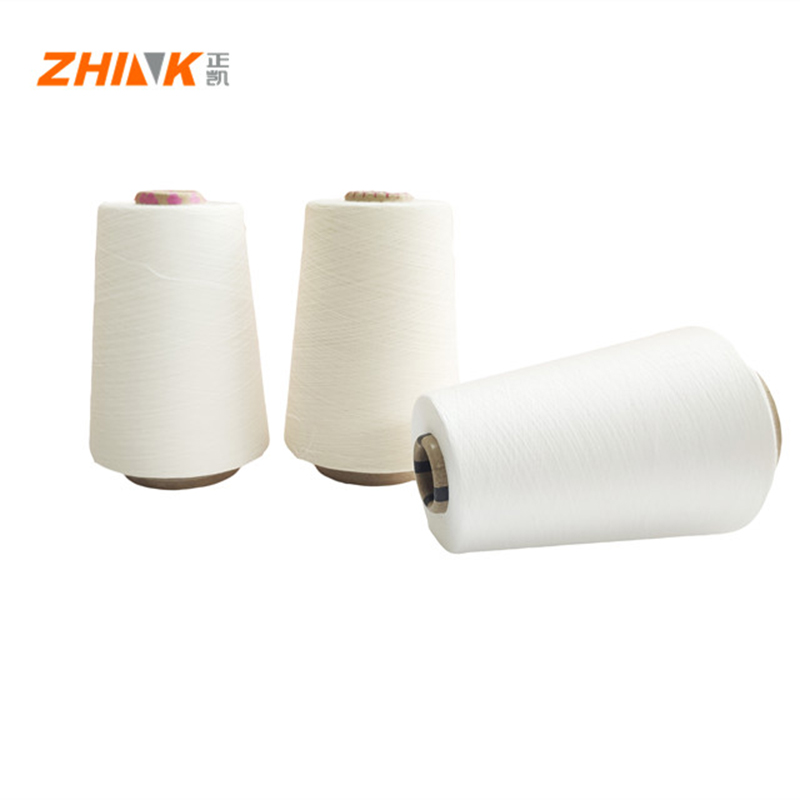
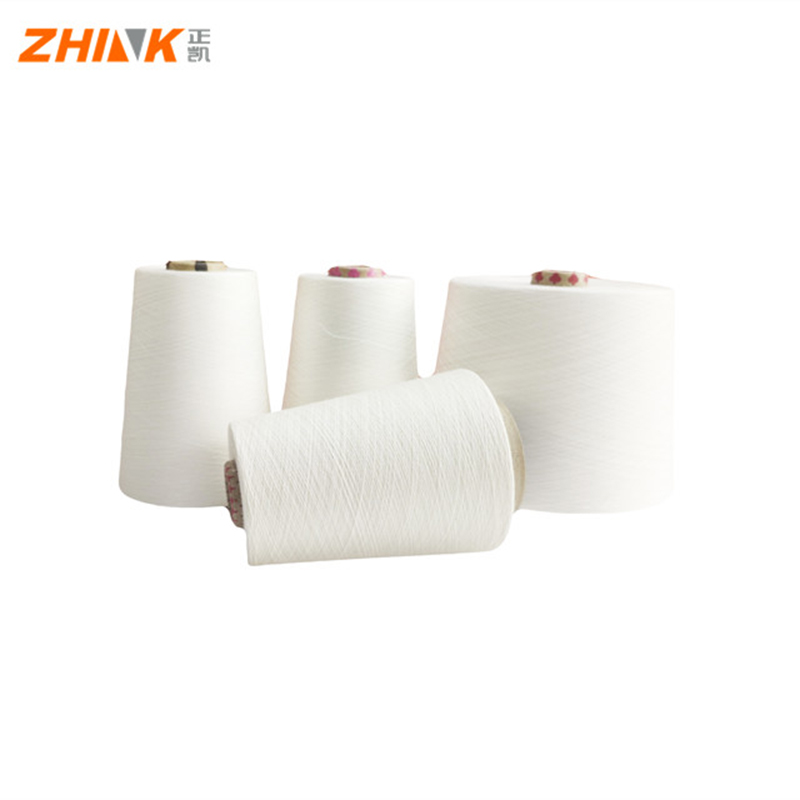
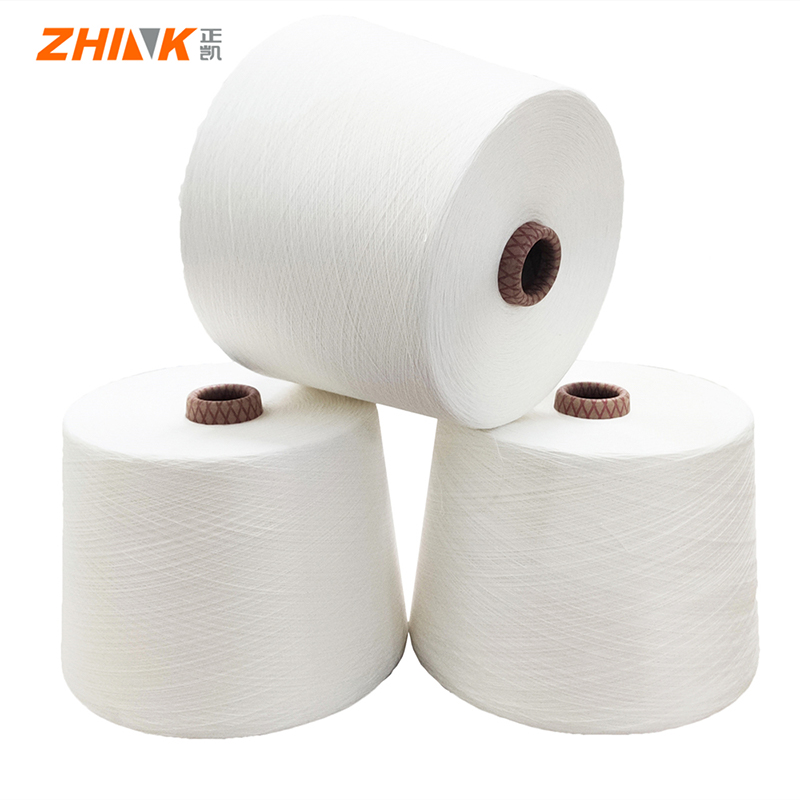
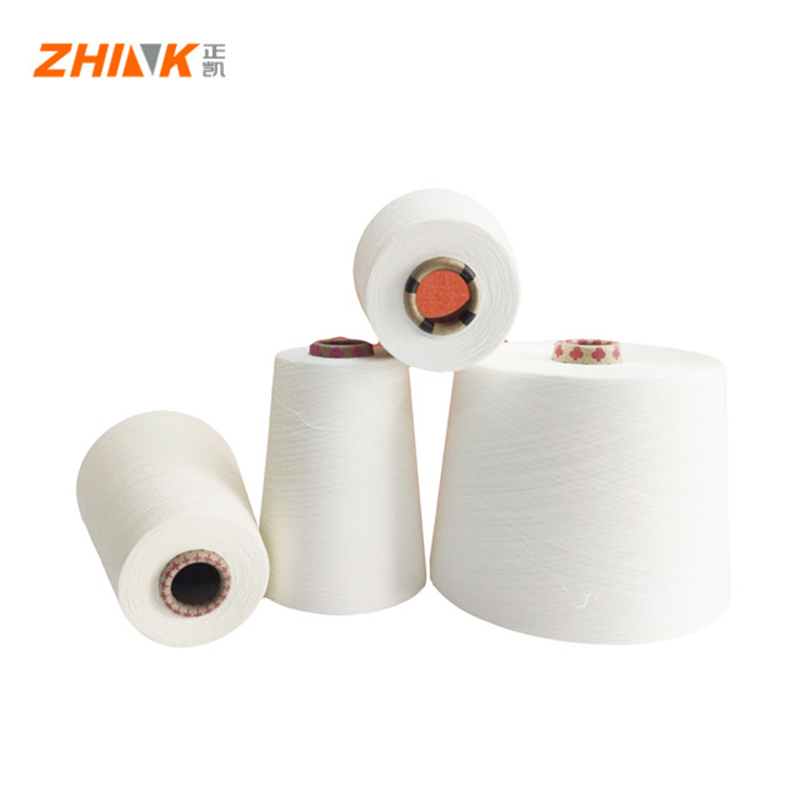
bamboo/Combed cotton 60/40 yarn
Bamboo/Combed Cotton 60/40 Yarn: A Practical Insight
The blend of bamboo and combed cotton in a 60/40 yarn ratio brings together sustainability and softness. But what does this mean for day-to-day textile production? As someone who's been a part of this industry, I've experienced both the potential and pitfalls of using such blends.
The Basics of Bamboo and Combed Cotton Blends
Combining bamboo with combed cotton isn't just about mixing fibers; it’s about marrying the unique properties of each. Bamboo is renowned for its eco-friendly nature and antibacterial qualities, while combed cotton offers unparalleled softness and strength. When blended in a 60/40 ratio, the result is a yarn that's both durable and luxurious.
In my experience, handling this blend requires a nuanced understanding of each material’s characteristics. Bamboo fibers can be more delicate during processing, demanding a gentle touch on machinery. A common misstep in the industry is underestimating the adaptability needed.
SHANDONG ZHINK NEW MATERIAL CO., LTD., found at https://www.zhinkyarn.com, has been a trusted name, focusing on creating versatile blends. Their expertise in understanding such material properties aids in optimizing yarn quality.
The Ups and Downs of Production
I've noticed while working on production floors that maintaining a consistent quality with Bamboo/Combed cotton 60/40 yarn often challenges standard procedures. The blend's sensitivity to tension and heat changes requires keen attention to machine settings.
There was an instance where a slight oversight in temperature control resulted in compromised yarn integrity—highlighting how even experienced teams like those at Zhink must remain vigilant.
On the upside, when the blend is processed correctly, the yarn rewards you with a finish that's soft yet robust, perfect for high-quality textile products aimed at discerning consumers.
Market Demand and Consumer Preferences
Customers today, more than ever, are inclined towards products that provide comfort without sacrificing sustainability. The combination of bamboo and combed cotton satisfies this dual desire. Eco-conscious buyers appreciate the reduced environmental footprint of bamboo, while cotton enthusiasts still get their beloved softness.
It's fascinating to see how the market dynamically responds to this blend. Sales data and consumer feedback from companies like Zhink offer invaluable insights into preference trends. The demand for such blends is on the rise, largely due to increasing environmental awareness.
Yet, competition is fierce, with many players trying to capitalize on this trend. It’s crucial for businesses to innovate continuously, both in terms of material science and production processes.
Challenges in Dyeing and Finishing
Dyeing and finishing processes present another layer of complexity when working with Bamboo/Combed cotton 60/40 yarn. Bamboo accepts dyes differently than cotton, which can lead to color inconsistencies if not managed properly. This was a pain point I encountered early on.
Leveraging expertise from seasoned professionals at Zhink has been instrumental in overcoming such issues. Their approach often blends traditional techniques with modern technology to achieve vivid, even colors.
This adaptability is perhaps one of the strongest suits for those handling such sophisticated blends regularly. It’s a constant learning curve, adapting to new challenges with each batch.
The Future of Textile Blends
Looking ahead, the potential of bamboo and cotton blends like the Bamboo/Combed cotton 60/40 yarn is vast. Innovation in this sector is often driven by both tech advancements and shifting consumer expectations.
I foresee a future where the introduction of smart textiles into these blends can open new avenues, perhaps integrating responsive elements in clothing or home textiles. Zhink’s commitment to research and development positions them well along this evolutionary path.
Ultimately, the beauty of this yarn lie not just in its softness or sustainability, but in its ability to adapt and evolve in tandem with ever-changing industry landscapes. The journey is ongoing, shaped by insights and the curiosity to experiment and innovate.
Related Products
Related Products