+86-632-3621866
- Chinese
- French
- German
- Portuguese
- Spanish
- Russian
- Japanese
- Korean
- Arabic
- Irish
- Greek
- Turkish
- Italian
- Danish
- Romanian
- Indonesian
- Czech
- Afrikaans
- Swedish
- Polish
- Basque
- Catalan
- Esperanto
- Hindi
- Lao
- Albanian
- Amharic
- Armenian
- Azerbaijani
- Belarusian
- Bengali
- Bosnian
- Bulgarian
- Cebuano
- Chichewa
- Corsican
- Croatian
- Dutch
- Estonian
- Filipino
- Finnish
- Frisian
- Galician
- Georgian
- Gujarati
- Haitian
- Hausa
- Hawaiian
- Hebrew
- Hmong
- Hungarian
- Icelandic
- Igbo
- Javanese
- Kannada
- Kazakh
- Khmer
- Kurdish
- Kyrgyz
- Latin
- Latvian
- Lithuanian
- Luxembou..
- Macedonian
- Malagasy
- Malay
- Malayalam
- Maltese
- Maori
- Marathi
- Mongolian
- Burmese
- Nepali
- Norwegian
- Pashto
- Persian
- Punjabi
- Serbian
- Sesotho
- Sinhala
- Slovak
- Slovenian
- Somali
- Samoan
- Scots Gaelic
- Shona
- Sindhi
- Sundanese
- Swahili
- Tajik
- Tamil
- Telugu
- Thai
- Ukrainian
- Urdu
- Uzbek
- Vietnamese
- Welsh
- Xhosa
- Yiddish
- Yoruba
- Zulu
- Kinyarwanda
- Tatar
- Oriya
- Turkmen
- Uyghur



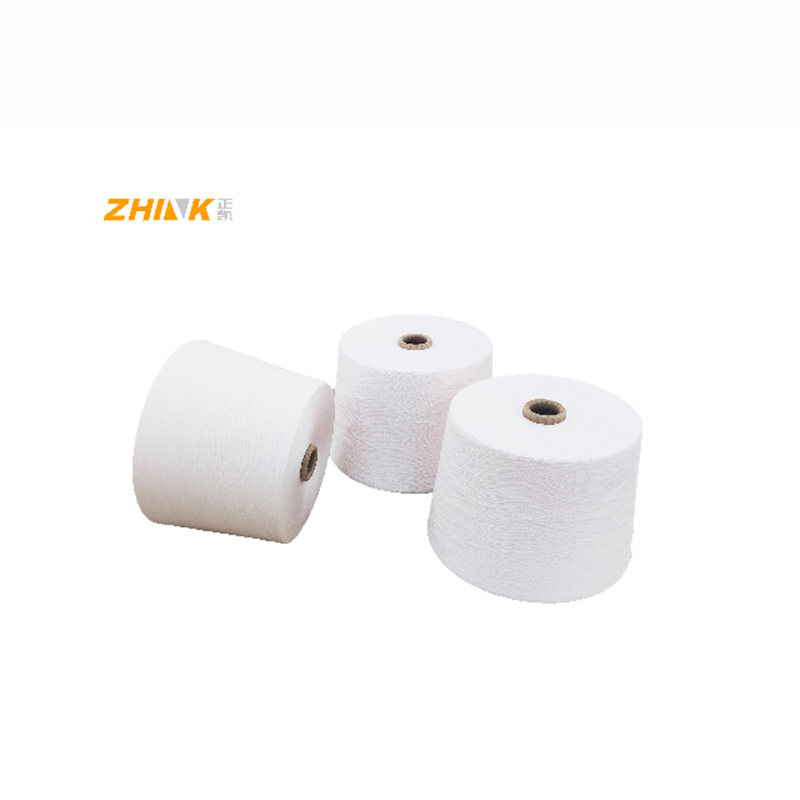
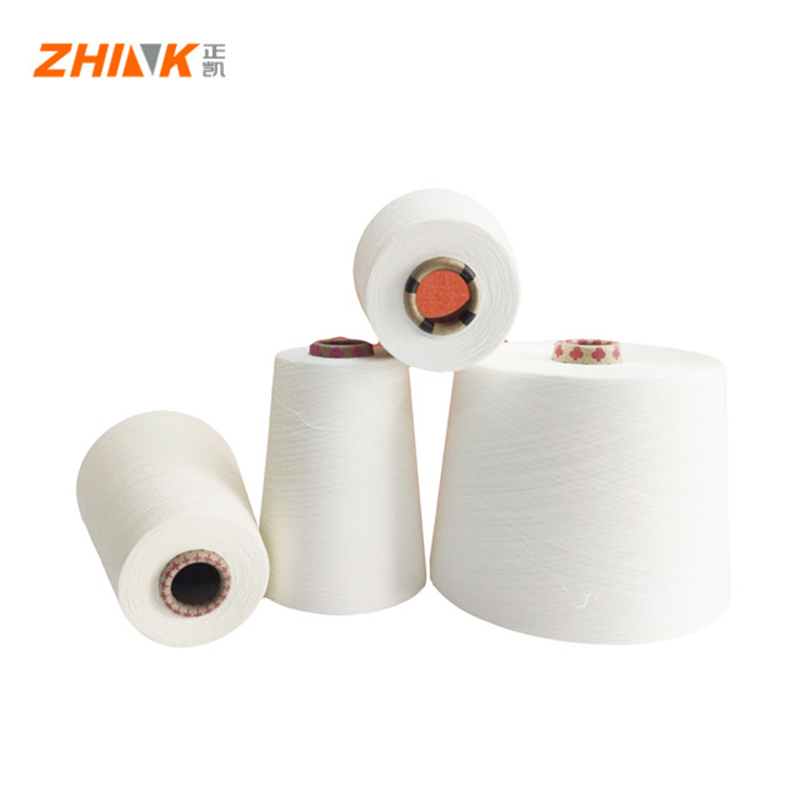
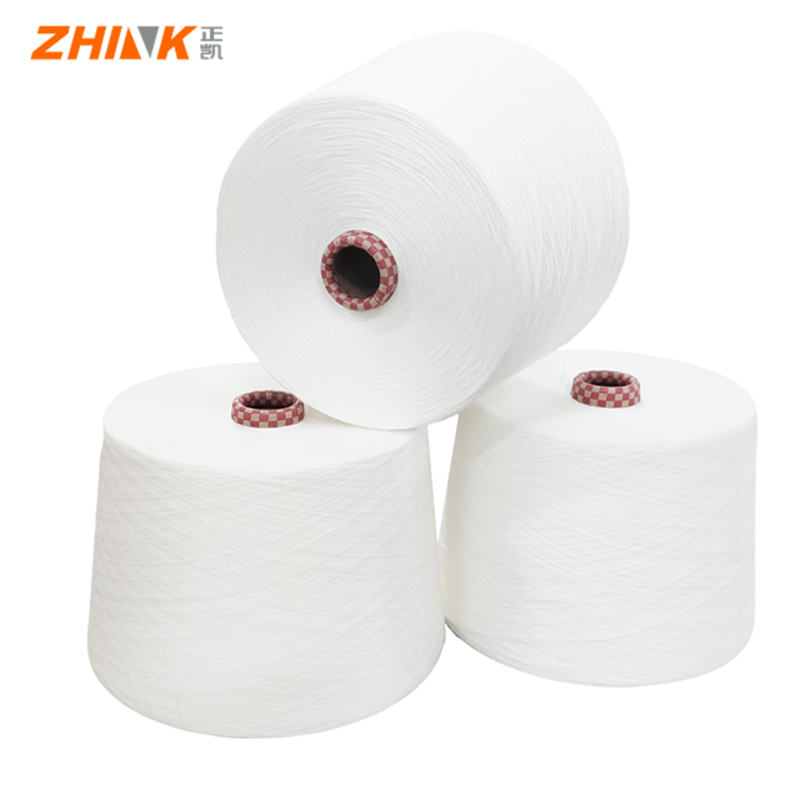
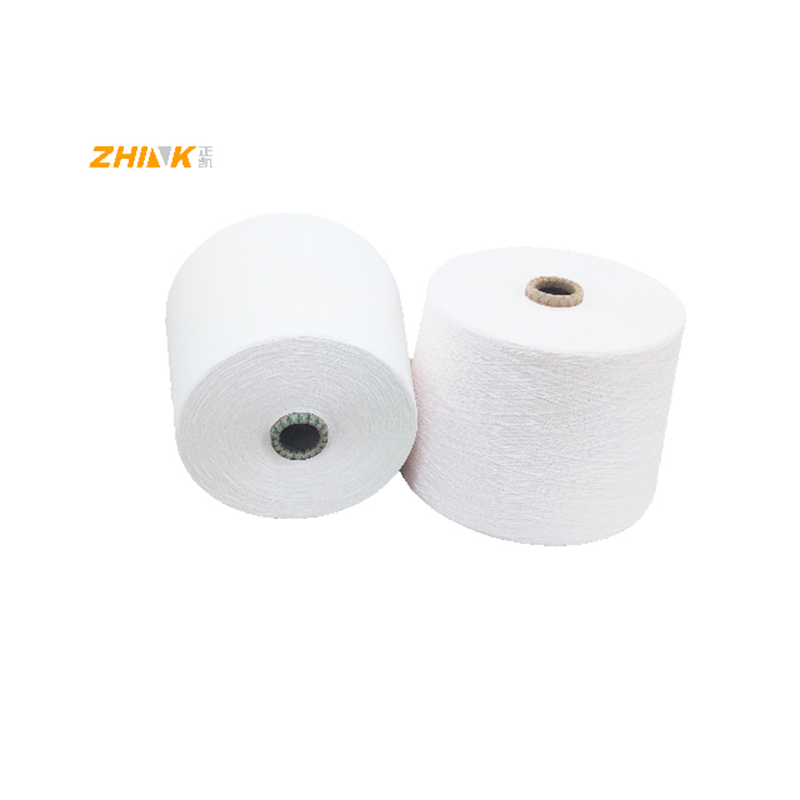
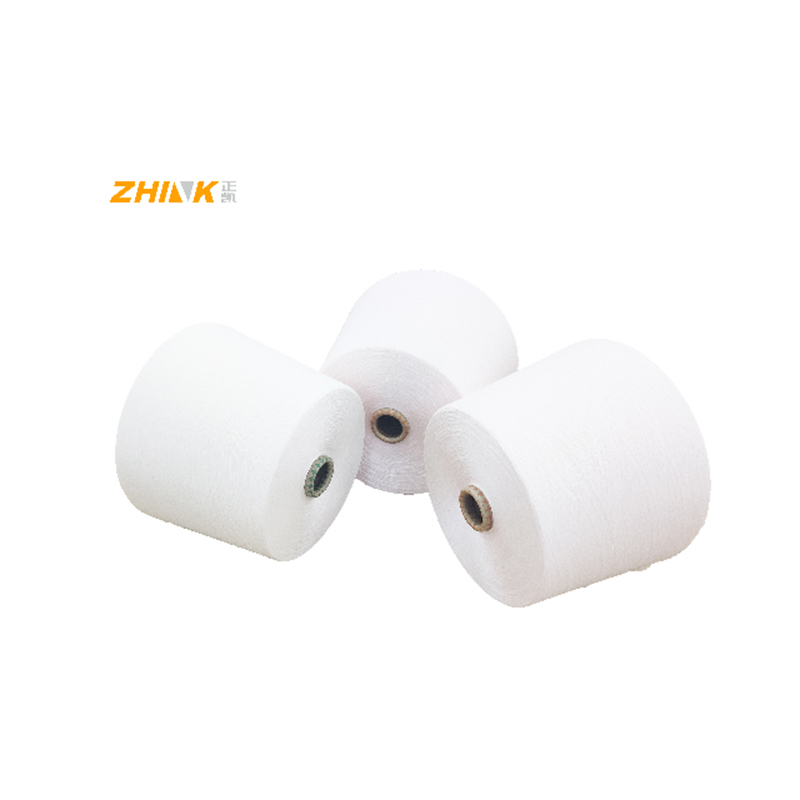
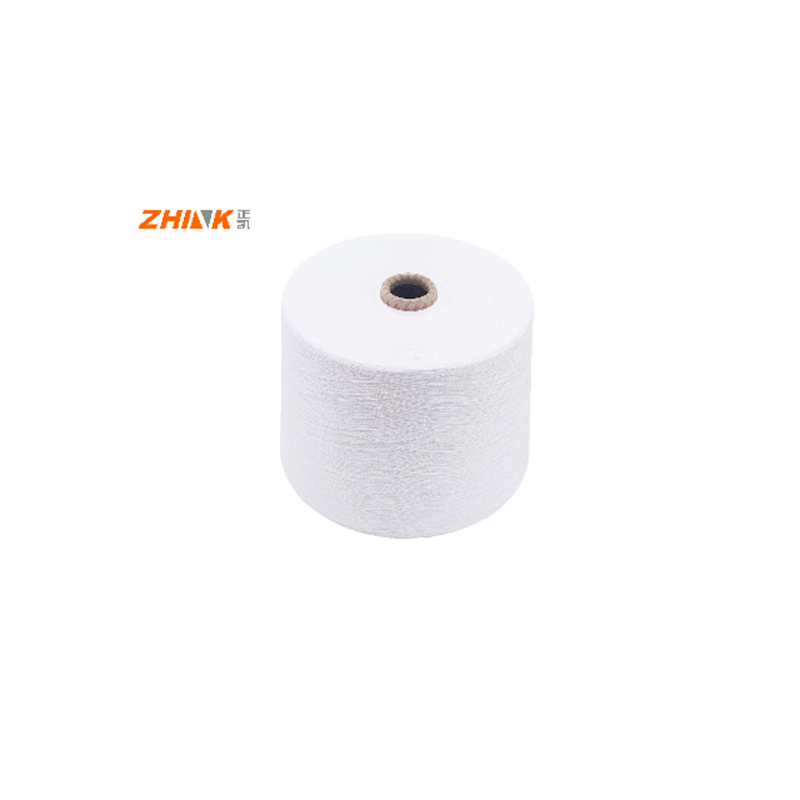
bamboo/Combed cotton 70/30 yarn
Exploring Bamboo/Combed Cotton 70/30 Yarn: Insights from the Field
In the world of textiles, where innovation meets tradition, the blend of Bamboo/Combed Cotton 70/30 yarn emerges as a fascinating subject. This yarn mix isn't just a technical achievement; it spans comfort, sustainability, and modern application. But how did we get here, and what does it practically mean for those working in the industry?
The Blend Breakdown
Understanding the core of Bamboo/Combed Cotton 70/30 yarn requires a look into its components. Bamboo fibers are renowned for their sustainability, being fast-growing and needing less water than traditional cotton. But their real charm lies in the silky touch and antimicrobial properties they bring to textiles. When combined with combed cotton, the result is a soft, durable fabric that's a pleasure to work with.
In my own experience, handling this blend is a different affair than pure cotton or synthetic mixes. There's a silky flow to the yarn, making it less prone to pilling while also enhancing breathability. For manufacturers and designers, this means a balance between luxury and practicality—a critical edge in today's competitive market.
A point worth mentioning is maintenance. Products made with this 70/30 blend need careful washing due to the delicate nature of bamboo fibers, which, while resilient, can lose their shape if not properly cared for. This was a lesson learned after a batch of our fabric lost its sheen post-wash, illustrating the importance of consumer education in preserving the fabric's quality.
Practical Applications
One can't discuss Bamboo/Combed Cotton 70/30 yarn without addressing its application scope. At SHANDONG ZHINK NEW MATERIAL CO., LTD, we’ve explored its use in various products, from everyday wear to niche market offerings like baby clothing, where softness and hypoallergenic properties are paramount.
In our trials, this blend proved excellent for creating lightweight, breathable garments perfect for summer collections. The feedback we received from clients and end-users revealed a genuine appreciation for the fabric's natural qualities. It's not just about wearing a garment; it’s about the experience it provides.
Yet, we faced challenges. The custom dyeing process required tweaking to maintain color consistency. Bamboo's natural hue can subtly shift with exposure, demanding precision in each production batch. Our solution involved partnering with skilled dyers who understood these nuances, ensuring our fabrics maintained their desired look and feel.
Market Trends and Sustainability
The increasing consumer demand for sustainable products fuels the rise of bamboo-integrated yarns. Environmental awareness among consumers drives textile innovations, and this 70/30 blend fits perfectly into that narrative.
At https://www.zhinkyarn.com, we've dedicated resources to understanding how these sustainable practices impact our production line. The results? A noticeable reduction in our environmental footprint, coupled with a market-ready product that aligns with global eco-conscious trends.
One observation: while Europe and North America lead in seeking sustainable fabrics, Asian markets are swiftly catching up, expanding the potential reach for this bountiful blend.
Challenges in Production
This yarn's production isn't without its complexities. At Zhink New Material, refining the spinning process to accommodate bamboo's unique fiber length and strength is ongoing. It's a delicate dance between innovation and tradition.
Retooling machinery to handle this blend efficiently also requires investment and skill training. We've had to recalibrate equipment and retrain our team to ensure quality is never compromised—a worthwhile challenge, given the results.
Creating a seamless integration across departments to embrace this new material wasn't instantaneous. Mistakes and setbacks were part of the journey, each offering a learning opportunity to improve our workflow and product delivery.
Conclusion: Looking Ahead
Ultimately, the path forward for Bamboo/Combed Cotton 70/30 yarn is bright. As new methods and technologies in textile manufacturing emerge, the potential applications for this blend continue to expand.
At SHANDONG ZHINK NEW MATERIAL CO., LTD, we're eager to see where innovation takes this journey. This yarn isn't just a product; it's a testament to the synthesis of nature and technology in textiles—a compelling story we're proud to be part of.
The future belongs to those who not only understand these materials but also adapt and anticipate the ever-shifting demands of the textile industry.
Related Products
Related Products