+86-632-3621866
- Chinese
- French
- German
- Portuguese
- Spanish
- Russian
- Japanese
- Korean
- Arabic
- Irish
- Greek
- Turkish
- Italian
- Danish
- Romanian
- Indonesian
- Czech
- Afrikaans
- Swedish
- Polish
- Basque
- Catalan
- Esperanto
- Hindi
- Lao
- Albanian
- Amharic
- Armenian
- Azerbaijani
- Belarusian
- Bengali
- Bosnian
- Bulgarian
- Cebuano
- Chichewa
- Corsican
- Croatian
- Dutch
- Estonian
- Filipino
- Finnish
- Frisian
- Galician
- Georgian
- Gujarati
- Haitian
- Hausa
- Hawaiian
- Hebrew
- Hmong
- Hungarian
- Icelandic
- Igbo
- Javanese
- Kannada
- Kazakh
- Khmer
- Kurdish
- Kyrgyz
- Latin
- Latvian
- Lithuanian
- Luxembou..
- Macedonian
- Malagasy
- Malay
- Malayalam
- Maltese
- Maori
- Marathi
- Mongolian
- Burmese
- Nepali
- Norwegian
- Pashto
- Persian
- Punjabi
- Serbian
- Sesotho
- Sinhala
- Slovak
- Slovenian
- Somali
- Samoan
- Scots Gaelic
- Shona
- Sindhi
- Sundanese
- Swahili
- Tajik
- Tamil
- Telugu
- Thai
- Ukrainian
- Urdu
- Uzbek
- Vietnamese
- Welsh
- Xhosa
- Yiddish
- Yoruba
- Zulu
- Kinyarwanda
- Tatar
- Oriya
- Turkmen
- Uyghur



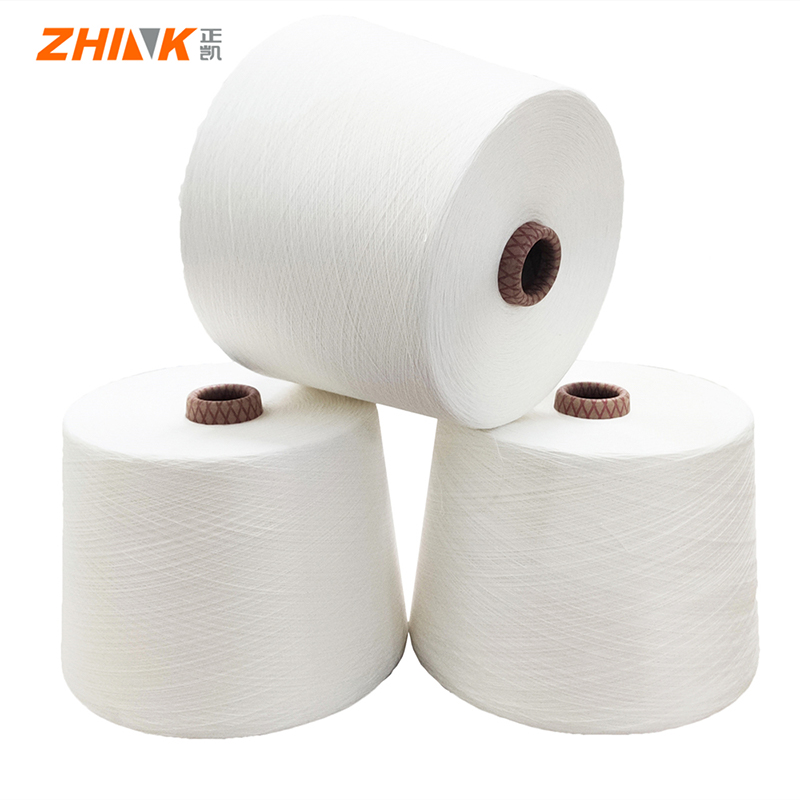
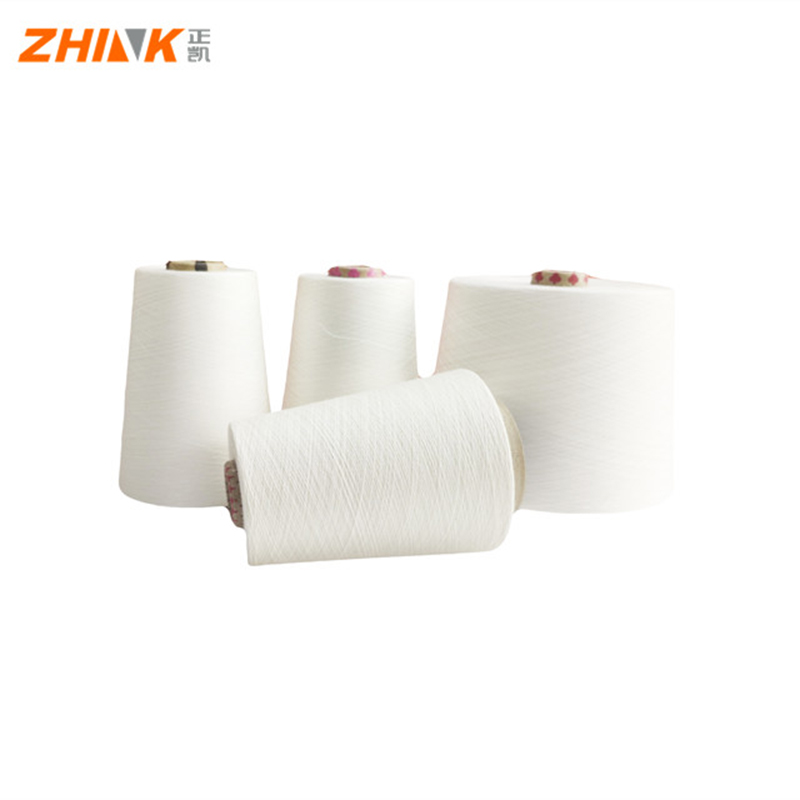
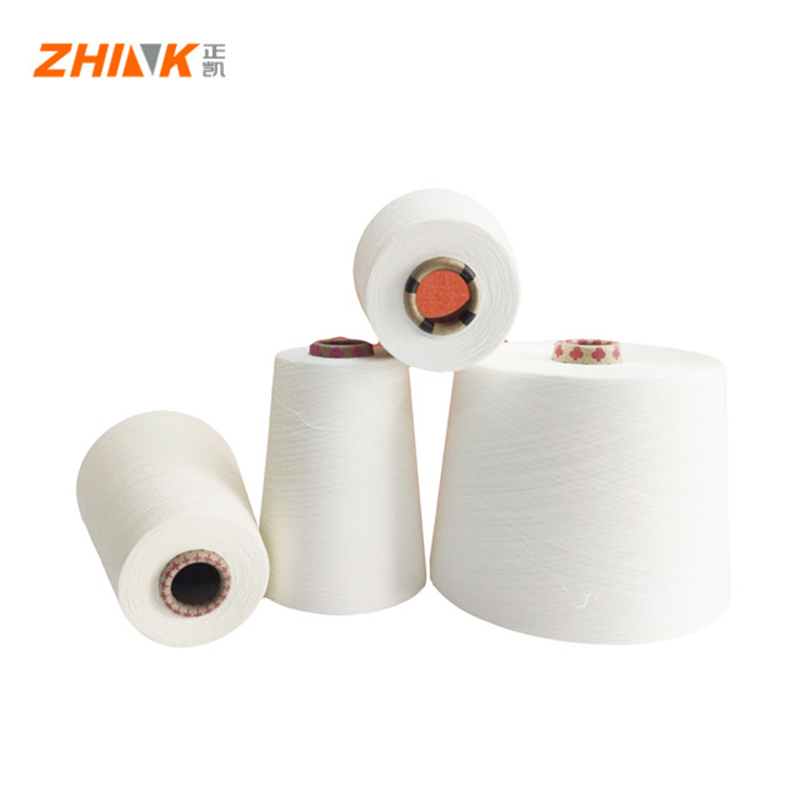
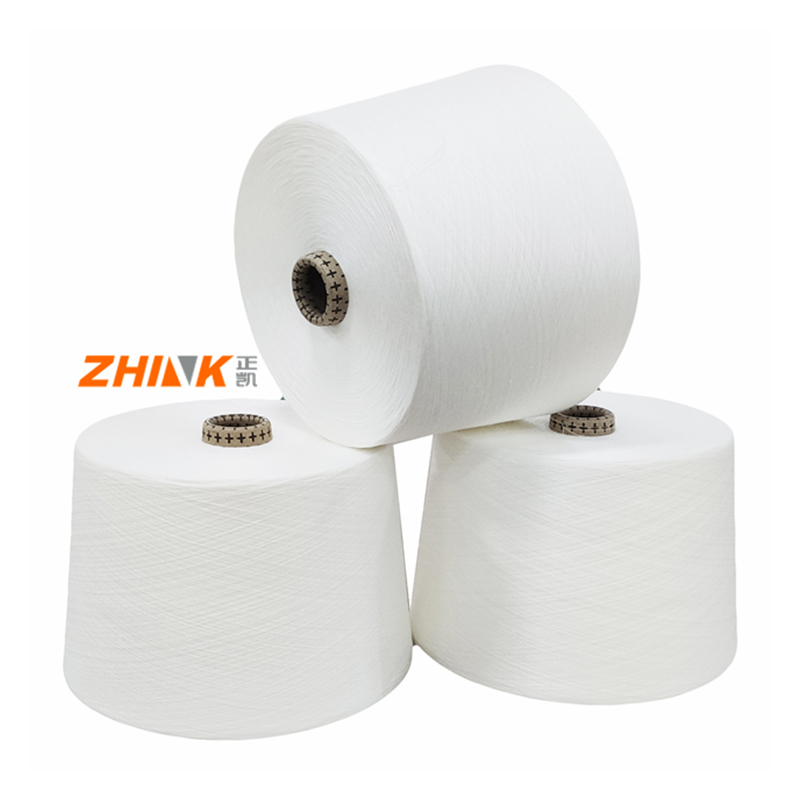
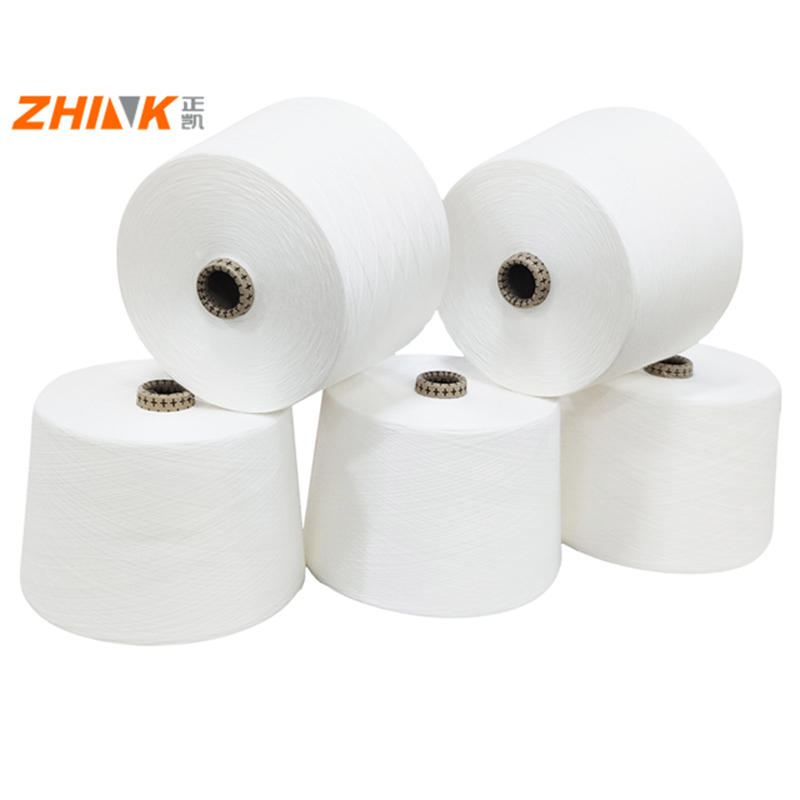
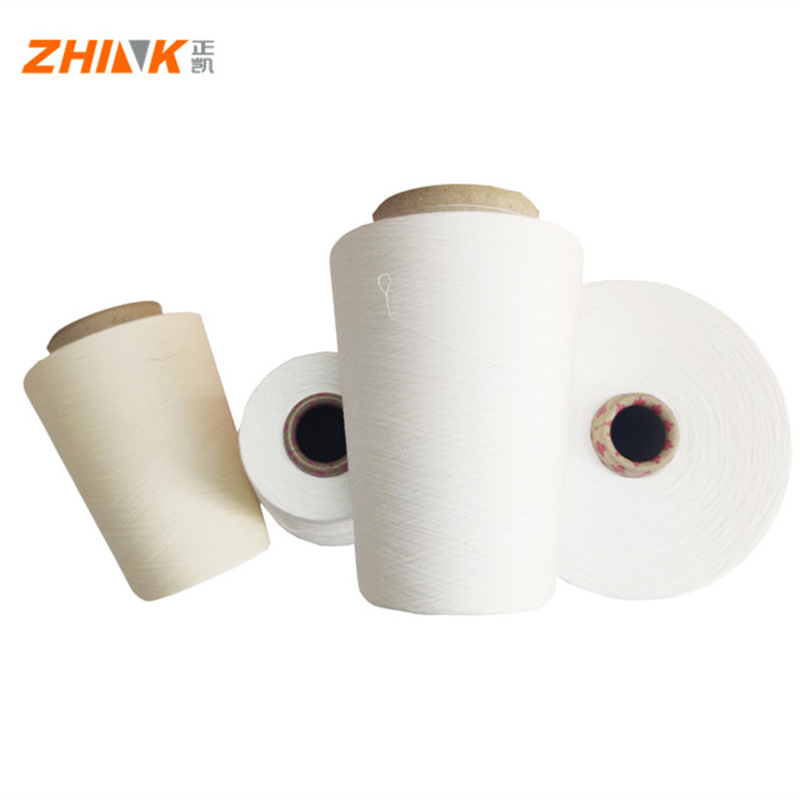
bamboo/Combed cotton blended yarn
An Exploration of Bamboo/Combed Cotton Blended Yarn
Blending bamboo and combed cotton into yarn sounds straightforward, a match made in textile heaven, yet it comes with its own nuances. This careful combination takes advantage of bamboo's sustainability and cotton's comfort, but achieving the perfect blend is where art meets science.
The Basics of Bamboo and Combed Cotton Blend
At first glance, combining bamboo with combed cotton might seem simple—pick two fibers, blend them, and you’re done. However, anyone who's spent time around a loom or in a textile R&D lab knows it's a little more complex. I've worked with numerous blends over the years, and achieving a seamless fusion requires finesse.
Bamboo brings a natural anti-bacterial quality, adding a fresh dimension to the yarn. On the other hand, combed cotton offers unparalleled softness because of the extra processing to remove shorter fibers and impurities. This combination seems ideal, positioned at the intersection of comfort and performance. Yet, balancing these two without compromising either's innate qualities can be tricky.
For example, I recall a particular project where we aimed for a 70/30 bamboo to cotton ratio to optimize breathability without losing the plush feel. It took us countless trials to maintain the integrity of both fibers.
Challenges in Production
One of the main challenges of producing bamboo/combed cotton blended yarn is adjusting the spinning process to accommodate two materials with such different properties. Bamboo tends to be more slippery, which can complicate spinning compared to cotton's larger grip in machinery.
Adjustments in tension and speed were frequent topics of debate in our production meetings. We found that increasing the humidity level slightly during processing helped the fibers interact more harmoniously, though it took several frustrating means of trial and error.
An unforeseen issue I encountered was the need for specialized machinery adjustments. Many standard cotton-spinning machines weren't equipped to handle the slickness of bamboo, necessitating custom modifications that drove up initial production costs.
Industry Applications and Benefits
Despite its challenges, the bamboo/combed cotton blended yarn has made its way into numerous applications successfully. Its lightweight, breathable nature makes this blend particularly appealing for athletic wear and summer apparel. Yet, it retains enough durability for everyday use.
A memorable commercial project involved a client focused on environmentally friendly baby clothing. The hypoallergenic property of the bamboo and the softness of the cotton provided a unique selling point—a lesson in matching material characteristics to market needs. SHANDONG ZHINK NEW MATERIAL CO., LTD has seen a growing interest, as reflected on their site, Zhink Yarn.
I distinctly remember the discourse during those sessions, trying to align what the market said it wanted versus what the materials could provide. It’s a logistical jigsaw puzzle of sorts.
Environmental Impact and Sustainability
If you’re in the yarn industry, you know sustainability isn’t just a buzzword; it’s a business model. Bamboo's fast growth and minimal chemical needs make it a poster child for eco-friendly materials. But to claim a blend is fully sustainable, one must consider the overall production footprint, including combed cotton processing.
A sustainable approach means examining every aspect, from raw material sourcing to end-product recyclability. The most rewarding part of our explorations at SHANDONG ZHINK NEW MATERIAL CO., LTD has been reducing waste through recycling fibers that don't make the initial cut.
Still, there remains an ongoing challenge in the wastewater treatment process resulting from bamboo's transformation into textile form. Innovators in the field continue to work towards solutions, but it’s this ever-evolving nature of problem-solving that keeps those of us in the field engaged.
Future Directions and Innovations
Looking forward, the potential for bamboo/combed cotton blended yarn lies in refining production techniques and expanding its applicability. The textile industries have an ongoing battle with balancing cost, scalability, and innovation, making the research and development in this area key.
One fascinating direction we're exploring includes the use of nanotechnology to enhance fiber interaction. Although promising, such endeavors are still in their nascent phase and require significant investment and time. Our team's ongoing collaboration with materials engineers has shown glimpses of the future.
Ultimately, navigating the intricate dance of textile components brings its own satisfaction—pushing forward even when the answers aren't immediately obvious is what we do at SHANDONG ZHINK NEW MATERIAL CO., LTD. Each successful batch isn't just a product; it's another step on a complex, rewarding journey.
Related Products
Related Products