+86-632-3621866
- Chinese
- French
- German
- Portuguese
- Spanish
- Russian
- Japanese
- Korean
- Arabic
- Irish
- Greek
- Turkish
- Italian
- Danish
- Romanian
- Indonesian
- Czech
- Afrikaans
- Swedish
- Polish
- Basque
- Catalan
- Esperanto
- Hindi
- Lao
- Albanian
- Amharic
- Armenian
- Azerbaijani
- Belarusian
- Bengali
- Bosnian
- Bulgarian
- Cebuano
- Chichewa
- Corsican
- Croatian
- Dutch
- Estonian
- Filipino
- Finnish
- Frisian
- Galician
- Georgian
- Gujarati
- Haitian
- Hausa
- Hawaiian
- Hebrew
- Hmong
- Hungarian
- Icelandic
- Igbo
- Javanese
- Kannada
- Kazakh
- Khmer
- Kurdish
- Kyrgyz
- Latin
- Latvian
- Lithuanian
- Luxembou..
- Macedonian
- Malagasy
- Malay
- Malayalam
- Maltese
- Maori
- Marathi
- Mongolian
- Burmese
- Nepali
- Norwegian
- Pashto
- Persian
- Punjabi
- Serbian
- Sesotho
- Sinhala
- Slovak
- Slovenian
- Somali
- Samoan
- Scots Gaelic
- Shona
- Sindhi
- Sundanese
- Swahili
- Tajik
- Tamil
- Telugu
- Thai
- Ukrainian
- Urdu
- Uzbek
- Vietnamese
- Welsh
- Xhosa
- Yiddish
- Yoruba
- Zulu
- Kinyarwanda
- Tatar
- Oriya
- Turkmen
- Uyghur


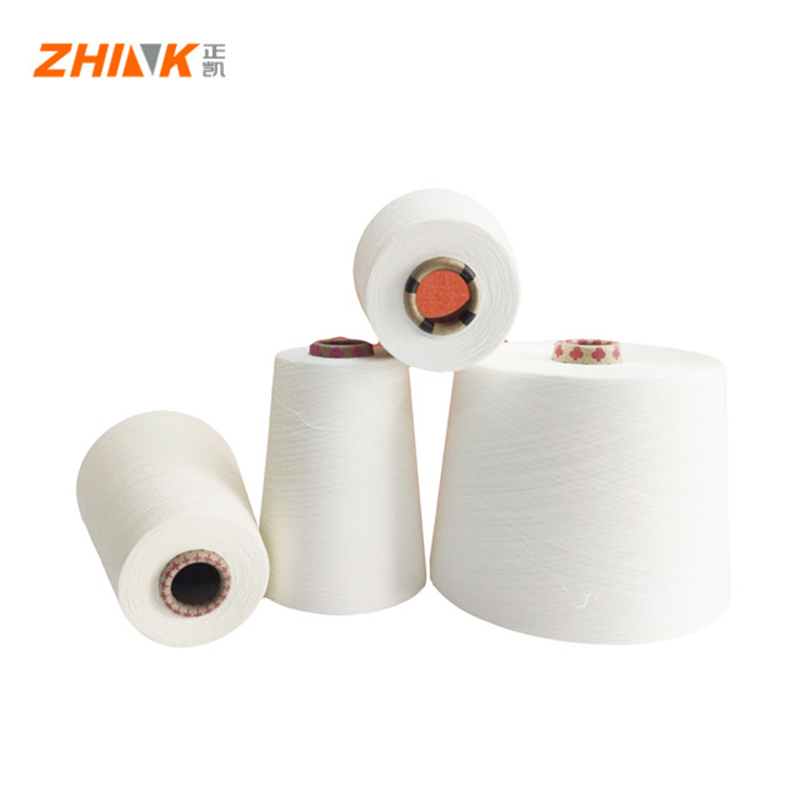
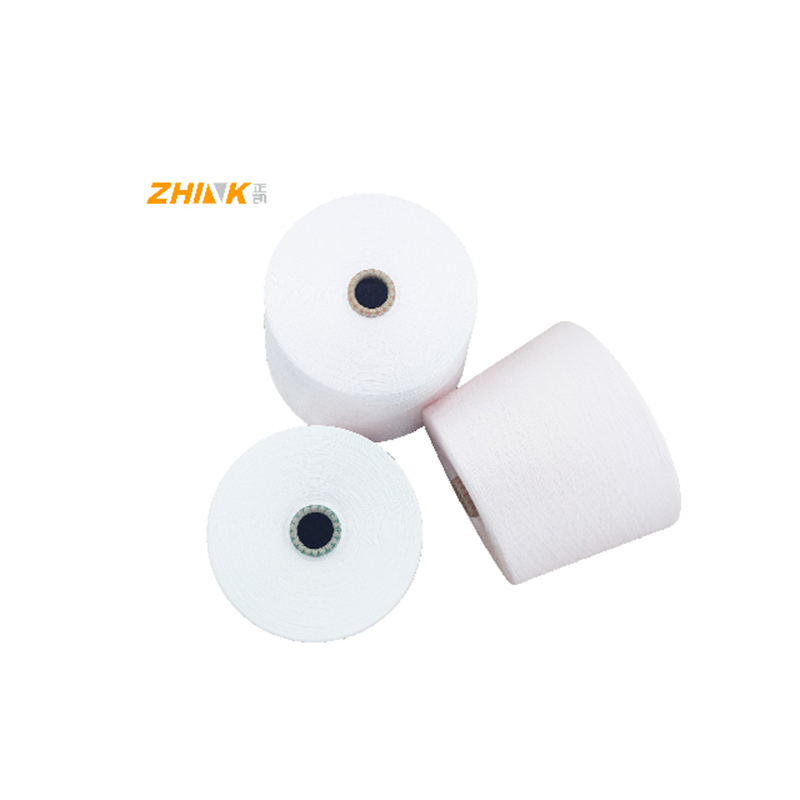
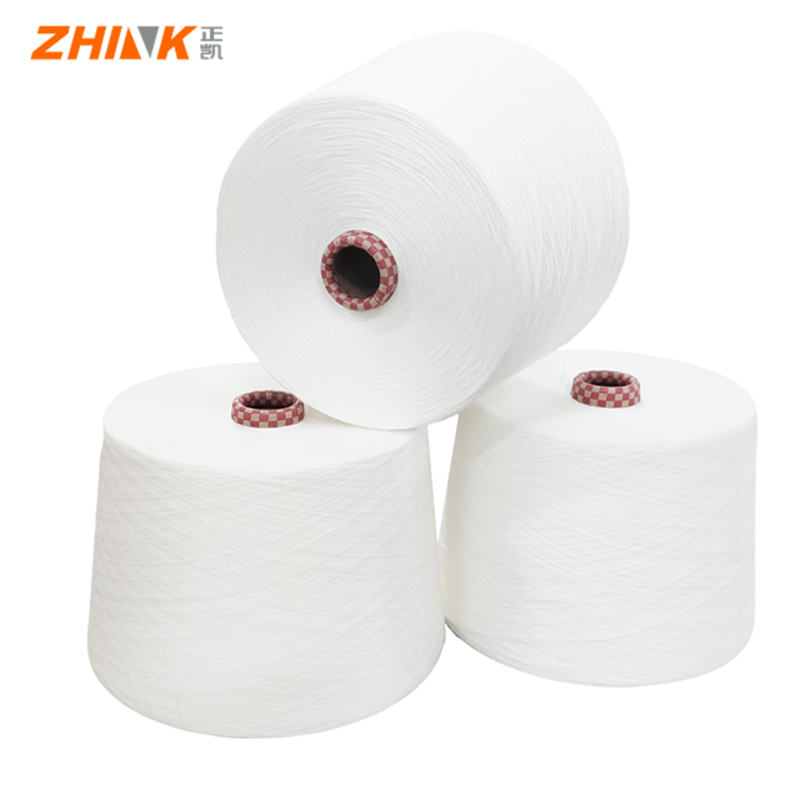
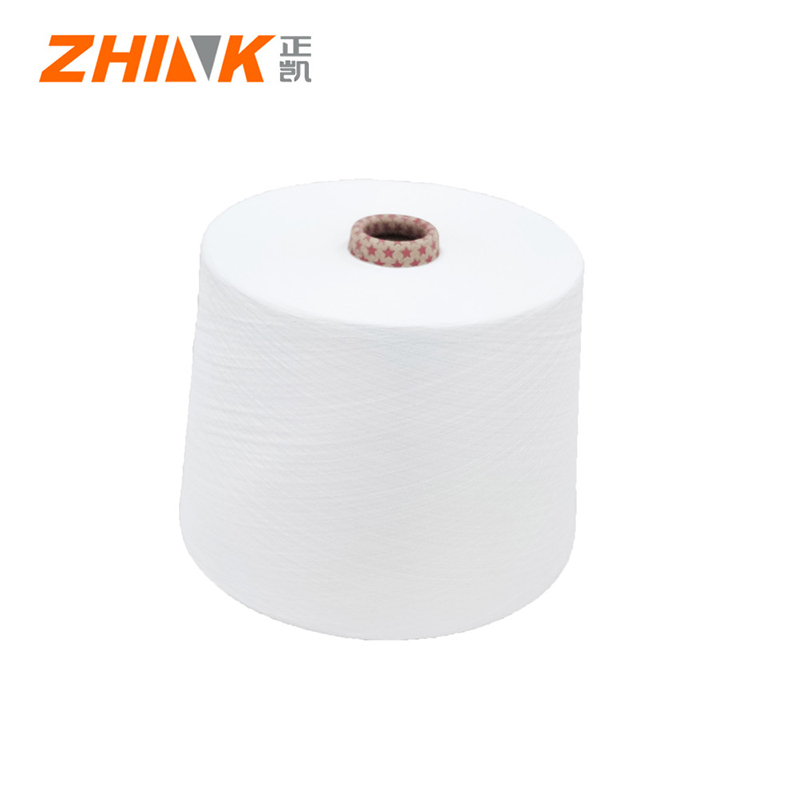
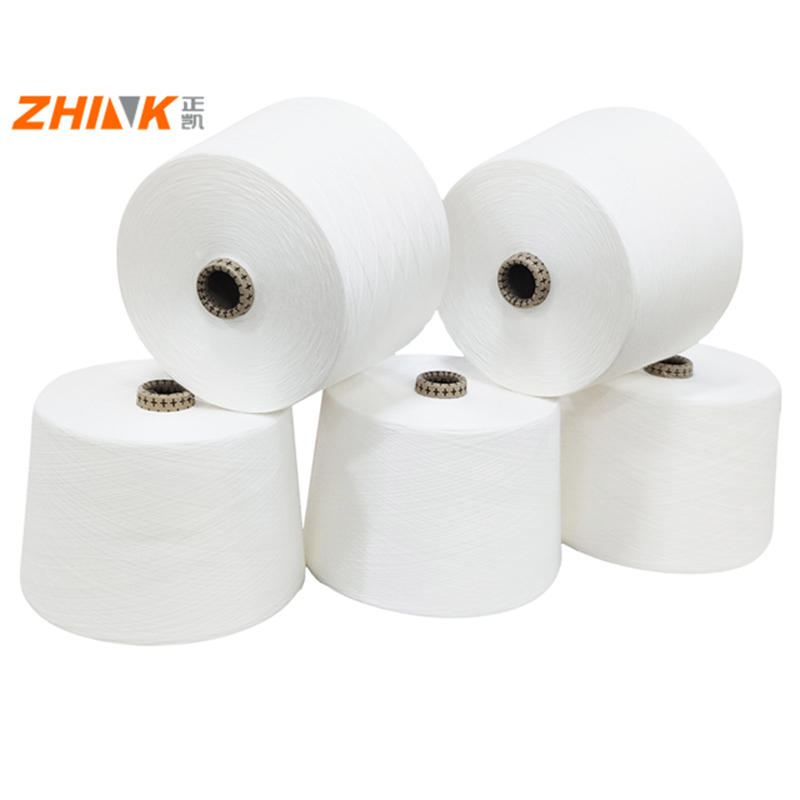
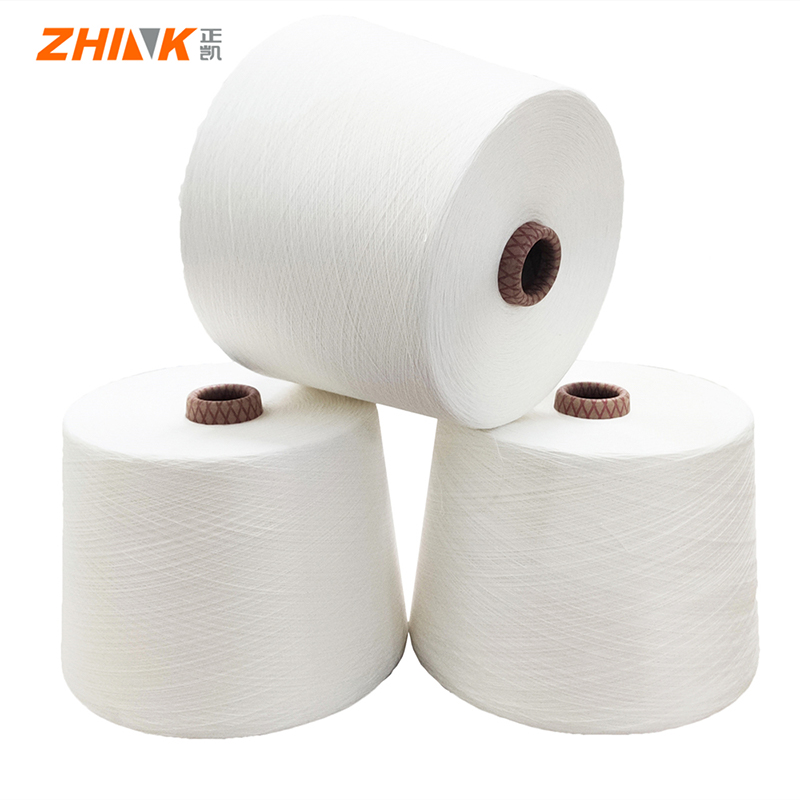
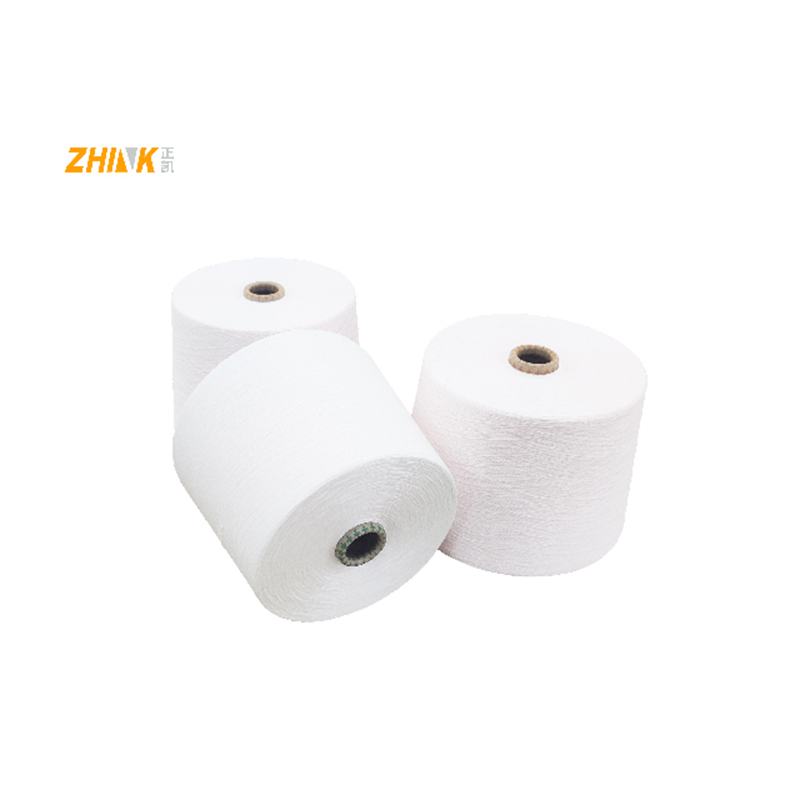
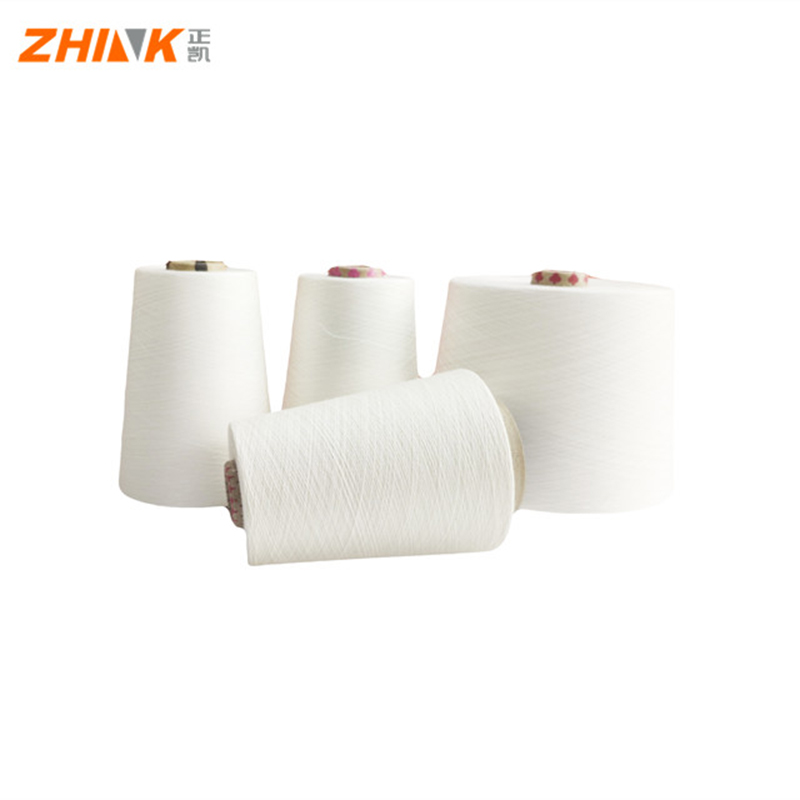
bamboo/Combed cotton siro compact yarn
The Intricacies of Bamboo/Combed Cotton Siro Compact Yarn
Ever wondered why Bamboo/Combed Cotton Siro Compact Yarn is gaining momentum in the textile industry? Maybe you’ve encountered terms like sustainability and tenacity, but how do they connect to this specific yarn blend? It’s a niche topic, often misunderstood, and yet crucial in creating durable and eco-friendly textiles.
A Blend of Nature and Innovation
At the crossroads of tradition and innovation lies the combination of bamboo and combed cotton in siro compact yarn. Bamboo, renowned for its fast growth and minimal pesticide needs, provides eco-friendly credentials. Combed cotton, on the other hand, involves an additional step where fibers are combed to remove impurities, creating a smoother, stronger yarn.
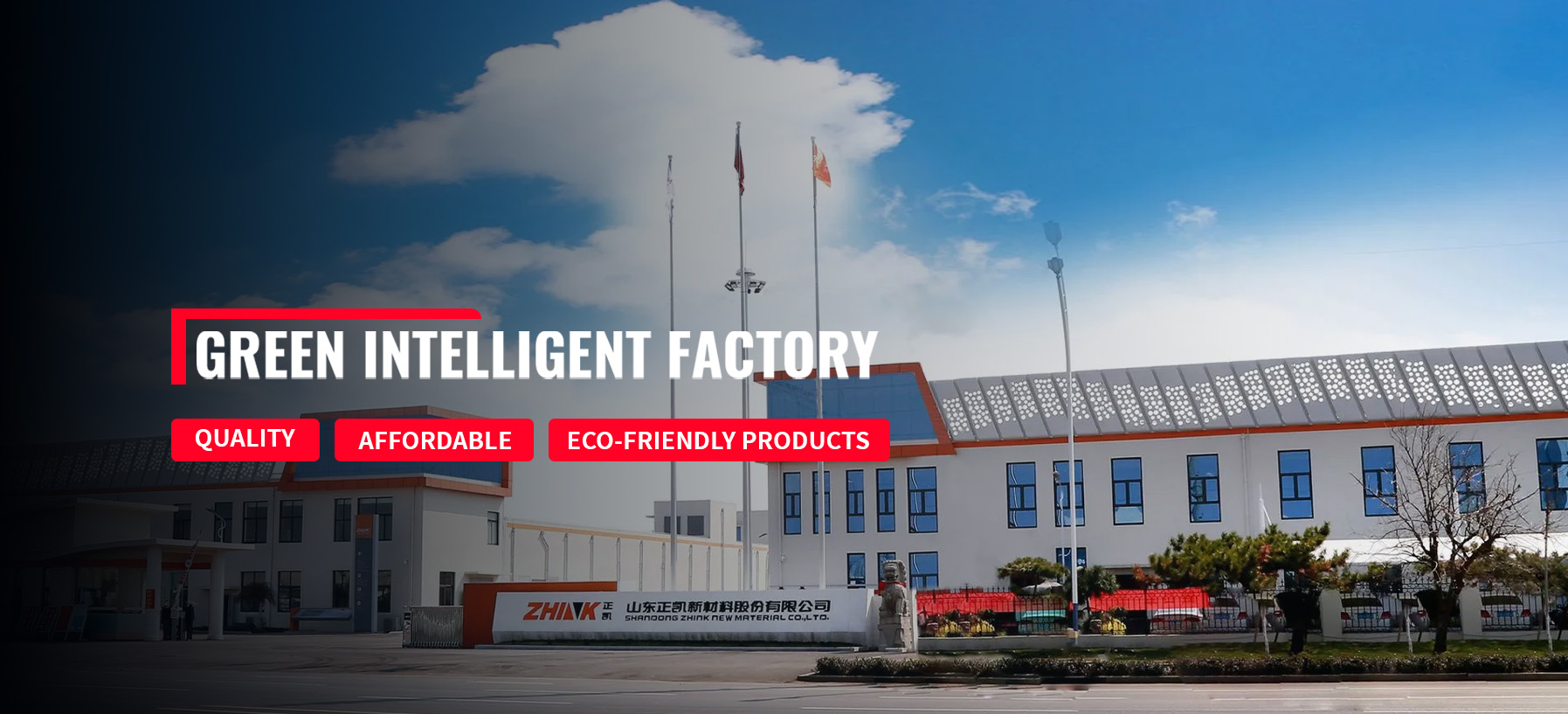
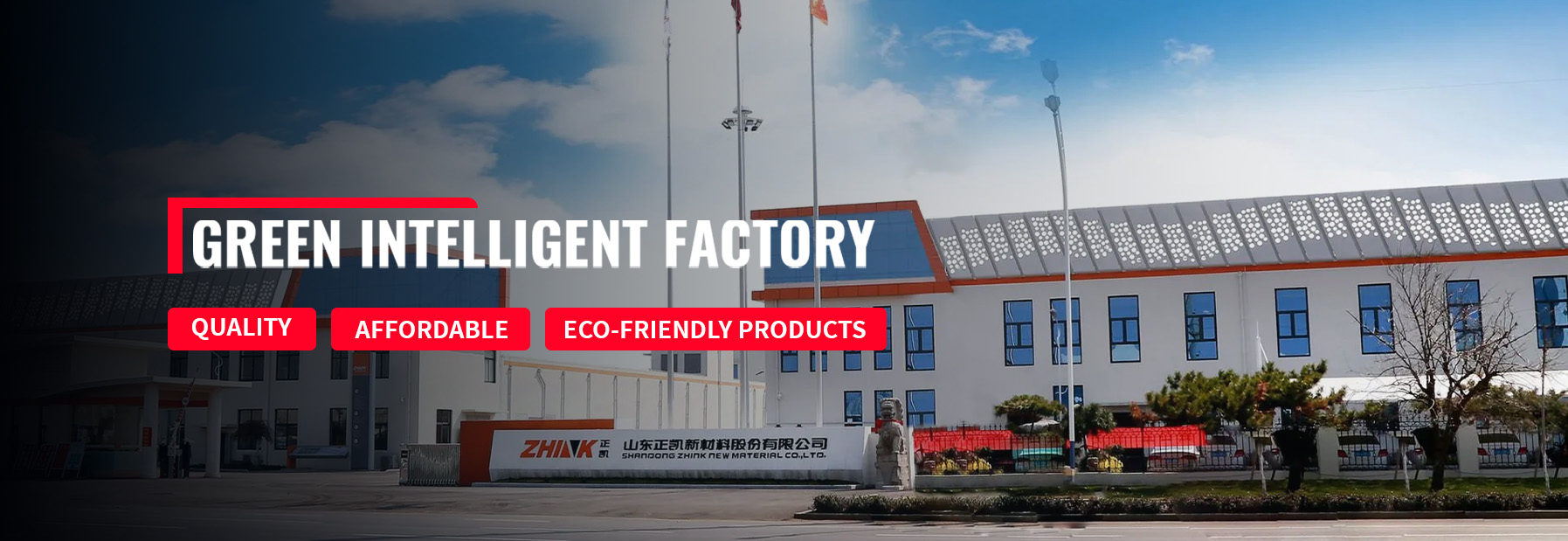
Imagine standing in a production facility—say, the ones run by SHANDONG ZHINK NEW MATERIAL CO., LTD. (https://www.zhinkyarn.com). As strands of yarn spool through machines, the challenge lies in maintaining the perfect balance of bamboo’s softness and cotton’s strength, a delicate dance that we've been trying to perfect.
Yet, this balance isn't just technical; it influences the final product’s feel, durability, and cost. Working closely with development teams often means a heated debate over fiber ratios, something a layperson might overlook without hands-on experience.
Sustainability Challenges
People love to highlight bamboo’s rapid renewability, but let’s talk about the environmental footprint of siro compact yarn production. Siro spinning is efficient, reducing pilling while increasing yarn luster. However, ensuring this process remains sustainable requires constant monitoring.
At Zhink, innovating new methods to decrease energy consumption is a top priority. This involves not just updating technology but also training workers to adapt to more sustainable practices. It’s hard work, but essential if we’re serious about global sustainability commitments.
Encountering unexpected hurdles? It happens. For instance, the water used in processing can pose challenges. We’ve had times when managing wastewater efficiently became a bigger task than anticipated, demanding swift innovations and sometimes, late nights at the facility.
Quality Control Nuances
Ever faced a quality control crisis? With bamboo/combed cotton blends, maintaining consistent quality can be a battleground. You’re constantly juggling variables — from the raw material quality to the spinning technique.
At Zhink, routine checks and collaborations with suppliers are routine, yet hiccups are inevitable. I recall cases where a slight lapse in maintaining the humidity levels at production led to significant yarn inconsistencies. Ironically, it’s these challenges that improve our processes over time.
Tools and sensors help, but nothing beats the eye of a seasoned professional. Regular training sessions keep our team alert and capable of catching issues early — a critical component in this industry.
Market Dynamics
Understanding market demands is another puzzle. Today’s consumers are savvy; they check labels for terms like “eco-friendly” or “organic.” But translating those consumer desires into product specifications, while keeping an eye on costs, requires experience and often, a bit of gut instinct.
Pricing strategies become another layer of complexity. Bamboo is costlier, yet the premium market demands it for its softness and natural antibacterial properties. Here at SHANDONG ZHINK NEW MATERIAL CO., LTD., finding that sweet spot in pricing, while ensuring quality, is an ongoing challenge.
Ultimately, market trends dictate shifts. Be it a sudden rise in demand for eco-friendly fashion or a dip due to economic downturns, staying attuned is crucial. Our team constantly reviews market data, ready to adapt swiftly.
Future Prospects
Looking forward, the potential of Bamboo/Combed Cotton Siro Compact Yarn is immense. As tech advances, integrating smart textiles — like those responding to temperature changes — into our blends remains on the horizon. It’s an exciting prospect, one requiring careful R&D investment.
Collaborations with academic institutions and tech companies could be game-changers. Imagine using AI to refine production processes or employing blockchain for supply chain transparency, increasing consumer trust.
Sure, the journey includes its fair share of missteps, but that’s how we evolve. By staying committed to innovation and sustainable practices, companies like Zhink pave the way for smarter, more responsible textile production.
Related Products
Related Products