+86-632-3621866
- Chinese
- French
- German
- Portuguese
- Spanish
- Russian
- Japanese
- Korean
- Arabic
- Irish
- Greek
- Turkish
- Italian
- Danish
- Romanian
- Indonesian
- Czech
- Afrikaans
- Swedish
- Polish
- Basque
- Catalan
- Esperanto
- Hindi
- Lao
- Albanian
- Amharic
- Armenian
- Azerbaijani
- Belarusian
- Bengali
- Bosnian
- Bulgarian
- Cebuano
- Chichewa
- Corsican
- Croatian
- Dutch
- Estonian
- Filipino
- Finnish
- Frisian
- Galician
- Georgian
- Gujarati
- Haitian
- Hausa
- Hawaiian
- Hebrew
- Hmong
- Hungarian
- Icelandic
- Igbo
- Javanese
- Kannada
- Kazakh
- Khmer
- Kurdish
- Kyrgyz
- Latin
- Latvian
- Lithuanian
- Luxembou..
- Macedonian
- Malagasy
- Malay
- Malayalam
- Maltese
- Maori
- Marathi
- Mongolian
- Burmese
- Nepali
- Norwegian
- Pashto
- Persian
- Punjabi
- Serbian
- Sesotho
- Sinhala
- Slovak
- Slovenian
- Somali
- Samoan
- Scots Gaelic
- Shona
- Sindhi
- Sundanese
- Swahili
- Tajik
- Tamil
- Telugu
- Thai
- Ukrainian
- Urdu
- Uzbek
- Vietnamese
- Welsh
- Xhosa
- Yiddish
- Yoruba
- Zulu
- Kinyarwanda
- Tatar
- Oriya
- Turkmen
- Uyghur



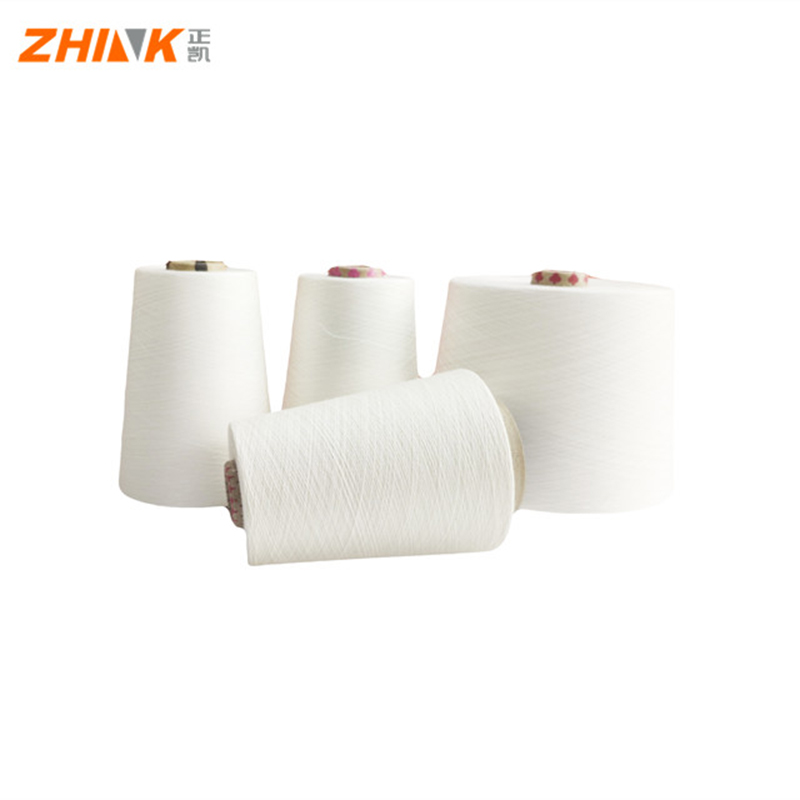
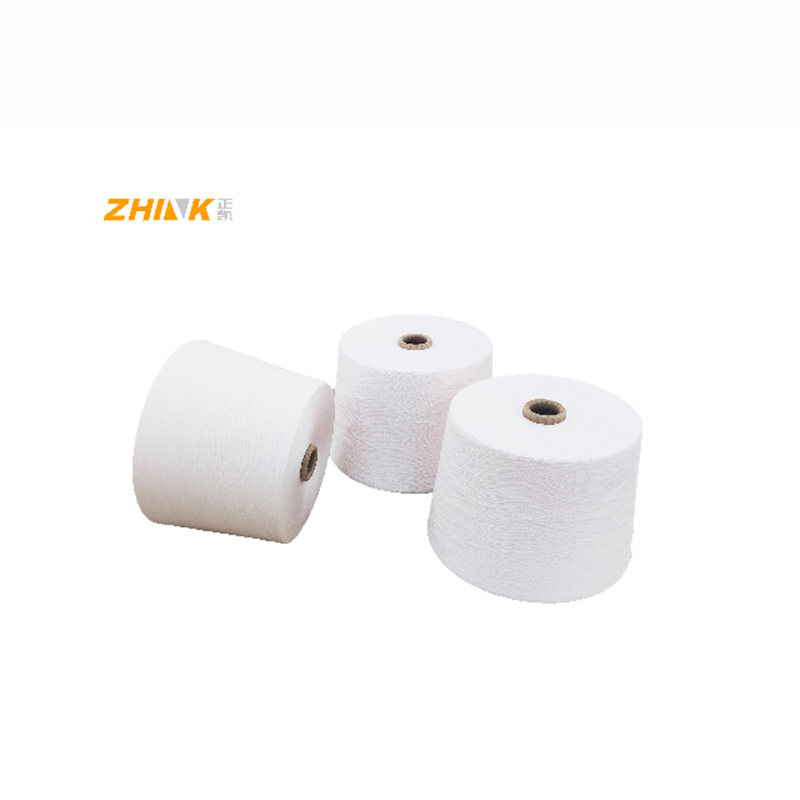
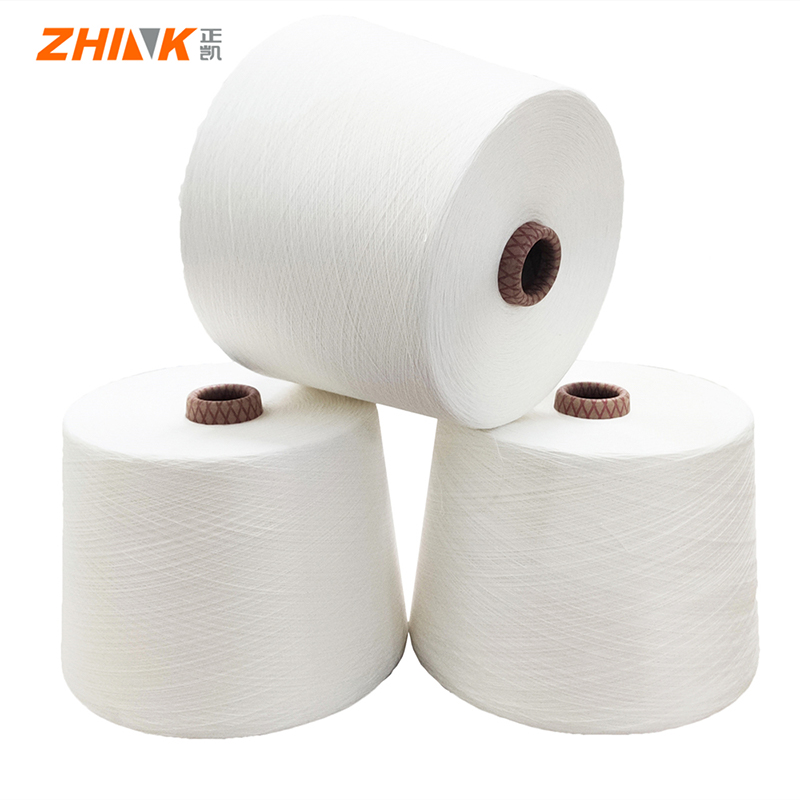
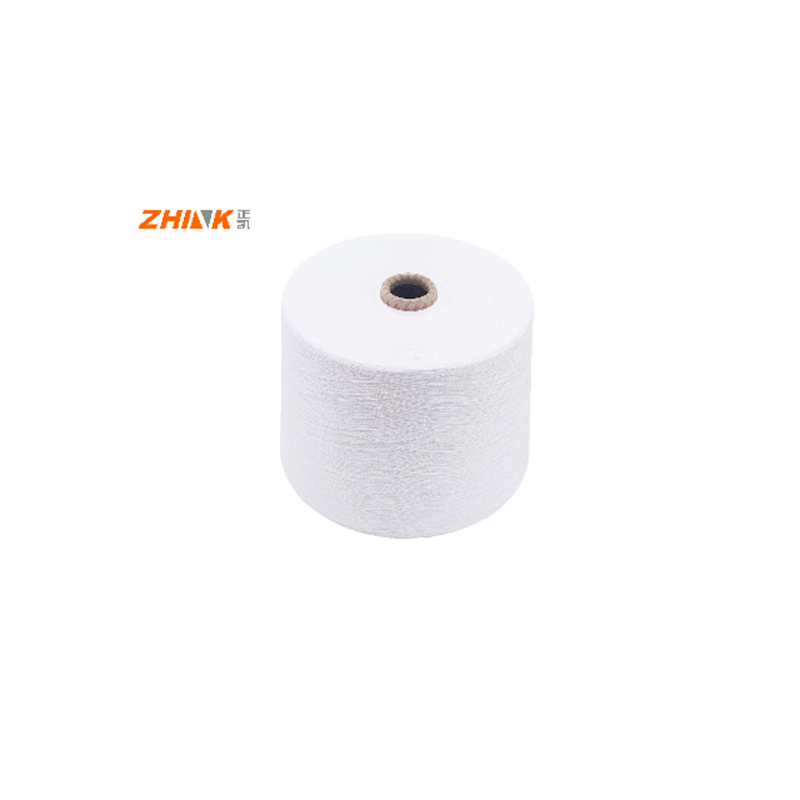
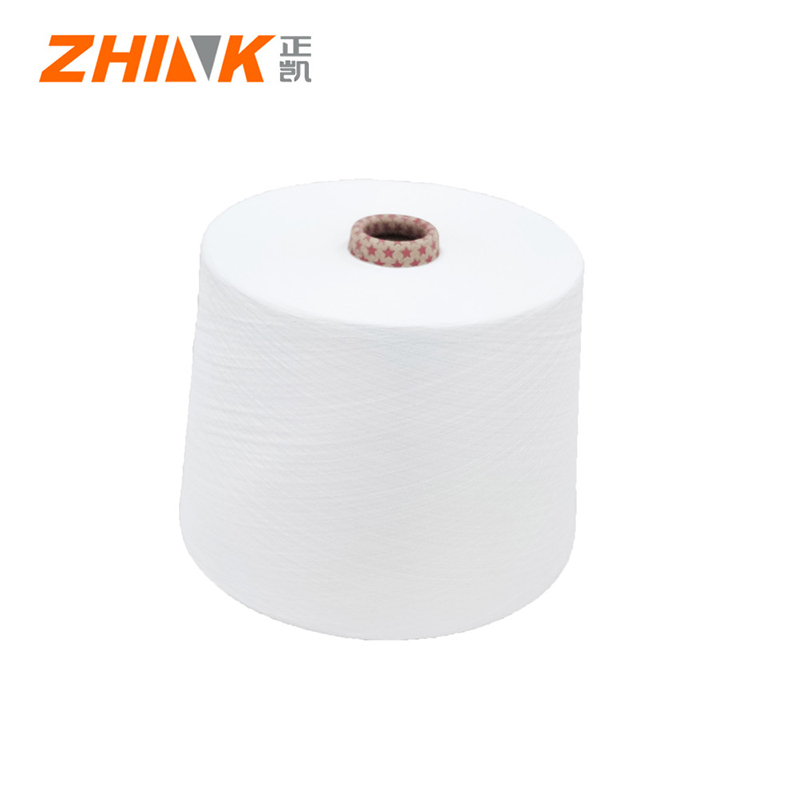
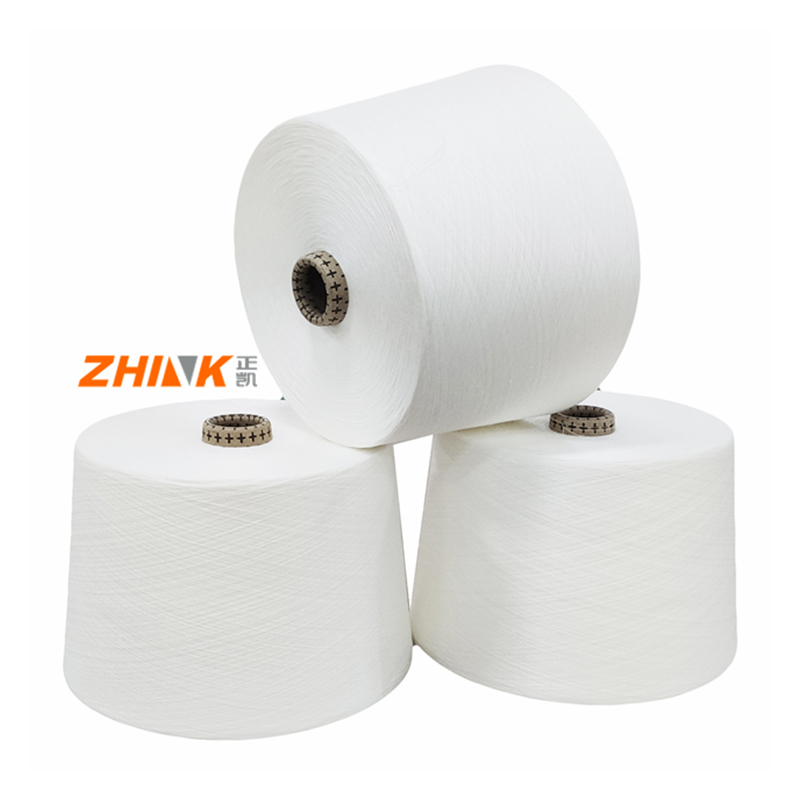
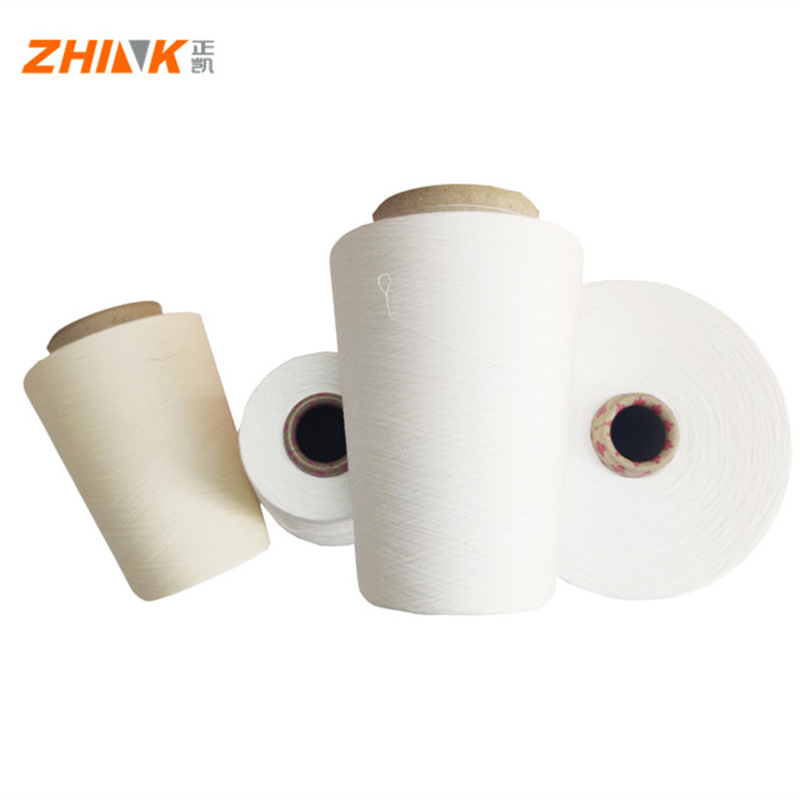
bamboo/Combed cotton siro yarn
html
The Intricate World of Bamboo/Combed Cotton Siro Yarn
Understanding the complexities of Bamboo/Combed Cotton Siro Yarn might seem daunting, yet for those in the textile industry, it's a material worth mastering. This unique blend offers promising qualities, setting the stage for both challenges and opportunities. Let’s delve into what makes this material extraordinary.
The Blend: Bamboo and Combed Cotton
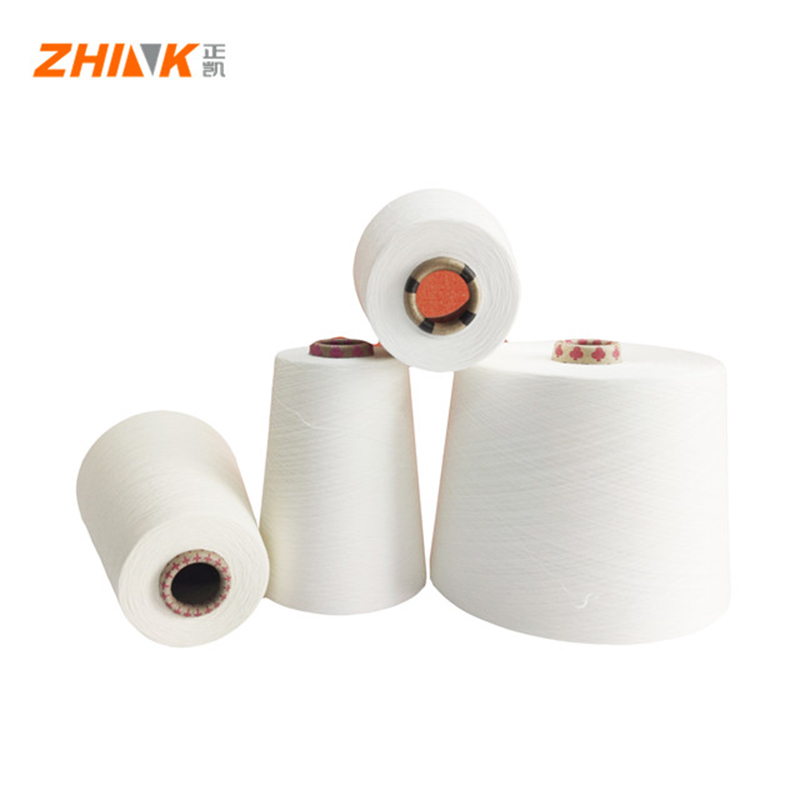
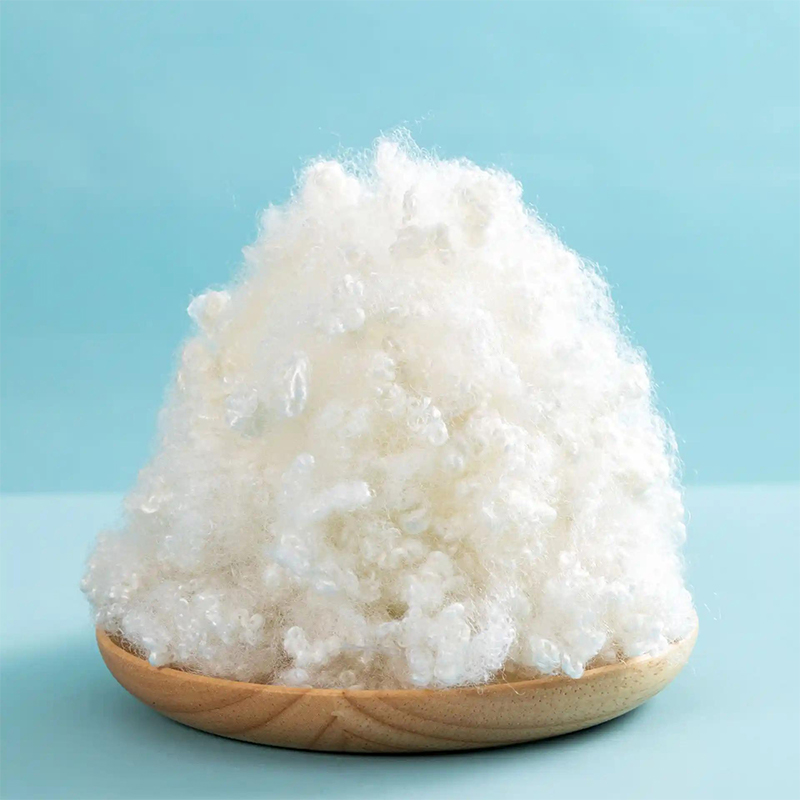
Bamboo and combed cotton—on their own, both fibers have clear benefits. Bamboo is renowned for its silky texture and antimicrobial properties, while combed cotton stands out for strength and softness. But when blended, the two create a yarn that’s greater than the sum of its parts.
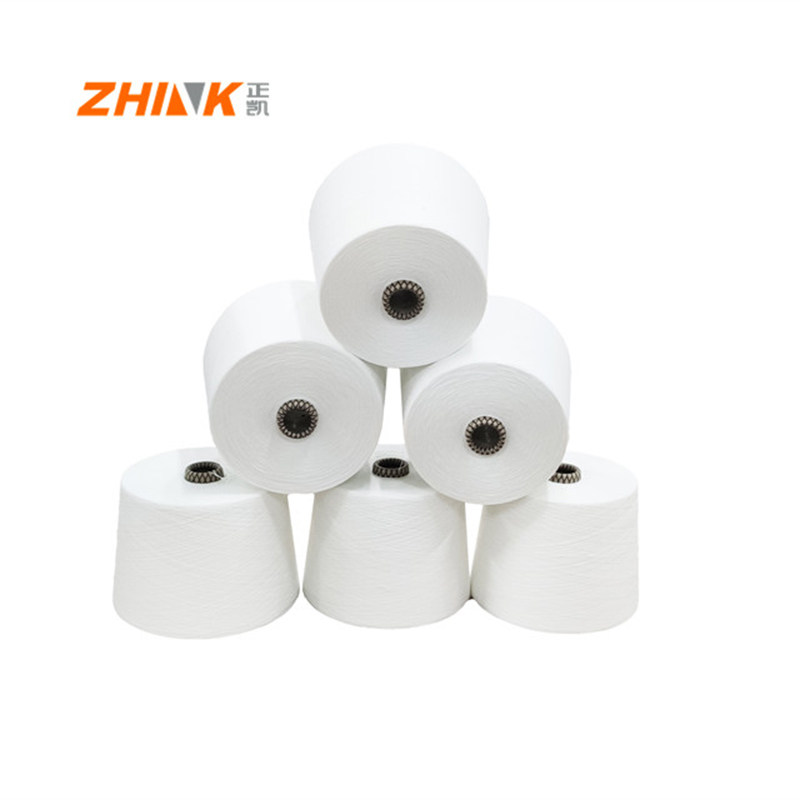
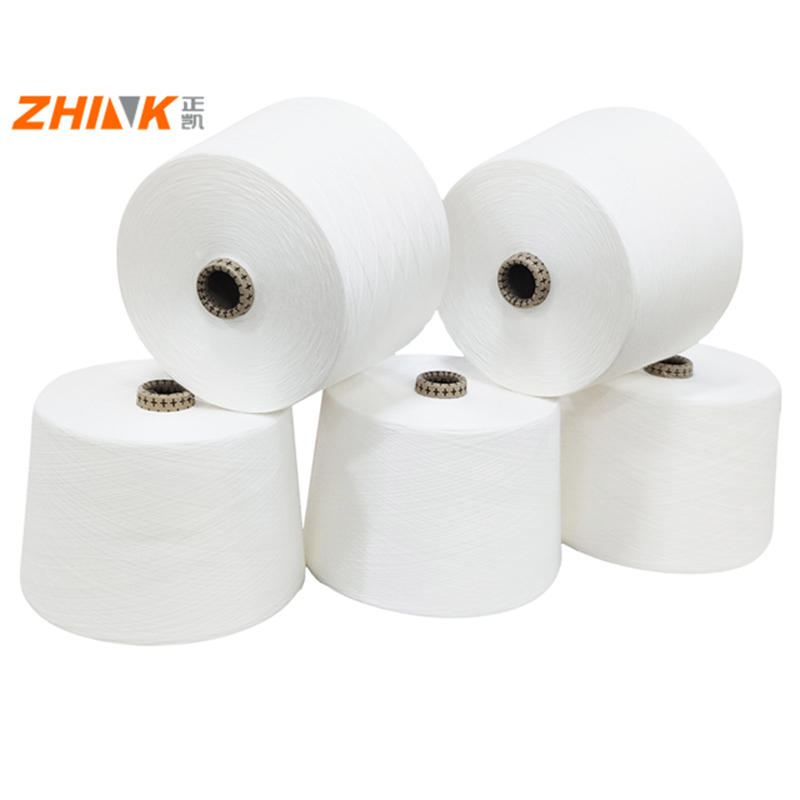
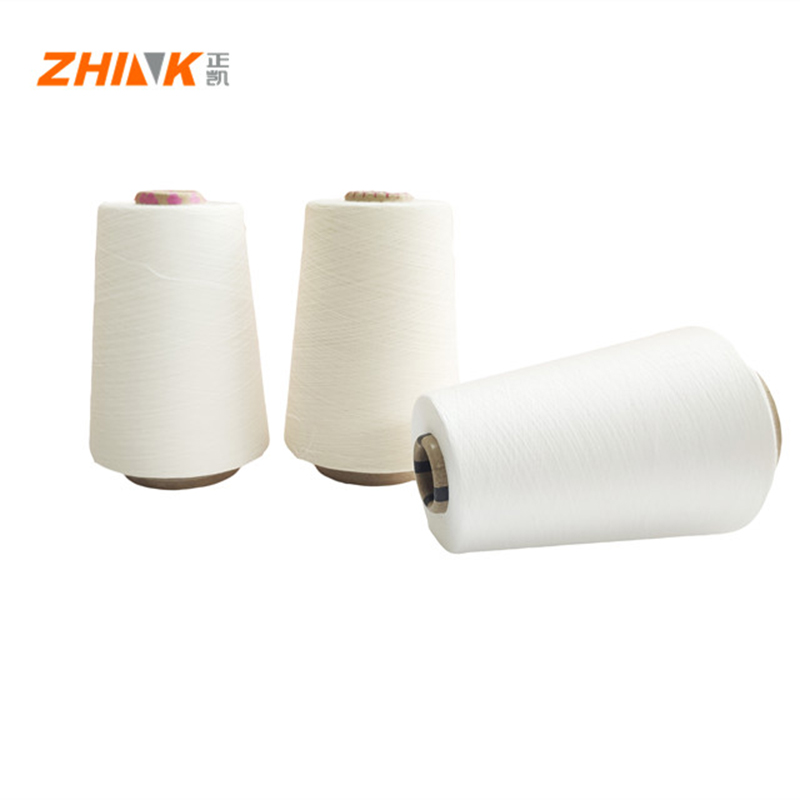
The magic, some might say, happens in the siro spinning process. This technique creates a fine, smooth yarn by twisting two strands, adding to the strength and uniformity of the finished product. However, marrying bamboo with cotton isn’t without its hurdles. The moisture absorption disparities between the two can challenge even experienced spinners.
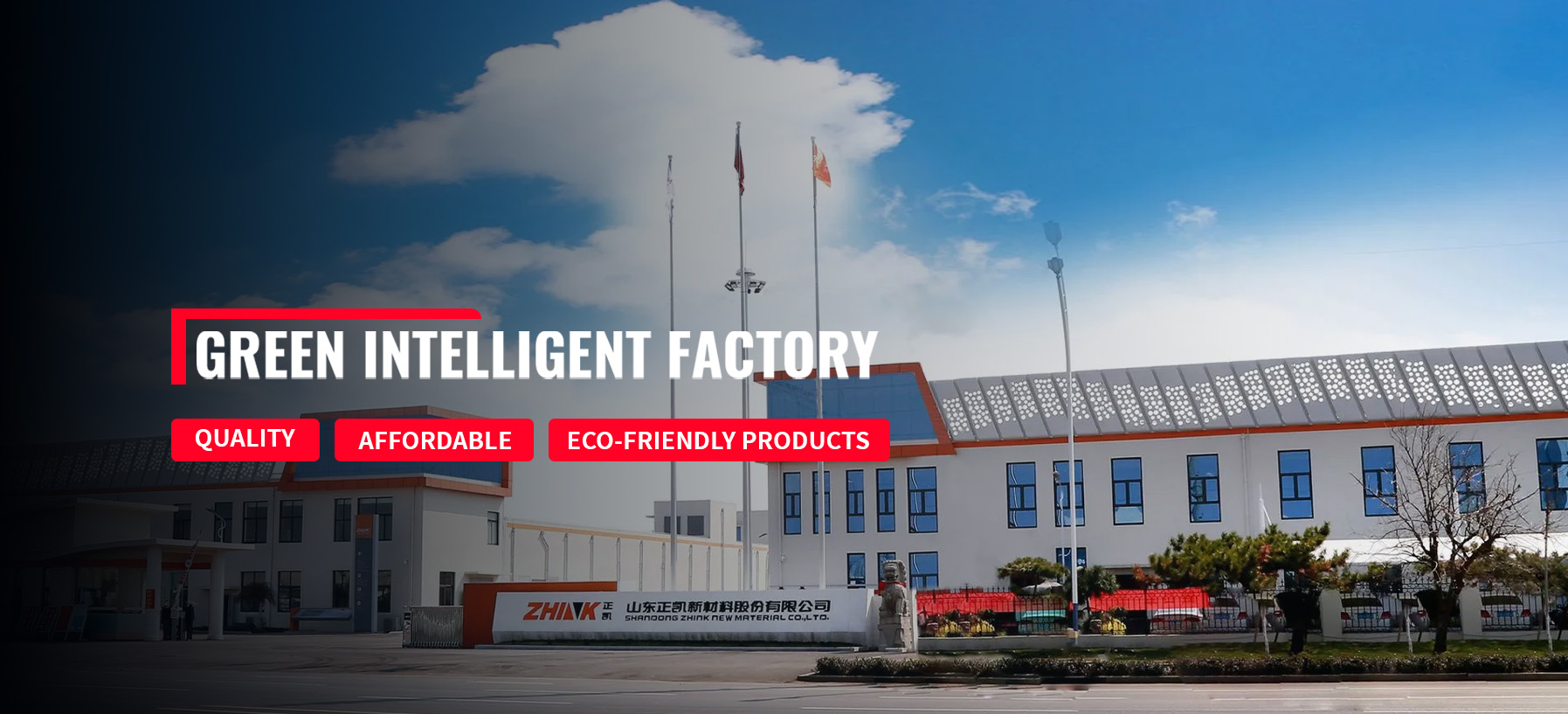
At SHANDONG ZHINK NEW MATERIAL CO., LTD, such blends are not merely products but a craft honed through research and innovation. Their facilities are fine-tuned to manage these nuances, ensuring a consistent, high-quality output.
The Production Puzzle
Here’s where the rubber meets the road in textile production. Sourcing high-quality bamboo fibers can be tricky. They need to meet rigorous environmental and performance standards. Combed cotton, on the other hand, must be selected for its ability to balance the characteristics of bamboo.
Zhink New Material has developed a reputation for stringent quality control. With their dedicated R&D teams, they ensure each batch meets precise specifications, a process visible even during a casual factory tour.
In my experience, handling siro yarn requires particular attention during the spinning phase. Incorrect tension settings can lead to disastrous results, turning perfect potential into subpar products. The key is the continuous adjustment and real-time monitoring during spinning.
Applications and Uses
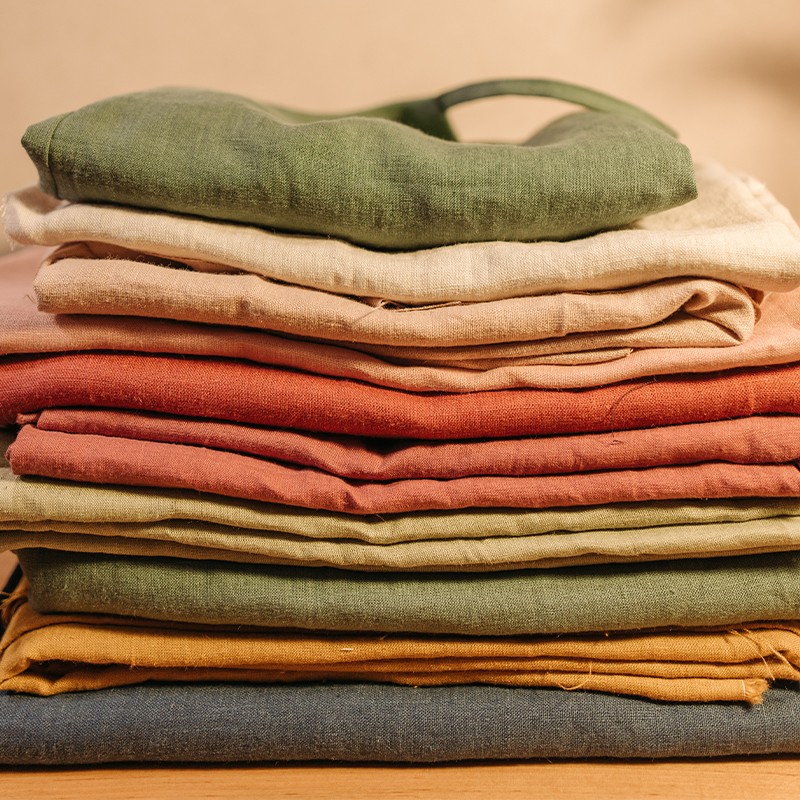
The definitive appeal of this yarn lies in its versatility. From high-end fashion to practical everyday wear, Bamboo/Combed Cotton Siro Yarn finds utility across the spectrum. Its appeal lies in the combination of softness and durability, a rare pair in textiles.
Nevertheless, pitfalls remain. Manufacturers must tailor fabric treatments to the specific blend ratio, as bamboo and cotton react differently to dyes and washes. Mistakes here can lead to colors bleeding or fading prematurely.
Zhink New Material puts a strong emphasis on post-production treatments, providing guidance to ensure their textiles perform well throughout the product lifecycle. Their customer support often extends beyond the sale, delving into product education and usage tips.
Challenges in Commercial Viability
The marketplace for specialty yarn is competitive. Balancing the costs with acceptable retail prices is no small feat. Yet, there is a growing consumer demand for sustainable and functional textiles—huge opportunities for companies like Zhink.
Maintaining competitive edge requires constant innovation. The team at Zhink frequently experiments with new blends and spinning techniques to keep their catalog fresh and exciting. The focus remains sharp on eco-friendly practices without compromising on quality or performance.
Pricing strategies can often be tricky. The raw material costs for sustainable fibers like bamboo can fluctuate, impacting overall expenses. Transparent communication with suppliers is crucial to navigate these uncertainties.
Finding the Right Balance
The ultimate goal is to synthesize these fibers into a yarn that meets market expectations yet doesn’t stretch production logistics or compromise ethical practices. It’s a delicate dance of balancing the technological with the market-driven.
For those looking to explore this niche further, visiting the facilities of forward-thinking companies like Zhink can provide insight. Their commitment is evident not only in their production floor practices but also in their strategic partnership across the supply chain.
All in all, venturing into the world of Bamboo/Combed Cotton Siro Yarn brings its share of challenges, but with the right guidance and expertise, the rewards can be substantial. Those genuinely interested should explore and learn from the experts leading this textile innovation—a worthwhile investment in both time and knowledge.
Related Products
Related Products