+86-632-3621866
- Chinese
- French
- German
- Portuguese
- Spanish
- Russian
- Japanese
- Korean
- Arabic
- Irish
- Greek
- Turkish
- Italian
- Danish
- Romanian
- Indonesian
- Czech
- Afrikaans
- Swedish
- Polish
- Basque
- Catalan
- Esperanto
- Hindi
- Lao
- Albanian
- Amharic
- Armenian
- Azerbaijani
- Belarusian
- Bengali
- Bosnian
- Bulgarian
- Cebuano
- Chichewa
- Corsican
- Croatian
- Dutch
- Estonian
- Filipino
- Finnish
- Frisian
- Galician
- Georgian
- Gujarati
- Haitian
- Hausa
- Hawaiian
- Hebrew
- Hmong
- Hungarian
- Icelandic
- Igbo
- Javanese
- Kannada
- Kazakh
- Khmer
- Kurdish
- Kyrgyz
- Latin
- Latvian
- Lithuanian
- Luxembou..
- Macedonian
- Malagasy
- Malay
- Malayalam
- Maltese
- Maori
- Marathi
- Mongolian
- Burmese
- Nepali
- Norwegian
- Pashto
- Persian
- Punjabi
- Serbian
- Sesotho
- Sinhala
- Slovak
- Slovenian
- Somali
- Samoan
- Scots Gaelic
- Shona
- Sindhi
- Sundanese
- Swahili
- Tajik
- Tamil
- Telugu
- Thai
- Ukrainian
- Urdu
- Uzbek
- Vietnamese
- Welsh
- Xhosa
- Yiddish
- Yoruba
- Zulu
- Kinyarwanda
- Tatar
- Oriya
- Turkmen
- Uyghur


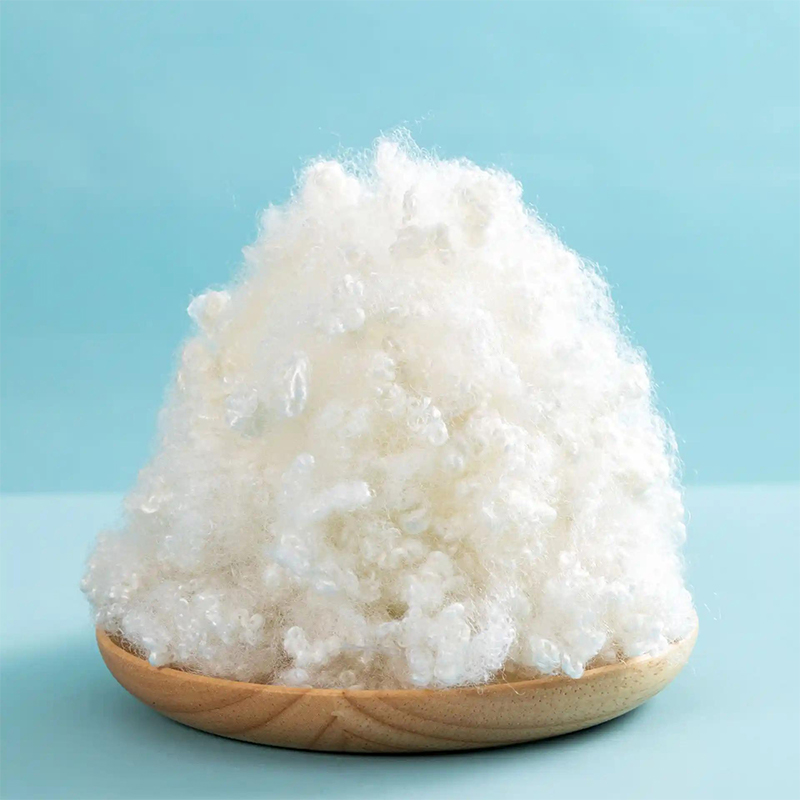
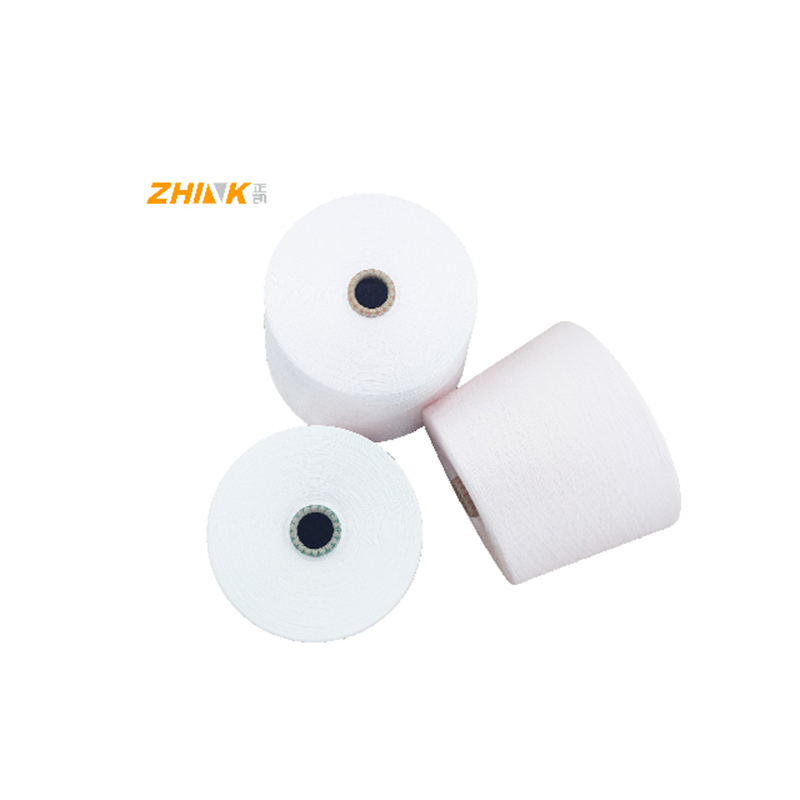
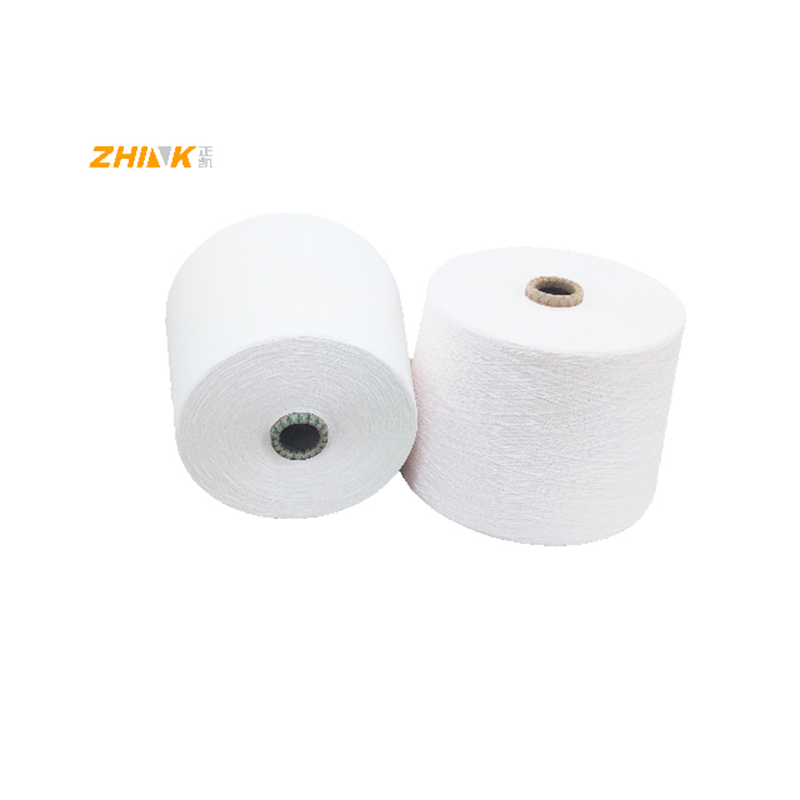
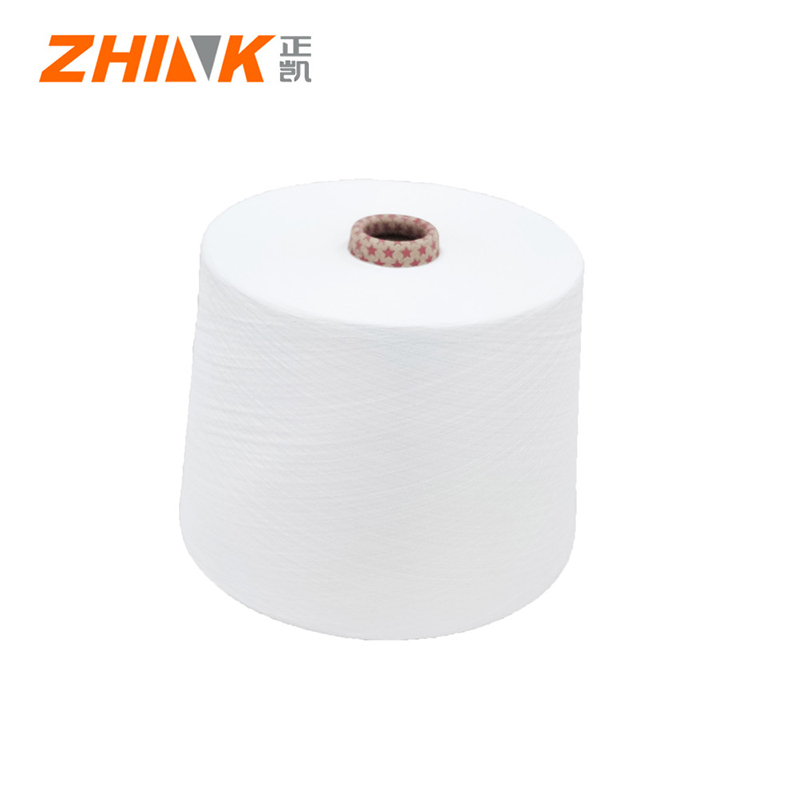
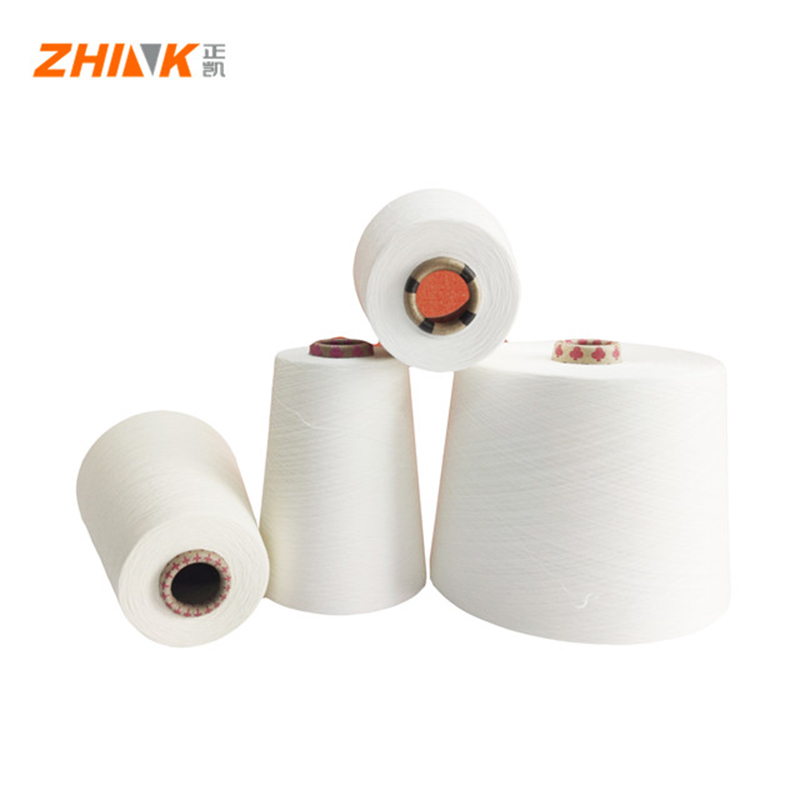
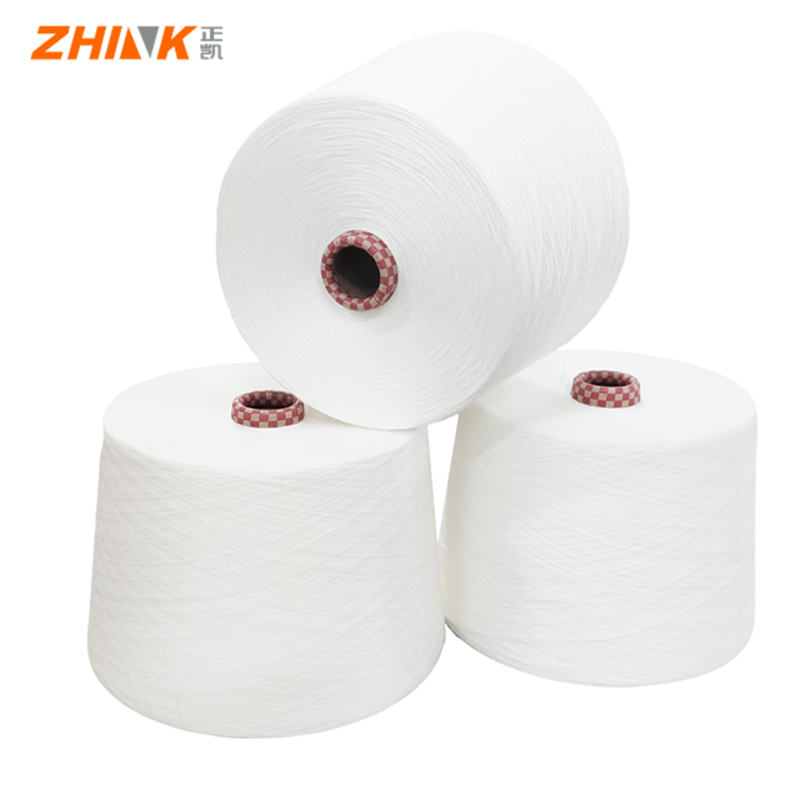
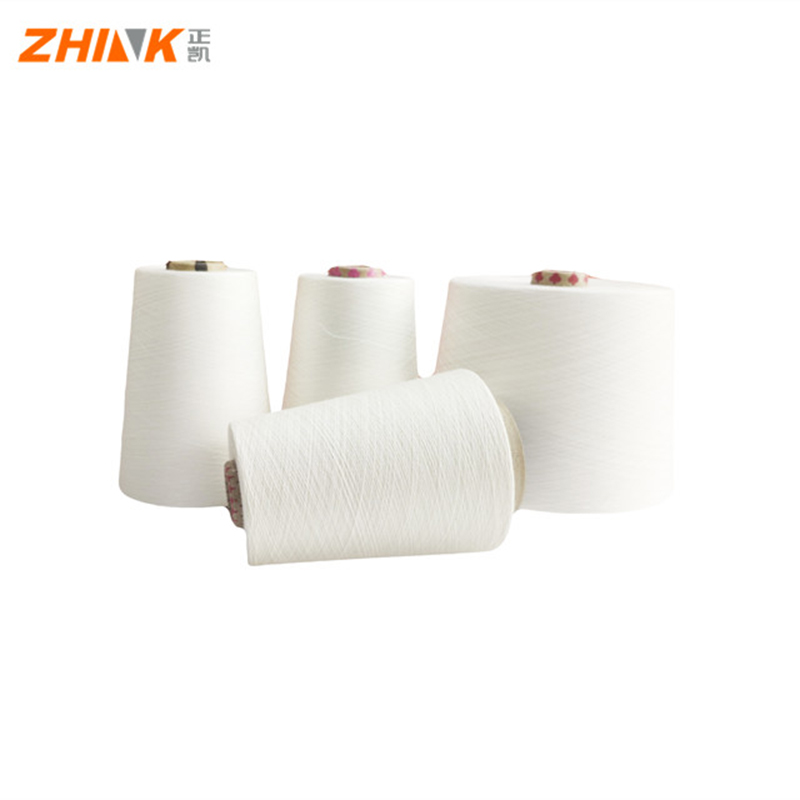
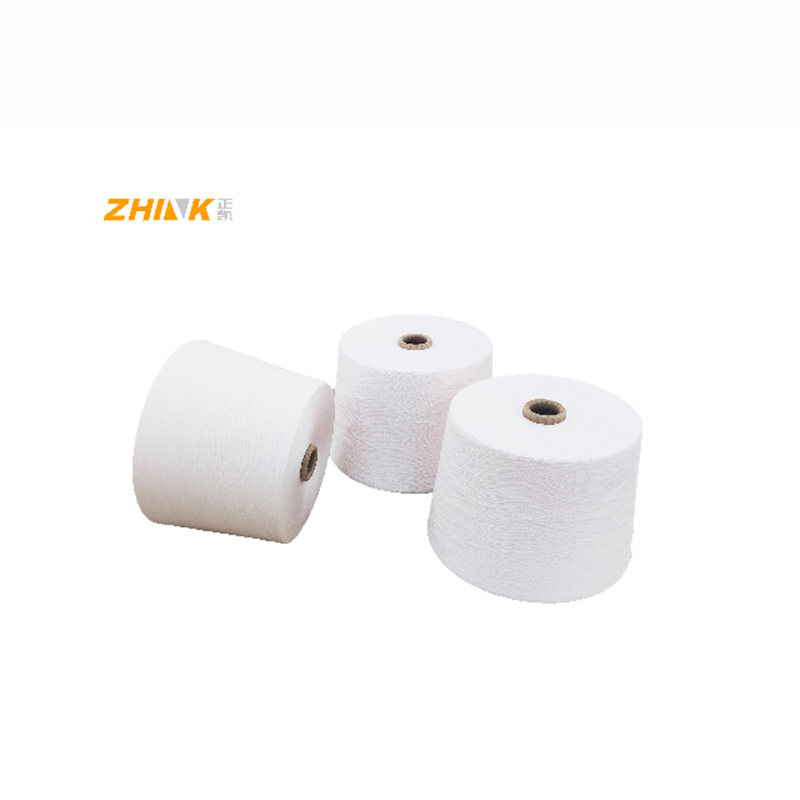
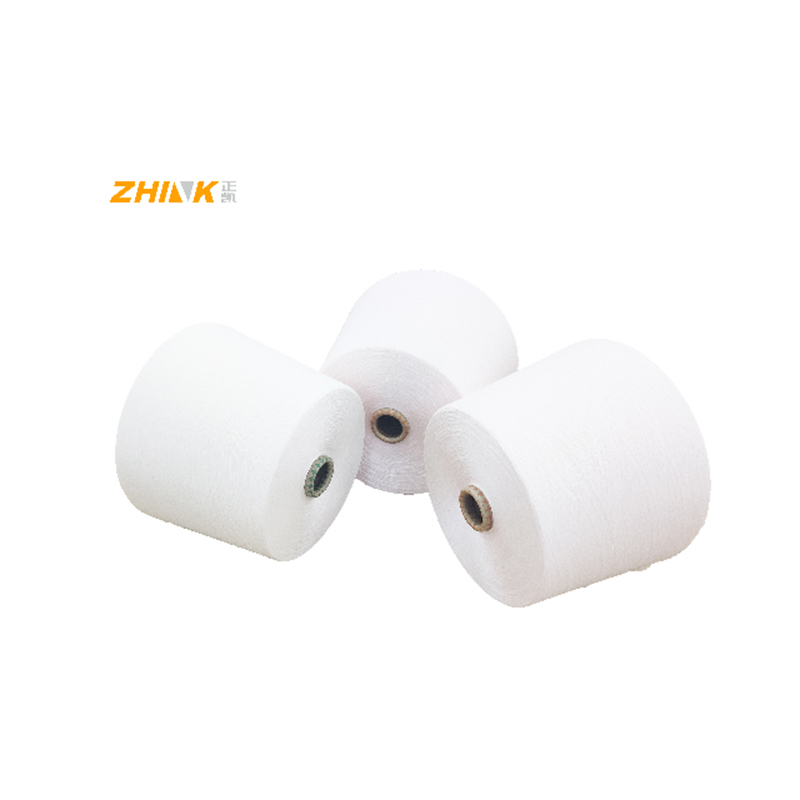
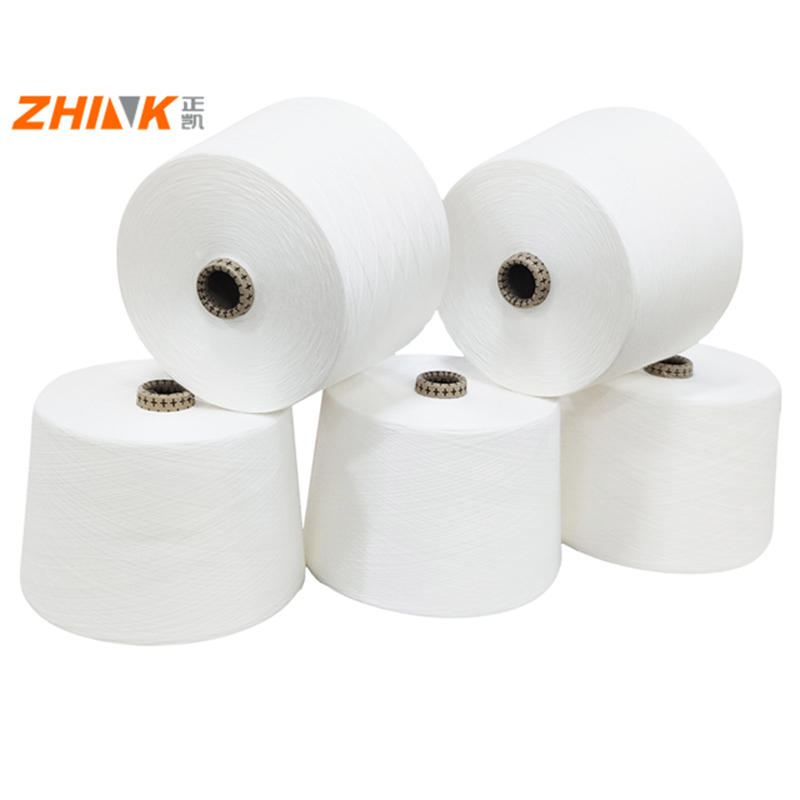
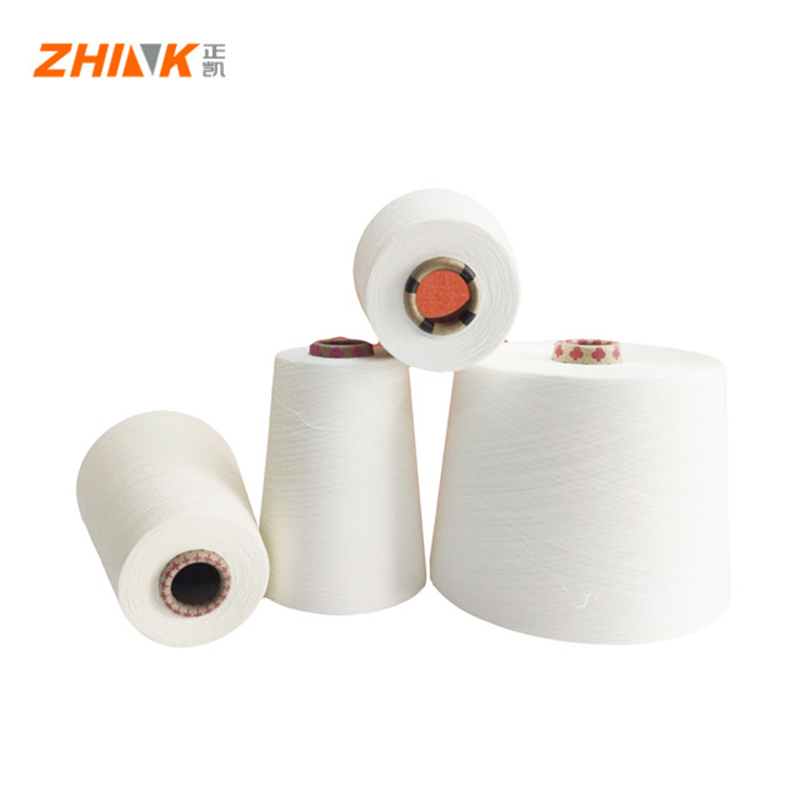
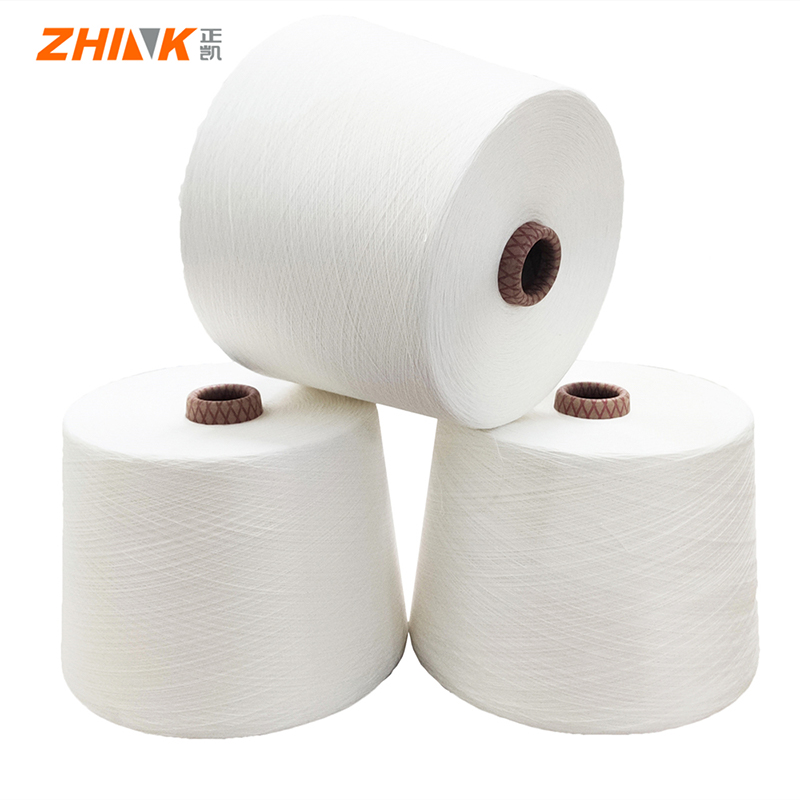
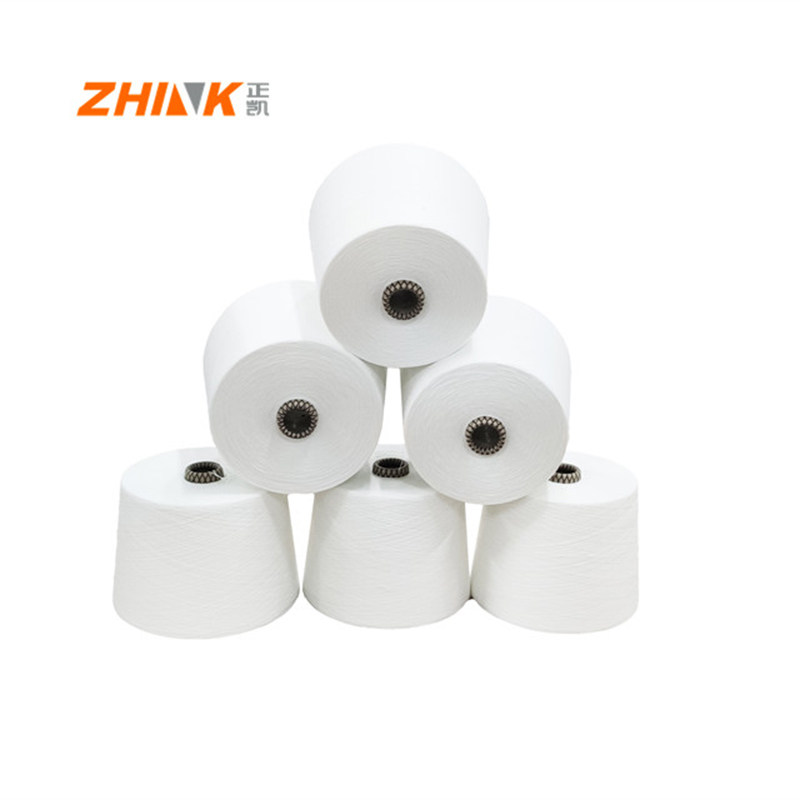
bamboo/Combed cotton vortex yarn
The Intricacies of Bamboo and Combed Cotton Vortex Yarn
In the world of textiles, the blend of bamboo and combed cotton vortex yarn presents a fascinating tale of innovation and complexity. Many in the industry mistakenly believe it's just another blend, but the truth is far richer and more nuanced.
Understanding the Blend
At first glance, the idea of blending bamboo with combed cotton may seem straightforward, yet it involves a deep understanding of each fiber's properties. Bamboo, known for its sustainability and softness, complements the strength and purity of combed cotton. However, achieving the perfect vortex yarn blend requires more than just mixing two materials; it’s about balancing their characteristics to maximize performance.
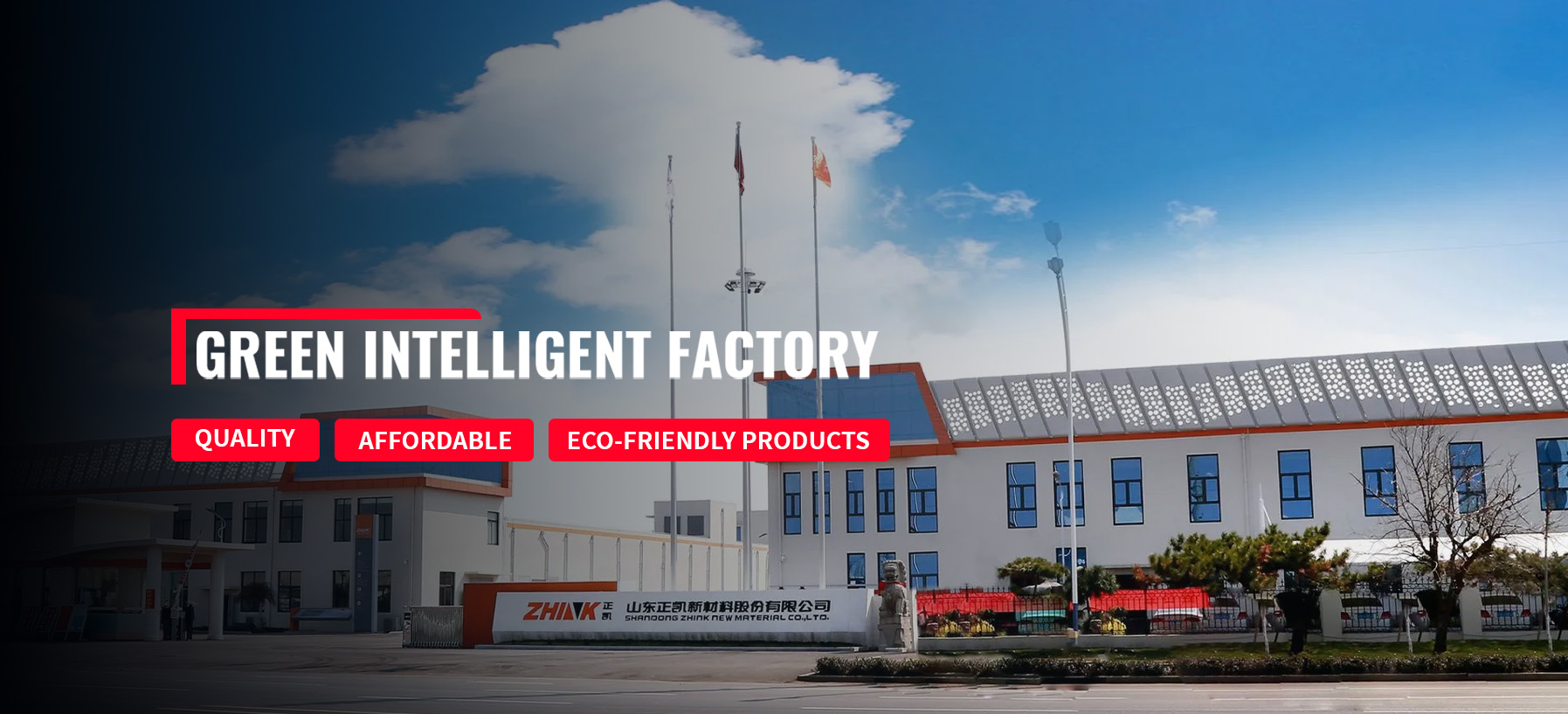
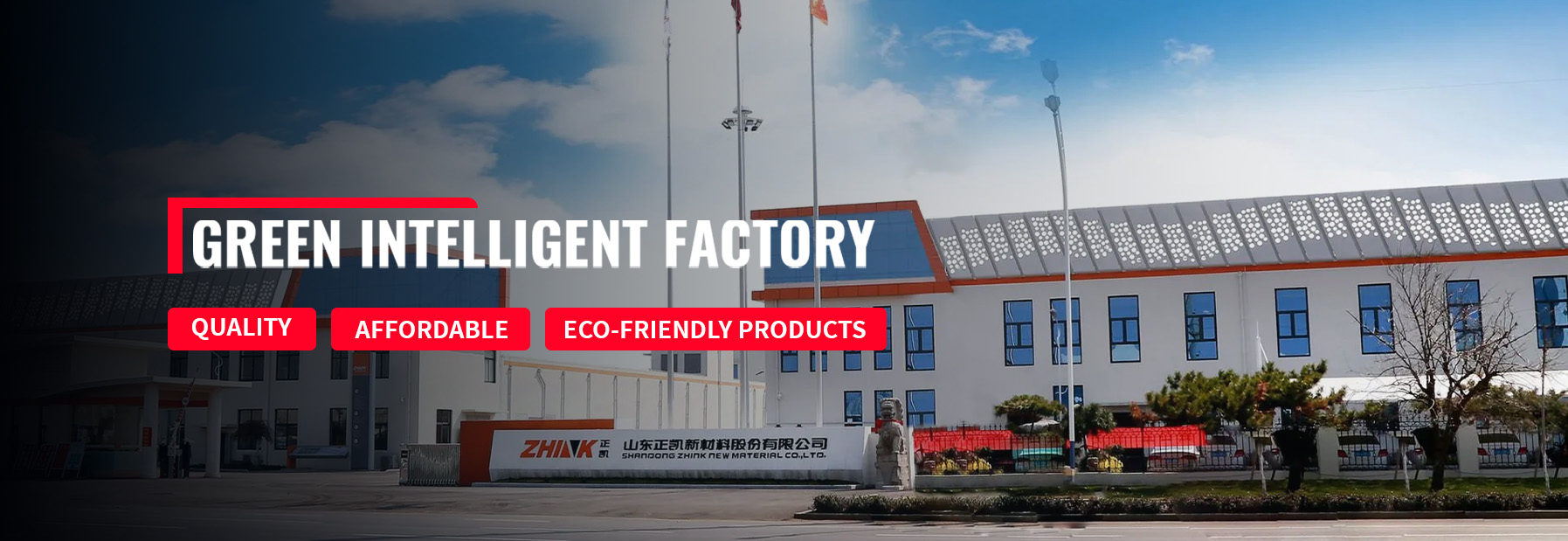
In practice, getting this balance right is where companies like SHANDONG ZHINK NEW MATERIAL CO., LTD excel. They bring years of expertise in research and development to ensure that each yarn produced meets high standards of quality and functionality.
The vortex spinning process itself is another layer of complexity. It eliminates short fibers and impurities, resulting in a yarn that exhibits less fraying and improved durability. But this doesn’t happen magically. It demands precise control over spinning speeds and tensions, a process often honed through extensive trials and testing.
The Role of Technology
There's a common misconception that any new material or blend can just be plugged into existing machinery. Not true with combed cotton vortex yarn. Modern spinning technologies have evolved, allowing companies like Zhink New Material to experiment and iterate quickly. Advanced spinning frames are configured to handle the quirks of bamboo and cotton blend, fine-tuning specifics like twist levels, which are crucial for final fabric texture and strength.
Of course, technology alone isn’t enough. Skilled technicians must interpret results, make adjustments, and sometimes rely on a bit of intuition. It’s this marriage of tech and tacit knowledge that leads to breakthroughs.
Even with all the advancements, results aren’t instantaneous. There’s often a period of trial and error, and sometimes, what works in theory doesn’t pan out practically. These small failures, though frustrating, are invaluable learning experiences that drive innovation forward.
Sustainability and Market Demand
The other factor to consider is sustainability. Bamboo, as a rapidly renewable resource, attracts eco-conscious consumers. However, it’s the manner of its processing and combination with cotton that really dictates its environmental footprint. Responsible production practices are crucial, and this is where Zhink New Material places significant focus.
Market demand is also a critical driver. Consumers increasingly seek fabrics that are not only sustainable but also perform well in everyday use. The challenge for manufacturers is to produce yarns that meet these dual demands without compromising on quality or cost.
In practice, blending bamboo and combed cotton in vortex yarn to meet these expectations involves detailed market research, agile production lines, and a willingness to continuously evolve product offerings in response to consumer feedback and fashion trends.
Challenges in Production
Scaling production without sacrificing quality is a perennial challenge. It’s one thing to create a high-quality blend in small batches but another to maintain it when scaling up. Here, comprehensive quality control measures become crucial. Companies like Zhink New Material have developed rigorous protocols to ensure consistency from batch to batch.
Moreover, raw material sourcing and variability can pose obstacles. Not all bamboo or cotton is created equal, and maintaining the requisite quality demands meticulous selection and supplier relationships.
Finally, there's the issue of cost. Vortex spinning and blend optimization aren’t cheap, and this reflects in the final product price. Finding ways to economize without impairing quality is a constant balancing act.
Looking Ahead
As consumer awareness grows, so too will demand for sustainable and high-performance materials like the bamboo and combed cotton vortex yarn. In response, industry players like Zhink New Material are continually seeking to refine their offerings, incorporating the latest in material science and consumer insights.
The future looks promising, not just for these yarns, but for the broader textile industry that stands to benefit from their adoption. Each step forward requires careful consideration, informed by the successes and challenges of past efforts.
Ultimately, the journey of developing and perfecting these yarns is one marked by constant learning, adaptation, and a steadfast commitment to quality and innovation.
Related Products
Related Products