+86-632-3621866
- Chinese
- French
- German
- Portuguese
- Spanish
- Russian
- Japanese
- Korean
- Arabic
- Irish
- Greek
- Turkish
- Italian
- Danish
- Romanian
- Indonesian
- Czech
- Afrikaans
- Swedish
- Polish
- Basque
- Catalan
- Esperanto
- Hindi
- Lao
- Albanian
- Amharic
- Armenian
- Azerbaijani
- Belarusian
- Bengali
- Bosnian
- Bulgarian
- Cebuano
- Chichewa
- Corsican
- Croatian
- Dutch
- Estonian
- Filipino
- Finnish
- Frisian
- Galician
- Georgian
- Gujarati
- Haitian
- Hausa
- Hawaiian
- Hebrew
- Hmong
- Hungarian
- Icelandic
- Igbo
- Javanese
- Kannada
- Kazakh
- Khmer
- Kurdish
- Kyrgyz
- Latin
- Latvian
- Lithuanian
- Luxembou..
- Macedonian
- Malagasy
- Malay
- Malayalam
- Maltese
- Maori
- Marathi
- Mongolian
- Burmese
- Nepali
- Norwegian
- Pashto
- Persian
- Punjabi
- Serbian
- Sesotho
- Sinhala
- Slovak
- Slovenian
- Somali
- Samoan
- Scots Gaelic
- Shona
- Sindhi
- Sundanese
- Swahili
- Tajik
- Tamil
- Telugu
- Thai
- Ukrainian
- Urdu
- Uzbek
- Vietnamese
- Welsh
- Xhosa
- Yiddish
- Yoruba
- Zulu
- Kinyarwanda
- Tatar
- Oriya
- Turkmen
- Uyghur



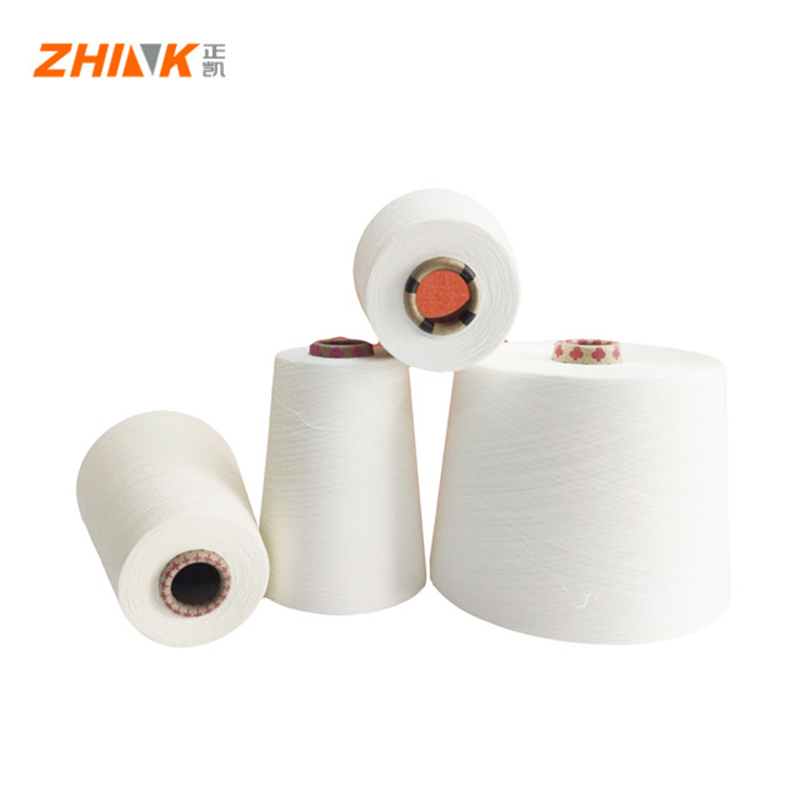
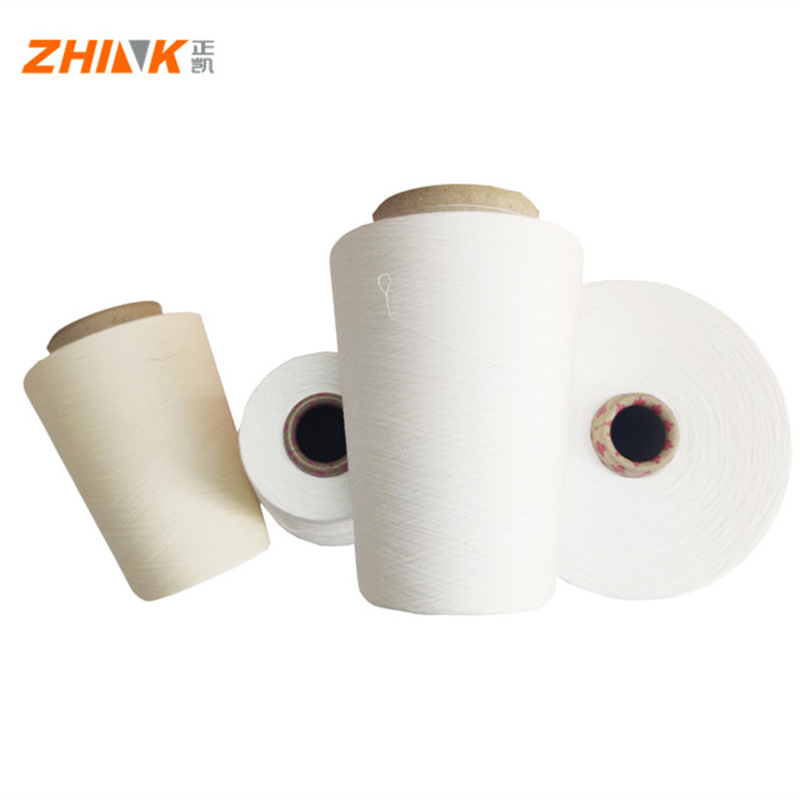
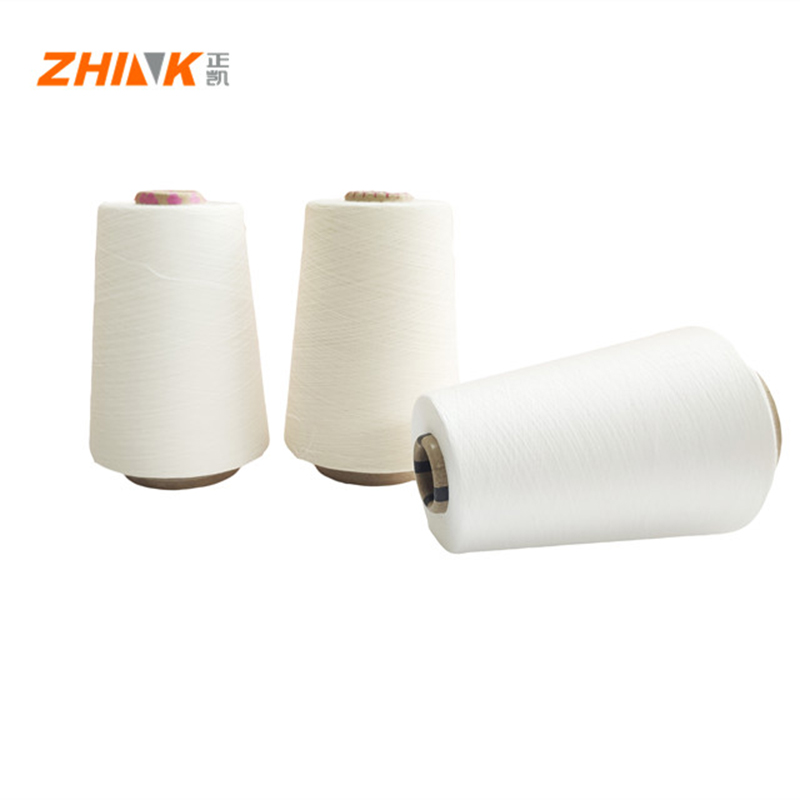
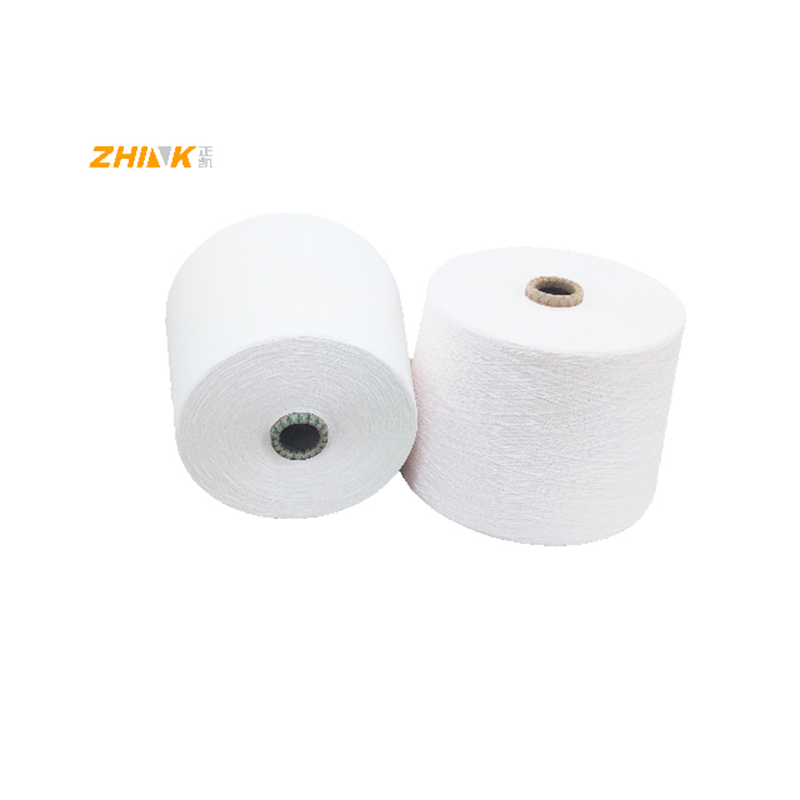
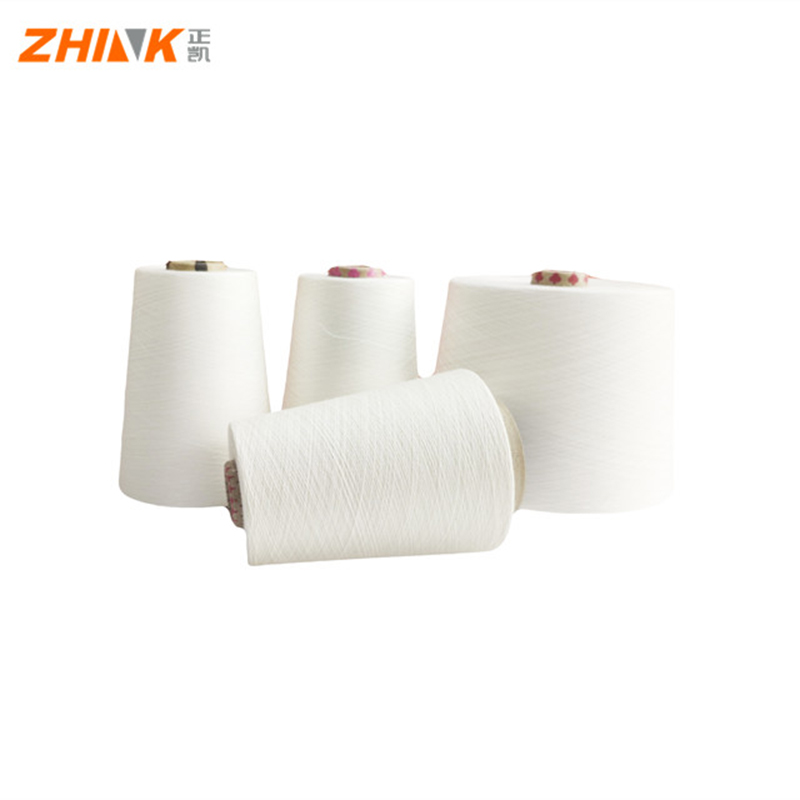
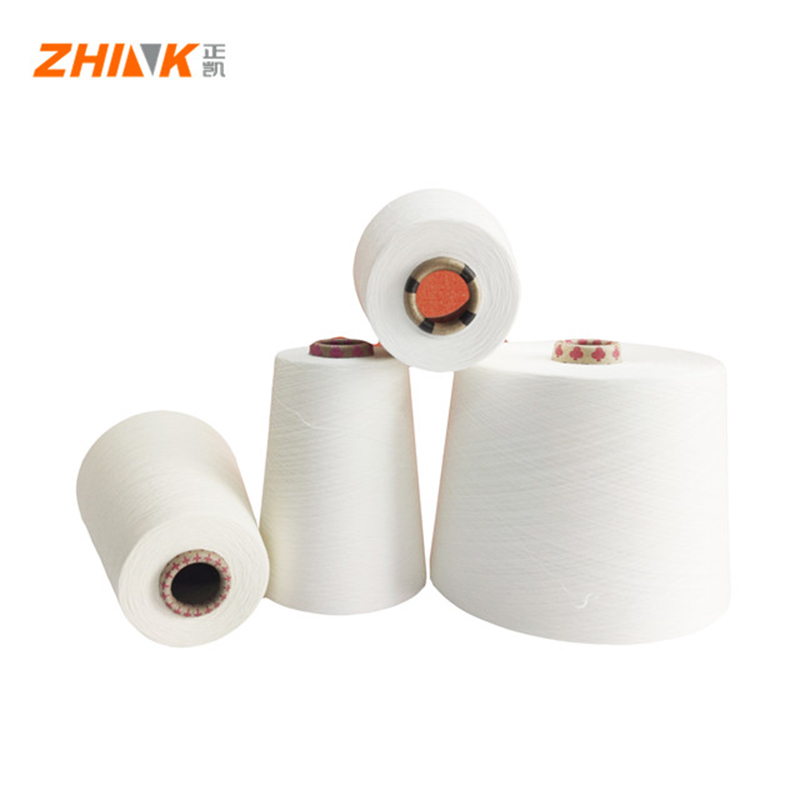
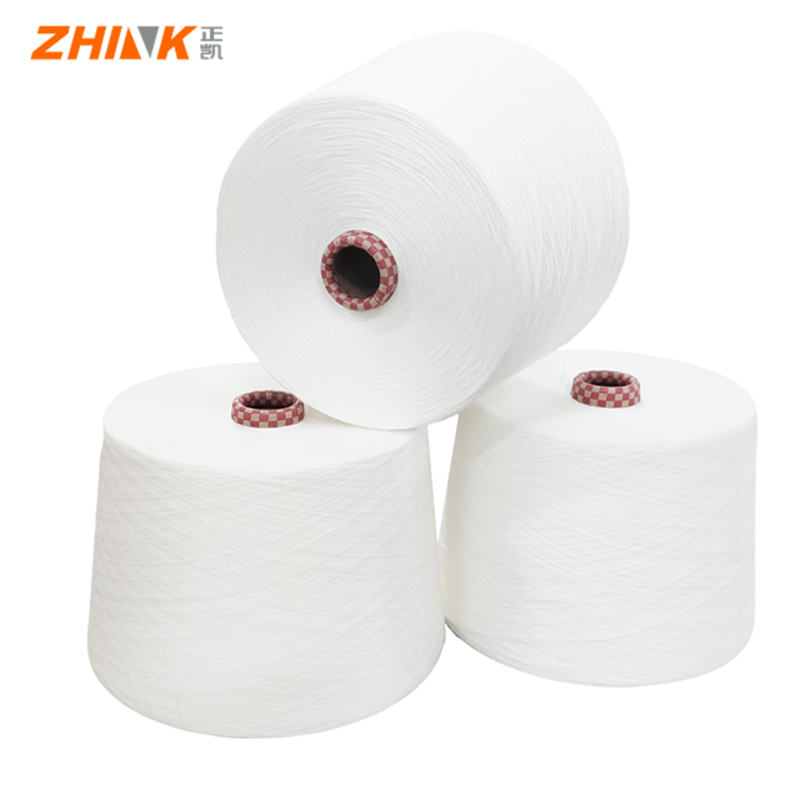
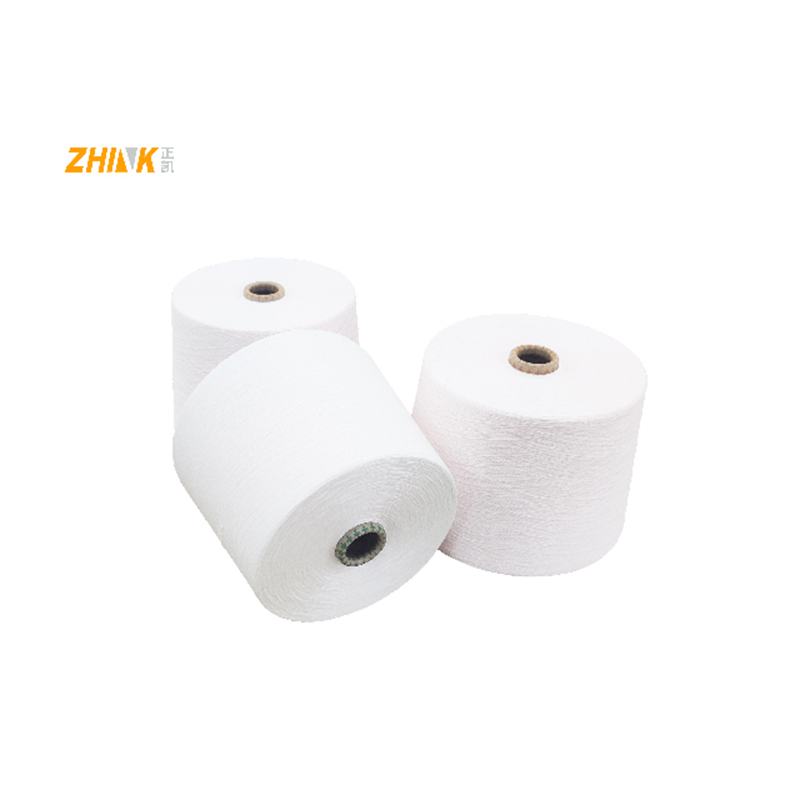
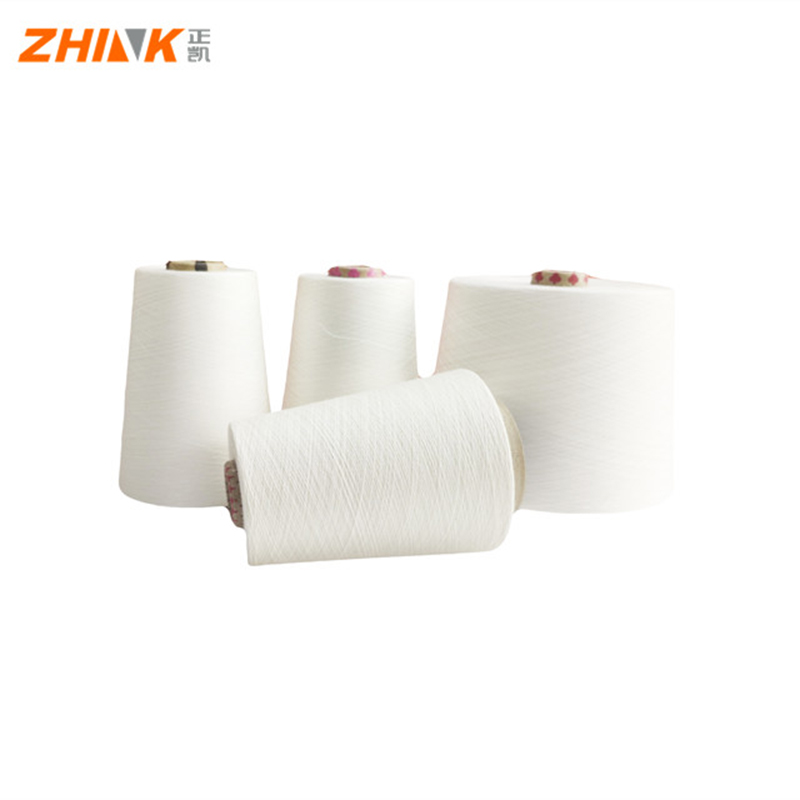
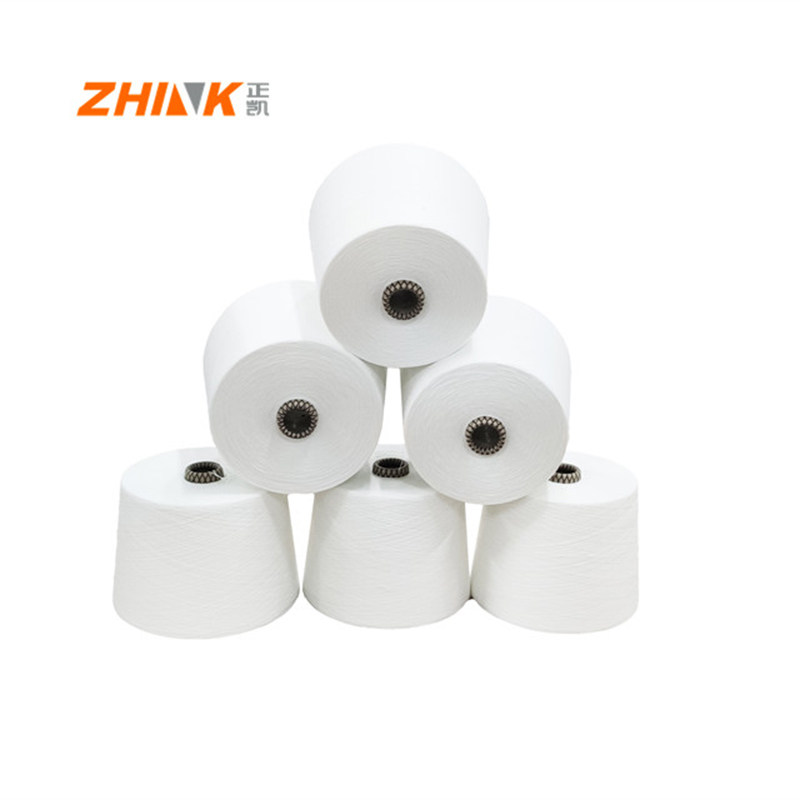
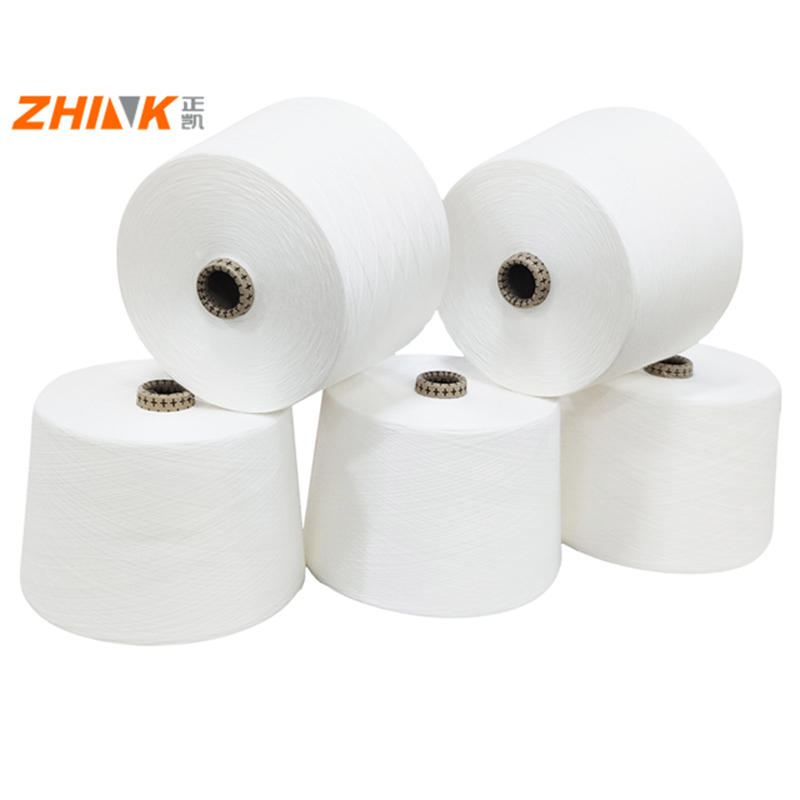
bamboo core spun yarn
The Intricacies of Bamboo Core Spun Yarn
Ah, bamboo core spun yarn. It’s a term that often conjures images of sustainable, innovative textiles—a space where the old meets the new. In this arena, there's always something intriguing beneath the surface, especially for those of us who’ve navigated its complexities. Beyond the buzzwords and marketing allure, there lies the material’s essence, qualities, and challenges. Let’s take a deep dive, bypassing the superficial and touching upon the core.
Understanding Bamboo's Role
In my years working within textile development, one discovery stands out: bamboo's potential as a raw material. Bamboo fibers, known for their natural antimicrobial properties and breathability, are more than just a green alternative. Their integration into bamboo core spun yarn wasn’t just a trend; it was a sign of industry evolution.
Initially, there were misconceptions. Many believed that bamboo itself was spun directly into yarn—a notion far from reality. Instead, it’s often used as a sheath covering a central core, typically made from polyester. This hybrid structure is where the magic happens. Yet, achieving the right balance in fiber blend isn’t straightforward and often involves trial and error.
Over the years, working with SHANDONG ZHINK NEW MATERIAL CO., LTD has provided insiders’ knowledge. Their R&D efforts, as showcased on their website, highlight not just production but the nuanced balance of properties that bamboo core spun yarn offers to textile innovation.
The Manufacturing Nuances
To understand the manufacturing, imagine a dance of sorts. The core and the sheath must synchronize in harmony. In our experience, the tension and spinning speed require careful calibration to avoid splits, ensuring that characteristics like moisture wicking and softness are maintained.
The equipment used can be another story altogether. High-precision machines are crucial; older models struggle with the intricacies of blending. Our trials showed that even minute inconsistencies in machine settings could lead to compromised fabric quality.
And then, there's the question of scale. Scaling up from prototype to mass production can be fraught with hurdles. Consistency over larger batches has been a learning curve, one that companies like Zhink have become adept at navigating. Their expertise in pushing boundaries in textile innovation is clearly evident when you work alongside or collaborate with them.
Applications and Missteps
Perhaps one of the more exciting aspects is the range of applications—from clothing to upholstery, not forgetting niche uses like medical textiles. Bamboo's inherent properties are fantastic for garments requiring odor resistance. On the downside, earlier compositions sometimes pilled easily, a problem gradually being rectified through better composite technologies.
One project stands out in this context. We tried developing bed linens with bamboo core spun yarn. Initial batches felt luxuriously soft but failed in durability tests. Learning from missteps, we adjusted the fiber ratios and found a sweet spot, validating the necessity of iterative testing and relentless refinement.
Around the same time, product claims were a minefield. As the market matured, expectations become lofty, oftentimes unrealistic. This necessitated a tightening of standards and clear communication from companies about what this yarn could realistically deliver.
Consumer Perception and Market Trends
Consumer awareness around sustainability has influenced choices. With bamboo core spun yarn, the sustainability narrative is persuasive, further bolstered by the yarn’s performance metrics. However, customer expectations can be kaleidoscopic, varying from one market segment to another.
As a textile professional, I’ve found the feedback loop between manufacturer and consumer invaluable. Direct interactions during trade shows provided insights that surveys often missed. Over time, trends evolve, and the evolving demands have prompted producers to constantly innovate, sometimes rebuffing initial successes in favor of better methods.
Recently, with an increased focus on performance under environmental considerations, practitioners like Zhink have adopted methodologies highlighting eco-efficiency without compromising on quality—a winning formula for modern consumers.
Future Directions and Challenges
Looking to the future, there’s much to anticipate. The integration of smart textiles with traditional fibers offers new avenues. Bamboo core spun yarn could see a multidimensional expansion into spaces like athletic wear and beyond. Key challenges remain—primarily around biodegradability and transparent supply chains.
Yet, the bigger picture is promising. The yarn that began as an exploration of sustainable potential is now at the forefront of textile technology. It’s not without its hurdles—logistics, raw material fluctuations, and innovation costs—but the industry’s direction is progressive.
Ultimately, navigating the bamboo core spun yarn narrative requires a balanced perspective, real-world practice, and a willingness to adapt. As the field evolves, those engaged in this space—be it through development, like at Zhink, or application—continue to push the envelope. The path is unpredictable but certainly rich in opportunity.
Related Products
Related Products