+86-632-3621866
- Chinese
- French
- German
- Portuguese
- Spanish
- Russian
- Japanese
- Korean
- Arabic
- Irish
- Greek
- Turkish
- Italian
- Danish
- Romanian
- Indonesian
- Czech
- Afrikaans
- Swedish
- Polish
- Basque
- Catalan
- Esperanto
- Hindi
- Lao
- Albanian
- Amharic
- Armenian
- Azerbaijani
- Belarusian
- Bengali
- Bosnian
- Bulgarian
- Cebuano
- Chichewa
- Corsican
- Croatian
- Dutch
- Estonian
- Filipino
- Finnish
- Frisian
- Galician
- Georgian
- Gujarati
- Haitian
- Hausa
- Hawaiian
- Hebrew
- Hmong
- Hungarian
- Icelandic
- Igbo
- Javanese
- Kannada
- Kazakh
- Khmer
- Kurdish
- Kyrgyz
- Latin
- Latvian
- Lithuanian
- Luxembou..
- Macedonian
- Malagasy
- Malay
- Malayalam
- Maltese
- Maori
- Marathi
- Mongolian
- Burmese
- Nepali
- Norwegian
- Pashto
- Persian
- Punjabi
- Serbian
- Sesotho
- Sinhala
- Slovak
- Slovenian
- Somali
- Samoan
- Scots Gaelic
- Shona
- Sindhi
- Sundanese
- Swahili
- Tajik
- Tamil
- Telugu
- Thai
- Ukrainian
- Urdu
- Uzbek
- Vietnamese
- Welsh
- Xhosa
- Yiddish
- Yoruba
- Zulu
- Kinyarwanda
- Tatar
- Oriya
- Turkmen
- Uyghur


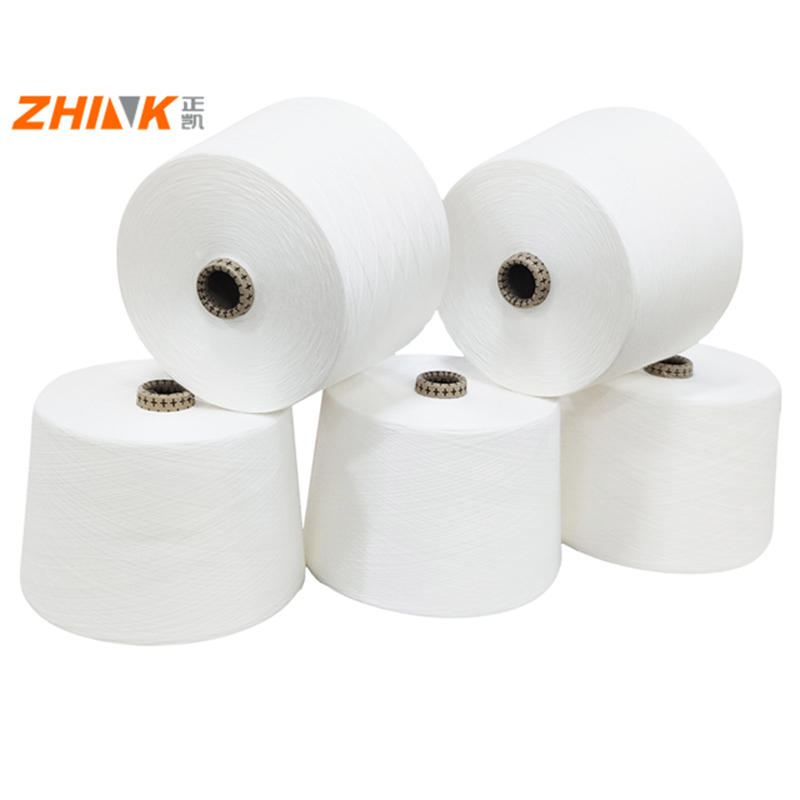
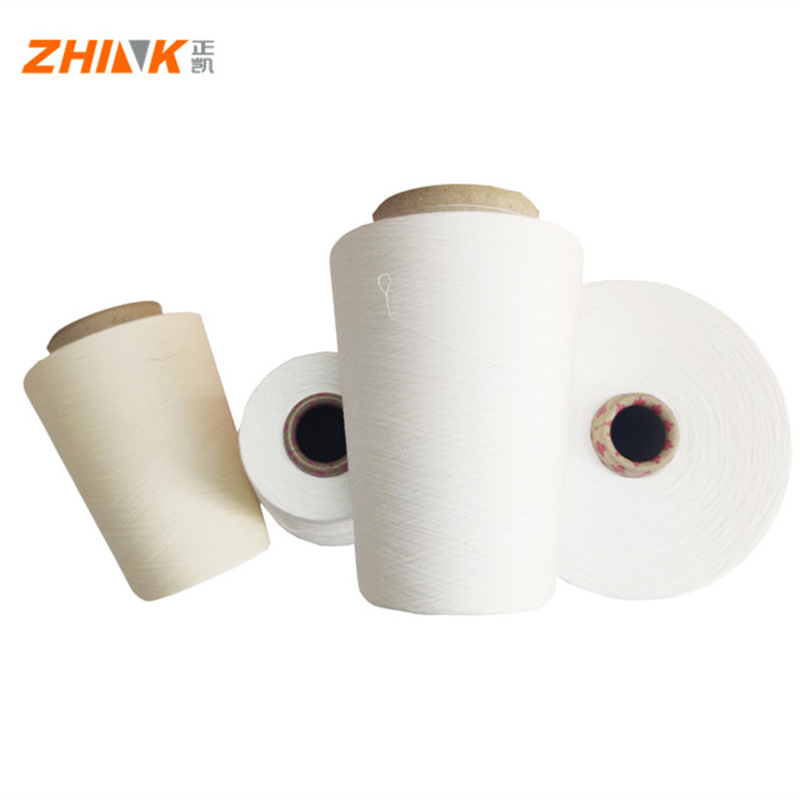
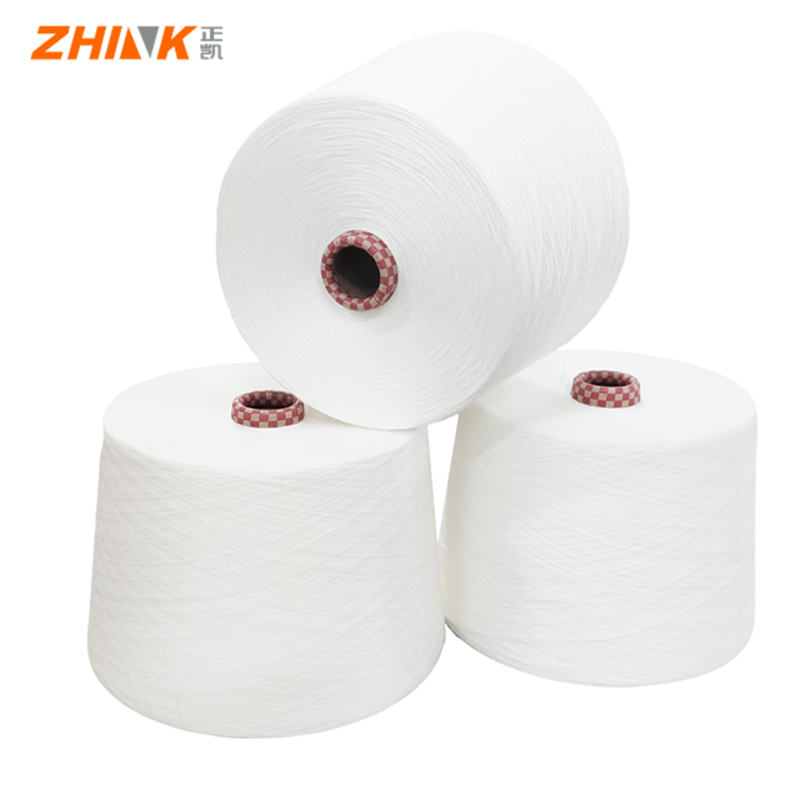
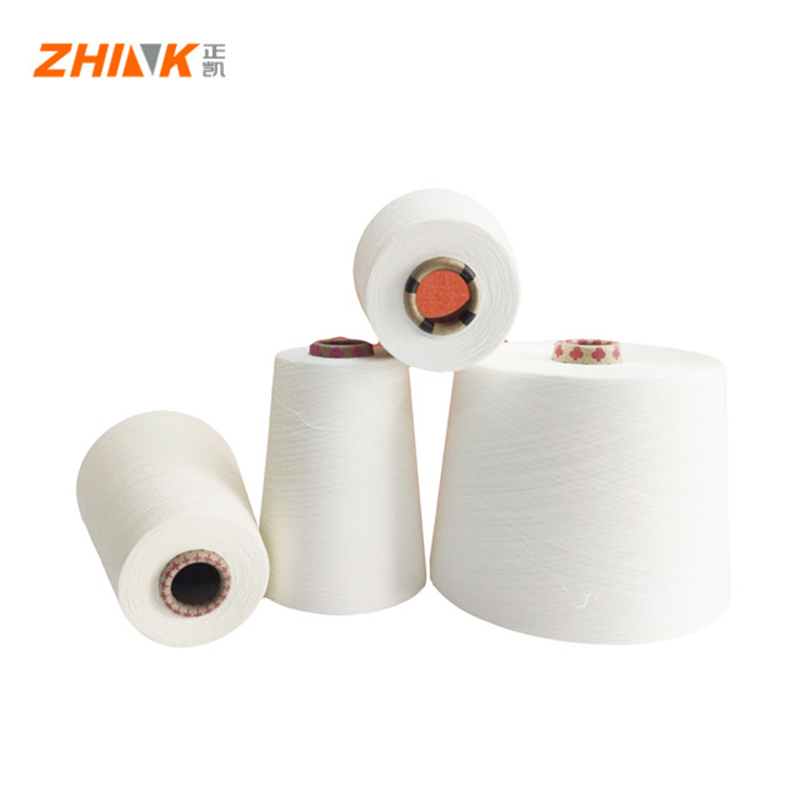
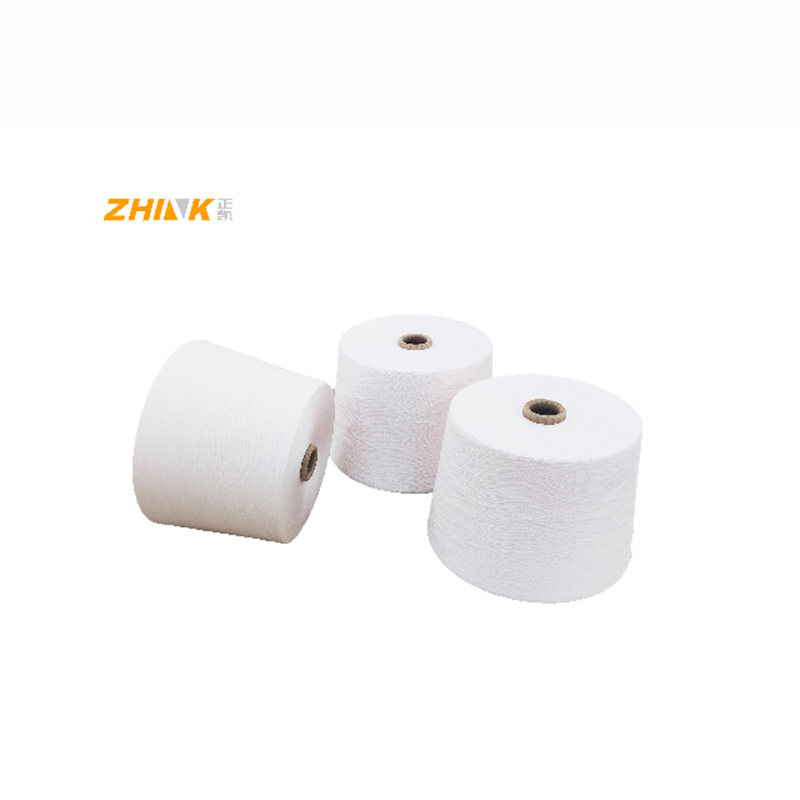
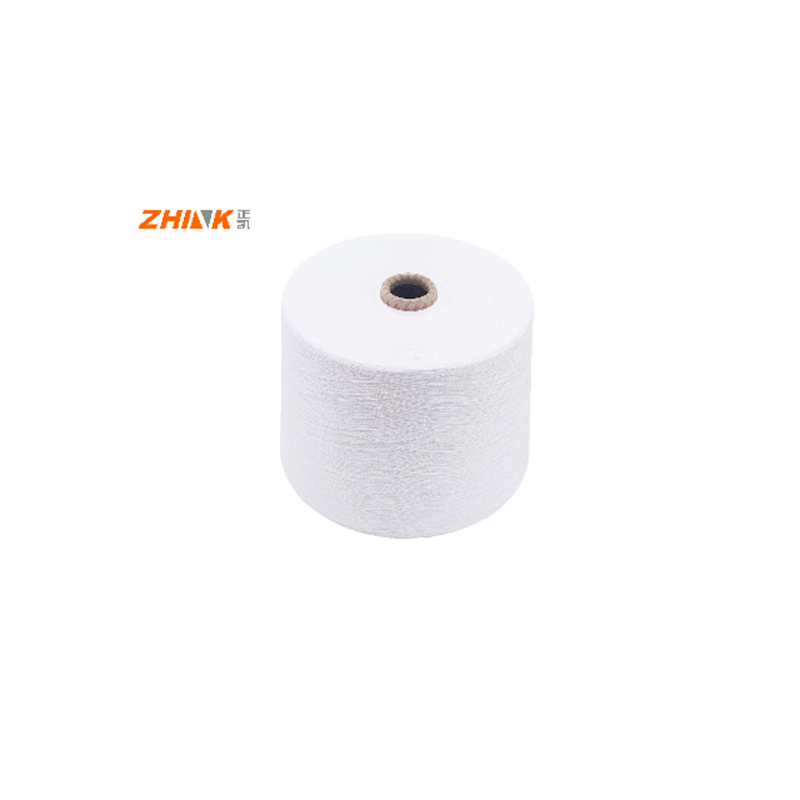
bamboo fiber yarn
html
Bamboo Fiber Yarn: A Sustainable Textile Revolution
Exploring the value of bamboo fiber yarn isn't just about trendy eco-friendliness—it's a peek into the future of textiles. We’ll unravel its benefits, challenges, and why it’s catching on in industries worldwide.
The Emergence of Bamboo Fiber Yarn
Bamboo fiber yarn has been making waves for its environmental benefits. When I first came across it, the hype seemed almost too good to be true. But after working with several batches, the advantages became clear. What sets bamboo apart is its rapid growth rate and minimal need for pesticides or water. This makes its raw material sustainably superior.
However, transitioning to this material isn't without hurdles. Early on, I saw production inconsistencies, a common complaint among peers. The fibers can be temperamental, especially with variations in humidity during processing. Methods had to be adapted, requiring a learning curve in industry practices.
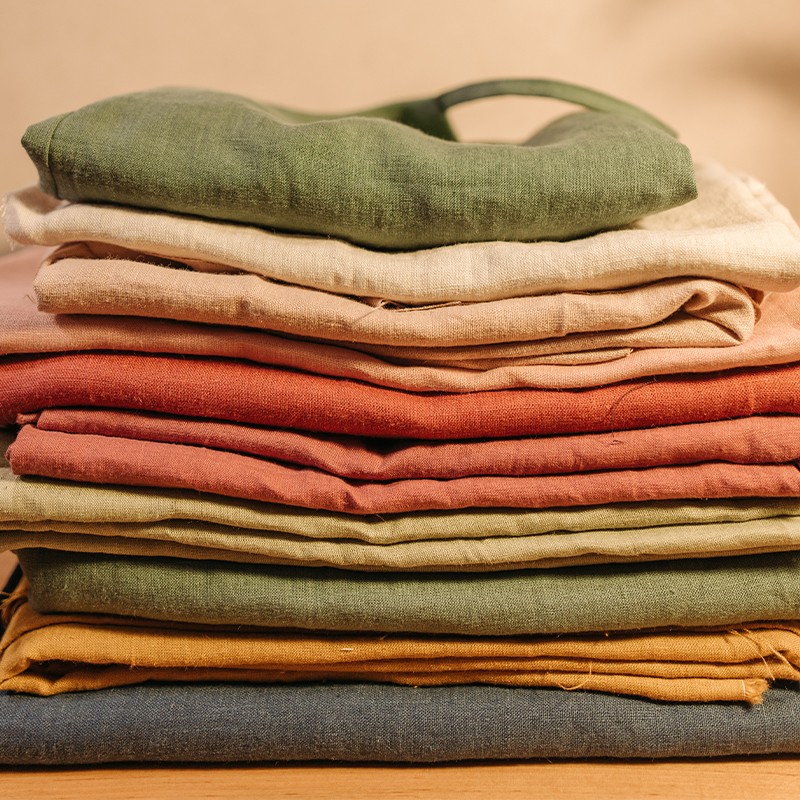
Bamboo’s natural antibacterial properties are another highlight. Clients in the garment industry appreciate this feature for creating clothing that stays fresher for longer, particularly in activewear. In my work, these characteristics always fascinated clients looking for long-term consumer advantages.
Challenges in Processing Bamboo Yarn
One of the primary challenges when dealing with bamboo fiber yarn is its tendency to pill more than other fibers. In my early trials, we encountered resilience issues where garments lost their initial sheen after repeated use. This led to frustration in initial feedback rounds, pushing us to modify approaches.
To address these concerns, a lot of hands-on testing was required. We began experimenting with blending bamboo with other fibers, like cotton or spandex, to counteract these tendencies. This process was tedious but necessary, particularly when aiming for balance between durability and softness.
In several cases, introducing new dying techniques also helped improve the fiber’s overall resistance to pilling and color fading, an improvement that transformed client perceptions significantly. This was a win-win on multiple levels, enhancing not only product quality but also consumer trust.
Sustainability and Industry Impact
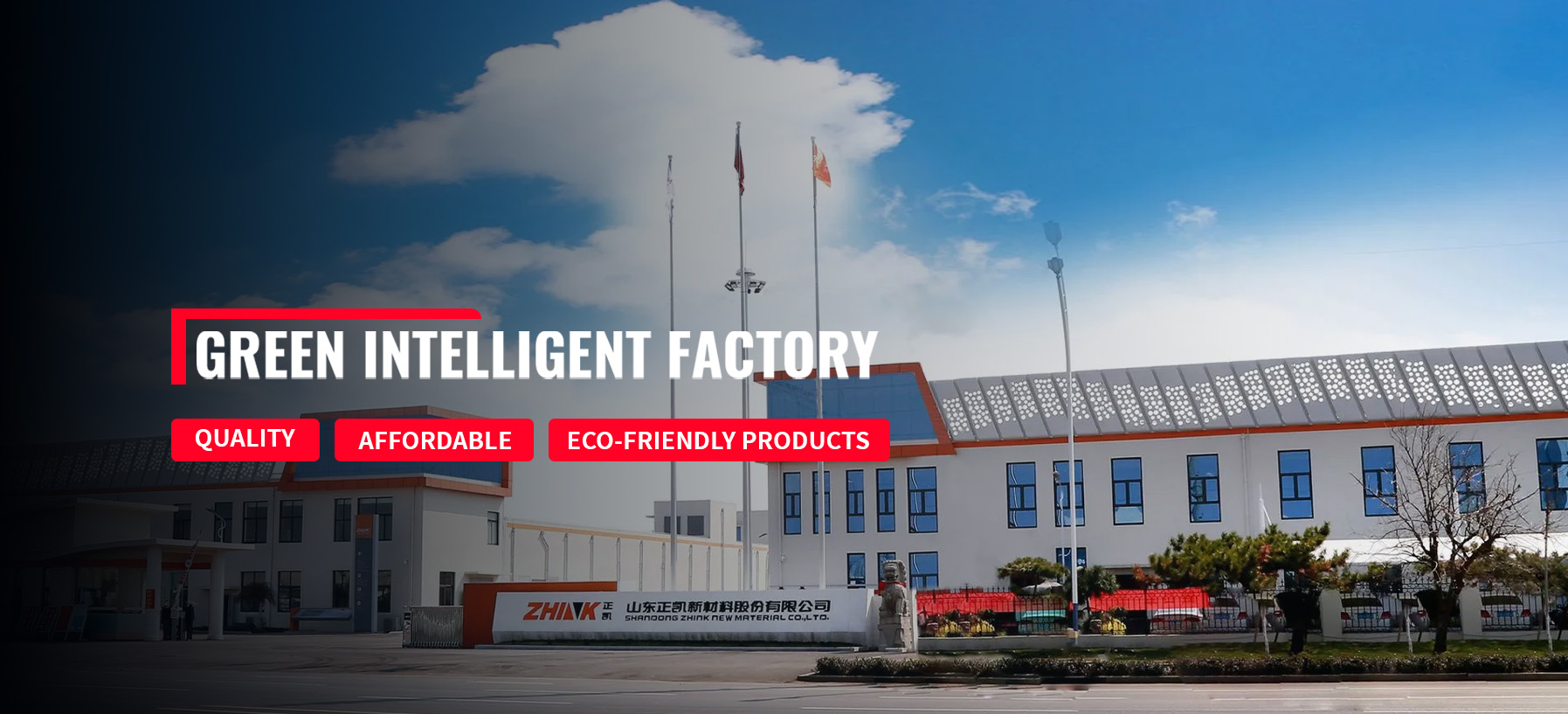
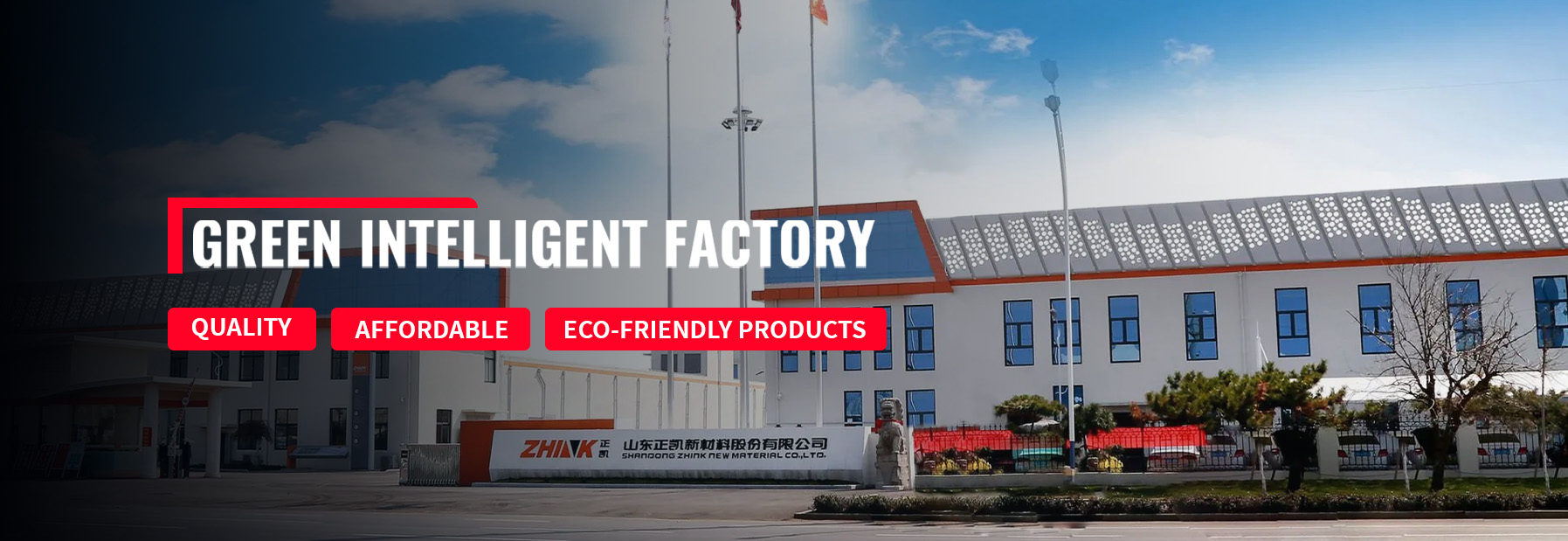
Understanding how bamboo contributes significantly less environmental stress compared to traditional cotton further ignited my interest. Unlike cotton, which demands excessive irrigation, bamboo’s natural thirst is minimal. Insights from SHANDONG ZHINK NEW MATERIAL CO., LTD have been pivotal in educating stakeholders about these benefits.
Their website, www.zhinkyarn.com, is a useful resource for those keen on diving into technical specifics. Their commitment to advancement in new textile materials, as seen with bamboo fiber yarn, is commendable. Partnering with experts like Zhink New Material helped navigate technical challenges I initially underestimated.
The push for bamboo doesn’t only stem from consumer demand for greener choices, but also from its feasibility for sustainable production, a key area where companies like Zhink New Material excel.
Practical Applications and Market Growth
Looking into the practical applications, bamboo fiber yarn has rapidly expanded beyond just fabrics for clothing. I've seen its application in home textiles like sheets and towels, where its softness and hypoallergenic properties make it a desirable choice. These applications provide versatility that strengthens its market position.
Interestingly, there’s increasing interest in incorporating bamboo into composite materials, given its tensile strength. I encountered startups experimenting with bamboo-based composites for furniture and even vehicle interiors—testament to bamboo’s untapped potential.
This industry shift is visible in trade shows and product launches, where bamboo's role has evolved from a niche material to a prominent player. As someone entrenched in textile innovation, witnessing this transitional phase is nothing short of remarkable.
The Future of Bamboo Fiber Yarn
Reflecting on the future of bamboo fiber yarn, continual innovation is key. Current research focuses on enhancing the processability of bamboo fibers, making them more uniform and durable. I've noticed increasing collaborations between manufacturers and research bodies to tackle these angles.
Efforts in technology from companies like SHANDONG ZHINK NEW MATERIAL CO., LTD fuel optimism, indicating that technical advancements are just on the horizon. Their commitment to R&D shows promising pathways for quality improvements and cost reduction.
As industries become keener on sustainable practices, embracing bamboo fiber yarn is less of an option and more of an evolving necessity. It serves as a case study in balancing ecological priorities with consumer and industry needs.
Related Products
Related Products