+86-632-3621866
- Chinese
- French
- German
- Portuguese
- Spanish
- Russian
- Japanese
- Korean
- Arabic
- Irish
- Greek
- Turkish
- Italian
- Danish
- Romanian
- Indonesian
- Czech
- Afrikaans
- Swedish
- Polish
- Basque
- Catalan
- Esperanto
- Hindi
- Lao
- Albanian
- Amharic
- Armenian
- Azerbaijani
- Belarusian
- Bengali
- Bosnian
- Bulgarian
- Cebuano
- Chichewa
- Corsican
- Croatian
- Dutch
- Estonian
- Filipino
- Finnish
- Frisian
- Galician
- Georgian
- Gujarati
- Haitian
- Hausa
- Hawaiian
- Hebrew
- Hmong
- Hungarian
- Icelandic
- Igbo
- Javanese
- Kannada
- Kazakh
- Khmer
- Kurdish
- Kyrgyz
- Latin
- Latvian
- Lithuanian
- Luxembou..
- Macedonian
- Malagasy
- Malay
- Malayalam
- Maltese
- Maori
- Marathi
- Mongolian
- Burmese
- Nepali
- Norwegian
- Pashto
- Persian
- Punjabi
- Serbian
- Sesotho
- Sinhala
- Slovak
- Slovenian
- Somali
- Samoan
- Scots Gaelic
- Shona
- Sindhi
- Sundanese
- Swahili
- Tajik
- Tamil
- Telugu
- Thai
- Ukrainian
- Urdu
- Uzbek
- Vietnamese
- Welsh
- Xhosa
- Yiddish
- Yoruba
- Zulu
- Kinyarwanda
- Tatar
- Oriya
- Turkmen
- Uyghur



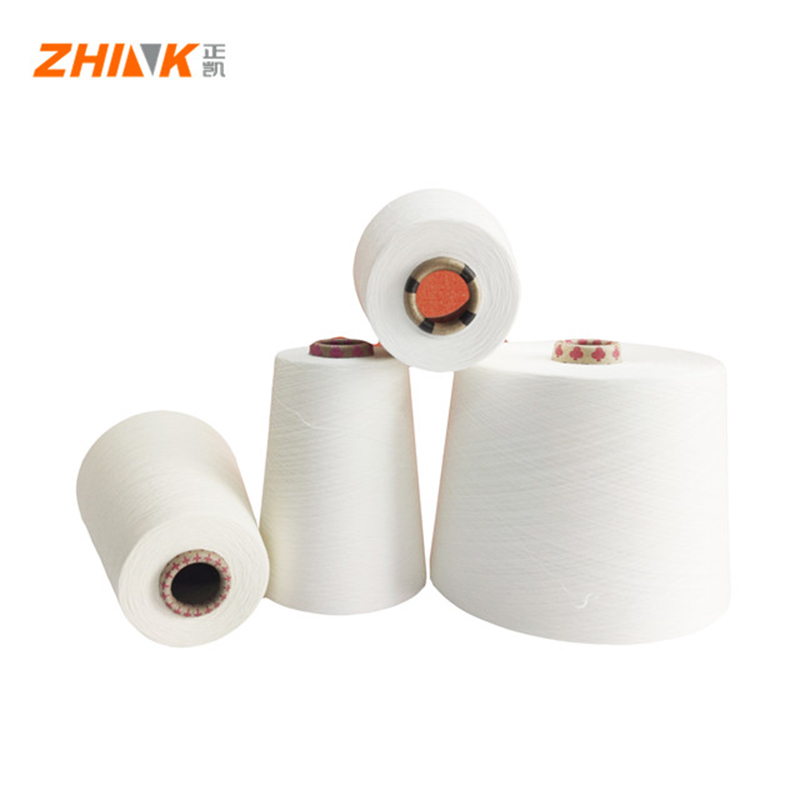
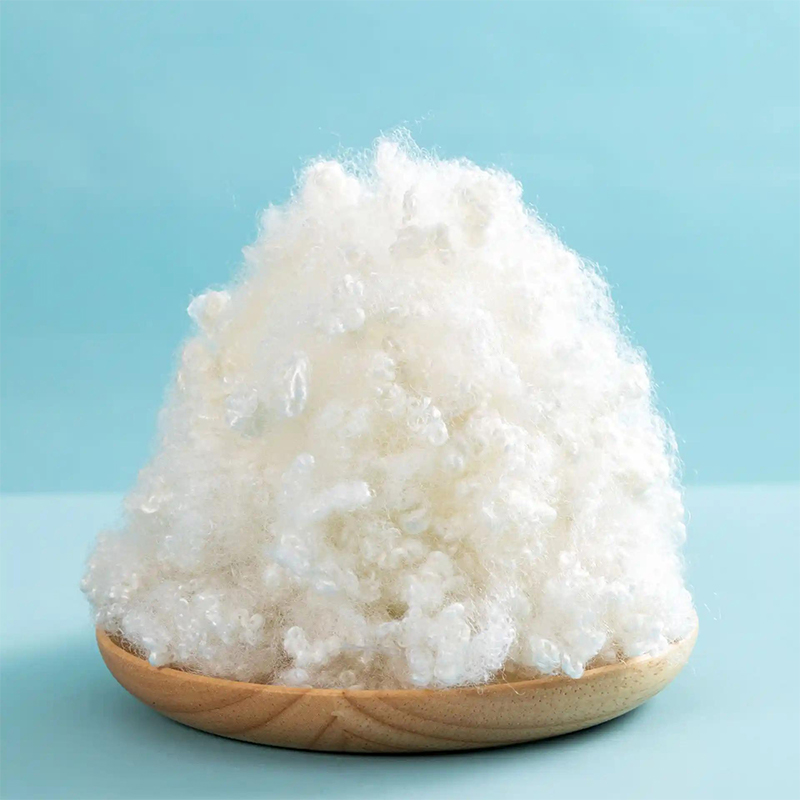
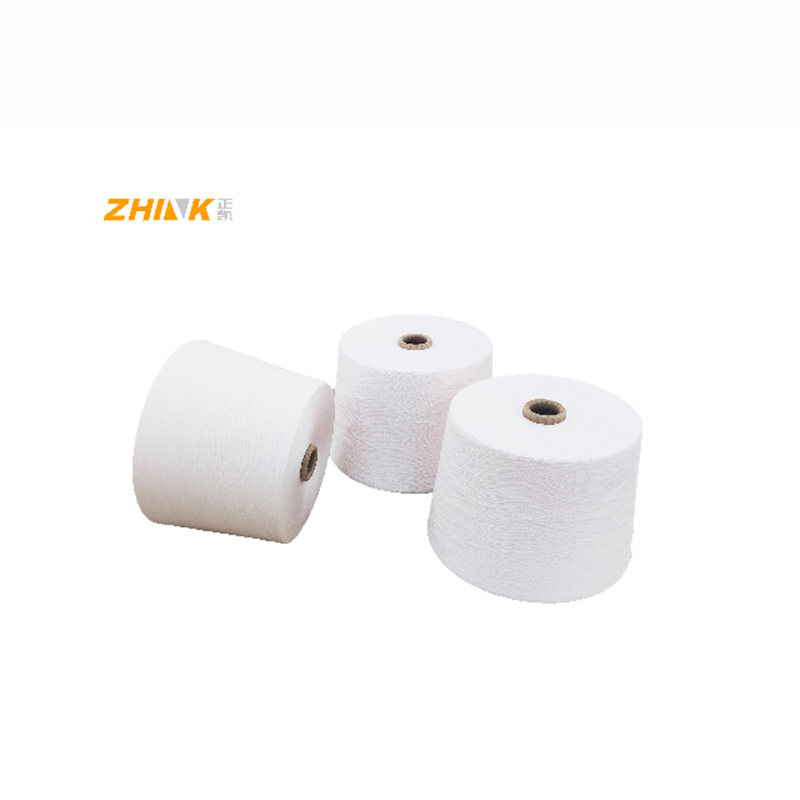
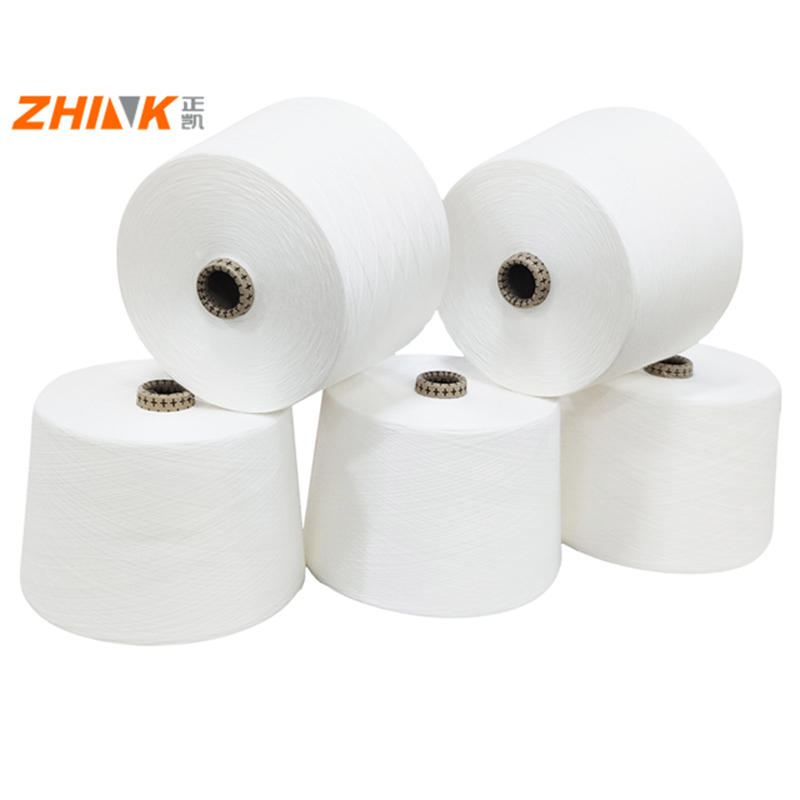
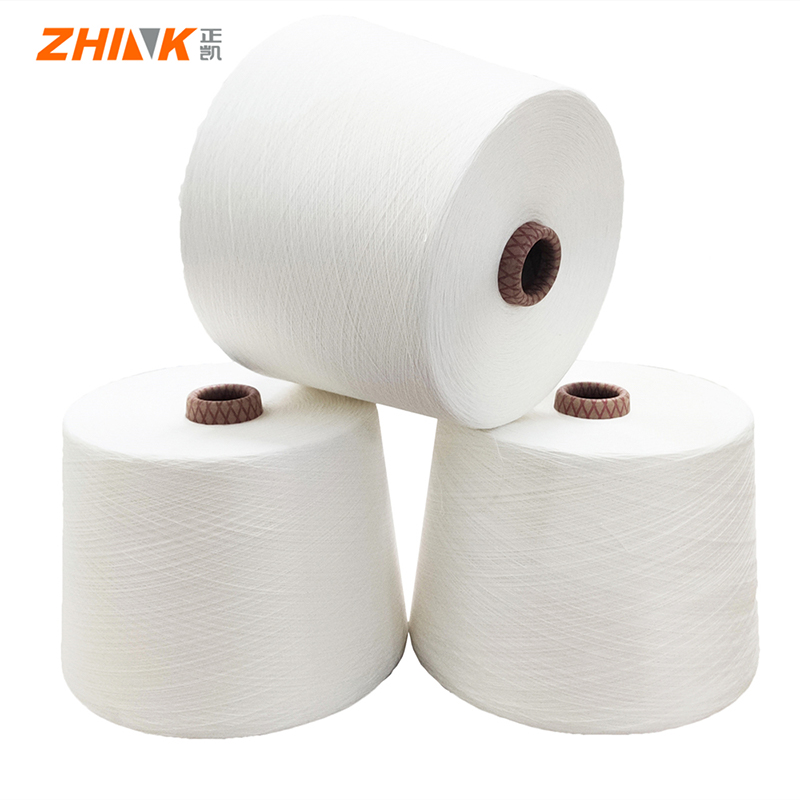
bamboo short fiber yarn
The Untapped Potential of Bamboo Short Fiber Yarn
Bamboo short fiber yarn isn't just another textile buzzword; it's a material with intriguing properties that could reshape industry standards. But mastering it isn't straightforward. Misunderstandings abound, from assumptions about its strength to misconceptions about sustainable sourcing. Let's delve into the realities of working with this unique fiber.
Understanding Bamboo Short Fiber Yarn
In the textile sector, the term bamboo short fiber yarn might evoke images of sustainability and innovation. This yarn, derived from bamboo plants, offers benefits like biodegradability and antibacterial properties. But here's where things get complex: not all bamboo yarn is created equal. Those who've wrestled with integrating it in production lines know it's not as simple as swapping it with conventional yarns.
Consider the production aspect. In the facilities of SHANDONG ZHINK NEW MATERIAL CO., LTD, for instance, experiments in spinning bamboo short fiber yarn have taught valuable lessons. The fiber's length and staple can affect the resulting yarn's texture and durability. Shorter fibers require precise handling during spinning to avoid breakage and ensure a consistent product. This balance isn't easily achieved and often comes with trial and error.
Another point worth considering is the sustainability claim. Genuine eco-friendliness hinges on responsible sourcing and processing. At Zhink, we prioritize sourcing bamboo that is both sustainably grown and processed, making the final product as eco-friendly as possible. Nevertheless, it's crucial for consumers and manufacturers to look beyond the label and ask about sourcing practices.
Challenges in Production
When incorporating bamboo short fiber yarn into a new product line, one must carefully navigate its unique properties. A common issue during early trials at Zhink was maintaining fiber integrity during dyeing. Bamboo fibers are sensitive to pH changes and require specific chemical treatments to hold colors without degrading.
Moreover, there's the question of scalability. Many traditional spinning technologies need adaptation to handle such fibers effectively. The team at Zhink observed that small-scale success didn't always translate seamlessly to larger scale production. Investments in specialized machinery often proved necessary, and adapting production lines required both time and expertise.
Even the end-user perception can be a hurdle. Bamboo short fiber yarn sometimes faces skepticism, seen as less durable than synthetic counterparts. However, with proper treatment and spinning, it competes robustly in terms of comfort and longevity, though convincing the market remains a meticulous task.
Applications and Market Reception
Exploring its true potential means looking beyond traditional woven products. Among the more innovative uses, Zhink has experimented with its application in hybrid fabrics, combining bamboo yarn with other natural fibers like cotton or silk to create textiles that offer diverse sensory and functional characteristics. These blends can achieve a balance of softness, strength, and sustainability.
Market reception often hinges on consumer education. Many buyers are intrigued by the sustainability narrative but hesitate due to price points and perceived durability concerns. Zhink faces the continual challenge of bridging knowledge gaps, emphasizing the long-term benefits and environmental advantages of selecting bamboo short fiber yarn products.
Change is gradual, yet as awareness grows, so does appreciation for the complex production processes involved. Brands embracing the narrative of sustainability gain traction among environmentally-conscious consumers, but they must be transparent and authentic in their claims.
Lessons Learned from Industry Experience
Zhink's journey with bamboo short fiber yarn has been one of continuous learning and adaptation. If there's a key takeaway, it’s the necessity of resilience and flexibility, not just in technology but mindset. Understanding that each setback is a step towards refining processes is vital for anyone in the industry.
One practical insight is the importance of ongoing research and collaboration. Zhink regularly liaises with textile engineers and research institutions to stay at the forefront of material innovation. Through collaboration, they identify new techniques and improve existing methods, a strategy essential for maintaining competitive advantages.
Interestingly, feedback loops with customers have been invaluable. Direct insights into consumer experiences help refine product quality and adjust production techniques, highlighting the importance of maintaining open communication channels.
The Future of Bamboo Short Fiber Yarn
Bamboo short fiber yarn represents a frontier with immense possibilities. The journey so far, as Zhink illustrates, has been filled with both obstacles and revelations. As technology evolves and more efficient processes emerge, this yarn can reshape what's possible in sustainable textiles.
Upcoming breakthroughs in processing might mitigate current challenges with scalability and production consistency. The potential lies not just in technical advances but also in shifting public perceptions towards sustainable textiles as the norm rather than the exception.
Ultimately, for SHANDONG ZHINK NEW MATERIAL CO., LTD, and others in this niche, the focus remains on innovation infused with sustainability. To explore further, visit Zhink's website, where detailed insights into the nuances of bamboo short fiber yarn await. This evolving story is one to follow closely as the textile world adapts to greener pastures.
Related Products
Related Products