+86-632-3621866
- Chinese
- French
- German
- Portuguese
- Spanish
- Russian
- Japanese
- Korean
- Arabic
- Irish
- Greek
- Turkish
- Italian
- Danish
- Romanian
- Indonesian
- Czech
- Afrikaans
- Swedish
- Polish
- Basque
- Catalan
- Esperanto
- Hindi
- Lao
- Albanian
- Amharic
- Armenian
- Azerbaijani
- Belarusian
- Bengali
- Bosnian
- Bulgarian
- Cebuano
- Chichewa
- Corsican
- Croatian
- Dutch
- Estonian
- Filipino
- Finnish
- Frisian
- Galician
- Georgian
- Gujarati
- Haitian
- Hausa
- Hawaiian
- Hebrew
- Hmong
- Hungarian
- Icelandic
- Igbo
- Javanese
- Kannada
- Kazakh
- Khmer
- Kurdish
- Kyrgyz
- Latin
- Latvian
- Lithuanian
- Luxembou..
- Macedonian
- Malagasy
- Malay
- Malayalam
- Maltese
- Maori
- Marathi
- Mongolian
- Burmese
- Nepali
- Norwegian
- Pashto
- Persian
- Punjabi
- Serbian
- Sesotho
- Sinhala
- Slovak
- Slovenian
- Somali
- Samoan
- Scots Gaelic
- Shona
- Sindhi
- Sundanese
- Swahili
- Tajik
- Tamil
- Telugu
- Thai
- Ukrainian
- Urdu
- Uzbek
- Vietnamese
- Welsh
- Xhosa
- Yiddish
- Yoruba
- Zulu
- Kinyarwanda
- Tatar
- Oriya
- Turkmen
- Uyghur


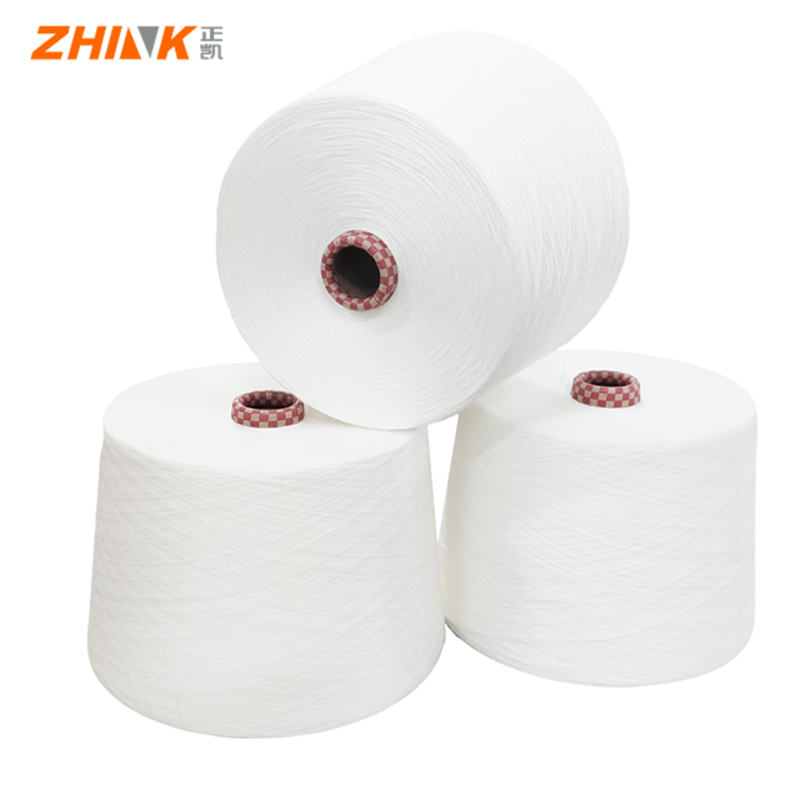
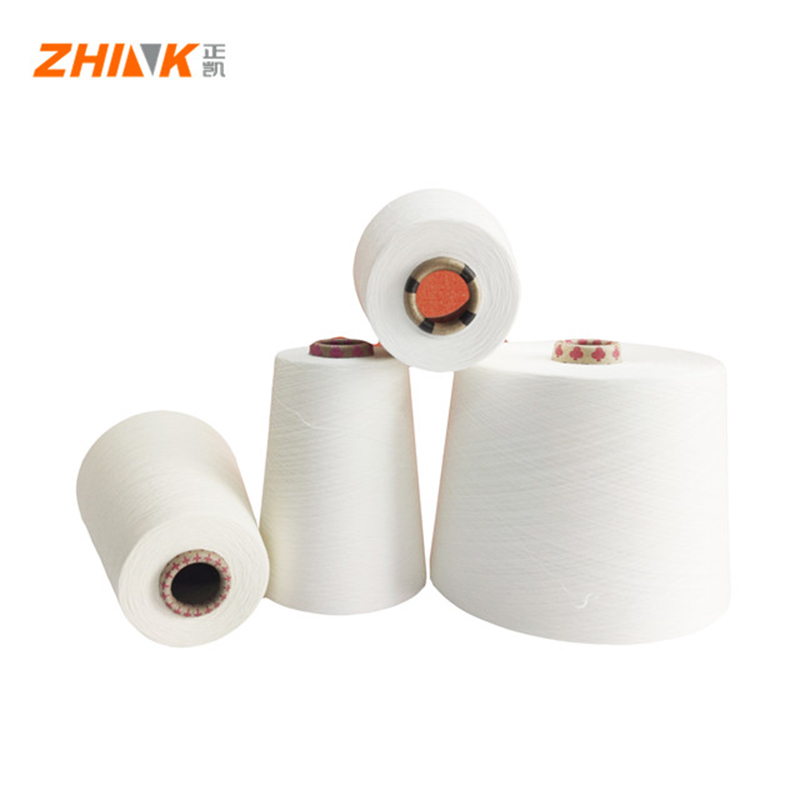
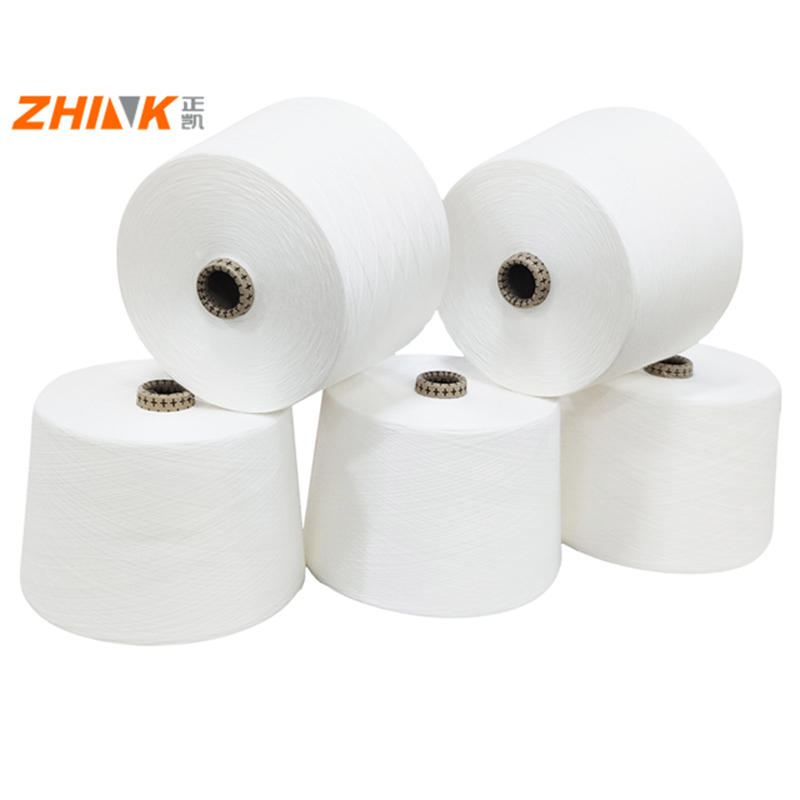
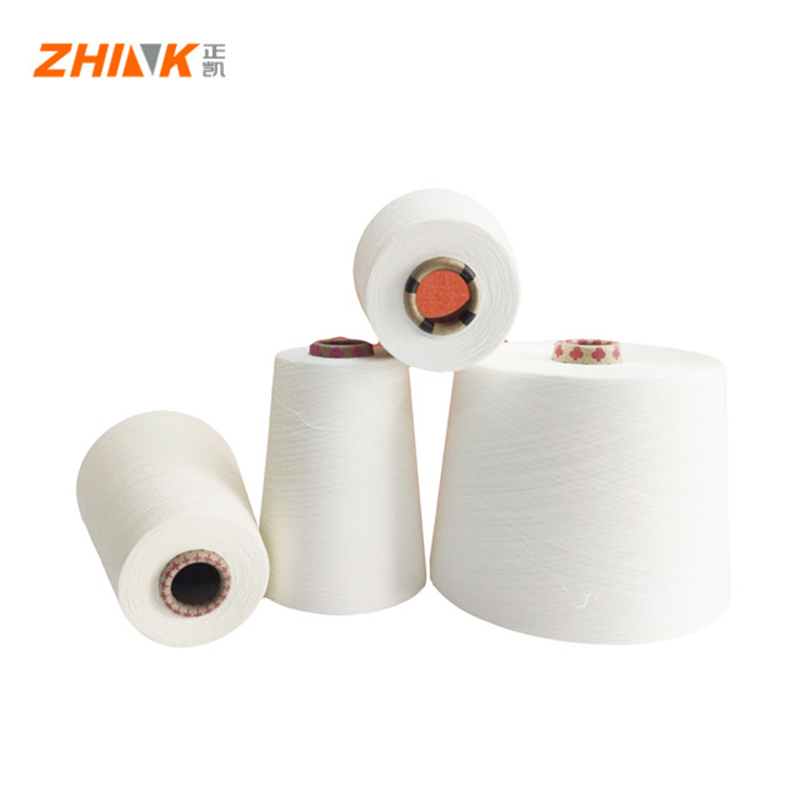
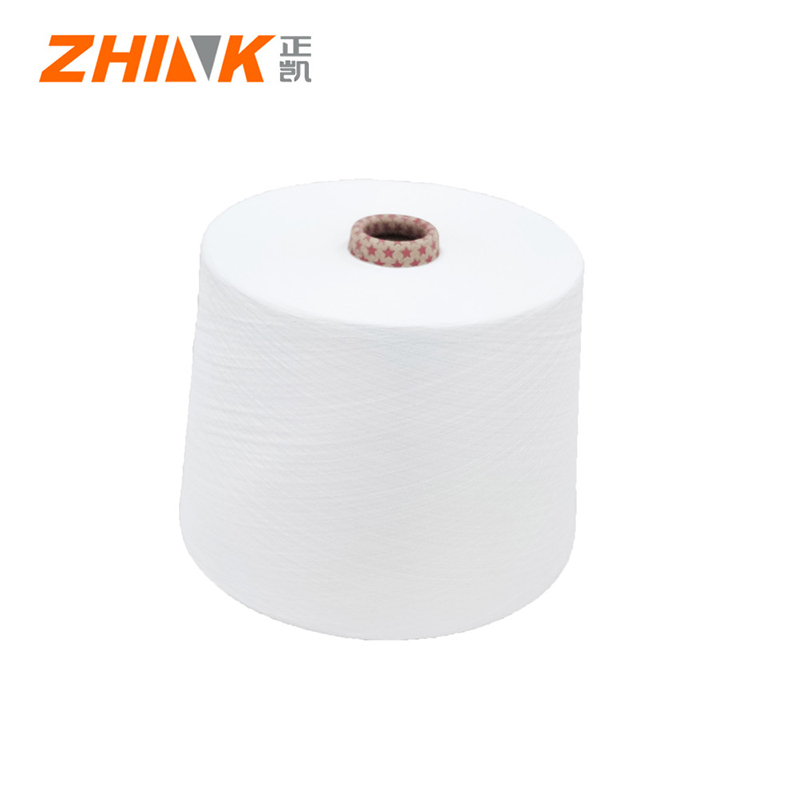
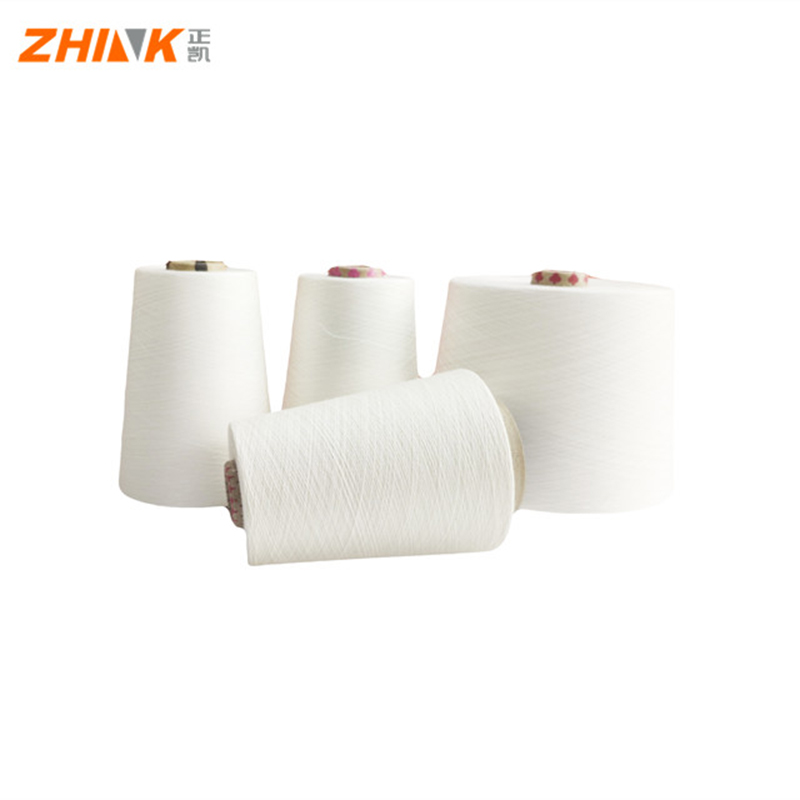
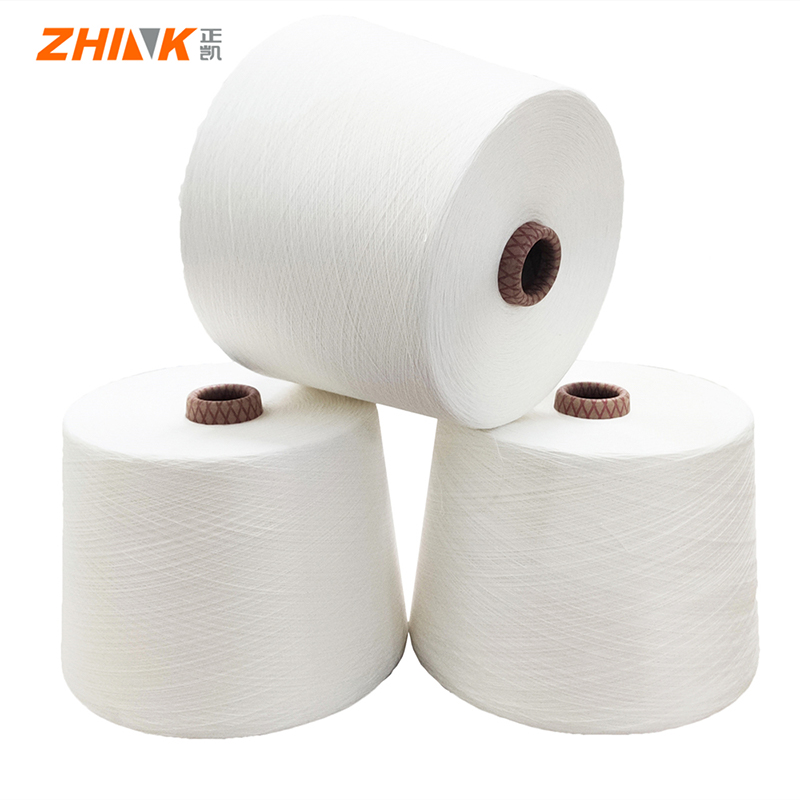
bamboo silk yarn
The Versatility and Appeal of Bamboo Silk Yarn
The textile industry continues to evolve, and one of the most fascinating transformations is happening with bamboo silk yarn. This material is gaining popularity for its unique combination of sustainability and luxury. But what's really shaping its journey in the market?
Understanding Bamboo Silk Yarn
To start, bamboo silk yarn isn't entirely derived from bamboo alone—that's a common misconception. It’s a blend, typically involving bamboo fiber and silk. Think about this: bamboo offers the sustainability angle, while silk adds that unmistakable luster and softness. When these are combined, the result is something that feels both lavish and responsibly made.
Years ago, during a visit to a manufacturing unit, I observed the intricate process ﹣ from the extraction of bamboo pulp to its blending with silk fibers. The workers meticulously ensured each batch met quality standards. Clearly, there’s more art to it than mere production. Blending natural with luxury isn't straightforward; it’s about balance and achieving the right texture.
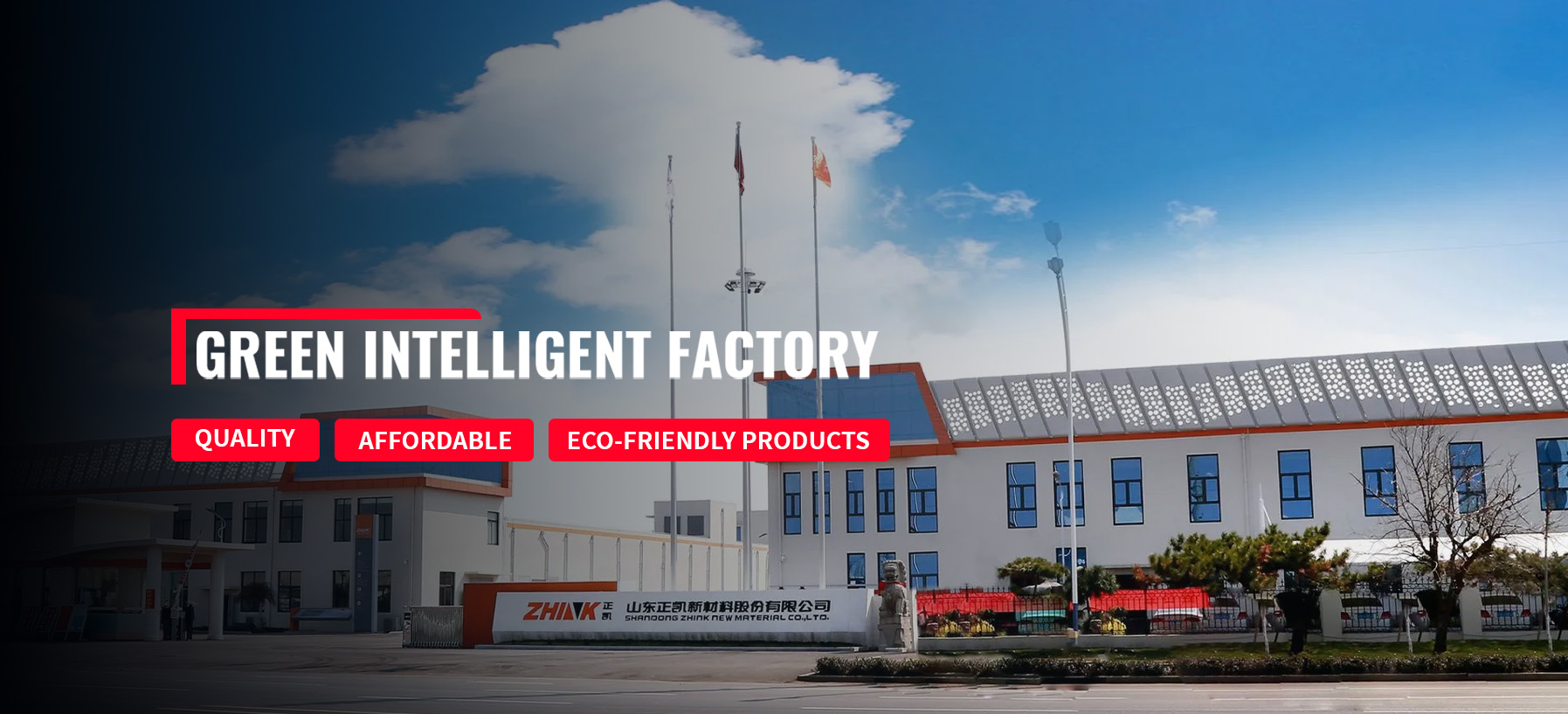
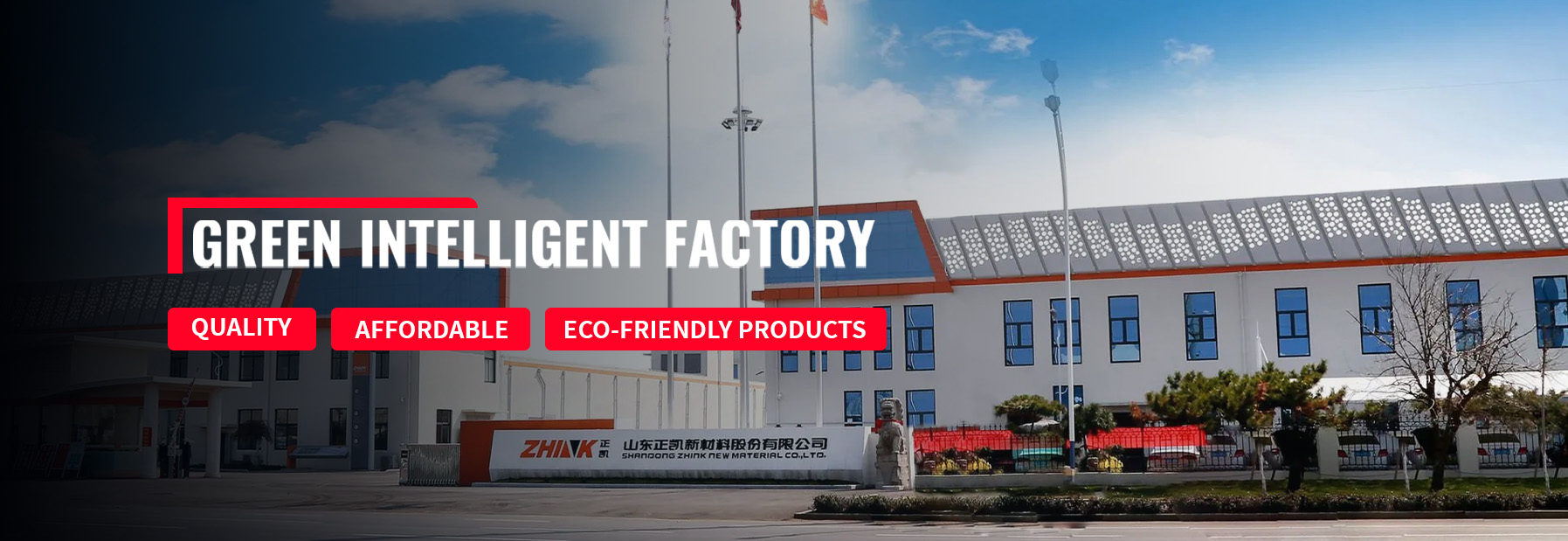
Companies like SHANDONG ZHINK NEW MATERIAL CO., LTD are spearheading innovation in this field. More details can be found on their website, https://www.zhinkyarn.com. Their focus on R&D is reshaping how we perceive sustainable textiles, making bamboo silk yarn an exciting area of development.
The Manufacturing Process
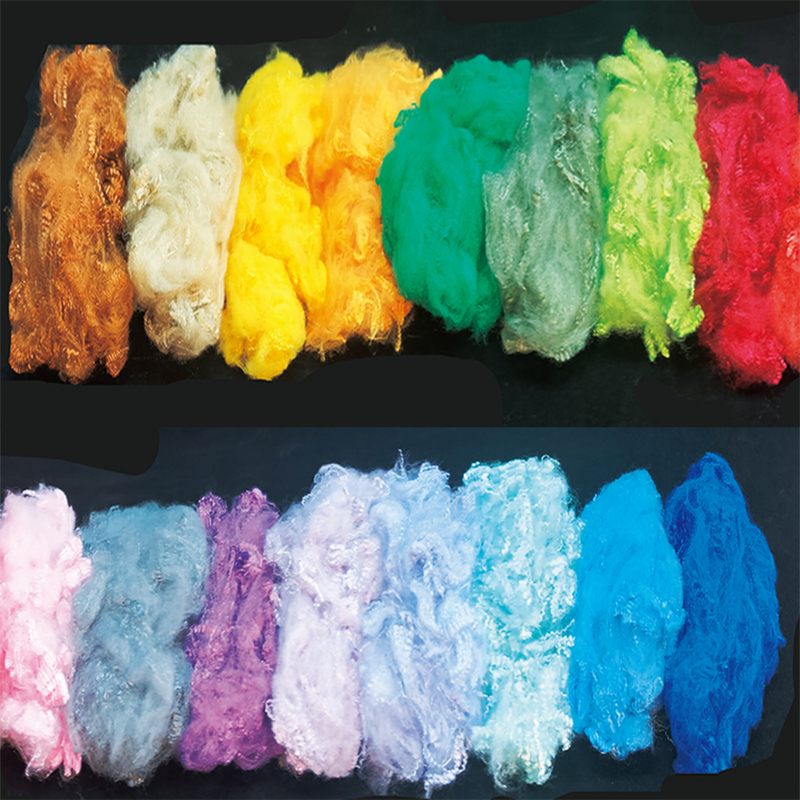
Manufacturing bamboo silk yarn is no small feat. Start with the bamboo, which is first processed into a soft pulp before it's turned into fibers. The next stage involves blending these fibers with silk, often requiring high-precision machinery to maintain consistency. It's an interplay of technology and craft.
I recall discussions with some of the engineers at Zhink New Material about the challenges they face with raw material quality. Bamboo can be unpredictable. Moisture levels, for example, can vary significantly, affecting the final output’s texture. These nuances make each batch somewhat unique, which could be a blessing but also a challenge when scaling production.
Another notable factor is environmental concern. While bamboo is rapidly renewable, the chemicals involved in processing aren't always eco-friendly. This is where companies are making leaps in technology to ensure greener processes.
Applications and Market Trends
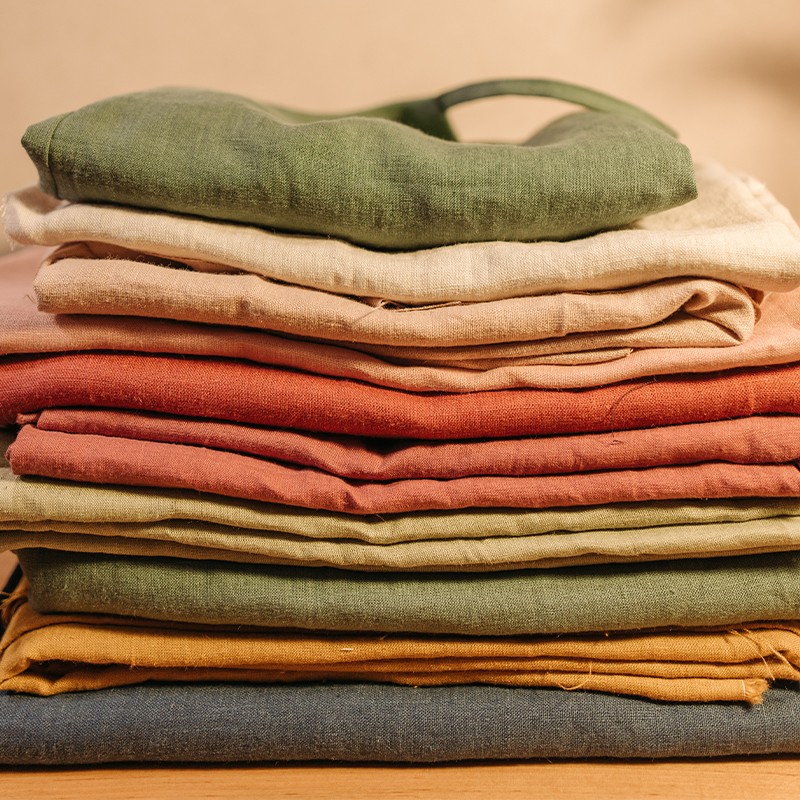
Where does bamboo silk yarn find its place in the market? Interestingly, it's versatile: from high-end fashion to home textiles. The fabric’s breathable nature makes it appealing for summer garments, and its softness is ideal for items like scarves and shawls.
At a recent textile fair, I noticed a growing presence of brands showcasing bamboo silk products. Buyers are drawn to its luxurious feel, sustainable story, and marketable aesthetic. Who wouldn't want a piece that shouts both 'stylish' and 'eco-conscious'?
Still, there's a need for educating consumers. The term bamboo silk can be misleading, as there’s not always transparency in labeling. Here lies a chance for industry leaders to set new benchmarks in labeling standards.
Challenges in the Industry
But it’s not all smooth sailing. The industry faces hurdles — particularly around cost and scalability. The blend, though beautiful, can be costly compared to other yarns. Manufacturers must balance this premium pricing with demand.
Scalability emerges as another challenge. As demand rises, can production keep up without sacrificing quality? This becomes a critical point for suppliers and brands alike, making strategic investments in technology vital.
Moreover, handling the logistics of sourcing raw materials, maintaining quality, and ensuring eco-friendly processes all add complexities to the value chain.
The Future of Bamboo Silk Yarn
Looking ahead, it appears bamboo silk yarn has a vibrant future. The potential for innovation is vast. Emerging technologies promise better sustainability practices and improved quality control.
Collaboration will be key. If companies like Zhink New Material continue pushing the envelope, we might see even stronger, more sustainable products hitting the market soon. Their role in pioneering new textile materials stands as a testament to this era of transformation.
What's more, with increasing consumer awareness around sustainability, this yarn doesn’t just attract the eco-conscious but also those simply in search of luxury that feels good — both to touch and in the conscience.
Related Products
Related Products