+86-632-3621866
- Chinese
- French
- German
- Portuguese
- Spanish
- Russian
- Japanese
- Korean
- Arabic
- Irish
- Greek
- Turkish
- Italian
- Danish
- Romanian
- Indonesian
- Czech
- Afrikaans
- Swedish
- Polish
- Basque
- Catalan
- Esperanto
- Hindi
- Lao
- Albanian
- Amharic
- Armenian
- Azerbaijani
- Belarusian
- Bengali
- Bosnian
- Bulgarian
- Cebuano
- Chichewa
- Corsican
- Croatian
- Dutch
- Estonian
- Filipino
- Finnish
- Frisian
- Galician
- Georgian
- Gujarati
- Haitian
- Hausa
- Hawaiian
- Hebrew
- Hmong
- Hungarian
- Icelandic
- Igbo
- Javanese
- Kannada
- Kazakh
- Khmer
- Kurdish
- Kyrgyz
- Latin
- Latvian
- Lithuanian
- Luxembou..
- Macedonian
- Malagasy
- Malay
- Malayalam
- Maltese
- Maori
- Marathi
- Mongolian
- Burmese
- Nepali
- Norwegian
- Pashto
- Persian
- Punjabi
- Serbian
- Sesotho
- Sinhala
- Slovak
- Slovenian
- Somali
- Samoan
- Scots Gaelic
- Shona
- Sindhi
- Sundanese
- Swahili
- Tajik
- Tamil
- Telugu
- Thai
- Ukrainian
- Urdu
- Uzbek
- Vietnamese
- Welsh
- Xhosa
- Yiddish
- Yoruba
- Zulu
- Kinyarwanda
- Tatar
- Oriya
- Turkmen
- Uyghur



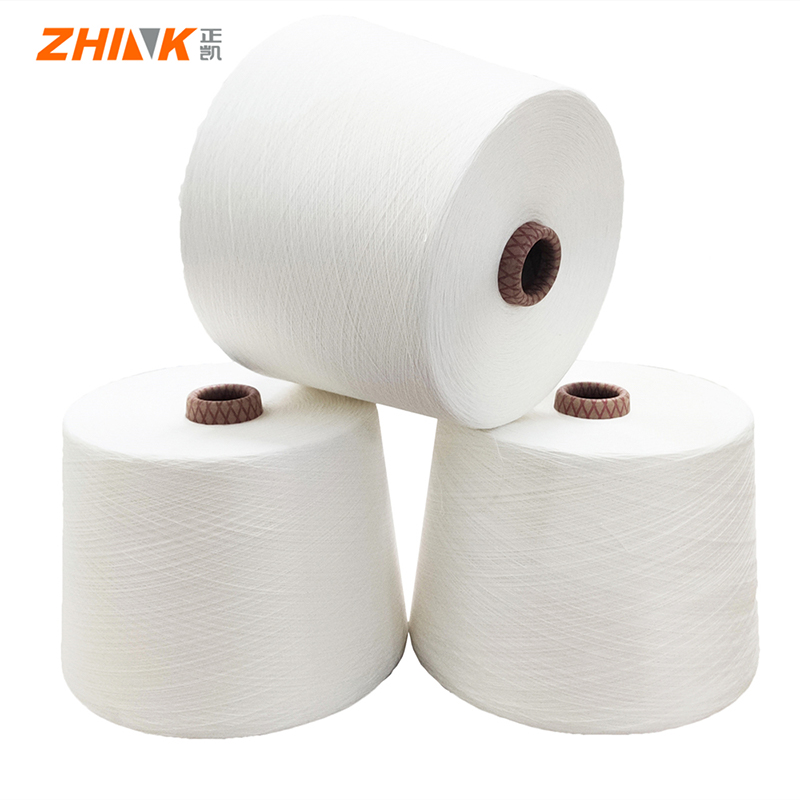
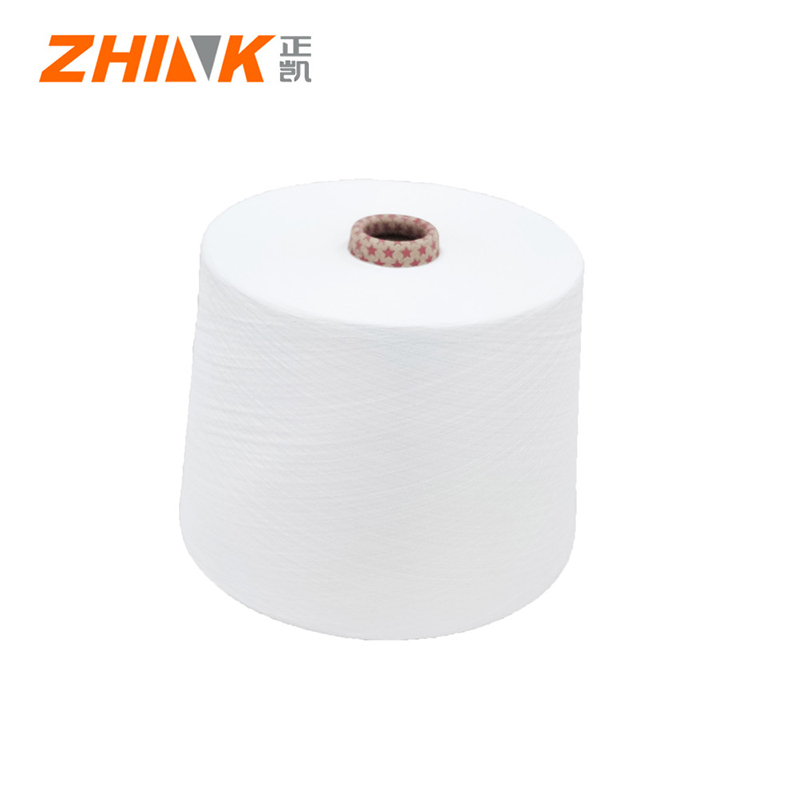
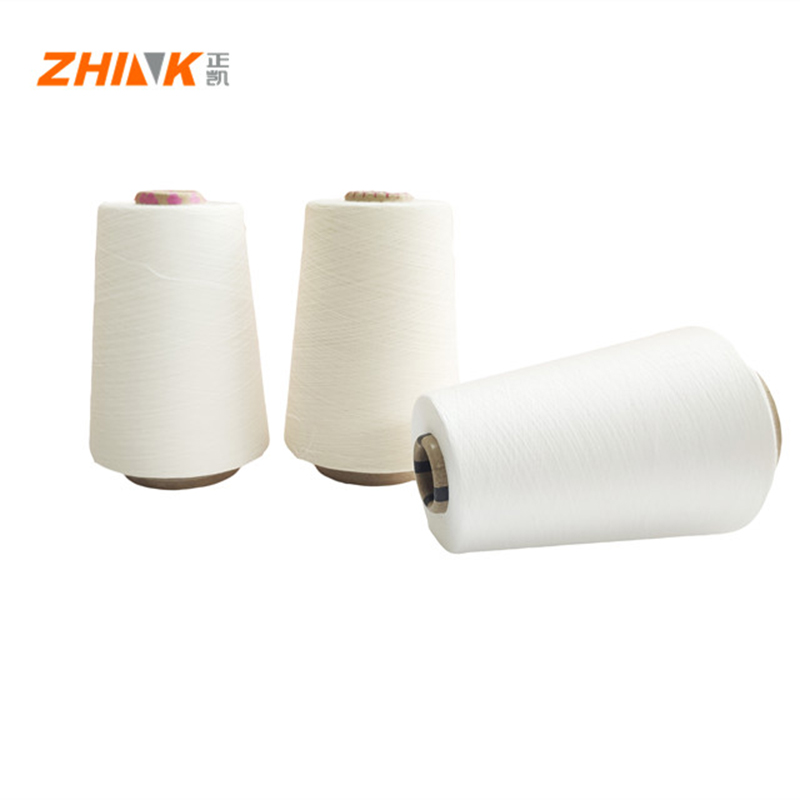
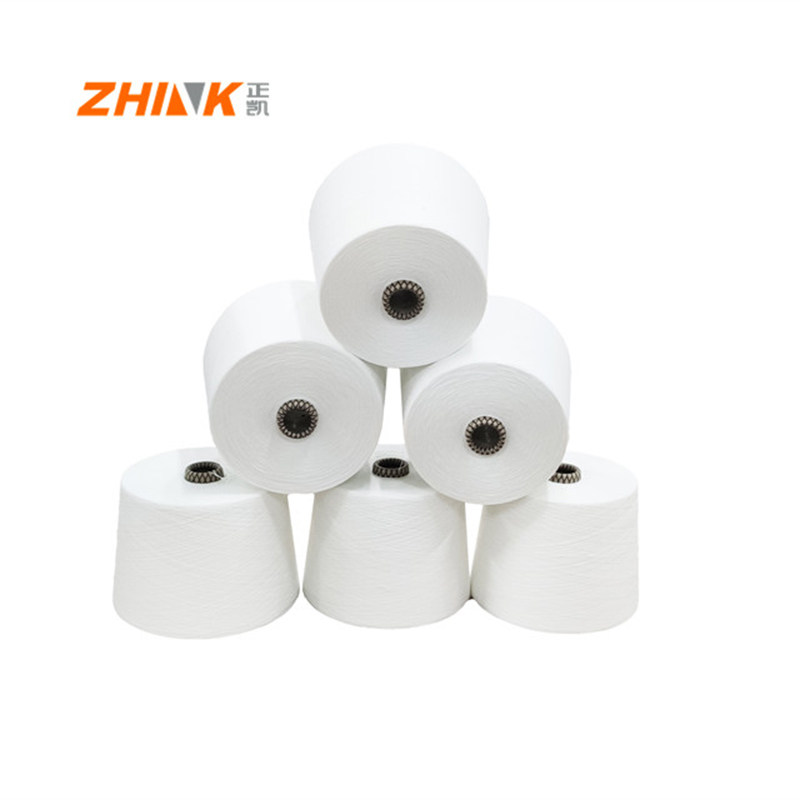
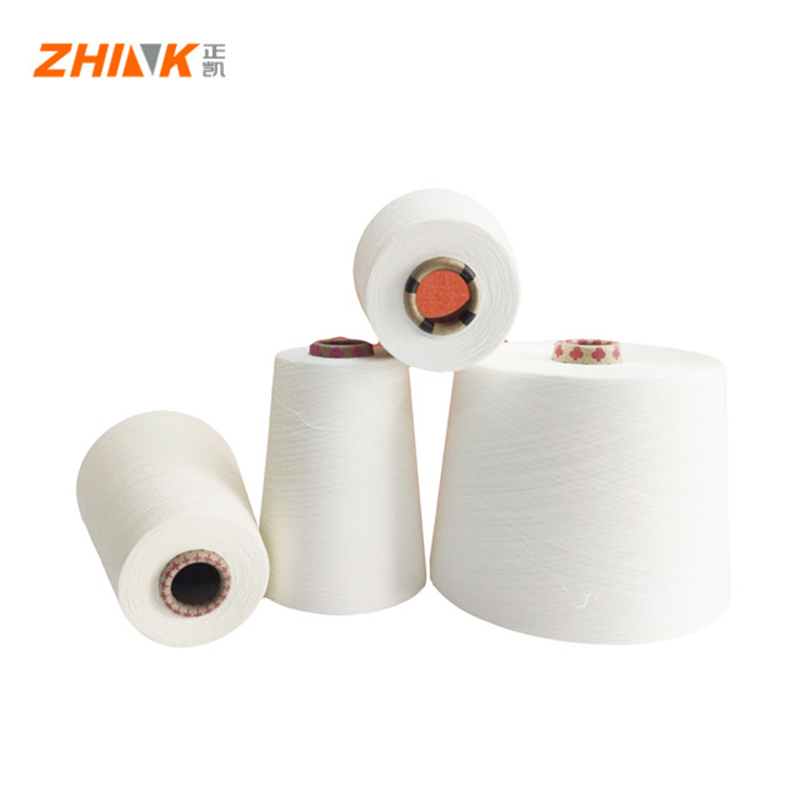
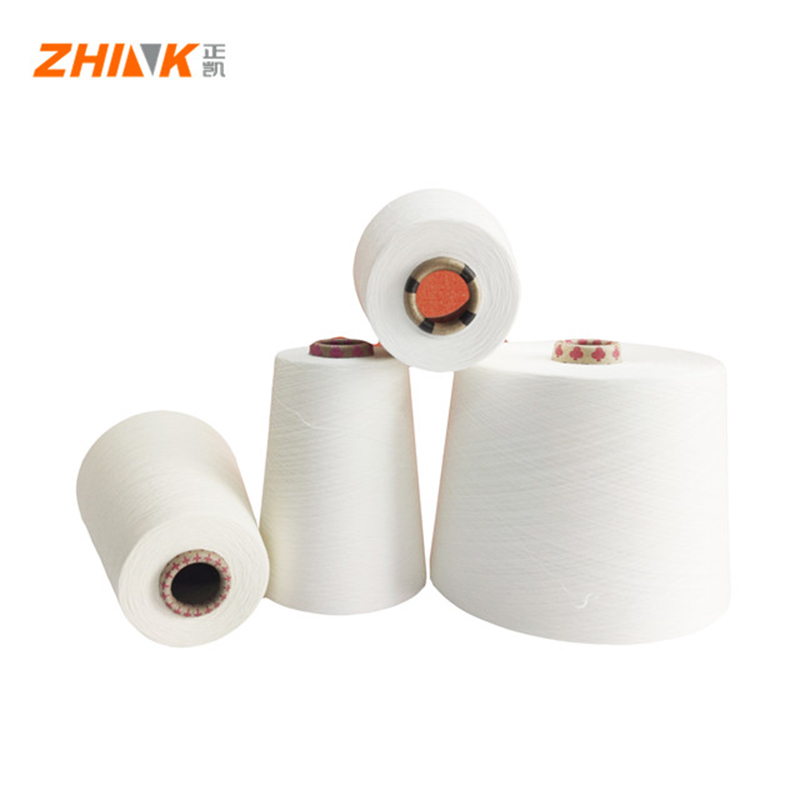
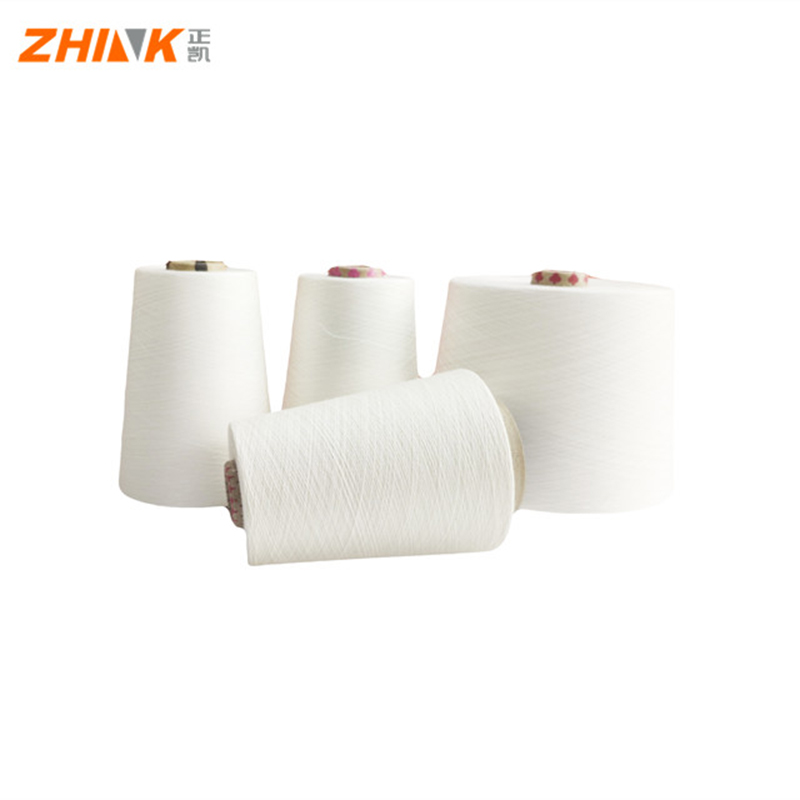
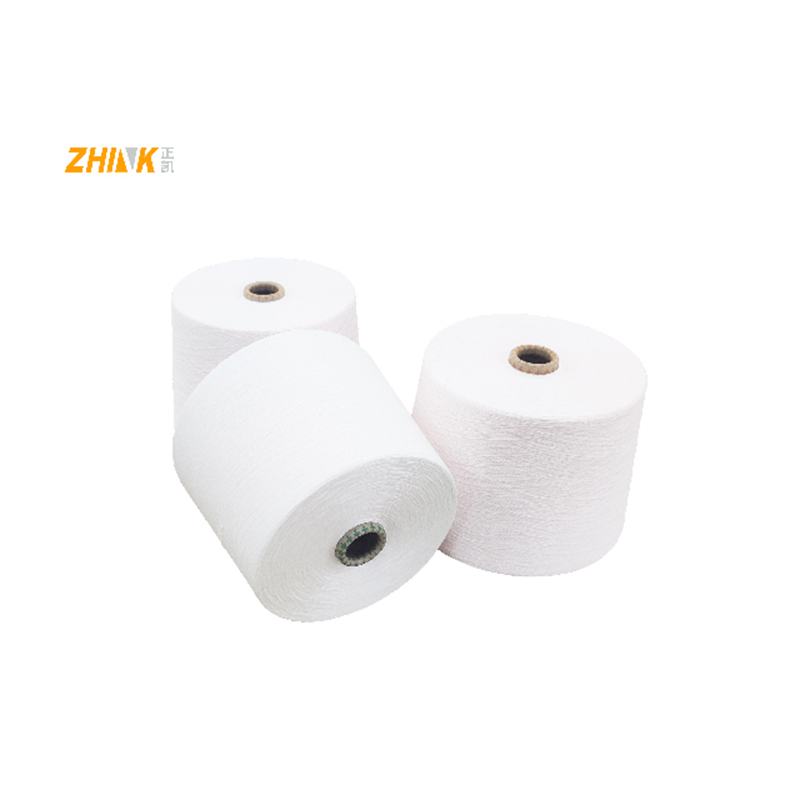
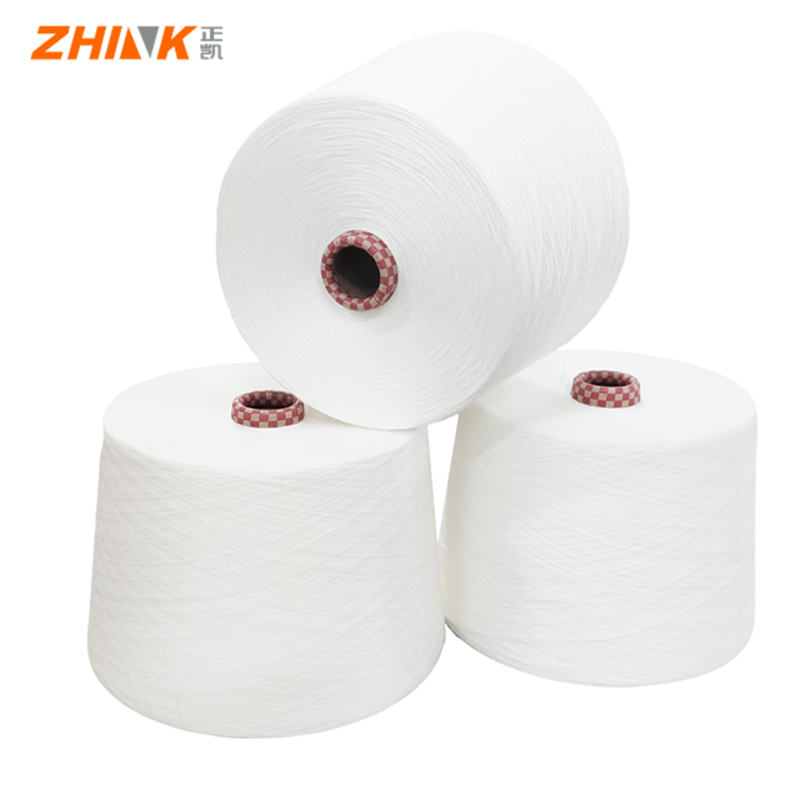
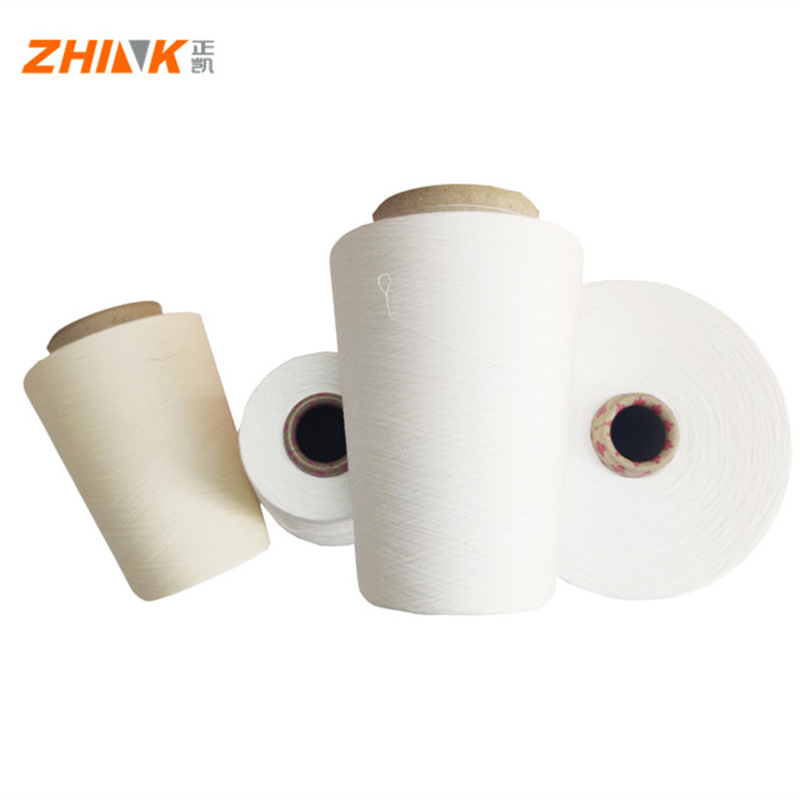
bamboo spandex yarn
Bamboo Spandex Yarn: Understanding the Craft
Delving into the world of textile innovation, bamboo spandex yarn emerges not just as a buzzword, but as a genuine player in sustainable fashion. Its flexibility and eco-friendly nature have grabbed both industry attention and consumer interest, though it's not without its share of complexities and misconceptions. Let's unravel these fibers and understand what truly defines their market presence.
What Makes Bamboo Spandex Yarn Special?
Bamboo as a textile isn't entirely new. Its rise to fame largely comes from its sustainable growth process. Bamboo grows rapidly without requiring extensive care or agricultural chemicals. When it's paired with spandex—a staple for elasticity—you get a yarn that's not only friendly to the planet but also functional. This unique blend offers the stretch of traditional spandex while maintaining the breathability and comfort of bamboo.
In practice, the manufacturing process itself needs careful attention. The blending of bamboo and spandex must achieve a balance where neither component overpowers the other, something that takes a fair amount of trial and error. The team at Zhink New Material is deeply engrossed in this delicate dance, constantly refining their methods to deliver consistency in quality.
Yet, misconceptions persist. Some believe that because bamboo is natural, anything derived from it must be entirely eco-friendly. While bamboo production has merits, the conversion of bamboo into fabric can involve extensive chemical processing. Making this process cleaner is one of the challenges that innovators like SHANDONG ZHINK NEW MATERIAL CO., LTD are striving to overcome, as seen on their website here.
The Industry's Challenge: Consistency in Quality
Producing bamboo spandex yarn isn't just about mixing two fibers. Each batch needs to be carefully crafted to meet fabric standards. The blend ratio, dye processes, and spool tension all play a critical role in how the final product behaves. Any slight miscalculation can lead to defects, impacting manufacturers relying on predictable quality.
I recall visiting a textile mill where an entire production run was scrapped because of inconsistent dye take-up. It's these kinds of challenges that make the task daunting yet rewarding. The real battle lies in achieving that perfect synthesis of elasticity and comfort without compromising sustainability standards.
That's where companies like Zhink New Material make their mark, focusing keenly on research and development to not just meet but exceed these challenges. Their production lines are finely tuned to address these issues, ensuring that each yarn meets rigorous environmental and technical standards.
Applications in the Modern Wardrobe
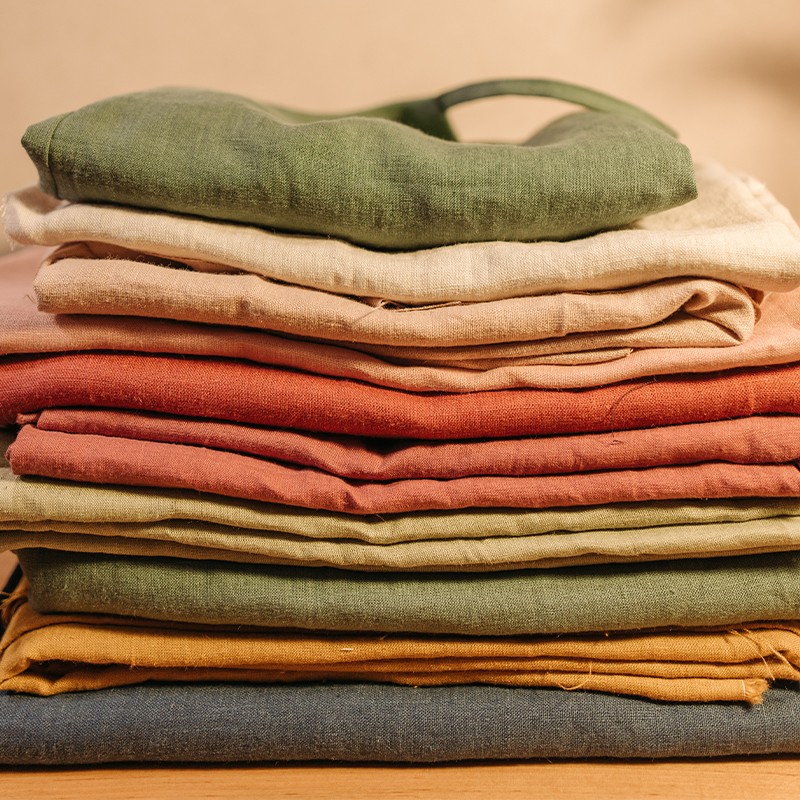
Bamboo spandex yarns have found their way into a variety of garments, from activewear to more casual apparel. The stretch provided by spandex makes it ideal for sportswear, where flexibility is key. Meanwhile, bamboo ensures these items retain a soft, natural feel, unlike some synthetic counterparts.
I’ve seen firsthand how designers leverage this material combination to create garments that appeal to both eco-conscious consumers and those prioritizing comfort and functionality. Whether it’s leggings that move with ease or t-shirts that feel gentle against the skin, the benefits are tangible.
However, challenges still loom. The wash-and-wear tests often reveal varied results; this yarn blend can be sensitive to high temperatures, affecting longevity. Manufacturers often script suggestions for care, emphasizing a balance of practical usability and material preservation.
Navigating Market Misconceptions
There’s a need to address the misinformation often associated with bamboo textiles. The rush to label everything as green has at times overshadowed genuine innovation. Not every bamboo-derived product can claim equal sustainability, making transparency crucial.
At industry forums and exhibitions, there’s always this pushback against vague claims. As consumers become more informed, they expect clarity on how their fabrics are sourced and processed. This change drives continual improvements in production methods and material purity, steps that SHANDONG ZHINK NEW MATERIAL CO., LTD diligently documents online.
Thus, the dialogue between manufacturers and consumers becomes fundamental. Transparency in production not only fosters trust but encourages mindful consumerism—an approach Zhink New Material both supports and actively promotes on their website.
Looking Ahead: The Future of Bamboo Textiles
The landscape for bamboo spandex yarn isn't static—it's ever-evolving, with research at its helm. Innovations in fiber treatment, machinery, and processing continue to emerge, opening new avenues for how these yarns can integrate with other textile advancements.
One can't help but be somewhat optimistic. As eco-conscious practices gain traction, bamboo spandex yarn could lead the way for sustainable yet resilient fabric innovations. With pioneers like Zhink New Material continually pushing the envelope, the textile industry may well find that the best way forward is through blends that harmoniously marry technology and nature.
So, what’s next? Well, specifics will depend on ongoing research and perhaps a bit of serendipity—but it’s pretty clear that bamboo spandex yarns hold a unique position in the fabric ecosystem, one that could reshape our understanding of sustainable textiles.
Related Products
Related Products