+86-632-3621866
- Chinese
- French
- German
- Portuguese
- Spanish
- Russian
- Japanese
- Korean
- Arabic
- Irish
- Greek
- Turkish
- Italian
- Danish
- Romanian
- Indonesian
- Czech
- Afrikaans
- Swedish
- Polish
- Basque
- Catalan
- Esperanto
- Hindi
- Lao
- Albanian
- Amharic
- Armenian
- Azerbaijani
- Belarusian
- Bengali
- Bosnian
- Bulgarian
- Cebuano
- Chichewa
- Corsican
- Croatian
- Dutch
- Estonian
- Filipino
- Finnish
- Frisian
- Galician
- Georgian
- Gujarati
- Haitian
- Hausa
- Hawaiian
- Hebrew
- Hmong
- Hungarian
- Icelandic
- Igbo
- Javanese
- Kannada
- Kazakh
- Khmer
- Kurdish
- Kyrgyz
- Latin
- Latvian
- Lithuanian
- Luxembou..
- Macedonian
- Malagasy
- Malay
- Malayalam
- Maltese
- Maori
- Marathi
- Mongolian
- Burmese
- Nepali
- Norwegian
- Pashto
- Persian
- Punjabi
- Serbian
- Sesotho
- Sinhala
- Slovak
- Slovenian
- Somali
- Samoan
- Scots Gaelic
- Shona
- Sindhi
- Sundanese
- Swahili
- Tajik
- Tamil
- Telugu
- Thai
- Ukrainian
- Urdu
- Uzbek
- Vietnamese
- Welsh
- Xhosa
- Yiddish
- Yoruba
- Zulu
- Kinyarwanda
- Tatar
- Oriya
- Turkmen
- Uyghur



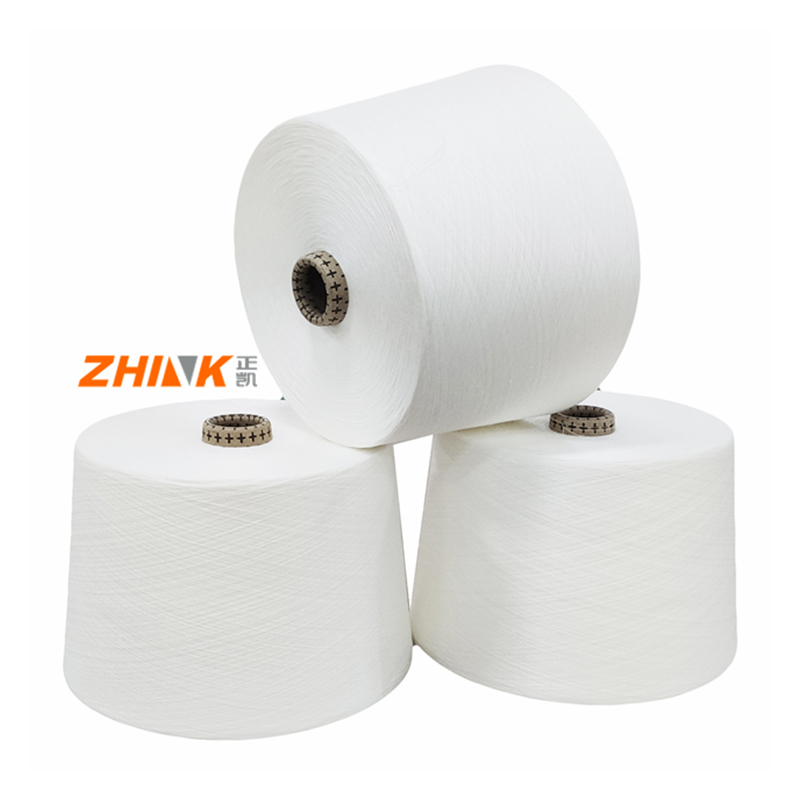
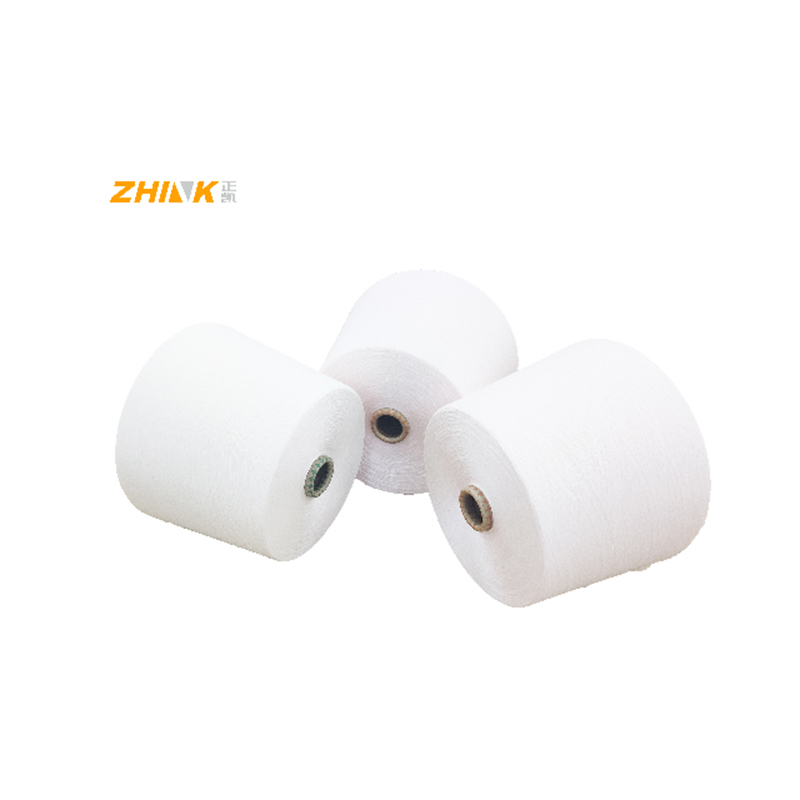
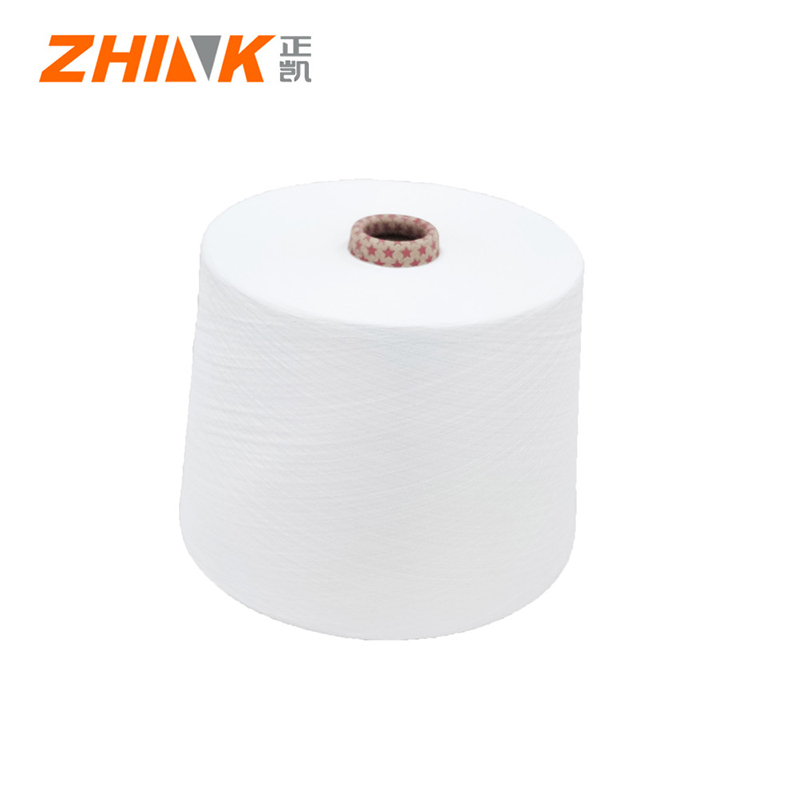
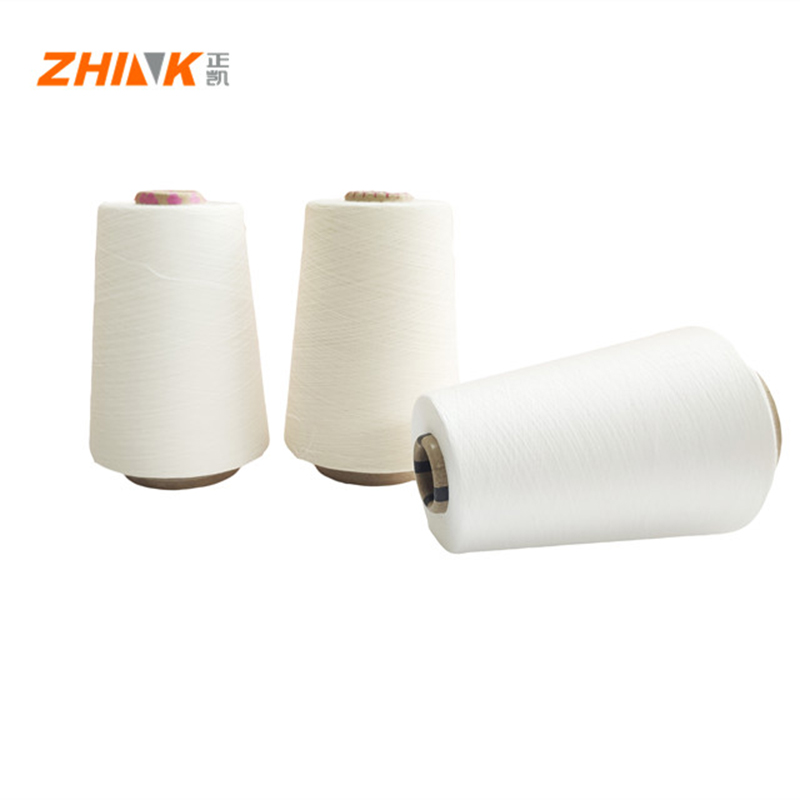
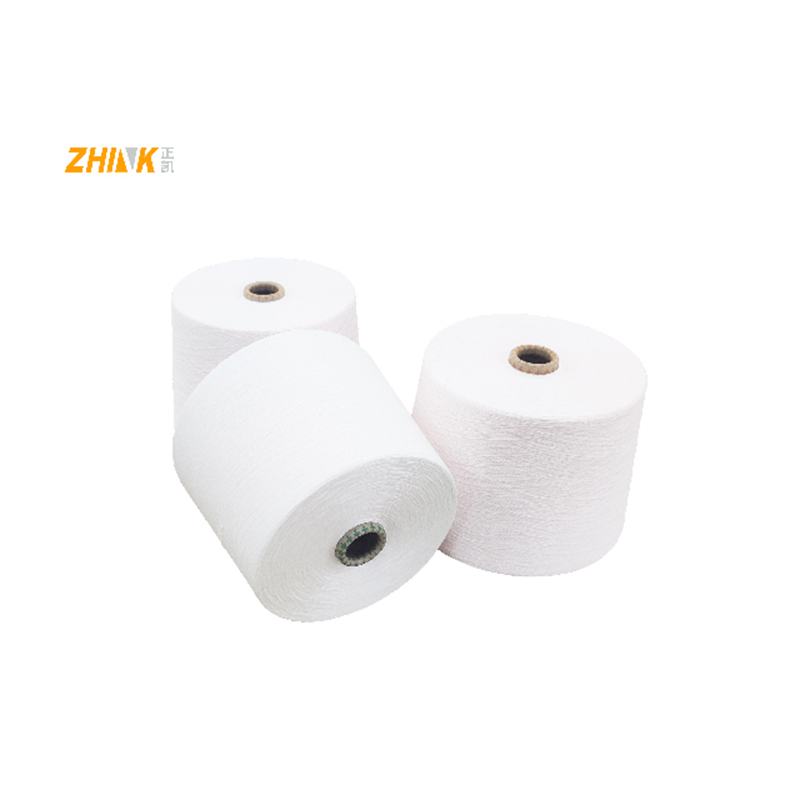
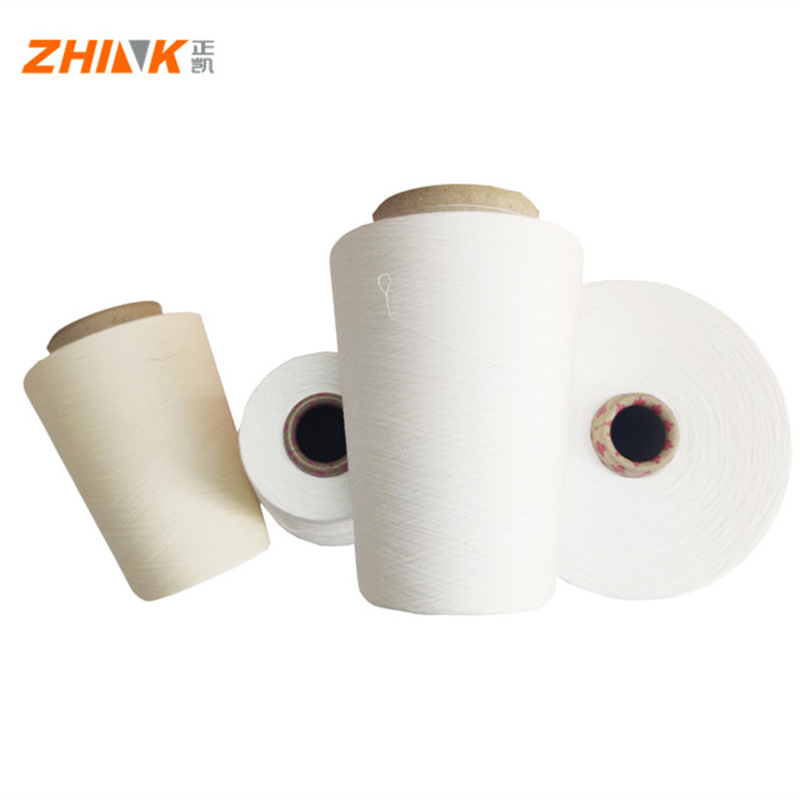
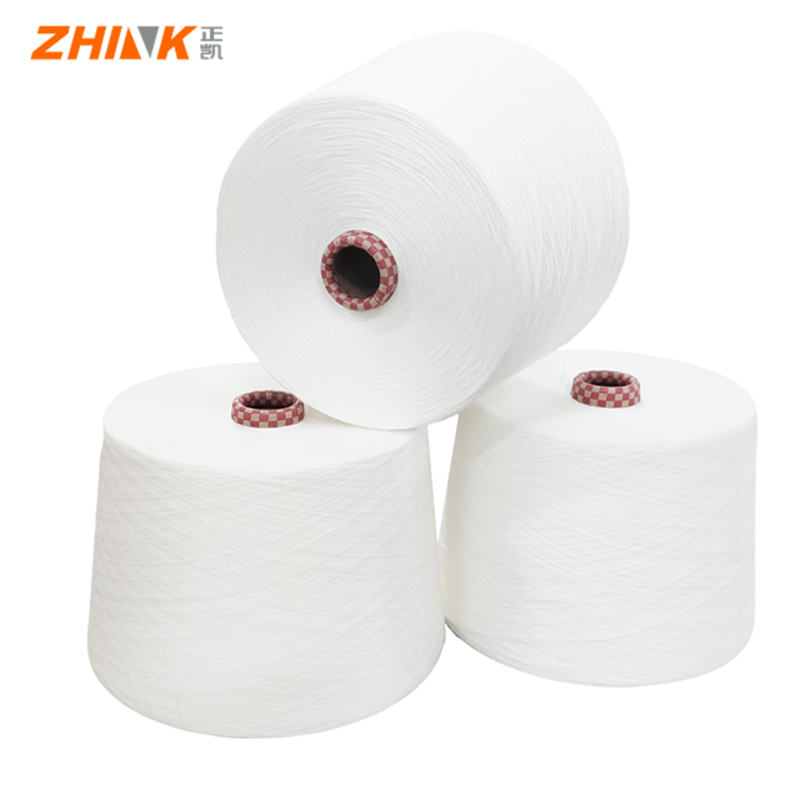
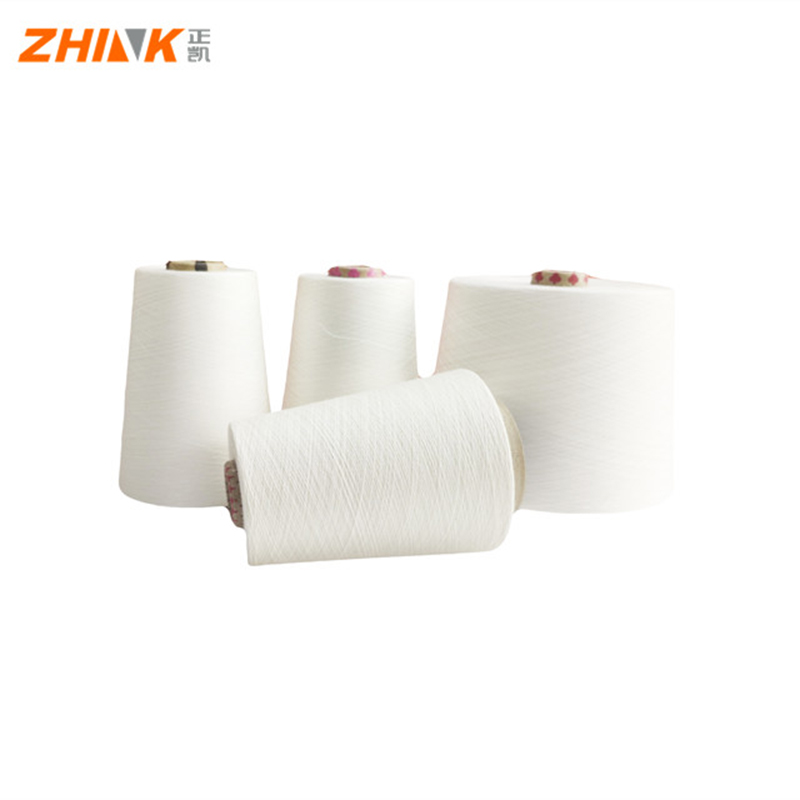
bamboo staple fiber yarn
The Unseen Potential of Bamboo Staple Fiber Yarn
Bamboo staple fiber yarn often gets overshadowed by its more popular counterparts. But take a deeper look, and you’ll find it's a gem waiting to shine, especially for those diving into sustainable textiles. What's really going on beneath the surface?
The Basics of Bamboo Staple Fiber Yarn
At first glance, many think of bamboo as just a plant or perhaps as a raw material for furniture. But in the textile world, bamboo staple fiber yarn has transformed expectations. It combines sustainability with surprising versatility. For those new to this, don't confuse it with bamboo pulp or bamboo viscose, which often involve more chemical processes. Bamboo staple fiber, however, leans closer to the naturals, promising purity and an eco-friendly footprint.
A few years back, I had the chance to visit a production facility in China. Watching the process from raw bamboo to spun yarn was an eye-opener. The plant's minimal water use during production was a refreshing contrast to more conventional fibers. It's something that SHANDONG ZHINK NEW MATERIAL CO., LTD excels at, focusing on innovation and sustainability, as detailed on their website, www.zhinkyarn.com.
What stands out about bamboo yarn is its biodegradability. Textile waste is a growing concern, and knowing that the products made from bamboo staple fiber yarn will return to nature without leaving harmful traces offers a significant peace of mind.
Unique Properties and Their Real-World Applications
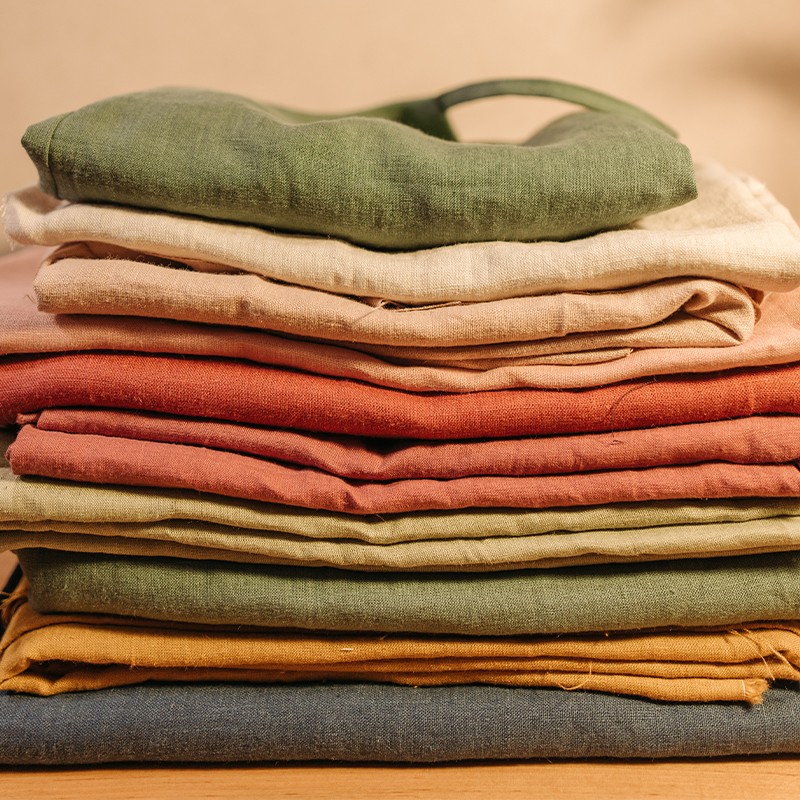
Now, these yarns aren't just about being 'green'. They're naturally antibacterial, breathable, and incredibly soft to the touch. This makes them ideal for a range of applications, from clothing to home textiles. Picture ultra-soft bed sheets or even stylish activewear that's both comfortable and kind to the planet. It might sound almost too good to be true, but once you handle the material, the potential is evident.
However, every product has its limitations. One challenge faced by many manufacturers is ensuring consistent yarn quality. Bamboo fibers can sometimes surprise even seasoned professionals with their variability. Crops can differ season to season, influencing fiber length and strength.
Some years ago, I attempted a small run of bamboo yarn-based clothing line. Admittedly, the inconsistency in fiber quality added complexity to the endeavor. Yet, it was a productive lesson in the nuances of natural materials. Engaging closely with suppliers like Zhink New Material becomes key, ensuring the raw material's quality aligns with product expectations.
The Role of Technology in Advancement
What truly propels bamboo staple fiber yarn forward is the integration of modern technology in its production. From precision manufacturing techniques to quality control enhancements, the technological infusion is undeniable. Shandong Zhink has been at the forefront of this evolution, leveraging advanced research and development practices to elevate material standards.
In one instance, I remember discussing with industry peers about implementing AI-driven quality checks. The idea was simple: use machine learning to predict and correct production issues before they escalate. While still in its infancy, such applications herald a new era for natural fibers.
The strides made in this area promise not just improved quality but also increased efficiency. For companies committed to future-proofing their processes, this blend of technology and tradition may just be the game-changer.
Market Demand and Consumer Perception
Consumer perception is shifting, steering more towards sustainability. But it's not just about being environmentally friendly. End consumers now look for materials that offer tangible benefits. Bamboo staple fiber yarn ticks those boxes, offering comfort and practicality.
The trend is clear: the market is gradually leaning towards embracing such sustainable materials. These aren't just buzzwords for many – they're deciding factors. It's a shift that demands adaptation from designers and manufacturers alike, pushing them to rethink raw material sourcing and production strategies.
Shoppers might not always express it, but their buying patterns reveal an increasing awareness. Companies like Zhink New Material are capitalizing on this shift, emphasizing transparency and quality assurance through dedicated platforms like their official site, www.zhinkyarn.com.
The Future of Bamboo Staple Fiber Yarn
Looking ahead, the question isn't whether bamboo staple fiber yarn will become mainstream; it's just a matter of time. The signals are all there, pointing towards a broader acceptance and application of these fibers.
But challenges remain. Scaling up while maintaining the integrity and quality of the yarn can be daunting. It requires a blend of innovation, precise farming techniques, and robust partnerships within the industry. As someone who's seen both the successes and hurdles, the progress is thrilling yet demands caution.
The textile world, in its relentless pursuit of sustainability, finds in bamboo staple fiber yarn a promising ally. And while the road might be dotted with challenges, the journey is one worth embarking on, promising a harmonious balance between nature and technology.
Related Products
Related Products