+86-632-3621866
- Chinese
- French
- German
- Portuguese
- Spanish
- Russian
- Japanese
- Korean
- Arabic
- Irish
- Greek
- Turkish
- Italian
- Danish
- Romanian
- Indonesian
- Czech
- Afrikaans
- Swedish
- Polish
- Basque
- Catalan
- Esperanto
- Hindi
- Lao
- Albanian
- Amharic
- Armenian
- Azerbaijani
- Belarusian
- Bengali
- Bosnian
- Bulgarian
- Cebuano
- Chichewa
- Corsican
- Croatian
- Dutch
- Estonian
- Filipino
- Finnish
- Frisian
- Galician
- Georgian
- Gujarati
- Haitian
- Hausa
- Hawaiian
- Hebrew
- Hmong
- Hungarian
- Icelandic
- Igbo
- Javanese
- Kannada
- Kazakh
- Khmer
- Kurdish
- Kyrgyz
- Latin
- Latvian
- Lithuanian
- Luxembou..
- Macedonian
- Malagasy
- Malay
- Malayalam
- Maltese
- Maori
- Marathi
- Mongolian
- Burmese
- Nepali
- Norwegian
- Pashto
- Persian
- Punjabi
- Serbian
- Sesotho
- Sinhala
- Slovak
- Slovenian
- Somali
- Samoan
- Scots Gaelic
- Shona
- Sindhi
- Sundanese
- Swahili
- Tajik
- Tamil
- Telugu
- Thai
- Ukrainian
- Urdu
- Uzbek
- Vietnamese
- Welsh
- Xhosa
- Yiddish
- Yoruba
- Zulu
- Kinyarwanda
- Tatar
- Oriya
- Turkmen
- Uyghur



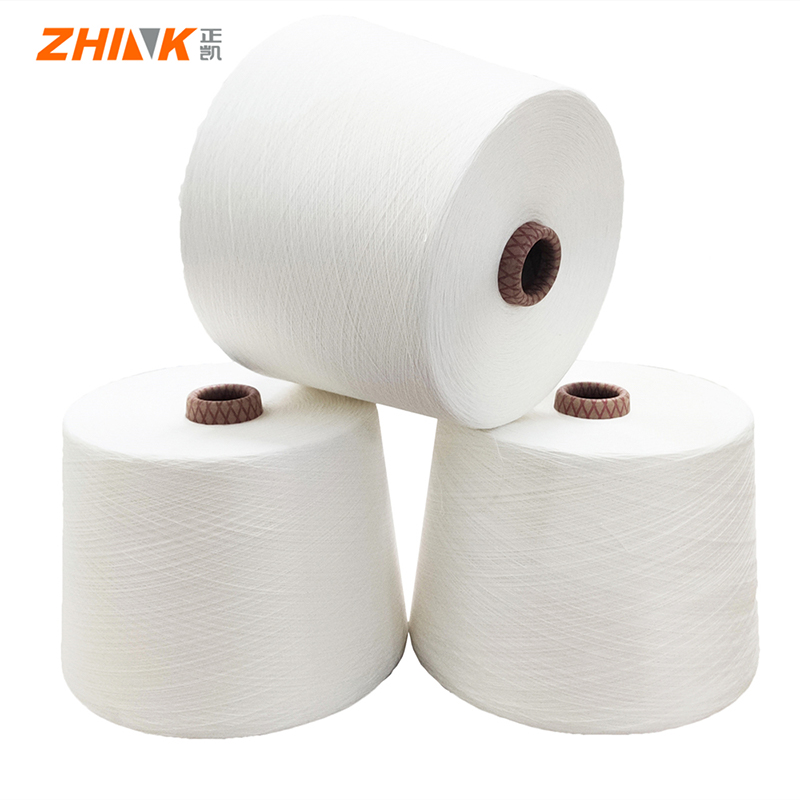
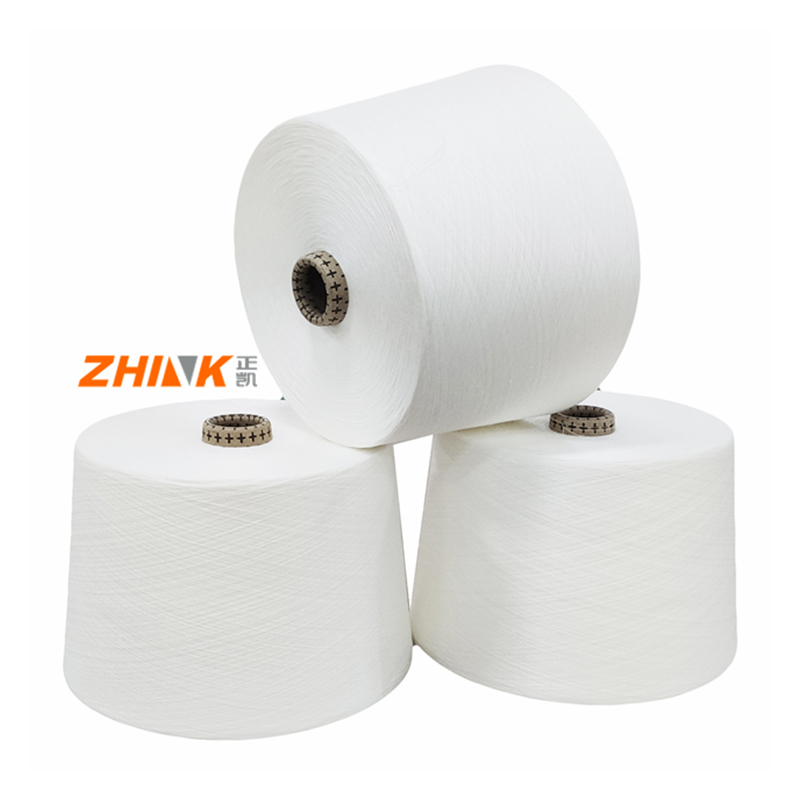
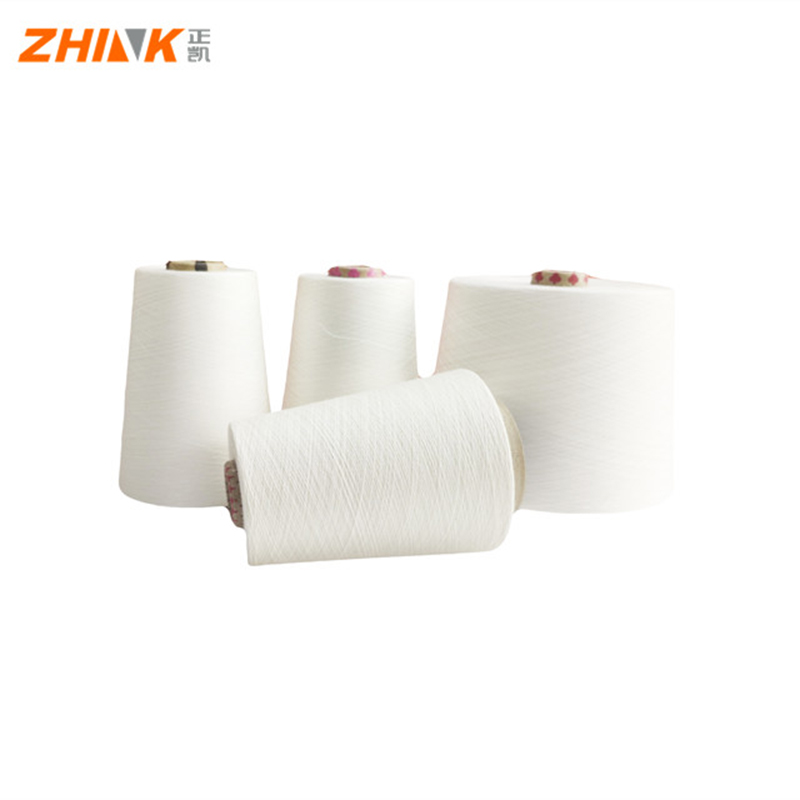
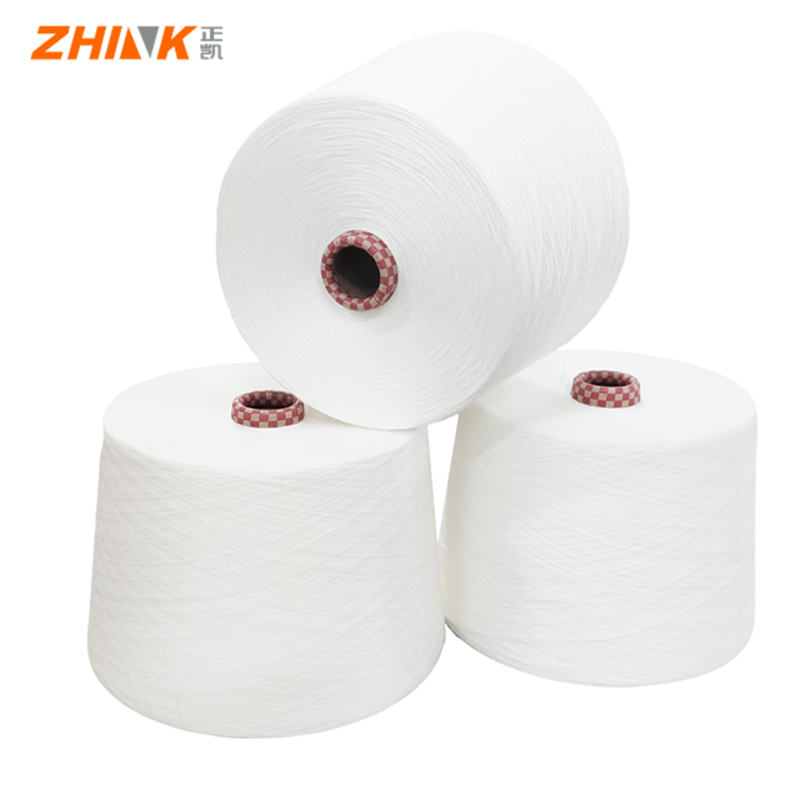
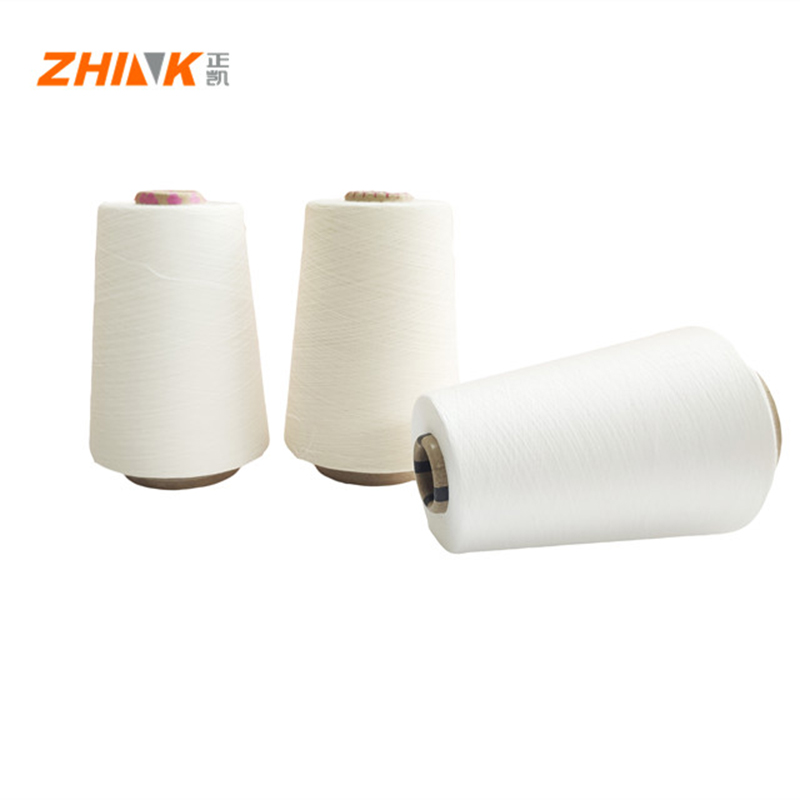
bamboo TFO yarn
Bamboo TFO Yarn: Industry Insights and Real-World Applications
In the world of textile innovation, bamboo TFO yarn stands out for its sustainable appeal and practical advantages. Combining the natural allure of bamboo with the strength of TFO (Two For One) twisting, this yarn variety promises both quality and eco-friendliness. But, as with any specialty material, there are nuances and challenges that only industry insiders might truly appreciate.
Understanding Bamboo TFO Yarn
Bamboo TFO yarn often generates curiosity, especially among those new to sustainable textiles. Bamboo's natural fibers are known for being soft and breathable, while TFO twisting methods enhance durability. I've noticed some people misjudge bamboo fabrics as delicate or demanding in the production phase, but the reality is quite different. When executed with precision, the TFO process effectively strengthens the yarn without sacrificing comfort.
For a company like SHANDONG ZHINK NEW MATERIAL CO., LTD, expertise in advanced textile technologies allows us to harness these qualities. We emphasize not just production, but also consistent research and development, ensuring our yarn meets both rigorous quality standards and emerging consumer demands.
One common misconception is that bamboo textiles are purely niche or luxury products. While they do enjoy appeal among eco-conscious buyers, their practical benefits—such as hypoallergenic properties and moisture-wicking—are increasingly sought after in mainstream markets too.
The Practical Side of Production
The production of bamboo TFO yarn isn’t without its challenges. The very nature of bamboo as a raw material requires specific handling to maintain its properties. For instance, any variation in humidity or temperature during processing can affect the fiber quality significantly. This is where experience and technical know-how become invaluable. At Zhink, we've invested in climate-controlled facilities to mitigate these variables, ensuring consistent output.
However, these controls don’t always guarantee perfection. There have been instances where unexpected equipment calibrations led to minor defects. While such setbacks are frustrating, they provide learning opportunities. Addressing these hiccups with immediate testing and recalibration helped refine our processes further.
This approach underscores the necessity of flexibility and resilience—a philosophy that guides our research initiatives at SHANDONG ZHINK NEW MATERIAL CO., LTD. The integration of feedback loops and iterative testing fosters innovation and improvement.
Applications and Market Trends
There's no denying the increasing demand for sustainable products, and bamboo TFO yarn fits well within this trend. Its applications are diverse, ranging from fashion to home textiles. In clothing, for example, the yarn's softness and strength make it ideal for garments that need to withstand wear while maintaining a luxurious feel.
Interestingly, beyond apparel, we've seen rising interest from sectors like interior design. Bamboo yarn is making its way into upholstery and curtain fabrics, where aesthetics meet functionality. It's an exciting development, as it opens new doors for collaboration and innovation.
Moreover, these trends are not just fluctuations but rather steady growth indicators. At Zhink, our sales team reports consistent inquiries from both established and emerging markets, signaling a robust and sustained interest in eco-friendly materials.
Comparing Bamboo TFO Yarn with Other Materials
In the need to continuously assess materials, the comparison between bamboo TFO yarn and other popular fibers is a topic of constant exploration. Cotton still reigns supreme in many applications, known for its versatility. However, it lacks the eco-friendly cachet of bamboo, which uses fewer resources to grow and requires less water.
Then there's the synthetic challenge—where materials like polyester and nylon boast durability and cost efficiency but fall short environmentally. Bamboo presents a compelling alternative, balancing sustainability with advanced manufacturing techniques like those we specialize in at SHANDONG ZHINK NEW MATERIAL CO., LTD.
It's essential to weigh these differences deeply, examining not just immediate functionality but long-term impacts. In an industry that's rapidly evolving, foresight and adaptability are key to maintaining competitive advantage.
Future Prospects and Innovations
Looking ahead, there's significant potential for further innovation in bamboo-related textiles. The integration of smart textile technology presents one exciting avenue. Imagine fabrics that not only offer sustainability but also adaptive functionalities like temperature regulation or UV protection.
At Zhink, our R&D efforts are deeply rooted in exploring such frontiers. The goal is not only to respond to current demands but to anticipate future needs. What excites us is the possibility of marrying technology with tradition, paving the way for advancements that honor bamboo's natural heritage while pushing its capabilities.
By continuing to invest in technologies and talent, SHANDONG ZHINK NEW MATERIAL CO., LTD aims to remain at the forefront of this exciting journey. Whether it’s enhancing existing product lines or venturing into uncharted territories, the path ahead for bamboo TFO yarn is promising and full of potential.
Related Products
Related Products