+86-632-3621866
- Chinese
- French
- German
- Portuguese
- Spanish
- Russian
- Japanese
- Korean
- Arabic
- Irish
- Greek
- Turkish
- Italian
- Danish
- Romanian
- Indonesian
- Czech
- Afrikaans
- Swedish
- Polish
- Basque
- Catalan
- Esperanto
- Hindi
- Lao
- Albanian
- Amharic
- Armenian
- Azerbaijani
- Belarusian
- Bengali
- Bosnian
- Bulgarian
- Cebuano
- Chichewa
- Corsican
- Croatian
- Dutch
- Estonian
- Filipino
- Finnish
- Frisian
- Galician
- Georgian
- Gujarati
- Haitian
- Hausa
- Hawaiian
- Hebrew
- Hmong
- Hungarian
- Icelandic
- Igbo
- Javanese
- Kannada
- Kazakh
- Khmer
- Kurdish
- Kyrgyz
- Latin
- Latvian
- Lithuanian
- Luxembou..
- Macedonian
- Malagasy
- Malay
- Malayalam
- Maltese
- Maori
- Marathi
- Mongolian
- Burmese
- Nepali
- Norwegian
- Pashto
- Persian
- Punjabi
- Serbian
- Sesotho
- Sinhala
- Slovak
- Slovenian
- Somali
- Samoan
- Scots Gaelic
- Shona
- Sindhi
- Sundanese
- Swahili
- Tajik
- Tamil
- Telugu
- Thai
- Ukrainian
- Urdu
- Uzbek
- Vietnamese
- Welsh
- Xhosa
- Yiddish
- Yoruba
- Zulu
- Kinyarwanda
- Tatar
- Oriya
- Turkmen
- Uyghur



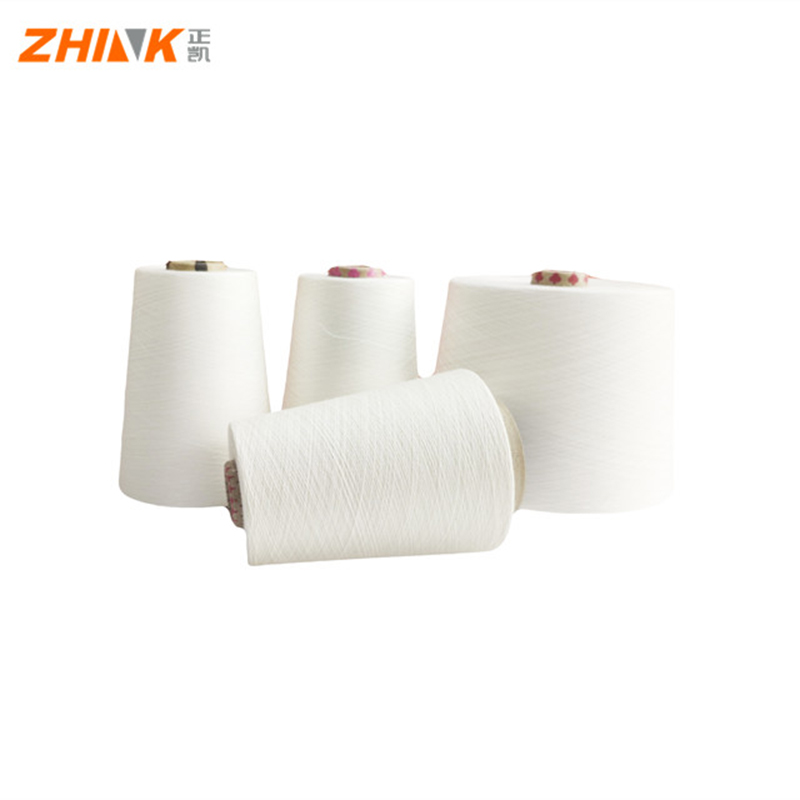
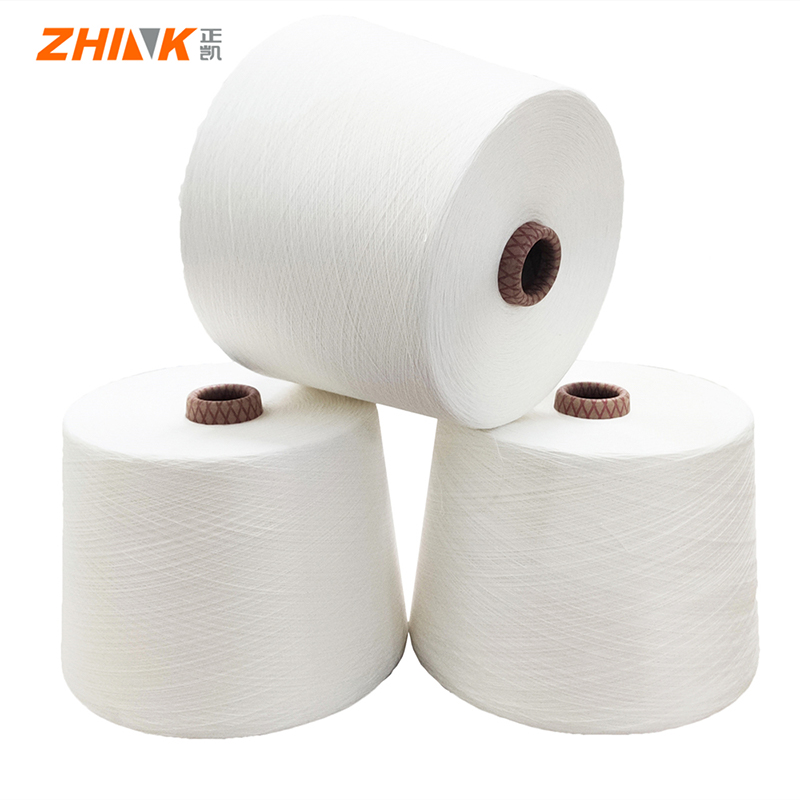
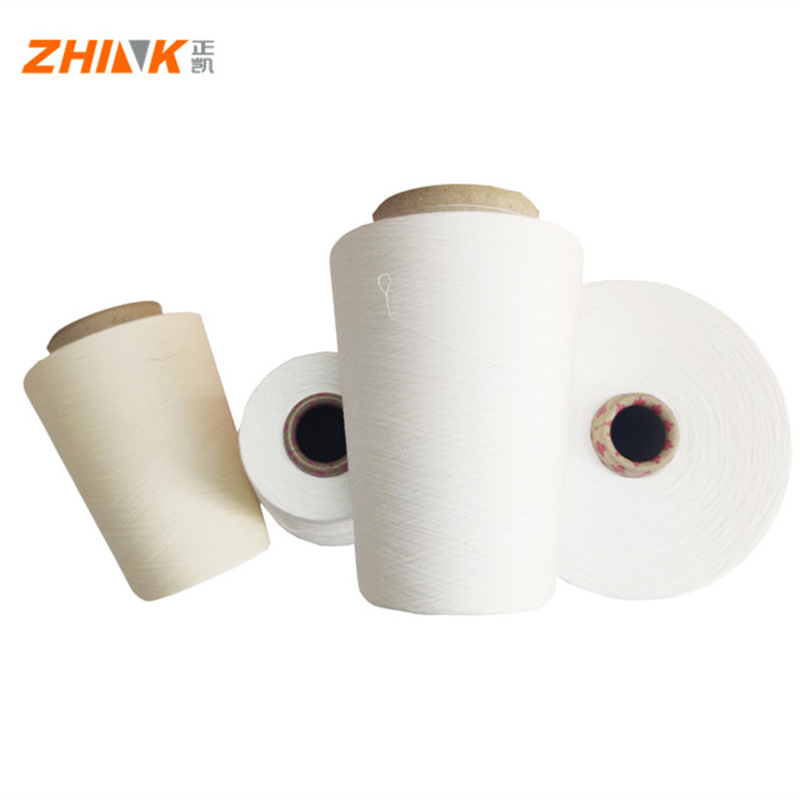
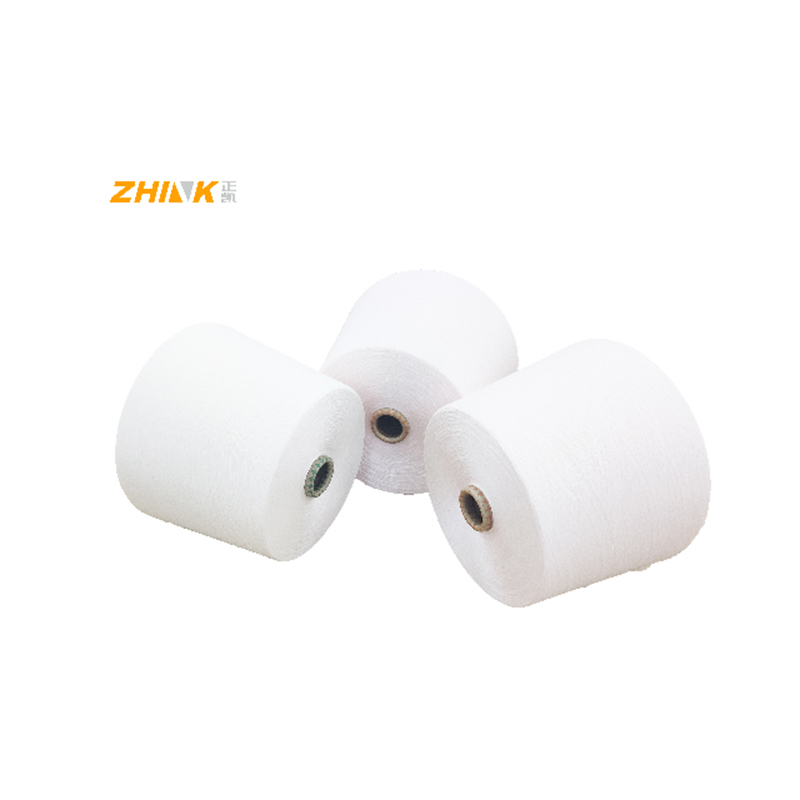
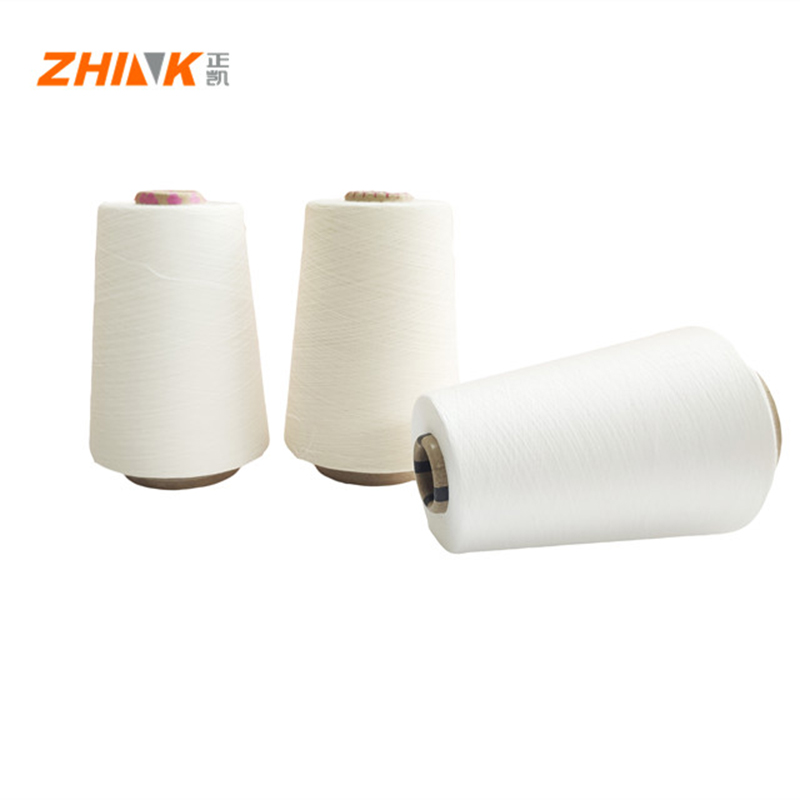
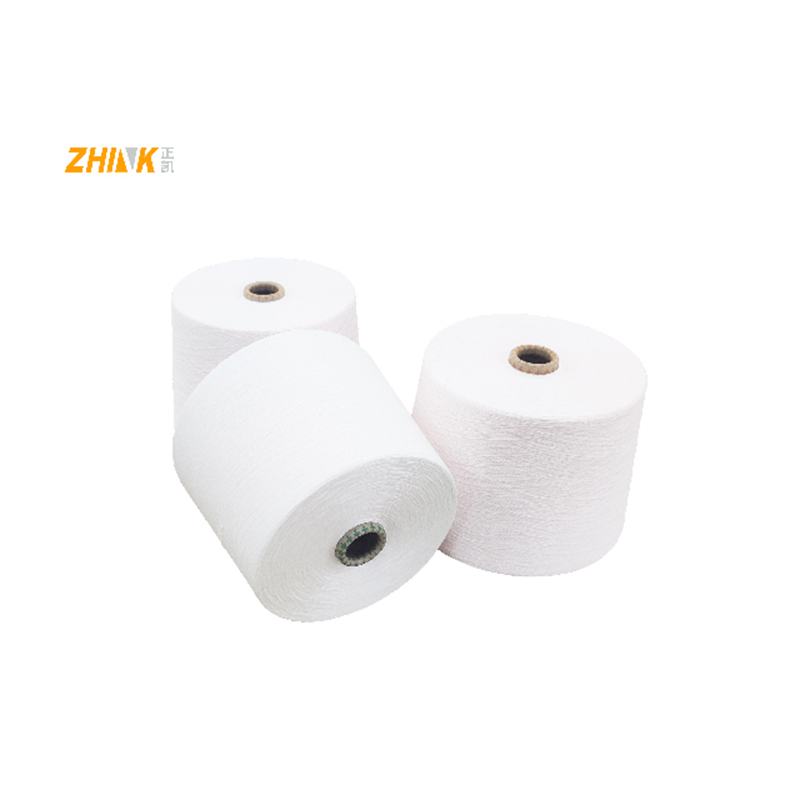
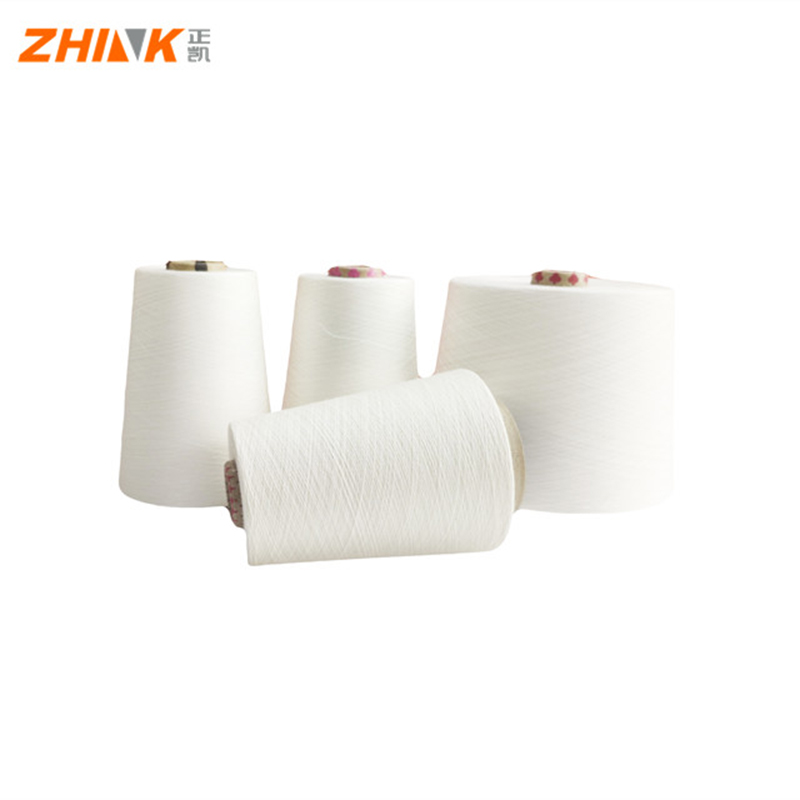
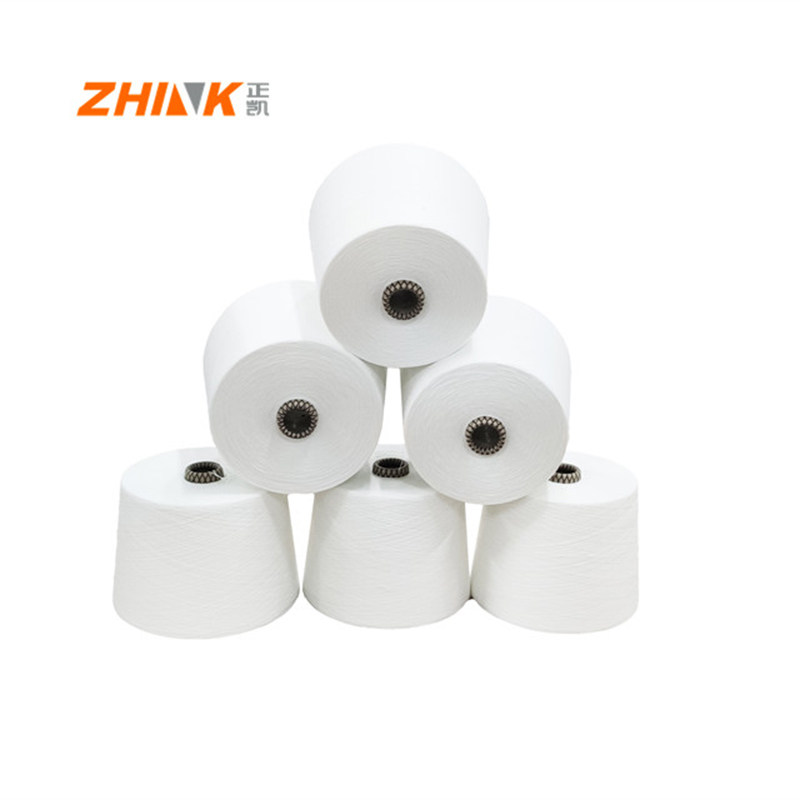
bamboo viscose yarn
The Intriguing World of Bamboo Viscose Yarn
When it comes to sustainable textiles, Bamboo Viscose Yarn stands out as both a trendy and environmentally conscious choice. Despite its growing popularity, misconceptions linger about its true nature and production process. As someone who has spent years navigating the textile industry, I've encountered my fair share of enlightening moments and unexpected challenges with this fascinating material.
Understanding Bamboo Viscose
The journey of bamboo from a plant to a soft yarn is quite the transformation. Initially, I assumed it was a simple, eco-friendly process. In reality, the conversion of bamboo into viscose yarn is fairly complex. It involves the breakdown of bamboo pulp and reconstruction into fibers—a step that demands significant chemical processing.
It's worth noting that this chemical process does stir debates about sustainability. However, reputable companies, such as SHANDONG ZHINK NEW MATERIAL CO., LTD, have dedicated resources to minimizing environmental impact. Zhink, for instance, emphasizes innovative processes that strive to uphold eco-friendly standards. More about their approach can be found on their website at Zhink Yarn.
Beyond production, the yarn's properties are what truly captivate those of us in the industry. Its softness rivals that of high-end cotton, while its breathability makes it perfect for warmer climates. This duality is a big selling point among textile manufacturers.
Misconceptions and Realities
A common misconception I've encountered is the notion that bamboo fabrics are inherently all-natural. People tend to lump bamboo as synonymous with natural, not realizing the substantial processing required. It's a detail that can significantly shift perspective for those prioritizing untouched, raw materials.
Another reality check came when dealing with the cost implications. While bamboo viscose yarn is generally more affordable than premium silks or organic cottons, the misconception of it being cheap can be misleading. Factors like sustainability certifications and production ethics influence pricing considerably.
It's valuable for any professional in the field to communicate these nuances clearly to clients and consumers. Transparency regarding the pros and cons of bamboo viscose goes a long way in maintaining trust and integrity in product lines.
Practical Applications and Limitations
One of the first projects I tackled using bamboo viscose yarn involved crafting breathable summer garments. Its natural luster and adaptability caught my attention immediately. But the real test was its performance under demanding conditions, like high humidity—a test it passed with flying colors.
Despite these strengths, I've also learned of its susceptibility to wear and tear over time. It's less resilient than synthetic fibers, making product longevity a recurring consideration. Knowing your end-use and customer needs is crucial when considering bamboo viscose.
Some clients have turned towards blends, incorporating stronger fibers for added durability without compromising the yarn's appealing softness and breathability. Collaborations with producers like SHANDONG ZHINK have helped prototype such blends effectively.
Innovations in Production
Innovation is a driving force in maintaining the appeal of bamboo viscose yarn. Technologies continue to evolve, reducing the ecological footprint associated with its production. I’ve witnessed substantial improvements in waste mitigation—a direct result of targeted R&D in companies dedicated to sustainable practices.
At SHANDONG ZHINK, these advancements highlight how industry leaders are battling the drawbacks of traditional processes. New techniques focus on closed-loop systems, capturing and reusing chemicals, significantly reducing waste—a win for both producers and the environment.
However, innovation is ongoing, and the quest for a perfectly sustainable process continues. It’s this perpetual cycle of improvement that keeps us all vested in the future of textile manufacturing.
The Future of Bamboo Viscose Yarn
Reflecting on bamboo viscose's trajectory, my outlook is undeniably optimistic. As industry practices keep scaling sustainable heights, the yarn's environmental footprint will likely shrink further. It’s a slow but necessary progression that balances demand with responsibility.
For businesses and suppliers, like SHANDONG ZHINK NEW MATERIAL CO., LTD, the potential market expansions are significant. Emerging technologies will not only enhance sustainable production but could also spur creative applications, branching out to new, uncharted textile territories.
In conclusion, bamboo viscose yarn embodies a blend of innovation, challenges, and potential. Whether you’re a producer, designer, or customer, understanding its complexities leads to more informed, sustainable choices. The awareness and actions we take today shape the textiles of tomorrow.
Related Products
Related Products