+86-632-3621866
- Chinese
- French
- German
- Portuguese
- Spanish
- Russian
- Japanese
- Korean
- Arabic
- Irish
- Greek
- Turkish
- Italian
- Danish
- Romanian
- Indonesian
- Czech
- Afrikaans
- Swedish
- Polish
- Basque
- Catalan
- Esperanto
- Hindi
- Lao
- Albanian
- Amharic
- Armenian
- Azerbaijani
- Belarusian
- Bengali
- Bosnian
- Bulgarian
- Cebuano
- Chichewa
- Corsican
- Croatian
- Dutch
- Estonian
- Filipino
- Finnish
- Frisian
- Galician
- Georgian
- Gujarati
- Haitian
- Hausa
- Hawaiian
- Hebrew
- Hmong
- Hungarian
- Icelandic
- Igbo
- Javanese
- Kannada
- Kazakh
- Khmer
- Kurdish
- Kyrgyz
- Latin
- Latvian
- Lithuanian
- Luxembou..
- Macedonian
- Malagasy
- Malay
- Malayalam
- Maltese
- Maori
- Marathi
- Mongolian
- Burmese
- Nepali
- Norwegian
- Pashto
- Persian
- Punjabi
- Serbian
- Sesotho
- Sinhala
- Slovak
- Slovenian
- Somali
- Samoan
- Scots Gaelic
- Shona
- Sindhi
- Sundanese
- Swahili
- Tajik
- Tamil
- Telugu
- Thai
- Ukrainian
- Urdu
- Uzbek
- Vietnamese
- Welsh
- Xhosa
- Yiddish
- Yoruba
- Zulu
- Kinyarwanda
- Tatar
- Oriya
- Turkmen
- Uyghur



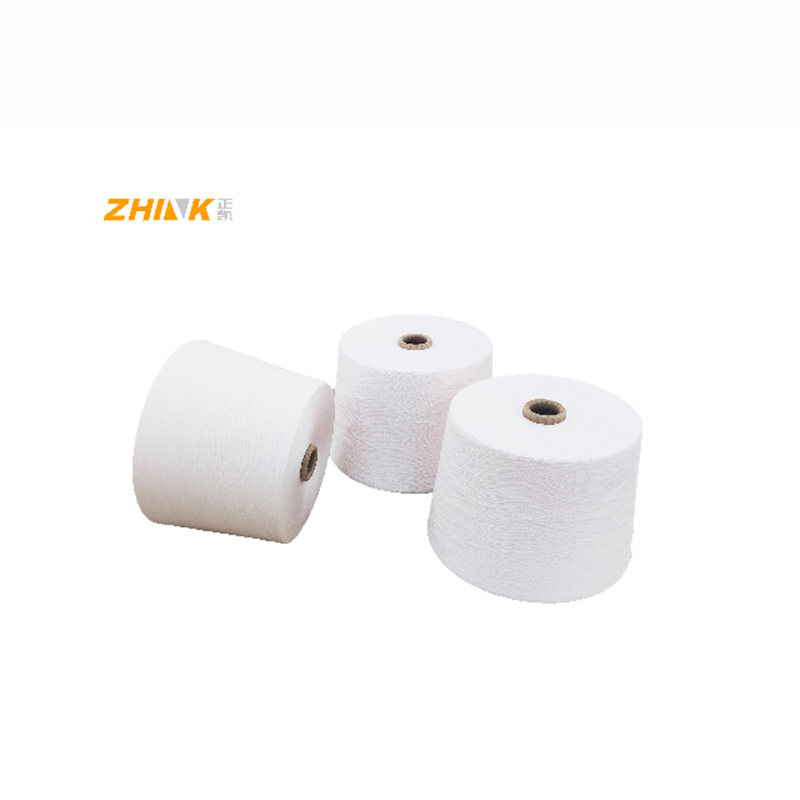
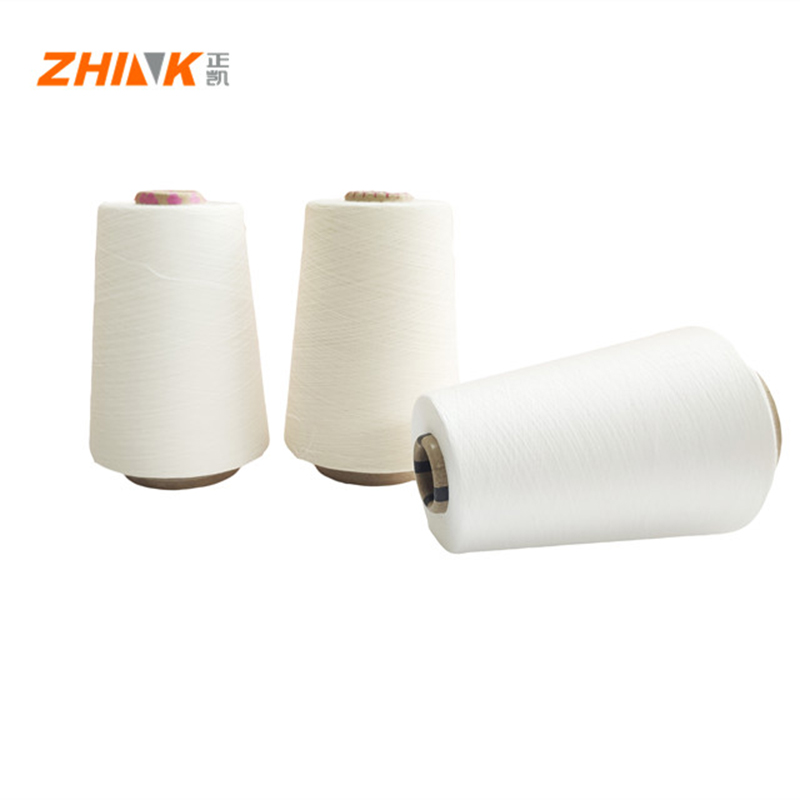
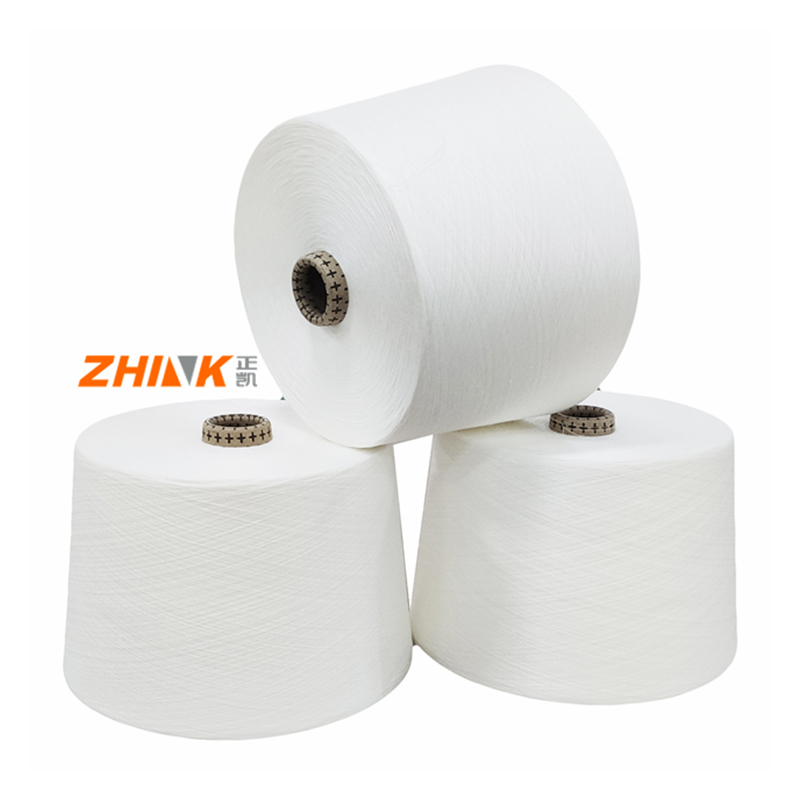
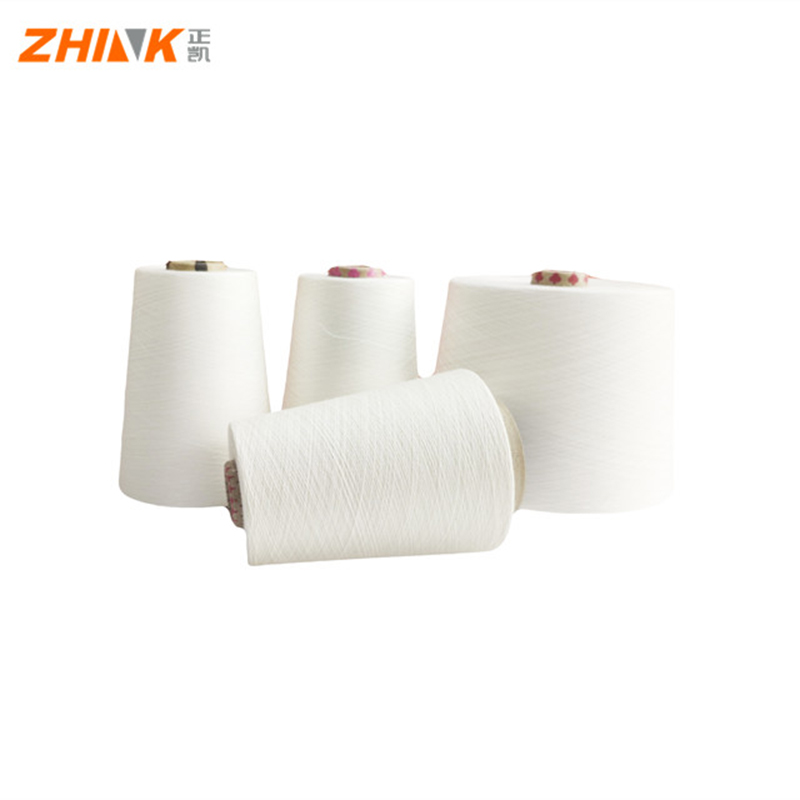
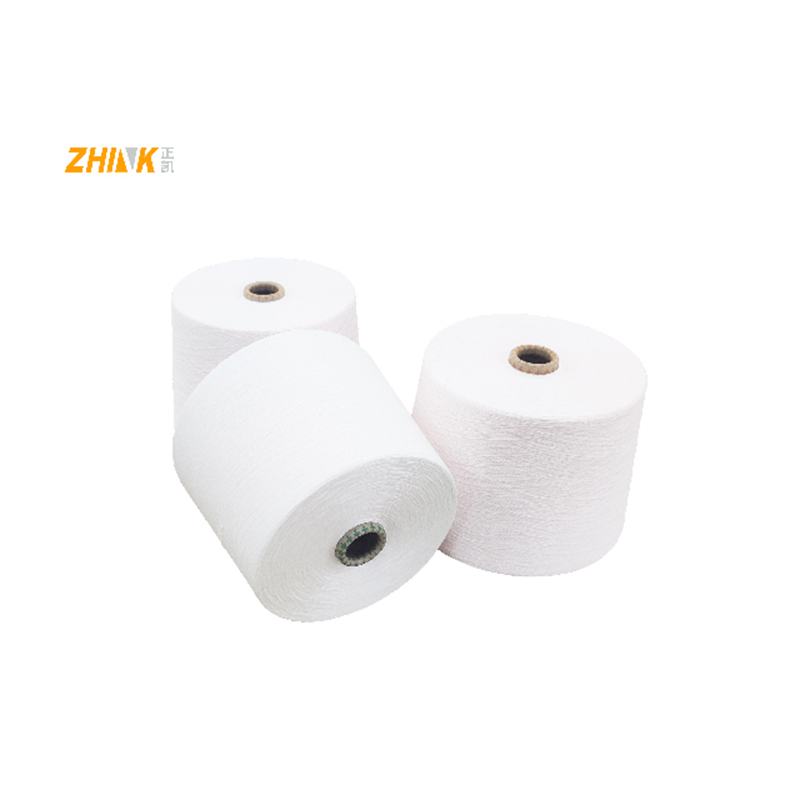
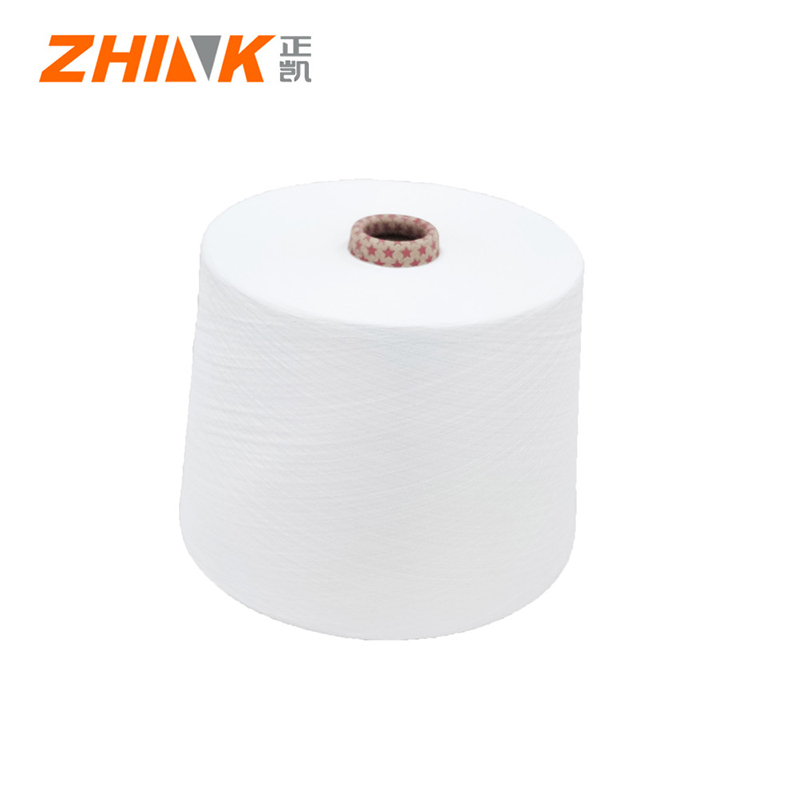
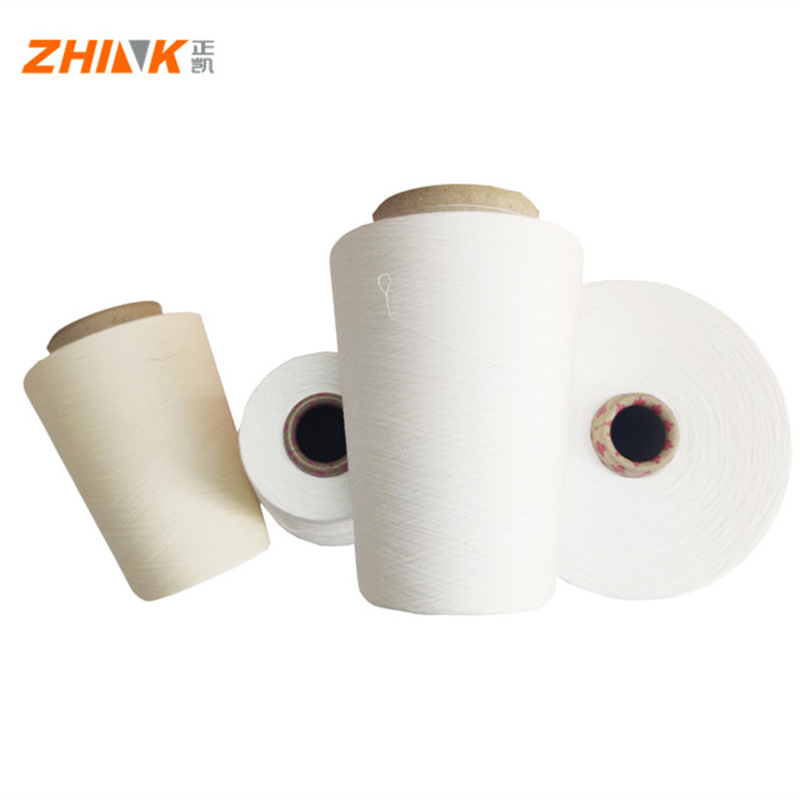
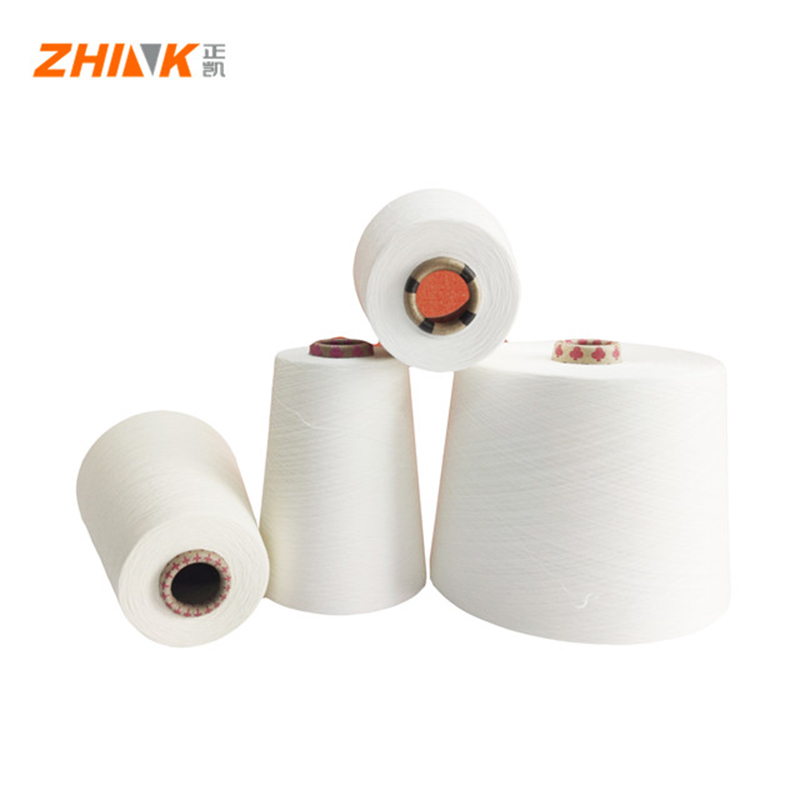
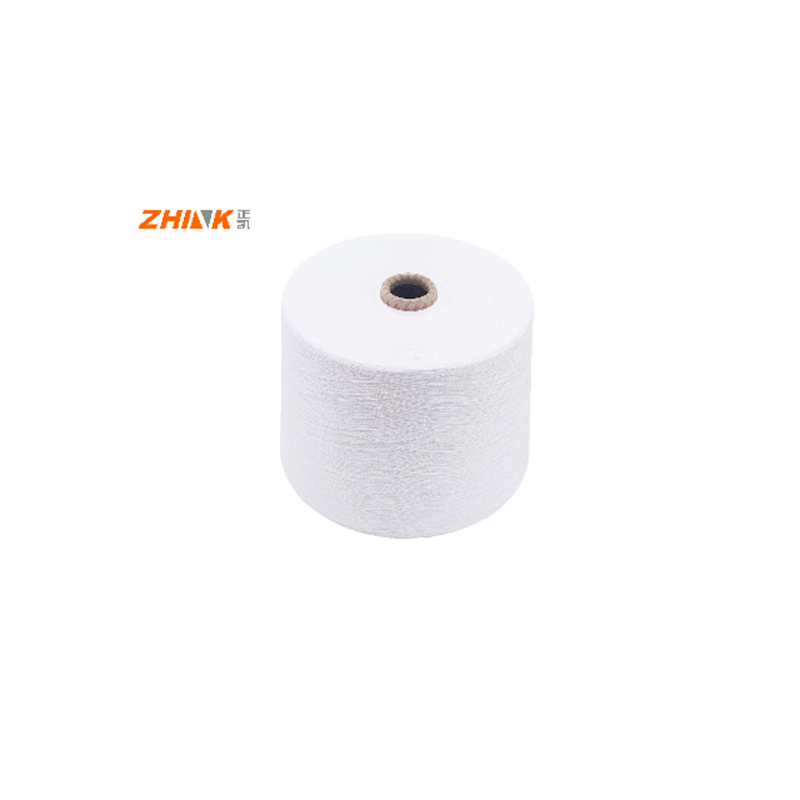
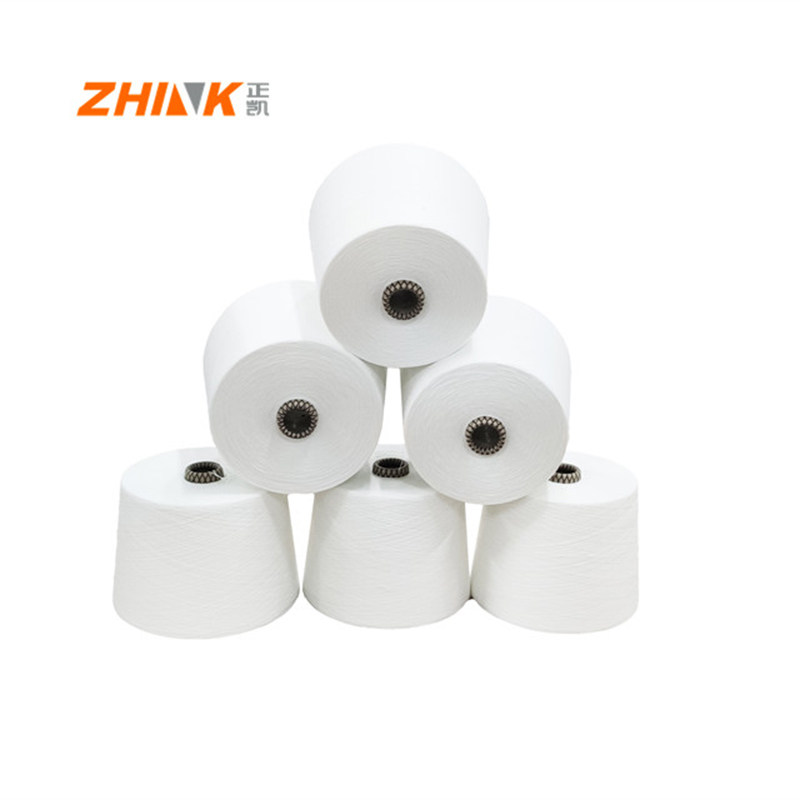
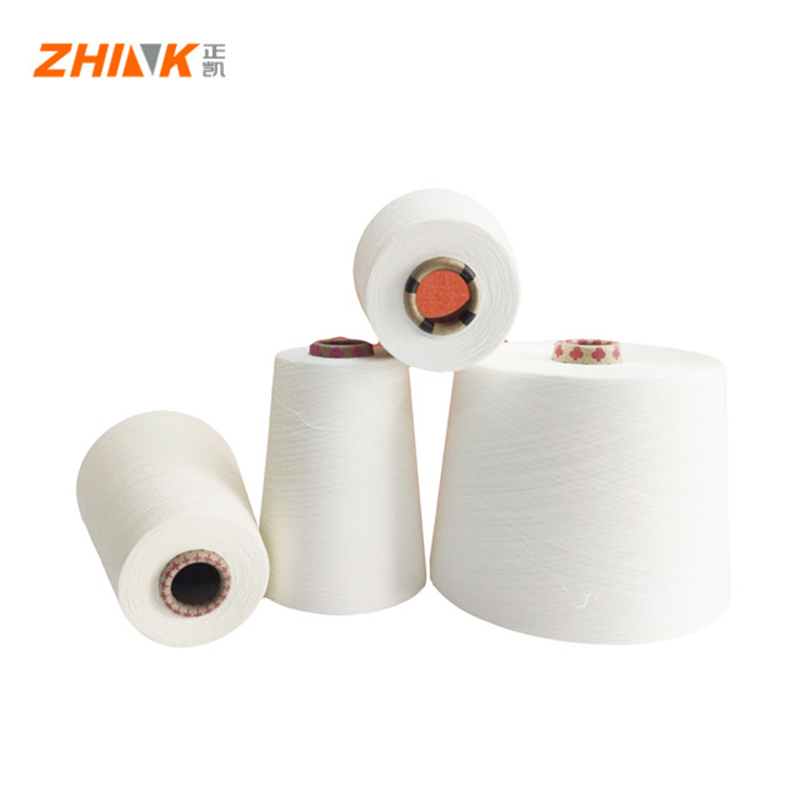
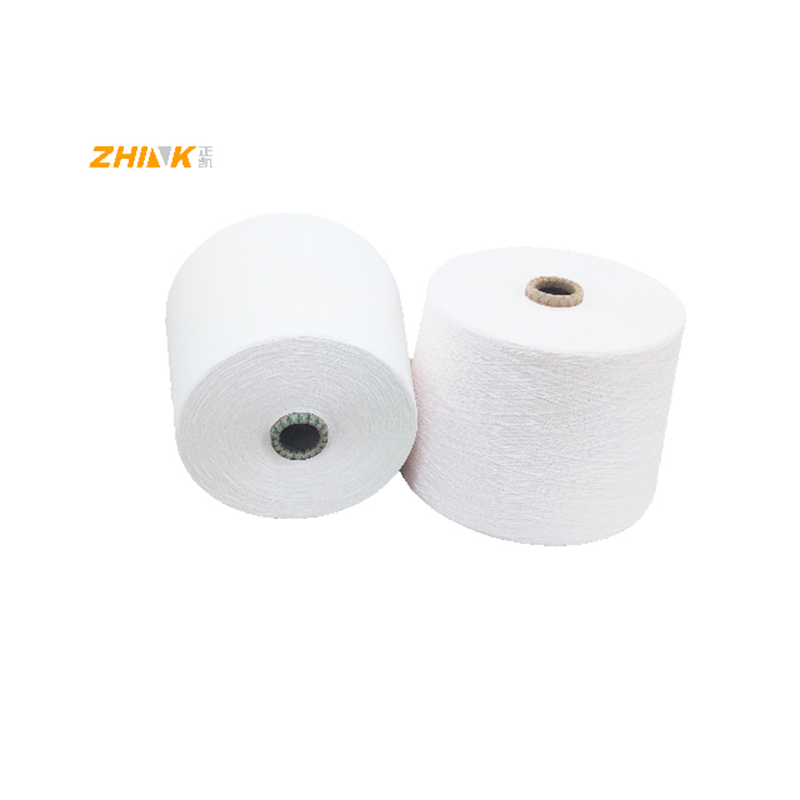
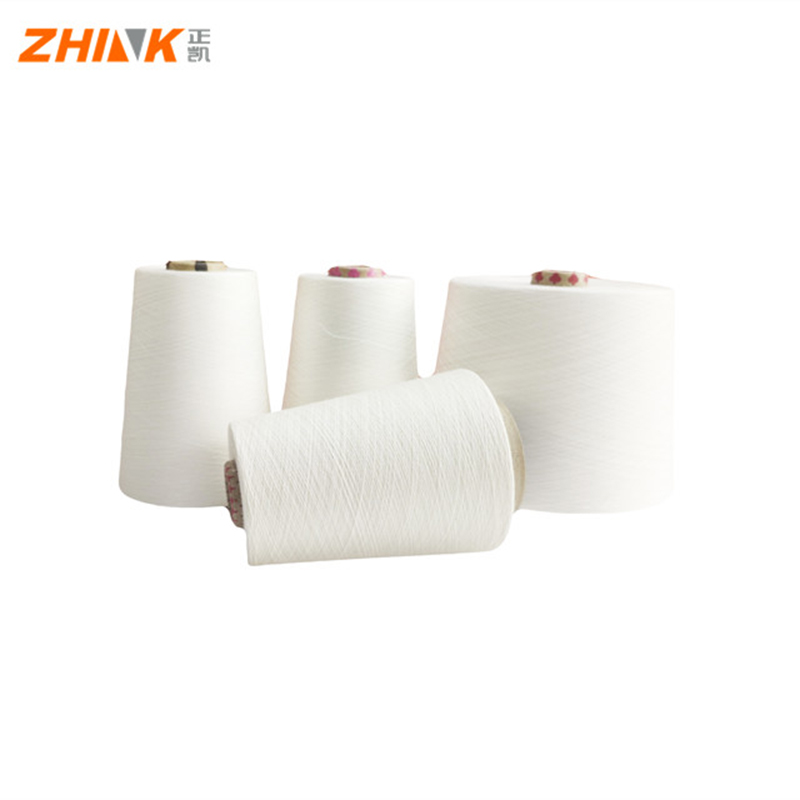
BCI cotton blended yarn
Understanding BCI Cotton Blended Yarn
The realm of textile manufacturing is evolving, and BCI cotton blended yarn is gaining traction as a key component in sustainable fabric production. However, there's more beneath the surface when comprehending how this textile marvel fits into the broader picture of eco-friendly practices.
What is BCI Cotton?
BCI stands for Better Cotton Initiative, a global non-profit organization focused on making cotton production better for the environment and farming communities. It isn't just a certification; it's a shift in how we perceive sustainability in textiles. Having been part of this field for years, I've seen firsthand how sometimes enthusiasm outpaces reality, with companies eager to claim green credentials without aligning entirely with the initiative’s ethos.
But why the blend? Pure BCI cotton is excellent, yet when combined with other fibers, the resulting BCI cotton blended yarn becomes a product that balances sustainability with enhanced material properties. This mix is crucial to adapt textiles to diverse needs and seasons.
Throughout my experience, blending yarns has emerged as a versatile method to achieve this balance. Yet, there's always that trial-and-error aspect, especially when attempting something novel, like BCI integration, into existing manufacturing processes.
The Process Behind Creating Blended Yarn
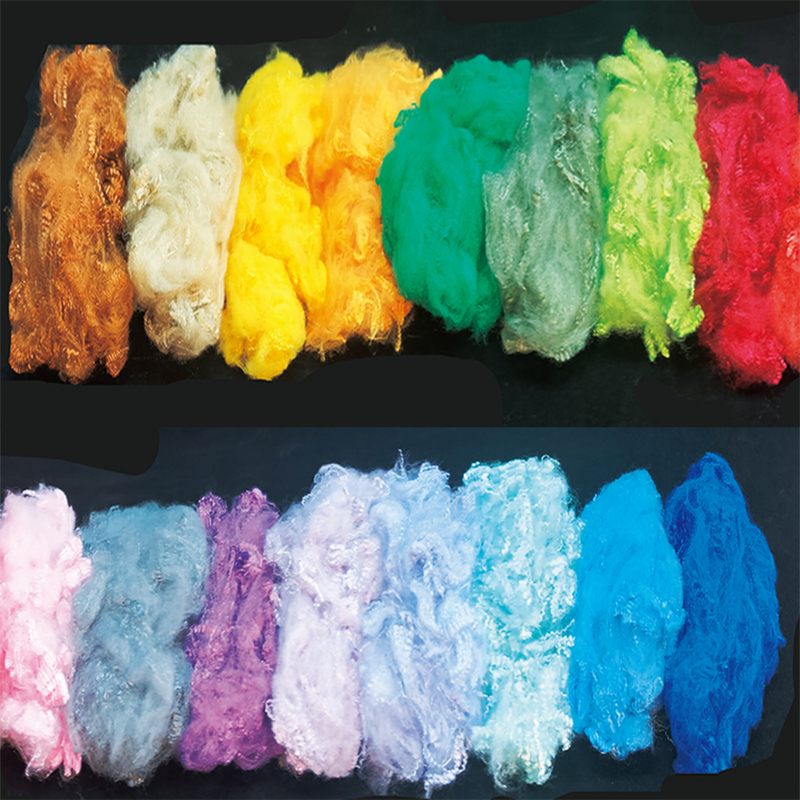
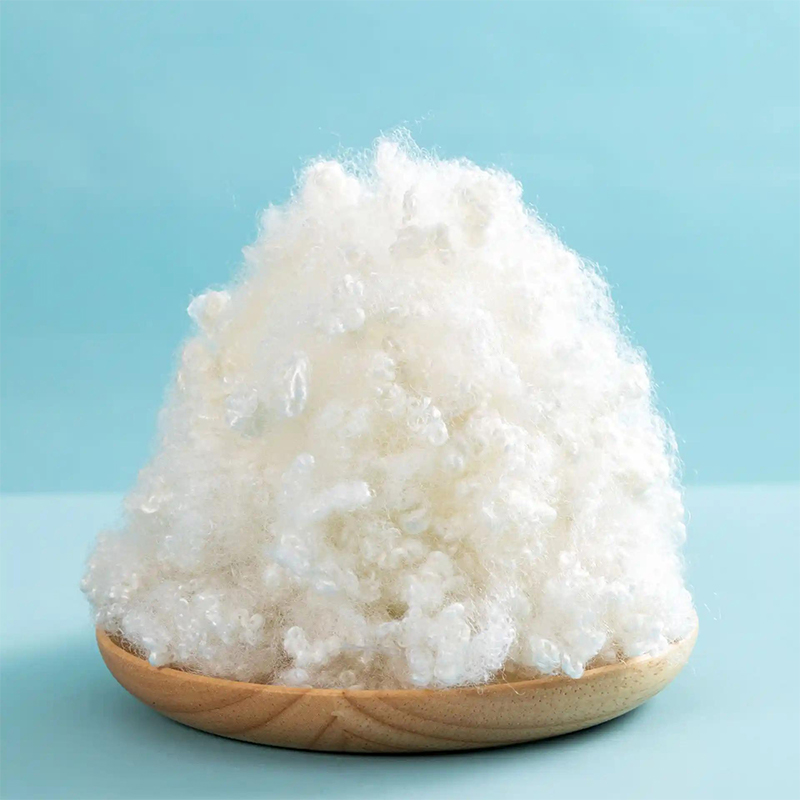
Producing BCI cotton blended yarn isn't just about mixing fibers. It's a meticulous process involving selecting complementary materials that enhance BCI cotton's qualities. Every mix brings its challenges, requiring consideration of fiber length, strength, and elasticity. These small tweaks, like adding a bit of lyocell or polyester, can significantly affect the yarn's behavior.
At SHANDONG ZHINK NEW MATERIAL CO., LTD, where I'm involved, the emphasis is on not just production but innovation. Our challenge has always been achieving a seamless mix without compromising the eco-friendly impact. It’s no easy feat, as the characteristics of BCI cotton need to persist even in blends.
The synergy of fibers is a dance of chemistry and creativity. Too much of one fiber can negate the benefits of another. Thus, achieving the right ratio often requires keen observation and a willingness to tinker with established formulas.
Considering Quality and Sustainability
When creating textiles, the pressing question is always: how can we maintain quality while being environmentally conscious? In blending yarns, the quality must not be sacrificed for sustainability, a balance that is, frankly, a continual pursuit rather than a finish line.
The choice of fibers plays into this directly. Those we work with at Zhink New Material often have very specific requirements, and meeting them means testing and retesting until we’re confident the material will withstand both player expectations and environmental scrutiny.
Moreover, consumers are increasingly aware of product origin. The label BCI draws attention, but it's up to manufacturers to ensure transparency and integrity in how the yarn is produced and marketed.
Challenges in the Supply Chain
However, there are hurdles. The textile market can be unpredictable, with shifts in availability and price of raw materials affecting planning. Over the years, I’ve observed these fluctuations can lead to sudden shifts in priority, reminding us that flexibility is essential in this industry.
Logistics has been another pain point. There’s a delicate balance in maintaining an efficient supply chain without letting sustainability initiatives add unnecessary complexity or cost. Negotiating this often requires strategic partnerships, like those we foster at Zhink New Material, to ensure all participants along the chain uphold BCI principles.
Ultimately, success involves staying informed and adaptive. This vigilance helps mitigate risks while maximizing the quality and performance of our blended yarns.
Future of BCI Cotton Blended Yarn
Looking ahead, the future is optimistic for BCI cotton blended yarn. With technology advancing, there is growing potential for even more innovative blends, as more companies, like ours, invest in research and develop new materials that meet evolving consumer and environmental expectations.
It's a fascinating time in the textile sector, where sustainable practices are no longer fringe but have moved to the forefront of industry priorities. The continuous evolution in this field suggests promising innovations are on the horizon, likely to refine both the ability to blend cotton with other fibers and the ethical fabric manufacturing landscape.
In conclusion, while challenges remain, the commitment to sustainable future drives progress. At SHANDONG ZHINK NEW MATERIAL CO., LTD, we stand at the confluence of this change, seeking to advance not only in product quality but in sustainability efforts overall. The journey of BCI cotton blended yarn is one of patience, perseverance, and passion for bettering our environment through smarter material choices.
Related Products
Related Products