+86-632-3621866
- Chinese
- French
- German
- Portuguese
- Spanish
- Russian
- Japanese
- Korean
- Arabic
- Irish
- Greek
- Turkish
- Italian
- Danish
- Romanian
- Indonesian
- Czech
- Afrikaans
- Swedish
- Polish
- Basque
- Catalan
- Esperanto
- Hindi
- Lao
- Albanian
- Amharic
- Armenian
- Azerbaijani
- Belarusian
- Bengali
- Bosnian
- Bulgarian
- Cebuano
- Chichewa
- Corsican
- Croatian
- Dutch
- Estonian
- Filipino
- Finnish
- Frisian
- Galician
- Georgian
- Gujarati
- Haitian
- Hausa
- Hawaiian
- Hebrew
- Hmong
- Hungarian
- Icelandic
- Igbo
- Javanese
- Kannada
- Kazakh
- Khmer
- Kurdish
- Kyrgyz
- Latin
- Latvian
- Lithuanian
- Luxembou..
- Macedonian
- Malagasy
- Malay
- Malayalam
- Maltese
- Maori
- Marathi
- Mongolian
- Burmese
- Nepali
- Norwegian
- Pashto
- Persian
- Punjabi
- Serbian
- Sesotho
- Sinhala
- Slovak
- Slovenian
- Somali
- Samoan
- Scots Gaelic
- Shona
- Sindhi
- Sundanese
- Swahili
- Tajik
- Tamil
- Telugu
- Thai
- Ukrainian
- Urdu
- Uzbek
- Vietnamese
- Welsh
- Xhosa
- Yiddish
- Yoruba
- Zulu
- Kinyarwanda
- Tatar
- Oriya
- Turkmen
- Uyghur


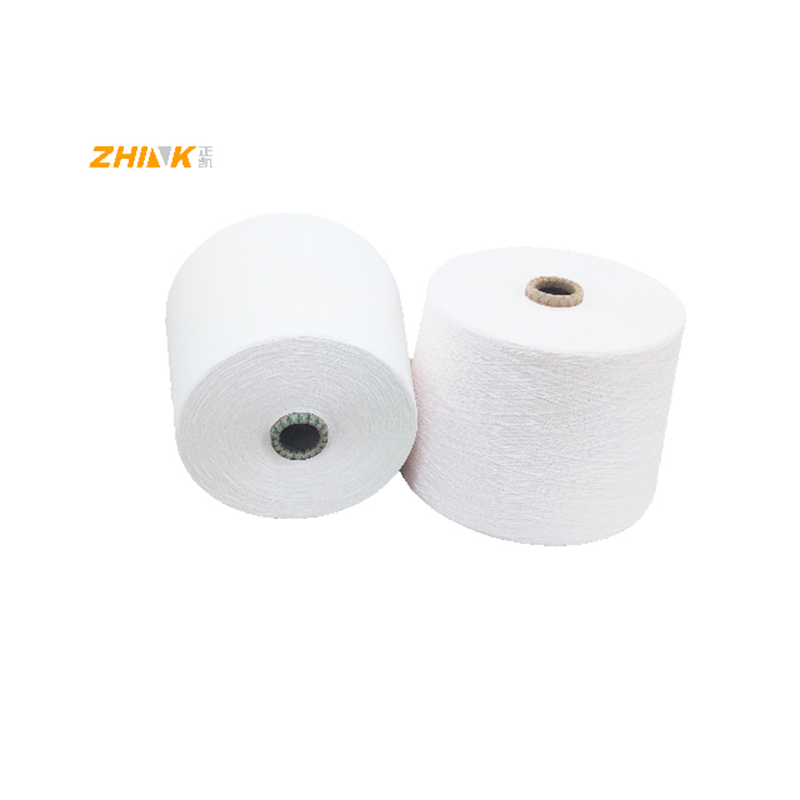
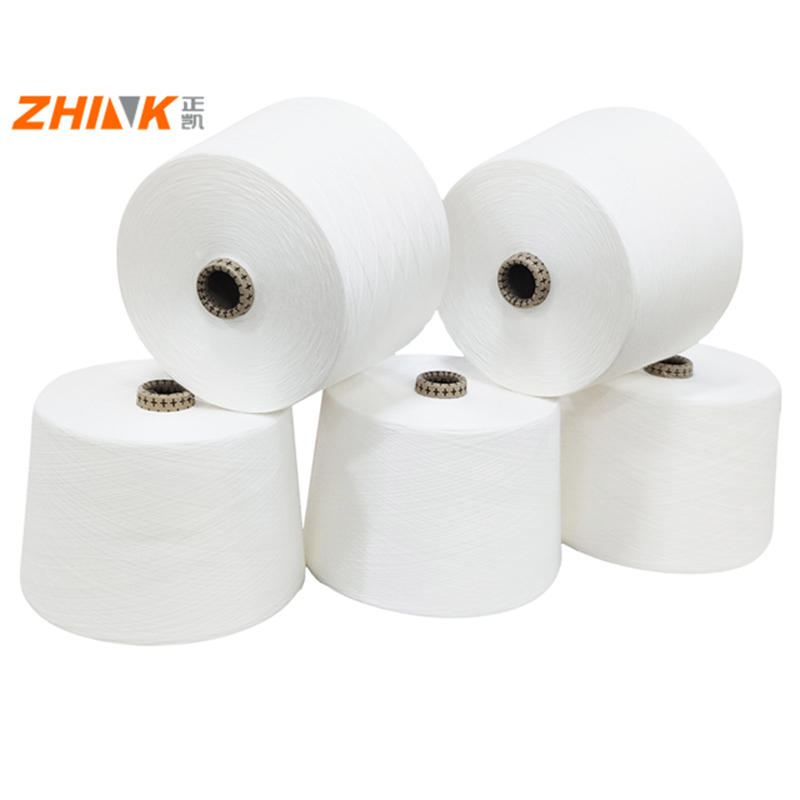
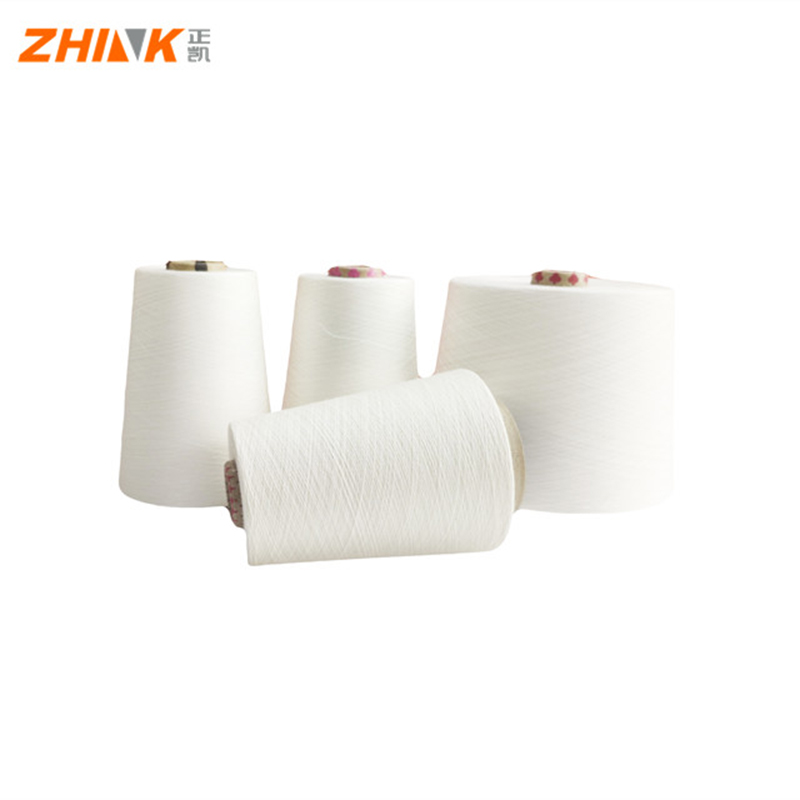
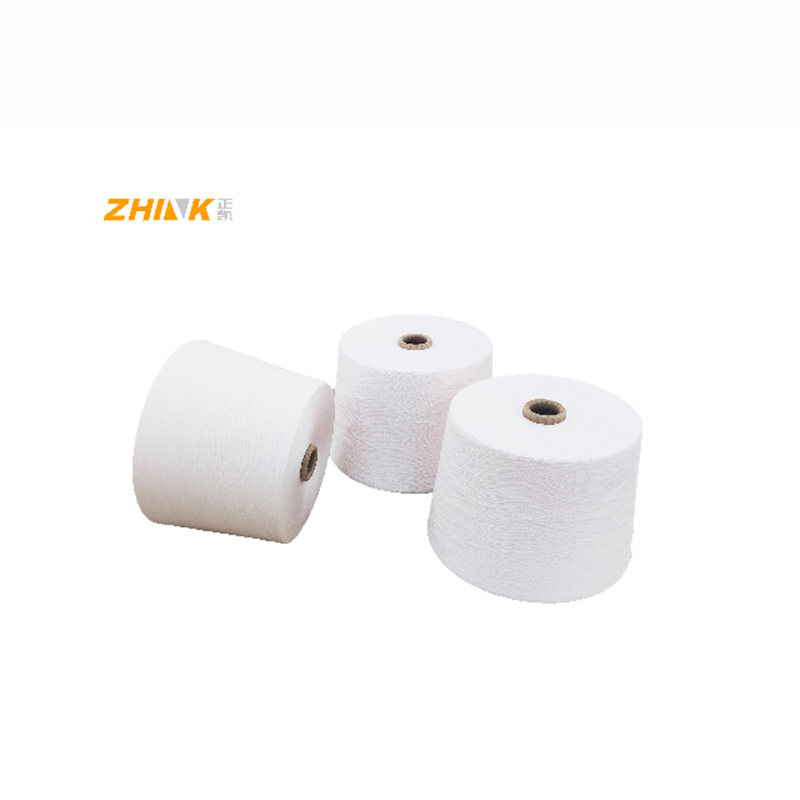
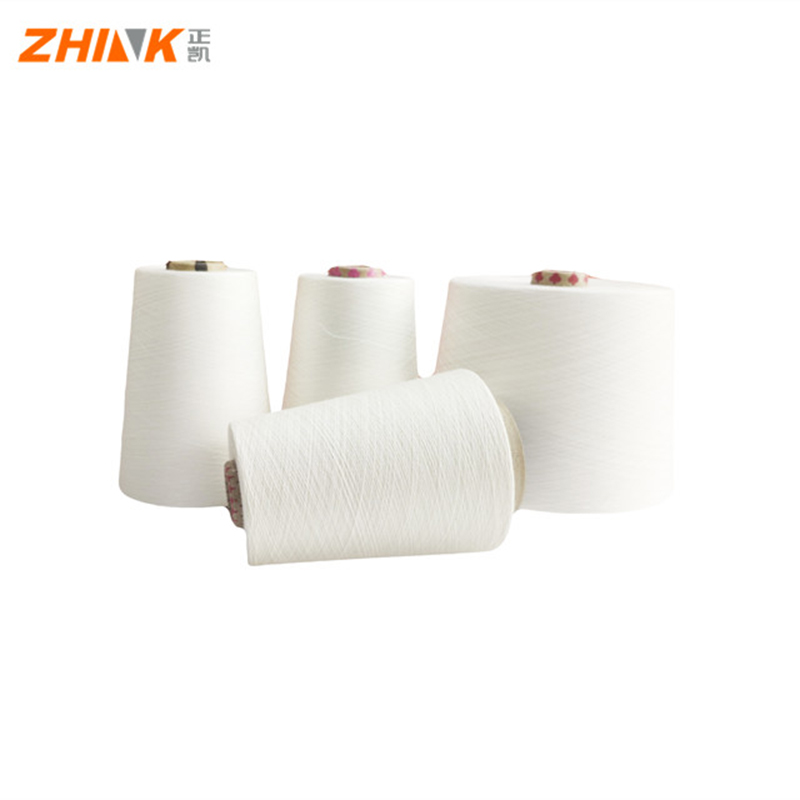
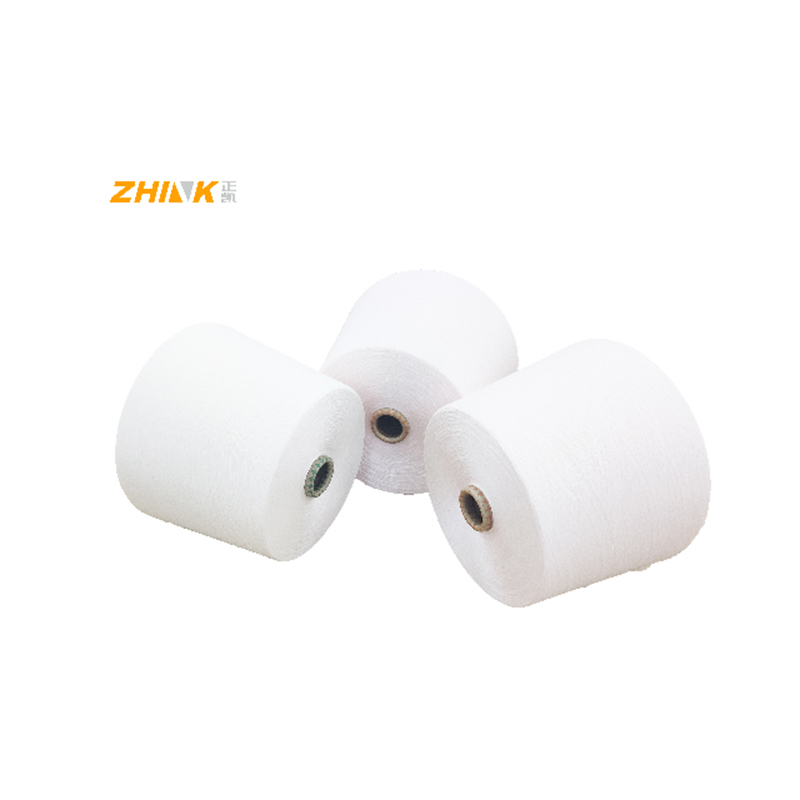
Bean green polyester fiber
The Versatility of Bean Green Polyester Fiber
Bean green polyester fiber has been creating waves in the textile industry, often misunderstood due to its sustainable yet synthetic nature. Here’s a dive into what makes it both a challenge and a marvel.
Understanding Bean Green Polyester Fiber
Initially, when someone mentions bean green polyester fiber, there's often a bit of confusion. For many industry professionals, it's a term that hints at sustainability, echoing eco-friendly initiatives without losing sight of practicality. But what truly defines this fiber?
At its core, this fiber type is based on polyester, but with a unique twist. Derived from sustainable resources, it carries the green mark in both name and function. Yet, balancing sustainability with the performance attributes of traditional polyester—it can be quite the tightrope walk.
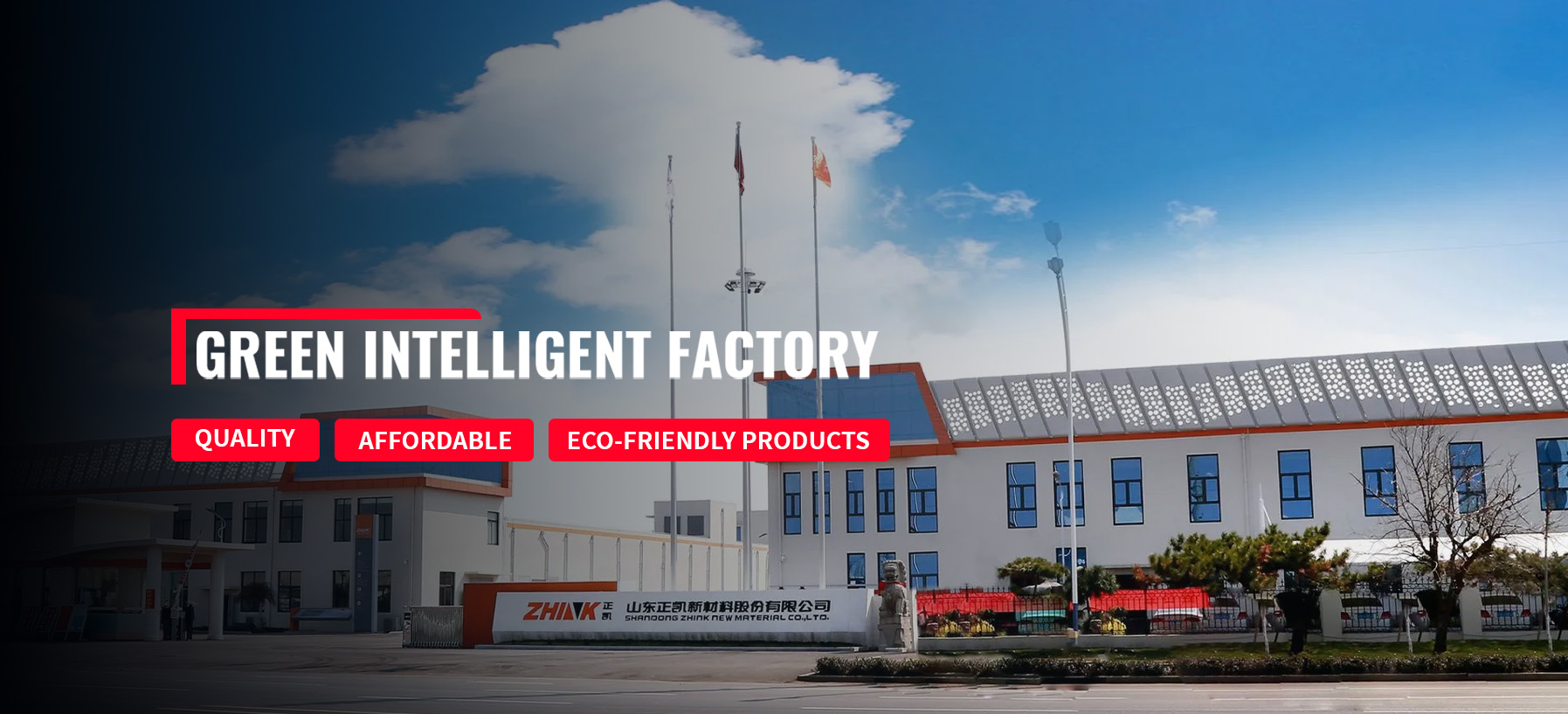
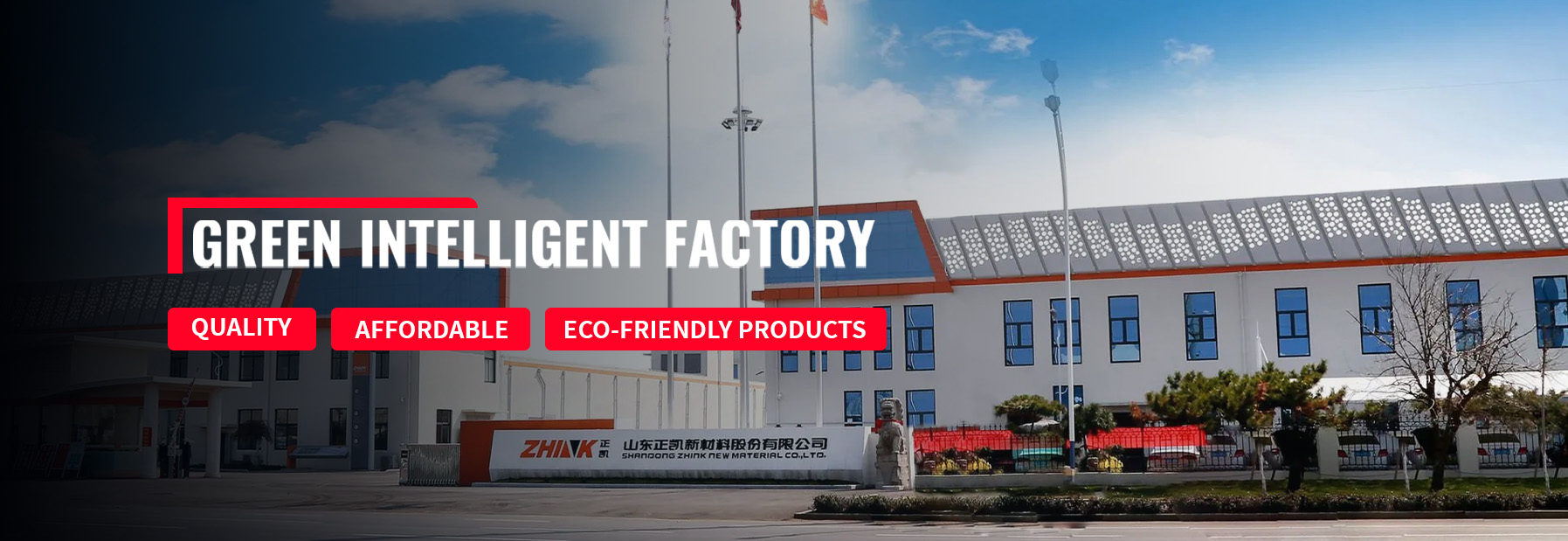
Having worked in textile manufacturing, I've seen firsthand the tight-knit process involved. SHANDONG ZHINK NEW MATERIAL CO., LTD, with their expertise in innovative textile solutions, exemplifies how R&D can transform traditional fibers into something forward-thinking. With a focus on new materials, they're blending innovation with everyday utility, evidenced by their bean green offerings on their website, ZHINK NEW MATERIAL.
The Production Process
The production of bean green polyester fiber requires a nuanced understanding of both chemistry and craftsmanship. Unlike standard polyester fibers, bean green variants undergo additional processing to ensure that sustainability isn’t just a tagline.
From my experience, it begins with sourcing eco-friendly raw materials, a crucial step that dictates the final footprint of the fiber. The intricate weaving techniques ensure the fiber retains the mechanical strengths of traditional polyester while offering improved environmental attributes.
One common hurdle is achieving the right balance between biodegradability and durability. In a past project, a mismatch in the polymer blend resulted in yarns that degraded faster than anticipated—great for compost, not so much for the customer's wardrobe.
Applications and Insights
The journey from raw polymer to finished garment is about exploiting the strengths of bean green polyester fiber. Its applications are diverse, from fashion to functional fabrics.
Leveraging this fiber in performance wear can revolutionize the industry. Imagine jogging in an outfit that's kinder to the planet—but achieving the right balance in moisture management properties has its own challenges.
In practice, small-scale trials are invaluable. One instance involved creating prototype patches to test durability, leading to a successful formulation fit for activewear. It's a testament to how even seasoned producers like Zhink New Material engage in continuous iterations.
Challenges and Solutions
No material is without its challenges. Bean green polyester fiber often demands a premium in terms of both cost and expertise. Navigating these economic aspects without compromising on quality is a pressing concern.
For companies like SHANDONG ZHINK NEW MATERIAL CO., LTD, the strategy often involves scaling production to drive down costs—a lesson from their extensive involvement in research and development.
Moreover, aligning production processes with green certifications is another layer of complexity. During my involvement with textile certifications, the administrative demands can almost overshadow the technical innovations. Yet, any oversight could mean setbacks in market credibility.
Future Prospects
Looking forward, the potential advancements in bean green polyester fiber are intriguing. It's about pioneering new blends that surpass current limitations, further closing the gap between traditional polyester and its eco-friendly iterations.
Collaboration across the supply chain, much like Zhink New Material's partnerships, will likely pave the way for future breakthroughs. The industry is heading towards an era where being green is just as crucial as being industrially viable.
In essence, as the market grows more conscious of sustainability, the role of innovative fibers like these will only expand. It’s an exciting time to witness, a sentiment echoed by many in the field as they navigate these green horizons.
Related Products
Related Products