+86-632-3621866
- Chinese
- French
- German
- Portuguese
- Spanish
- Russian
- Japanese
- Korean
- Arabic
- Irish
- Greek
- Turkish
- Italian
- Danish
- Romanian
- Indonesian
- Czech
- Afrikaans
- Swedish
- Polish
- Basque
- Catalan
- Esperanto
- Hindi
- Lao
- Albanian
- Amharic
- Armenian
- Azerbaijani
- Belarusian
- Bengali
- Bosnian
- Bulgarian
- Cebuano
- Chichewa
- Corsican
- Croatian
- Dutch
- Estonian
- Filipino
- Finnish
- Frisian
- Galician
- Georgian
- Gujarati
- Haitian
- Hausa
- Hawaiian
- Hebrew
- Hmong
- Hungarian
- Icelandic
- Igbo
- Javanese
- Kannada
- Kazakh
- Khmer
- Kurdish
- Kyrgyz
- Latin
- Latvian
- Lithuanian
- Luxembou..
- Macedonian
- Malagasy
- Malay
- Malayalam
- Maltese
- Maori
- Marathi
- Mongolian
- Burmese
- Nepali
- Norwegian
- Pashto
- Persian
- Punjabi
- Serbian
- Sesotho
- Sinhala
- Slovak
- Slovenian
- Somali
- Samoan
- Scots Gaelic
- Shona
- Sindhi
- Sundanese
- Swahili
- Tajik
- Tamil
- Telugu
- Thai
- Ukrainian
- Urdu
- Uzbek
- Vietnamese
- Welsh
- Xhosa
- Yiddish
- Yoruba
- Zulu
- Kinyarwanda
- Tatar
- Oriya
- Turkmen
- Uyghur


Black flame retardant polyester fiber
Exploring Black Flame Retardant Polyester Fiber
The development of black flame retardant polyester fiber marks an important advancement in textile technology, addressing safety and aesthetic needs in various industries. Despite its growing prominence, misconceptions persist. Let’s dive into this topic from a practical standpoint, tackling some common misunderstandings along the way.
Understanding Fiber Properties
When we talk about polyester fibers, their inherent qualities often spring to mind: durability, versatility, and cost-effectiveness. Adding flame retardancy to this mix doesn't alter these properties but enhances its utility manifold. Now, with the introduction of the black flame retardant polyester fiber, users gain the benefit of safety without compromising on color intensity, a crucial factor for many manufacturers.
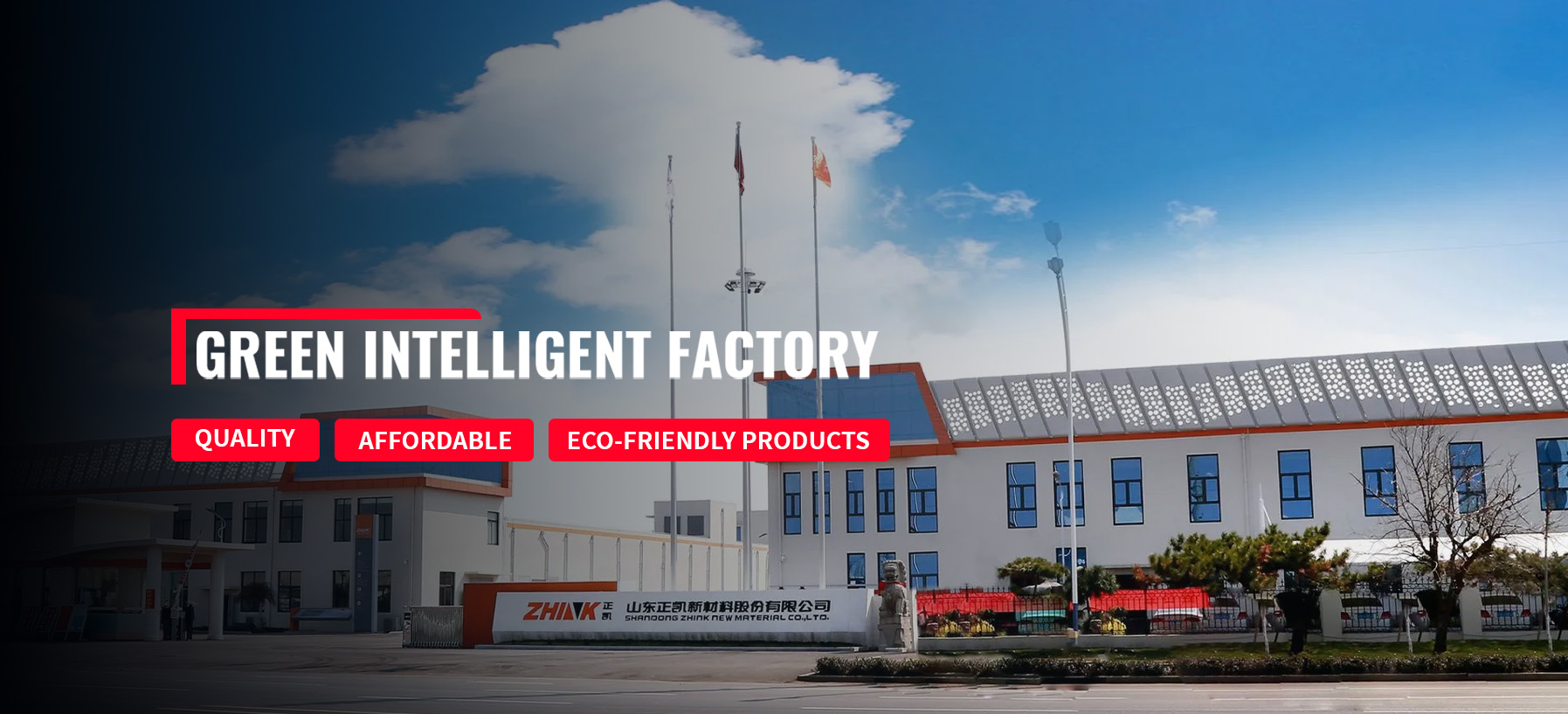
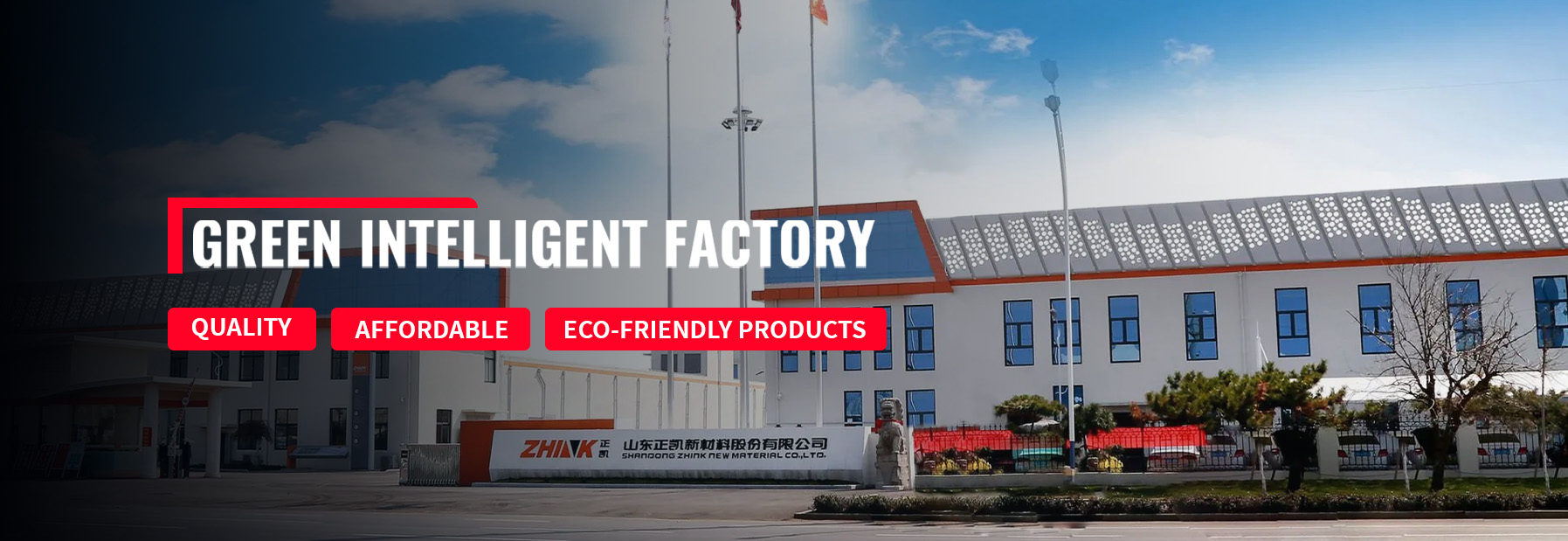
The integration of flame-retardant properties usually involves chemical treatments, which can sometimes raise concerns about environmental impact and user safety. However, advances in technology have led to more sustainable processes. Companies like SHANDONG ZHINK NEW MATERIAL CO., LTD are leading this charge, ensuring that their products meet rigorous safety standards while being environmentally considerate.
The coloration process for these fibers is another aspect worth mentioning. Achieving uniform black color without sacrificing flame retardancy was a challenge tackled through innovative approaches in polymer and dye technology.
Industry Applications
The applications for black flame retardant polyester fiber are extensive. From the automotive industry, where safety regulations are stringent, to home furnishings that increasingly demand both style and safety, this fiber finds its place seamlessly. Notably, in public spaces, the materials used must meet fire codes, and here, these fibers excel by offering aesthetic flexibility alongside compliance.
In my experience, working with these fibers requires a deep understanding of both their technical specifications and market needs. Different sectors may prioritize aspects like texture over colorfastness or vice versa. Here’s where industry expertise, such as that offered by Zhink New Material, becomes invaluable.
Another consideration is the adaptability of existing production facilities to accommodate these fibers. This can often require investment in machinery and training, but the long-term benefits and expanded market reach often justify the upfront costs.
Real-world Challenges
Implementing black flame retardant polyester fiber isn’t always without hurdles. A frequent issue faced by manufacturers involves maintaining production efficiency while adhering to safety norms. There’s often a learning curve in optimizing production lines for these specialized fibers.
There was a case where we encountered supply chain delays due to specific chemical components used in the fibers. This prompted a search for alternative suppliers who could meet both quality and regulatory requirements without inflating costs significantly.
These real-world challenges underscore the importance of having a reliable partner like Zhink New Material, which provides not just the product, but the necessary support in overcoming logistical and technical barriers.
Economic and Environmental Impacts
One can't overlook the economic implications of integrating black flame retardant polyester fiber. While initial costs might be higher, the potential savings in insurance premiums, compliance fines, and even marketing advantages can offset these expenses.
From an environmental standpoint, the production and disposal of these fibers pose a different set of challenges. However, companies are increasingly investing in processes that minimize ecological footprints. Zhink New Material, for example, is making strides in this area, offering materials that not only meet safety standards but also support sustainability.
The market's shift toward eco-friendly solutions is undeniable, and those in the industry need to adapt accordingly to remain competitive. Mindful production and consumption of such advanced materials are no longer optional but a necessity for staying relevant.
The Future of Flame Retardant Fibers
Looking ahead, the demand for black flame retardant polyester fiber shows no sign of waning. Innovations continue to emerge, driven by both regulation and consumer preference. Industries are placing greater emphasis on comprehensive safety solutions, blending aesthetics with performance.
Advanced R&D facilities like those at SHANDONG ZHINK NEW MATERIAL CO., LTD, accessible at their website, are pivotal in spearheading these developments. As textiles evolve, the synergy between functionality and sustainability will define future trends.
In summary, navigating the landscape of flame retardant fibers requires not only a grasp of technicalities but also a strategic vision aligned with industry shifts. The journey involves constant learning and adaptation, ensuring materials not only meet current needs but also anticipate future demands.
Related Products
Related Products