+86-632-3621866
- Chinese
- French
- German
- Portuguese
- Spanish
- Russian
- Japanese
- Korean
- Arabic
- Irish
- Greek
- Turkish
- Italian
- Danish
- Romanian
- Indonesian
- Czech
- Afrikaans
- Swedish
- Polish
- Basque
- Catalan
- Esperanto
- Hindi
- Lao
- Albanian
- Amharic
- Armenian
- Azerbaijani
- Belarusian
- Bengali
- Bosnian
- Bulgarian
- Cebuano
- Chichewa
- Corsican
- Croatian
- Dutch
- Estonian
- Filipino
- Finnish
- Frisian
- Galician
- Georgian
- Gujarati
- Haitian
- Hausa
- Hawaiian
- Hebrew
- Hmong
- Hungarian
- Icelandic
- Igbo
- Javanese
- Kannada
- Kazakh
- Khmer
- Kurdish
- Kyrgyz
- Latin
- Latvian
- Lithuanian
- Luxembou..
- Macedonian
- Malagasy
- Malay
- Malayalam
- Maltese
- Maori
- Marathi
- Mongolian
- Burmese
- Nepali
- Norwegian
- Pashto
- Persian
- Punjabi
- Serbian
- Sesotho
- Sinhala
- Slovak
- Slovenian
- Somali
- Samoan
- Scots Gaelic
- Shona
- Sindhi
- Sundanese
- Swahili
- Tajik
- Tamil
- Telugu
- Thai
- Ukrainian
- Urdu
- Uzbek
- Vietnamese
- Welsh
- Xhosa
- Yiddish
- Yoruba
- Zulu
- Kinyarwanda
- Tatar
- Oriya
- Turkmen
- Uyghur


Blue polyester fiber
Exploring the World of Blue Polyester Fiber
Blue polyester fiber might seem like a niche topic, but it touches numerous industries in ways you might not expect. Think about it—this isn't just any old synthetic material. It's about the interplay of innovation, functionality, and style. And from experience, it’s clear that there's a lot more beneath the surface worth digging into.
The Basics: What Makes It Stand Out
First off, blue polyester fiber isn't just about color. The shade itself can influence mood, marketability, and even the final application of the fiber. Blue, being a calming color, often finds its place in environments that require a touch of tranquility. But that’s just surface level.
The real magic lies in polyester's innate properties—resilience, ease of care, and versatility. Whether we're talking about outdoor gear or home textiles, these fibers deliver. But the journey from raw material to finished product isn’t always straightforward. There have been trials and learning curves on how best to innovate within this space.
Take, for instance, the dyeing process. Achieving the perfect hue without compromising fiber strength is a challenge many in the industry, like those at Zhink New Material, are meticulously working on.
Application Scenarios: Where It Shines
There's an interesting case which involved a large-scale project with outdoor tents. Utilizing blue polyester fiber in this context provided not only aesthetic appeal but also practical benefits. Its UV resistance was a game-changer, something that wasn't fully anticipated until tests proved otherwise.
Another practical application is in apparel. Brands continuously seek the perfect balance between form and functionality. Blue polyester fibers have been pivotal in sportswear, seamlessly blending style with performance.
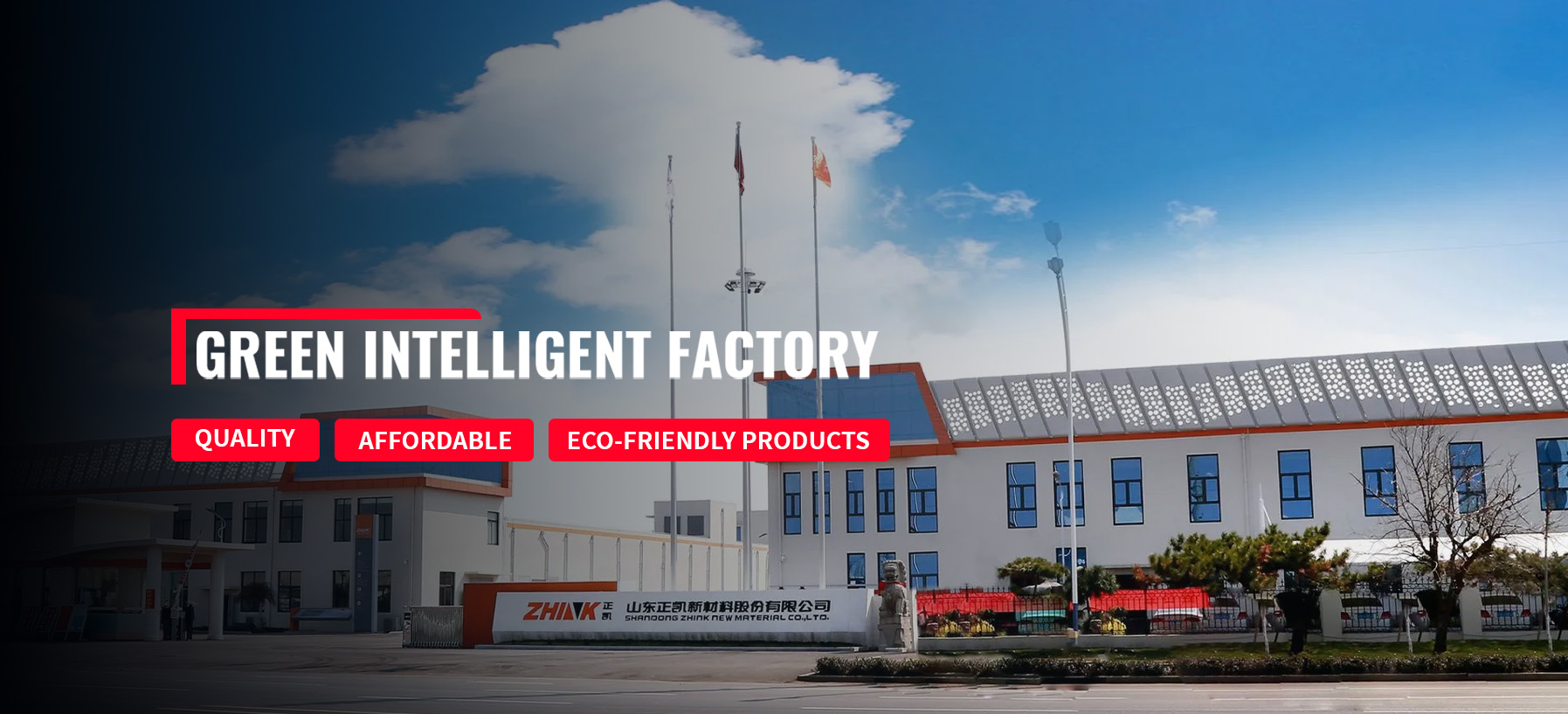
Yet, not everything is smooth sailing. Consumer feedback sometimes points to issues like pilling. For newcomers, these challenges require innovative solutions; it's a constant balancing act that facilities like SHANDONG ZHINK NEW MATERIAL CO., LTD are tackling head-on.
Challenges in Production: Real-World Insights
Diving into production, a key issue is the environmental footprint. While the fiber itself offers durability and recyclability, manufacturing processes demand attention. Streamlining operations to reduce waste is not just a trend; it's a necessity.
Zhink New Material’s approach, for example, integrates sustainable practices, working closely with partners to ensure eco-conscious choices at every step. It’s a challenging endeavor—there's no one-size-fits-all solution here.
Moreover, quality control is pivotal. Variations in texture and color consistency can occur, creating hurdles during mass production. But, with sophisticated R&D and an adaptive approach, these hurdles are surmountable.
Looking Forward: Innovation and Trends
Looking ahead, the conversation is increasingly about smart textiles. Can blue polyester fibers incorporate technology? While in its nascent stages, smart functionality embedded in fibers is a captivating field and one that Zhink is exploring vigorously.
Also, the push towards biodegradability poses a unique question for synthetic fibers. Merging these seemingly opposing characteristics is where the real innovation lies. It’s a topic of intense research and discussions within the industry.
As sustainable fashion continues to gain momentum, the landscape for polyester fibers is set to evolve. We’re at the cusp of significant change, with materials that adapt not only to consumer needs but also global responsibilities.
Conclusion: The Path Ahead
In summary, blue polyester fiber is more than a material; it's part of a larger narrative. It represents the intersection of technology, design, and environmental mindfulness. The industry is not without its challenges, but companies like SHANDONG ZHINK NEW MATERIAL CO., LTD are paving the way with forward-thinking approaches and solutions. For more insights, you might want to visit their website at Zhink New Material.
Ultimately, our relationship with this fiber—and others like it—will be defined by our willingness to innovate and adapt. The journey is just beginning, and there’s much more on the horizon.
Related Products
Related Products