+86-632-3621866
- Chinese
- French
- German
- Portuguese
- Spanish
- Russian
- Japanese
- Korean
- Arabic
- Irish
- Greek
- Turkish
- Italian
- Danish
- Romanian
- Indonesian
- Czech
- Afrikaans
- Swedish
- Polish
- Basque
- Catalan
- Esperanto
- Hindi
- Lao
- Albanian
- Amharic
- Armenian
- Azerbaijani
- Belarusian
- Bengali
- Bosnian
- Bulgarian
- Cebuano
- Chichewa
- Corsican
- Croatian
- Dutch
- Estonian
- Filipino
- Finnish
- Frisian
- Galician
- Georgian
- Gujarati
- Haitian
- Hausa
- Hawaiian
- Hebrew
- Hmong
- Hungarian
- Icelandic
- Igbo
- Javanese
- Kannada
- Kazakh
- Khmer
- Kurdish
- Kyrgyz
- Latin
- Latvian
- Lithuanian
- Luxembou..
- Macedonian
- Malagasy
- Malay
- Malayalam
- Maltese
- Maori
- Marathi
- Mongolian
- Burmese
- Nepali
- Norwegian
- Pashto
- Persian
- Punjabi
- Serbian
- Sesotho
- Sinhala
- Slovak
- Slovenian
- Somali
- Samoan
- Scots Gaelic
- Shona
- Sindhi
- Sundanese
- Swahili
- Tajik
- Tamil
- Telugu
- Thai
- Ukrainian
- Urdu
- Uzbek
- Vietnamese
- Welsh
- Xhosa
- Yiddish
- Yoruba
- Zulu
- Kinyarwanda
- Tatar
- Oriya
- Turkmen
- Uyghur


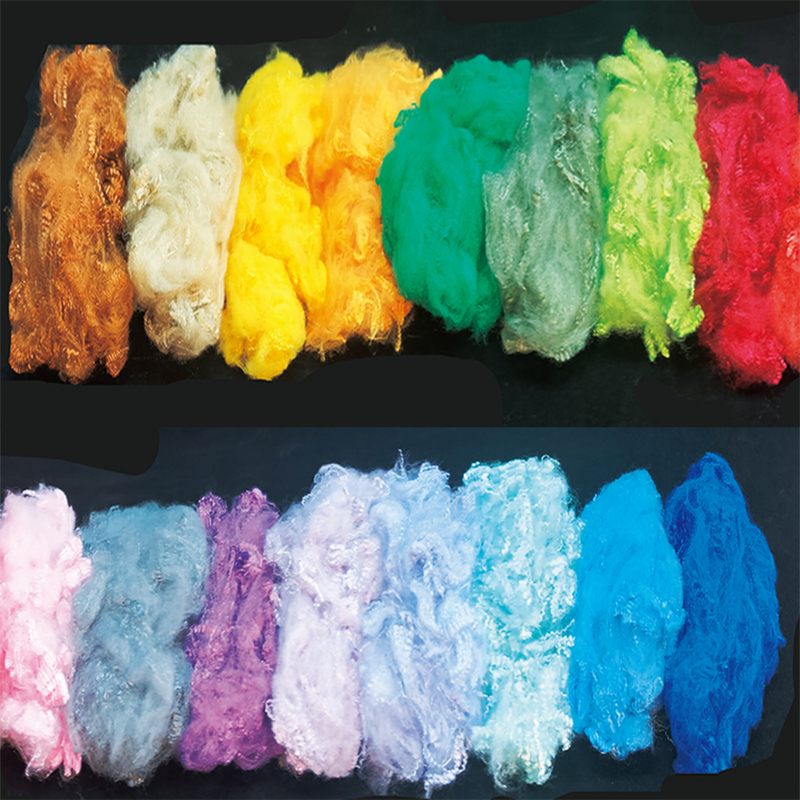
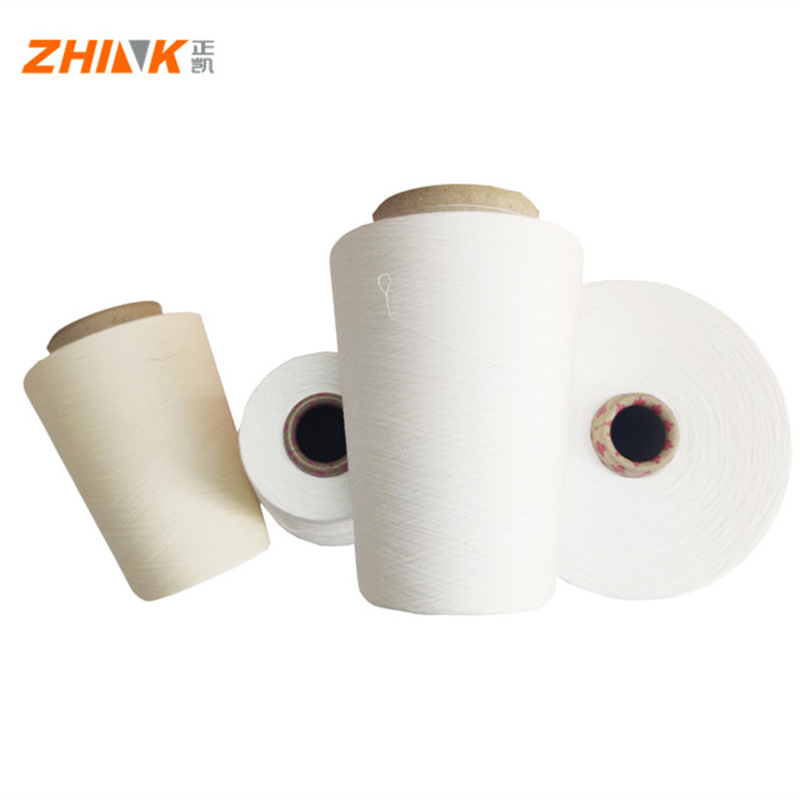
Brownish-yellow polyester fiber
Understanding Brownish-Yellow Polyester Fiber in Textile Production
The world of textile fibers is vast, and one color that often pops up in various applications is the brownish-yellow polyester fiber. While polyester itself is a staple in the industry, this particular hue can offer unique benefits and challenges. Let's delve deeper into this nuanced topic, referencing insights from companies like SHANDONG ZHINK NEW MATERIAL CO., LTD.
The Unique Characteristics of Brownish-Yellow Polyester Fiber
When talking about polyester, the first thing that often comes to mind is its versatility. It's durable, resistant to many environmental factors, and relatively cheap to produce. Now, when we introduce the brownish-yellow color into the equation, things get a bit more specific. This color can be achieved through various dyeing processes. It’s a hue that often caters to niche markets, perhaps owing to its natural, earthy tone which can be quite in demand for specific fashion lines or home decor.
For instance, in my experience working with various textile companies, there's been a growing demand for more muted and natural color palettes. It was during a visit to a partner facility, which had just received a shipment from their supplier, that I observed this trend. Their brownish-yellow polyester fibers were being woven into a series of upholstery fabrics. The designers noted that this color complemented the modern rustic aesthetic that had been gaining popularity.
Yet, there are specific challenges tied to this. Consistency in dyeing can be tricky. Achieving the exact brownish-yellow each time requires strict quality control. Even a slight variation can cause a batch to be off-specification, which is something I've seen cause delays as fabrics had to be re-dyed or even scrapped.
Applications and Market Trends
In recent years, with the push towards sustainability, many consumers have been leaning towards materials and colors that project an eco-friendly image. Interestingly, brownish-yellow polyester fiber fits well into this narrative. It’s a color that evokes natural elements and, when marketed correctly, can attract a segment of eco-conscious buyers.
A conversation with a marketing director at SHANDONG ZHINK NEW MATERIAL CO., LTD revealed that they have been actively promoting these fibers for use in eco-themed apparel collections. Their website, https://www.zhinkyarn.com, features various innovative uses for such fibers that reflect an earthy, sustainable image.
However, it's not just aesthetics that matter. Performance characteristics are critical. Polyester is known for its robust performance, making it suitable for everything from car upholstery to high-fashion garments. Integrating the brownish-yellow color doesn't detract from these traits, which is reassuring for manufacturers.
The Role of Technology in Fiber Production
Modern technology has undoubtedly improved the production and consistency of colored polyester fibers. Digital dyeing technologies allow for precise color matching, reducing discrepancies. I’ve seen firsthand how several companies, including SHANDONG ZHINK NEW MATERIAL CO., LTD, have adopted such tech to stay ahead in a competitive market.
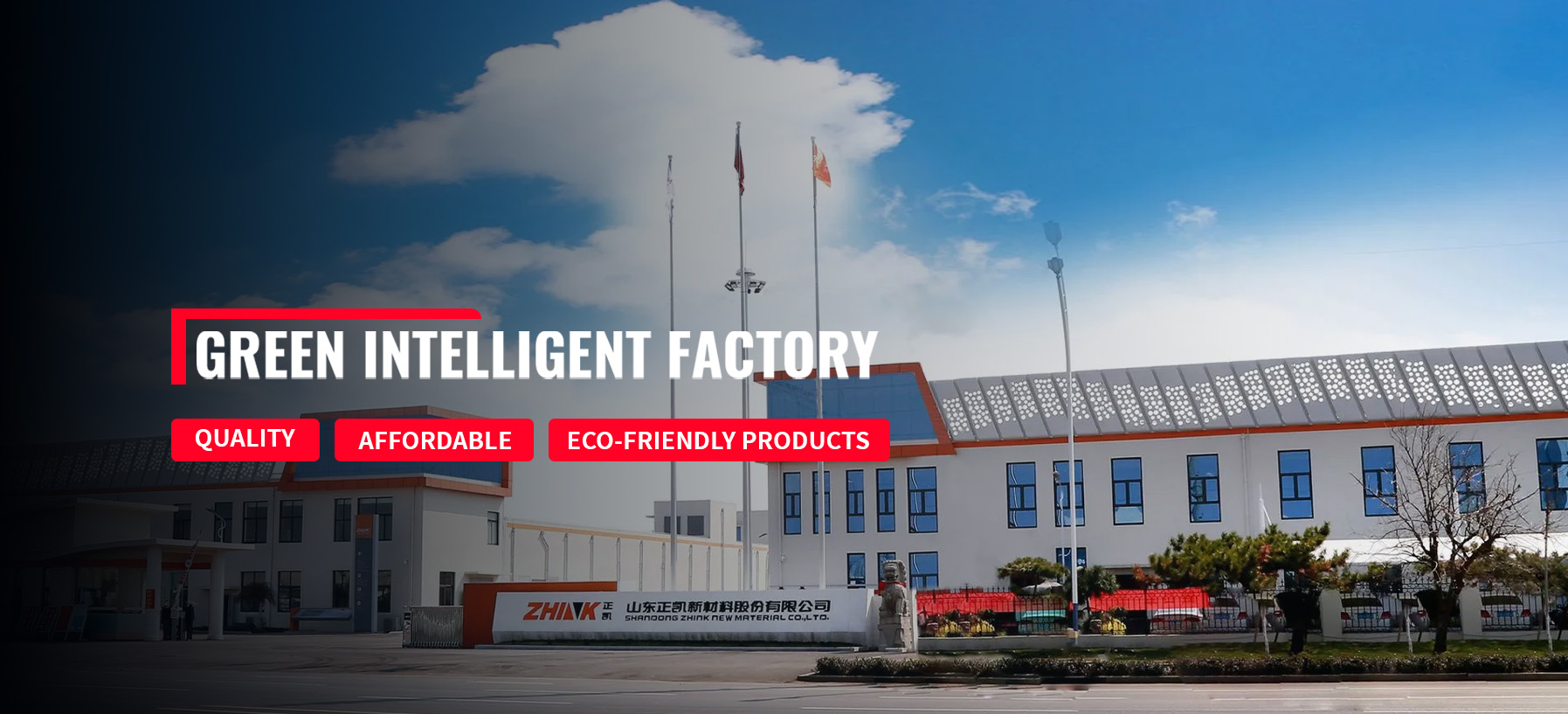
Visiting their production facility provided insights into how automation has streamlined processes. They have machines capable of producing vast quantities of fiber, each batch maintaining strict quality criteria. The introduction of these technologies marks a significant shift from older, more manual processes, reducing human error and speeding up production.
Despite these advancements, challenges remain. Compatibility with existing dye formulas can sometimes require tweaking, and integrating new tech often needs substantial investment.
The Importance of Quality Control
Quality control remains paramount, especially with colors like brownish-yellow that can be quite unforgiving to inconsistencies. Regular audits and sample checks are a necessity, as I learned through a rather challenging project where inconsistent shades led to an entire line needing a color adjustment.
One crucial measure is implementing a standardized procedure for colorfastness testing—both to light and washing. This ensures that the color stays vibrant and true through the product's life. In companies like SHANDONG ZHINK NEW MATERIAL CO., LTD, such attention to detail is what sets them apart, reflecting their commitment to excellence.
Ultimately, the goal is to minimize returns and dissatisfaction, which can severely impact a brand’s reputation. Through using advanced color measuring devices, consistency can be monitored meticulously.
Future Prospects and Innovations
The journey doesn't end here. There are exciting prospects for colored polyester fibers, with innovations around biodegradable polyesters potentially changing industry dynamics. While we're not quite there yet, there is a visible shift in consumer expectations driving research and development in this area.
SHANDONG ZHINK NEW MATERIAL CO., LTD, among others, are keenly watching these developments, striving to integrate sustainable practices throughout their production chain. It's a complex, yet exhilarating time for the industry.
In summation, while brownish-yellow polyester fiber might not be the most conventional choice, its applications and advantages make it a noteworthy option for niche markets. Companies that leverage its potential with an eye on sustainability and innovation stand to benefit greatly in the coming years.
Related Products
Related Products