+86-632-3621866
- Chinese
- French
- German
- Portuguese
- Spanish
- Russian
- Japanese
- Korean
- Arabic
- Irish
- Greek
- Turkish
- Italian
- Danish
- Romanian
- Indonesian
- Czech
- Afrikaans
- Swedish
- Polish
- Basque
- Catalan
- Esperanto
- Hindi
- Lao
- Albanian
- Amharic
- Armenian
- Azerbaijani
- Belarusian
- Bengali
- Bosnian
- Bulgarian
- Cebuano
- Chichewa
- Corsican
- Croatian
- Dutch
- Estonian
- Filipino
- Finnish
- Frisian
- Galician
- Georgian
- Gujarati
- Haitian
- Hausa
- Hawaiian
- Hebrew
- Hmong
- Hungarian
- Icelandic
- Igbo
- Javanese
- Kannada
- Kazakh
- Khmer
- Kurdish
- Kyrgyz
- Latin
- Latvian
- Lithuanian
- Luxembou..
- Macedonian
- Malagasy
- Malay
- Malayalam
- Maltese
- Maori
- Marathi
- Mongolian
- Burmese
- Nepali
- Norwegian
- Pashto
- Persian
- Punjabi
- Serbian
- Sesotho
- Sinhala
- Slovak
- Slovenian
- Somali
- Samoan
- Scots Gaelic
- Shona
- Sindhi
- Sundanese
- Swahili
- Tajik
- Tamil
- Telugu
- Thai
- Ukrainian
- Urdu
- Uzbek
- Vietnamese
- Welsh
- Xhosa
- Yiddish
- Yoruba
- Zulu
- Kinyarwanda
- Tatar
- Oriya
- Turkmen
- Uyghur



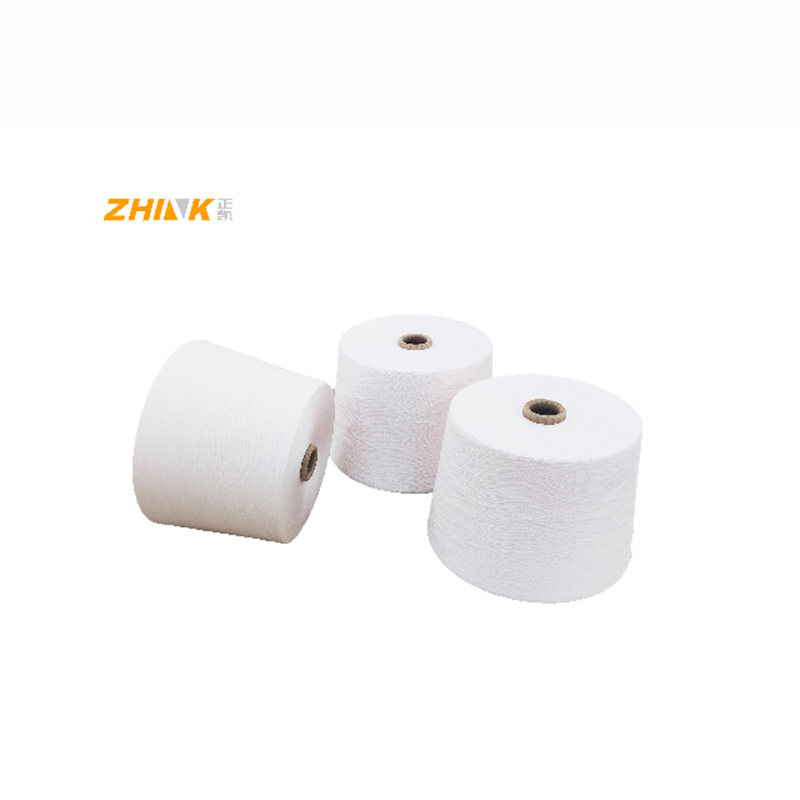
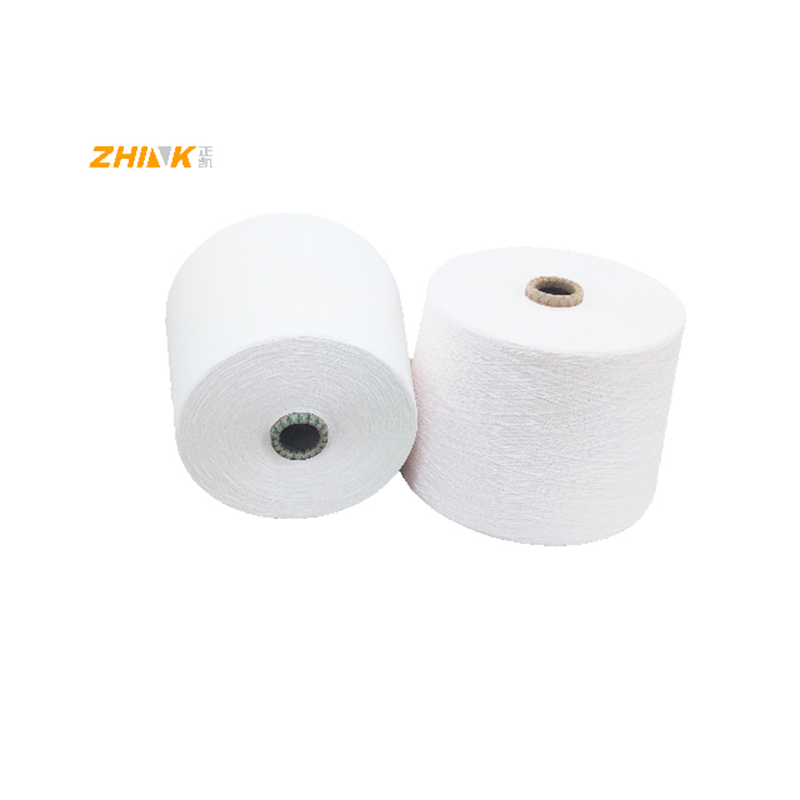
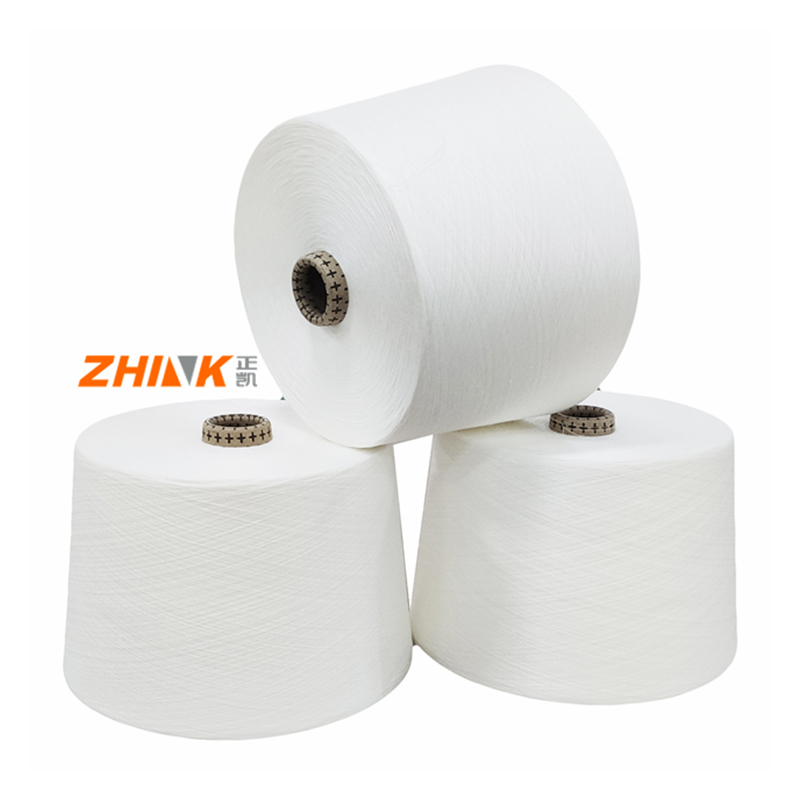
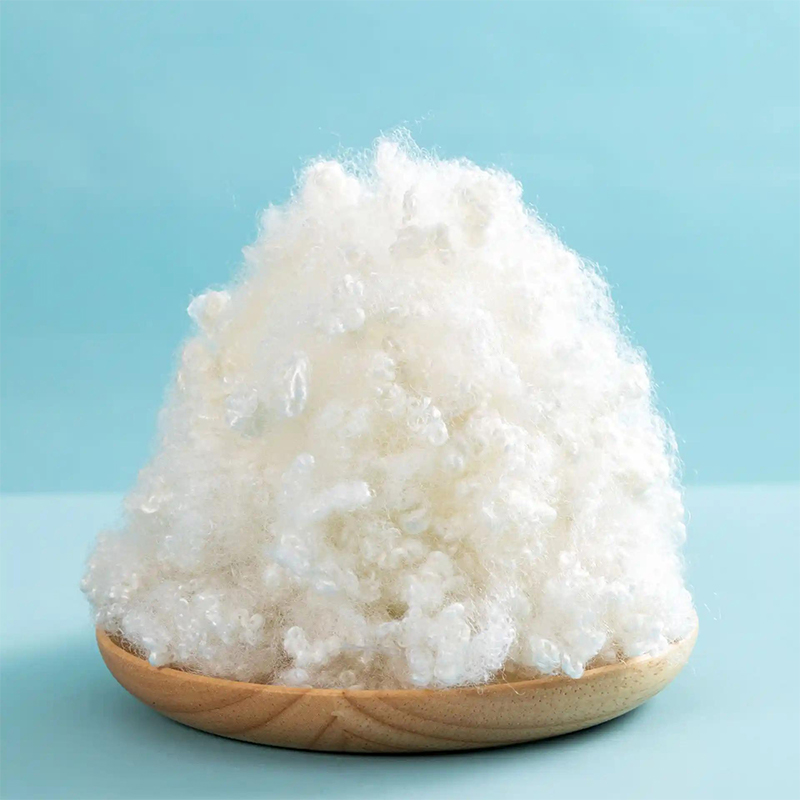
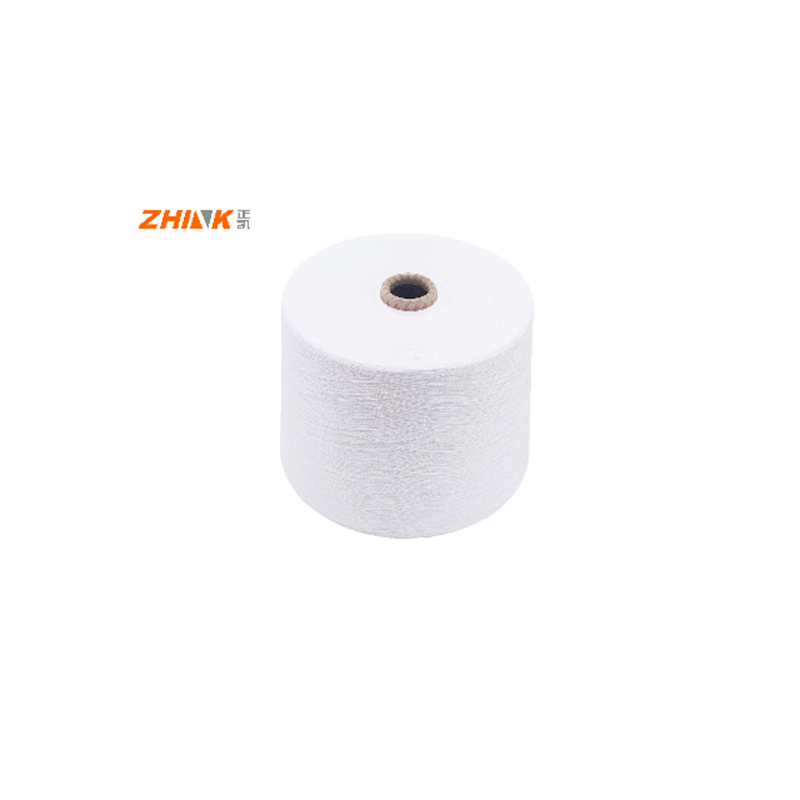
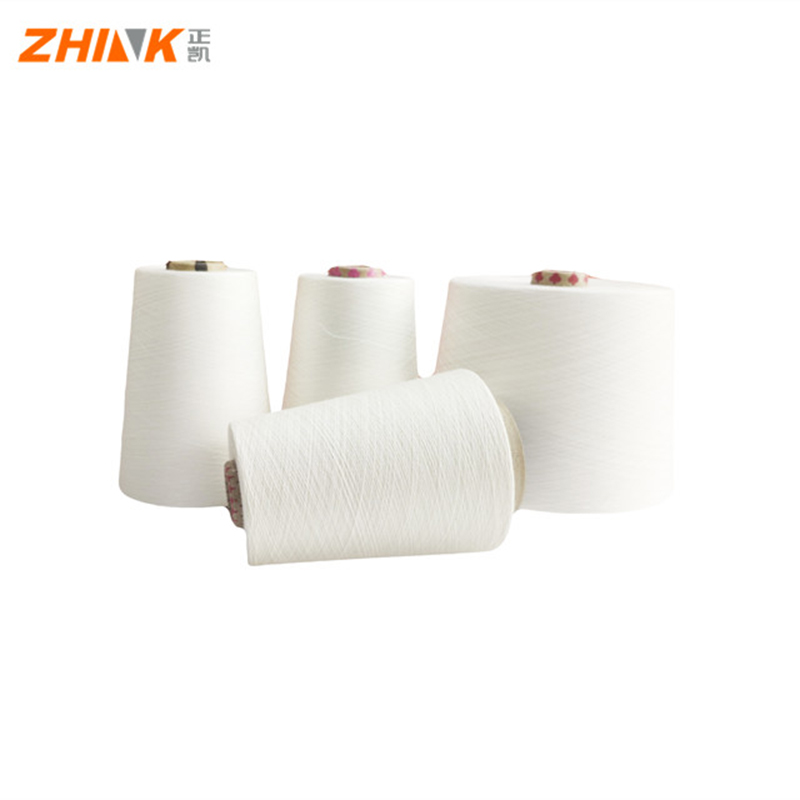
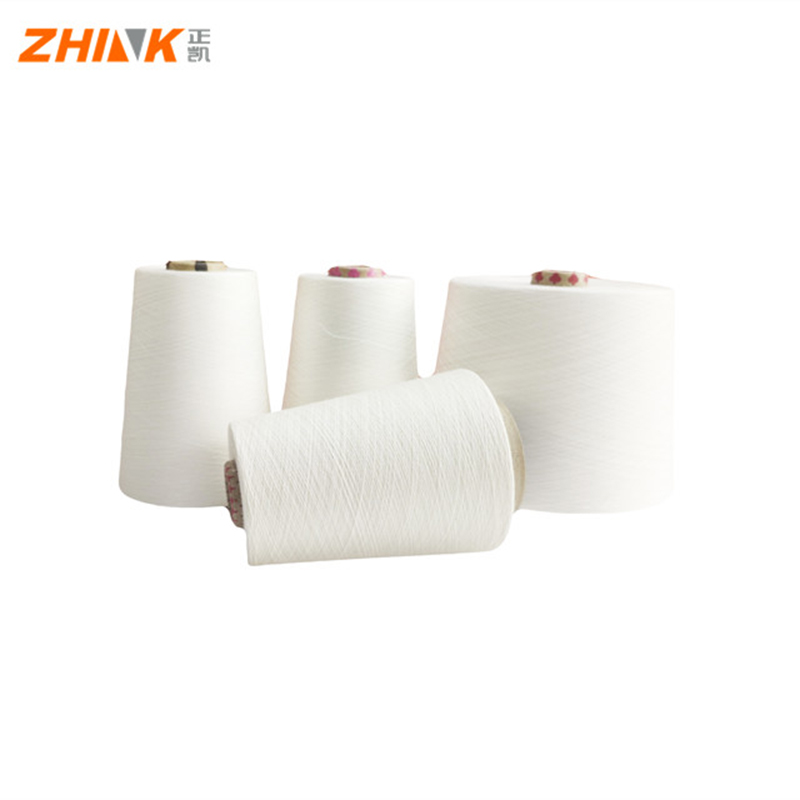
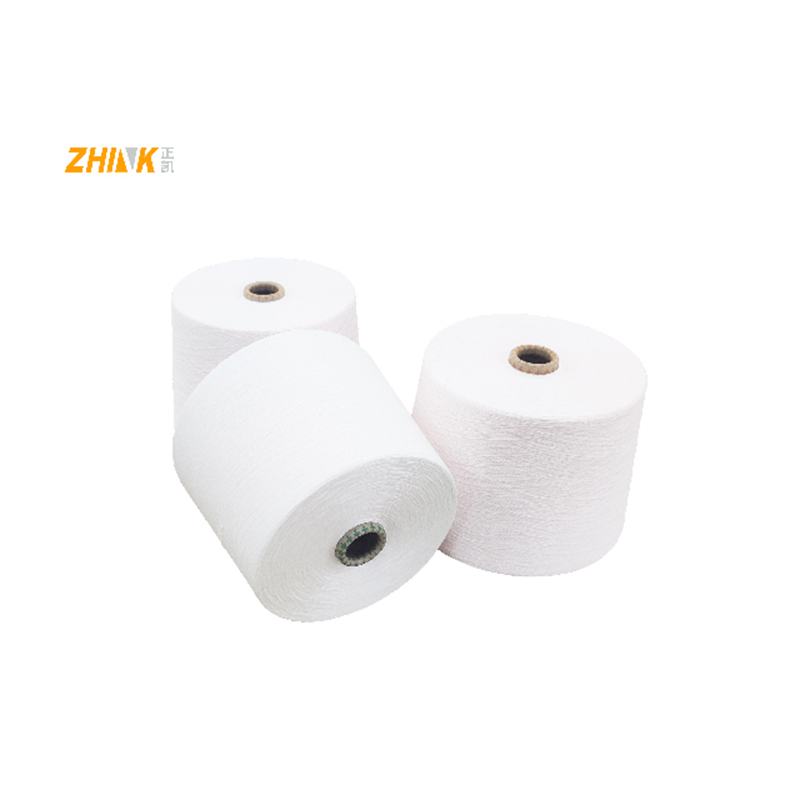
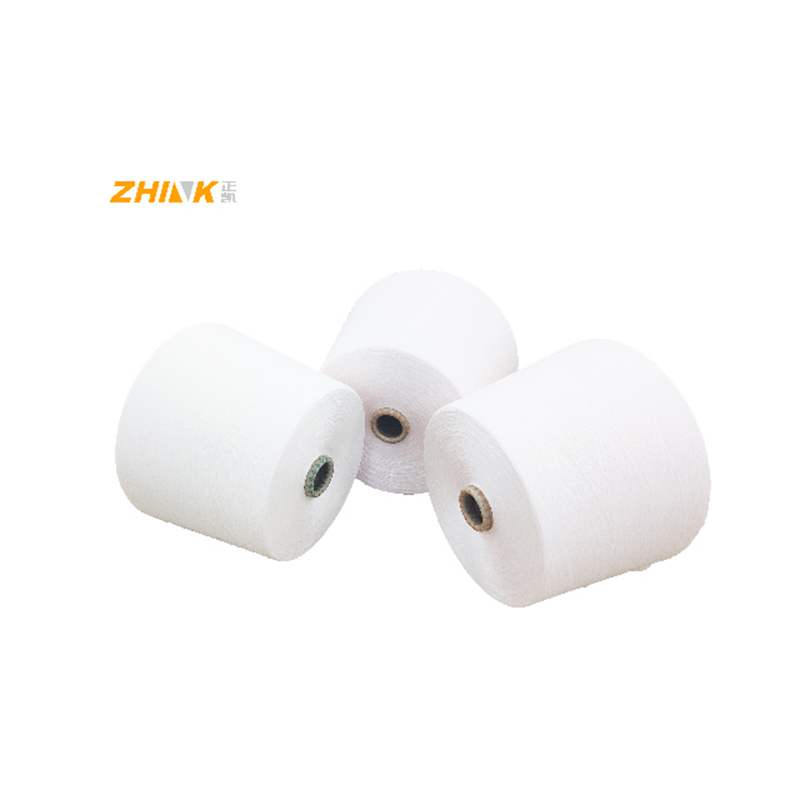
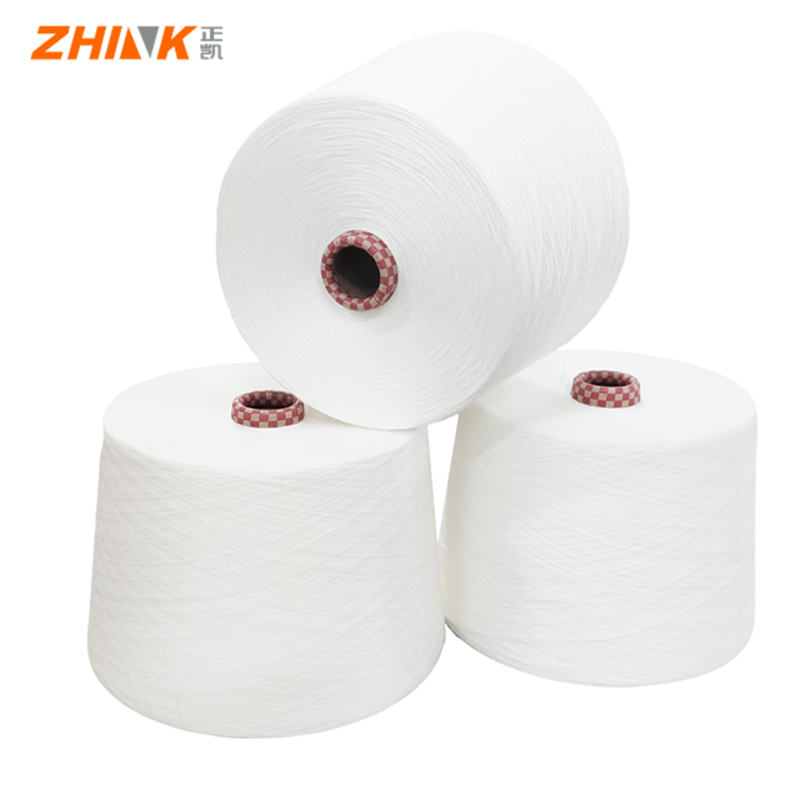
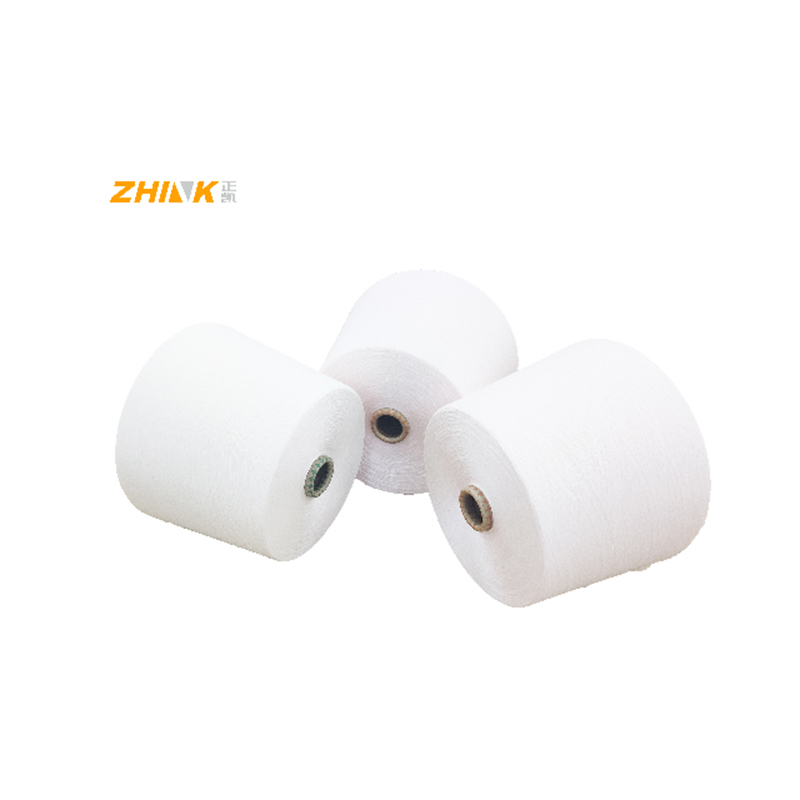
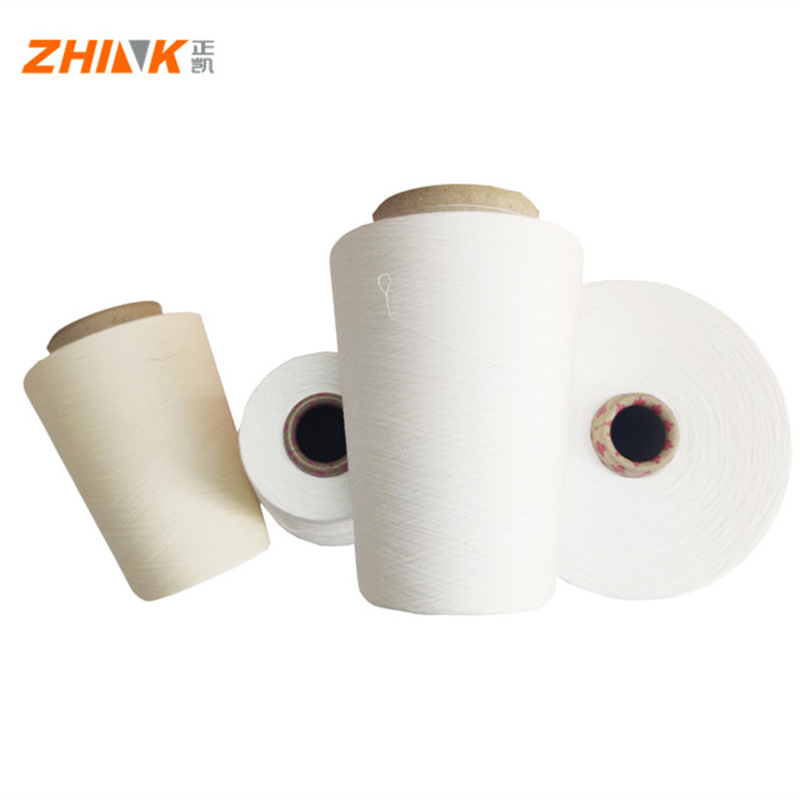
Bulk acrylic fiber yarn
Exploring Bulk Acrylic Fiber Yarn
When discussing bulk acrylic fiber yarn, many envision a versatile, synthetic textile that mimics wool yet offers unique advantages. From warmth retention to cost efficiency, its attributes make it a compelling choice in the textile sector. However, like any material, understanding its nuances requires hands-on experience — including both triumphs and inevitable setbacks.
Introduction to Acrylic Fibers
The first time I worked with acrylic yarn, I was struck by its pliability. It was a game-changer, especially for mass production textiles. Unlike natural fibers, acrylic’s synthetic nature allows manufacturers to tweak its properties. But, a common rookie mistake is overlooking the subtle differences between types. Not all acrylics are created equal.
For instance, bulk variants differ significantly from their regular counterparts. They have a loftier feel, primarily because the fibers are bulked up during production, providing that wool-like softness. Don’t be fooled, though. The real challenge lies in balancing this bulk with tensile strength. I’ve seen projects fall apart because this balance wasn’t respected.
It’s at this intersection of softness and durability where companies like SHANDONG ZHINK NEW MATERIAL CO., LTD, with their expertise, make a significant impact. They focus on the research and development of innovative textiles, and their insights prove invaluable in optimizing the use of acrylic fibers.
Advantages of Bulk Acrylic Yarn
Once, during a tight deadline, I opted for bulk acrylic yarn because of its quick-drying properties. That was a revelation. Imagine finding a yarn that dries faster than wool, blends easily, and remains affordable. For producers and designers, that’s a trifecta of benefits.
Acrylic's color retention outshines many natural fibers. Dyes bind effectively with the synthetic fibers, producing vivid colors that endure through washes. In commercial textile applications, where longevity and aesthetics go hand in hand, this is a huge win.
But, again, experience teaches caution. Bulk often means more tendency to pill if spun too loosely. There was a time when a batch of sweaters came back with complaints of pilling, simply because the yarn wasn’t tightly spun. You learn by doing, by making those very mistakes.
Challenges in Using Acrylic Yarn
While working on a mixed-fiber project, I realized that blending acrylic with other materials isn't always straightforward. Some blends lose acrylic's moisture-wicking qualities, which can be a hindrance in performance wear.
I recall a particular challenge with a line intended for high-sweat activities. The acrylic couldn't keep up, losing some of its appeal when blended improperly. It’s important to test repeatedly in real-world settings.
Manufacturers like Zhink New Material are crucial in refining these blends. With a website at their online portal, they offer expertise and products that cater to these complex demands, providing a starting point for streamlined production.
Applications and Innovations
Acrylic yarn’s adaptability shines in varied applications. From household textiles to sportswear, its utility is impressive. I’ve personally seen it thrive in environments where flexibility and durability are key.
One memorable venture involved creating vivid, weather-resistant outdoor cushions. Unlike natural fibers, acrylic didn’t succumb to mildew or fading, a testament to its structural resilience. It’s these unexpected successes that push the boundaries of use.
In recent years, more eco-conscious developments have emerged. Zhink New Material, for example, continues advancing its production methods, potentially addressing environmental concerns that traditionally accompany synthetics.
Assessing the Market
The market for bulk acrylic fiber yarn is robust, with demand constantly evolving. Crafting professionals and industrial giants both seek out its elite qualities, adapting to its strengths.
For those entrenched in the textile industry, acknowledging both historical context and forward-looking trends is pivotal. Each project with acrylic yarn further informs choices and expectations.
Ultimately, exploring and exploiting the potential of acrylic requires a balance of informed decision-making and willingness to innovate, a practice exemplified by industry leaders like SHANDONG ZHINK NEW MATERIAL CO., LTD.
Related Products
Related Products