+86-632-3621866
- Chinese
- French
- German
- Portuguese
- Spanish
- Russian
- Japanese
- Korean
- Arabic
- Irish
- Greek
- Turkish
- Italian
- Danish
- Romanian
- Indonesian
- Czech
- Afrikaans
- Swedish
- Polish
- Basque
- Catalan
- Esperanto
- Hindi
- Lao
- Albanian
- Amharic
- Armenian
- Azerbaijani
- Belarusian
- Bengali
- Bosnian
- Bulgarian
- Cebuano
- Chichewa
- Corsican
- Croatian
- Dutch
- Estonian
- Filipino
- Finnish
- Frisian
- Galician
- Georgian
- Gujarati
- Haitian
- Hausa
- Hawaiian
- Hebrew
- Hmong
- Hungarian
- Icelandic
- Igbo
- Javanese
- Kannada
- Kazakh
- Khmer
- Kurdish
- Kyrgyz
- Latin
- Latvian
- Lithuanian
- Luxembou..
- Macedonian
- Malagasy
- Malay
- Malayalam
- Maltese
- Maori
- Marathi
- Mongolian
- Burmese
- Nepali
- Norwegian
- Pashto
- Persian
- Punjabi
- Serbian
- Sesotho
- Sinhala
- Slovak
- Slovenian
- Somali
- Samoan
- Scots Gaelic
- Shona
- Sindhi
- Sundanese
- Swahili
- Tajik
- Tamil
- Telugu
- Thai
- Ukrainian
- Urdu
- Uzbek
- Vietnamese
- Welsh
- Xhosa
- Yiddish
- Yoruba
- Zulu
- Kinyarwanda
- Tatar
- Oriya
- Turkmen
- Uyghur


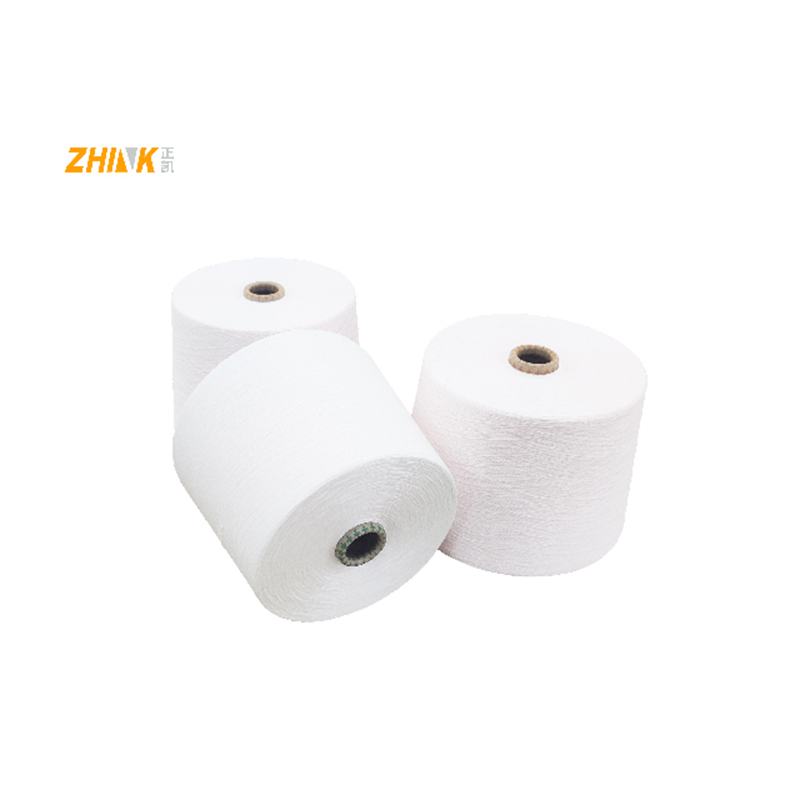
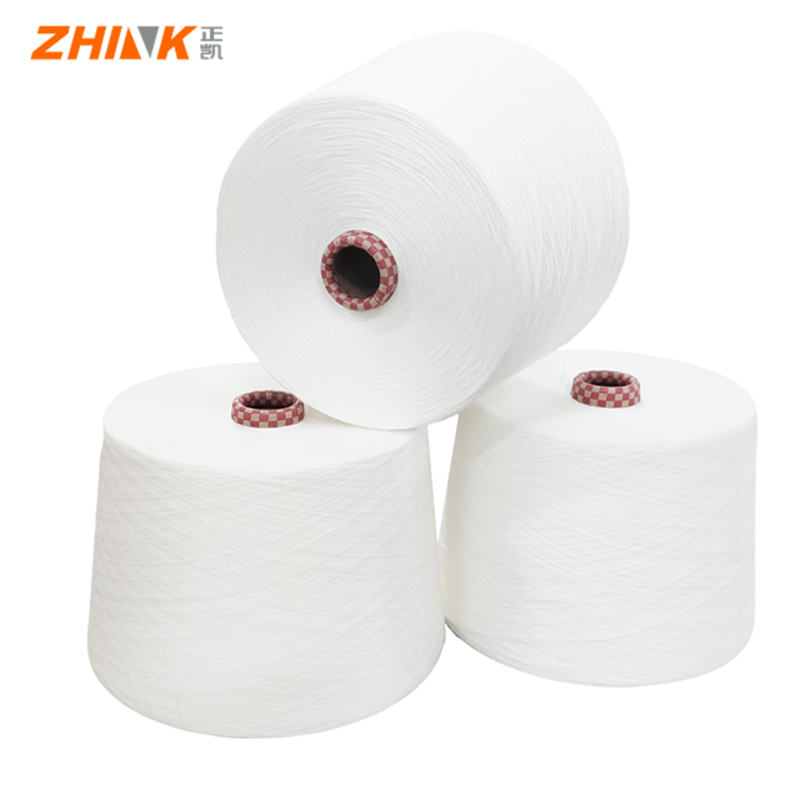
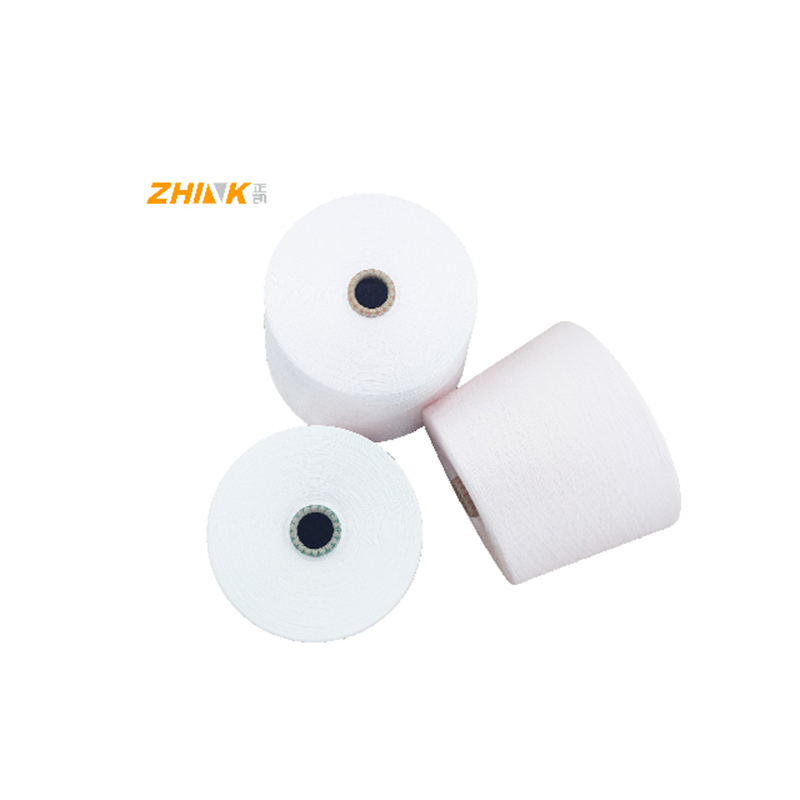
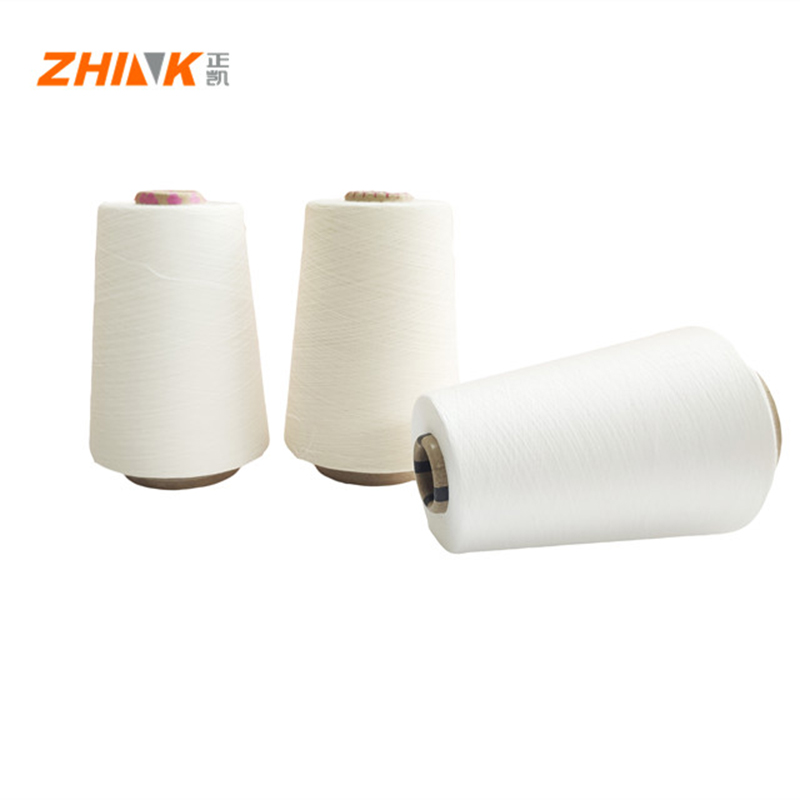
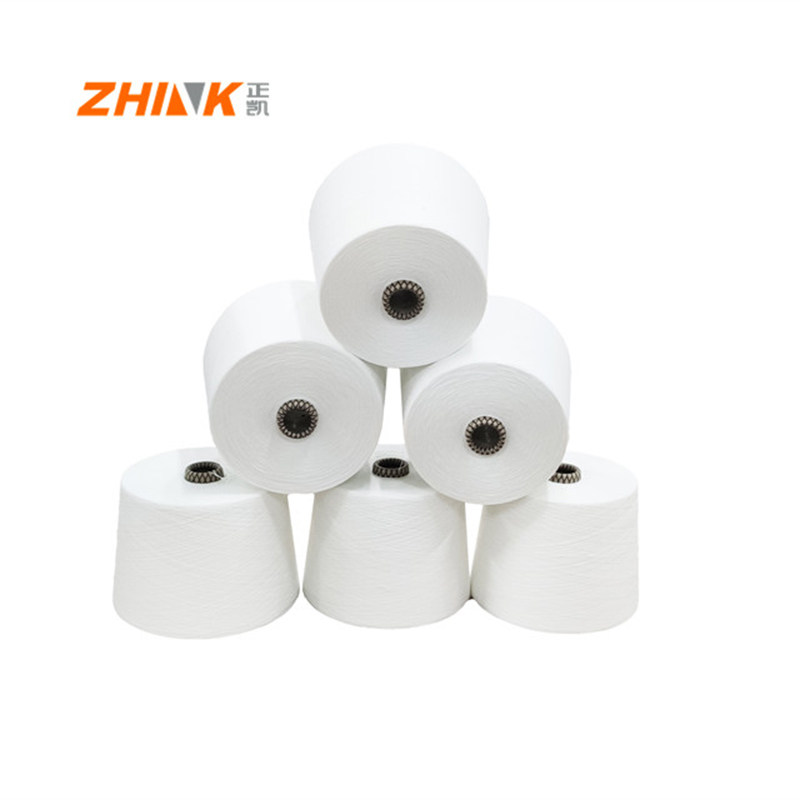
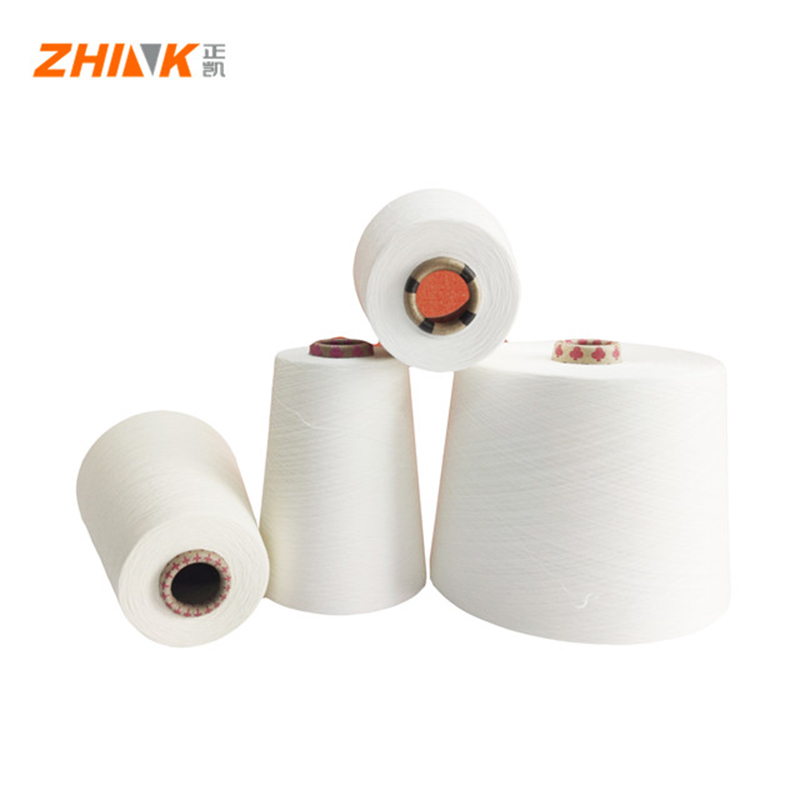
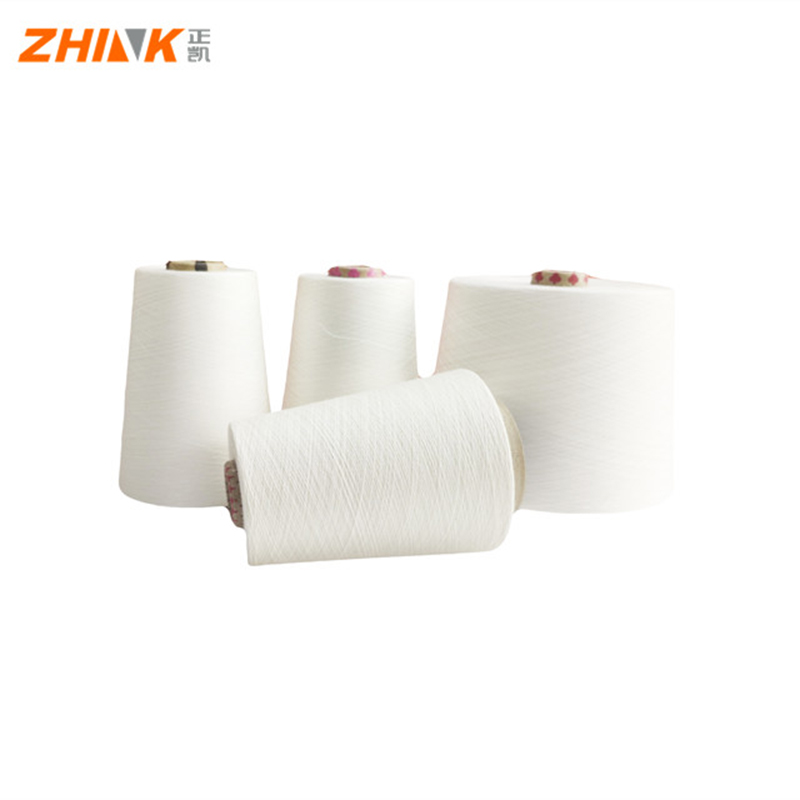
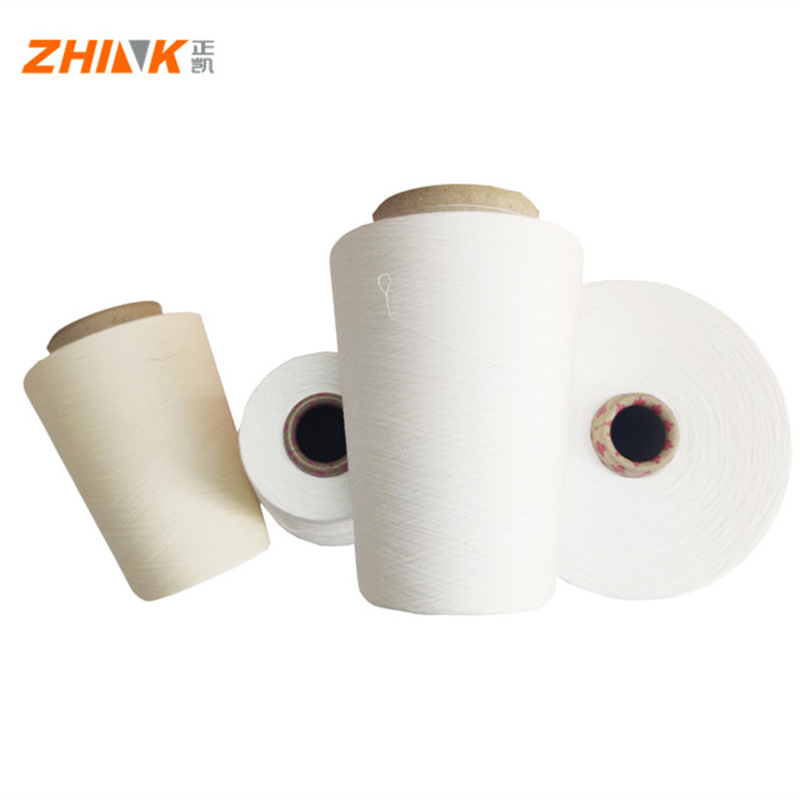
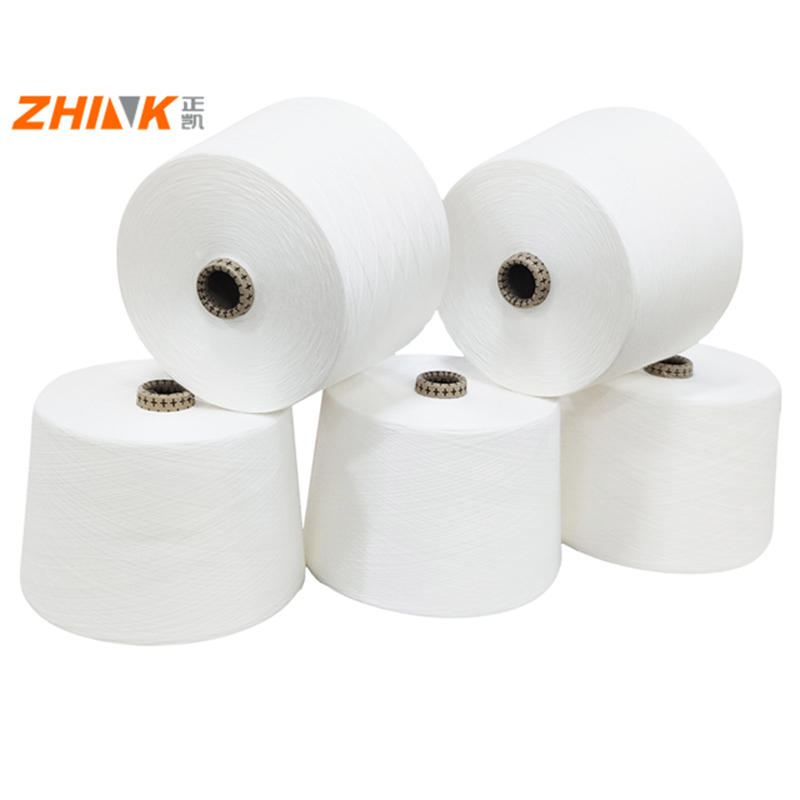
Bulk acrylic staple fiber yarn
Understanding Bulk Acrylic Staple Fiber Yarn
Delving into the world of bulk acrylic staple fiber yarn reveals its complexities and the nuanced nature of its applications. It's more than just understanding the fibers; it's about mastering the blend, twist, and properties that make each yarn unique and commercially viable. In an industry where small details can have significant impacts, understanding these materials is crucial for success.
The Basics of Acrylic Staple Fiber
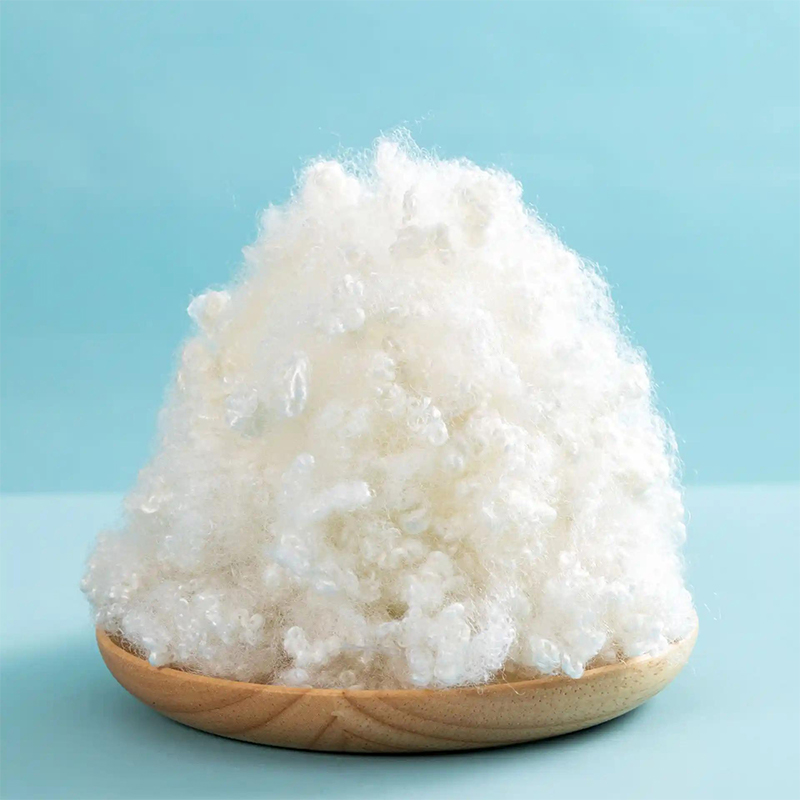
To start with, acrylic staple fibers are a popular choice in the textile industry. These fibers, synthetically produced, mimic the properties of wool. Unlike continuous filaments, staple fibers are spun into yarn, allowing for a range of textures and characteristics. This versatility makes them an asset in textile production.
One common misconception is that all acrylic fibers behave identically. In reality, their behavior can vary widely depending on the production process and intended use. This variability presents both a challenge and an opportunity. Manufacturers must be keenly aware of these differences to effectively leverage the material in their products.
As someone who's spent years working with fibers, I've seen first-hand how subtle changes in the fiber’s length or the spinning technique affect the yarn's final properties. This experience underscores the importance of methodical experimentation and continuous learning in this field.
Why Bulk Matters
The term “bulk” in bulk acrylic staple fiber yarn refers to the yarn's volumetric density. Bulk is achieved through mechanical or chemical processes that cause fibers to puff up, enhancing texture and warmth without adding weight. These characteristics are particularly beneficial in industries focusing on comfort and insulation, like apparel and home textiles.
I've worked on projects where enhancing bulk was the primary goal, aiming to improve thermal properties. Often, we found that achieving the ideal bulkiness involved a balance. Increasing bulk too much could compromise the yarn's strength, requiring a nuanced approach to fiber selection and processing.
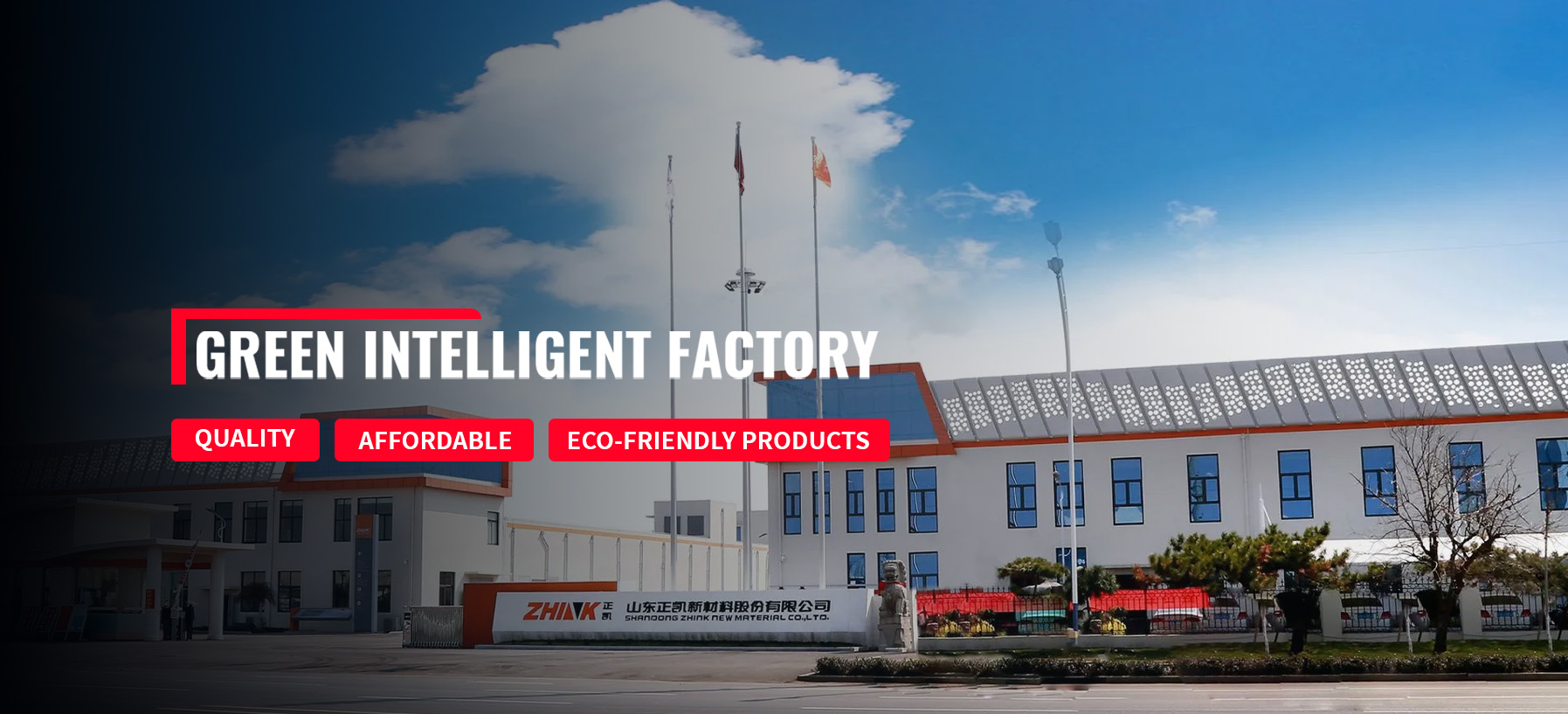
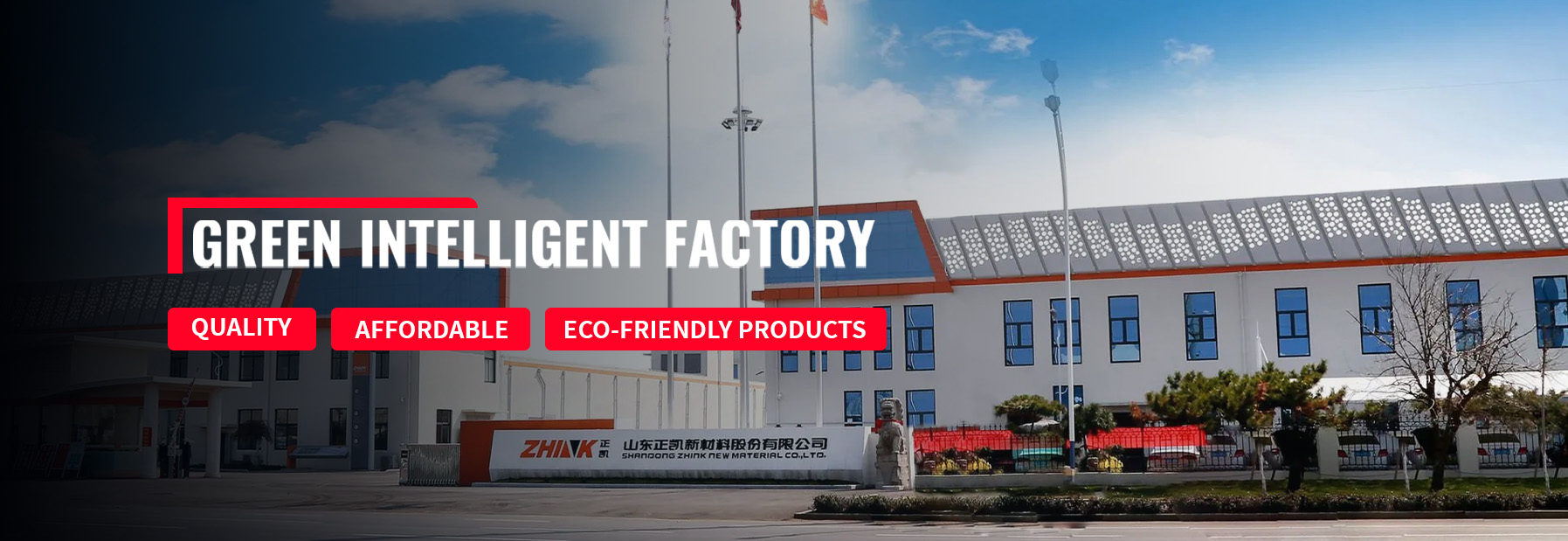
Working with SHANDONG ZHINK NEW MATERIAL CO., LTD, known for their adeptness in new textile materials (https://www.zhinkyarn.com), I've observed their focus on innovation in this area. Their research often pushes the boundaries of what's possible with acrylic yarns, creating solutions that are both practical and groundbreaking.
Challenges in Production
The production of bulk acrylic staple fiber yarn is not without its hurdles. One persistent challenge is maintaining consistency throughout batches. Given the fine balance required in processing parameters, even minor deviations can lead to significant differences in the final product.
In my experience, establishing strict quality controls is non-negotiable. Comprehensive testing and regular calibration of machinery play critical roles in ensuring product uniformity. Despite these precautions, there can still be surprises that require quick problem-solving and adaptability.
Additionally, understanding customer needs and tailoring production accordingly is vital. The feedback loop between manufacturers and clients is essential for iterative improvements. It’s a dynamic relationship that fosters innovation and ensures the product meets real-world demands.
Case Studies: Success and Learning
Reflecting on past projects, I recall a particular case where collaboration with SHANDONG ZHINK NEW MATERIAL CO., LTD resulted in a breakthrough product. The aim was to develop a yarn with unprecedented softness while retaining durability, an attribute highly sought after in high-end apparel markets.
This project taught valuable lessons about the intricate balance required between softness and strength. Experimentations with fiber blends and spinning techniques led to innovative solutions, highlighting the importance of flexibility and creativity in this domain.
On the flip side, there have been projects where desired outcomes weren't met. However, these cases often provided the richest learning opportunities. Understanding what went wrong and why is as crucial as celebrating successes. Each setback sharpened our expertise and honed our skills in handling bulk acrylic staple fiber yarn.
Looking Ahead: The Future of Acrylic Yarns
Looking to the future, the landscape of bulk acrylic staple fiber yarn production seems poised for exciting developments. With sustainability becoming a pressing concern, there's ongoing research into environmentally-friendly production methods and biodegradable acrylic alternatives.
Innovations are also on the horizon in terms of new applications and functionalities, like smart textiles that can offer enhanced performance features. The integration of technology with textile materials is an area that promises to revolutionize usage conventions in the industry.
In conclusion, working with bulk acrylic staple fiber yarn is as much an art as it is a science. The journey—from fiber selection to yarn production—requires deep understanding, constant adaptation, and a passion for discovering what's possible with these remarkable materials. With keen players like SHANDONG ZHINK NEW MATERIAL CO., LTD paving the way, the future certainly looks bright for this sector.
Related Products
Related Products