+86-632-3621866
- Chinese
- French
- German
- Portuguese
- Spanish
- Russian
- Japanese
- Korean
- Arabic
- Irish
- Greek
- Turkish
- Italian
- Danish
- Romanian
- Indonesian
- Czech
- Afrikaans
- Swedish
- Polish
- Basque
- Catalan
- Esperanto
- Hindi
- Lao
- Albanian
- Amharic
- Armenian
- Azerbaijani
- Belarusian
- Bengali
- Bosnian
- Bulgarian
- Cebuano
- Chichewa
- Corsican
- Croatian
- Dutch
- Estonian
- Filipino
- Finnish
- Frisian
- Galician
- Georgian
- Gujarati
- Haitian
- Hausa
- Hawaiian
- Hebrew
- Hmong
- Hungarian
- Icelandic
- Igbo
- Javanese
- Kannada
- Kazakh
- Khmer
- Kurdish
- Kyrgyz
- Latin
- Latvian
- Lithuanian
- Luxembou..
- Macedonian
- Malagasy
- Malay
- Malayalam
- Maltese
- Maori
- Marathi
- Mongolian
- Burmese
- Nepali
- Norwegian
- Pashto
- Persian
- Punjabi
- Serbian
- Sesotho
- Sinhala
- Slovak
- Slovenian
- Somali
- Samoan
- Scots Gaelic
- Shona
- Sindhi
- Sundanese
- Swahili
- Tajik
- Tamil
- Telugu
- Thai
- Ukrainian
- Urdu
- Uzbek
- Vietnamese
- Welsh
- Xhosa
- Yiddish
- Yoruba
- Zulu
- Kinyarwanda
- Tatar
- Oriya
- Turkmen
- Uyghur



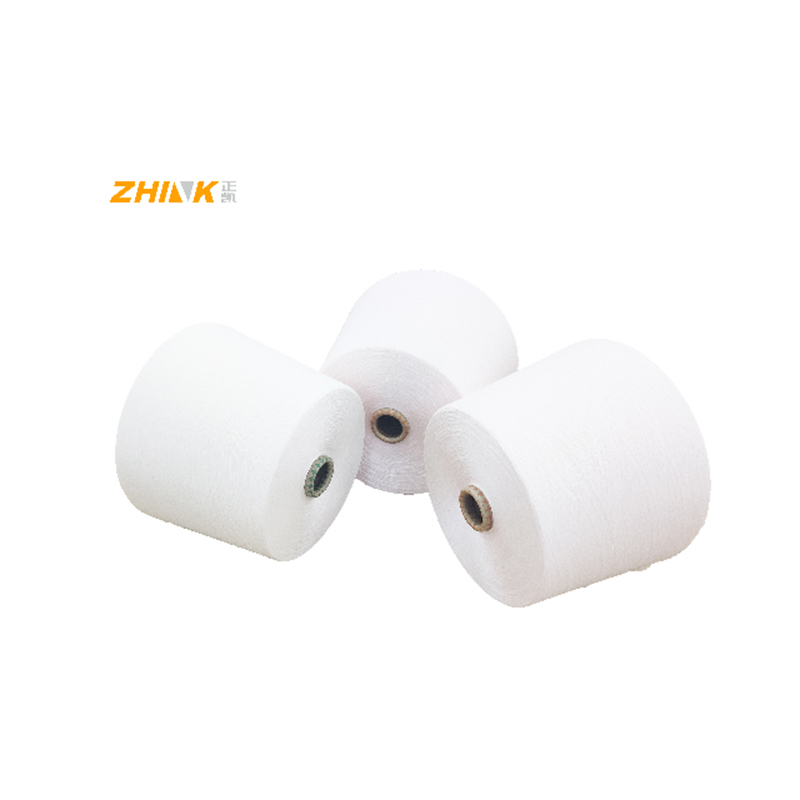
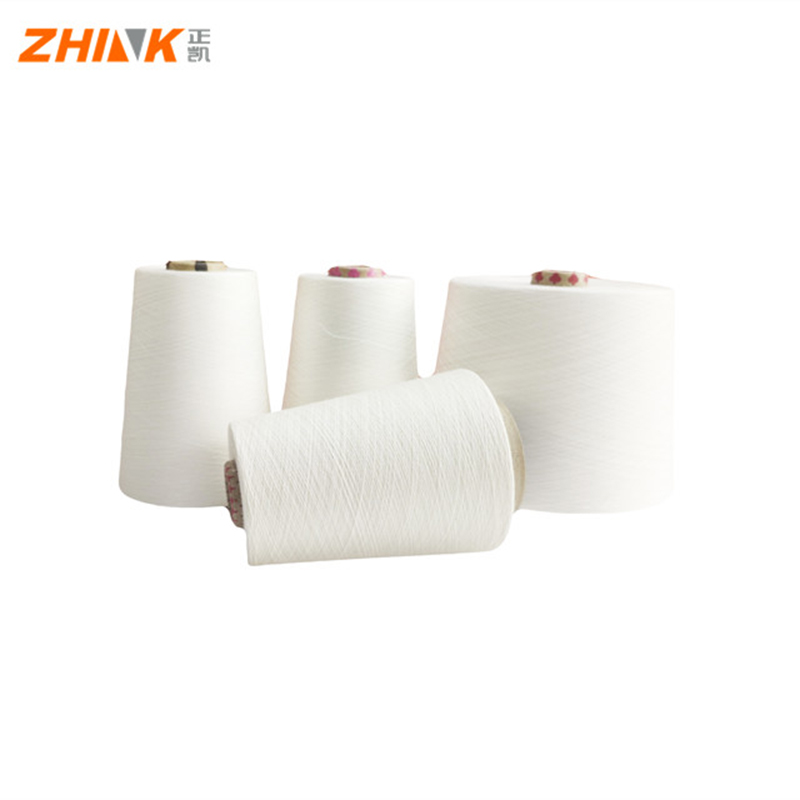
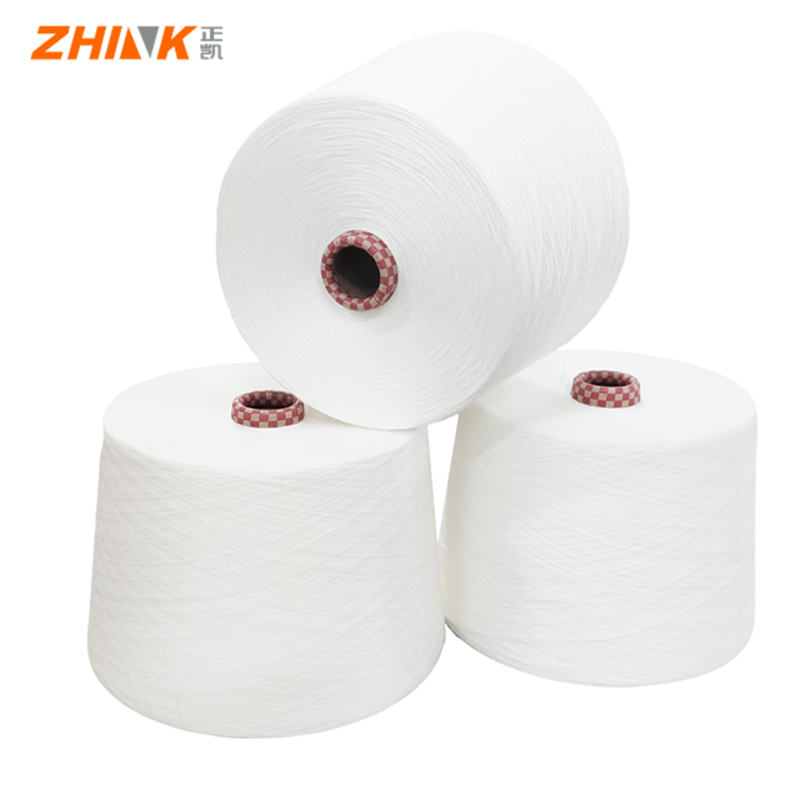
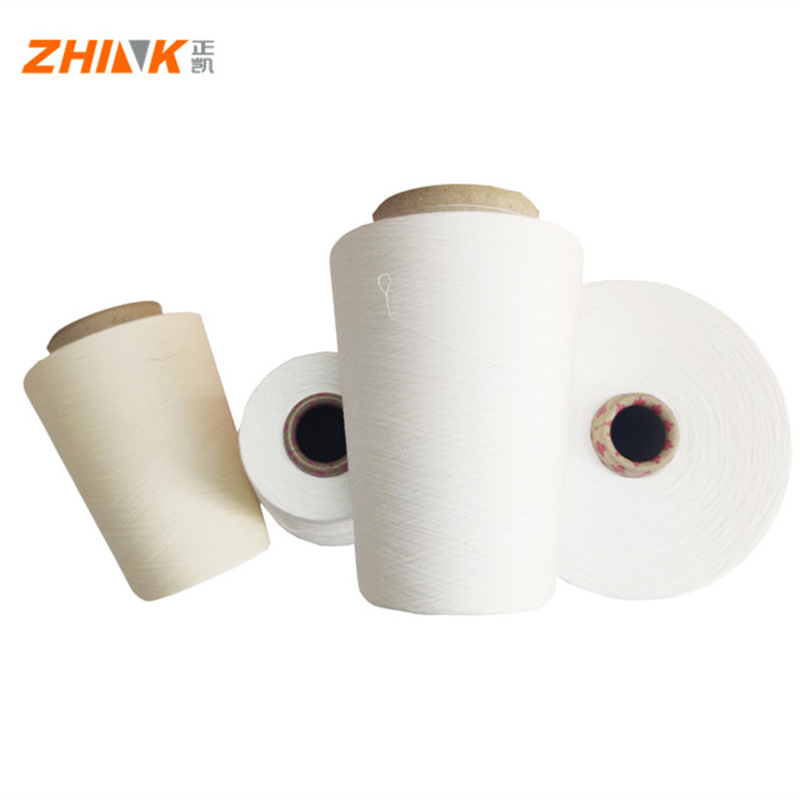
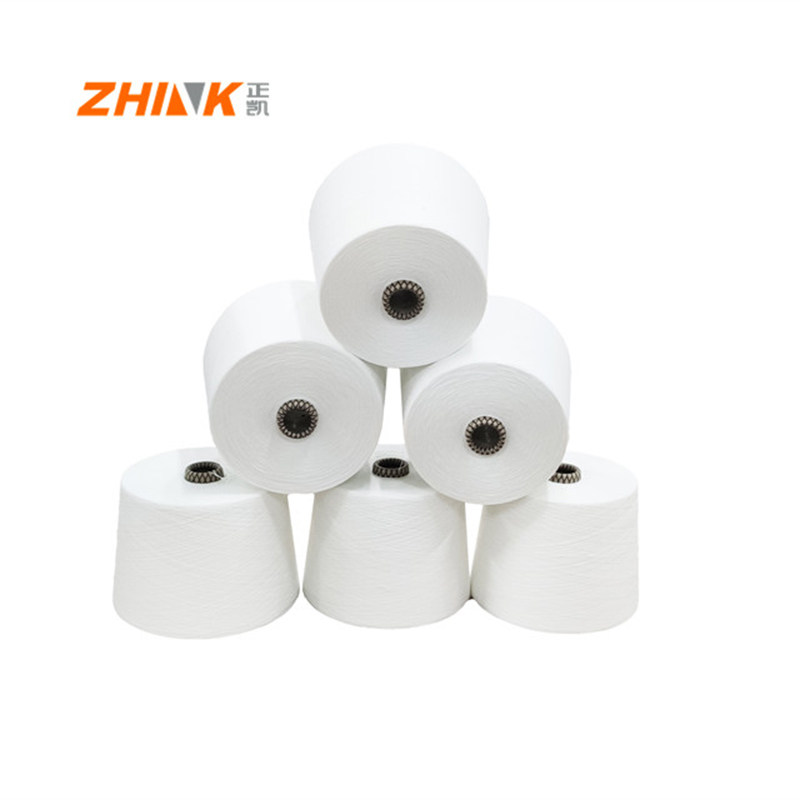
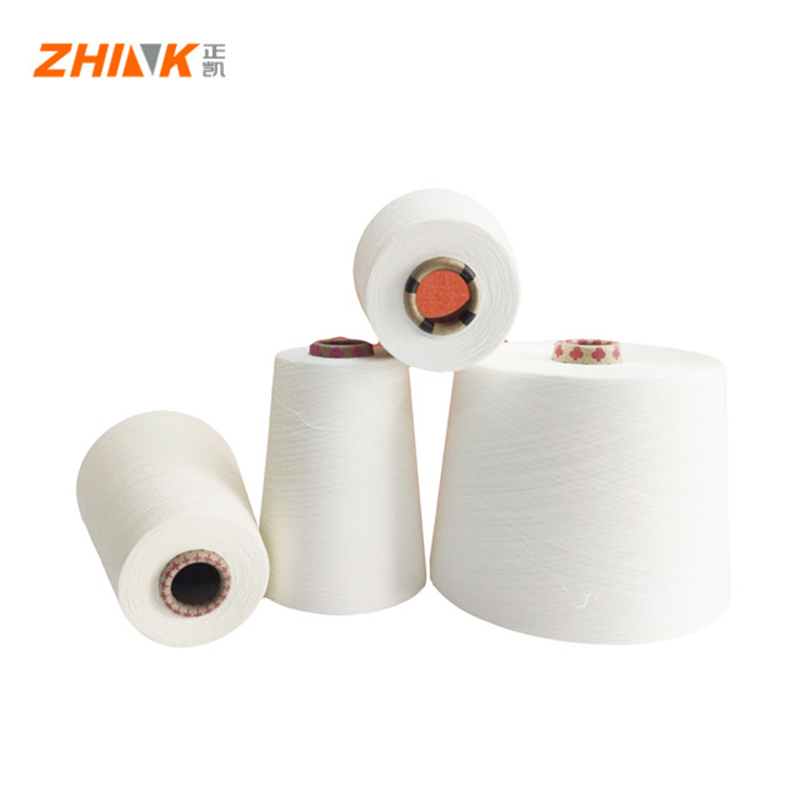
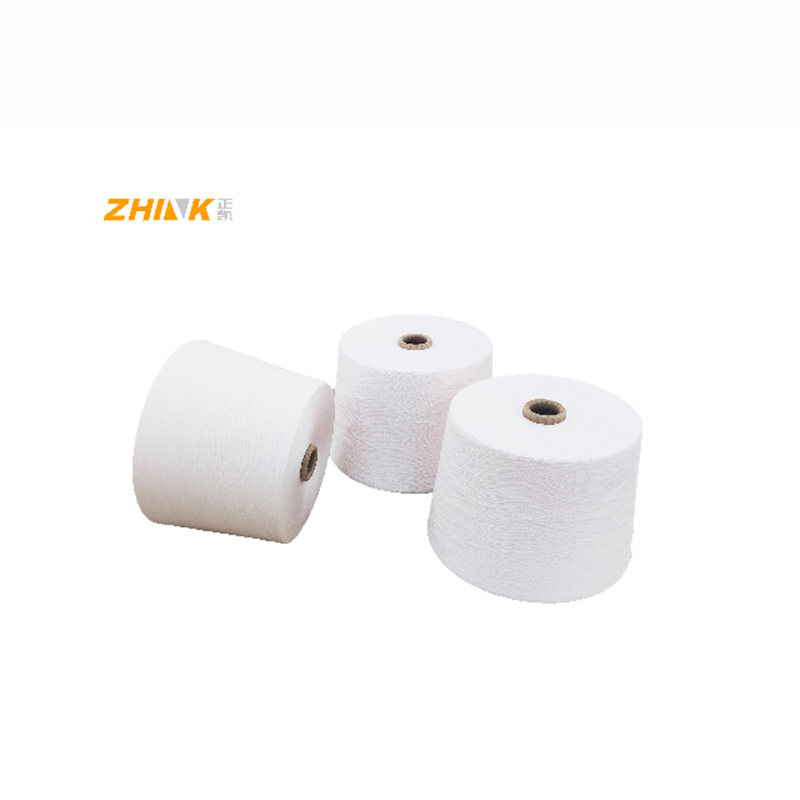
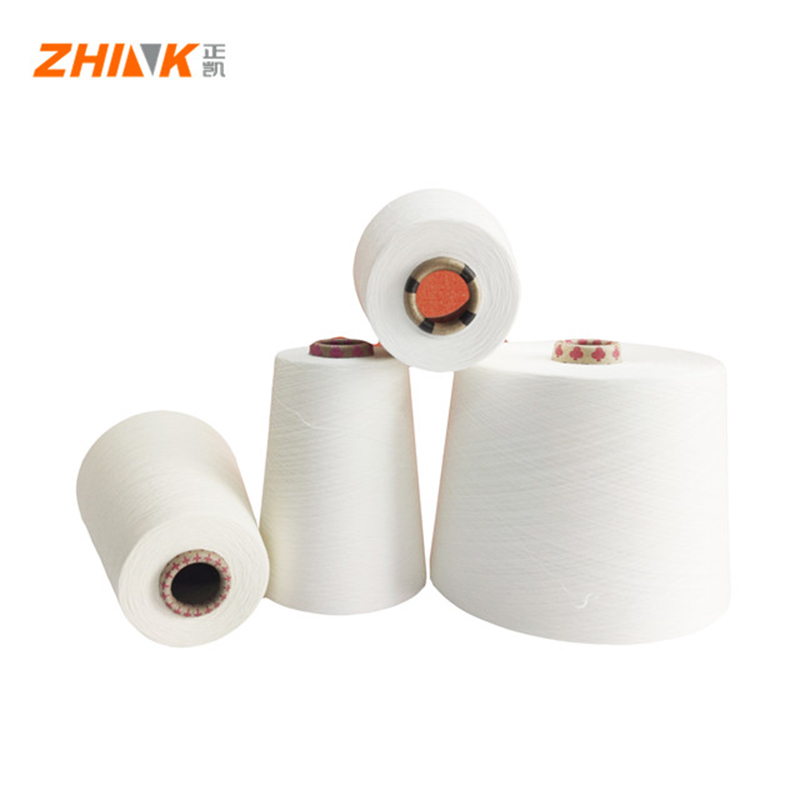
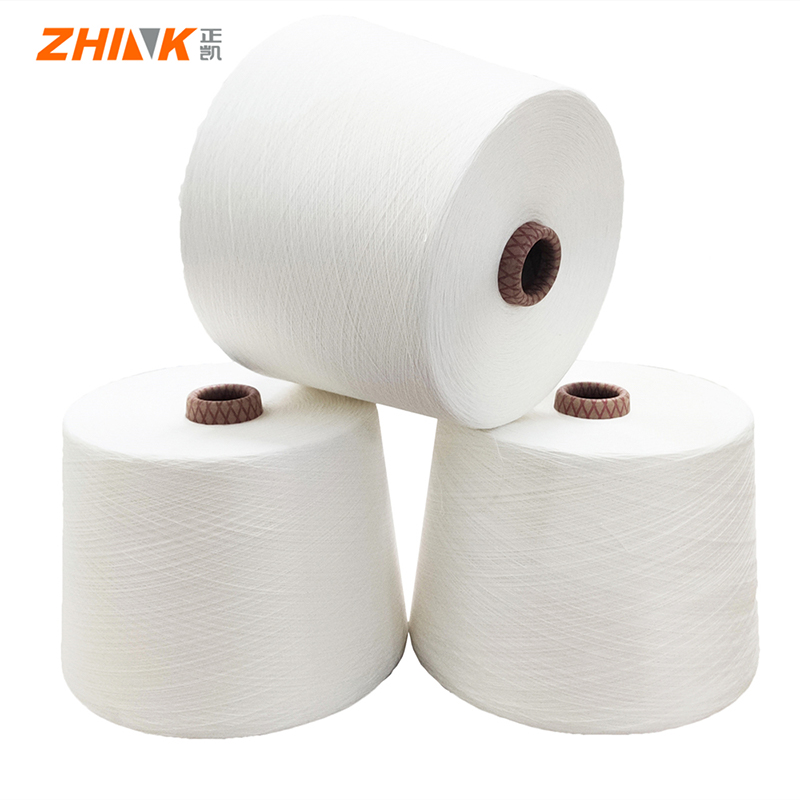
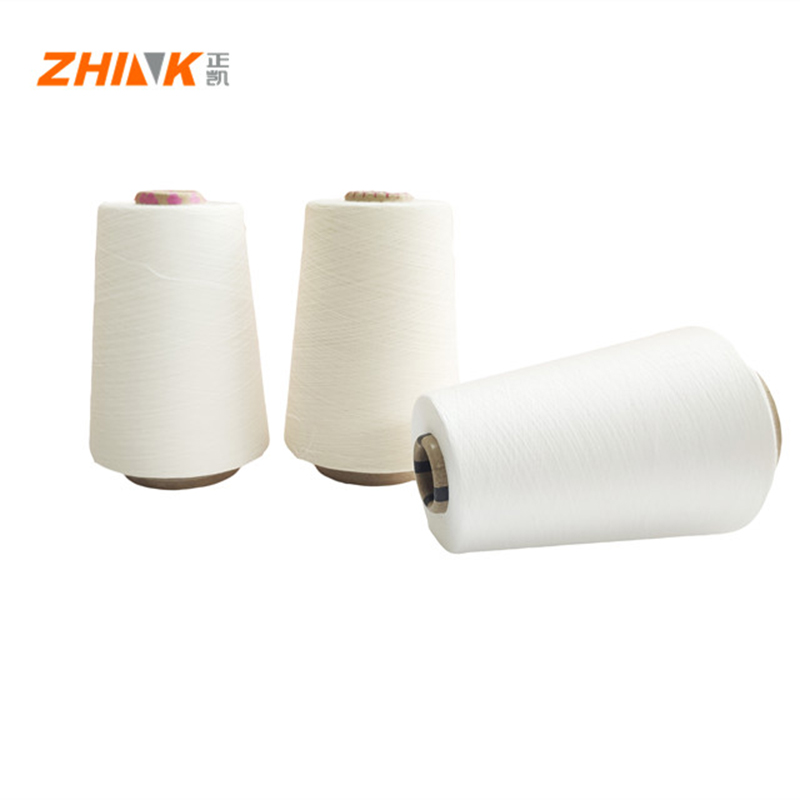
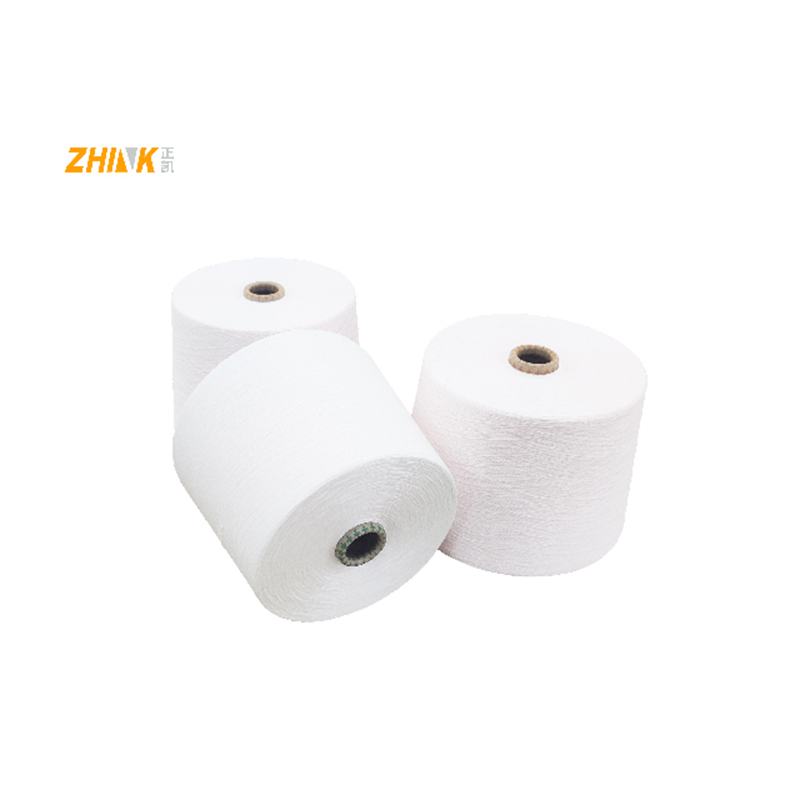
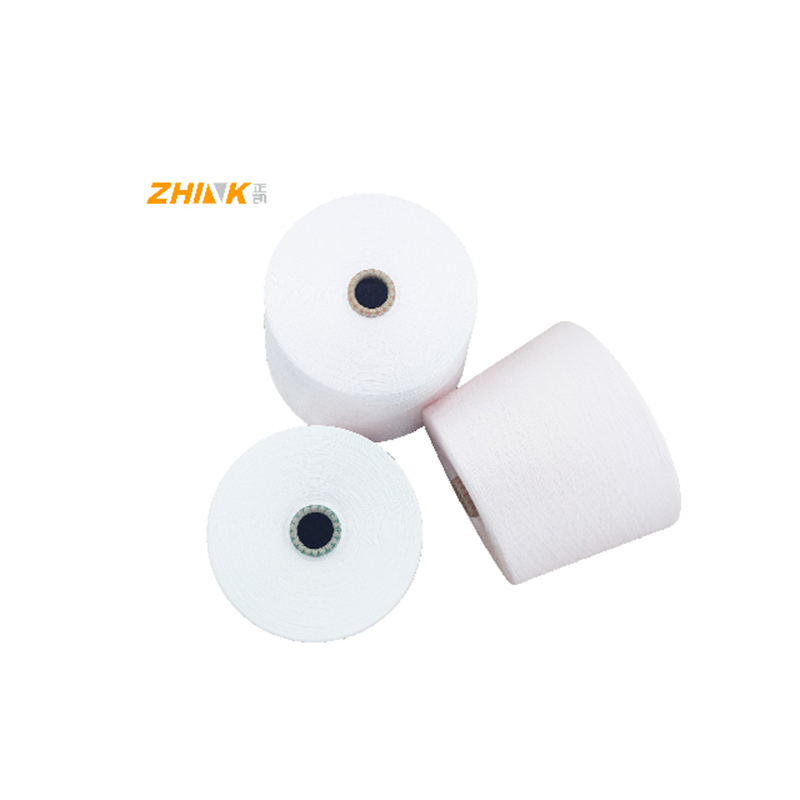
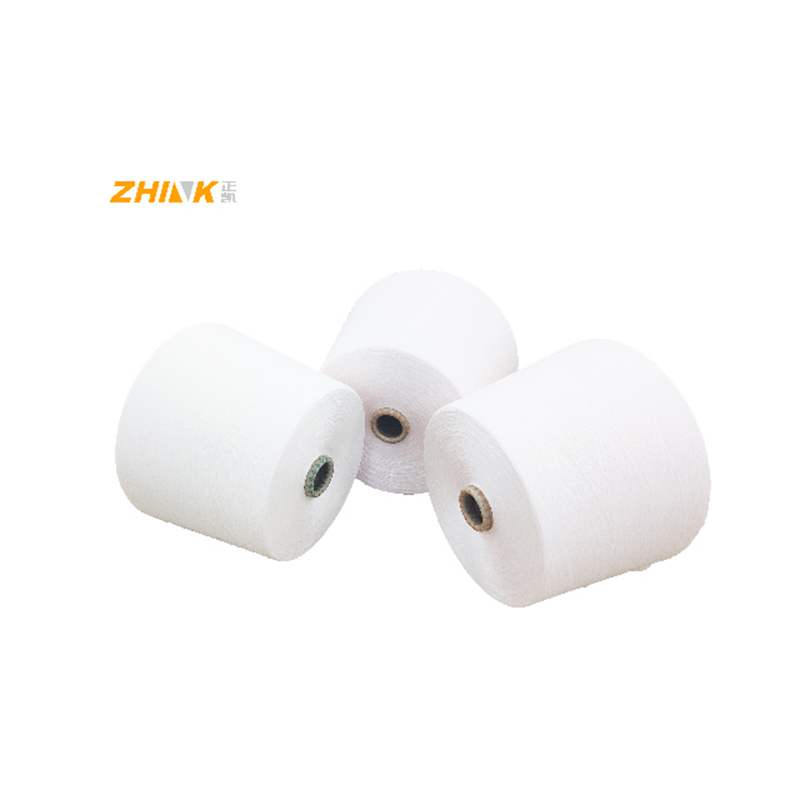
Bulk acrylic/viscose mvs yarn
Exploring the World of Bulk Acrylic/Viscose MVS Yarn
When it comes to the textile world, few materials spark as many questions among manufacturers and designers alike as bulk acrylic/viscose MVS yarn. From its unique properties to diverse applications, this yarn type firmly sits at the intersection of innovation and practicality, crucial for anyone working with modern fabrics.
Understanding Acrylic/Viscose Blend
Blending acrylic with viscose fibers creates a yarn that combines the best of both worlds. Acrylic offers durability and an appealing aesthetic, while viscose brings softness and breathability to the table. In my experience working with various blends, one can't underestimate the importance of balancing these fibers to achieve the desired outcome in terms of texture and performance.
The process of selecting the right blend ratio is more art than science. The specific needs of a project often dictate the proportions, whether aiming for warmth, texture, or cost-efficiency. It's here that I've seen teams spend hours experimenting, adjusting ratios until the yarn meets both practical and creative demands.
There's also the question of dyeability. This yarn can absorb dyes well, which opens up an even wider array of possibilities in terms of color palettes and patterns. However, getting the colors to pop consistently across batches is often a challenge I’ve encountered.
The Role of MVS Technology
Moving onto MVS, or Murata Vortex Spinning, it's a game-changer in yarn production. This technology is pivotal in producing bulk acrylic/viscose MVS yarn by providing superior yarn strength and reduced pilling—the bane of many fabric developers.
At SHANDONG ZHINK NEW MATERIAL CO., LTD, where I've closely observed production lines, the integration of MVS technology has made a noticeable difference in both quality and efficiency. They’ve leveraged this to produce yarns that not only meet but often exceed industry standards, establishing themselves as pioneers in this material category.
Of course, working with MVS isn’t a plug-and-play affair. The settings must be meticulously adjusted, and when done right, they can enhance the uniformity of yarn, reducing defects that could otherwise lead to wastage down the line.
Applications in Modern Textiles
Considering applications, the versatility of bulk acrylic/viscose MVS yarn is impressive. It's increasingly found in fashion textiles, home furnishings, and even technical fabrics. This yarn tends to appeal to those who require both performance and style, which can sometimes be a tricky balance.
I've seen apparel manufacturers create garments that hold up to frequent wear without losing shape, thanks to the structural integrity provided by the acrylic component. Meanwhile, the viscose aspect offers comfort, a key selling point for discerning consumers.
Furthermore, functionality in home textiles cannot be overstated. The yarn's qualities lead to products with a plush feel yet durable enough for everyday use. This makes them a favorite among interior designers seeking to marry luxury with longevity.
Challenges and Considerations
Despite its advantages, there are challenges that need addressing. Manufacturing bulk acrylic/viscose MVS yarn requires a careful eye on production parameters, something I've realized often affects both consistency and final quality.
Market demands also continuously shape production strategies. Staying ahead involves not just addressing current needs but anticipating future trends—a complex exercise that involves a deep understanding of technological innovations and consumer behavior.
For instance, environmental concerns aim to push the industry towards sustainable practices. At Zhink New Material, they are constantly researching new, eco-friendly ways to develop and produce these yarns, as highlighted on their website, zhinkyarn.com.
Future Prospects
Looking ahead, the evolution of bulk acrylic/viscose MVS yarn is likely tied to both technological advances and shifting consumer expectations. Innovations in spinning technology and more sustainable materials are promising areas of growth.
Experiences in the textile industry have shown me that collaborations and cross-industry partnerships often yield the most exciting breakthroughs. Companies like SHANDONG ZHINK NEW MATERIAL CO., LTD are at the forefront, advocating for not just better yarns but more intelligent textile solutions overall.
In conclusion, whether you’re a seasoned professional or new to textile manufacturing, understanding and leveraging the distinct properties of bulk acrylic/viscose MVS yarn can lead to groundbreaking results. The road is challenging but undoubtedly rewarding, offering endless opportunities for creativity and innovation.
Related Products
Related Products