+86-632-3621866
- Chinese
- French
- German
- Portuguese
- Spanish
- Russian
- Japanese
- Korean
- Arabic
- Irish
- Greek
- Turkish
- Italian
- Danish
- Romanian
- Indonesian
- Czech
- Afrikaans
- Swedish
- Polish
- Basque
- Catalan
- Esperanto
- Hindi
- Lao
- Albanian
- Amharic
- Armenian
- Azerbaijani
- Belarusian
- Bengali
- Bosnian
- Bulgarian
- Cebuano
- Chichewa
- Corsican
- Croatian
- Dutch
- Estonian
- Filipino
- Finnish
- Frisian
- Galician
- Georgian
- Gujarati
- Haitian
- Hausa
- Hawaiian
- Hebrew
- Hmong
- Hungarian
- Icelandic
- Igbo
- Javanese
- Kannada
- Kazakh
- Khmer
- Kurdish
- Kyrgyz
- Latin
- Latvian
- Lithuanian
- Luxembou..
- Macedonian
- Malagasy
- Malay
- Malayalam
- Maltese
- Maori
- Marathi
- Mongolian
- Burmese
- Nepali
- Norwegian
- Pashto
- Persian
- Punjabi
- Serbian
- Sesotho
- Sinhala
- Slovak
- Slovenian
- Somali
- Samoan
- Scots Gaelic
- Shona
- Sindhi
- Sundanese
- Swahili
- Tajik
- Tamil
- Telugu
- Thai
- Ukrainian
- Urdu
- Uzbek
- Vietnamese
- Welsh
- Xhosa
- Yiddish
- Yoruba
- Zulu
- Kinyarwanda
- Tatar
- Oriya
- Turkmen
- Uyghur



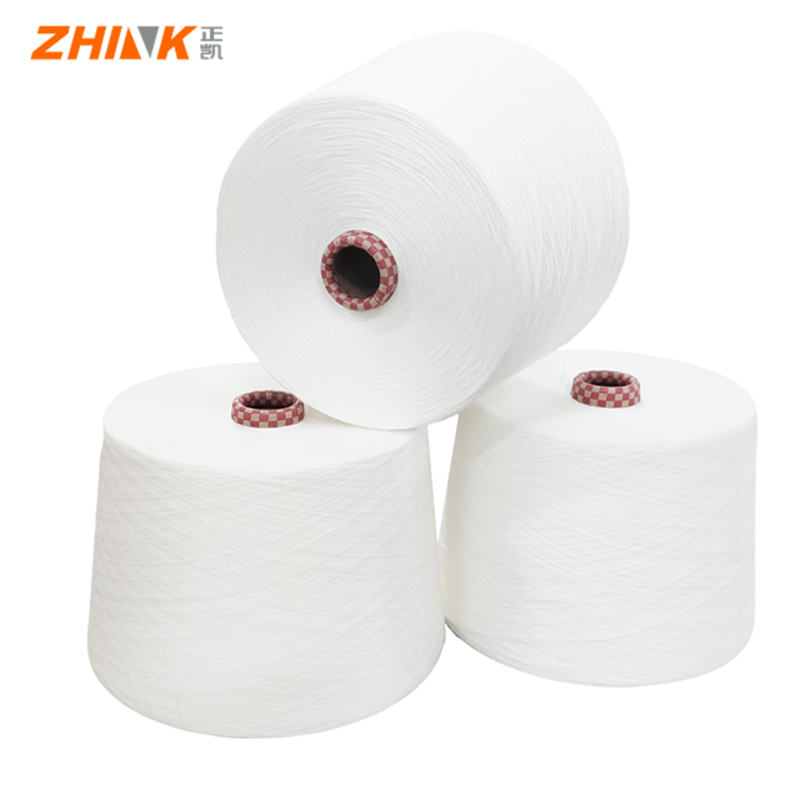
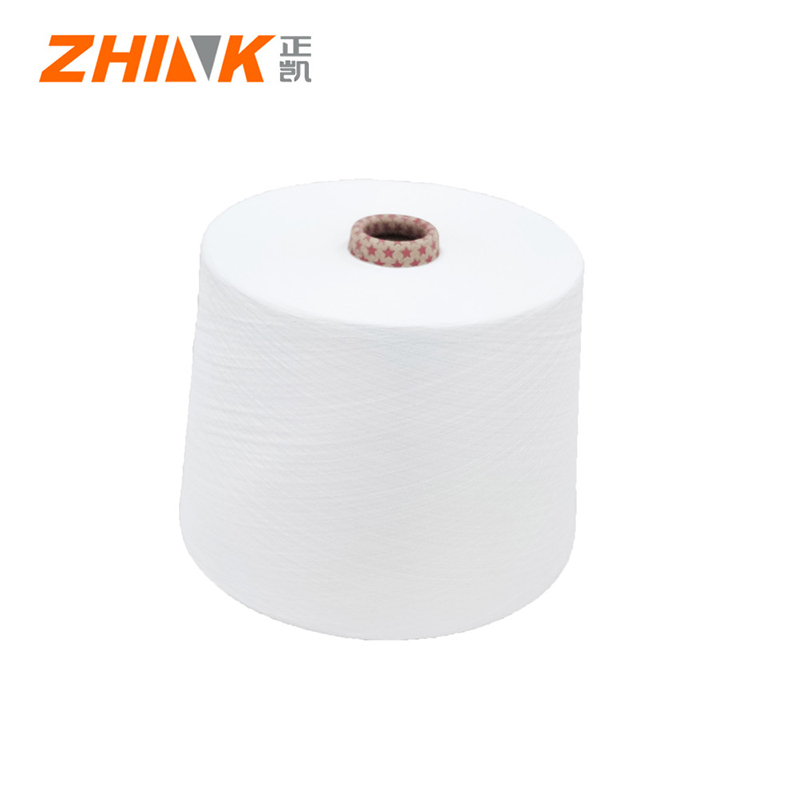
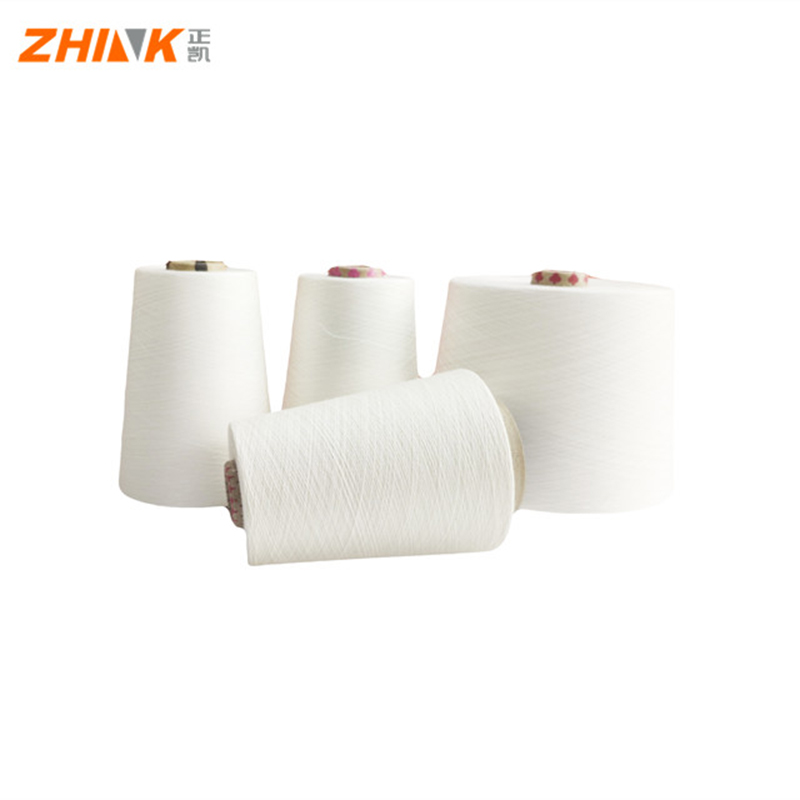
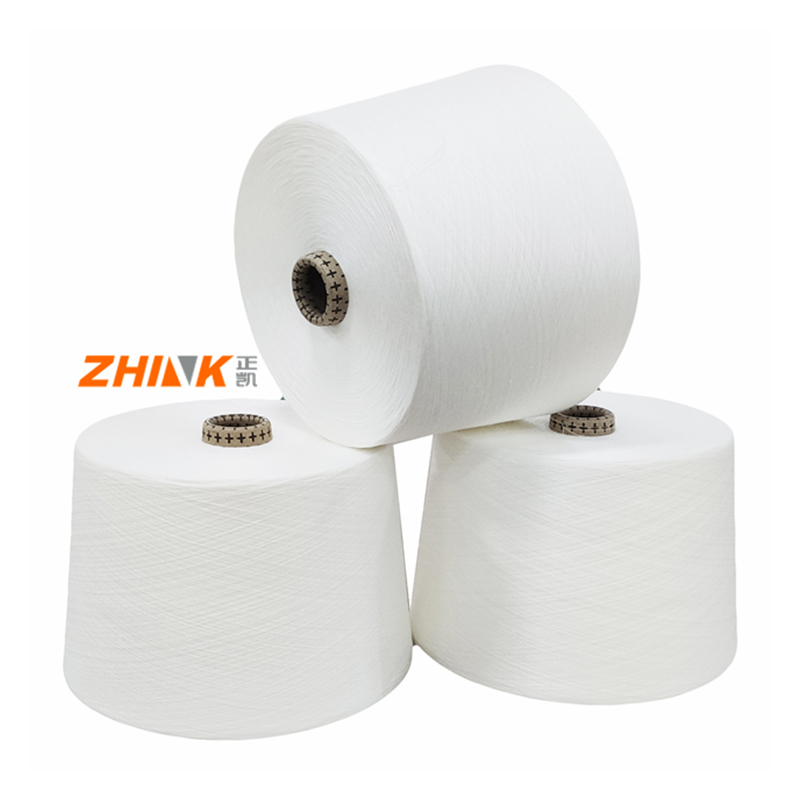
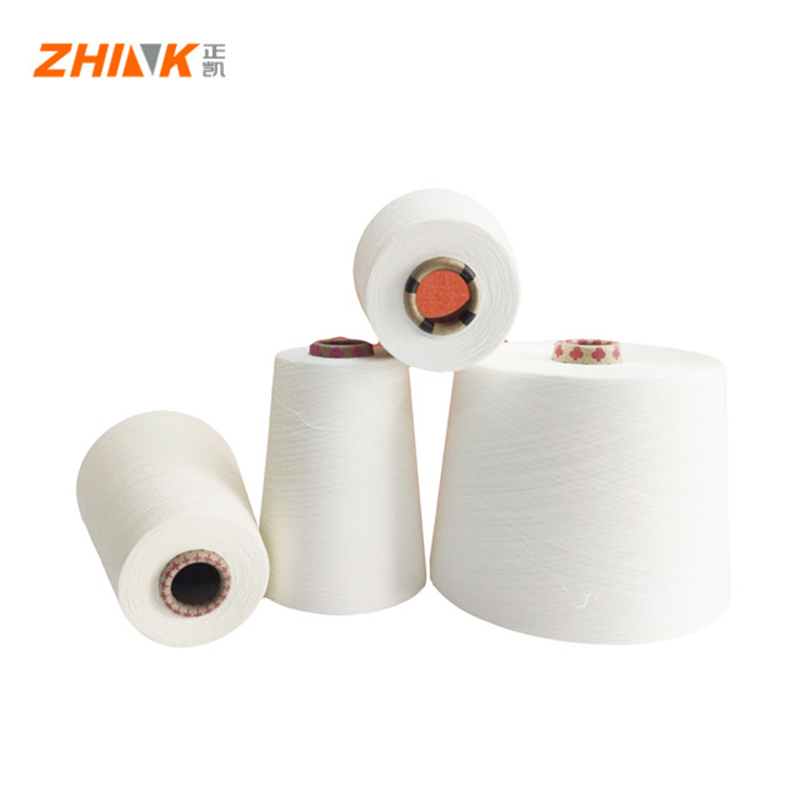
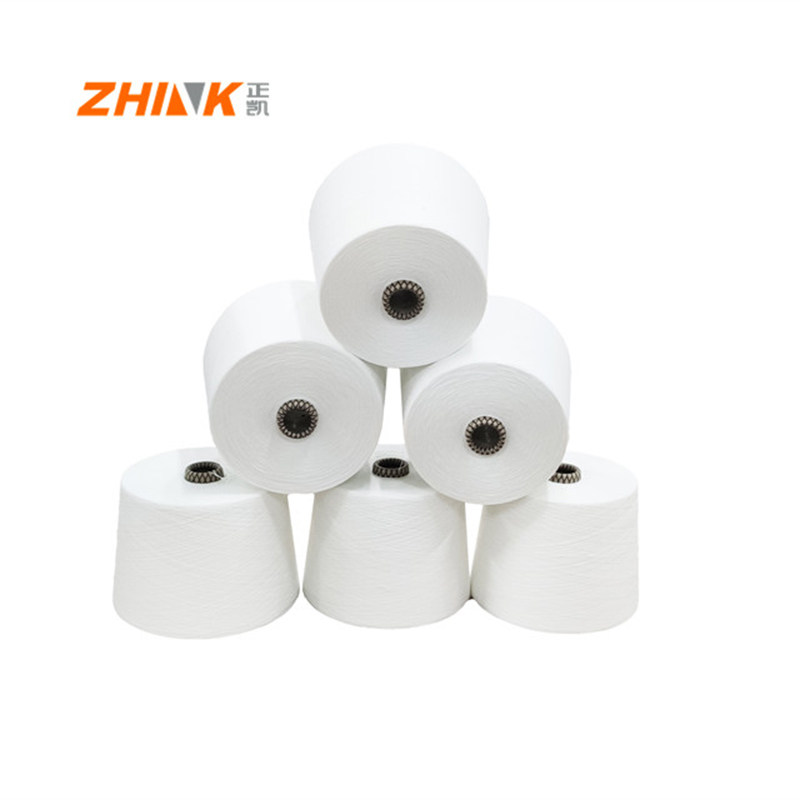
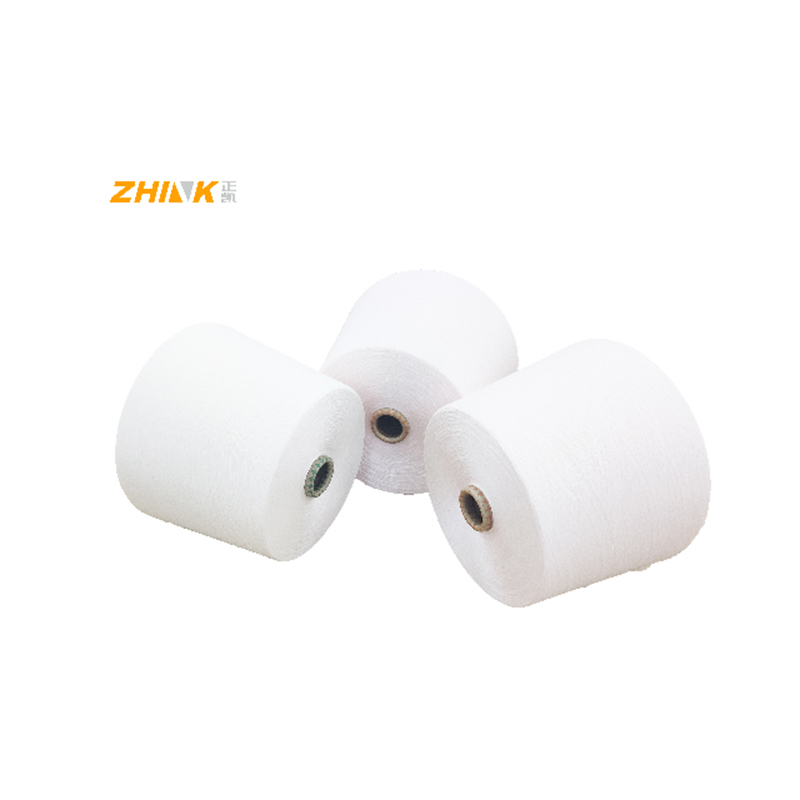
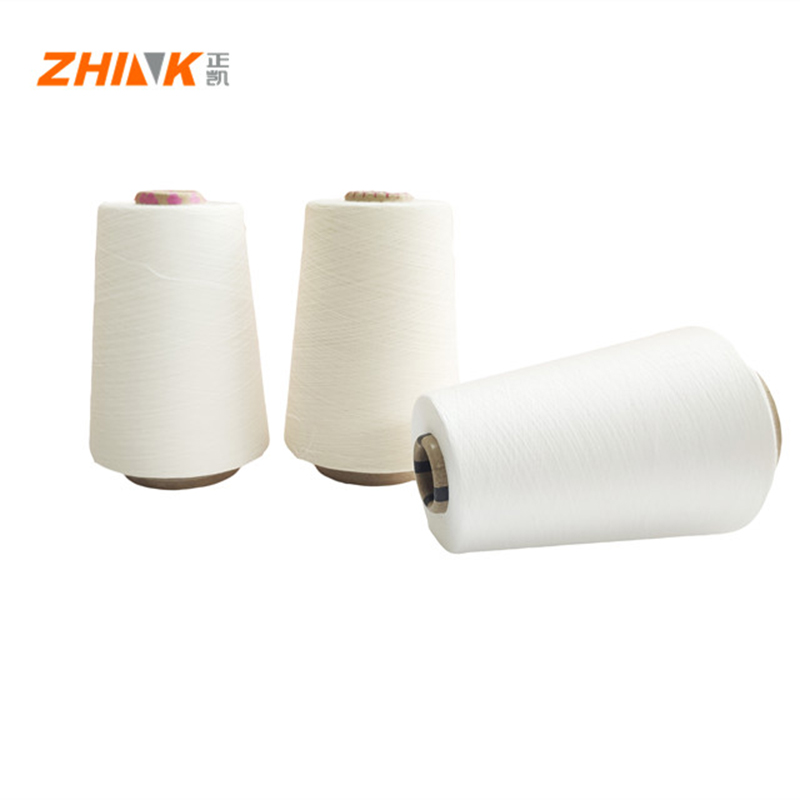
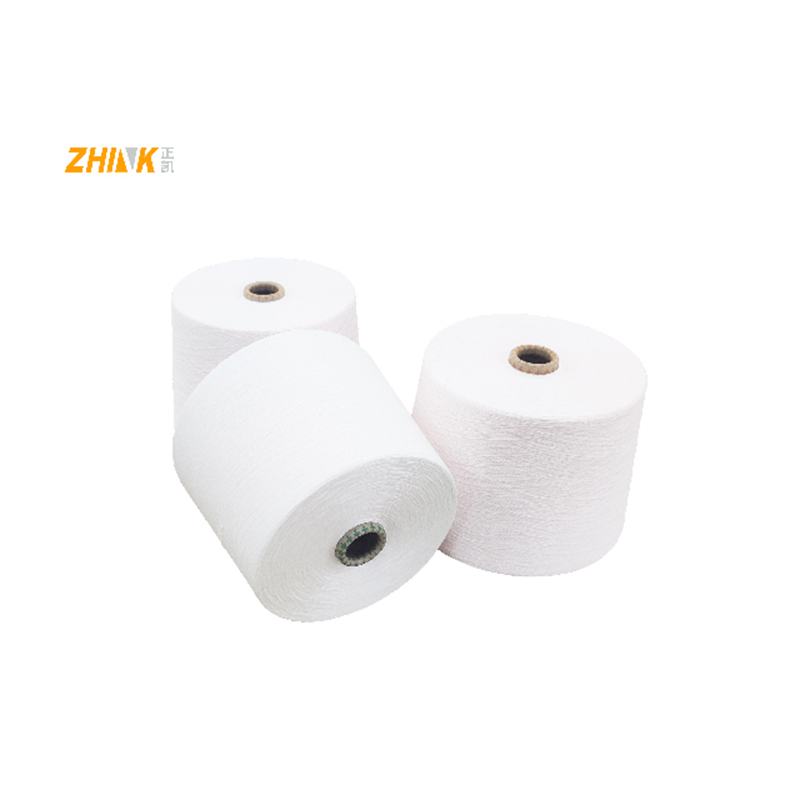
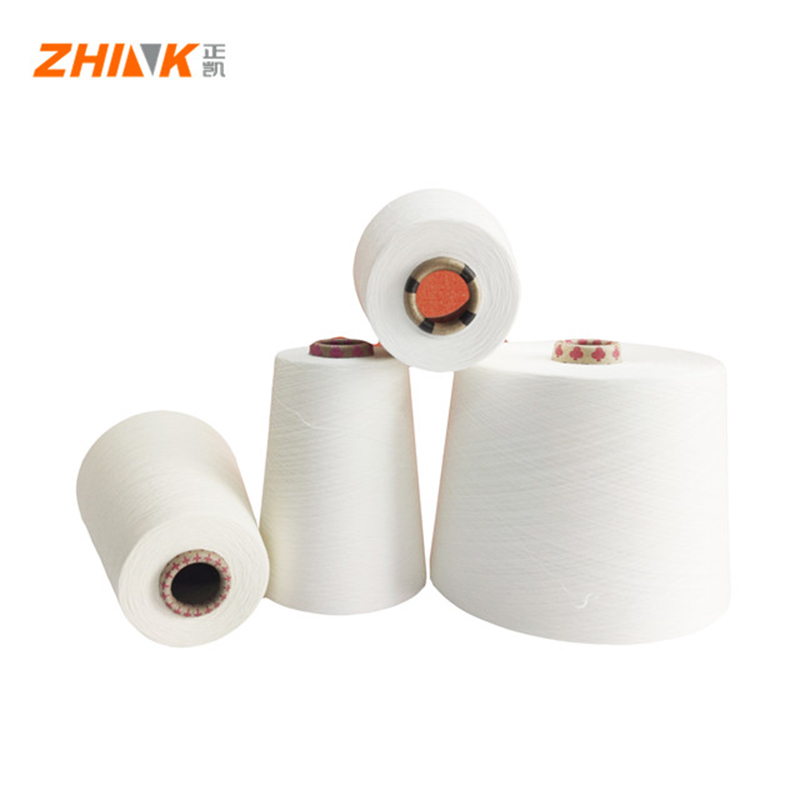
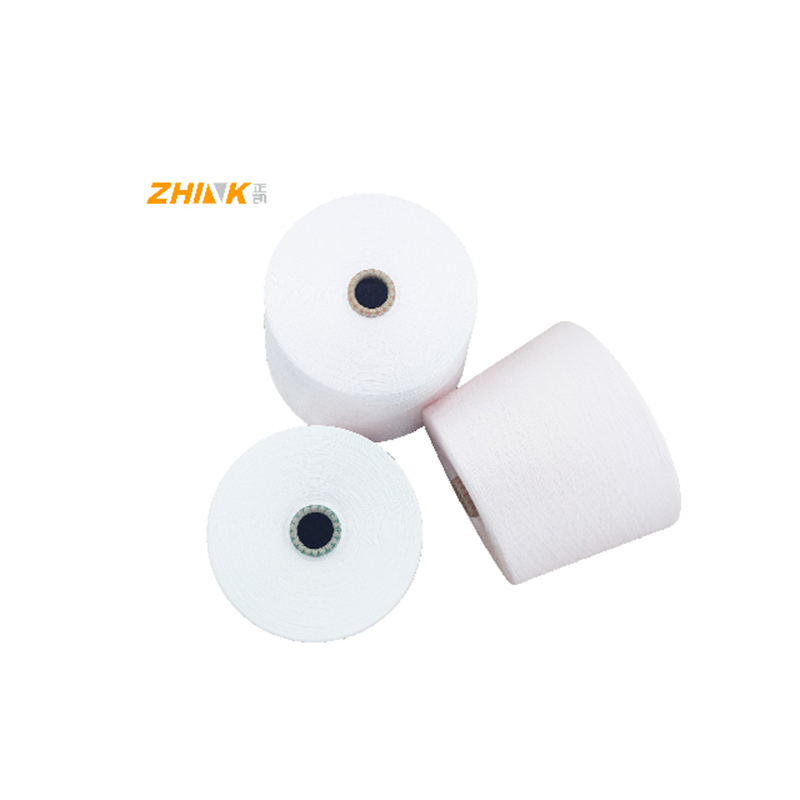
Bulk acrylic/viscose ring spun yarn
The Intricacies of Bulk Acrylic/Viscose Ring Spun Yarn
When discussing Bulk acrylic/viscose ring spun yarn, many in the industry might not immediately grasp the nuances that differentiate it from other types of yarn. There's a tangible quality to this yarn that sets the tone for its versatility and widespread usage across various textile sectors. Here, I'll break down some of the finer points and share experiences that go beyond the textbook definitions.
Understanding the Blend
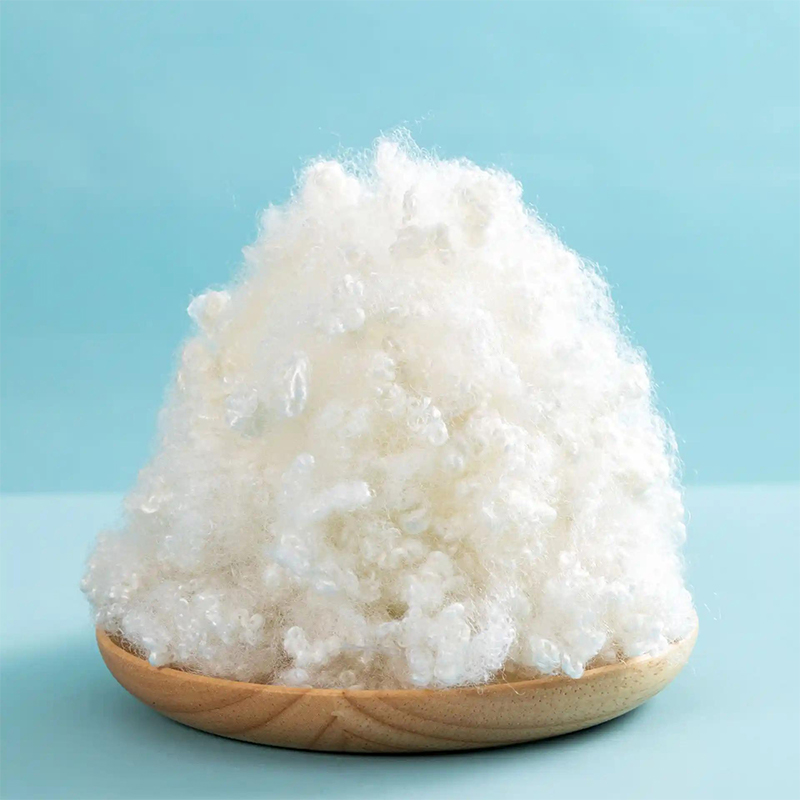
The combination of acrylic and viscose in ring spun yarn offers unique benefits. Acrylic, known for its lightweight and warm characteristics, complements viscose's soft and silk-like finish. Together, they create a yarn that isn't just durable but also drapes beautifully. It's something that becomes apparent when you’re handling textiles that feel both luxurious and robust.
This blend has caught the eye of many in the fashion industry, where the feel and flow of a fabric can define a collection. However, achieving the right balance isn't always straightforward. There were times when the end product didn't meet expectations because the ratio was slightly off, affecting texture and strength. It's a delicate dance of chemistry and creative intuition.
Production processes also contribute significantly. At SHANDONG ZHINK NEW MATERIAL CO., LTD, their approach involves meticulous attention to detail, ensuring the highest quality of yarn. I’ve seen firsthand how slight adjustments in the spinning process can either enhance or detract from the yarn’s final characteristics.
The Art of Ring Spinning
There's something almost meditative about the ring spinning process, which is employed to produce this yarn blend. Unlike rotor spinning, ring spinning involves twisting the fibers as they’re drawn out, resulting in finer, stronger yarn. This method imparts that silky touch to Bulk acrylic/viscose ring spun yarn that so many textile manufacturers, including those at https://www.zhinkyarn.com, seek.
During my time observing production lines, it became clear that while the machinery might do the heavy lifting, the real skill lies in calibrating those machines. Even slight changes in spindle speed can alter the yarn’s texture. I recall a particular instance where an increase in tension led to an unexpectedly tight yarn, which required a recalibration to return to the desired softness.
The finesse of this process isn't just an engineering feat but a testament to human ingenuity. You learn quickly that there’s no universal setting—every batch might require its own approach, a fact that keeps even seasoned technicians on their toes.
Practical Applications
In practice, the applications of this yarn blend are wide-ranging. From high-end garments to everyday wear, its balance of comfort and durability makes it a popular choice. There’s a project where we were tasked with developing a line of winter apparel. The challenge was ensuring warmth without compromising on style, a feat achieved by using this yarn.
Interestingly, the breathability of viscose combined with the warmth of acrylic provided a solution that was both functional and fashionable. It’s the kind of outcome that makes the hard work worth it and illustrates why this yarn is favored in various market segments.
However, there were hurdles. A memorable one involved colorfastness—ensuring that the vibrant shades didn’t fade over time. Using enhanced dyeing techniques, we managed to lock in the colors, an innovation that again highlighted the importance of adapting your methods to the material at hand.
Market Dynamics
Currently, the market for yarn is undergoing shifts, with sustainability playing a crucial role. At SHANDONG ZHINK NEW MATERIAL CO., LTD, there’s been a push towards eco-friendly production methods, which is an exciting development. I’ve observed how the demand for recycled or sustainably sourced materials is influencing design decisions right from inception.
This transition isn’t without its challenges. There’s a constant need to balance quality with environmental considerations. Yet, when you find that sweet spot, the resulting product doesn’t just meet needs—it exceeds them. The development of more sustainable versions of Bulk acrylic/viscose ring spun yarn is a testament to this ongoing commitment.
The market responds positively to these changes, which reflects a broader awareness that consumers today are more informed and conscientious than ever. This shift is something everyone in textiles is learning to navigate.
The Future Outlook
Looking ahead, the evolution of Bulk acrylic/viscose ring spun yarn seems promising. With growing interest in innovative blends and sustainable practices, there's an anticipation for what's next. Companies like Zhink New Material are at the forefront, exploring new territories and driving change in an industry that’s as dynamic as the materials it produces.
Ultimately, mastering this yarn blend involves a combination of science, art, and intuition. Each project offers new lessons, and the landscape is ever-changing. The joy of working with such materials lies in the constant learning curve and the satisfaction of creating something tangible, something that speaks to the skills and knowledge poured into it.
For those invested in the world of textiles, Bulk acrylic/viscose ring spun yarn remains a staple worth exploring, pushing boundaries while ensuring familiarity remains at the core of its appeal.
Related Products
Related Products