+86-632-3621866
- Chinese
- French
- German
- Portuguese
- Spanish
- Russian
- Japanese
- Korean
- Arabic
- Irish
- Greek
- Turkish
- Italian
- Danish
- Romanian
- Indonesian
- Czech
- Afrikaans
- Swedish
- Polish
- Basque
- Catalan
- Esperanto
- Hindi
- Lao
- Albanian
- Amharic
- Armenian
- Azerbaijani
- Belarusian
- Bengali
- Bosnian
- Bulgarian
- Cebuano
- Chichewa
- Corsican
- Croatian
- Dutch
- Estonian
- Filipino
- Finnish
- Frisian
- Galician
- Georgian
- Gujarati
- Haitian
- Hausa
- Hawaiian
- Hebrew
- Hmong
- Hungarian
- Icelandic
- Igbo
- Javanese
- Kannada
- Kazakh
- Khmer
- Kurdish
- Kyrgyz
- Latin
- Latvian
- Lithuanian
- Luxembou..
- Macedonian
- Malagasy
- Malay
- Malayalam
- Maltese
- Maori
- Marathi
- Mongolian
- Burmese
- Nepali
- Norwegian
- Pashto
- Persian
- Punjabi
- Serbian
- Sesotho
- Sinhala
- Slovak
- Slovenian
- Somali
- Samoan
- Scots Gaelic
- Shona
- Sindhi
- Sundanese
- Swahili
- Tajik
- Tamil
- Telugu
- Thai
- Ukrainian
- Urdu
- Uzbek
- Vietnamese
- Welsh
- Xhosa
- Yiddish
- Yoruba
- Zulu
- Kinyarwanda
- Tatar
- Oriya
- Turkmen
- Uyghur


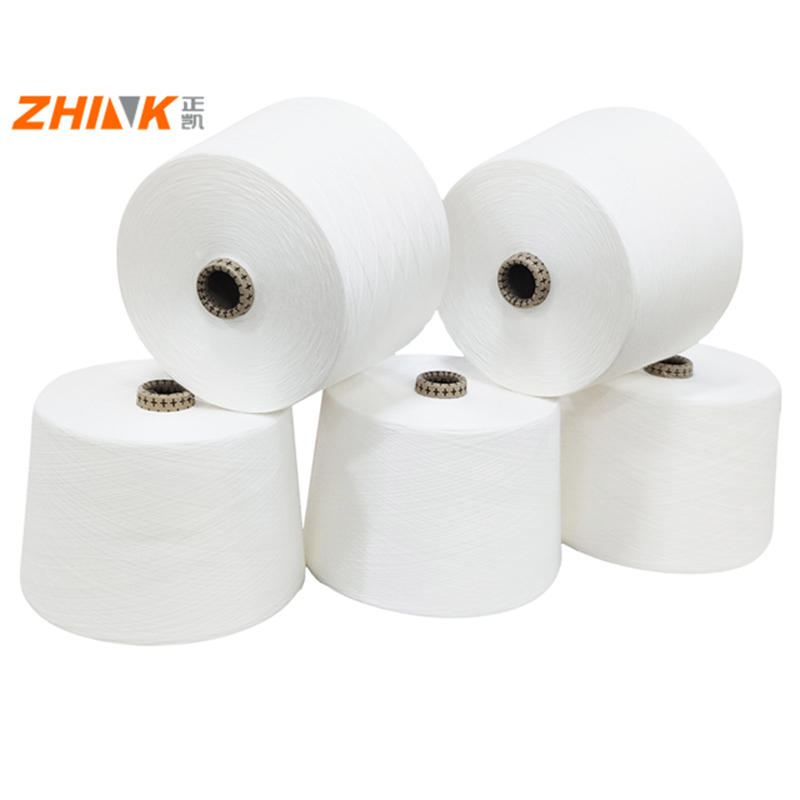
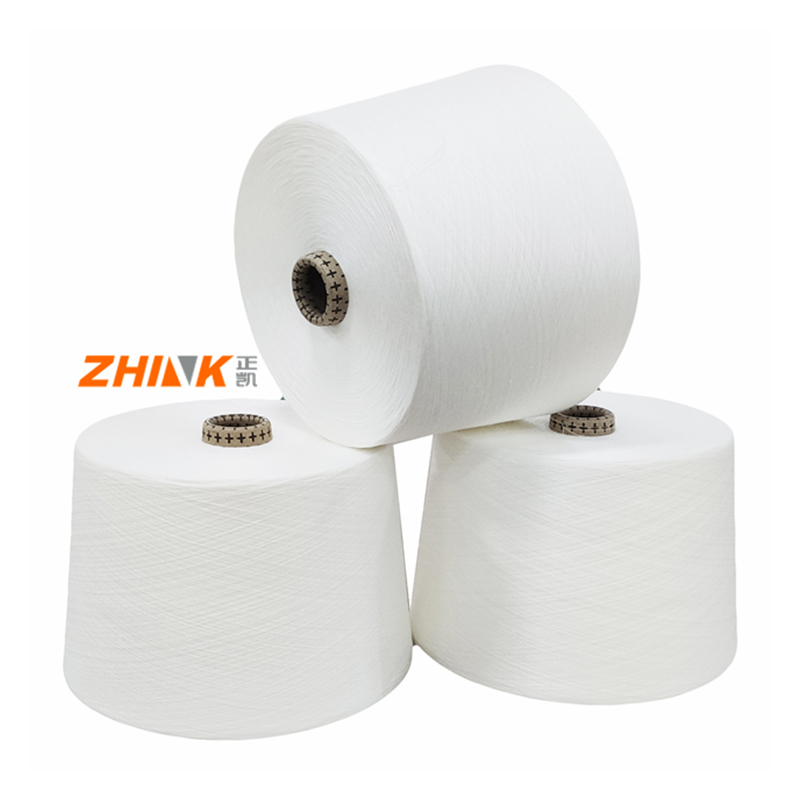
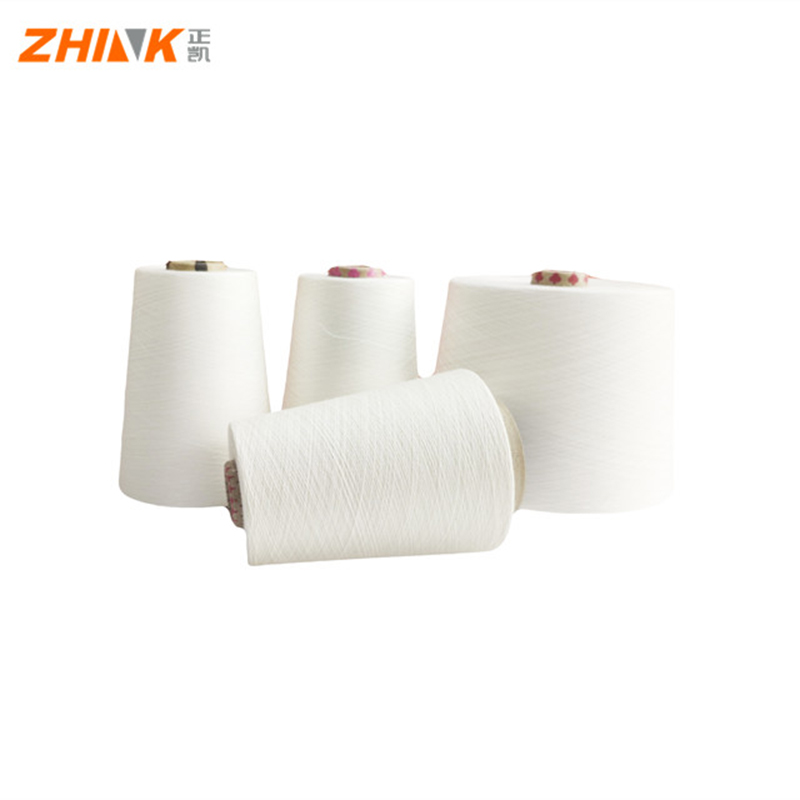
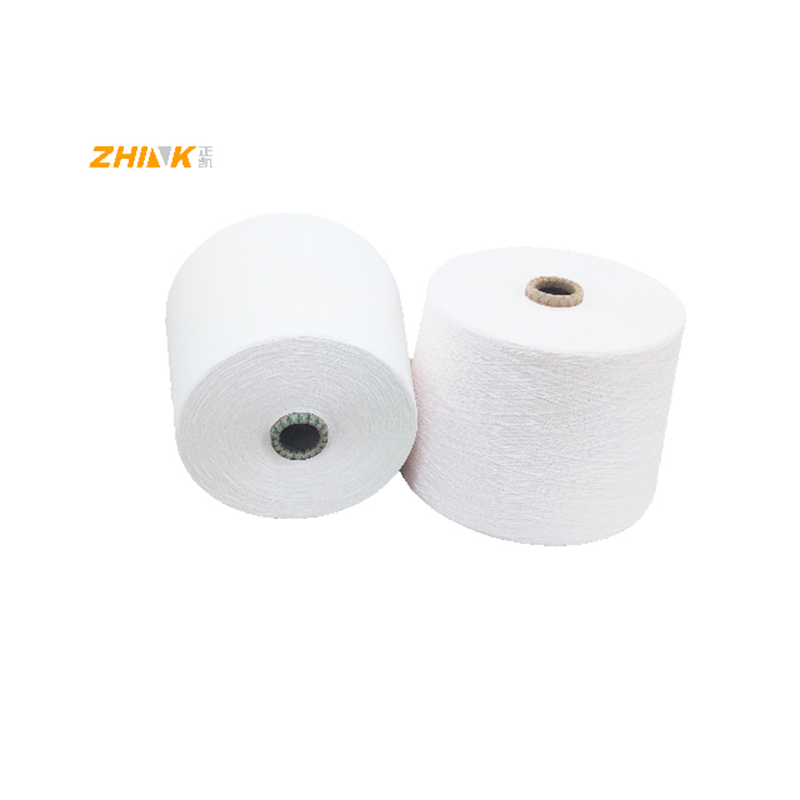
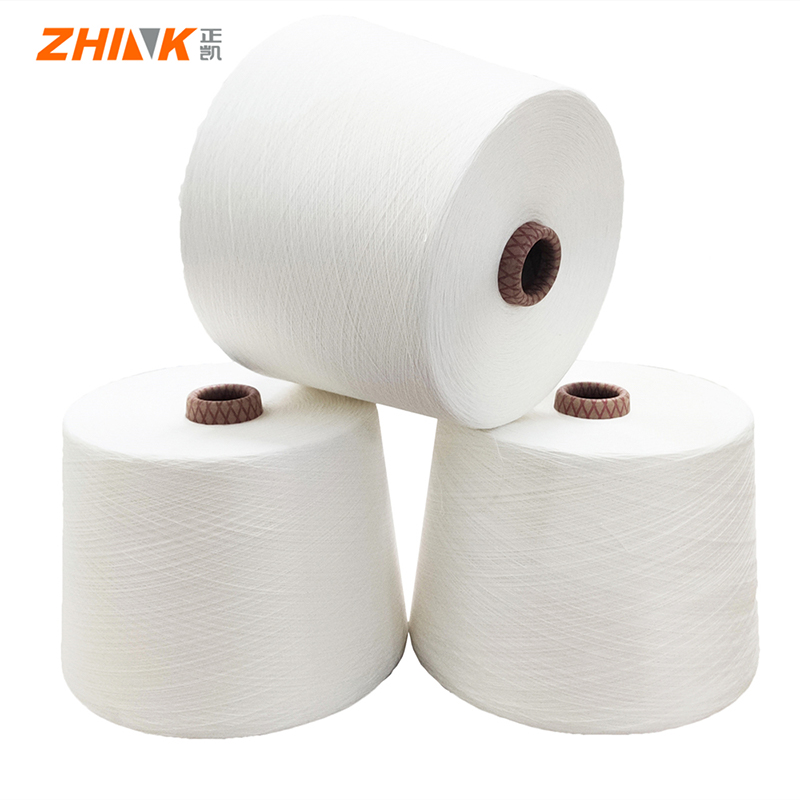
Bulk acrylic/viscose vortex yarn
Exploring Bulk Acrylic/Viscose Vortex Yarn
Bulk acrylic/viscose vortex yarn has made quite a stir in the textile industry in recent years. As with any emerging technology, there are misconceptions and questions about its practicality. Having spent years navigating the intricate weave of yarn production, the transition to this innovative fiber blend wasn’t as straightforward as some might hope.
Understanding the Basics
The blend of acrylic and viscose in a vortex yarn combines the strengths of both materials. Acrylic brings durability and warmth, while viscose adds softness and luster. However, achieving the right blend balance is key and can often be more art than science. The vortex spinning technology enhances the properties of both fibers, offering potential benefits in terms of texture and performance.
Many in the industry, especially those accustomed to conventional spinning methods, initially approach this with skepticism. But firsthand experience reveals its ability to produce a yarn that’s not only aesthetically pleasing but incredibly versatile. The process may appear complex, yet it’s formulated to enhance production efficiency and quality.
Working with new materials and technologies often presents unexpected challenges. In our own attempts at SHANDONG ZHINK NEW MATERIAL CO., LTD, initial trials were rife with learning curves—efficiently blending the fibers without compromising integrity took multiple iterations.
The Technology Behind the Yarn
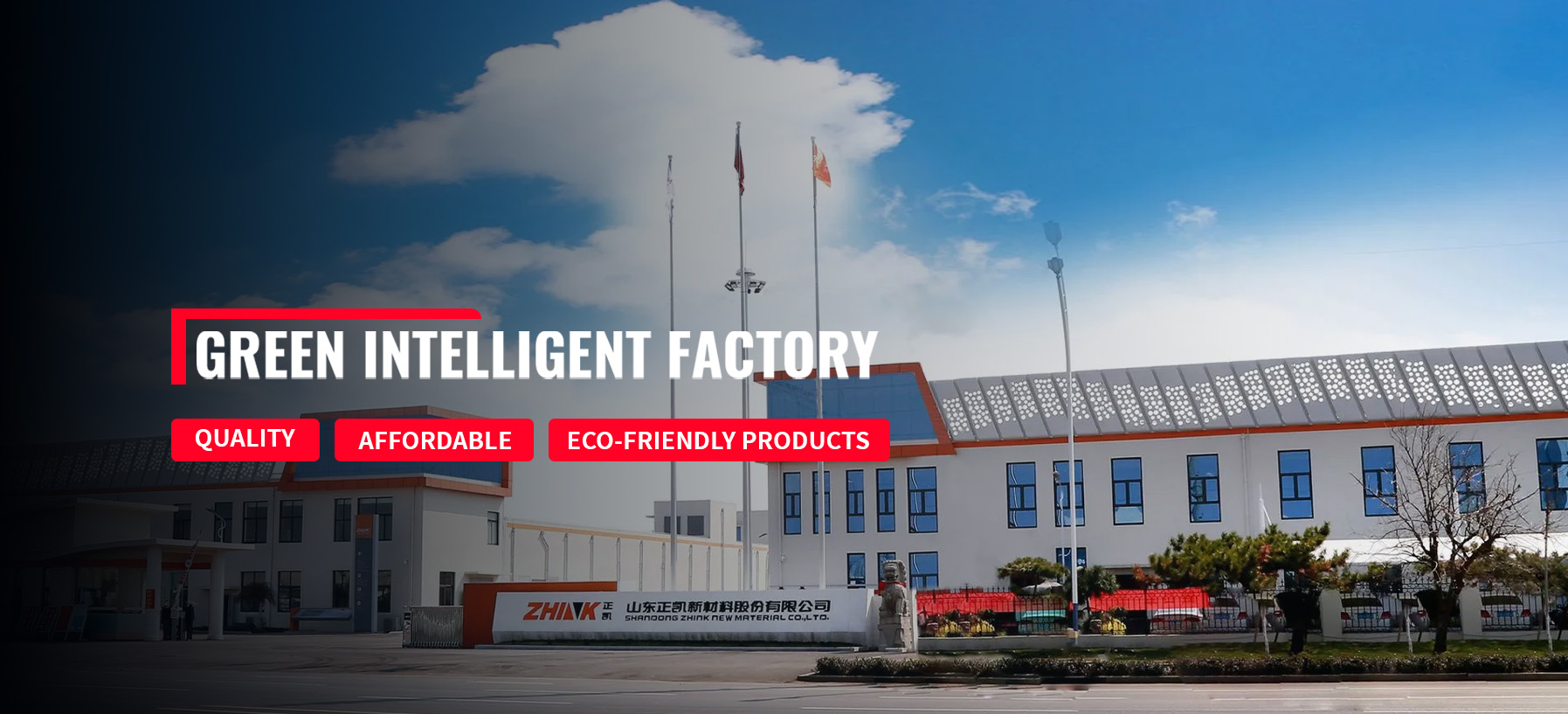
Vortex spinning itself is a unique process. Unlike traditional ring spinning, which involves twisting the fibers, vortex spinning sends the fibers through an air jet, which twists them into yarn. This technique involves a finer understanding of machinery and airflow dynamics, necessitating hands-on experience to master. Our facilities at Zhink New Material, which you can explore further at our website, are equipped to handle these nuances.
The result is a bulk yarn with reduced hairiness, improved uniformity, and enhanced strength. This perfecting process isn’t without trials; the delicate balance of airflow, speed, and fiber quality often finds itself in flux, requiring constant monitoring and tweaking.
Every yarn batch is like conducting a small-scale experiment, with each cycle yielding new insights. It becomes a practice of persistence and adaptability, qualities any textile professional will attest to being invaluable.
Applications in Industry
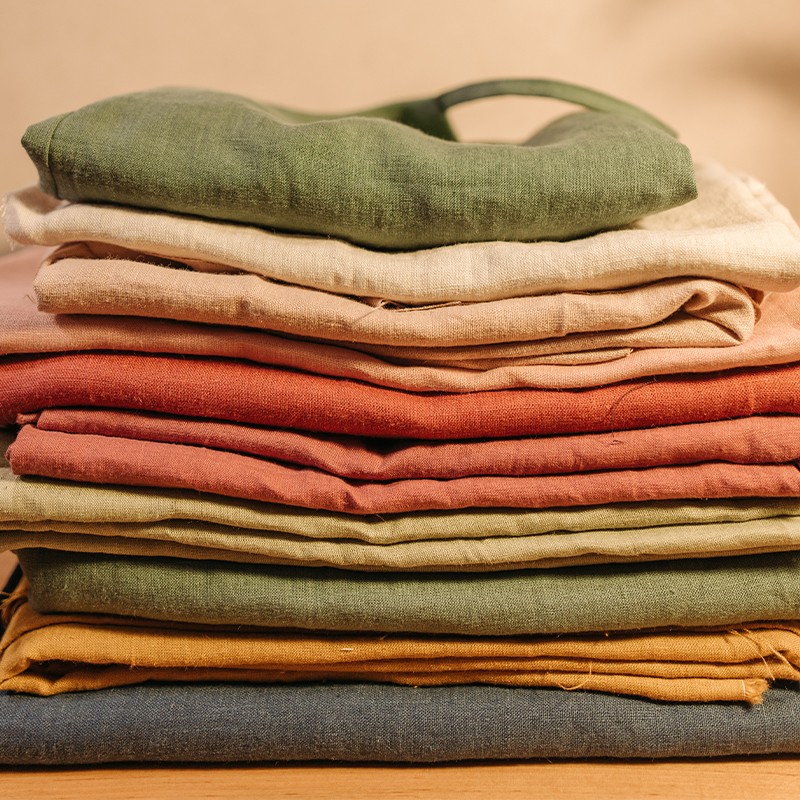
The diverse range of uses for bulk acrylic/viscose vortex yarn continues to expand. It’s becoming a go-to choice for high-quality apparel and home textiles. The blend’s characteristics allow for a fabric that drapes well, feels soft against the skin, and maintains shape over time.
We've begun incorporating this into lines that demand a balance of comfort and durability, such as travel wear and upscale casual clothing. However, it’s crucial to remain realistic about expectations. There’s a period of adjustment needed for manufacturers unaccustomed to vortex yarn’s unique properties.
Feedback from clients often indicates a noticeable improvement in fabric feel and wearability, a testament to the effectiveness of this innovative yarn.
Challenges and Solutions
Of course, the journey isn’t void of obstacles. Each textile manufacturer may encounter different hurdles based on existing infrastructure and expertise. For us, an initial challenge was integrating vortex spinning within existing production lines without disrupting output. It required revisiting operator training and recalibrating equipment.
Another common issue is the cost factor. Developing new systems can be a significant investment. However, with careful planning and phased implementation, costs can be managed effectively. Our evolving processes at SHANDONG ZHINK offer insights into how these hurdles can be overcome.
In practice, client education on the benefits of switching to vortex yarn has also been integral to our success. Regular feedback loops ensure we refine our methods and approaches continually.
Future Perspectives
The future of bulk acrylic/viscose vortex yarn is promising. As more companies like ours delve deeper into research and development, the potential for innovation grows. At Zhink New Material, we are constantly evaluating ways to enhance these yarns, bringing new textures and functionalities to market.
It’s an ongoing evolution—like a tapestry being woven thread by thread. There are always new techniques and combinations to explore, a challenge we find invigorating. The emphasis remains on creating yarns that meet contemporary demands while staying ahead of the curve.
Looking forward, collaborations within the industry, such as through strategic partnerships and sharing of best practices, will likely propel advancements. Keeping communication open with fellow industry players can provide a broader perspective on what’s possible, ensuring the continued relevance of our efforts in textile innovation.
Related Products
Related Products