+86-632-3621866
- Chinese
- French
- German
- Portuguese
- Spanish
- Russian
- Japanese
- Korean
- Arabic
- Irish
- Greek
- Turkish
- Italian
- Danish
- Romanian
- Indonesian
- Czech
- Afrikaans
- Swedish
- Polish
- Basque
- Catalan
- Esperanto
- Hindi
- Lao
- Albanian
- Amharic
- Armenian
- Azerbaijani
- Belarusian
- Bengali
- Bosnian
- Bulgarian
- Cebuano
- Chichewa
- Corsican
- Croatian
- Dutch
- Estonian
- Filipino
- Finnish
- Frisian
- Galician
- Georgian
- Gujarati
- Haitian
- Hausa
- Hawaiian
- Hebrew
- Hmong
- Hungarian
- Icelandic
- Igbo
- Javanese
- Kannada
- Kazakh
- Khmer
- Kurdish
- Kyrgyz
- Latin
- Latvian
- Lithuanian
- Luxembou..
- Macedonian
- Malagasy
- Malay
- Malayalam
- Maltese
- Maori
- Marathi
- Mongolian
- Burmese
- Nepali
- Norwegian
- Pashto
- Persian
- Punjabi
- Serbian
- Sesotho
- Sinhala
- Slovak
- Slovenian
- Somali
- Samoan
- Scots Gaelic
- Shona
- Sindhi
- Sundanese
- Swahili
- Tajik
- Tamil
- Telugu
- Thai
- Ukrainian
- Urdu
- Uzbek
- Vietnamese
- Welsh
- Xhosa
- Yiddish
- Yoruba
- Zulu
- Kinyarwanda
- Tatar
- Oriya
- Turkmen
- Uyghur



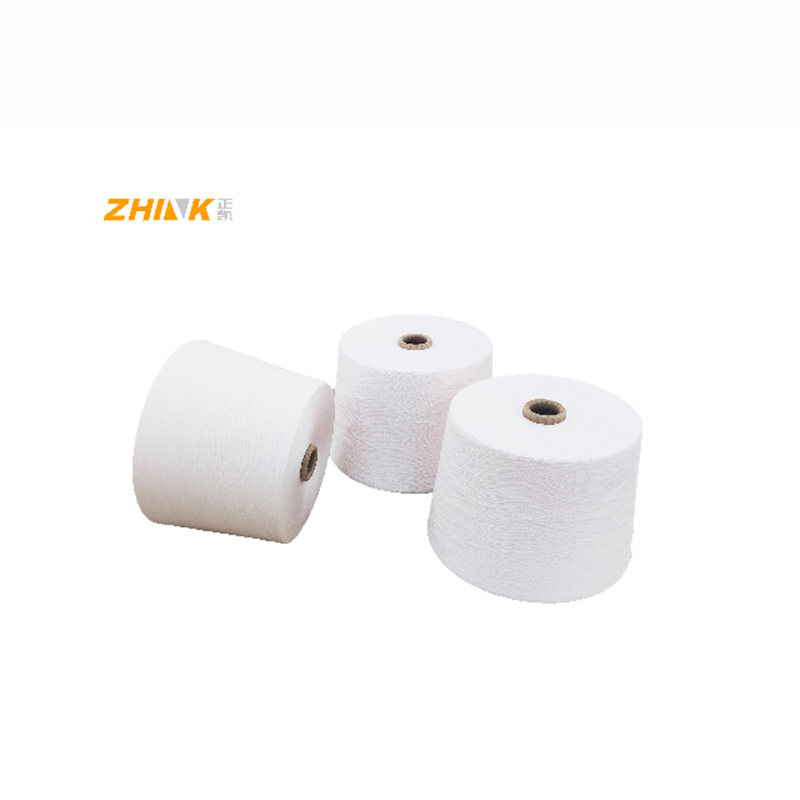
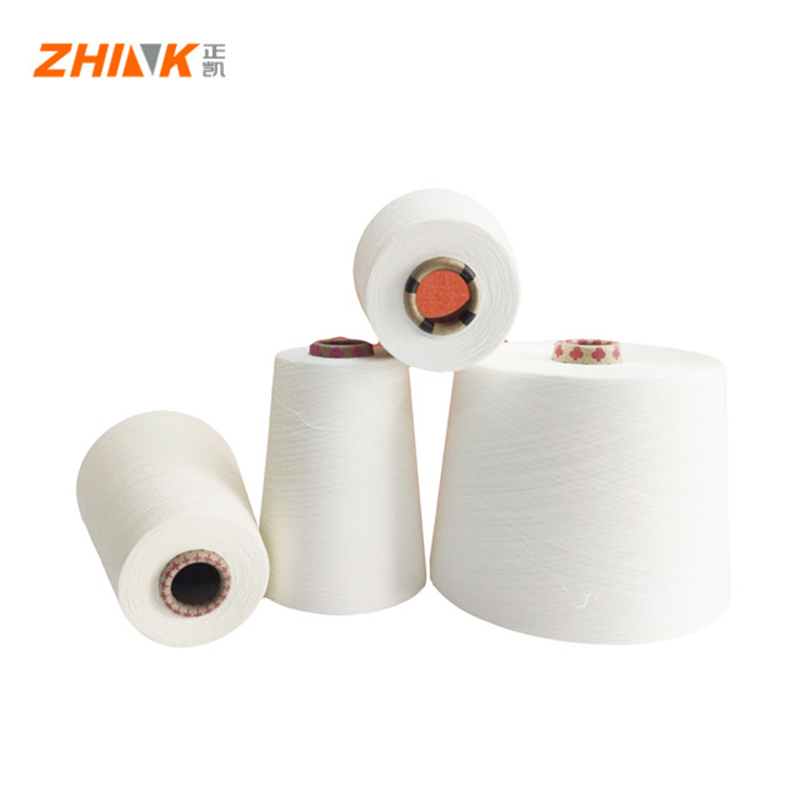
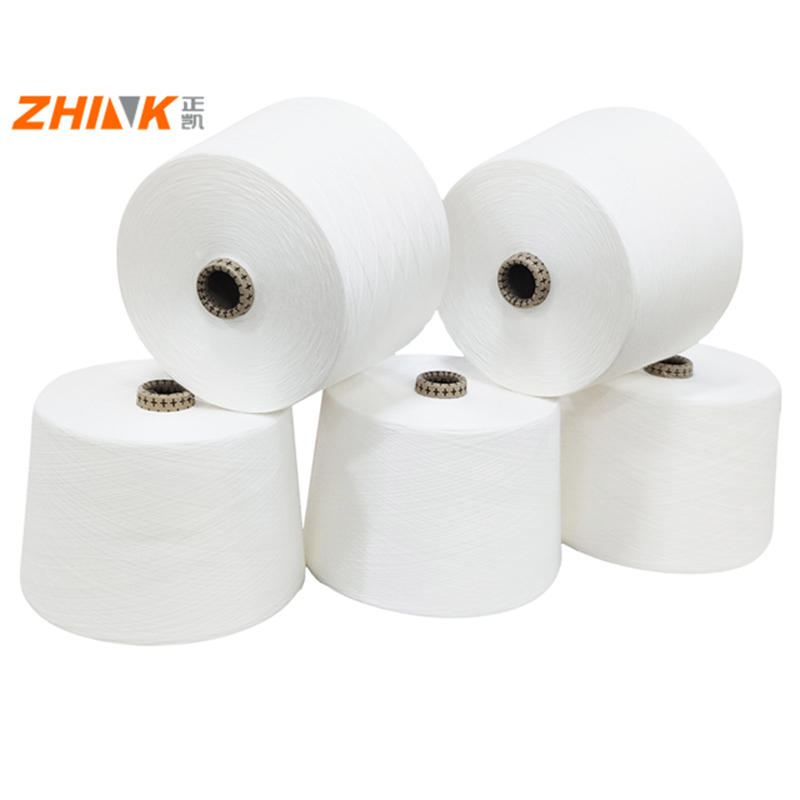
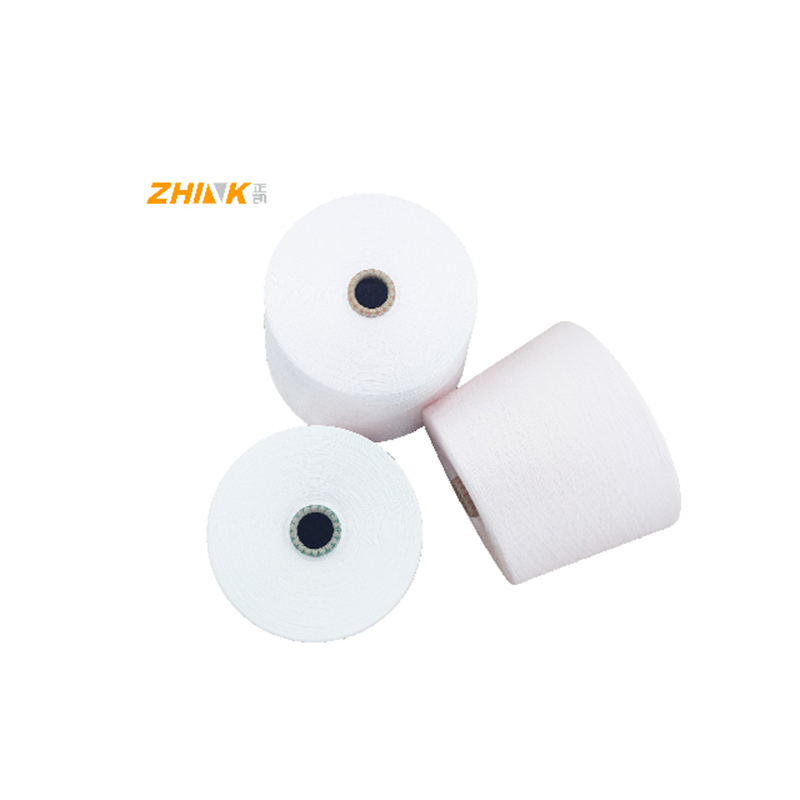
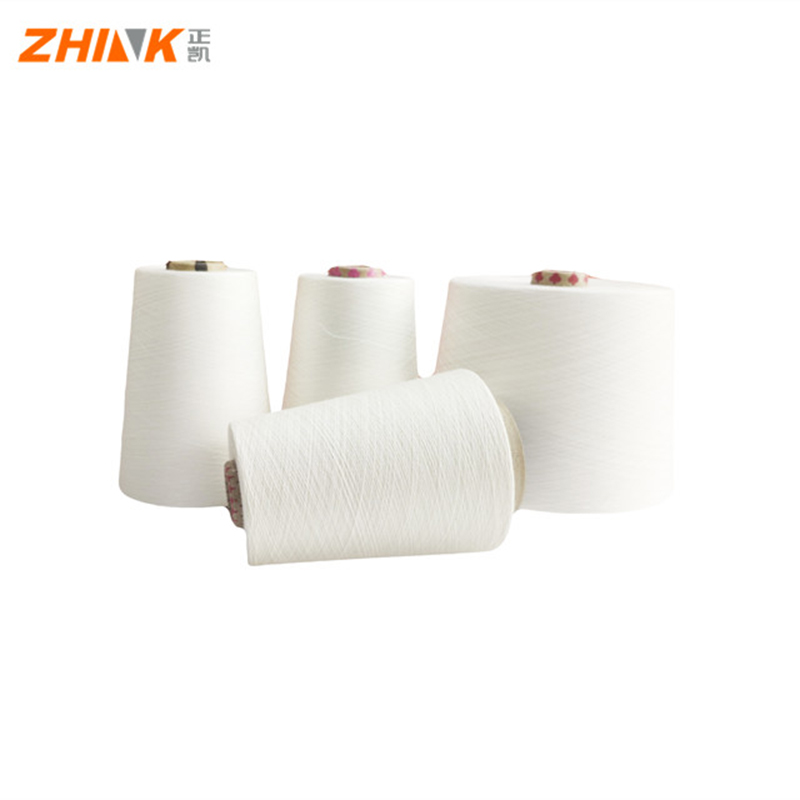
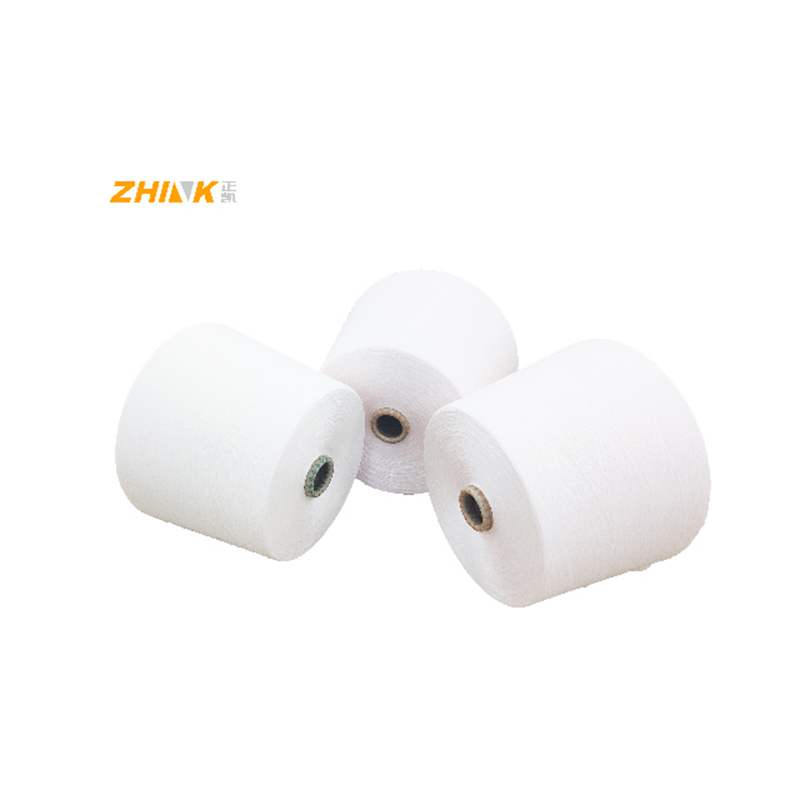
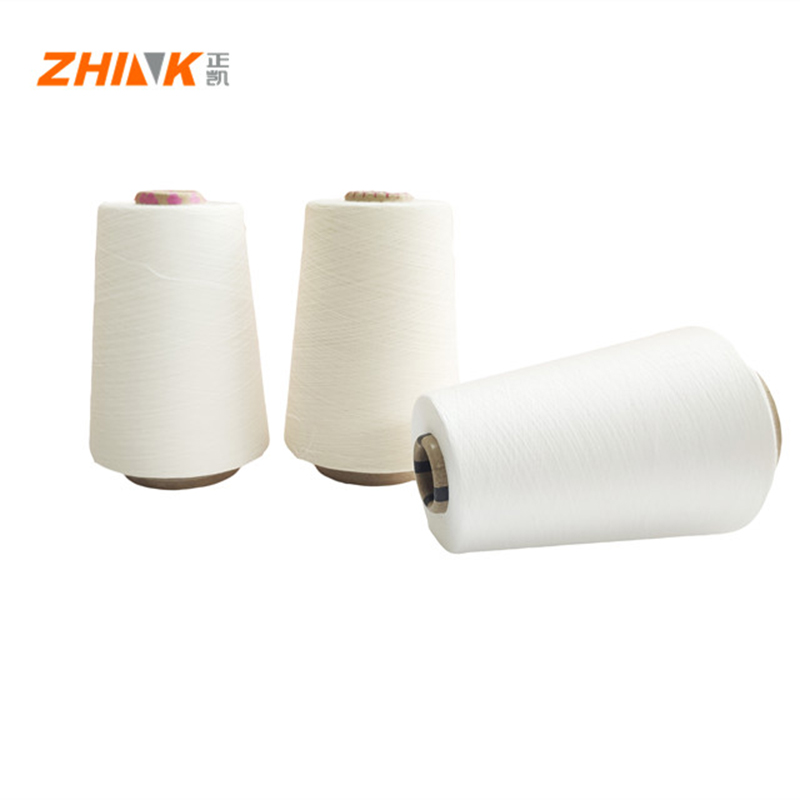
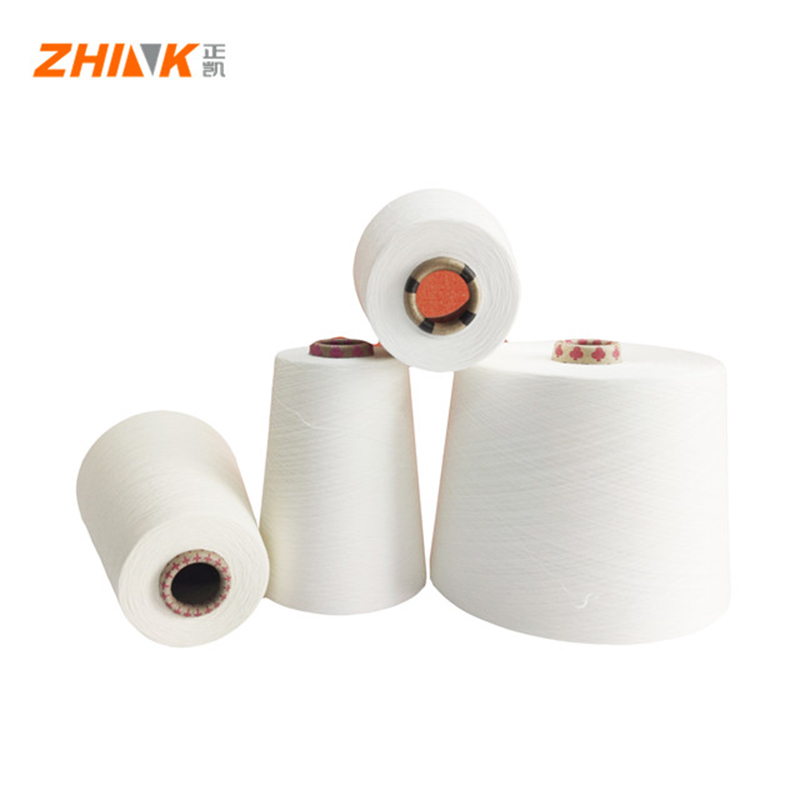
Bulk acrylic yarn for knitting
The Realities of Using Bulk Acrylic Yarn for Knitting
Choosing the right yarn can make or break your knitting project. Particularly when it comes to bulk acrylic yarn for knitting, many underestimate its potential and versatility. Here’s a closer look at how it really performs and some practical insights from my own knitting experiments.
Understanding Acrylic Yarn
Acrylic yarn often gets a bad rap, especially among seasoned knitters who relish natural fibers. Yet, its bulk acrylic yarn form has qualities worth considering. It's synthetic, yes, but don't let that stop you from appreciating its durability and wide array of colors.
I remember one project vividly—a blanket for a friend's nursery. The bulk acrylic yarn I used was not only affordable but also incredibly soft, making it ideal for a baby’s sensitive skin. Plus, its easy-care nature was a godsend for new parents.
Despite its merits, acrylic yarn does come with challenges. It’s less breathable and can pill over time, which is why I often stress the importance of thorough yarn swatching before diving into larger projects.
The Buying Experience
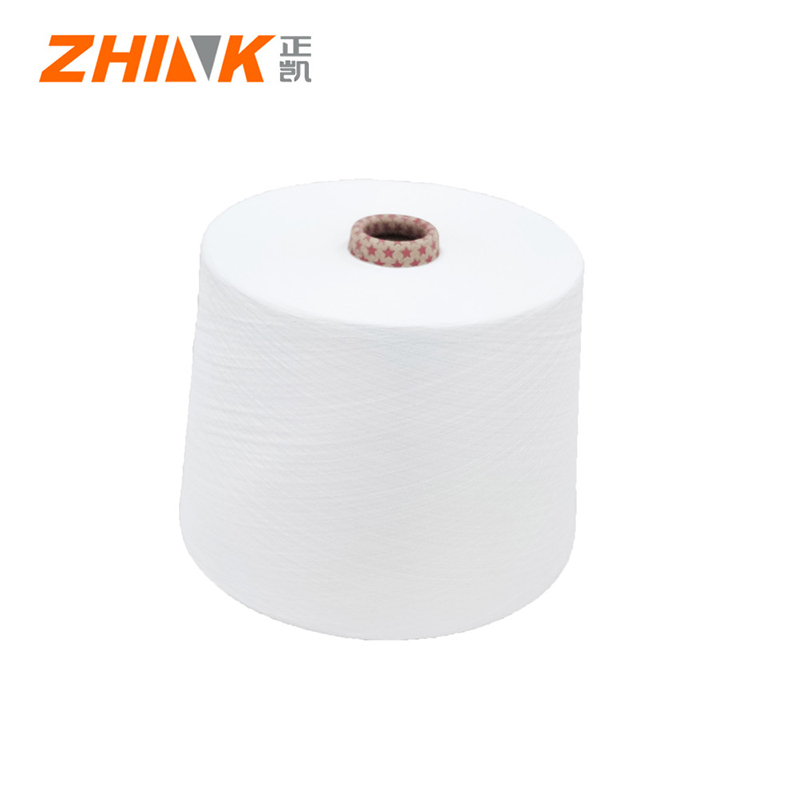
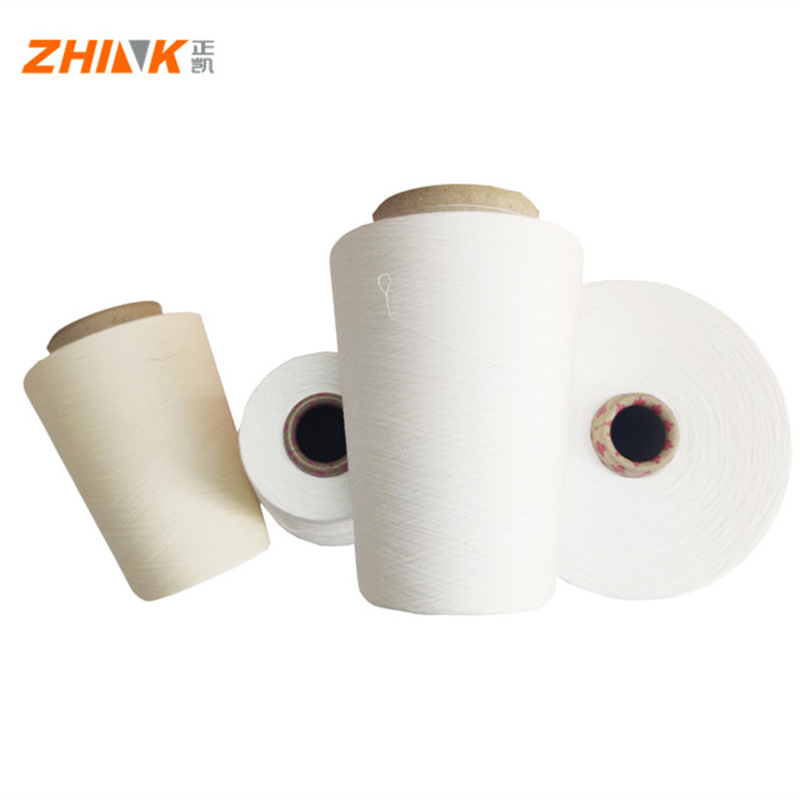
Purchasing in bulk can be daunting. Many worry about the quality and consistency when quantities increase. Companies like SHANDONG ZHINK NEW MATERIAL CO., LTD, renowned for their innovative textile solutions (you can explore them at https://www.zhinkyarn.com), have built a reputation by addressing these exact concerns.
One of my routines when buying bulk yarn is to check for color lot numbers meticulously. Trust me, it makes a world of difference, especially when you’re knitting a large piece. Even slight variations can become glaringly obvious in certain lighting.
The good news is suppliers like Zhink ensure consistency across batches, thanks to their advanced research and development practices.
Knitting Techniques and Tips
When knitting with bulk acrylic yarn, a few techniques can enhance your experience. For starters, consider using slightly larger needles. Acrylic tends to be less elastic than wool, and larger needles help maintain a good drape.
I’ve found that blocking, often skipped with acrylics, still has its place. A light steam block can help set stitches and give your finished piece a polished look, without the rigidity some expect from synthetic fibers.
And if you’re looking for texture, consider combining the acrylic with a strand of natural fiber. This hybrid approach offers structural balance and can produce surprisingly beautiful results that hold up well.
A Practical Challenge: Color Care
One recurring issue I’ve faced is color fading over time. While bulk acrylic yarn is generally more resistant to fading compared to natural fibers, proper care is vital.
Acrylic is machine washable, but I always recommend a gentle cycle and mild detergent. It’s these little precautions that pay off. Recently, a sweater I knitted over a year ago received compliments for its vibrancy—proof that diligence in yarn care doesn’t go unnoticed.
Admittedly, sunlight is an acrylic's nemesis. For long-lasting color, it’s best to store finished items away from direct sunlight, a lesson I learned after my favorite bright scarf lost its pop.
Conclusion: Is Bulk Acrylic Worth It?
Despite its detractors, bulk acrylic yarn holds a valuable place in the knitter’s arsenal. It’s accessible and versatile, ideal for projects where affordability and color are priorities.
But like any material, understanding its properties and limitations is essential. As SHANDONG ZHINK NEW MATERIAL CO., LTD shows, advances in material science are continually improving acrylic options, promising even better performance in the future.
For those open to experimentation and mindful of care techniques, acrylic yarn can indeed deliver satisfying results—without breaking the bank.
Related Products
Related Products