+86-632-3621866
- Chinese
- French
- German
- Portuguese
- Spanish
- Russian
- Japanese
- Korean
- Arabic
- Irish
- Greek
- Turkish
- Italian
- Danish
- Romanian
- Indonesian
- Czech
- Afrikaans
- Swedish
- Polish
- Basque
- Catalan
- Esperanto
- Hindi
- Lao
- Albanian
- Amharic
- Armenian
- Azerbaijani
- Belarusian
- Bengali
- Bosnian
- Bulgarian
- Cebuano
- Chichewa
- Corsican
- Croatian
- Dutch
- Estonian
- Filipino
- Finnish
- Frisian
- Galician
- Georgian
- Gujarati
- Haitian
- Hausa
- Hawaiian
- Hebrew
- Hmong
- Hungarian
- Icelandic
- Igbo
- Javanese
- Kannada
- Kazakh
- Khmer
- Kurdish
- Kyrgyz
- Latin
- Latvian
- Lithuanian
- Luxembou..
- Macedonian
- Malagasy
- Malay
- Malayalam
- Maltese
- Maori
- Marathi
- Mongolian
- Burmese
- Nepali
- Norwegian
- Pashto
- Persian
- Punjabi
- Serbian
- Sesotho
- Sinhala
- Slovak
- Slovenian
- Somali
- Samoan
- Scots Gaelic
- Shona
- Sindhi
- Sundanese
- Swahili
- Tajik
- Tamil
- Telugu
- Thai
- Ukrainian
- Urdu
- Uzbek
- Vietnamese
- Welsh
- Xhosa
- Yiddish
- Yoruba
- Zulu
- Kinyarwanda
- Tatar
- Oriya
- Turkmen
- Uyghur


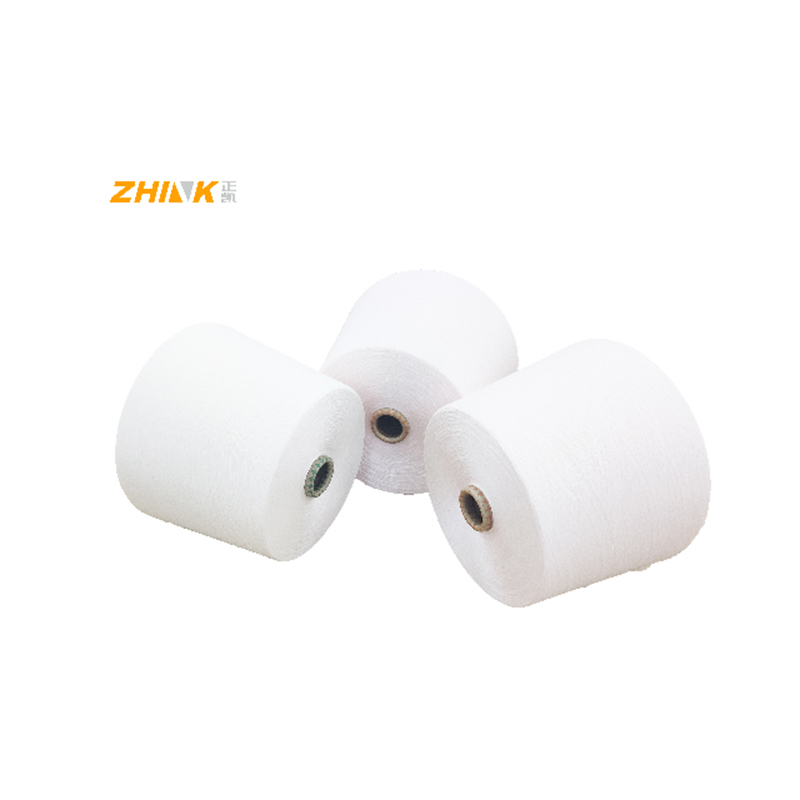
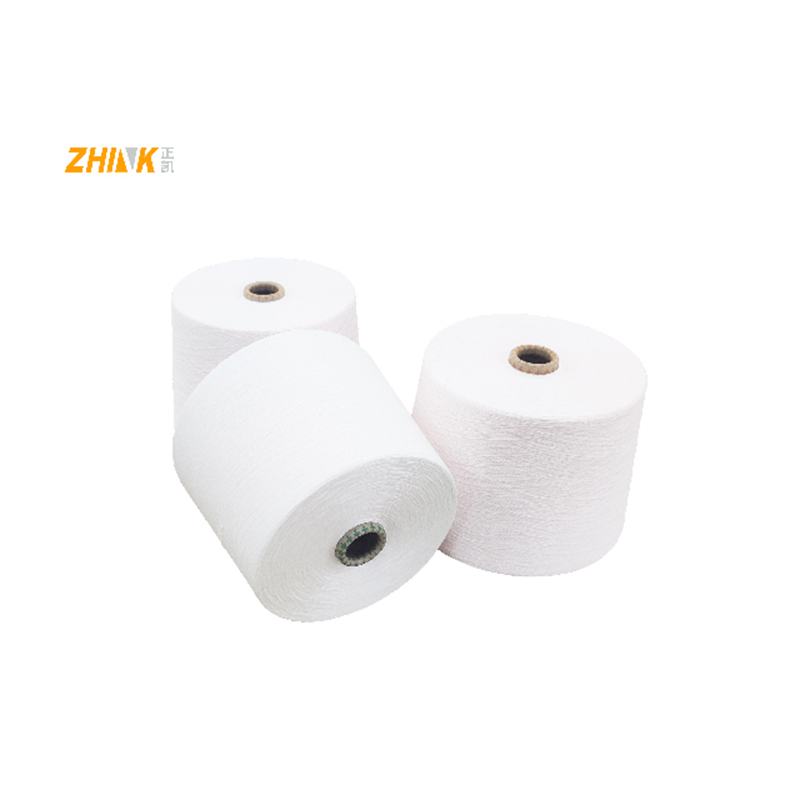
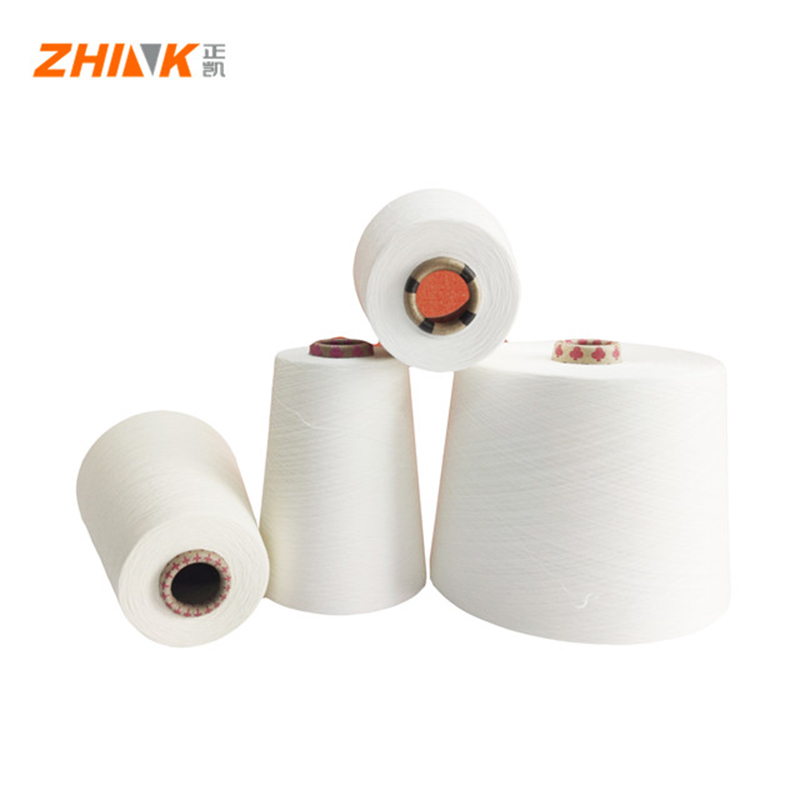
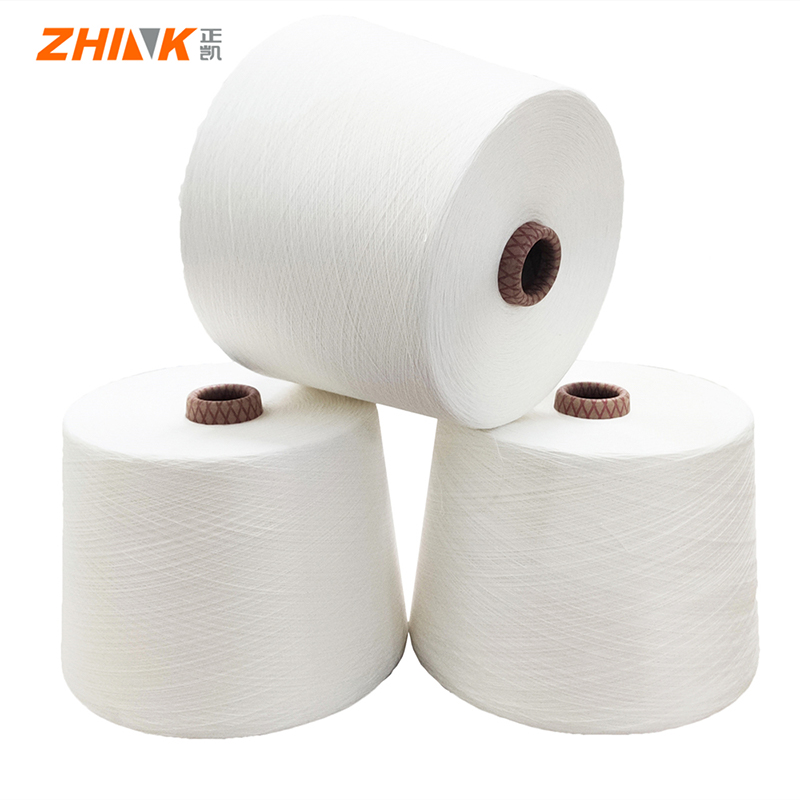
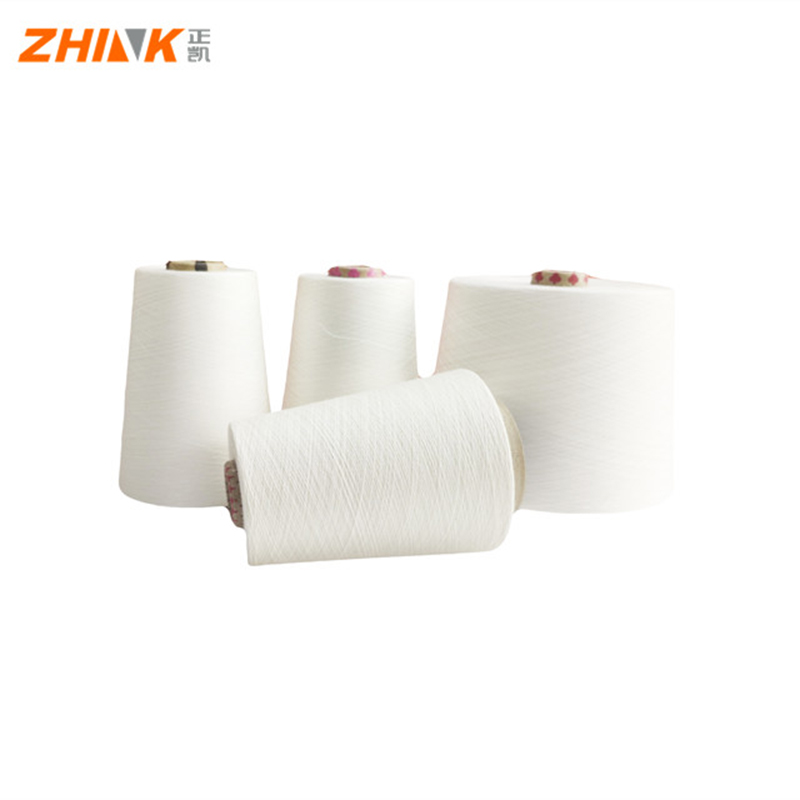
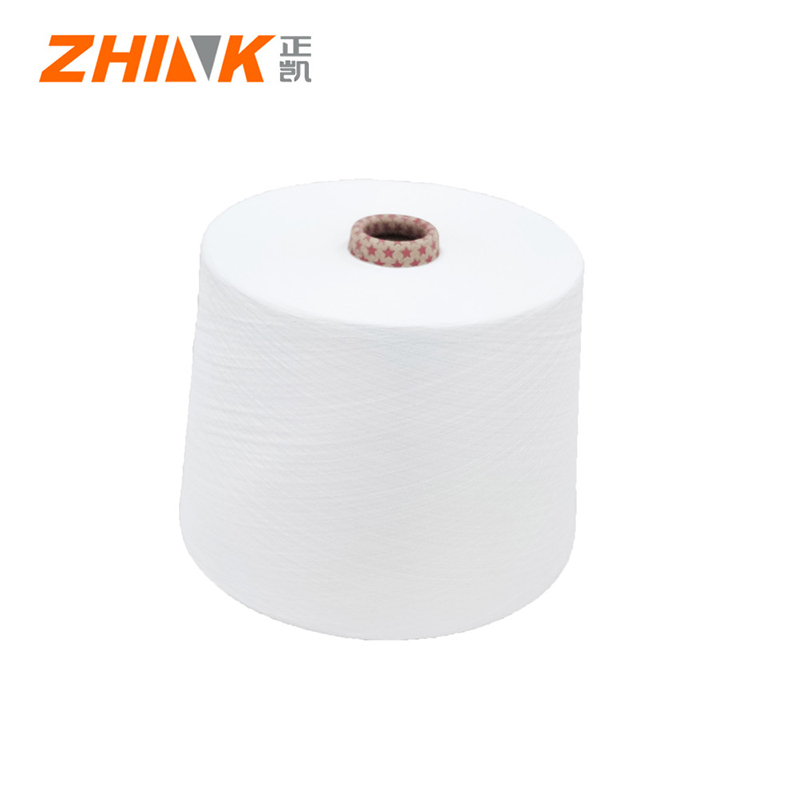
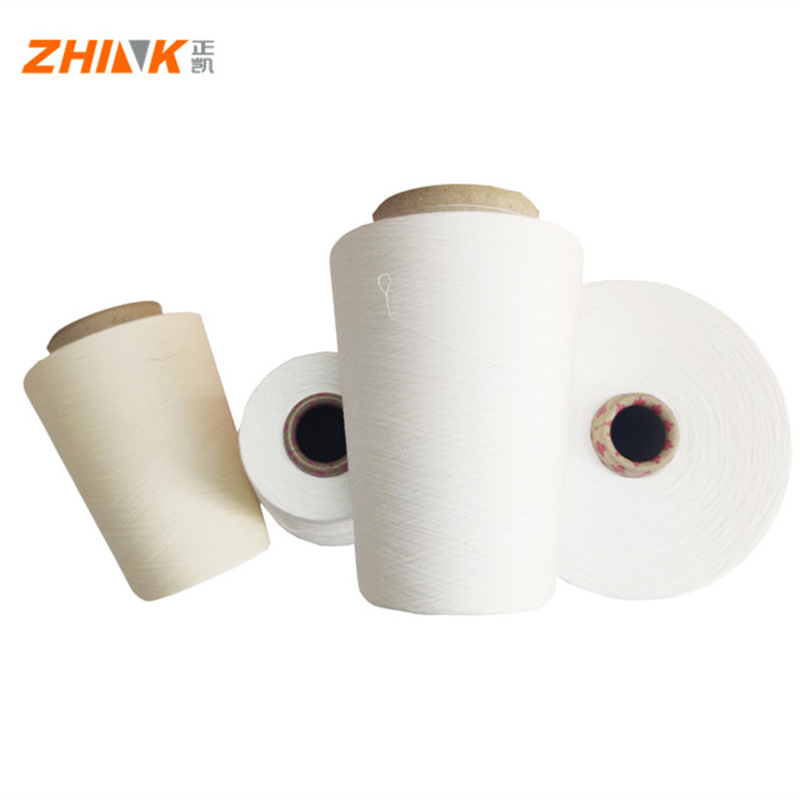
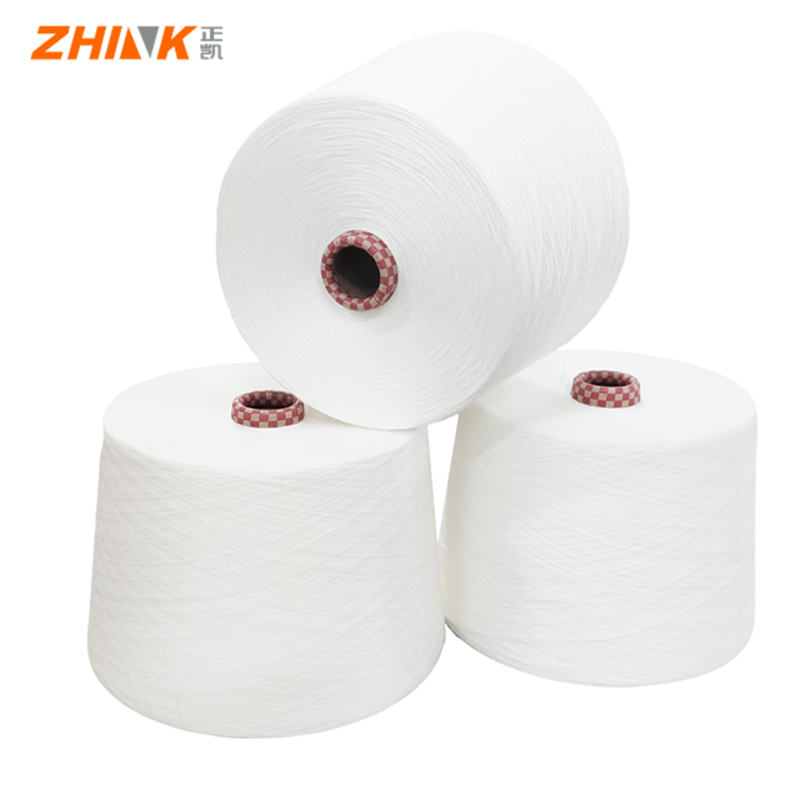
bulk cotton yarn
The Intricacies of Bulk Cotton Yarn
In the dynamic world of textiles, bulk cotton yarn plays a pivotal role. It's not just about mass. It's about quality, consistency, and understanding what makes good yarn truly stand out. Let’s delve into some real-world insights and lessons learned from dealing with this essential material.
Understanding Bulk Cotton Yarn
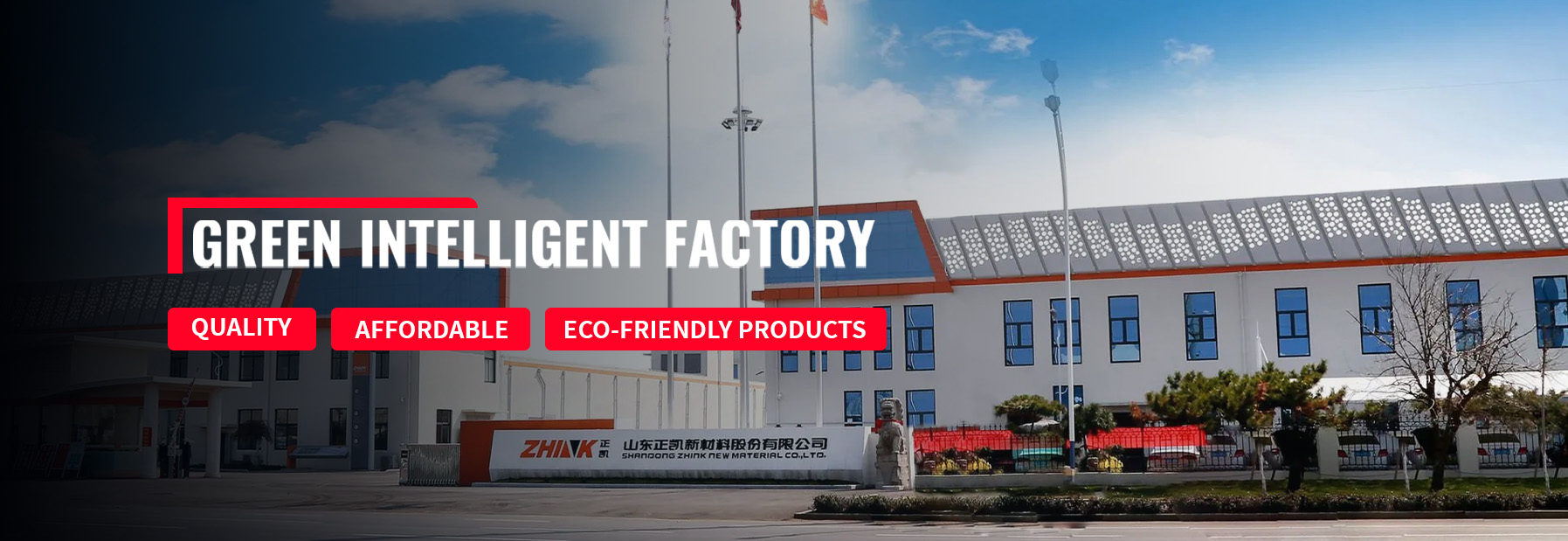
When talking about bulk cotton yarn, it’s important to grasp what “bulk” implies in this context. There’s a common misconception that bulk refers to lower quality or cost-cutting measures. That’s not the case. It's about achieving a certain volume without compromising on the fiber’s integrity. Companies like SHANDONG ZHINK NEW MATERIAL CO., LTD have been leading the charge in ensuring that quality doesn’t take a backseat.
I've seen firsthand how delicate the balance can be between maintaining yarn quality and increasing production scale. Bulk doesn’t have to mean big, unwieldy spools. It’s about the thoughtful scaling of the production process, ensuring each yarn maintains a high standard, which takes deep expertise in material science—a forte for Zhink New Material.
What’s intriguing is how production strategies influence the final product. Factors like fiber selection, spinning techniques, and even environmental conditions play a role. The challenge is to keep these variables in check while pushing for volume.
Challenges in Production
One of the pressing issues in large-scale yarn production is consistency. It’s a battle between the precision of machinery and the nuances that only a human touch can perfect. I recall a project where even slight humidity changes threw off an entire batch's texture. It made me appreciate the meticulous control employed by industry leaders.
Then there’s the matter of sustainability, a frequent discussion topic. How do you balance high-volume production with eco-friendly practices? At places like Zhink New Material, the move towards greener processes is evident—integrating recycled materials without compromising yarn quality is a testament to innovation.
Let’s not forget logistics. Managing inventory, timely delivery, and minimizing waste—these are challenges that transform what seems like a straightforward process into a complex operation.
The Impact of Technology
Advancements in technology can’t be overstated. Automated systems for detecting yarn defects have become indispensable. I remember the days when manual checks were standard, which while thorough, were prone to human error. Today, technology has streamlined these processes, allowing for rapid scaling without missing a beat.
The digital transformation of inventory systems has also been a game changer. Real-time tracking ensures that any disruption in supply chain activities is swiftly addressed. At Zhink New Material, their integrated systems are impressive, reducing backlogs significantly and keeping production flowing smoothly.
Moreover, the ability to simulate production scenarios using software has opened doors to experimentation with less risk. It’s like having a testing ground, avoiding costly errors before they hit the production line.
The Importance of Quality Control
Despite advancements, nothing substitutes keen oversight. Quality control teams play a crucial role in maintaining standards. I witnessed a scenario where a subtle change in raw cotton batches caused an entire production line to halt for recalibration. Here, expertise and swift decision-making were vital.
Regular audits and sampling help catch discrepancies before they become full-scale issues. Consistency in texture, color, and durability of the cotton yarn are non-negotiable. This is where Zhink New Material truly shines, with a deep investment in training quality control specialists.
A collaborative approach also aids in quality assurance. Suppliers, manufacturers, and sales teams need to be on the same page to ensure the end product meets the market’s expectations.
Sourcing and Market Dynamics
The market for bulk cotton yarn is fiercely competitive. Sourcing the right cotton, understanding market trends, and negotiating pricing are all about relationships and timing. I've seen how partnerships can make or break the potential for profit.
Considerations such as geopolitical influences on cotton availability can dramatically shift strategies. Producers must remain agile, which is why companies like SHANDONG ZHINK NEW MATERIAL CO., LTD focus deeply on market research, pivoting quickly when challenges arise.
The ultimate test for any yarn producer is customer satisfaction. It’s a priority that demands not only technical excellence but also a keen awareness of shifting consumer preferences and demands.
In summary, bulk cotton yarn is not a mere commodity—it's a complex interplay of science, technology, and market forces, where each decision points to a larger effect. It's fascinating to see how industry leaders like Zhink New Material navigate this intricate landscape, merging tradition with innovation seamlessly.
Related Products
Related Products