+86-632-3621866
- Chinese
- French
- German
- Portuguese
- Spanish
- Russian
- Japanese
- Korean
- Arabic
- Irish
- Greek
- Turkish
- Italian
- Danish
- Romanian
- Indonesian
- Czech
- Afrikaans
- Swedish
- Polish
- Basque
- Catalan
- Esperanto
- Hindi
- Lao
- Albanian
- Amharic
- Armenian
- Azerbaijani
- Belarusian
- Bengali
- Bosnian
- Bulgarian
- Cebuano
- Chichewa
- Corsican
- Croatian
- Dutch
- Estonian
- Filipino
- Finnish
- Frisian
- Galician
- Georgian
- Gujarati
- Haitian
- Hausa
- Hawaiian
- Hebrew
- Hmong
- Hungarian
- Icelandic
- Igbo
- Javanese
- Kannada
- Kazakh
- Khmer
- Kurdish
- Kyrgyz
- Latin
- Latvian
- Lithuanian
- Luxembou..
- Macedonian
- Malagasy
- Malay
- Malayalam
- Maltese
- Maori
- Marathi
- Mongolian
- Burmese
- Nepali
- Norwegian
- Pashto
- Persian
- Punjabi
- Serbian
- Sesotho
- Sinhala
- Slovak
- Slovenian
- Somali
- Samoan
- Scots Gaelic
- Shona
- Sindhi
- Sundanese
- Swahili
- Tajik
- Tamil
- Telugu
- Thai
- Ukrainian
- Urdu
- Uzbek
- Vietnamese
- Welsh
- Xhosa
- Yiddish
- Yoruba
- Zulu
- Kinyarwanda
- Tatar
- Oriya
- Turkmen
- Uyghur


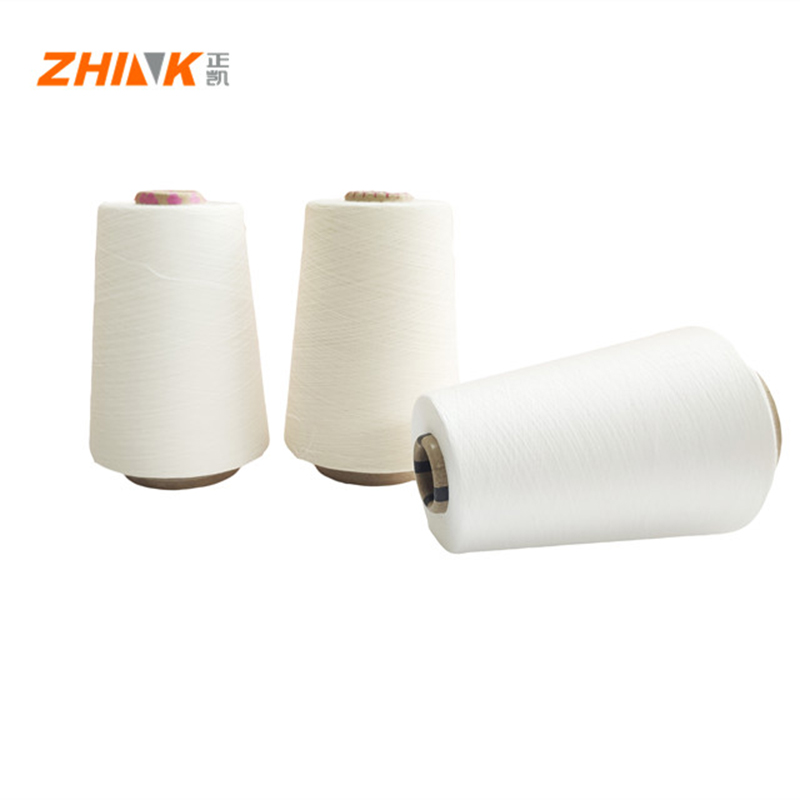
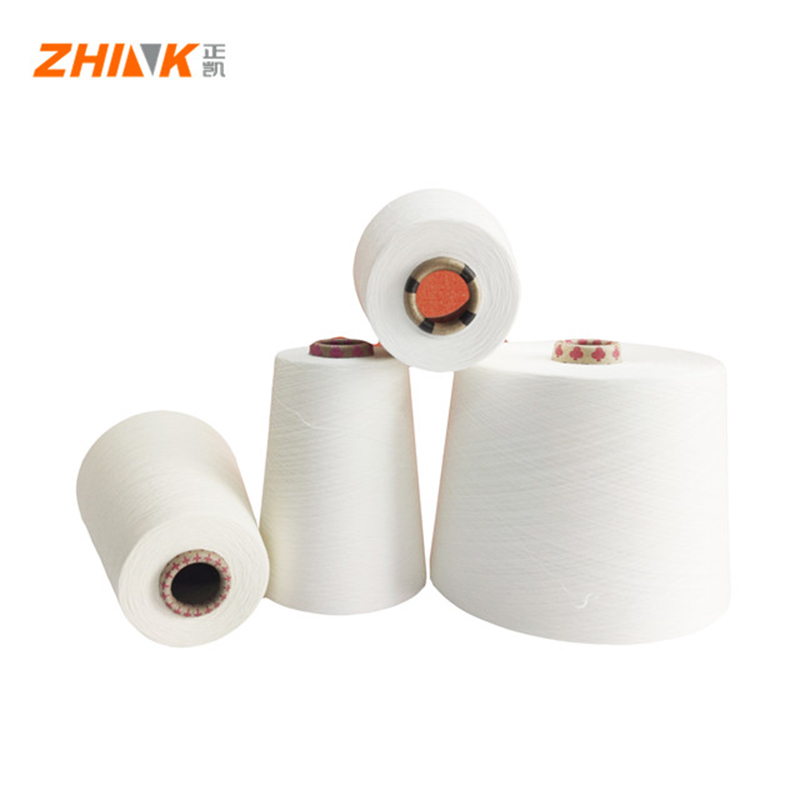
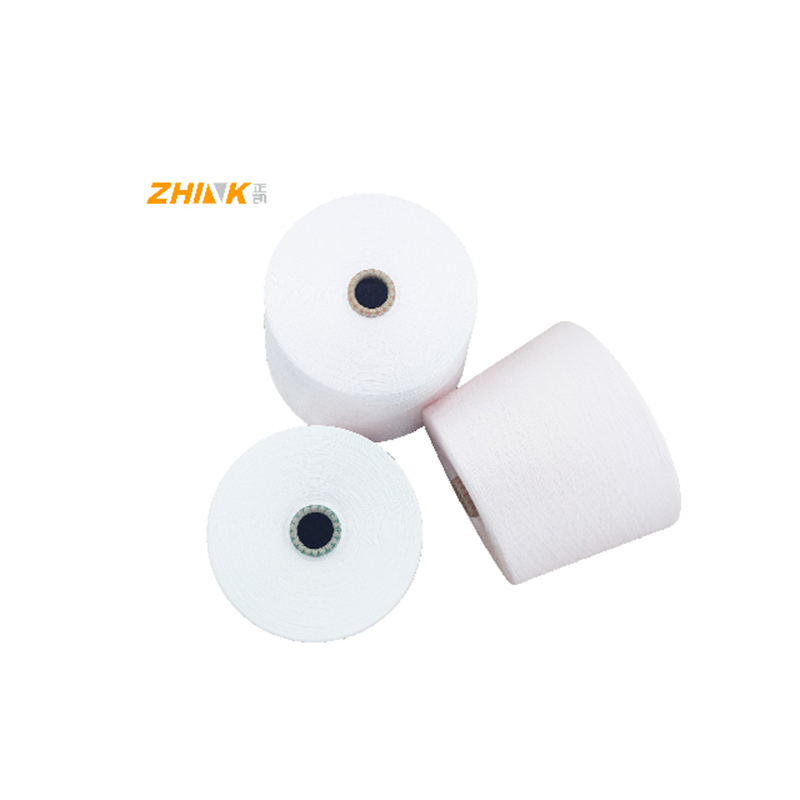
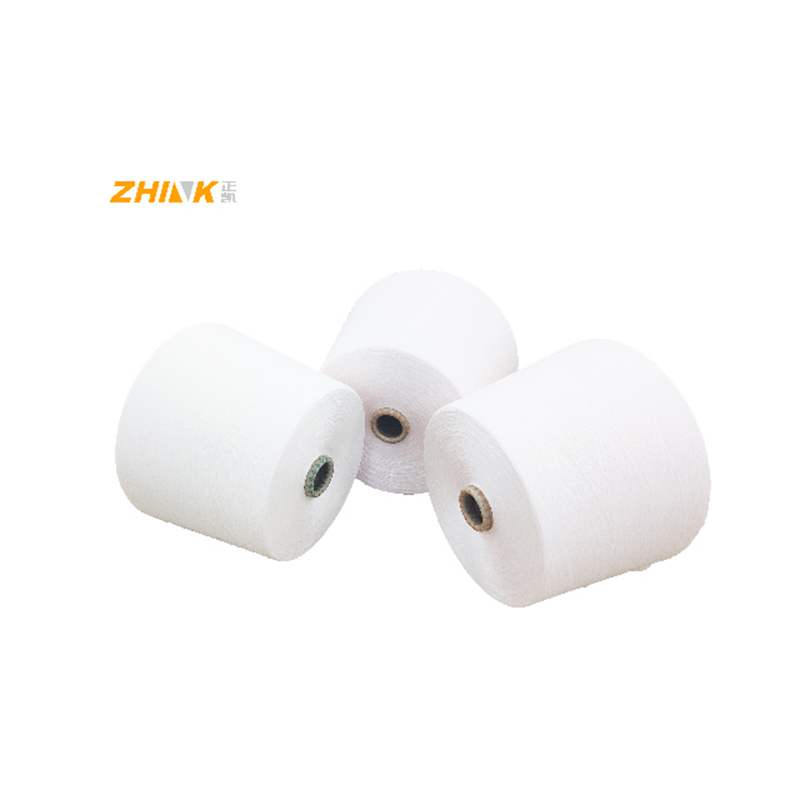
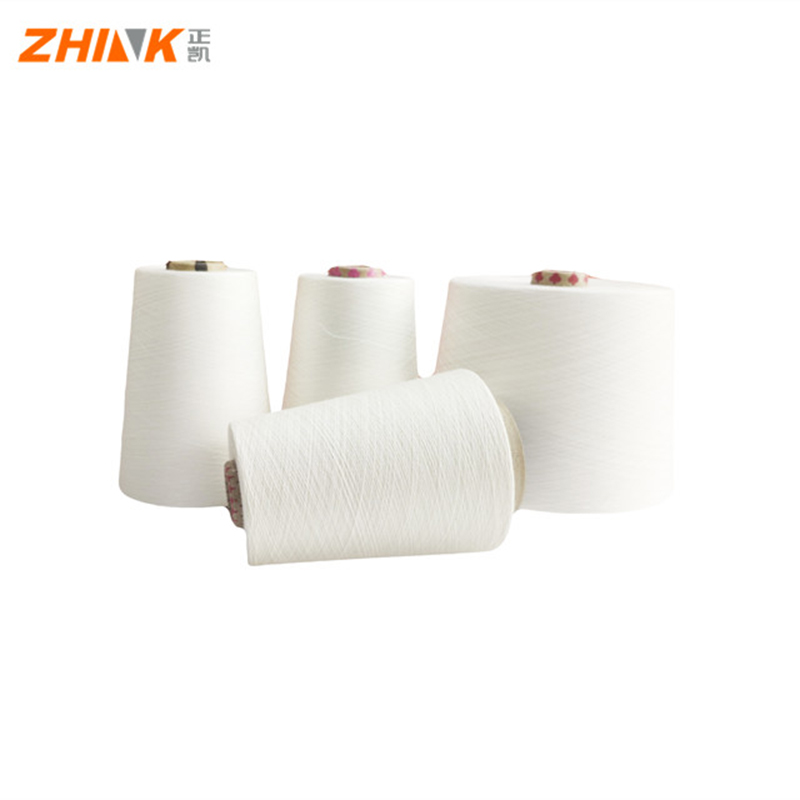
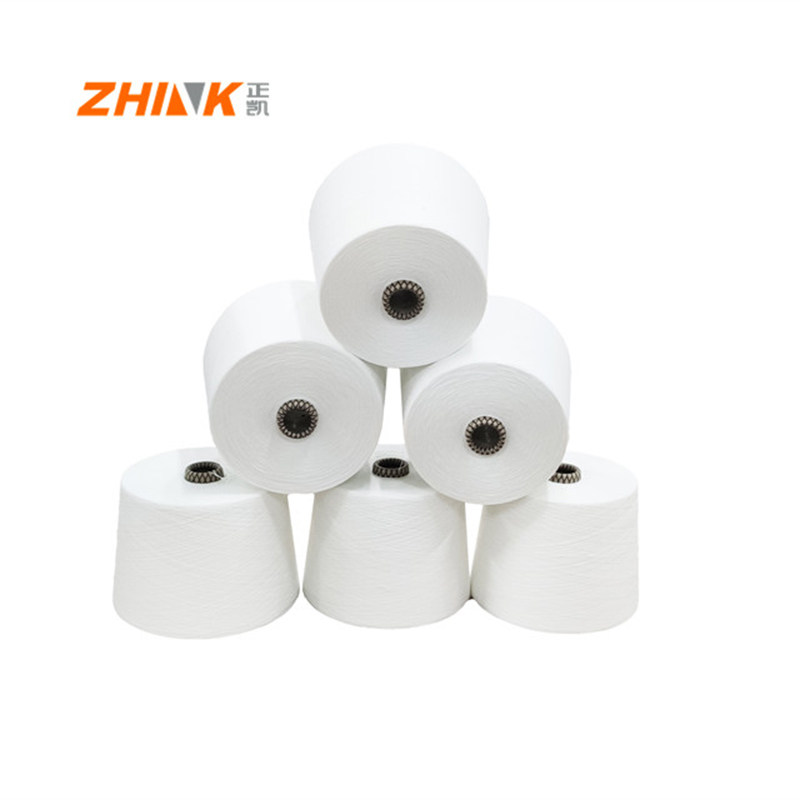
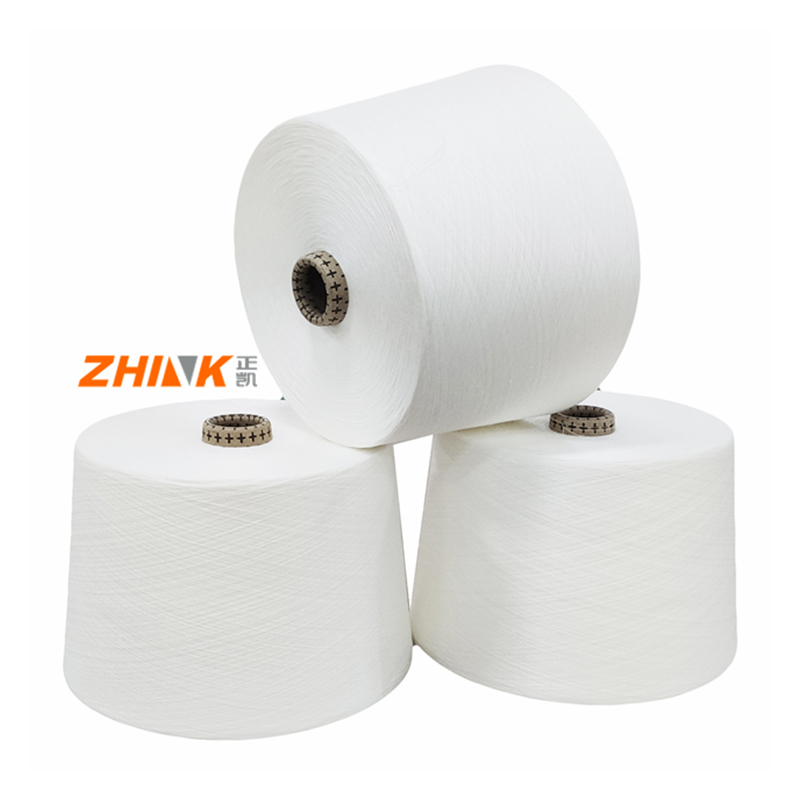
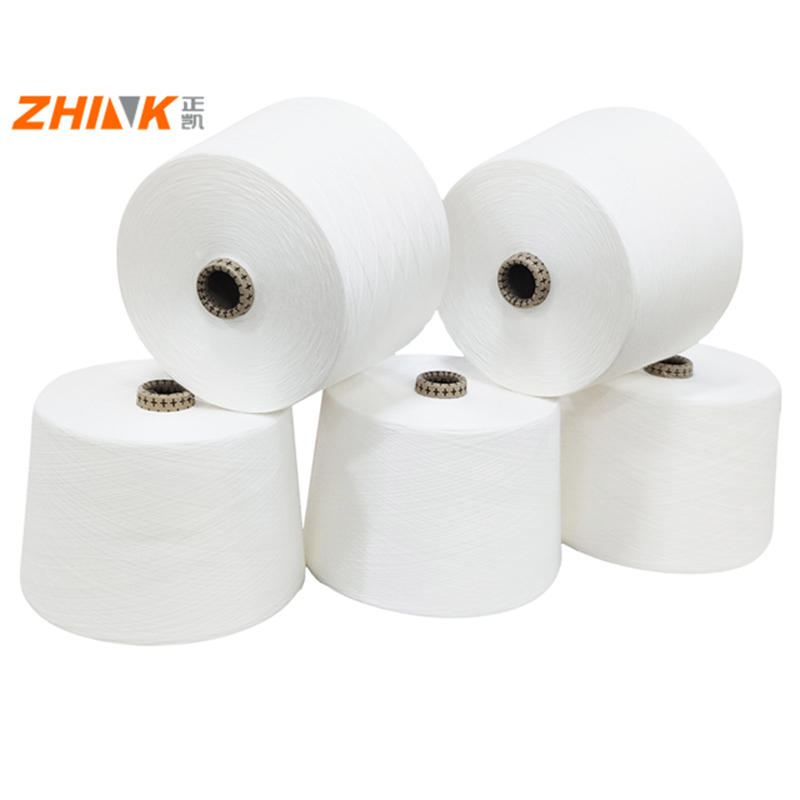
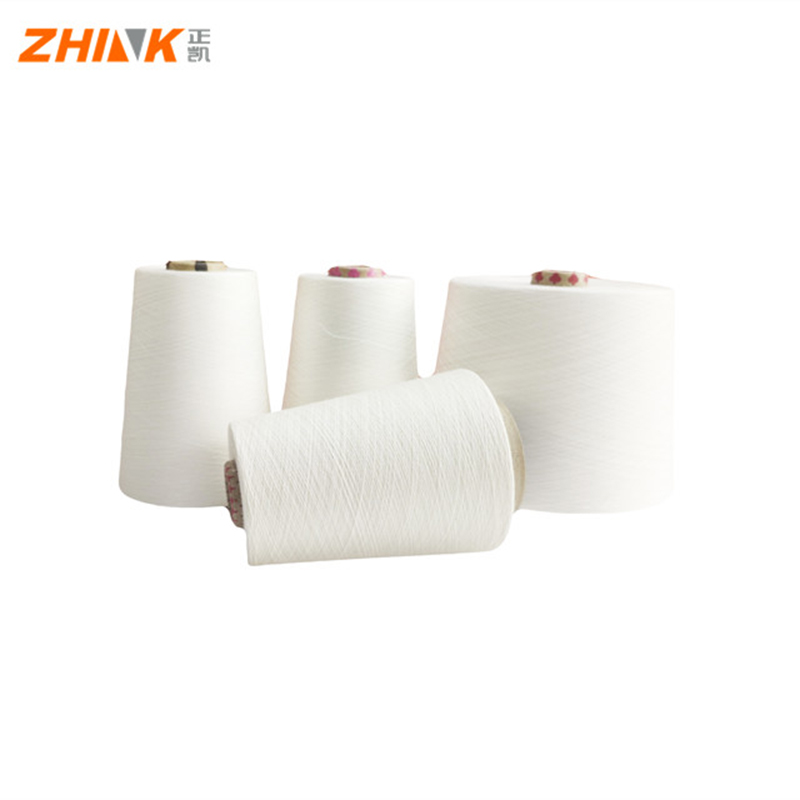
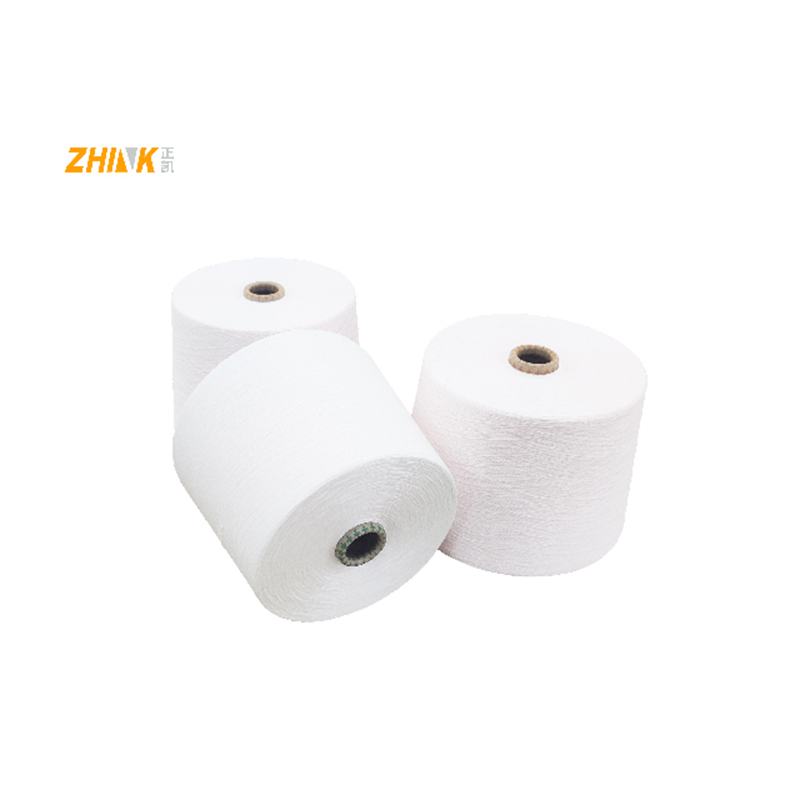
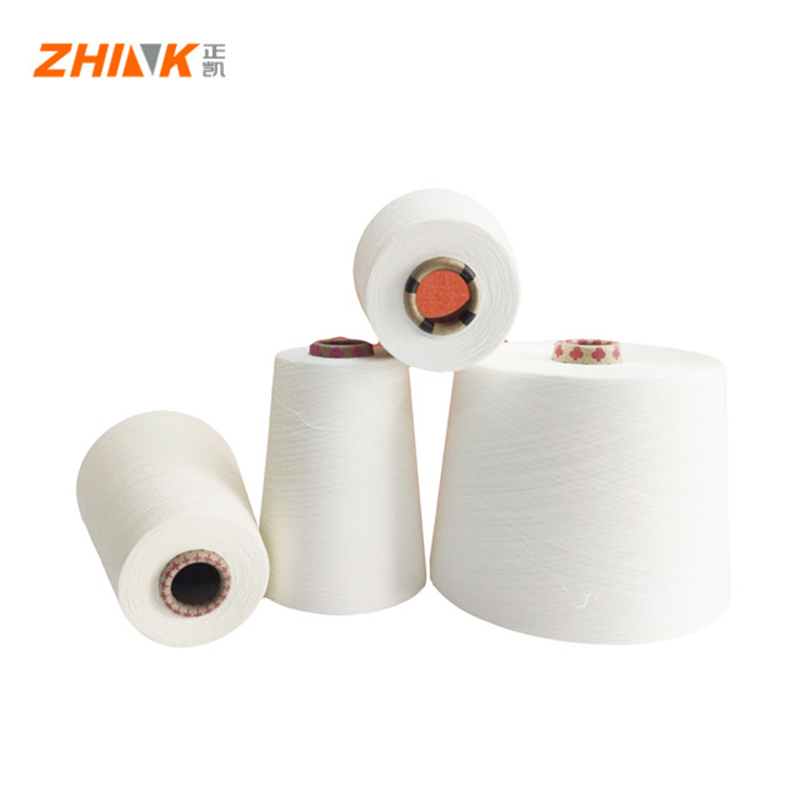
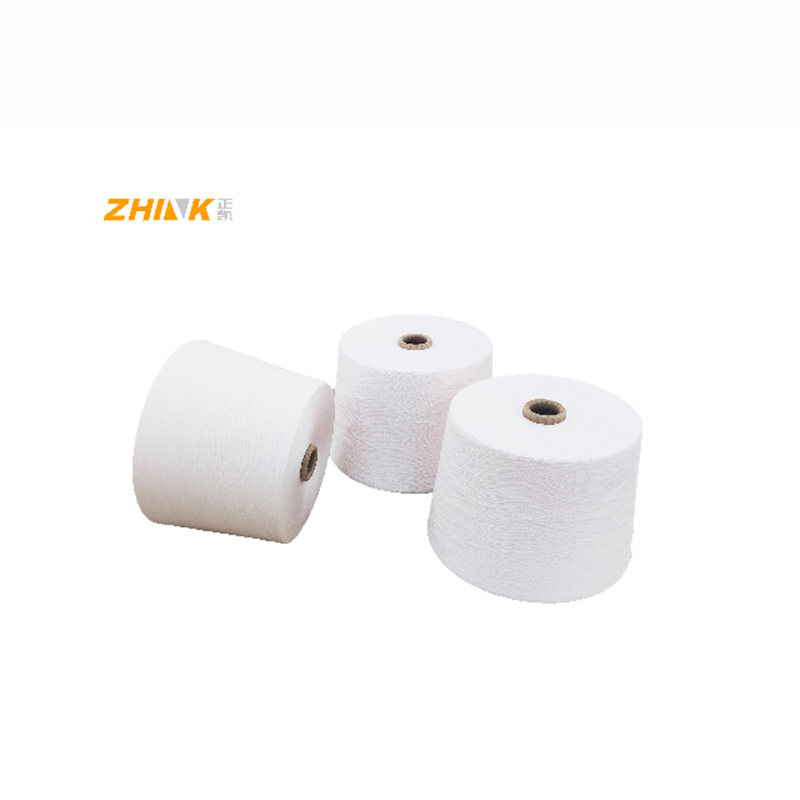
cationic olyester/linen 80/20 25S
Cationic Polyester/Linen 80/20 25S: A Closer Look
Exploring the blend of cationic polyester/linen 80/20 25S opens a door to innovations in textile manufacturing, offering both aesthetic appeal and functional benefits. When you dive into this fabric mix, an intriguing world of texture, color retention, and comfort unveils itself, perfect for various applications. But, as with any textile, there are nuances that industry veterans like SHANDONG ZHINK NEW MATERIAL CO., LTD understand deeply.
Understanding the Fiber Mix
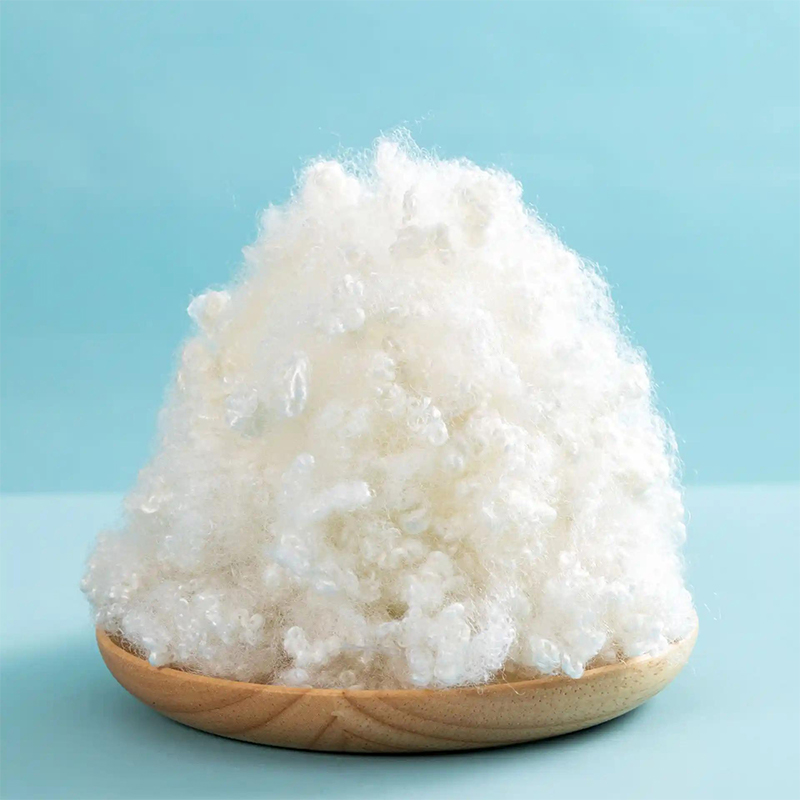
The combination of cationic polyester and linen in an 80/20 ratio seems to strike a balance that caters to multiple needs. Cationic polyester is known for its enhanced dyeability, which results in more vibrant colors. When you blend it with linen, renowned for its breathability and comfort, it creates a fabric that's both practical and visually appealing. But this isn't merely about technical specifications; it's about how these qualities translate in real-life applications.
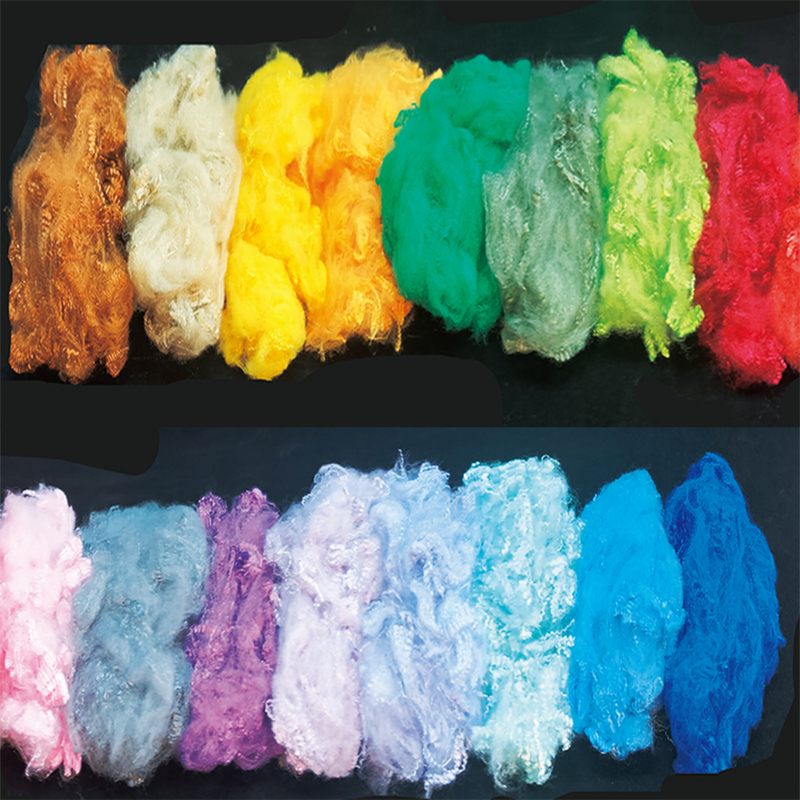
For instance, dye houses often report that the cationic polyester component dramatically reduces the complications common with standard polyester when pursuing rich, bright hues. This is something that companies, like Zhink New Material, leverage extensively—a point worth noting for designers prioritizing color fidelity.
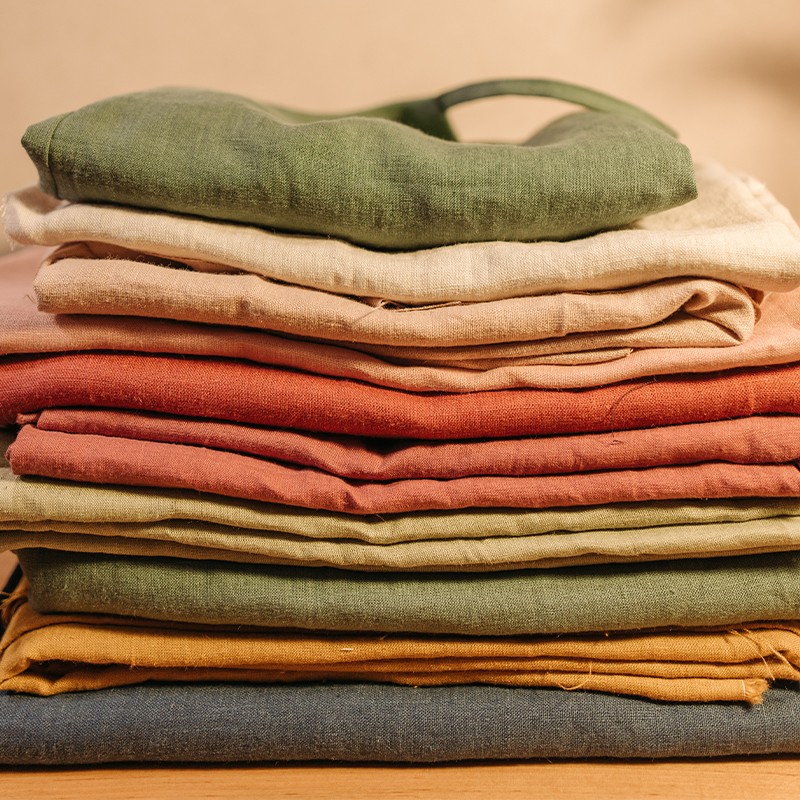
That said, the linen inclusion isn't just a secondary consideration. Even in small percentages, linen imparts a certain crispness to the fabric, an understated sheen that’s cherished in both fashion and home textiles. Whether it's about delivering refined apparel or designing interiors that need to exude subtle luxury, that 20% linen component does wonders.
Application in the Real World
When deciding where to use this unique blend, think beyond traditional textiles. Innovative fabric developers are experimenting in both fashion and technical textiles. A classic example is sportswear—where the strength and stretch of polyester meet linen's cooling properties. Such a fabric can provide enhanced moisture management, crucial in active wear.
On visiting some textile fairs, you’d often hear discussions of how the cationic polyester/linen 80/20 25S proves versatile for eco-conscious brands. Companies, including SHANDONG ZHINK NEW MATERIAL CO., LTD—known for its commitment to sustainability—find this blend ideal for eco-centered products due to the lower environmental impact of linen.
This adaptability also extends to interior design. Here, the tactile elegance of the blend is invaluable; designers frequently point out how it brings a room to life without overpowering the overall aesthetic vision.
The Process Behind the Blend
Now, the challenge—and the allure—lies in the production itself. Creating a harmonious 80/20 blend requires expertise. Such manufacturing processes are a forte of specialized companies like Zhink New Material. Their facilities are designed to handle the precise blending, ensuring fabric integrity and consistency.
To achieve the best results with this blend, every step must be meticulously controlled—from spinning to weaving to finishing. An integrative R&D approach is often employed, where technological advances in machinery and fabric treatment are constantly incorporated.
Interestingly, firms focused on low-impact production are embracing advanced techniques in recycling water and managing energy consumption, a perspective supported by many entries on https://www.zhinkyarn.com.
Challenges on the Way
As promising as this blend is, there are always challenges. Fabricating cationic polyester/linen 80/20 25S isn't without its hurdles. One common issue is that the optimal settings for dyeing cationics aren't always the same for both fibers, requiring careful calibration in the dyeing process.
Companies also note that achieving perfect uniformity can sometimes be tricky. The natural irregularities of linen, while desirable aesthetically, may pose some manufacturing headaches. Frequent checks and quality controls are crucial to catch inconsistencies before they reach the client.
Yet, despite these occasional hurdles, the potential and success stories consistently outweigh the challenges, which is testament to the craftsmanship and technological advancements in companies like Zhink New Material.
The Future of Cationic Blends
Moving forward, the trend is likely to expand further. More designers are drawn to this fabric for its unique blend of qualities. Expect variations that tweak the ratio or incorporate additional fibers, exploring what new textures and qualities might be offered.
The technological marriage between natural and synthetic fibers is a space ripe for further R&D, where companies such as SHANDONG ZHINK NEW MATERIAL CO., LTD continue to spearhead efforts by capitalizing on their expertise and innovative capabilities.
Allowing for creative exploration, these fabrics cater to an industry that prizes both heritage and innovation. It's here that the real magic happens; in finding that perfect intersection between old-school knowledge and new-world technology.
Related Products
Related Products