+86-632-3621866
- Chinese
- French
- German
- Portuguese
- Spanish
- Russian
- Japanese
- Korean
- Arabic
- Irish
- Greek
- Turkish
- Italian
- Danish
- Romanian
- Indonesian
- Czech
- Afrikaans
- Swedish
- Polish
- Basque
- Catalan
- Esperanto
- Hindi
- Lao
- Albanian
- Amharic
- Armenian
- Azerbaijani
- Belarusian
- Bengali
- Bosnian
- Bulgarian
- Cebuano
- Chichewa
- Corsican
- Croatian
- Dutch
- Estonian
- Filipino
- Finnish
- Frisian
- Galician
- Georgian
- Gujarati
- Haitian
- Hausa
- Hawaiian
- Hebrew
- Hmong
- Hungarian
- Icelandic
- Igbo
- Javanese
- Kannada
- Kazakh
- Khmer
- Kurdish
- Kyrgyz
- Latin
- Latvian
- Lithuanian
- Luxembou..
- Macedonian
- Malagasy
- Malay
- Malayalam
- Maltese
- Maori
- Marathi
- Mongolian
- Burmese
- Nepali
- Norwegian
- Pashto
- Persian
- Punjabi
- Serbian
- Sesotho
- Sinhala
- Slovak
- Slovenian
- Somali
- Samoan
- Scots Gaelic
- Shona
- Sindhi
- Sundanese
- Swahili
- Tajik
- Tamil
- Telugu
- Thai
- Ukrainian
- Urdu
- Uzbek
- Vietnamese
- Welsh
- Xhosa
- Yiddish
- Yoruba
- Zulu
- Kinyarwanda
- Tatar
- Oriya
- Turkmen
- Uyghur


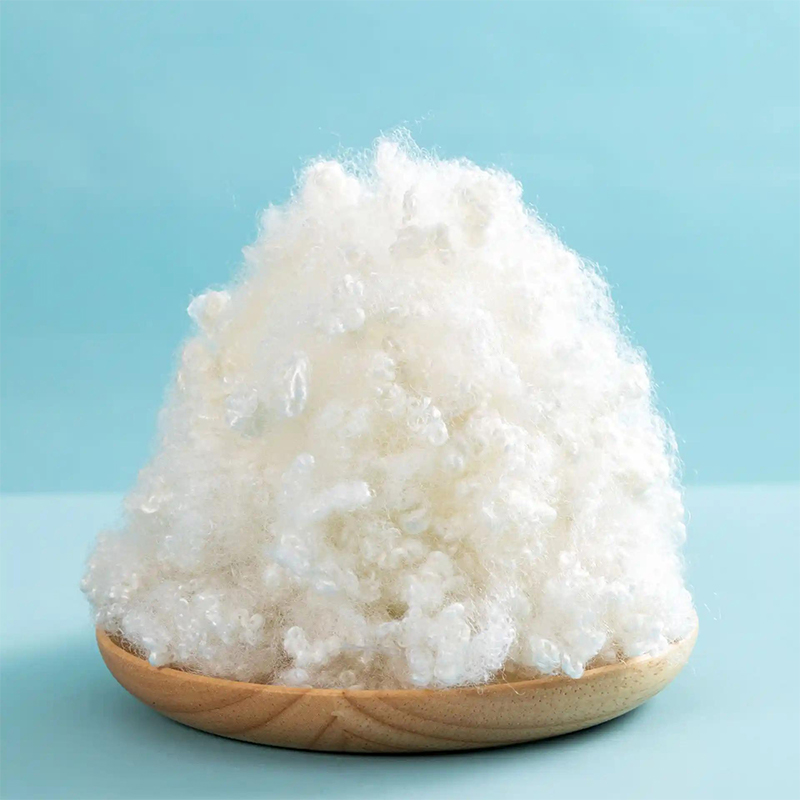
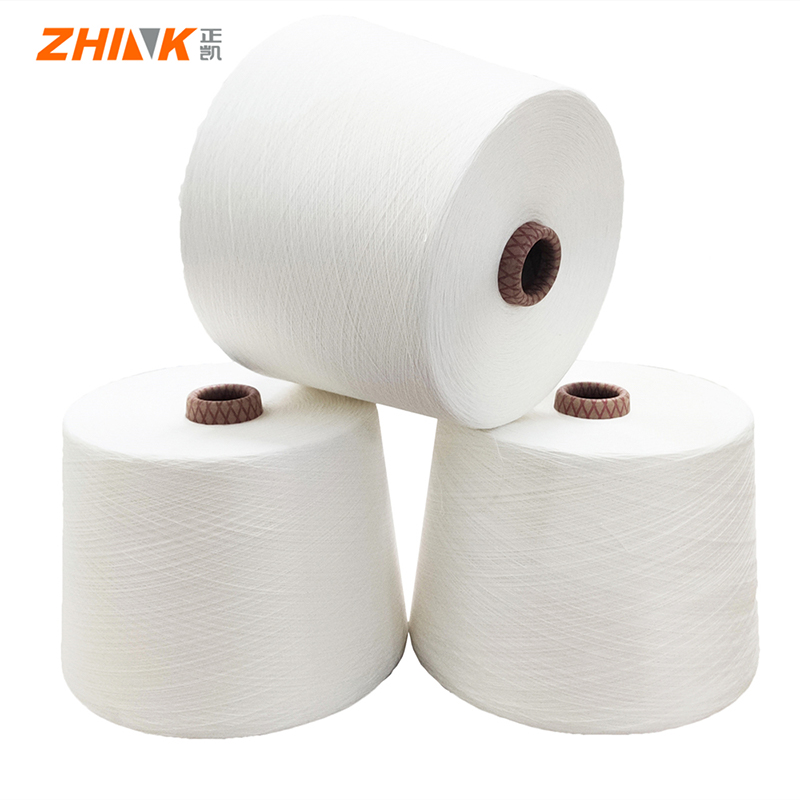
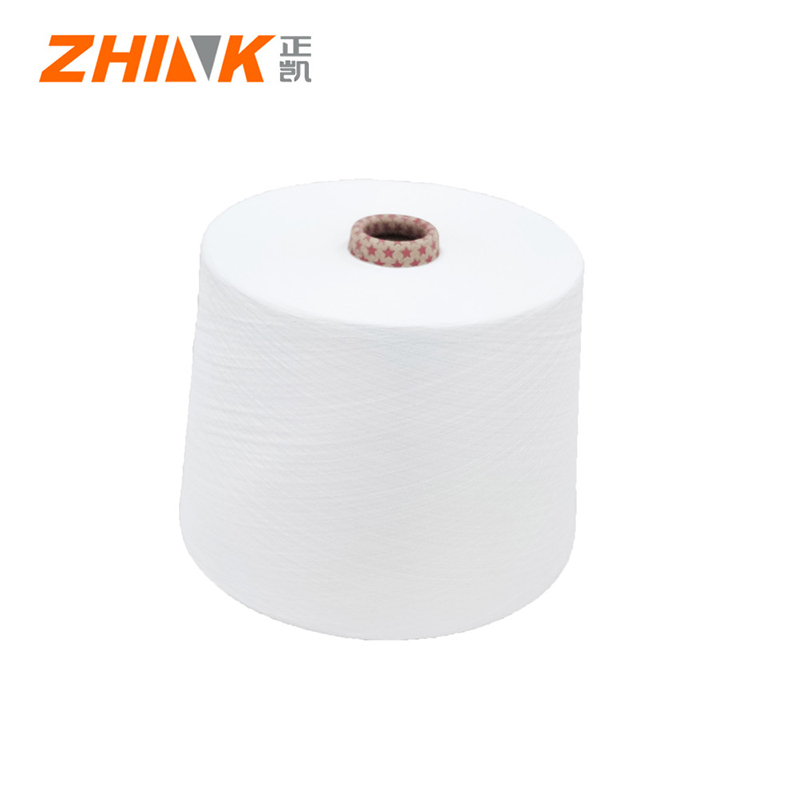
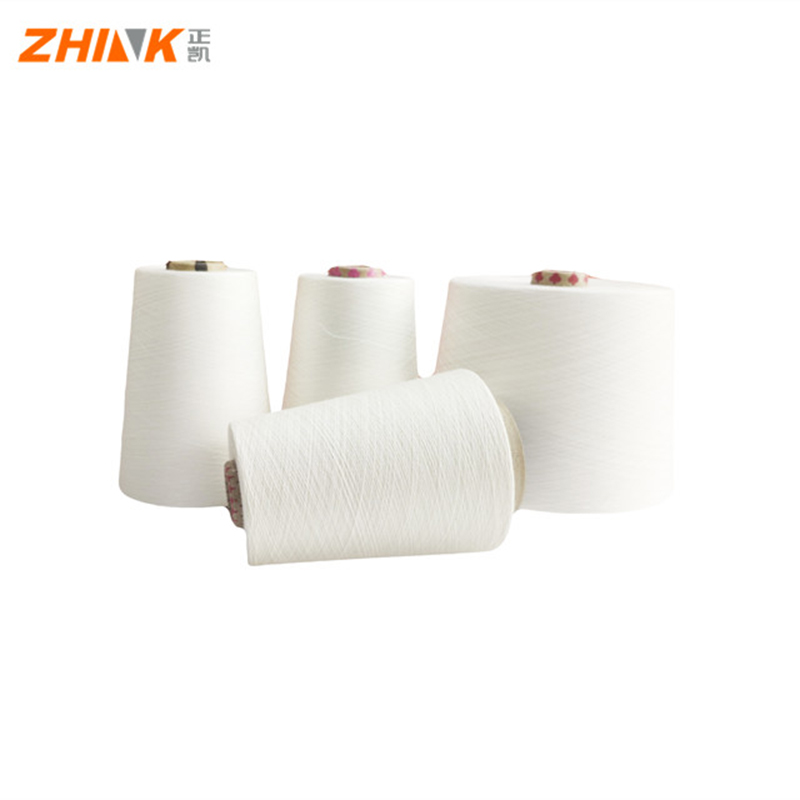
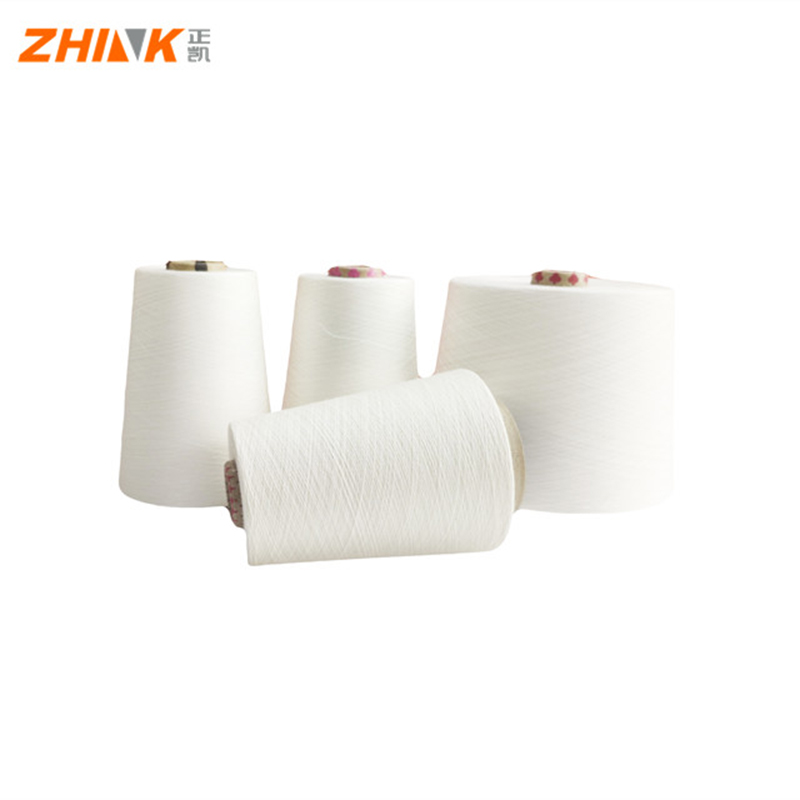
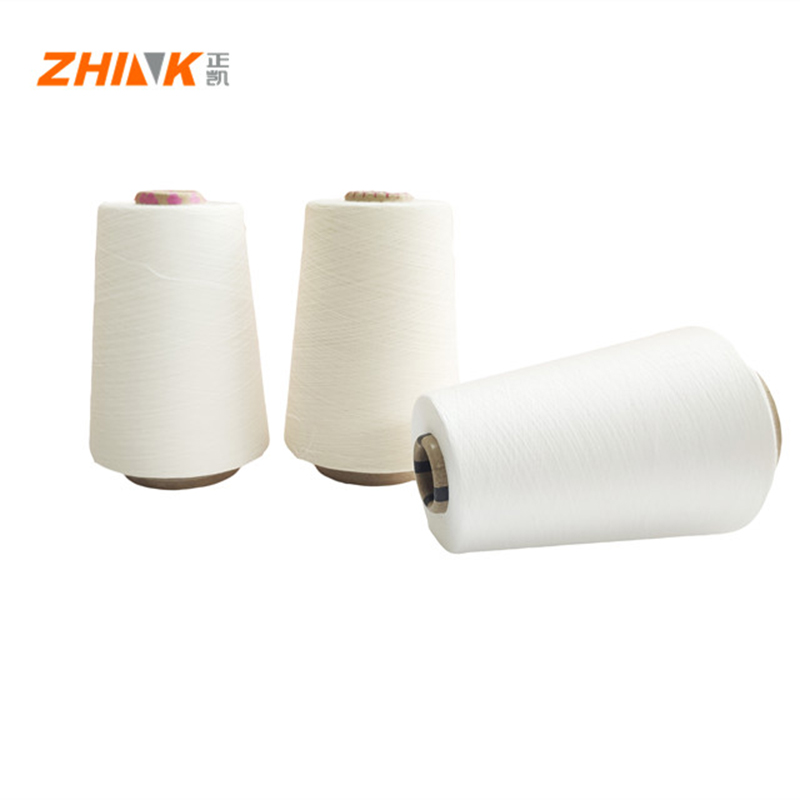
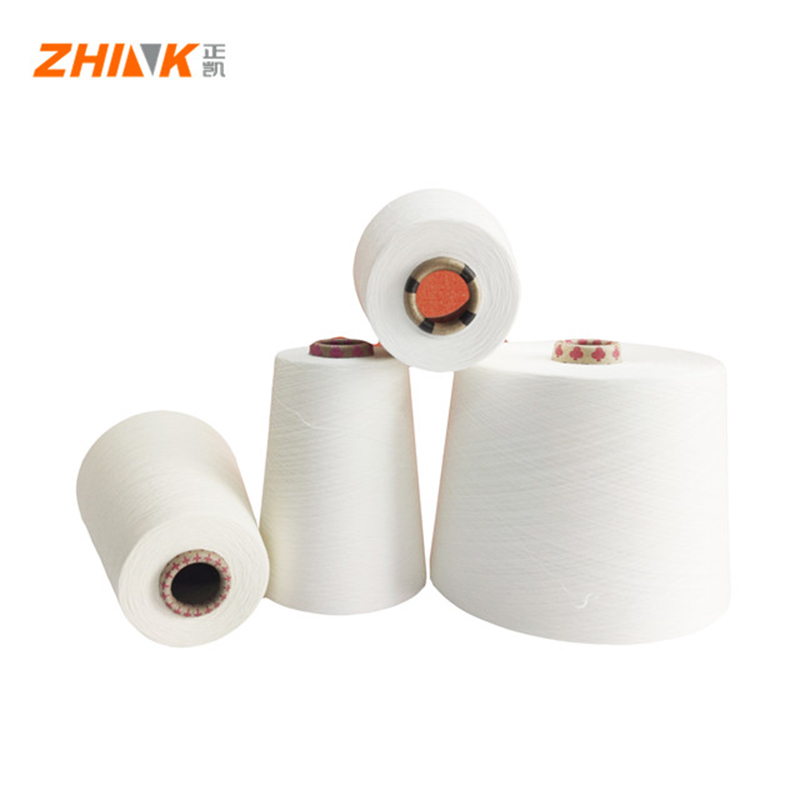
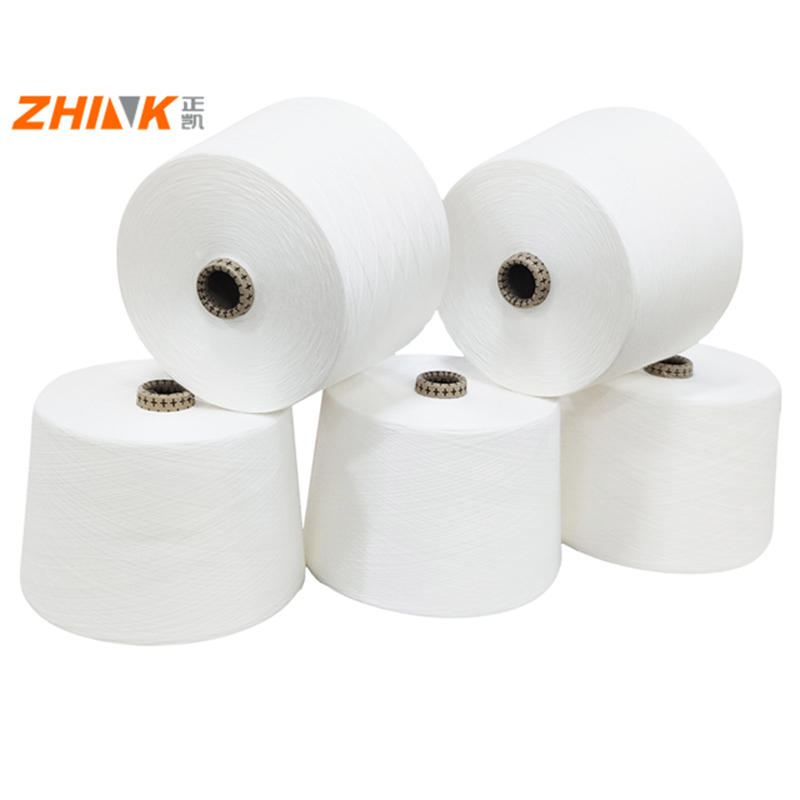
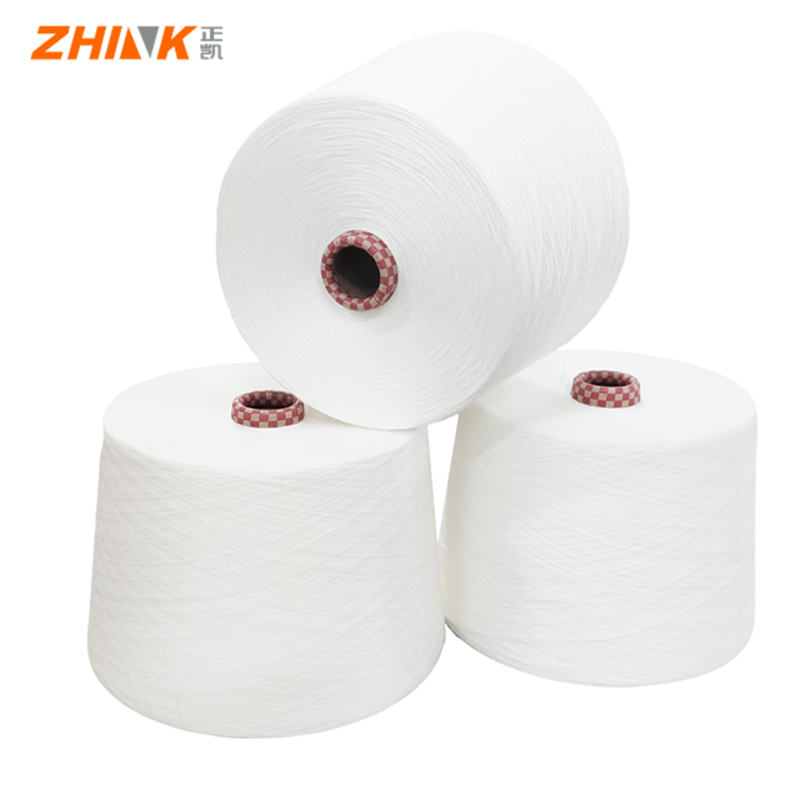
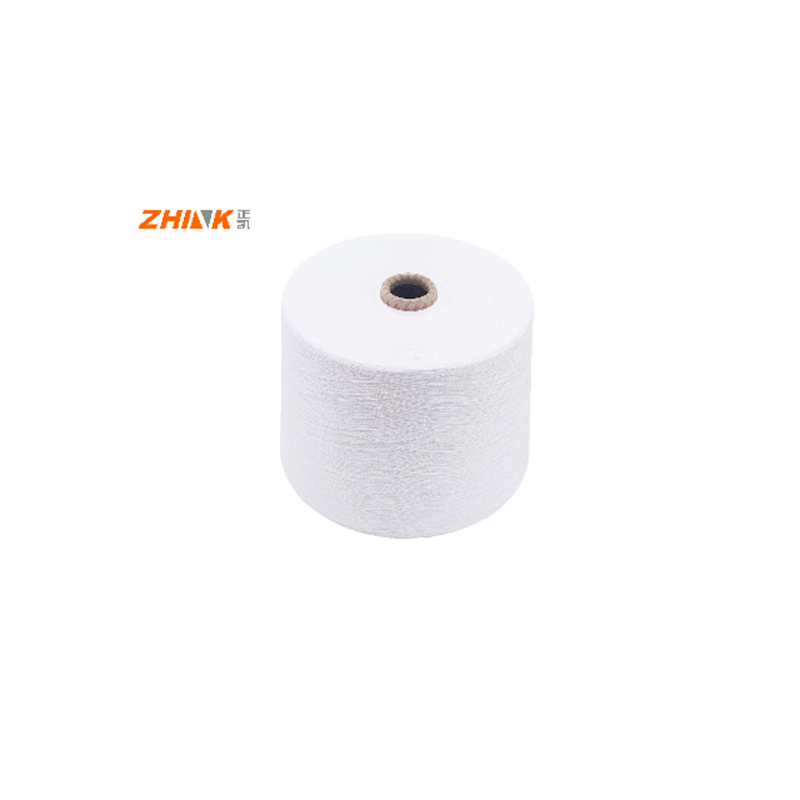
Cationic polyester fiber yarn
Exploring the World of Cationic Polyester Fiber Yarn
When it comes to cationic polyester fiber yarn, many in the textile industry often find themselves at a crossroads of innovation and practicality. This yarn, with its unique dyeing properties and adaptability, presents both opportunities and challenges. Let's delve into what makes it fascinating and how it can be practical—or complex—in real-world applications.
Understanding the Basics
Cationic polyester fiber yarn is not just a buzzword; it's a material that has caught the attention of textile engineers and designers alike. Its ability to bond with cationic dyes gives it a range of vivid color possibilities, something that stands out in the saturated market of fabric materials. But diving into its structure might reveal why it's not always a first choice.
From my own experience, finding the right balance between quality and cost is critical. We were working with some high-end clothing brands, and the richness of colors was unmatched. Yet, achieving color fastness required a tricky adjustment of chemicals, which sometimes led to unexpected setbacks. These hurdles are typical unless you have the know-how to navigate them.
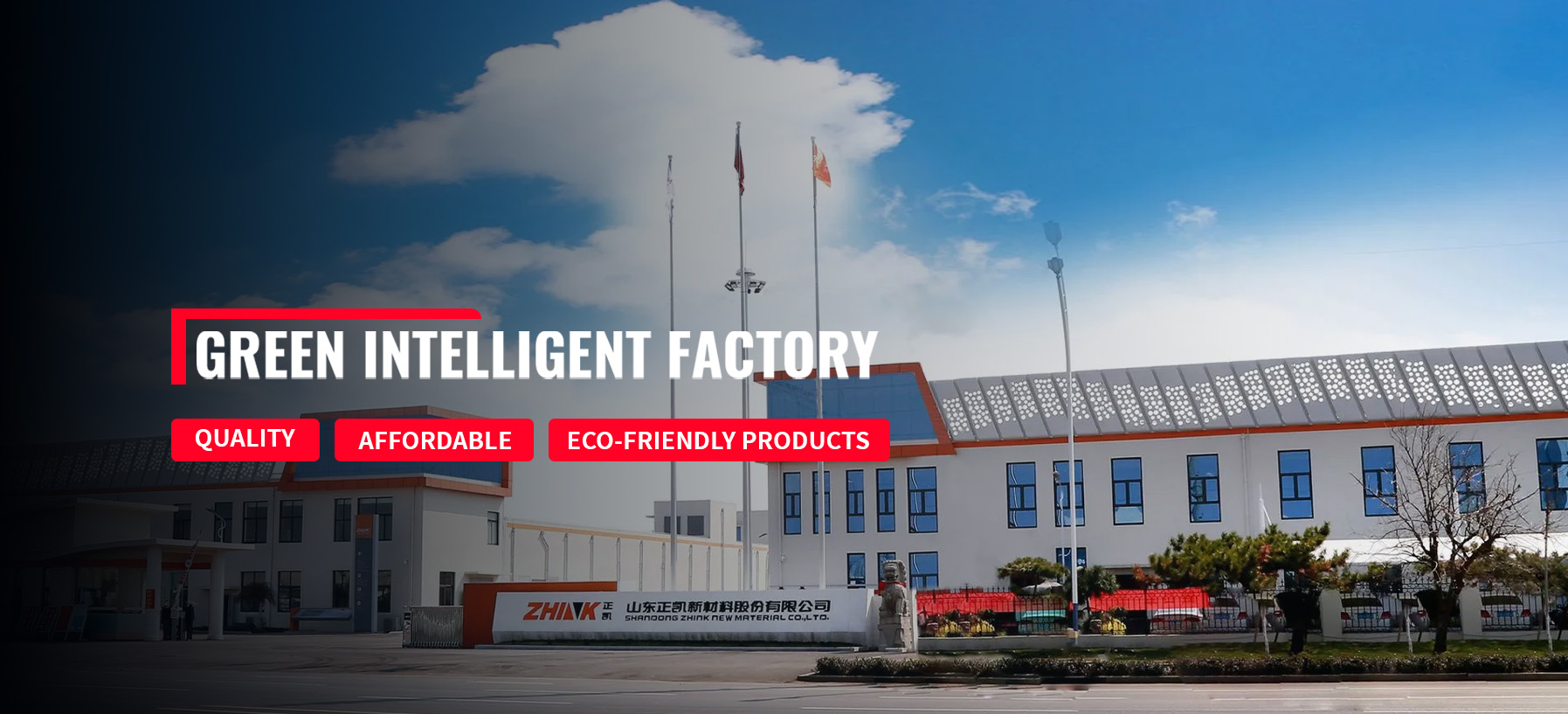
Also, conversations with colleagues often circle back to the textile's adaptability. For instance, one common discussion during our product meetings at SHANDONG ZHINK NEW MATERIAL CO., LTD is how versatile these fibers can be. Zhink New Material emphasizes this versatility, which is a key selling point to our clients.
Challenges in Production
One of the major challenges with cationic polyester fiber yarn is achieving consistent quality in large productions. I recall a particular instance when we scaled up a custom-colored yarn. Small batches were immaculate, but stresses appeared when pushed to larger machinery. This isn't uncommon, but it's a headache nevertheless for ensuring consistency across sheets and rolls.
It's in these scaling tests where the real engineering skills come into play. Fine-tuning machinery by fractions can mean the difference between a seamless output and a production full of flaws. These insights, often unnoticed by outsiders, are crucial for those of us in the trenches of textile production.
We also had to consider the supply chain intricacies. The selection of raw polyester and chemical additives needs rigorous quality checks. Without them, the final product might not meet the standards that customers expect, a point that we are very particular about at Zhink New Material.
Applications and Innovations
So, where does cationic polyester fiber yarn hold its ground? The fashion industry is one sector where these fibers are gaining traction. The vibrant colors and durability are attractive to brands aiming for eye-catching yet functional designs. I’ve seen firsthand how designers light up when they see the impressive color palette made possible through this technology.
Moreover, advancements in eco-friendly manufacturing are evolving the narrative. By using recycled materials, like some projects at our company, the push towards sustainability becomes more than just a trend—it's a tangible shift. This sustainability aspect resonates deeply, as consumers become increasingly eco-conscious.
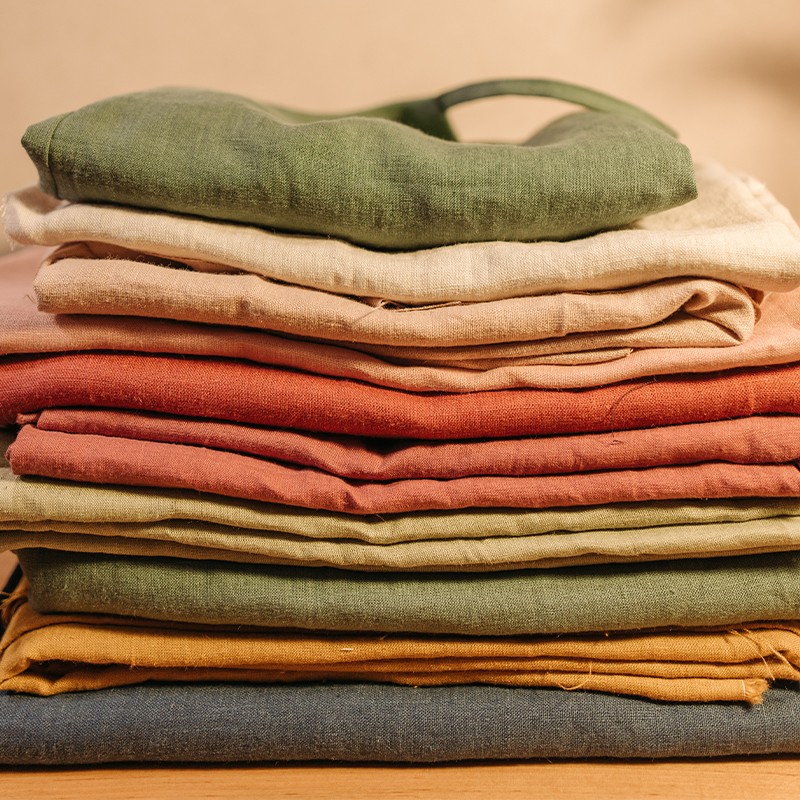
Beyond clothing, these fibers find roles in home textiles, from luxurious cushions to colorful drapes, giving living spaces character and style without losing functionality. This cross-industry potential is something we're keen to explore more at Zhink.
Market Dynamics
The market for cationic polyester fiber yarn is dynamic and ever-changing. Keeping an eye on trends is as critical as maintaining product quality. We notice fluctuations in demand based on fashion cycles, and it's essential to predict these shifts to stay ahead.
In conversations with industry peers, understanding consumer behavior and regional preferences comes up frequently. For instance, Asian markets might prefer different textures and hues than European ones, indicating the importance of tailored marketing strategies—a point we discuss often in our board meetings at SHANDONG ZHINK NEW MATERIAL CO., LTD.
There's also the aspect of price competition. The costs of dyes and materials can create a pricing challenge, and knowing how to position our products without compromising on quality is a continual learning curve.
Looking Ahead
As we look towards the future of cationic polyester fiber yarn, several paths can unfold. Technological advancements will likely reduce some current complexities, streamlining processes while expanding design possibilities. Collaborating with tech startups or investing in R&D, as we do at Zhink New Material, could pave the way for new uses or manufacturing efficiencies.
The integration of smart textiles, using sensors and conductive materials, may add a new dimension to these fibers. Imagining a future where these yarns are part of wearable technology isn't far-fetched—it's an exciting prospect.
Ultimately, staying adaptable and informed will be key. The experiences and experiments I've encountered suggest a future rich in potential for anyone willing to explore and adapt to the changing landscape of textile innovation.
Related Products
Related Products